

Mens Riding Coats: Performance, Style & Practicality
Mar 01, 2026
Choosing the right riding coat isn't about following trends or ticking boxes. It's about finding a piece that performs when you need it, looks the part in any setting, and lasts season after season. Mens riding coats have evolved significantly from traditional hunting jackets and formal show attire to versatile, technical garments that work as hard as you do. Whether you're competing, training in unpredictable weather, or heading straight from the stables to town, your coat needs to deliver on multiple fronts. The best options combine weather resistance, freedom of movement, and understated style without compromise.
Understanding the Core Types of Mens Riding Coats
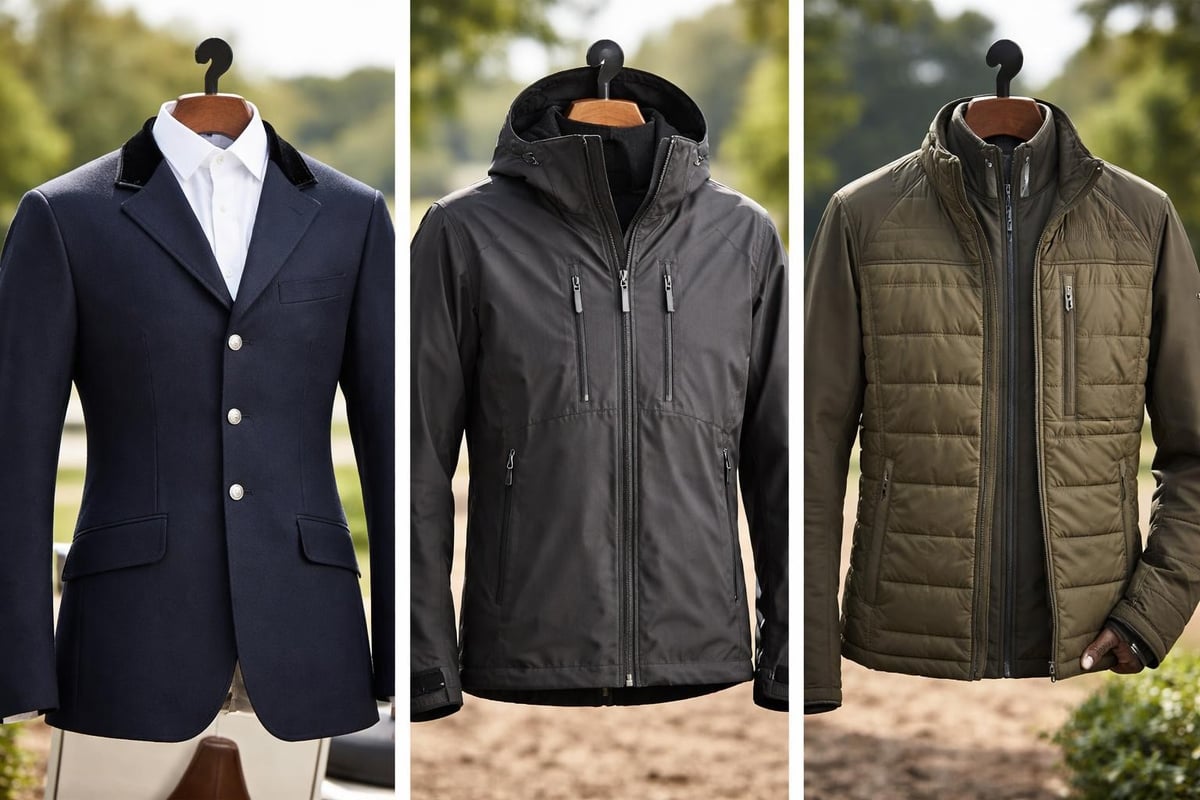
The world of mens riding coats breaks down into several distinct categories, each serving specific purposes. Understanding these differences helps you invest wisely rather than collecting jackets that don't quite fit your needs.
Show coats represent the formal end of the spectrum. These tailored pieces prioritize tradition and presentation, typically constructed from wool blends or technical fabrics that maintain their shape under pressure. They're cut to allow shoulder movement while maintaining a clean silhouette in the saddle. Modern show coats for men often incorporate stretch panels and moisture-wicking liners that previous generations never had.
Technical riding jackets focus on performance. These coats handle weather while allowing complete freedom of movement. Think waterproof shells, softshells with four-way stretch, and insulated options that breathe. The construction differs significantly from show coats, with articulated sleeves, longer backs, and features like storm flaps and adjustable cuffs becoming standard rather than optional.
Hybrid designs sit between formal and functional. These versatile pieces work for everyday riding, light competition, and casual wear beyond the stables. They're often the most practical investment for riders who need one coat to handle multiple scenarios without looking out of place in any of them.
Weather Protection Without Sacrificing Movement
Riding in British weather means dealing with everything from morning frost to unexpected downpours. Your coat needs to handle these conditions while letting you ride naturally.
Waterproofing Technologies
Modern waterproof riding coats use membrane systems that block rain while allowing perspiration to escape. The Long Raintech waterproof coat demonstrates how technical fabrics now achieve this balance without the clammy, restrictive feel of older rainwear.
Sealed seams matter more than many riders realize. Water finds its way through stitching holes, so quality coats tape or weld these vulnerable points. Check the underarm seams particularly, as these experience the most stress and movement.
Storm flaps over zippers add another layer of protection. Two-way zippers let you adjust ventilation without exposing yourself to the elements, essential when you're working hard in the saddle but the weather hasn't cleared.
Wind Resistance and Insulation
Wind cuts through thin layers surprisingly quickly when you're moving at speed or working outdoors for hours. Windproof shells work brilliantly as outer layers, while insulated options combine wind blocking with warmth retention.
The key is finding insulation that compresses without losing effectiveness. Modern synthetic fills and down alternatives maintain loft after being compressed in a tack room or car boot, unlike older materials that clumped and lost their warming properties.
Temperature regulation separates good coats from great ones. Pit zips, back vents, and breathable panels prevent overheating during active work while maintaining core warmth. You shouldn't need to remove your coat completely when moving between barn work and mounted exercise.
Cut and Construction for the Saddle
A well-cut riding coat feels different from regular outerwear the moment you mount up. The construction accommodates your position and movement patterns rather than fighting against them.
Longer backs prevent riding up and exposing your lower back to wind and rain. This extended tail also protects your breeches from saddle dirt and weather. The difference becomes obvious after an hour in the saddle when conventional jackets have crept up uncomfortably.
Articulated sleeves pre-curve to match your arm position when holding reins. This simple construction detail eliminates the pulling and binding across shoulders and chest that plagues standard jackets during riding. Quality brands like those featured at Equetech build this shaping into their patterns from the start.
Two-way stretch fabric moves with you rather than restricting your movements. Four-way stretch proves even better, though it's not essential if the cut is right. The fabric should recover its shape after stretching rather than bagging out over time.
Transitioning from Stables to Street
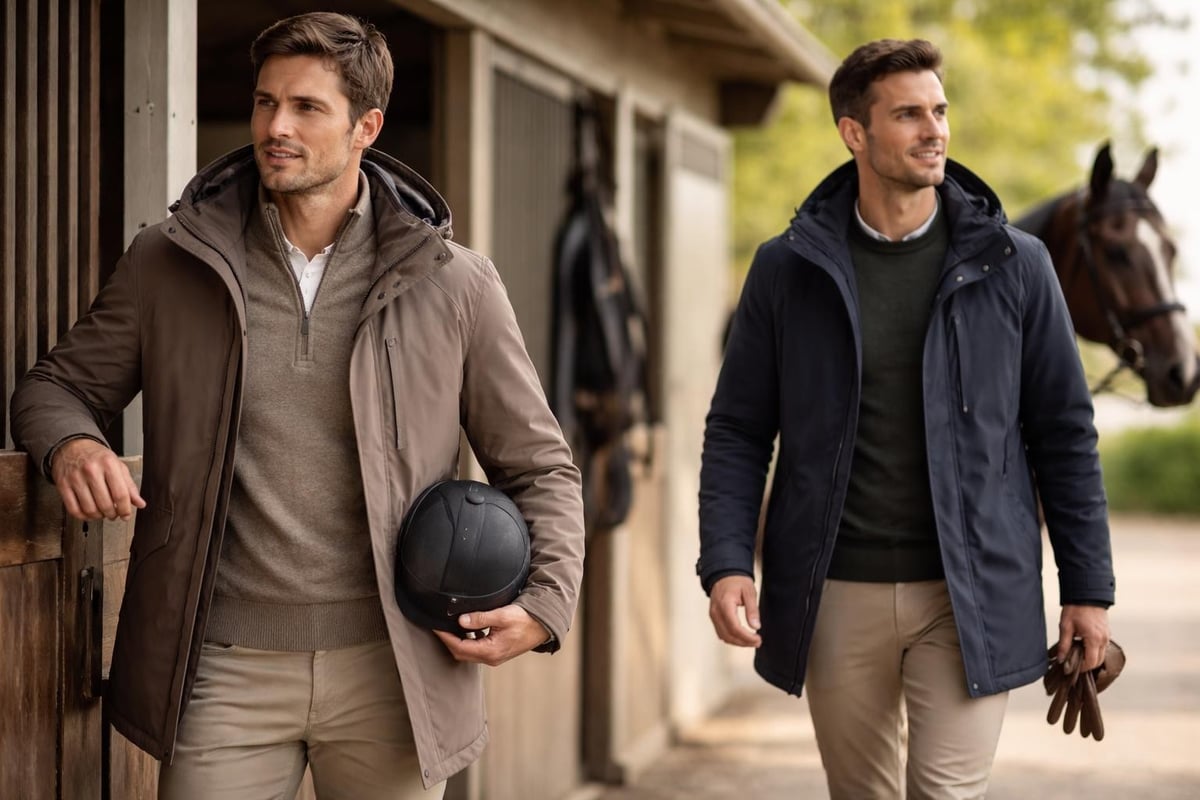
The best mens riding coats don't scream "equestrian" when you're off the horse. They blend technical performance with refined styling that works in multiple settings.
Neutral colours and clean lines achieve this versatility. Navy, black, olive, and earth tones suit both stable and social settings without looking out of place in either. Subtle branding maintains a premium feel without advertising your sport to everyone you pass.
Removable technical features help coats transition between uses. Detachable hoods, roll-away storm collars, and zip-off fleece liners let you adapt the same coat to different contexts. Your technical riding shell becomes a smart casual jacket when you remove the more obvious functional elements.
Quality hardware and finishing separate riding coats that can cross over from those that can't. YKK zippers, reinforced stress points, and proper storm flaps indicate construction that will last through multiple seasons of hard use, whether you're riding or not.
Material Choices and Performance Fabrics
The fabric makes or breaks a riding coat's performance. Understanding what different materials offer helps you match coats to your specific needs.
| Material Type | Weather Protection | Breathability | Durability | Best Use |
|---|---|---|---|---|
| Waxed Cotton | Excellent water resistance | Limited | Very High | Traditional styling, moderate activity |
| Technical Membrane | Superior waterproofing | Excellent | High | Active riding, all conditions |
| Softshell | Good water resistance | Superior | Moderate | Layering, variable weather |
| Wool Blend | Minimal | Good | Moderate | Show ring, formal occasions |
Waxed cotton delivers traditional style with proven weather protection. It requires maintenance through re-waxing but develops character over time. The Belstaff Roberts jacket shows how this classic material adapts to modern riding needs.
Technical membranes like Gore-Tex and proprietary systems offer the best weather protection with excellent breathability. They're lighter than waxed options and require less maintenance, though they come at a higher initial cost. The performance justifies the investment for serious riders facing challenging conditions regularly.
Softshells bridge the gap between shells and mid-layers. They resist light rain, block wind, and breathe brilliantly during active riding. They work perfectly for dry days or as mid-layers under waterproof shells when conditions worsen.
Show Ring Requirements and Traditions
Competition demands specific coat choices depending on your discipline. Understanding these requirements prevents costly mistakes and ensures you look appropriate for your level and events.
Dressage typically requires darker show coats in conservative cuts. Black or navy with subtle trim suits most levels, while upper-level competitors might explore shadbelly or tailcoat options. The fit must allow full arm extension and rotation without pulling or gaping.
Show jumping allows more flexibility in colour and style, though tradition still guides most choices. Navy remains the safest choice, while some riders successfully sport lighter neutrals or subtle patterns. The coat must stay in place during athletic movements without restricting your position.
Eventing combines multiple disciplines, often requiring both technical weather gear for cross-country phases and proper show coats for dressage. Many riders invest in both rather than compromising on either. The technical demands of cross-country particularly benefit from purpose-built waterproof options rather than trying to make show coats work in challenging weather.
Sizing and Fit Considerations
Proper fit matters more with riding coats than almost any other garment. Too tight restricts movement and creates pressure points. Too loose looks sloppy and creates bulk in the saddle.
Taking Accurate Measurements
Measure across your shoulders at the widest point, typically where the shoulder seam would naturally fall. This measurement, combined with your chest circumference, determines your base size. Arms should measure from the centre back neck, over the shoulder point, down to where you want the sleeve to end.
Try coats while wearing your typical riding layers underneath. A coat that fits perfectly over a t-shirt won't work over a thermal base layer and fleece. Many riders size up slightly to accommodate seasonal layering without needing multiple coats.
Length preferences vary by height and riding style. Taller riders often need specific long options to achieve proper back coverage. The hem should cover your belt line when mounted, which means it falls lower when standing.
Adjustment Features
Quality riding coats include multiple adjustment points for a customised fit. Velcro or snap cuffs let you seal out weather and adjust sleeve tightness. Waist adjustments via drawcords or tabs help the coat move with you rather than billowing or pulling.
Collar adjustments prove essential for weather protection. A high collar that seals properly keeps wind and rain off your neck without choking you. Fold-down collars should lie flat when not needed rather than standing awkwardly.
Layering Systems for Year-Round Use
Smart layering extends the usefulness of your riding coats across seasons and conditions. Building a proper system costs less than buying multiple specialized pieces.
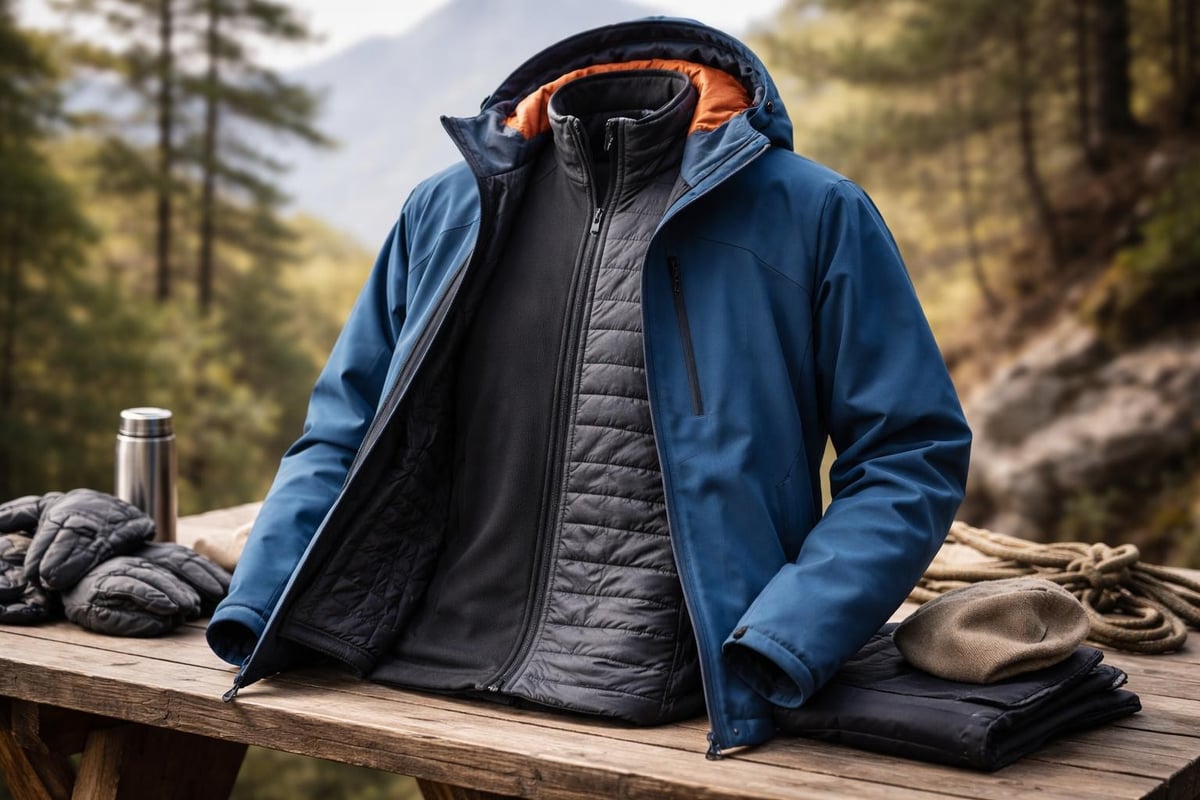
Base layers wick moisture away from your skin, keeping you dry and comfortable regardless of exertion level or temperature. Technical fabrics outperform cotton significantly in this role. When paired with quality base layers and mid-layers, your outer coat works more effectively.
Mid-layers provide insulation and additional weather resistance. Fleece, lightweight down, or synthetic fill works depending on your temperature needs. These layers should fit comfortably under your shell without restricting movement or creating bulk.
Outer shells protect you from wind and rain while letting moisture escape. A good waterproof shell over appropriate base and mid-layers handles surprisingly cold conditions without requiring a heavily insulated coat that might prove too warm during active riding.
Care and Maintenance for Longevity
Proper care extends the life and performance of your riding coats significantly. These aren't complicated procedures, just consistent attention to basic maintenance.
Cleaning Without Damaging Performance
Technical fabrics require specific care to maintain their waterproofing and breathability. Use technical wash products rather than standard detergents, which leave residues that block membrane pores. Follow this with a technical reproofer to restore the durable water repellent finish.
Waxed coats need different care entirely. Brush off dried mud and dirt, then sponge clean with cold water. Re-wax annually or when water stops beading on the surface. Apply wax dressing evenly and work it in with gentle heat from a hairdryer.
Wool show coats typically require dry cleaning to maintain their shape and appearance. Some modern technical show coats handle gentle machine washing, but always check manufacturer guidelines. The investment in proper cleaning protects your larger investment in the coat itself.
Storage Between Seasons
Clean coats thoroughly before long-term storage to prevent dirt and oils from setting permanently. Store them hanging rather than folded to maintain their shape and prevent creasing. Breathable garment bags protect from dust while allowing air circulation that prevents musty odors.
Check zippers and adjustment features periodically. A quick spray of silicone lubricant keeps zippers working smoothly. Replace worn pullers before they fail completely during a critical moment.
Waterproof coats benefit from annual reproofing even if they've seen limited use. The DWR finish degrades over time regardless of wear, so restoration maintains performance when you need it.
Investment Considerations and Value
Quality mens riding coats represent significant investments. Understanding what drives cost and value helps you allocate your budget wisely.
| Price Range | Typical Features | Best For | Expected Longevity |
|---|---|---|---|
| Under £100 | Basic water resistance, standard cut | Occasional riders, backup coats | 1-2 seasons |
| £100-250 | Good technical fabrics, riding-specific cut | Regular riders, single-discipline focus | 3-5 seasons |
| £250-400 | Premium materials, excellent construction | Serious riders, multi-discipline needs | 5-8 seasons |
| Over £400 | Top-tier fabrics, superior craftsmanship | Professional use, extreme conditions | 8+ seasons |
Construction quality shows in the details. Reinforced stress points, properly taped seams, quality hardware, and thoughtful feature placement all indicate coats built to last. Examining these elements before purchasing prevents disappointment later.
Brand reputation matters in riding wear. Established names like those available through specialist equestrian retailers build their reputations through consistent quality and performance. While you're paying for that reputation, you're also getting proven reliability.
Cost per wear provides better value assessment than purchase price alone. A £300 coat worn three times weekly for five years costs roughly £1.15 per wear. A £100 coat that doesn't perform well or falls apart after one season costs significantly more in real terms.
Regional Weather Considerations
Different climates require different coat priorities. Matching your purchase to your actual riding conditions prevents buying impressive features you'll never use while missing essential ones.
Wet climates demand exceptional waterproofing and breathability. The membrane quality matters more than insulation, as you'll stay warmer staying dry than adding bulk. Fully sealed seams and storm flaps become essential rather than nice additions.
Cold, dry conditions shift the priority toward insulation and wind resistance. Waterproofing still matters for snow, but breathability during active work prevents the dangerous cycle of sweating then chilling. Adjustable ventilation helps manage this balance.
Variable conditions require versatility above all else. Layering systems and adaptable features let you respond to changing weather without carrying multiple coats. This flexibility often proves more valuable than any single feature maximized.
Building Your Coat Collection Strategically
Most serious riders eventually own multiple coats for different purposes. Building this collection strategically saves money and ensures you're properly equipped.
Start with a versatile technical shell that handles your most common riding conditions. This becomes your daily workhorse that takes the most abuse and sees the most use. Quality matters here because you'll wear it constantly.
Add specialized pieces as specific needs arise. If you compete regularly, invest in a proper show coat that meets discipline requirements. If you ride in extreme weather, add a heavyweight insulated option. Each addition should fill a genuine gap rather than duplicating existing capability.
Consider crossover potential when adding pieces. Coats that work for riding and general outdoor activities provide better overall value than pieces limited to equestrian use only. The styling and features available from quality riding brands increasingly support this versatility.
Modern Innovations in Riding Coat Design
Recent years have brought significant improvements to mens riding coats beyond just following general outdoor trends. These innovations address specific equestrian needs.
Stretch technology has revolutionized coat movement. Four-way stretch fabrics move with you in all directions without resistance or recovery lag. This freedom transforms how coats feel during riding, particularly for disciplines requiring full range of motion.
Laser-cut ventilation creates weatherproof openings that allow heat and moisture to escape without letting rain in. This technology appears in strategic high-sweat areas, improving comfort during intense work without compromising protection.
Integrated technology pockets protect phones and devices while keeping them accessible. Touch-screen compatible materials on pocket faces let you answer calls or check messages without removing gloves or exposing your device to weather.
Reflective elements improve visibility during early morning or evening riding without looking overtly technical. Strategic placement maintains clean styling while adding genuine safety benefits.
Finding Your Perfect Riding Coat
Selecting the right mens riding coats comes down to honest assessment of your needs, conditions, and budget. Start by listing your must-have features based on your actual riding rather than imagined scenarios.
Try multiple options before committing. Different brands cut their coats differently even at the same marked size. What fits one rider perfectly might bind or gap on another with identical measurements. Take time in the fitting room, move through riding positions, and wear your typical layers underneath.
Read reviews from riders in similar conditions and disciplines. Their real-world experience highlights issues or benefits that product descriptions miss. Pay particular attention to comments about durability and how pieces hold up over time.
Consider brands that specialize in men's riding wear rather than adapting women's designs. The cut, proportions, and feature placement differ enough to affect comfort and performance. Collections from specialized men's equestrian brands often deliver better results than unisex or adapted options.
Don't rush the decision. A quality riding coat should serve you for years. Taking time to find the right option costs nothing but prevents expensive mistakes that leave you with coats you don't wear or that don't perform when you need them.
Quality mens riding coats balance technical performance, appropriate styling, and genuine durability. They're not fashion statements or generic outdoor gear adapted to horses. They're purpose-built pieces that understand the specific demands of riding across disciplines, weather conditions, and settings.
The right coat transforms your riding experience, protecting you from the elements while moving naturally with your body and looking appropriate wherever the day takes you. Whether you need technical weather protection, show ring elegance, or versatile pieces that work across multiple settings, the options available today deliver performance previous generations could only imagine. Gallant Equestrian brings this philosophy to life with riding wear designed specifically for men who demand both function and style. Our New Zealand-designed pieces deliver the performance you need with the refined aesthetic you want, from stables to street. Look the Part. Enjoy the Ride.

