

Riding Clothes Men Need for Style and Performance
Feb 17, 2026
Finding the right riding clothes men can depend on takes more than a quick online search. Whether you're training at dawn, competing on weekends, or simply maintaining your stable routine, what you wear directly impacts how you perform and feel. The best gear balances technical performance with lasting quality, keeping you comfortable through hours in the saddle while looking sharp enough for any setting. This guide walks through the essentials every rider should own, what to look for in quality construction, and how to build a wardrobe that works as hard as you do.
The Foundation: Understanding What Makes Quality Riding Gear
Quality riding clothes men invest in share several defining characteristics. The fabric needs to move with your body, not against it. Stretch panels in the right places, reinforced stitching at stress points, and moisture-wicking properties that keep you dry during intensive sessions. These aren't luxuries; they're necessities that separate functional gear from clothing that merely looks the part.
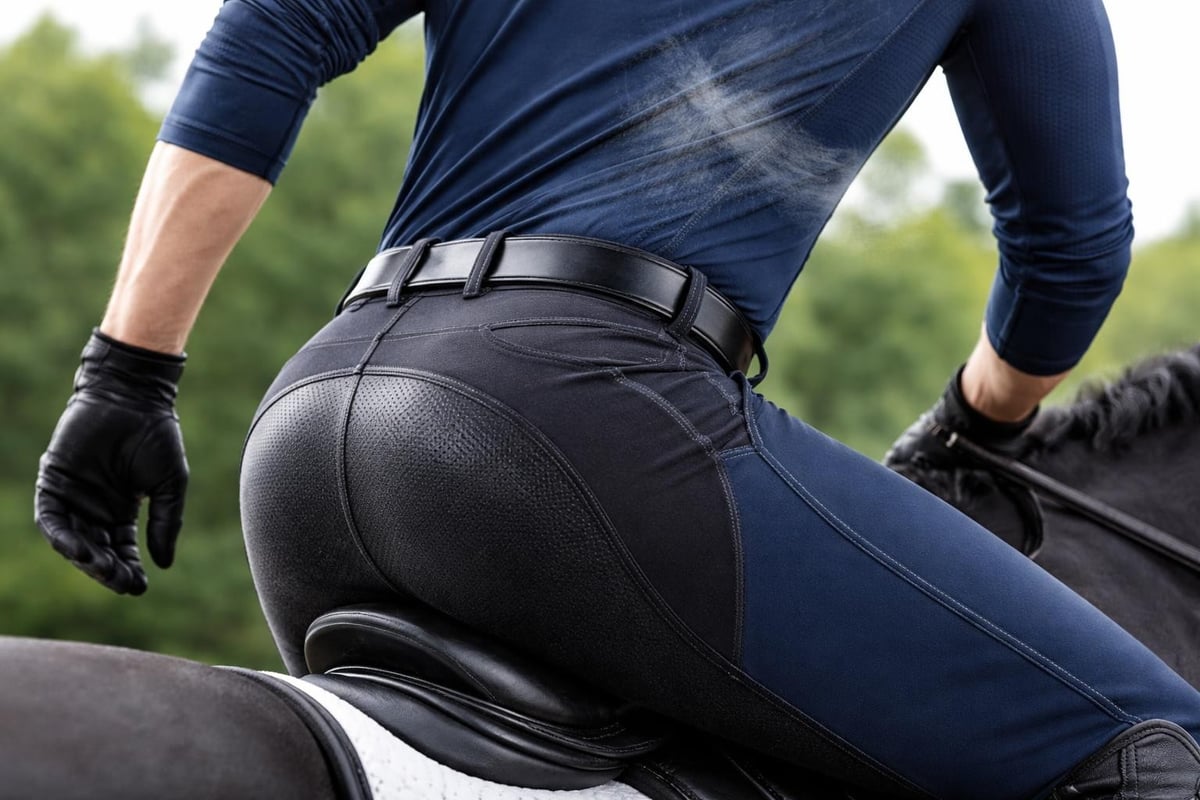
Construction matters more than most riders realize. Flatlock seams prevent chafing during long rides. Silicone grip details keep shirts tucked and breeches positioned correctly. Four-way stretch fabric allows natural movement without restriction. When you're spending hours on horseback, these details transform your experience from merely manageable to genuinely comfortable.
Building Your Core Wardrobe
Start with versatile pieces that layer well and transition easily between riding and everyday activities. A solid foundation includes well-fitted breeches in neutral colors, technical shirts that regulate temperature, and a quality jacket that protects without restricting movement.
Breeches serve as your primary riding gear. Modern designs for men feature higher waistbands that stay put without a belt, reinforced inner legs for durability, and phone pockets positioned for accessibility without interference. Look for fabrics with at least 15% stretch content. Full-seat options provide maximum grip, while knee-patch designs offer targeted support with slightly less warmth during summer months.
Technical shirts balance performance with style. Long-sleeve options work year-round, providing sun protection in summer and base-layer warmth during colder months. Quarter-zip designs allow quick temperature adjustment. The best shirts incorporate UPF rating for sun protection, antimicrobial treatments to prevent odor, and fabrics that dry quickly after washing or sweating.
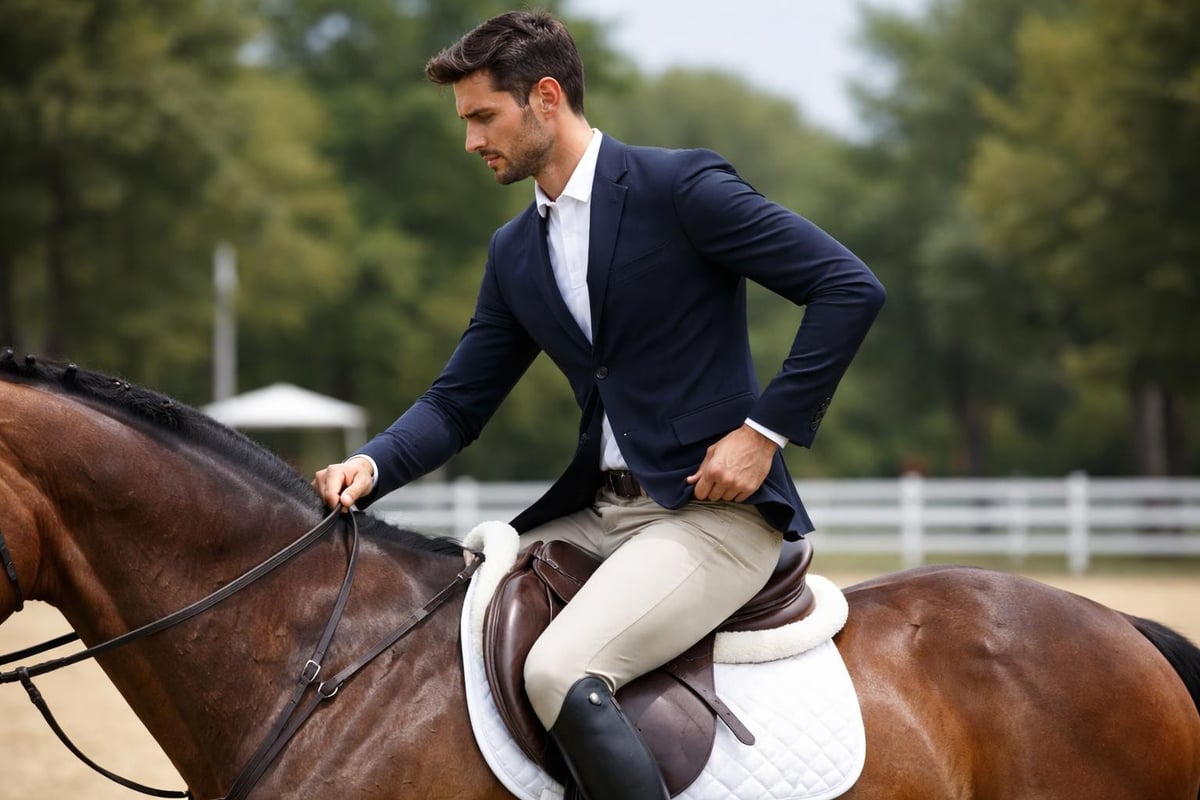
Competition wear demands a different approach than daily training gear, though quality pieces often serve both purposes. Show jackets need structured shoulders that maintain shape while allowing full range of motion. Show shirts should fit precisely without pulling or gaping when you reach forward or lift your arms overhead.
Seasonal Considerations and Layering Strategies
Temperature regulation becomes critical when you're active outdoors for extended periods. Winter riding requires insulation without bulk. Summer sessions need breathability and moisture management. Understanding how to layer effectively keeps you comfortable across all seasons.
| Season | Base Layer | Mid Layer | Outer Layer |
|---|---|---|---|
| Winter | Thermal technical shirt | Fleece or light insulated jacket | Weatherproof shell |
| Spring/Fall | Long-sleeve technical shirt | Vest or lightweight jacket | Water-resistant layer |
| Summer | Short-sleeve performance shirt | None or sun shirt | Light wind shell |
Winter base layers should sit close to skin without compression. Merino wool blends or advanced synthetics wick moisture while providing warmth. Mid-layers trap heat while maintaining breathability. Your outer shell protects from wind and precipitation without turning you into a sauna. Similar principles apply across cycling and equestrian disciplines, as seen in guides for performance-oriented men's cycling clothing.
Spring and fall present the trickiest conditions. Morning temperatures may require full layers that become excessive by midday. Removable sleeves, packable vests, and quarter-zip designs let you adjust without complete wardrobe changes. Quality fabrics regulate temperature naturally, reducing the need for constant layering adjustments.
Fit, Function, and Finding Your Size
Proper fit transforms how riding clothes men choose actually perform. Too tight restricts movement and creates pressure points. Too loose bunches in the saddle, causes chafing, and looks sloppy. The right fit feels almost invisible, letting you focus on riding rather than adjusting your clothing.
Breeches should fit snugly through the seat and thighs without cutting circulation. When standing, the waistband should sit at your natural waist without needing a belt for support. In the saddle, fabric shouldn't pull or create excess material. The leg length should end mid-ankle when wearing boots, preventing bunching inside your footwear.
Shirts need room through the shoulders and chest for unrestricted movement. When you raise your arms forward, mimicking rein contact, the hem should stay tucked without riding up excessively. Sleeve length matters; cuffs should end at your wrist bone, not halfway up your forearm or covering your hands. Check size guides before ordering to ensure proper measurements.
Jackets present the most complex fit challenge. They need structure for a polished appearance while allowing full range of motion. Test by sitting in riding position, reaching forward, and rotating your shoulders. Quality construction provides movement without the jacket pulling up your back or restricting your arms.
Material Science: What Works and Why
Modern riding clothes men depend on utilize advanced fabrics that outperform traditional materials. Understanding these technologies helps you make informed choices that deliver real value.
Technical fabrics generally fall into several categories. Moisture-wicking synthetics pull sweat away from skin, helping it evaporate quickly. This keeps you drier and more comfortable during intensive work. Four-way stretch materials incorporate elastane or spandex, allowing fabric to move in all directions without losing shape. Compression fabrics provide muscle support and reduce fatigue during long rides.
Natural fiber blends offer different advantages. Cotton provides breathability but retains moisture, making it less ideal for intensive riding. Merino wool regulates temperature naturally, resists odor, and wicks moisture effectively. Many premium riding clothes combine natural and synthetic fibers, capturing benefits from both worlds. Collections like the Samson Collection exemplify this balanced approach to fabric selection.
Weather protection requires specialized treatments. DWR (durable water repellent) coatings cause water to bead and roll off fabric surfaces. Truly waterproof materials use membrane technologies that block water while allowing vapor escape. Windproof fabrics stop air penetration without sacrificing breathability. Understanding these differences helps you choose appropriate gear for your climate and riding conditions.
Durability and Maintenance: Making Your Investment Last
Quality riding clothes men purchase represent significant investment. Proper care extends their lifespan while maintaining performance characteristics. Most technical fabrics require specific washing approaches that differ from regular laundry routines.
Washing guidelines protect fabric integrity. Turn garments inside out before washing to reduce abrasion on outer surfaces. Use cold or warm water, never hot, which can damage elastic fibers and moisture-wicking treatments. Skip fabric softener entirely; it coats fibers and reduces moisture-wicking performance. Choose detergents formulated for technical fabrics when possible.
Drying methods impact longevity. Air drying preserves fabric properties better than machine drying. If you must use a dryer, select low heat and remove items while slightly damp. High heat degrades elastane fibers, causing premature wear and shape loss. Hang breeches by the waistband to maintain their form. Similar care principles apply across performance apparel categories, from equestrian to cycling-specific garments.
Storage matters more than most riders realize. Fold technical shirts and breeches rather than hanging them, which can stretch shoulders and waistbands over time. Keep riding clothes in a cool, dry location away from direct sunlight, which fades colors and weakens fabrics. Store jackets on proper hangers that support the shoulders without creating stress points.
Transitional Style: Stable to Street
Modern riding clothes men choose increasingly blur the line between riding gear and everyday wear. This versatility adds value, eliminating the need to change completely before and after riding. The key lies in selecting pieces designed with this dual purpose in mind.
Jackets exemplify this crossover potential. Clean-lined designs without excessive detailing work equally well over riding shirts or casual button-downs. Neutral colors like navy, charcoal, and olive integrate easily into non-riding wardrobes. Technical fabrics that repel water and resist wrinkles maintain a polished appearance throughout your day.
Breeches have evolved beyond obvious riding gear. Slim-fit designs in dark colors resemble dress pants when paired with boots or casual shoes. Subtle details like small phone pockets and minimal branding make them suitable for quick errands after your ride. However, maintain separate sets for riding and general wear to preserve the grip and technical properties of your riding-specific pieces.
Technical shirts designed for riding often outperform regular athletic wear. UPF sun protection, moisture management, and four-way stretch make them ideal for various outdoor activities. Quarter-zip designs layer well under sweaters or jackets for casual settings. This versatility explains why serious riders invest in quality pieces rather than budget alternatives that serve only one purpose.
Smart Shopping: Where to Invest and Where to Save
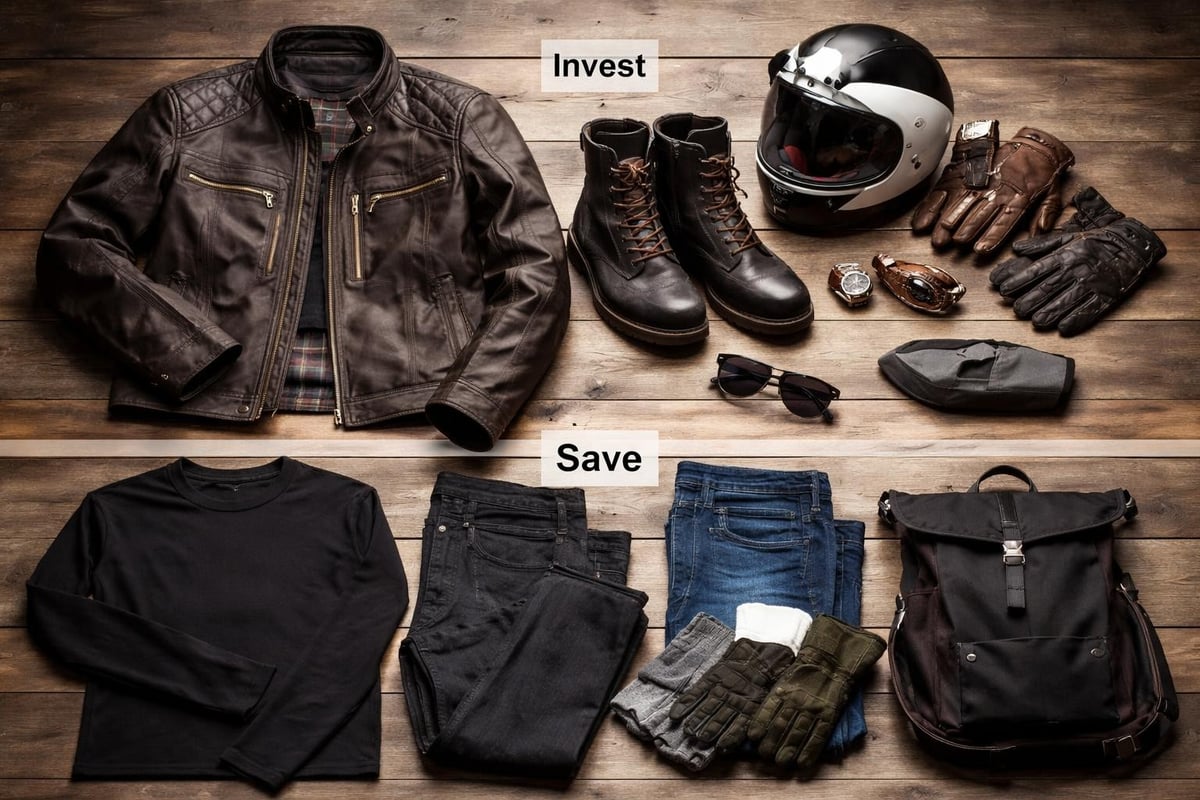
Building a functional riding wardrobe requires strategic thinking about where your money delivers the most value. Some pieces justify premium investment, while others perform adequately at moderate price points.
| Item Category | Investment Priority | Why |
|---|---|---|
| Breeches | High | Direct contact, heavy wear, affects comfort |
| Jackets | High | Durability, weather protection, appearance |
| Base layers | Medium | Performance matters, but replaced more often |
| Casual shirts | Medium | Versatility and comfort balance cost |
| Accessories | Variable | Quality where function matters most |
Prioritize spending on items that contact your saddle directly. Breeches endure significant friction and wear. Quality construction, reinforced panels, and superior fabrics justify higher prices through extended lifespan and better performance. A single pair of premium breeches often outlasts three pairs of budget alternatives while providing better comfort throughout their life.
Outerwear represents another wise investment area. Quality jackets protect you from elements while maintaining appearance through years of use. Look for brands that stand behind their construction with solid warranties. Weather-resistant fabrics, quality zippers, and thoughtful details like adjustable cuffs and hems deliver value that cheap alternatives simply can't match. Brands offering men's equestrian clothing collections understand these priorities.
Base layers and everyday shirts can come from various sources. While riding-specific options offer purpose-built features, quality athletic or outdoor apparel often performs similarly at lower cost. The key is ensuring adequate stretch, moisture management, and durability regardless of the specific brand or market positioning.
Beyond Basics: Specialized Gear for Specific Disciplines
Different riding styles demand specific clothing considerations. Show jumping requires different gear than dressage. Trail riding needs different features than arena work. Understanding these distinctions helps you build a wardrobe that truly supports your riding pursuits.
Show riders need polished, traditional styling. Competition jackets should fit precisely, maintaining structure without restriction. Show shirts must stay crisp and tucked throughout your class. Light colors show dirt quickly, so extra attention to fabric choice and care becomes essential. White breeches remain traditional for many disciplines, requiring fabrics that resist staining and maintain opacity when wet.
Dressage-focused riders benefit from longer jackets and specific styling details. Shadbellies and tailcoats for upper-level competition require professional tailoring. Even daily training wear tends toward more formal styling. Breeches often feature full seats for maximum grip during precise movements. Darker colors prove more practical for intensive training schedules.
Eventers and trail riders prioritize practicality and weather protection. Layering becomes crucial when you're outside for extended periods. Water-resistant or waterproof options protect during unpredictable weather. Similar considerations apply across outdoor sports, as shown in guides for waterproof cycling apparel. Reinforced seat and knee areas withstand diverse terrain and extended saddle time.
Color, Style, and Personal Expression
While function drives most decisions about riding clothes men select, style and personal preference still matter. Your clothing communicates something about how you approach riding and how you view yourself in the saddle.
Traditional equestrian colors dominate for good reason. Navy, black, gray, and earth tones hide dirt, coordinate easily, and maintain professional appearance. These colors also transition seamlessly from stable to other settings. However, don't feel constrained to exclusively neutral palettes, especially for training wear.
Accent colors in technical shirts or jacket linings add personality without compromising versatility. Subtle patterns like small checks or thin stripes provide visual interest while maintaining appropriate appearance for most settings. Save bold colors and obvious branding for casual wear and situations where traditional presentation isn't required.
Fit and cut define your overall appearance as much as color choice. Well-fitted clothing in classic styles always looks better than trendy pieces that don't suit your build or riding style. Choose cuts that flatter your physique while providing the function you need. Modern slim-fit designs work for many riders, but traditional cuts still serve those who prefer them or find them more comfortable.
The Role of Technical Innovation
Riding clothes men rely on continue evolving with new fabric technologies and construction methods. Staying informed about genuine innovations helps you distinguish meaningful advances from marketing hype.
Recent developments include improved moisture-wicking systems that move sweat more efficiently than earlier generations. Enhanced stretch fabrics provide better recovery, maintaining shape through repeated wear and washing. Antimicrobial treatments have become more durable, lasting through more wash cycles before requiring renewal. These advances appear across performance apparel categories, including advanced cycling jerseys.
Sustainability has entered the conversation around riding apparel. Recycled polyester, organic cotton, and responsible wool sourcing appeal to environmentally conscious riders. While these materials sometimes cost more initially, they often deliver comparable or superior performance while reducing environmental impact. Look for specific certifications rather than vague environmental claims.
Construction innovations improve functionality without adding complexity. Bonded seams eliminate stitching that can chafe. Laser-cut ventilation provides airflow without fabric weakness. Strategic panel placement follows body mapping to position specific fabrics where they deliver maximum benefit. These thoughtful design elements distinguish truly advanced riding clothes from basic athletic wear adapted for equestrian use.
Practical Purchase Considerations
When you're ready to invest in quality riding clothes men actually use daily, several practical factors influence your decision beyond basic style and fit preferences.
Warranty and return policies indicate brand confidence. Companies that offer generous return windows and stand behind their construction demonstrate faith in their products. Read the fine print about what's covered and for how long. Some brands replace items with manufacturing defects years after purchase, while others offer minimal support beyond initial sale.
Seasonal sales and bundle deals reduce costs without sacrificing quality. Many equestrian brands offer significant discounts during off-season periods. End-of-year clearances make room for new collections. Bundle options sometimes provide better value than purchasing individual pieces, especially when building an initial wardrobe.
Brand reputation matters, but niche brands sometimes outperform major names. Established companies bring experience and resources to product development. However, smaller brands focused specifically on men's riding apparel often deliver better fit and features for male riders. Research reviews, ask fellow riders about their experiences, and don't assume bigger always means better.
Online shopping requires different considerations than in-store purchases. Detailed size charts, multiple product images, and clear fabric descriptions help you make informed decisions. Customer reviews provide real-world perspectives on fit, durability, and performance. However, nothing replaces trying things on when possible, especially for items like breeches and jackets where fit proves critical.
Finding the right riding clothes men can depend on combines understanding technical requirements with personal style preferences. Quality pieces that fit properly, use appropriate fabrics, and withstand regular use transform your riding experience while serving you well beyond the stable. When you're ready to build a wardrobe that performs as well as it looks, Gallant Equestrian offers performance-driven designs created specifically for men who ride. Our collection delivers New Zealand-crafted quality that handles everything from daily training to competition day. Look the Part. Enjoy the Ride.

