

Riding Horse Pants: The Essential Guide for Men
Sep 10, 2026
Choosing the right riding horse pants transforms your time in the saddle. Whether you're schooling in the arena, competing at county level, or hacking through open countryside, what you wear below the waist affects your comfort, security, and confidence. The modern rider demands more than historical convention - you need trousers that move with you, regulate temperature, and look sharp enough to wear beyond the yard. This guide explores how to select riding horse pants that match your discipline, budget, and personal standards.
Understanding the Foundation: What Makes Riding Horse Pants Different
Standard trousers fail in the saddle for straightforward reasons. The inseam rubs. The waistband digs in. The fabric bunches and restricts movement. Riding horse pants address these issues through deliberate design choices that have evolved over centuries of mounted activity.
The historical development of riding breeches began in earnest during the early 1800s, when tailors refined the cut to eliminate excess fabric at the knee and thigh. Modern versions preserve this fundamental principle whilst incorporating technical fabrics and ergonomic seaming.
Core Construction Elements
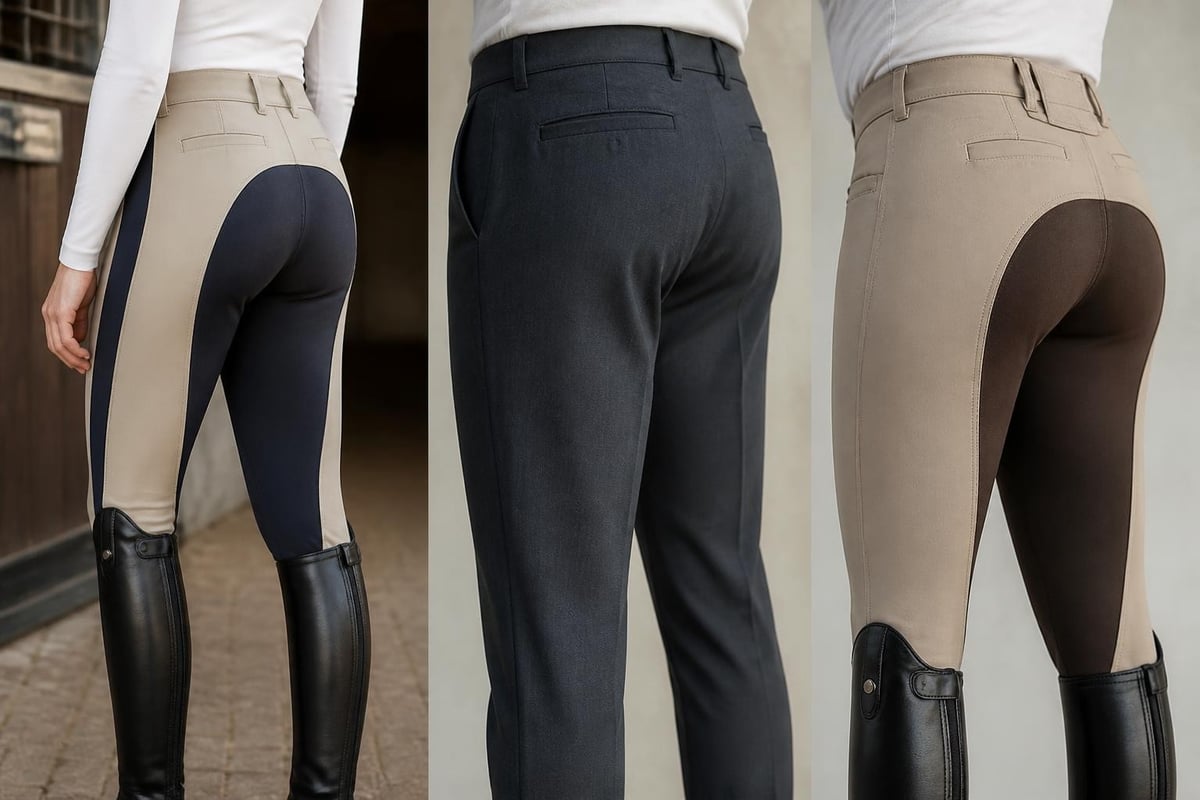
Proper riding trousers feature several non-negotiable characteristics. Full-seat or knee-patch reinforcement provides grip against the saddle - typically silicone, leather, or synthetic suede. Stretch panels at the calf and inner thigh accommodate movement without binding. Flat-lock seaming prevents pressure points during extended rides. The waistband sits slightly higher than casual trousers to avoid gapping when you're in riding position.
Fabric selection matters enormously. Technical riding horse pants utilise four-way stretch materials that return to shape after washing. Cotton blends offer breathability for warm-weather riding but dry slowly when wet. Synthetic performance fabrics wick moisture efficiently, a crucial consideration given the sweat and odor challenges inherent to equestrian activity.
Choosing the Right Style for Your Discipline
The type of riding you do largely determines which style of riding horse pants serves you best. Competition rules, practical demands, and aesthetic conventions vary considerably across disciplines.
Dressage and Show Jumping
White, beige, or grey breeches dominate formal dressage and show jumping competitions. The US Equestrian rulebook specifies acceptable attire for rated competitions, though colour restrictions have relaxed slightly in recent years for lower-level events.
Full-seat breeches provide maximum security during collected movements and over fences. Euro-seat designs - cut with a contoured waistband and tailored hip - create a streamlined silhouette that pairs well with competition jackets. Look for reinforced knee areas even on full-seat models, as this adds durability during dismounting and ground work.
Eventing and Cross-Country
Cross-country phases demand riding horse pants that withstand weather, vegetation, and the occasional unplanned dismount. Darker colours (navy, charcoal, tan) hide dirt and grass stains more effectively than white. Water-resistant treatments keep you dry during early-morning course walks and unexpected rain.
Knee-patch breeches work well here, offering grip where you need it whilst allowing the rest of the leg to breathe during demanding gallop sets. Reinforced inner calves protect against stirrup leather friction during long cross-country schools.
| Discipline | Preferred Style | Common Colours | Key Features |
|---|---|---|---|
| Dressage | Full-seat | White, beige, grey | Euro-seat cut, silicone grip |
| Show Jumping | Full-seat or knee-patch | White, tan, navy | Stretch panels, flat seams |
| Eventing | Knee-patch | Tan, navy, charcoal | Water-resistant, reinforced calves |
| Western | Jeans or western breeches | Denim, tan, brown | Heavy-duty denim, traditional cut |
| Casual Riding | Training breeches | Any | Comfortable waistband, durable fabric |
Training and Schooling
Daily riding horse pants take more abuse than competition kit. Frequent washing, dust exposure, and general wear mean you'll replace training breeches more often than show pairs. Invest in mid-range quality - good enough to maintain comfort and performance, practical enough that replacing them doesn't sting financially.
The Gallant Equestrian breeches collection exemplifies this balance, offering technical performance suitable for both schooling sessions and casual competition without the premium pricing of specialist show brands.
Fit Considerations That Actually Matter
Poorly fitted riding horse pants compromise your position, create discomfort, and wear out faster. Understanding how these trousers should fit prevents costly mistakes and ensures you ride at your best.
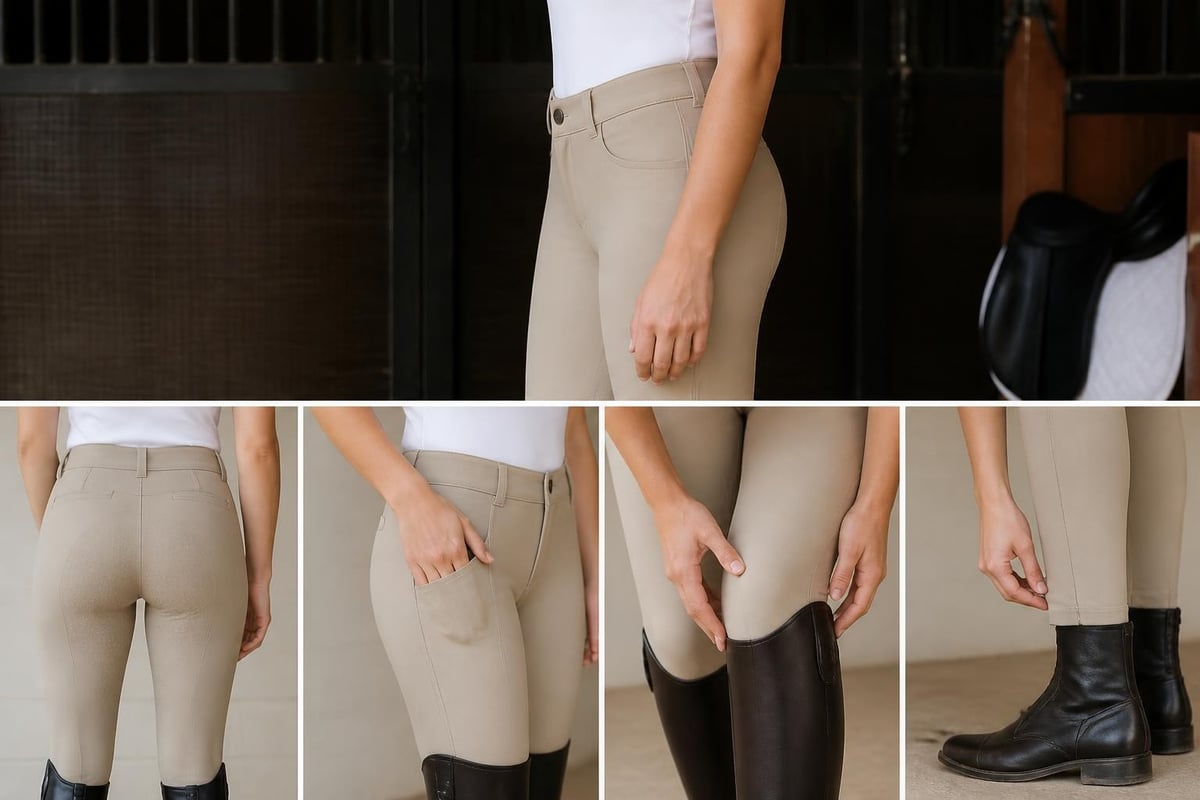
Start with the waist. The waistband should sit comfortably without requiring a belt for support, though belt loops allow adjustment as needed. Too tight restricts breathing and creates bulges above the waistband. Too loose causes the breeches to slide down, requiring constant adjustment.
Leg Length and Seat Depth
Riding horse pants should reach the top of your ankle bone when standing. This creates the characteristic 'stacked' appearance at the boot top when mounted. Too short and they ride up uncomfortably. Too long and excess fabric bunches inside your boots.
Seat depth - the measurement from waistband to crotch - determines comfort in the saddle. Shallow seats cause the fabric to pull tight across the thighs when mounted. Deep seats create saggy fabric that bunches and rubs. Quality manufacturers offer varying rises to accommodate different body shapes.
The Calf Question
Modern riding horse pants taper from knee to ankle to create a clean line inside tall boots. However, excessive tightness restricts circulation during long rides. The fabric should glide smoothly over your calf without compression. If you struggle to pull them past your calf muscle, size up or look for styles with additional stretch in the lower leg.
Fabric Technology: What You're Actually Paying For
The gap between budget and premium riding horse pants often comes down to fabric composition and construction quality. Understanding these differences helps you decide where to invest.
Performance Fabrics vs Traditional Materials
Cotton-blend riding horse pants (typically 60-70% cotton, 30-40% polyester or elastane) offer natural breathability and a traditional feel. They're comfortable in moderate temperatures but retain moisture when you sweat. Expect some colour fade after repeated washing and slight shape relaxation over time.
Technical synthetic fabrics (polyamide, polyester, elastane blends) maintain shape better, dry faster, and often include moisture-wicking treatments. The science of sweat management in sportswear demonstrates why these fabrics perform better during intense riding sessions - they move perspiration away from your skin and allow it to evaporate at the fabric surface.
Premium riding horse pants combine both approaches: synthetic base layers for moisture management, with cotton-touch finishes for natural feel. These hybrid fabrics cost more but deliver superior all-round performance.
Grip Technology
Silicone prints or patches have largely replaced traditional leather seats in modern riding horse pants. Full silicone seats provide maximum grip but can feel sticky during very hot weather. Partial prints (stripes or geometric patterns) balance grip with breathability.
Leather and suede seats still appear in premium breeches, particularly for dressage. They require more care but develop a personalised patina over time. Some riders prefer the traditional aesthetic, whilst others find modern synthetic grips perform better and last longer.
Practical Care Extends Lifespan
Even the finest riding horse pants deteriorate quickly under poor care. Simple maintenance habits preserve both performance and appearance.
Always turn breeches inside out before washing. This protects silicone grips and prevents colour transfer from other garments. Use cold water and gentle cycles - heat degrades elastane and causes shrinkage. Skip fabric softener entirely, as it coats technical fibres and reduces their moisture-wicking ability.
Drying and Storage
Air-drying preserves fabric integrity far better than tumble drying. Hang riding horse pants from the ankles to prevent waistband stretching. Direct sunlight fades colours, so choose shaded drying areas. Store clean breeches flat or loosely folded rather than tightly compressed, which can damage grip materials.
White and light-coloured breeches benefit from pre-treating stains immediately after riding. Grass, mud, and manure set quickly in fabric fibres. A gentle brush removes dried dirt before washing, preventing particles from grinding into the weave during the wash cycle.
Competition Requirements: Rules You Can't Ignore
Formal competition introduces specific regulations about riding horse pants that casual riders may not encounter. Violating dress codes can result in penalties or elimination, so understanding the rules prevents unfortunate surprises.
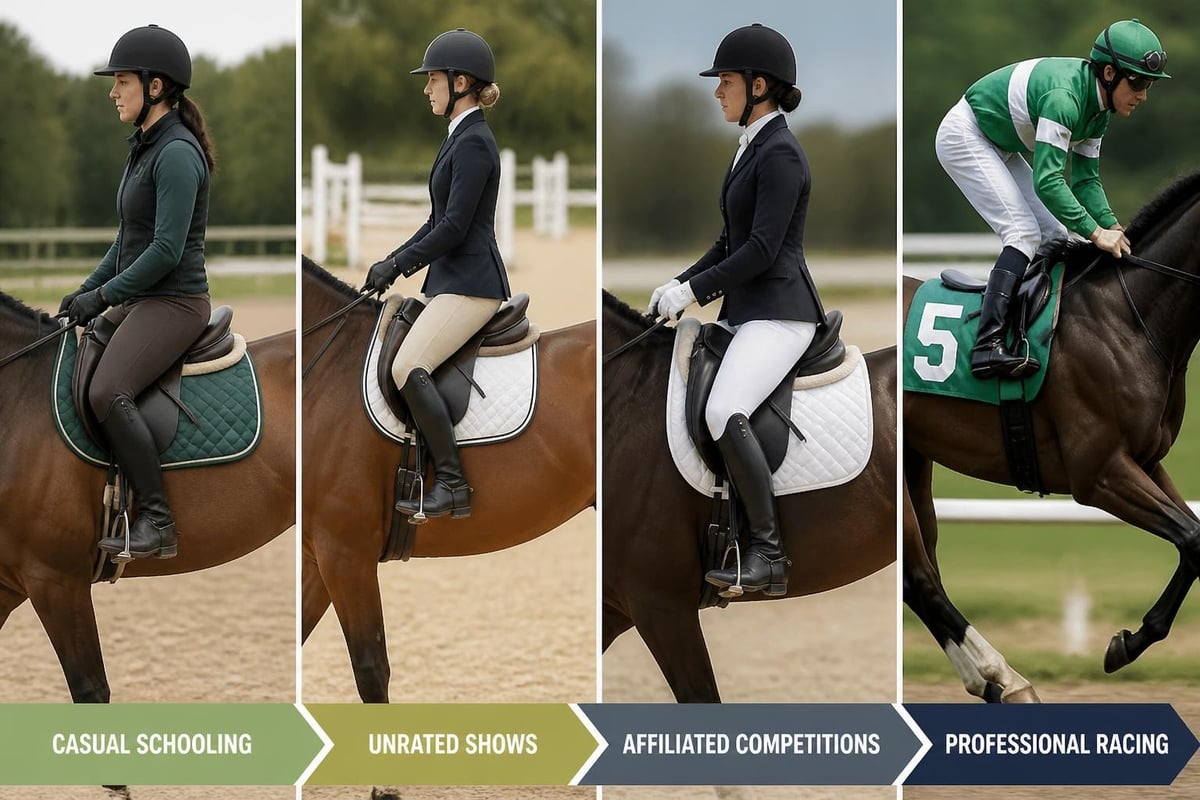
The British Horse Society guidelines emphasise safety-focused attire suitable for general riding, whilst governing bodies for specific disciplines impose stricter requirements. Dressage typically mandates white or light-coloured breeches at recognized levels. Show jumping allows more colour flexibility, though tradition still favours neutral tones.
Professional racing introduces another level of specification entirely. The Racing Australia rules detail exact requirements for riders' clothing, including fabric weights, colour approvals, and safety features. These regulations exist primarily for jockey silks, but understanding the principle - that governing bodies can and do regulate riding horse pants - helps you prepare appropriately for any competitive environment.
Building a Practical Wardrobe
Most riders need more than one pair of riding horse pants. Building a functional rotation prevents wear-out and ensures you have appropriate options for different situations.
The Three-Tier Approach
Daily training breeches handle the bulk of your riding. Two or three pairs in dark, practical colours (navy, charcoal, brown) allow regular rotation whilst some are in the wash. These take the most abuse and require replacement every 12-18 months with frequent use.
Mid-level schooling breeches bridge the gap between training and competition. Slightly better fabric and finish make these suitable for lessons, clinics, or low-key shows. One or two pairs in versatile colours serve most riders well. Expect these to last 18-24 months with moderate use.
Competition breeches remain in rotation specifically for shows and important rides. White or beige for formal disciplines, or your best dark pair for other sports. Limiting wear to actual competitions extends their lifespan to 2-3 years or more. Store these separately to prevent casual use.
Transitioning Beyond the Arena
Modern riding horse pants increasingly blur the line between stable and street wear. Technical fabrics, subtle styling, and refined cuts mean quality breeches function well beyond the yard.
Dark riding horse pants pair naturally with polo shirts or casual jumpers for post-ride errands. The tailored fit and quality construction rival casual chinos in appearance. Removing obvious equestrian branding - large logos, decorative stitching - creates versatility that justifies the investment.
The competition wear collection demonstrates this principle effectively: pieces designed for performance in the saddle that maintain style and comfort throughout your day. This approach suits riders who value efficiency and prefer clothing that serves multiple purposes without compromise.
Regional Variations and Climate Considerations
Geography and climate significantly influence which riding horse pants work best. What suits a rider in Scotland differs from what an Australian eventer requires, even within the same discipline.
Cold Weather Adaptations
Winter riding demands thermal regulation without bulk. Fleece-lined riding horse pants add warmth but can overheat during intensive work. Layering with thermal tights underneath standard breeches often provides better temperature control - you can remove the layer as you warm up.
Wind-resistant panels at the front of the thigh help during outdoor riding in exposed conditions. Some winter breeches incorporate softshell fabric technology, typically found in technical riding jackets, for superior weather protection.
Hot Weather Solutions
Tropical and summer riding creates opposite challenges. Maximum breathability becomes essential. Lightweight riding horse pants with mesh panels or perforated fabric allow airflow whilst maintaining coverage. Light colours reflect heat but show dirt readily, so balance practicality against comfort.
Some riders switch to summer-weight breeches made from extremely thin technical fabrics. These feel almost like a second skin and dry remarkably fast. The trade-off is reduced durability - fine for clean arena work, less suitable for trail riding through brush.
Value Assessment: When to Spend More
The riding horse pants market spans from £30 budget pairs to £200+ premium breeches. Understanding what drives these price differences helps you invest wisely.
Budget options typically use simpler fabrics, basic silicone grips, and standard construction. They serve perfectly well for occasional riders or beginners still determining their commitment level. Expect 6-12 months of regular use before noticeable wear appears.
Mid-range breeches (£70-120) incorporate better fabrics with genuine four-way stretch, more durable grips, and improved construction details. Seams lie flatter. Waistbands maintain shape longer. These suit regular riders who spend multiple hours weekly in the saddle.
Premium riding horse pants justify their cost through exceptional fabric quality, refined fit, and longevity. The best examples last several years of frequent use whilst maintaining their original shape and performance. Consider these when you've established your size, know exactly what features you need, and ride often enough to appreciate the difference.
| Price Range | Typical Features | Best For | Expected Lifespan |
|---|---|---|---|
| £30-60 | Basic fabric, standard grip | Occasional riders, beginners | 6-12 months |
| £70-120 | Technical fabric, quality construction | Regular riders, multiple disciplines | 12-24 months |
| £130-200+ | Premium fabric, refined fit, durability | Daily riders, competitors | 24-36+ months |
Quality riding horse pants support your performance, protect your comfort, and enhance your confidence in the saddle. The right pair balances technical features with practical durability whilst maintaining the refined appearance you expect. Whether you're building your first competition wardrobe or replacing well-worn training breeches, choosing thoughtfully ensures you look the part every time you ride. Gallant Equestrian creates performance-driven breeches and riding wear designed specifically for men who demand both function and style - pieces that perform in the arena and transition effortlessly to life beyond the stables.

