

Cheap Horse Riding Gear That Doesn't Compromise Quality
Jul 24, 2026
Equestrian pursuits needn't drain your wallet. The notion that quality riding gear requires a premium price tag is outdated, particularly in 2026 when savvy riders know exactly where to look and what to prioritize. Finding cheap horse riding gear that performs well requires understanding what truly matters in construction, materials, and fit versus what's merely marketing. This guide cuts through the noise to help you build a functional, stylish riding wardrobe without compromising on the essentials that keep you safe and comfortable in the saddle.
Understanding Value Beyond Price
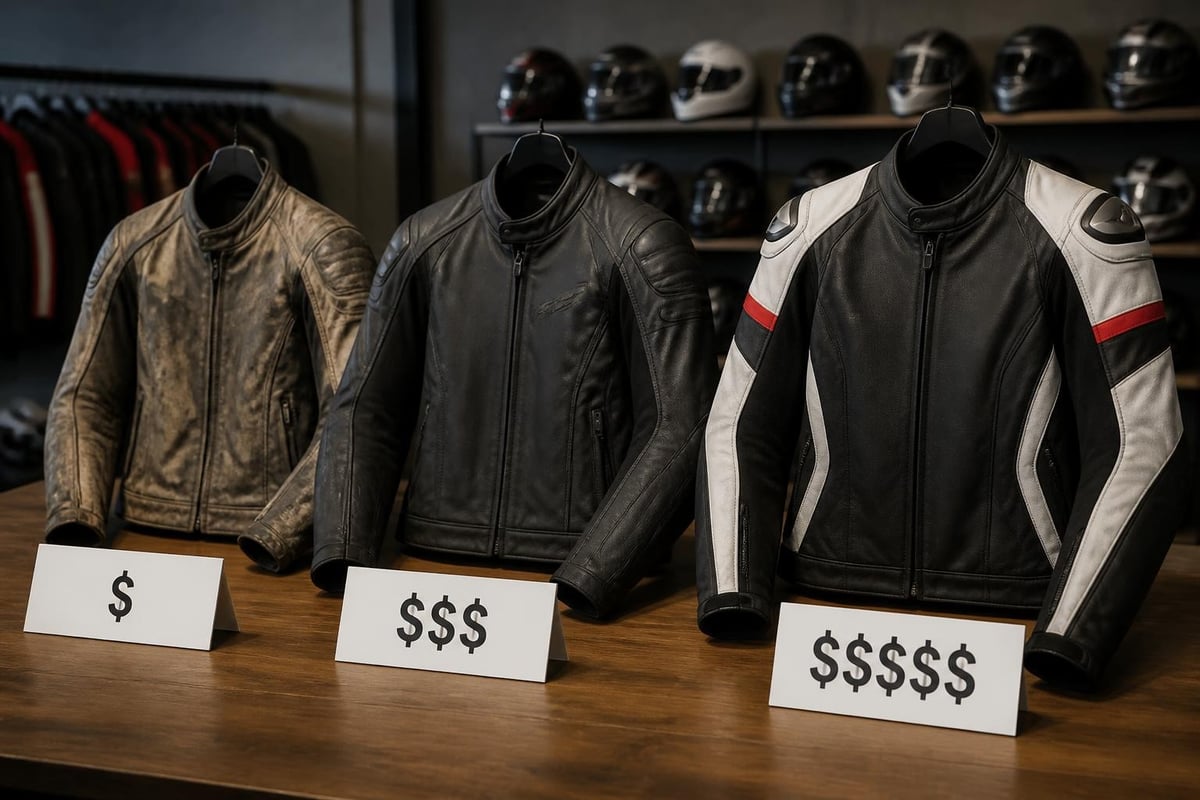
Cheap horse riding gear isn't about buying the absolute lowest-priced items you can find. It's about maximizing value, which means understanding the relationship between cost, durability, and performance. A £40 pair of breeches that lasts two seasons outperforms a £20 pair that develops holes after six rides.
Quality construction reveals itself in details. Examine stitching density, particularly at stress points like inseams and seat areas. Check fabric weight and composition. A blend incorporating technical fibres often outlasts pure cotton, even at similar price points. Hardware matters too. Metal zippers typically outlive plastic ones, and reinforced button closures prevent frustrating midride wardrobe malfunctions.
The Cost-Per-Wear Calculation
Smart riders think beyond initial outlay. A jacket worn three times weekly for two years delivers significantly better value than a cheaper alternative requiring replacement after six months. This cost-per-wear approach transforms how you evaluate purchases.
Calculate approximately: total cost divided by estimated number of wears equals cost per use. A £120 jacket worn 200 times costs 60p per wear. A £50 jacket worn 30 times costs £1.67 per wear. Suddenly, the pricier option becomes the economical choice. This mathematics applies across your entire wardrobe, from breeches to base layers.
Building Your Core Wardrobe Strategically
Start with essentials. Safety equipment takes absolute priority. Helmets and boots protect you from serious injury, making them non-negotiable investments. Allocate your budget here first, then work outward to clothing and accessories.
Safety First, Style Second
| Item Category | Budget Allocation | Where to Compromise | Where Not to Compromise |
|---|---|---|---|
| Helmet | 20-25% | Brand prestige | Safety certifications, proper fit |
| Boots | 20-25% | Fashion details | Heel definition, ankle support |
| Breeches | 15-20% | Designer labels | Seam placement, stretch retention |
| Jackets | 15-20% | Trendy colors | Weather resistance, mobility |
| Base Layers | 10-15% | Quantity | Moisture management, comfort |
This allocation guides purchases without forcing cookie-cutter decisions. Your riding discipline and climate influence specific choices, but the principle remains consistent.
Prioritize versatility. Neutral colors extend wardrobe mileage considerably. Navy, black, grey, and earth tones mix effortlessly, creating multiple outfit combinations from fewer pieces. A navy jacket pairs equally well with grey or tan breeches, maximizing outfit variety without expanding your wardrobe footprint.
Smart Shopping Strategies
Timing transforms affordability. Retailers follow predictable cycles, offering substantial discounts during specific periods throughout the year. End-of-season sales in late winter and late summer yield exceptional bargains as shops clear inventory for incoming collections.
Monitor sale calendars. Black Friday, Boxing Day, and mid-summer clearance events bring legitimate price reductions, not artificial markdowns from inflated base prices. Sign up for newsletters from preferred brands to receive early sale notifications and exclusive discount codes.
Consider previous season's stock. Last year's jacket performs identically to this year's model in most cases. Subtle design tweaks rarely affect functionality, yet clearance pricing makes older inventory significantly more accessible. When you're choosing affordable horse riding clothes, this strategy delivers remarkable savings.
Multi-Purpose Pieces
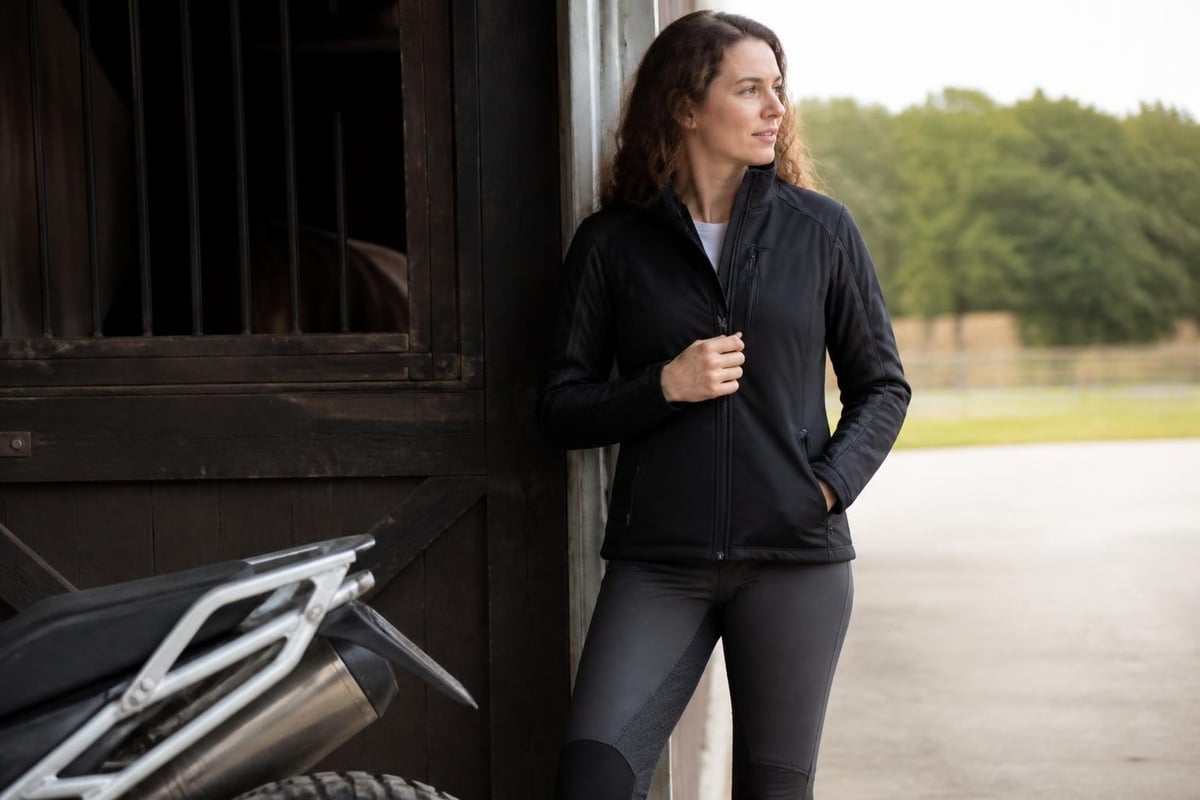
Seek riding gear that transitions beyond the stable. Modern equestrian attire increasingly blurs boundaries between riding wear and everyday clothing. Technical breeches styled like casual trousers work for both mounted sessions and barn chores. Performance jackets suitable for riding also handle dog walks, morning runs, and weekend errands.
This dual-purpose approach effectively halves your clothing costs. Instead of maintaining separate wardrobes for riding and daily life, invest in pieces serving both contexts. Quality construction becomes even more critical here, as these garments endure heavier rotation and varied activities.
Focus on fit. Ill-fitting cheap horse riding gear delivers poor value regardless of price. A bargain jacket that restricts shoulder movement or breeches that slide down frustrate more than they serve. Proper fit enhances performance, comfort, and garment longevity. When possible, try before buying, or carefully review size guides and return policies for online purchases.
Materials That Matter
Technical fabrics revolutionized equestrian wear, but not all innovations warrant premium pricing. Understanding material properties helps identify genuine performance benefits versus marketing hype.
Moisture-wicking basics. Polyester and polypropylene blends effectively move perspiration away from skin. These synthetic fibres cost less than merino wool yet perform admirably for most riders in moderate climates. Reserve pricier natural fibres for extreme conditions where their unique properties justify additional expense.
Stretch and recovery. Quality breeches contain elastane (also called spandex or Lycra) for flexibility. However, the percentage matters more than the presence. Four-way stretch with good recovery maintains shape across multiple wears and washes. Check fabric composition labels, seeking 10-15% elastane content for optimal performance without excessive cost.
| Fabric Type | Cost Level | Best Use | Care Requirement |
|---|---|---|---|
| Cotton blend | Low | Casual riding, warm weather | Easy, frequent washing |
| Polyester blend | Low-Medium | All-season base layers | Easy, quick drying |
| Technical synthetic | Medium | Performance riding, competition | Moderate, specific detergents |
| Merino wool | High | Cold weather, extended wear | Gentle, infrequent washing |
Durability indicators. Fabric weight, measured in grams per square meter (gsm), signals robustness. Heavier weights generally last longer, though excessively heavy materials reduce comfort and flexibility. For breeches, 250-300gsm offers solid durability. Jackets perform well in the 200-350gsm range depending on intended use and season.
The Second-Hand Opportunity
Pre-owned gear represents perhaps the single most effective strategy for acquiring cheap horse riding gear without quality compromise. Equestrian equipment holds value well, and riders frequently sell lightly used items in excellent condition.
Where to look. Online marketplaces, local tack shops with consignment sections, and equestrian-specific resale platforms offer extensive selections. Facebook groups dedicated to riding gear sales connect buyers with sellers in specific regions or disciplines. These communities often feature higher-quality items than general second-hand platforms, as serious riders tend to invest in better gear initially.
Inspection priorities. Examine photos carefully when shopping online. Request additional images of stress points, hardware, and any areas showing wear. For in-person purchases, check zippers thoroughly, inspect seams for pulling or separation, and assess overall cleanliness. Quality pieces show minimal wear even after considerable use, while poorly constructed items deteriorate rapidly.
What to Buy Used
Certain items suit second-hand purchase better than others. Jackets, particularly waterproof riding jackets, often appear barely worn as riders upgrade styles or sizes. Breeches require more careful evaluation due to stretch degradation, but premium brands retain shape remarkably well. Show shirts and competition wear frequently sell after single-season use, offering exceptional value for occasional competitors.
Avoid used safety equipment. Helmets and body protectors should always be purchased new. These items protect against catastrophic injury, and their internal structures can sustain damage invisible from external inspection. Previous impacts compromise protection even when outer shells appear pristine. This isn't an area for economizing.
Building Relationships With Retailers
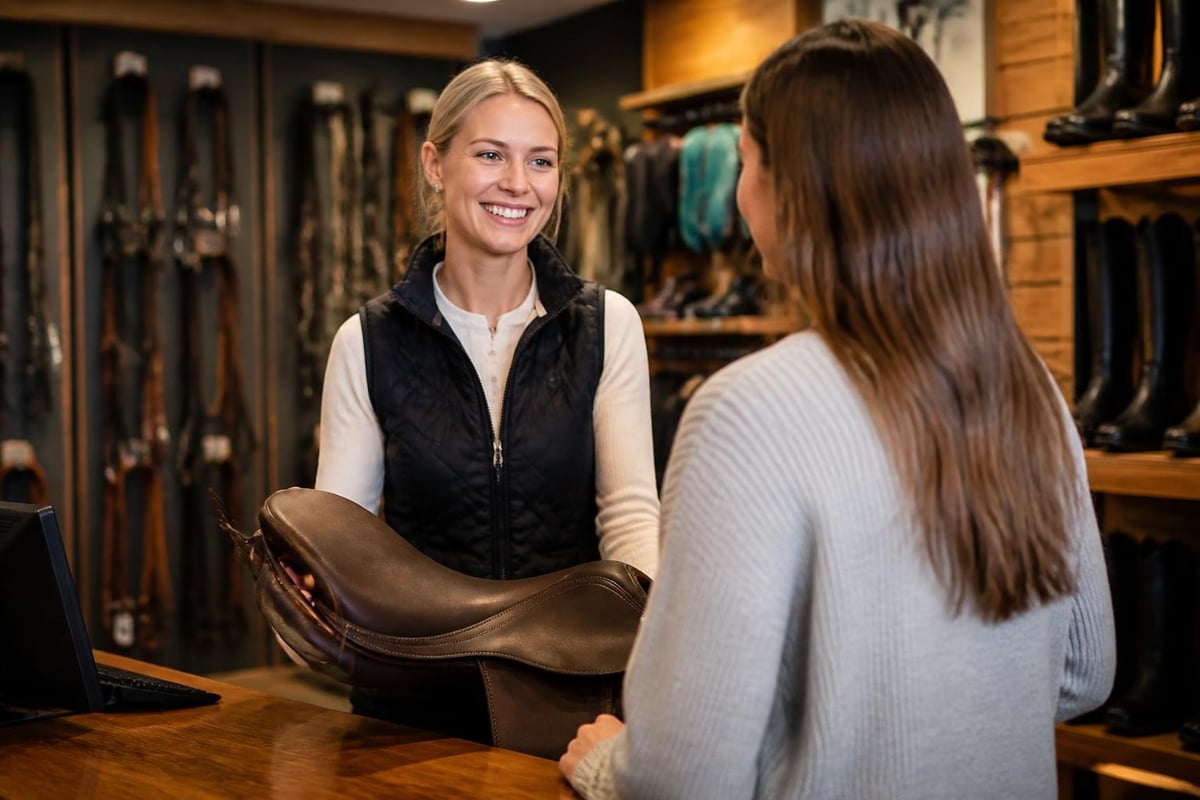
Independent tack shops and online specialists often provide better value than large retailers, despite appearances. Smaller businesses typically offer personalized service, expert advice, and flexibility on pricing, particularly for regular customers.
Ask about loyalty programs. Many shops reward repeat business with point systems, birthday discounts, or early sale access. These benefits accumulate quickly when you're building a wardrobe or replacing seasonal items. Some retailers offer price matching, though policies vary. It never hurts to inquire, especially when you've found identical items cheaper elsewhere.
Consider package deals. Purchasing multiple items simultaneously often triggers discounts. If you need both breeches and a jacket, ask whether buying together reduces the total. Retailers prefer larger transactions and frequently accommodate requests for bundled pricing. For comprehensive guidance on beginner riding gear essentials, establishing these relationships early pays dividends.
Maintenance Extends Value
Cheap horse riding gear becomes expensive when it requires frequent replacement. Proper care dramatically extends garment lifespan, making your initial investment work harder and longer.
Follow care instructions. Those tags sewn into seams contain genuinely useful information. Technical fabrics often require specific washing temperatures, detergent types, and drying methods to maintain their performance properties. Hot water and harsh detergents can degrade elasticity and water resistance. Line drying prevents heat damage from tumble dryers.
Address issues promptly. Small tears become large holes. Loose buttons fall off entirely. A quick stitch repairs minor damage before it escalates. Most tack shops offer alteration services for reasonable fees, or learn basic hand-sewing techniques for field repairs. Ten minutes with needle and thread saves replacing an otherwise serviceable garment.
Storage Matters
Proper storage prevents unnecessary wear. Hang jackets rather than folding them to avoid permanent creases. Store breeches flat or on appropriate hangers that support the full waistband without creating pressure points. Keep gear away from direct sunlight, which fades colors and can degrade certain fabrics over time.
Seasonal rotation. When transitioning between seasons, thoroughly clean items before storage. Residual sweat and dirt attract pests and can cause fabric degradation during extended storage periods. Use breathable garment bags rather than plastic, which traps moisture and encourages mildew growth.
Off-Season Opportunities
Strategic timing transforms affordability. Winter represents prime buying season for summer gear, and vice versa. Retailers deeply discount out-of-season inventory to free capital and storage space for incoming collections. These sales offer the deepest discounts of the year on quality items.
Plan ahead. Purchasing your summer breeches in January requires forethought about sizing and style preferences, but the 40-60% savings justify the planning effort. Maintain a running list of needed items, then watch for seasonal clearances. This approach prevents impulse purchases while ensuring you capitalize on genuine bargains when they appear.
Consider next year's growth. If you're still developing your riding physique or anticipating body changes, conservative sizing provides flexibility. A slightly larger jacket accommodates layering and allows room for muscle development. This particularly applies to younger riders, though adult riders building strength and fitness may also benefit from modest size allowances.
Brand Comparisons
Not all brands deliver equivalent value. Some charge premium prices primarily for heritage or reputation rather than superior construction or materials. Others offer exceptional quality at accessible price points, though they lack the cachet of established names.
| Consideration | Premium Brands | Mid-Range Brands | Budget Brands |
|---|---|---|---|
| Initial Cost | £150-400+ | £80-150 | £30-80 |
| Construction Quality | Excellent | Good-Excellent | Variable |
| Material Quality | Excellent | Good-Very Good | Adequate-Good |
| Warranty/Guarantees | Comprehensive | Limited | Minimal |
| Resale Value | High | Moderate | Low |
Test different brands. Your body's unique proportions suit certain brands' cut and sizing better than others. A budget brand that fits you perfectly outperforms an expensive brand requiring alterations. Many riders discover preferred brands through trial and error, gradually identifying which manufacturers design for their specific build.
Read reviews critically. Online feedback provides valuable insights, but consider the source. Reviews from riders in your discipline practicing at your level offer more relevance than generic commentary. Look for specific details about sizing, durability after extended use, and performance in various conditions. When researching beginner-friendly riding gear options, experienced riders' perspectives prove invaluable.
The Gallant Approach
Quality cheap horse riding gear balances performance, durability, and style without excessive pricing. Gallant Equestrian builds exactly this philosophy into our men's collection. Each piece undergoes rigorous testing to ensure it performs in real riding conditions, not just showrooms.
Our New Zealand design heritage prioritizes functionality. We understand that riders need gear capable of handling varied demands, from intensive training sessions to casual hacks, without constant wardrobe changes. This versatility inherently provides better value, as fewer pieces serve more purposes.
Investment pieces versus consumables. Certain items justify higher initial outlay due to their central role and extended lifespan. Quality jackets, properly maintained, easily last five to ten years. Premium breeches might serve three to five seasons with regular use. These timeframes make the cost-per-wear calculation strongly favor quality over cheap alternatives.
Conversely, items experiencing heavy wear or frequent washing may benefit from budget-friendly options replaced more frequently. Base layers, everyday riding shirts, and training breeches fall into this category for many riders. Balance your wardrobe between lasting investment pieces and practical consumables based on your specific riding patterns.
Making Your Budget Work Harder
Create a replacement schedule. Rather than reactive purchasing when items fail, plan proactive replacements during optimal buying windows. This schedule approach lets you capitalize on sales, avoid emergency purchases at full price, and maintain a consistently functional wardrobe without gaps.
Track your spending. Monitor what you invest in riding gear over six or twelve months. Most riders discover they spend less than imagined, or identify areas of unnecessary expenditure. This awareness enables better budget allocation toward items delivering maximum value and satisfaction.
Consider cost sharing. Riders of similar size sometimes share expensive items used infrequently. Competition jackets, specialized weather gear, or discipline-specific equipment can be collectively owned, dramatically reducing individual investment while maintaining access when needed. This works particularly well within riding clubs or groups of friends training together.
Quality Indicators Checklist
When evaluating potential purchases, assess these factors systematically. Not every item needs to excel in all areas, but understanding strengths and weaknesses prevents disappointment.
Construction details reveal manufacturing quality immediately. Examine seam finishes. Are they flat-felled or overlock stitched? Check pattern matching at seams, particularly on checked or striped fabrics. Assess pocket construction and reinforcement. Quality manufacturers sweat these details because they understand their impact on garment longevity.
Hardware quality separates lasting gear from short-term solutions. Metal components typically outlast plastic. YKK zippers represent industry standard for reliability. Button shanks should feel substantial, not flimsy. Velcro closures (when present) should be securely stitched around all edges, not just tacked at corners.
Fabric hand describes how material feels and behaves. Quality fabrics have pleasant tactile properties, appropriate weight for their purpose, and good recovery when stretched. They shouldn't feel papery, excessively stiff, or limp and insubstantial. Trust your hands; they're excellent quality detectors.
Beyond Clothing
While this discussion emphasizes apparel, the principles extend to all riding equipment. Tack, grooming supplies, and stable accessories all benefit from value-focused purchasing strategies. However, always prioritize safety and horse welfare over economy. Your mount's comfort and security cannot be compromised to save money.
Tack considerations. Quality used saddles offer tremendous value when properly fitted and maintained. Resources on purchasing used saddles wisely provide essential guidance for this significant investment. Bridles, reins, and stirrups similarly suit second-hand purchase, assuming careful inspection and appropriate cleaning.
Sustainable practices. Buying quality gear, maintaining it properly, and eventually reselling it contributes to sustainable consumption patterns. This approach reduces waste, keeps functional items in circulation, and builds community connections among riders. Consider checking platforms focused on sustainable horseback riding gear for environmentally conscious options.
Building Confidence Through Quality
Cheap horse riding gear should never undermine your confidence. When you know your clothing performs reliably, you focus entirely on riding rather than warrying about wardrobe malfunctions. This mental freedom enhances enjoyment and potentially improves performance.
Appearance matters. Looking put-together affects how you feel in the saddle and how others perceive you. This doesn't require expensive designer labels. Clean, well-fitted, appropriate gear projects competence and respect for the sport. These qualities transcend price tags, stemming instead from thoughtful choices and proper maintenance.
Personal style develops gradually. As you gain experience, you'll naturally develop preferences for certain cuts, colors, and brands. Your evolving style reflects your riding identity, whether that leans toward traditional elegance, modern technical performance, or relaxed practicality. Budget constraints shouldn't prevent expressing this identity. They simply require more creativity and patience in assembling your ideal wardrobe.
Understanding current equestrian fashion trends helps identify which elements suit your personal style versus which represent passing fads. Invest in classic pieces with staying power, not trendy items losing relevance within a season.
Finding cheap horse riding gear that genuinely performs comes down to smart strategies, not compromised standards. Focus on value over price, prioritize versatile pieces, and maintain what you own. When you're ready to invest in performance-driven men's riding wear that balances quality with sensible pricing, explore what Gallant Equestrian offers. Our New Zealand-designed collection delivers the durability and style you need, built to last through countless rides while looking sharp from stable to street. Look the Part. Enjoy the Ride.

