

Equestrian Apparel Sale: Smart Shopping for Men Riders
Aug 03, 2026
The equestrian apparel sale has evolved significantly over the past few years. What was once confined to predictable end-of-season clearances has transformed into a year-round opportunity for discerning riders. For men seeking quality riding gear, understanding when and how to shop these sales makes the difference between filling a wardrobe and building a collection that actually serves you in the saddle and beyond. The challenge isn't finding discounts but knowing which pieces deserve your attention and investment, even at reduced prices.
Understanding Modern Sale Cycles
The traditional equestrian calendar no longer dictates when quality gear becomes accessible. While major retailers still follow seasonal patterns, the landscape has shifted considerably since the industry's consumer behavior evolved toward online retail and strategic purchasing. January sales remain substantial, offering winter clearance alongside new-year promotions. Spring sales typically surface in April and May as brands transition to summer collections. Mid-summer reductions appear in July, making way for autumn stock. The most significant opportunities often arrive during November and December, when retailers clear inventory before the new year.
Understanding these cycles helps you anticipate when specific items become available. Winter jackets reach their lowest prices in March and April, while summer shirts and lightweight breeches hit peak discounts in September and October. Competition wear frequently goes on sale after major show seasons conclude, particularly in autumn. This knowledge transforms reactive shopping into strategic acquisition.
Quality Assessment During Sales
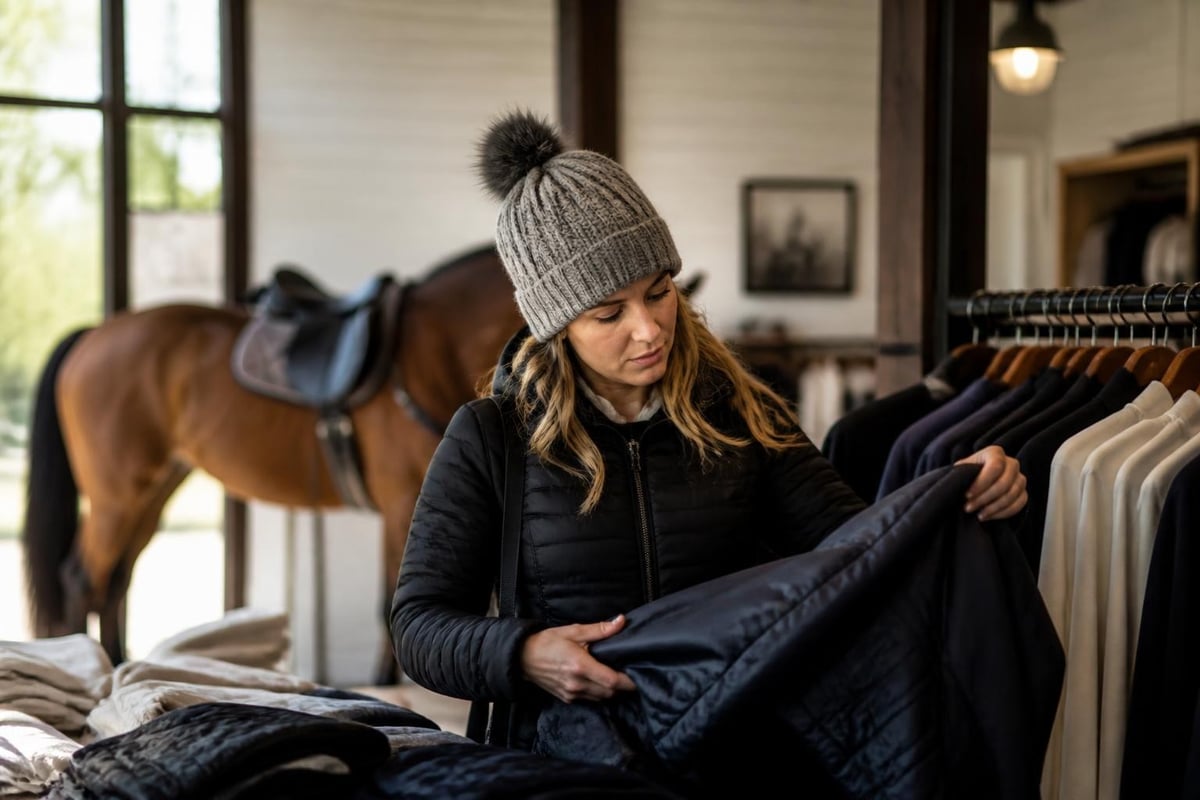
Price reductions don't automatically indicate value. The most common mistake during an equestrian apparel sale involves prioritizing discount percentage over garment quality. Fifty percent off a poorly constructed breech costs more in the long term than full price for properly engineered trousers that last five seasons. Focus on fabric composition first. Four-way stretch technical fabrics with reinforced seams justify their price points, even during sales. Check stitching quality around high-stress areas like inner thighs, seat panels, and pocket openings.
Construction details reveal manufacturing standards. Flat-lock seams prevent chafing during long rides. Reinforced knee patches, whether leather or synthetic, should attach securely with minimal bulk. Waistbands need sufficient structure to sit properly without rolling. Silicon seat panels require even distribution and secure bonding. These elements don't improve simply because an item costs less.
Sizing Considerations
Sales often feature limited size runs. This creates pressure to compromise on fit, which undermines the entire purpose of quality riding apparel. Proper equestrian attire performs only when it fits correctly. Breeches should sit at your natural waist without excessive tightness, allow full range of motion in the saddle, and create minimal bunching behind the knee. Jackets need adequate shoulder mobility for posting and jumping without restricting arm extension.
Don't settle for "close enough" sizing during sales. An improperly fitted garment sits unworn in your wardrobe regardless of how much you saved. If your size isn't available, wait for the next opportunity rather than forcing a compromise.
Building a Strategic Sale Wardrobe
| Category | Priority Level | Sale Timing | Investment Range |
|---|---|---|---|
| Breeches | High | Autumn/Winter | £80-150 |
| Riding Shirts | Medium | Spring/Summer | £40-80 |
| Jackets | High | Spring/Autumn | £150-300 |
| Base Layers | Medium | Year-round | £30-60 |
| Competition Wear | Low | Post-season | £100-200 |
Approach sales with a wardrobe strategy rather than opportunistic purchasing. Start with essential pieces that see regular use. Quality breeches form the foundation of any riding wardrobe, and strategies for purchasing during sales emphasize timing over impulse. You need at least two pairs that rotate through regular washing, preferably three if you ride more than four times weekly. Add versatile riding shirts that transition beyond the stable. Competition wear ranks lower unless you show regularly.
Create a priority list before sales begin. This prevents reactive buying when promotional emails arrive. Know your measurements, preferred fits, and specific needs. Perhaps your current waterproof riding jacket no longer performs adequately. Maybe you've been managing with two pairs of breeches when three would improve your routine. Define these gaps clearly.
Investment Pieces Worth Full Attention
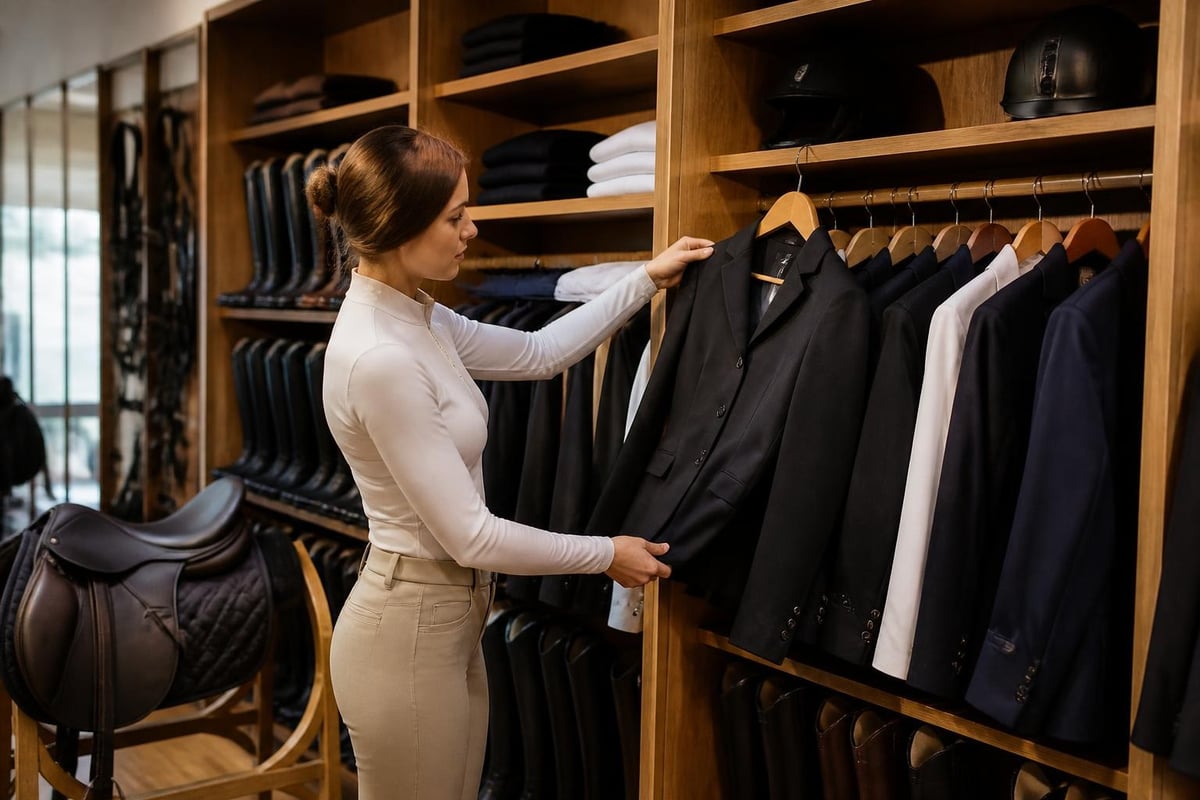
Certain items deserve serious consideration even during an equestrian apparel sale. Premium technical jackets with genuine weatherproofing rarely see deep discounts, and when they do, the opportunity merits attention. These pieces serve multiple seasons and various conditions. A well-constructed riding jacket transitions from stable to casual settings without looking out of place.
Quality breeches with proper technical construction similarly warrant investment during sales. The difference between adequate and excellent becomes apparent after twenty hours in the saddle. Proper four-way stretch, moisture management, and reinforcement placement prevent discomfort and extend garment life significantly. Competition jackets and breeches, while specialized, represent substantial savings during post-season sales if you show regularly.
Technical Fabrics and Performance
Modern equestrian apparel incorporates substantial technical development. Moisture-wicking properties prevent sweat accumulation during intensive riding. Four-way stretch allows natural movement without resistance. UV protection matters for outdoor riding. Antibacterial treatments reduce odor between washes. These features cost more to manufacture but deliver measurable performance benefits.
During sales, technical specifications become even more critical. The reduction in price shouldn't correlate with reduction in performance. Verify that sale items maintain the same technical standards as full-price inventory. Some retailers discount previous seasons' colors or patterns while maintaining identical construction and materials. These represent genuine value.
Regional Market Considerations
The European equestrian apparel market shows distinct patterns that influence sale timing and availability. Continental preferences for specific cuts and styles affect what appears in regional sales. British riders often find broader selections during autumn sales as European brands clear summer stock. Understanding these patterns helps you anticipate when specific items become available in your market.
North American sales follow different rhythms, though international shipping has reduced some geographical barriers. The key involves knowing which brands ship internationally and how customs duties affect final pricing. Sometimes a significant overseas sale becomes less attractive after adding shipping and import fees.
Online Versus Physical Retail
Digital shopping dominates equestrian apparel sales in 2026, but physical retail still offers advantages. Trying garments before purchase eliminates sizing uncertainty. You can assess fabric hand-feel and construction quality directly. However, online sales typically offer broader selection and deeper discounts. The solution involves combining both approaches strategically.
Visit physical stores to determine your sizing across different brands, then monitor those specific brands online for sales. Take detailed notes about fit preferences. Does a particular manufacturer's medium fit like another's large? Do their breeches run long or short? This information proves invaluable when shopping online sales where returns complicate the process.
Return Policies and Sale Terms
Understanding return conditions prevents disappointment. Many retailers restrict returns on sale items or offer store credit rather than refunds. Some apply restocking fees. Others maintain standard return policies regardless of pricing. Read these terms before purchasing. An item you cannot return if the fit disappoints represents a gamble rather than a bargain.
Check whether sale items can be exchanged for different sizes. This flexibility matters significantly when ordering online. Some brands maintain generous exchange policies that effectively eliminate sizing risk, while others mark all sale purchases as final.
Timing Major Purchases
| Sale Period | Best For | Typical Discounts | Stock Availability |
|---|---|---|---|
| January | Winter gear, new releases | 20-40% | Excellent |
| April-May | Previous season items | 30-50% | Good |
| July | Summer clearance | 25-45% | Moderate |
| November-December | Year-end clearance | 40-60% | Variable |
Major equestrian apparel sale events cluster around predictable periods. Post-Christmas sales extend through January, offering substantial discounts on winter gear and often including new-season items at introductory pricing. Spring clearances make room for summer collections. Mid-summer sales reduce warm-weather inventory. Year-end clearances create the deepest discounts but the most variable selection.
Post-holiday opportunities particularly benefit riders willing to plan ahead. December sales on winter gear prepare you for the following season. Purchasing next summer's shirts in September clearance requires storage space but delivers significant savings.
Plan major wardrobe updates around these periods. Rather than replacing worn breeches immediately when needed, anticipate upcoming sales if your current pair has another month of service. This requires maintaining slight surplus rather than running items until they fail completely.

Evaluating Brand Reputation During Sales
Not all brands deliver equal value during sales. Some manufacturers maintain consistent quality across all price points. Others produce distinct tiers where only premium lines merit attention. Research brand reputations before sales begin. Read reviews from riders who actually use the gear regularly. Pay attention to comments about durability, fit consistency, and how garments hold up after multiple washes.
Established brands with strong reputations rarely discount without reason. End-of-season sales on quality items represent genuine opportunities. Excessive discounts on unfamiliar brands warrant skepticism. The goal involves finding reduced prices on proven performers, not gambling on unknown quantities simply because they're cheap.
New Brands and Emerging Designers
Occasionally, an equestrian apparel sale introduces you to newer brands offering fresh approaches to traditional gear. Equestrian fashion continues evolving, and innovative designers enter the market regularly. These brands sometimes offer introductory pricing to build customer bases. The risk-reward calculation differs from established manufacturers.
Research the company's background. Who designs the pieces? Where are they manufactured? What technical features do they incorporate? Newer brands often bring genuine innovation but lack the proven track record of established names. Start with smaller purchases to assess quality before committing to major items.
Building Versatile Collections
The most effective approach to an equestrian apparel sale involves building versatile collections rather than accumulating riding-specific items. Modern men's equestrian apparel increasingly emphasizes pieces that transition seamlessly between stable and social settings. This versatility maximizes value per garment.
Look for riding shirts in neutral colors that pair with casual trousers. Choose jackets with clean lines that work over both breeches and jeans. Select breeches in colors beyond traditional beige and white. Navy, grey, and darker earth tones serve equally well in the saddle while looking less obviously equestrian in other contexts.
This approach doesn't mean compromising riding functionality for fashion. It means choosing functional pieces with broader application. A well-cut riding shirt performs excellently on horseback while looking appropriate for lunch afterward. Technical jackets keep you dry during lessons and comfortable running errands. Your wardrobe works harder when items serve multiple purposes.
Avoiding Common Sale Mistakes
The excitement of reduced pricing creates several predictable pitfalls. Buying multiples of the same item because they're cheap rarely serves you well. Three identical shirts in different colors still represent limited versatility. Unless you genuinely need backup duplicates of a perfect breech fit, variety serves you better than quantity.
Purchasing items you don't actually need simply because they're discounted wastes money regardless of percentage saved. A fifty-percent-off competition jacket doesn't represent value if you never show. Sale pricing should accelerate purchases you'd make eventually, not inspire acquisitions you wouldn't otherwise consider.
Ignoring care requirements creates long-term costs. That heavily discounted jacket requiring dry cleaning costs more over its life than a slightly pricier machine-washable alternative. Consider maintenance implications before purchasing, particularly for items you'll use frequently.
Sale Shopping as Long-Term Strategy
Approaching equestrian apparel sales strategically transforms them from occasional opportunities into reliable wardrobe management. Track your favorite brands throughout the year. Note when specific items typically go on sale. Create wishlists during full-price periods, then monitor them during sale seasons. Many retailers offer notification systems when wishlist items reduce in price.
Maintain a running inventory of your current wardrobe. Know which pieces need replacement soon versus eventually. This clarity prevents reactive purchasing when something fails unexpectedly. You can plan replacements around optimal sale timing rather than paying full price from necessity.
Build relationships with retailers, both online and physical. Email lists often provide early sale access. Physical store relationships sometimes yield insider knowledge about upcoming promotions. These advantages compound over time, giving you consistent access to better opportunities.
Making Final Decisions
When evaluating a specific item during an equestrian apparel sale, apply a simple decision framework. First, would you purchase this item at full price if you needed it immediately? If not, the sale price doesn't change that calculation. Second, does it fill a genuine gap in your current wardrobe? Third, does the quality justify even the reduced price?
If an item passes all three tests, verify the practical details: correct size availability, acceptable return policy, reasonable shipping timeline. Then make the purchase confidently. This systematic approach removes emotion from sale shopping while ensuring you acquire pieces that actually serve your riding life.
The difference between successful and wasteful sale shopping ultimately comes down to knowing what you need, understanding quality indicators, and maintaining discipline about genuine value versus mere discounts. Price reductions don't create value where none exists, but they do make excellent gear more accessible to riders building thoughtful wardrobes.
Strategic shopping during sales builds a wardrobe that performs season after season without breaking your budget. Quality matters more than quantity, and timing matters more than impulse. Gallant Equestrian designs performance-driven men's riding apparel in New Zealand with durability and style that transitions effortlessly from stable to street. When you're ready to invest in gear that genuinely serves your riding, explore collections built for men who take their equestrian pursuits seriously. Look the Part. Enjoy the Ride.

