

What Makes a Standout Equestrian Clothing Brand in 2026
Mar 23, 2026
The landscape of men's riding apparel has transformed dramatically over the past decade. What was once a market dominated by traditional, restrictive garments has evolved into a sophisticated industry where performance meets style. Finding the right equestrian clothing brand isn't just about purchasing riding gear anymore. It's about aligning with a philosophy that understands modern riders need clothing that works as hard as they do, both in the saddle and beyond. Whether you're competing at regional level, hacking across countryside trails, or simply appreciating the equestrian lifestyle, the brand you choose reflects your approach to riding itself.
The Evolution of Men's Equestrian Apparel
The equestrian clothing market has experienced remarkable growth, with increasing participation in equestrian sports driving demand for better-designed, more versatile riding wear. Traditional menswear in this space often borrowed heavily from military and hunting aesthetics, with little consideration for actual riding performance or lifestyle versatility.
Modern riders demand more. They want fabrics that move with them during posting trot, materials that regulate temperature during summer competitions, and designs that don't look out of place when meeting friends after leaving the yard. This shift has forced brands to reconsider everything from fabric selection to silhouette design.
The best equestrian clothing brand options now recognize that riding is rarely someone's only pursuit. Most riders balance demanding careers, social commitments, and other athletic activities. Clothing needs to transition seamlessly across these contexts without requiring a complete wardrobe change.
Performance Fabric Innovation
Technical fabrics have revolutionized what riders can expect from their clothing. Moisture-wicking technology, four-way stretch materials, and antimicrobial treatments are no longer luxury additions but baseline expectations. A quality equestrian clothing brand invests in fabric development that addresses the specific demands of riding.
Consider the temperature regulation challenge. Riders often begin their day in cool morning conditions, work through midday warmth, and finish in evening chill. Advanced fabrics now incorporate phase-change materials that adapt to these temperature swings, maintaining comfort throughout extended riding sessions.
Durability remains paramount. Cheaper brands may use fabrics that pill after a few washes or lose their stretch memory within months. Quality manufacturers source materials engineered to withstand the unique abrasion patterns of riding, from saddle friction to repeated washing after muddy hacks.
What Separates Premium Brands from the Rest
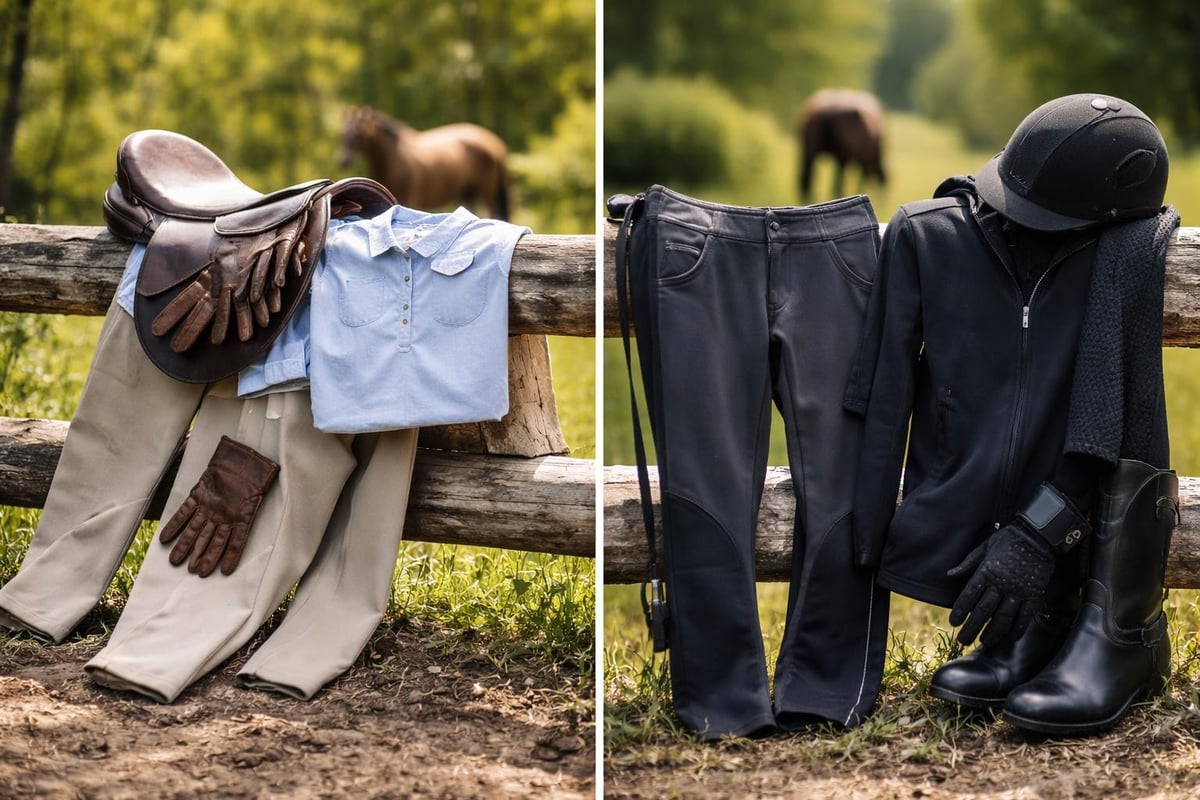
Not all equestrian clothing brands approach design with equal rigor. Premium manufacturers understand that riding creates specific movement patterns and pressure points that ordinary athletic wear simply doesn't address. The angle of your hip in the saddle, the flexion required through your knee, the grip needed along your inner thigh-these biomechanical realities should inform every design decision.
Construction quality tells the story. Examine the stitching on quality breeches versus budget alternatives. Premium brands use flatlock seams positioned away from high-friction zones, reinforced stress points, and thread weights selected for longevity. These details aren't visible in product photos but become apparent after the first few rides.
Design Philosophy Matters
The right brand doesn't just manufacture clothing; it solves problems. When Gallant Equestrian develops a new piece, the design process begins with understanding what riders actually need, not what looks good on a mood board. This rider-first approach yields garments that feel natural from the first wear.
Versatility extends product value significantly. A well-designed riding jacket shouldn't require you to change before grabbing coffee or running errands. The equestrian aesthetic has even influenced mainstream fashion trends, demonstrating its enduring appeal beyond the riding community itself.
| Brand Characteristic | Premium Approach | Budget Approach |
|---|---|---|
| Fabric Selection | Performance-engineered materials tested for riding-specific demands | Generic athletic fabrics not designed for equestrian use |
| Seam Construction | Flatlock seams positioned strategically to prevent chafing | Standard seaming without consideration for saddle friction |
| Sizing Philosophy | Tailored specifically for male riders with appropriate rise and cut | Adapted from women's patterns or generic athletic cuts |
| Versatility | Designed for stable-to-street transition | Purely functional with limited styling appeal |
The Rise of Athleisure Influence in Riding Wear
Athleisure hasn't just influenced gym wear and casual clothing. Market research indicates strong demand for equestrian clothing that incorporates athleisure-inspired designs while maintaining riding-specific functionality. This trend aligns perfectly with how modern riders live their lives.
The challenge lies in maintaining technical riding performance while achieving the clean lines and versatile styling that athleisure represents. A successful equestrian clothing brand navigates this balance carefully, ensuring that aesthetic appeal never compromises riding function.
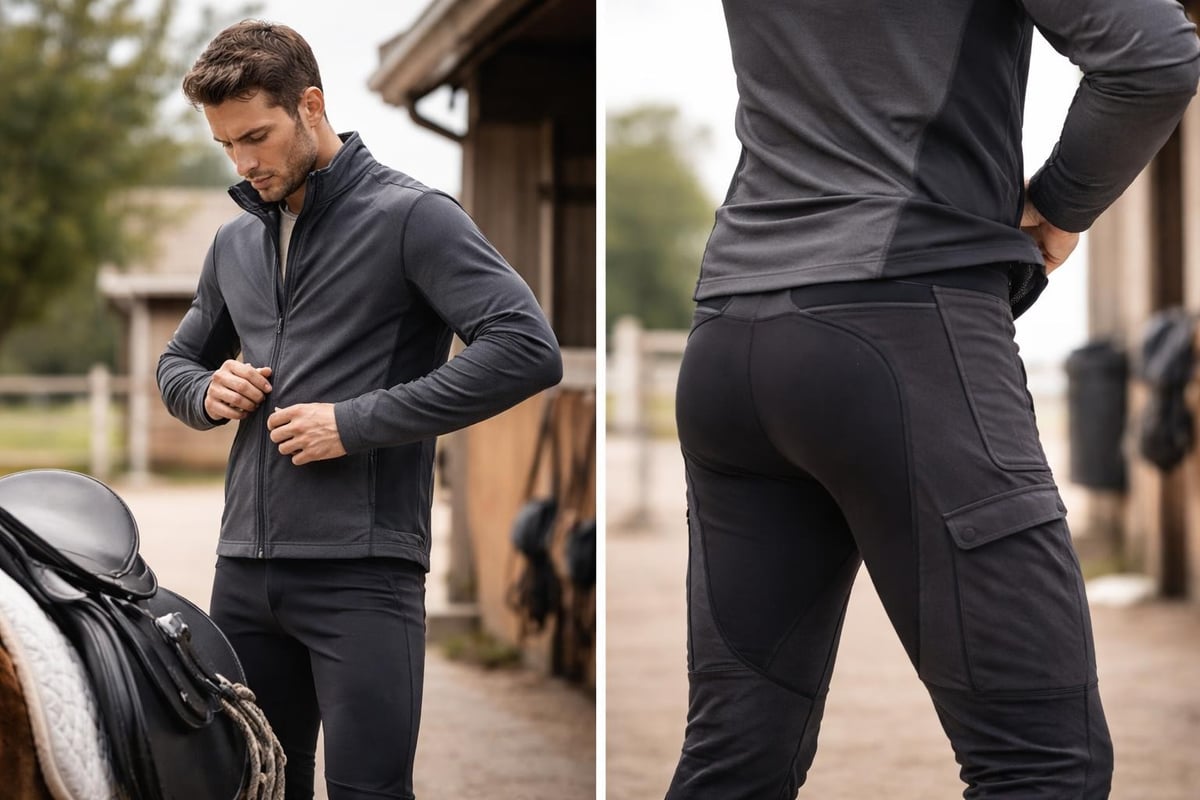
Consider how contemporary breeches have evolved. Traditional designs featured bulky knee patches and cuts that looked distinctly equestrian. Modern performance breeches incorporate grip technology in streamlined silhouettes that could almost pass for tailored casual trousers. This evolution reflects broader cultural shifts toward multi-functional wardrobes.
Smart Feature Integration
Advanced performance features should enhance riding without adding bulk or complexity. Modern materials now incorporate moisture-wicking properties at the molecular level rather than through heavy coatings. This approach maintains breathability while providing the technical benefits riders need.
UV protection has become increasingly important as riders spend extended hours outdoors. Quality fabrics now include integrated sun protection, eliminating the need for additional layering during summer months. These features work invisibly, requiring no special care or maintenance.
Sustainability and Material Sourcing
Environmental consciousness has moved from niche concern to mainstream priority within the equestrian community. A forward-thinking equestrian clothing brand now considers the full lifecycle of its products, from raw material sourcing through end-of-life disposal. This responsibility resonates with riders who care deeply about land stewardship and environmental preservation.
Sustainable doesn't mean sacrificing performance. Advanced recycled polyester blends now match or exceed virgin materials in durability and technical capability. Natural fibers like merino wool offer exceptional temperature regulation and odor resistance while remaining fully biodegradable. The key lies in selecting materials appropriate for each garment's specific purpose.
Manufacturing Ethics and Transparency
Where and how your clothing is manufactured matters. Reputable brands maintain transparent supply chains and ensure fair labor practices throughout production. This ethical foundation aligns with the values most riders hold regarding animal welfare and community responsibility.
New Zealand manufacturing, for instance, offers both quality assurance and environmental benefits through reduced shipping distances to key markets. Manufacturing location shouldn't be merely a marketing point but a genuine commitment to quality control and sustainable practices.
Fit and Sizing for Male Riders
Perhaps no issue causes more frustration than poor fit. The equestrian industry has historically focused on women's riding wear, leaving men with limited options often adapted from women's patterns or generic athletic designs. A dedicated equestrian clothing brand recognizes that male riders have distinct fit requirements.
The rise through the seat differs significantly between male and female anatomy, affecting how breeches should be cut through the crotch and seat. Inseam proportions, hip-to-waist ratios, and thigh shapes all vary. Brands that develop patterns specifically for men create garments that simply work better from the first wear.
Consistency in sizing builds customer trust. Nothing erodes confidence in a brand faster than wildly variable sizing across different styles or production runs. Established manufacturers maintain strict sizing standards, allowing customers to order confidently without constant uncertainty.
The Importance of Movement-Specific Design
Riding creates unique movement demands that ordinary clothing doesn't accommodate. The flexion required through your hip and knee during posting, the rotation through your core during lateral work, the stability needed through your seat during collection-these movements should inform cut and construction.
Quality jackets incorporate gussets and stretch panels positioned precisely where riders need freedom of movement. Shoulder construction allows for reaching forward without restriction. Back vents prevent bunching when seated. These details separate clothing designed for riding from clothing that merely looks equestrian.
Brand Values and Community Connection
The equestrian world thrives on shared values and community connection. The right equestrian clothing brand doesn't just sell products but participates meaningfully in the riding community. This involvement might include supporting competitions, contributing to rider education, or simply maintaining authentic dialogue with customers.
Brand authenticity matters more in equestrian circles than many other markets. Riders can spot superficial involvement or hollow marketing immediately. Brands built by riders, for riders, carry inherent credibility that marketing budgets cannot manufacture.
Recent analysis of equestrian market trends shows that consumers increasingly value brands with genuine equestrian expertise over those simply capitalizing on aesthetic trends. This preference reflects the tight-knit nature of riding communities and the importance placed on authentic experience.
Investment Value and Longevity
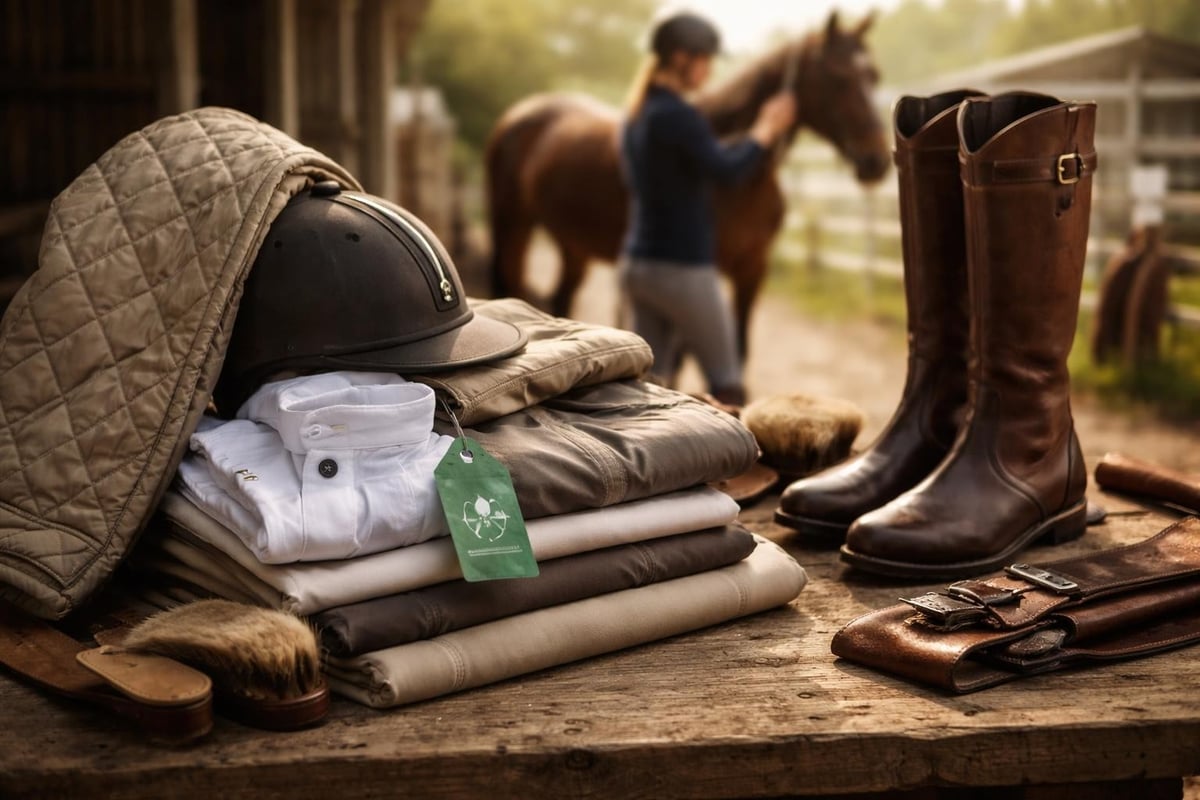
Quality riding clothing represents genuine investment. A well-made pair of breeches might cost more initially but will outlast several pairs of cheaper alternatives. This longevity equation changes the actual cost-per-wear calculation dramatically. Smart riders recognize that premium pricing often delivers superior value over time.
Durability extends beyond fabric longevity to design relevance. Classic, refined designs remain wearable across seasons and years, while trend-driven pieces quickly feel dated. An equestrian clothing brand with staying power focuses on timeless design principles rather than chasing fleeting fashion moments.
Care and Maintenance
Quality garments deserve proper care. Most technical fabrics perform best when washed in cool water without fabric softeners, which can compromise moisture-wicking properties. Air drying extends fabric life significantly compared to tumble drying. These simple practices maximize your investment.
Brands that provide clear care instructions demonstrate respect for both their products and their customers. This guidance helps riders maintain their clothing properly, ensuring years of reliable performance.
Building Your Core Riding Wardrobe
Starting with essential pieces creates a functional foundation. Quality breeches in neutral colors, versatile polo shirts, and a well-designed riding jacket form the core. From this base, you can add specialized pieces for competition or specific riding disciplines.
The concept of a capsule wardrobe applies beautifully to riding clothing. Rather than accumulating numerous pieces of varying quality, invest in fewer, better garments that work together cohesively. This approach simplifies daily decisions while ensuring you always look polished and feel comfortable.
Seasonal variations matter less when you choose adaptable, layerable pieces. A quality base layer beneath your polo shirt extends its seasonal range. A technical jacket over your competition shirt transforms training wear into show-ring appropriate attire.
Competition Versus Training Wear
Competition demands often require specific styling that differs from daily training needs. Understanding this distinction helps prioritize purchases appropriately. Your competition wear should meet discipline-specific requirements while maintaining the quality and comfort of your training wardrobe.
Many riders find that investing more heavily in training wear makes sense given the frequency of use. You might compete monthly but train daily. Prioritizing comfort and durability in training pieces ensures you enjoy the majority of your riding time.
The Future of Men's Equestrian Clothing
Market forecasts suggest continued growth and innovation in men's riding apparel. As participation in equestrian sports expands and lifestyle riders seek quality clothing, brands will continue developing more sophisticated, versatile options. The U.S. equestrian apparel market shows particularly strong momentum in performance-oriented designs with smart features.
Technology integration will likely accelerate. Imagine fabrics that adjust compression based on activity level, or garments with integrated sensors monitoring posture and position. These innovations feel futuristic but are already under development by forward-thinking manufacturers.
Customization and personalization represent another growth area. Riders increasingly want clothing tailored to their specific preferences, from monogramming to custom color combinations. Brands that offer these options while maintaining reasonable pricing and delivery times will gain competitive advantage.
Sustainability as Standard Practice
Environmental responsibility will shift from differentiator to baseline expectation. As younger riders enter the market with strong sustainability values, brands must demonstrate genuine commitment to environmental stewardship. This includes everything from material sourcing to packaging choices to end-of-life recycling programs.
The circular economy model, where brands take back worn garments for recycling or refurbishment, may become standard practice. This approach extends brand responsibility beyond the initial sale and creates ongoing customer relationships.
Choosing the right equestrian clothing brand ultimately comes down to finding alignment between your values, needs, and riding lifestyle. Quality construction, thoughtful design, and genuine performance capabilities separate exceptional brands from those simply selling riding-themed athletic wear. When you're ready to invest in clothing that performs as well as it looks, Gallant Equestrian offers performance-driven pieces designed specifically for men who ride, combining New Zealand craftsmanship with versatile styling that transitions seamlessly from stable to street. Look the Part. Enjoy the Ride.

