

Equestrian Show Attire: A Modern Guide for Men
Apr 22, 2026
Walking into the show ring demands more than skill and partnership with your horse. Your presentation matters, and getting your equestrian show attire right signals professionalism before you've even entered at A. For male riders, the standards are clear yet nuanced, blending tradition with modern performance fabrics that actually work when you're competing. Whether you're preparing for your first local show or refining your wardrobe for national competitions, understanding what's expected and what performs best will keep you focused on your ride, not your clothing.
Understanding Competition Dress Codes
Show attire isn't arbitrary. Every discipline has evolved its standards over decades, balancing safety, tradition, and practical needs. Navigating these dress codes requires understanding both universal principles and discipline-specific requirements.
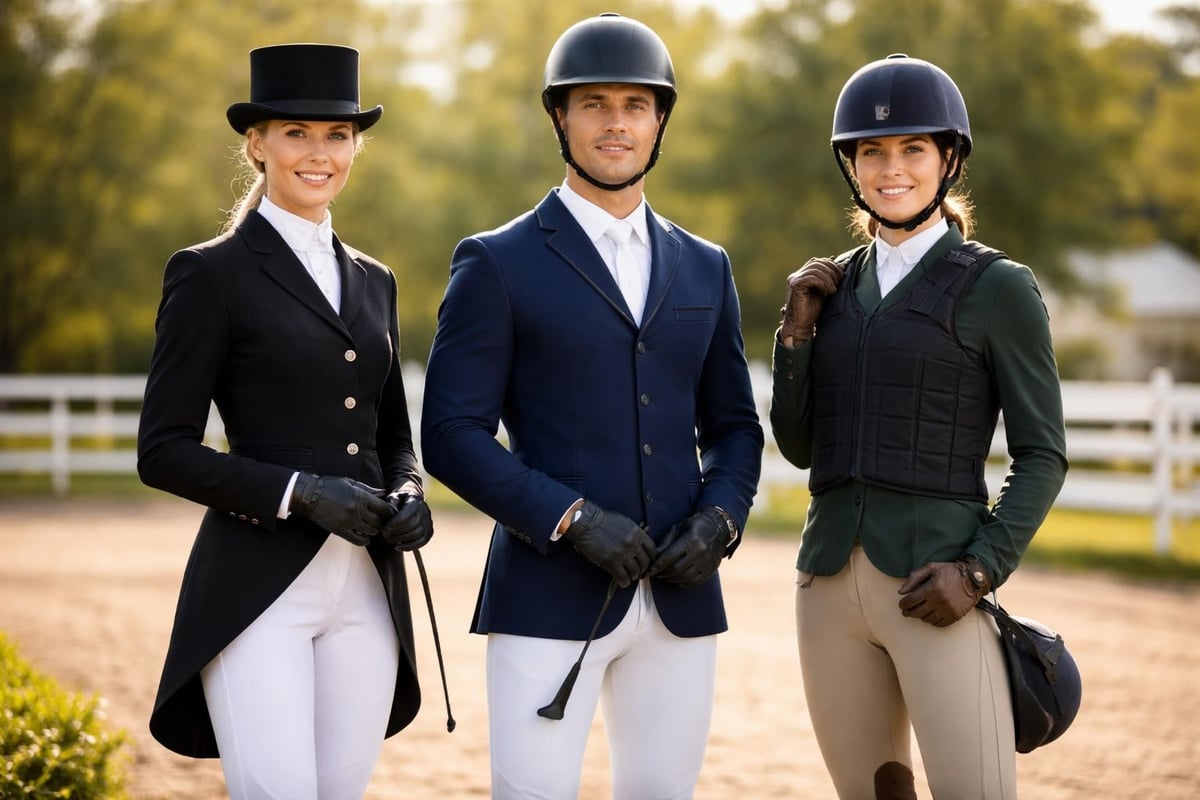
Dressage maintains the most formal standards. Dark coats (black or navy), white or light-coloured breeches, tall boots, and a helmet or top hat at upper levels create the classical silhouette judges expect. The formality reflects dressage's roots in military tradition and precision.
Show jumping offers slightly more flexibility while maintaining a polished appearance. Navy, black, or dark green jackets pair with buff, white, or light breeches. The focus remains on looking professional whilst allowing subtle personal expression through details.
Eventing adapts across its three phases. Dressage follows traditional standards, cross-country permits technical shirts and safety vests, whilst show jumping returns to formal attire. This versatility reflects the discipline's varied demands.
Safety Meets Standards
Modern equestrian show attire prioritizes safety without sacrificing appearance. Helmets meeting current safety standards (ASTM F1163 or equivalent) are non-negotiable at virtually all competitions in 2026. Body protectors for cross-country phases provide crucial protection whilst remaining discreet under your colours.
These safety elements integrate seamlessly with traditional aesthetics. Today's helmets feature sleek profiles that complement formal attire, whilst technical fabrics in body protectors ensure they don't add bulk or restrict movement during your round.
The Foundation: Breeches That Perform
Your breeches form the foundation of any competition outfit. Choosing the right male riding breeches affects both your appearance and your performance throughout a long competition day.
Full Seat vs Knee Patch
Full-seat breeches provide maximum grip and stability, particularly valuable in dressage where maintaining position through complex movements matters. The complete coverage from seat to inner thigh keeps you secure without conscious effort.
Knee-patch breeches offer more traditional styling with grip where contact matters most. Many show jumpers prefer this option, finding the balance between security and freedom of movement ideal for courses requiring quick adjustments.
The choice between full seat or knee grip often comes down to discipline and personal preference, though both styles meet competition standards when executed properly.
Competition-Ready Fabrics
Modern performance fabrics have transformed competition breeches. Four-way stretch materials move with you, maintaining their shape through multiple classes without bagging at the knees. Moisture-wicking properties keep you comfortable during warm-up, your rounds, and the waiting between classes.
Look for reinforced seams and quality construction that withstand the demands of competition preparation and the show day itself. White and light-coloured breeches should offer enough opacity to maintain professionalism under arena lighting.
The fit should be precise without restriction. Competition breeches sit lower on the waist than casual styles, creating clean lines under your jacket whilst ensuring comfort when mounted. Length matters too, as breeches should reach precisely to where your boots begin, avoiding bunching or gaps.
Jackets: Your Competition Signature
Your show jacket defines your silhouette in the arena. Understanding equestrian attire means recognizing how this piece anchors your entire presentation.
Traditional Cuts and Modern Updates
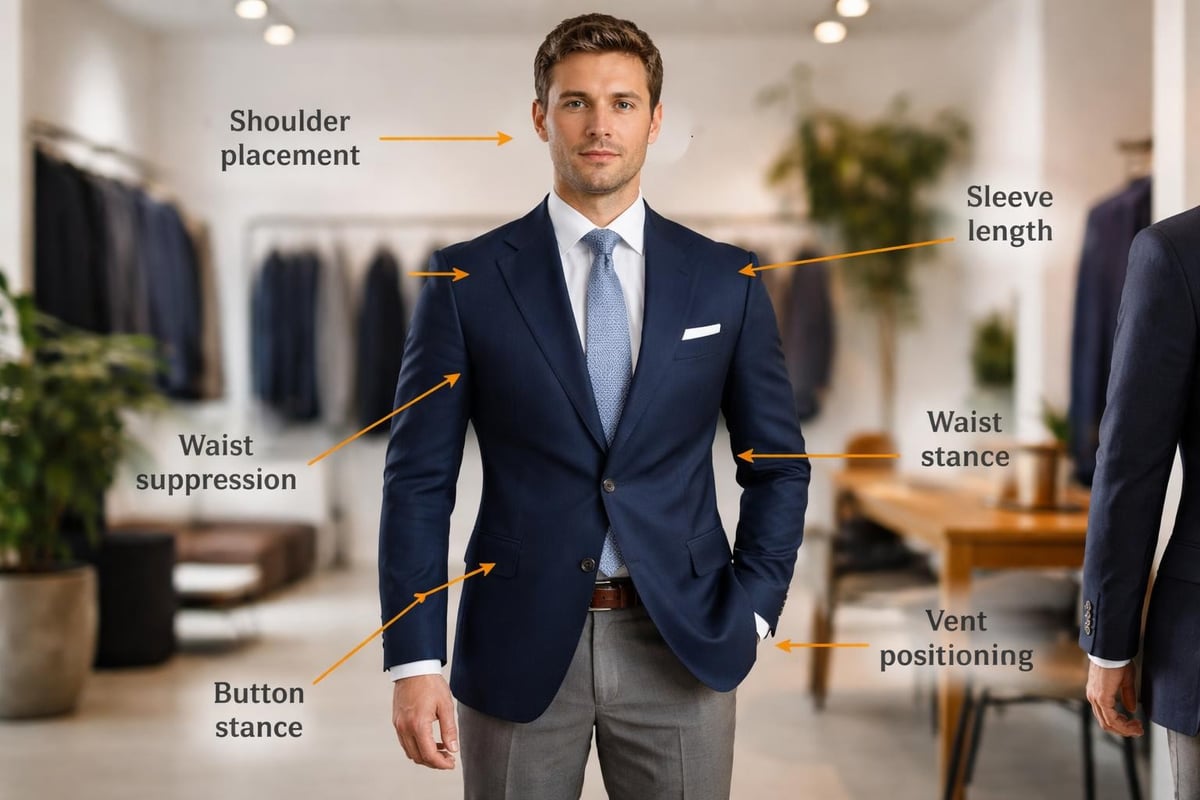
Competition jackets follow established patterns: single-breasted with two or three buttons, defined waist suppression, and vents that accommodate movement in the saddle. Shoulders should lie flat without pulling, whilst sleeves reach your wrist bone when your arms hang naturally.
Recent innovations bring technical elements to traditional silhouettes. Stretch panels at key movement points, breathable linings, and water-resistant treatments enhance functionality without visible departure from classic styling.
Color Selection
| Discipline | Primary Colors | Acceptable Alternatives |
|---|---|---|
| Dressage | Black, Navy | Dark Grey (some levels) |
| Show Jumping | Navy, Black, Dark Green | Burgundy, Grey (regional variations) |
| Hunters | Navy, Black, Dark Green | Traditional hunting colors |
| Eventing (SJ phase) | Navy, Black | Dark Green |
Darker colors photograph better and show less dirt throughout a competition day. Navy offers subtle distinction from black whilst maintaining formality. Whatever color you choose, ensure it's a true, deep shade rather than a lighter variation.
Shirts and Stock Ties
Underneath your jacket, your shirt or stock tie completes the traditional look whilst serving practical purposes during long competition days.
Ratcatcher Shirts
These polo-style shirts offer the easiest option for most competitions. The attached collar and button placket provide a neat appearance without the complexity of tying stocks. Choose white or subtle colors that complement your jacket, avoiding patterns that might distract judges.
Technical ratcatcher shirts incorporate moisture-wicking fabrics and strategic ventilation. The collar should sit neatly without gaping when your jacket is buttoned, and sleeve length should be just visible beyond your jacket cuffs.
Stock Ties
Higher-level competitions and certain disciplines require traditional stock ties. White stocks remain standard, pinned with a simple gold or silver stock pin. Learning to tie a stock properly takes practice but creates the most formal presentation.
The stock should sit smooth and flat, secured without excessive bulk. Your stock pin should be positioned horizontally, not at an angle, and sit precisely centered. This detail, whilst small, demonstrates attention to the standards judges notice.
Boots: The Professional Foundation
Tall boots complete your competition look and significantly impact your effectiveness in the saddle. Quality riding gear includes boots that balance traditional appearance with modern comfort.
Dress Boot Essentials
Black leather dress boots remain the gold standard for most disciplines. The leather should be supple enough for comfort whilst maintaining structure that creates clean lines. Height matters, with boots reaching just below your knee when your leg is bent at riding position.
Field boots, featuring lacing at the ankle, offer more flexibility for riders with larger calves or those requiring extra ankle articulation. They're acceptable in many jumping disciplines though less common in dressage at higher levels.
Fit and Break-In
Proper boot fit requires professional measuring. The boot should feel snug without pinching, with minimal gap at the ankle and smooth fit along the calf. Too-tight boots restrict circulation and movement; too-loose boots create wrinkles that look unprofessional.
Plan for break-in time before competition. New leather boots need gradual wear to mold to your leg without causing blisters during a show day. Boot stretching services can address specific fit issues without compromising the boot's structure.
Accessories That Matter
Small details separate adequate turnout from exceptional presentation. These finishing touches demonstrate thoroughness judges appreciate.
Gloves
Leather or synthetic gloves in black, brown, or navy provide grip whilst maintaining elegance. The fit should be precise, without excess material at fingertips or gaps at the wrist. Some riders prefer slightly tackier materials for better rein contact in wet conditions.
Belts
A leather belt matching your boots completes your trouser line. The buckle should be modest and metallic, avoiding large or ornate designs that draw attention. The belt should fit comfortably without excess length flapping under your jacket.
Spurs and Straps
If your discipline and level permit spurs, ensure they're appropriate for the class and fit correctly. Spur straps should match your boots, sitting flat against the leather without twisting. Keep spurs polished and positioned correctly on your boots.
Preparing for Competition Day
Proper equestrian riding attire requires maintenance and preparation beyond simply owning the right pieces.
The Night Before
Lay out your complete outfit, checking every element. Try on your full kit to confirm everything fits correctly and nothing has developed issues since your last wear. This prevents last-minute discoveries of missing buttons, tight fits, or forgotten items.
Press or steam your jacket and breeches. Clean and polish your boots thoroughly. Prepare your helmet, ensuring all adjustments are correct and safety certifications current. Pack backup items where practical: spare gloves, stock pins, and boot polish for touch-ups.
Show Day Protocol
| Time | Task | Purpose |
|---|---|---|
| 90 min before | Dress fully except boots | Identify any issues with time to resolve |
| 60 min before | Clean boots, final press | Maintain pristine appearance |
| 45 min before | Final outfit check | Ensure everything sits correctly |
| 30 min before | Put on boots | Minimize dirt and wear before ring |
Arrive early enough to dress properly without rushing. Stress shows in your presentation, and scrambling into your show clothes creates wrinkles and forgotten details. A methodical approach to dressing ensures you enter the warm-up ring looking composed and professional.
Modern Performance Meets Tradition
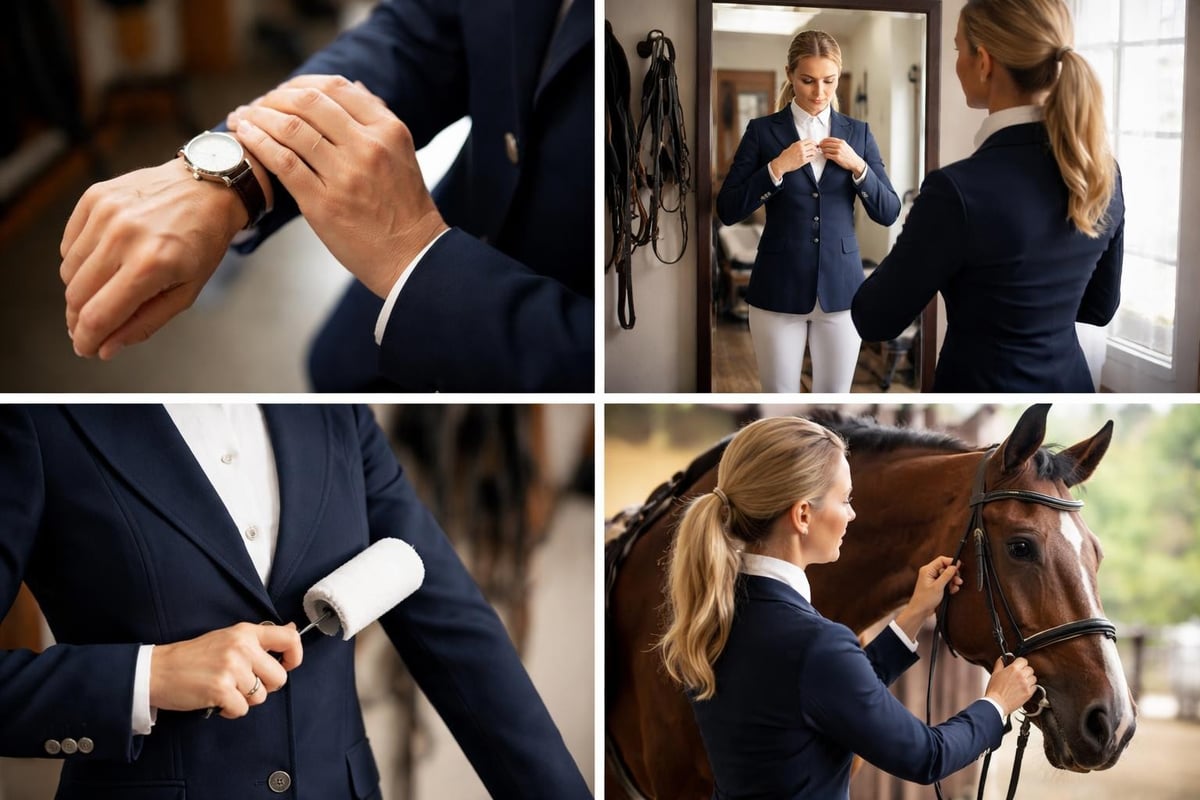
The evolution of equestrian fashion in 2026 brings significant improvements to competition wear without abandoning the standards that define our sport. Technical fabrics now integrate seamlessly with traditional silhouettes, offering genuine performance advantages.
Moisture management keeps you comfortable through multiple rounds in varying weather. Four-way stretch in strategic locations allows full range of motion without the fabric pulling or restricting your position. These innovations matter most during long competition days when comfort directly affects your riding.
Yet these modern materials maintain traditional aesthetics. Understanding what to wear for a horse show means recognizing how performance and presentation now work together rather than competing priorities.
Adapting Across Levels
Your equestrian show attire evolves as you progress through competition levels. Local schooling shows often allow more relaxed interpretations of dress codes, whilst regional and national competitions enforce stricter standards.
Schooling Shows
These provide ideal opportunities to test new kit and ensure everything works before higher-stakes competitions. Many allow dark-colored breeches or navy polo shirts instead of formal jackets at lower levels. Use these shows to confirm fit, comfort, and functionality of your competition wardrobe.
Recognized Competitions
Official competitions enforce discipline-specific dress codes precisely. Review the prize list or competition rules for exact requirements, as seemingly small details (helmet decoration, spur length, glove color) can result in elimination or penalty.
Some disciplines publish detailed dress code guides annually. Stay current with these standards, as they do occasionally evolve. What was acceptable last season might not meet current year requirements.
Building Your Competition Wardrobe
Creating a functional show wardrobe requires strategic investment. Start with versatile, high-quality basics that work across multiple disciplines and levels, then add specialized pieces as your competition focus clarifies.
Quality mens riding breeches in white or light colors provide your foundation. Two pairs allow rotation between shows and ensure you have backup if one develops issues. A well-fitted navy or black jacket works for most disciplines whilst you determine your competitive direction.
Add pieces systematically based on actual competition needs rather than hypothetical situations. That formal shadbelly might seem appealing, but if you're not competing at levels requiring one, it's premature. Focus resources on items you'll wear regularly, ensuring they're the best quality you can afford.
The investment in proper show attire pays dividends in confidence and presentation. Knowing you look professional allows complete focus on your riding and your partnership with your horse.
Versatility Beyond the Arena
Modern competition clothing increasingly transitions well beyond show day. Men's equestrian breeches designed with clean styling work for training sessions and casual rides whilst maintaining competition-ready appearance when needed.
Technical polo shirts and performance jackets serve double duty for schooling and early-level showing. This versatility maximizes value from your investment whilst ensuring you're always appropriately turned out at the yard.
Maintaining Your Investment
Proper care extends the life of competition clothing whilst ensuring it maintains presentation standards. Most technical fabrics require specific washing approaches to preserve their performance properties.
Wash breeches inside-out in cool water with mild detergent. Avoid fabric softeners, which can degrade grip materials and moisture-wicking properties. Air-dry when possible, as heat can affect stretch and shape retention.
Leather boots need regular cleaning and conditioning. After each wear, wipe down with a damp cloth to remove dirt and sweat. Monthly deep cleaning with saddle soap followed by leather conditioner maintains suppleness and appearance. Store boots with boot trees to prevent creasing and maintain shape.
Show jackets typically require professional dry cleaning, though some modern performance materials allow gentle home washing. Check care labels carefully, and when in doubt, choose professional cleaning to protect your investment.
Store competition clothing properly between shows. Hang jackets on proper hangers that support shoulders without stretching. Keep breeches folded or hung to prevent permanent creases. Protect everything from dust, moths, and excessive light that can fade darker colors over time.
The Confidence Factor
Beyond meeting requirements, proper equestrian show attire provides genuine psychological advantage. Walking into the warm-up ring knowing your presentation is impeccable allows complete focus on your riding. You're not wondering if your stock is straight, your breeches have dirt on them, or your jacket fits properly.
This confidence translates through your position and aids. Judges notice riders who carry themselves with quiet assurance, and proper attire contributes significantly to that presence. You're demonstrating respect for the sport, the competition, and your own preparation.
Current trends in equestrian attire emphasize this connection between appearance and performance, with leading brands focusing on clothing that genuinely enhances rider confidence through superior fit and function.
Final Ring Checks
Before entering the competition ring, run through these final confirmations. Your number is correctly positioned and secure. Your helmet fits properly with the harness correctly adjusted. Gloves are on, boots are clean, and your jacket sits smoothly.
Check your breeches for any marks picked up during warm-up. Ensure your shirt collar sits neatly under your jacket without bunching. These thirty seconds of attention to detail demonstrate the professionalism that separates good competitors from great ones.
Take a breath, sit tall, and enter knowing your presentation honors both the sport and your partnership with your horse. When your turnout is handled, your mind stays with your riding where it belongs.
Getting your competition presentation right combines respect for tradition with smart use of modern performance materials. When you invest in proper equestrian show attire that fits well and functions throughout long competition days, you're free to focus entirely on your riding. At Gallant Equestrian, we've built our collection around this principle, creating performance-driven pieces that meet competition standards whilst actually working when you're in the saddle. Our breeches, jackets, and shirts are designed for male riders who take their presentation seriously without sacrificing comfort or function. Look the Part. Enjoy the Ride.

