

Equine Shirts: The Essential Guide for Men Who Ride
Mar 11, 2026
The right shirt changes everything when you're spending hours in the saddle. Whether you're training in the early morning chill or competing under the midday sun, equine shirts serve as the foundation of your riding wardrobe. They need to move with you, regulate temperature, and look sharp enough to wear straight to lunch after a session. Yet finding shirts that genuinely deliver on both performance and style isn't always straightforward. The market has evolved considerably, with technical fabrics and refined cuts now standard among quality makers. Understanding what separates exceptional equine shirts from basic options helps you build a wardrobe that works as hard as you do.
What Makes Equine Shirts Different
Traditional dress shirts simply weren't designed for riding. The moment you settle into the saddle, standard cotton bunches at the waist, restricts shoulder movement, and starts showing sweat within minutes. Equine shirts address these issues through strategic design choices that prioritize mobility and comfort.
The cut matters enormously. Longer backs prevent riding up when you're posting or leaning forward. Articulated sleeves allow full range of motion without pulling across the shoulders. Strategic gussets add stretch exactly where you need it. These aren't obvious features when you're browsing racks, but you'll notice them immediately during your first ride.
Fabric selection separates adequate shirts from excellent ones. Modern technical blends wick moisture away from skin, dry quickly between sessions, and resist the persistent stable smells that cling to natural fibers. Many incorporate four-way stretch for unrestricted movement whilst maintaining a structured appearance. The 2025 AHP Equine Industry Survey revealed that performance fabric preferences have shifted significantly, with riders prioritizing technical benefits over traditional materials.
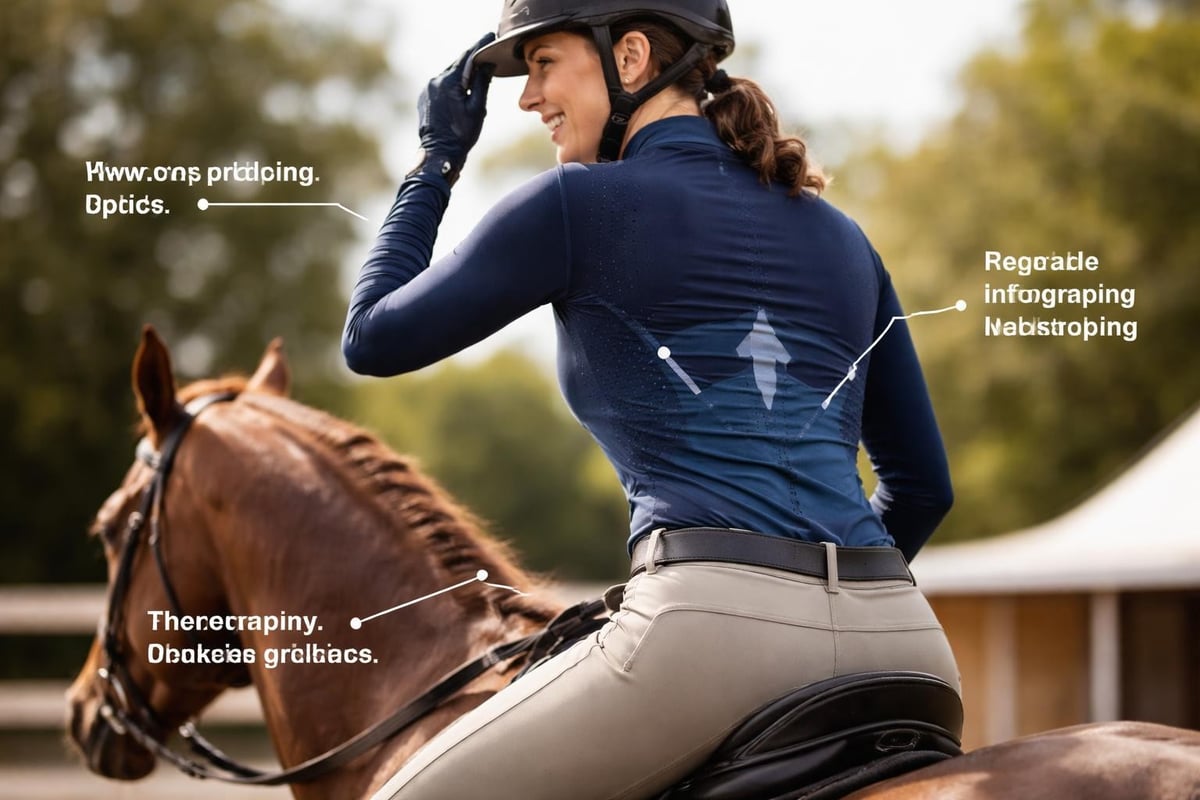
Temperature regulation deserves particular attention. Quality equine shirts manage heat without sacrificing presentation. Breathable panels, often strategically placed under arms or along the spine, allow air circulation. Some incorporate mesh zones that remain invisible under jackets but provide substantial cooling during intensive work.
Choosing Between Polo, Button-Down, and Technical Styles
Polo Shirts for Everyday Riding
The polo represents versatility in its purest form. A well-made equestrian polo transitions seamlessly from stable to town, making it ideal for riders who value efficiency. The collar provides sun protection and looks appropriately turned out for most non-competitive settings.
Look for designs with reinforced plackets that won't gap when you're leaning forward. The polo shirts at Gallant Equestrian exemplify this approach, combining performance fabrics with refined details that work across contexts. Ribbed collars that hold their shape through multiple washes indicate quality construction.
Sleeve length affects both comfort and appearance. Short sleeves suit warmer months and allow unrestricted arm movement, though they offer less sun protection. Long-sleeve polos provide coverage without the formality of button-downs, making them excellent choices for spring and autumn riding.
Button-Down Shirts for Competition
Competition environments demand more polish. Button-down equine shirts deliver professional presentation whilst incorporating the technical features you need under a jacket. The key lies in finding shirts that look refined but perform like athletic wear.
Collar construction determines whether a shirt looks sharp after hours of wear. Fused or bonded collars maintain their structure better than traditional sewn versions. Hidden button plackets create cleaner lines under show jackets, though standard plackets work perfectly well for schooling and everyday wear.
Cuff design deserves consideration. Adjustable cuffs accommodate varying wrist sizes and allow you to roll sleeves when needed. Some competition-focused shirts feature discreet elastic at cuff openings, preventing bunching under jacket sleeves whilst maintaining a tailored appearance.
Technical Base Layers
Technical shirts designed as base layers offer different benefits entirely. These sit closest to your skin, managing moisture before it affects outer layers. They're particularly valuable during intensive training or in extreme temperatures.
The best technical base layers feel almost invisible when worn. Flatlock seams prevent chafing during extended sessions. Seamless construction, whilst more expensive, eliminates friction points entirely. Compression elements in strategic zones can reduce muscle fatigue, though this benefit varies considerably between individuals.
Fabric Technologies Worth Understanding
Moisture Management Systems
Modern equine shirts employ sophisticated moisture management rather than simple wicking. The fabric actively pulls sweat away from skin, spreads it across a larger surface area, and accelerates evaporation. This three-stage process keeps you noticeably drier than traditional cotton alternatives.
Different fibers excel at different aspects. Polyester derivatives spread moisture efficiently. Nylon adds durability and faster drying times. Merino wool, increasingly popular in premium equine shirts, naturally regulates temperature and resists odors remarkably well. Many manufacturers blend these materials to capture multiple benefits.
Understanding fabric weights helps match shirts to conditions. Lightweight fabrics (typically 100-150 gsm) suit warm weather and intensive work. Mid-weight options (150-200 gsm) provide year-round versatility. Heavier constructions work well as transitional pieces under jackets but can feel restrictive for active riding.
Stretch and Recovery
Four-way stretch fabrics move with you in all directions, but recovery separates quality materials from cheaper alternatives. Recovery refers to how quickly and completely fabric returns to its original shape after stretching. Poor recovery leads to baggy elbows, stretched-out shoulders, and generally sloppy appearance after a few wears.
| Fabric Type | Stretch Direction | Recovery Quality | Best Use |
|---|---|---|---|
| Spandex Blend | Four-way | Excellent | Competition, active training |
| Polyester Knit | Two-way | Good | Everyday riding, schooling |
| Cotton Blend | Minimal | Moderate | Casual wear, light riding |
| Technical Mesh | Two-way | Excellent | Base layers, warm weather |
Elastane content typically ranges from 2% to 15% in quality equine shirts. Higher percentages provide more stretch but can feel less substantial. Around 5-8% offers optimal balance for most riders, providing freedom of movement without compromising structure.
Fit Considerations for Riders
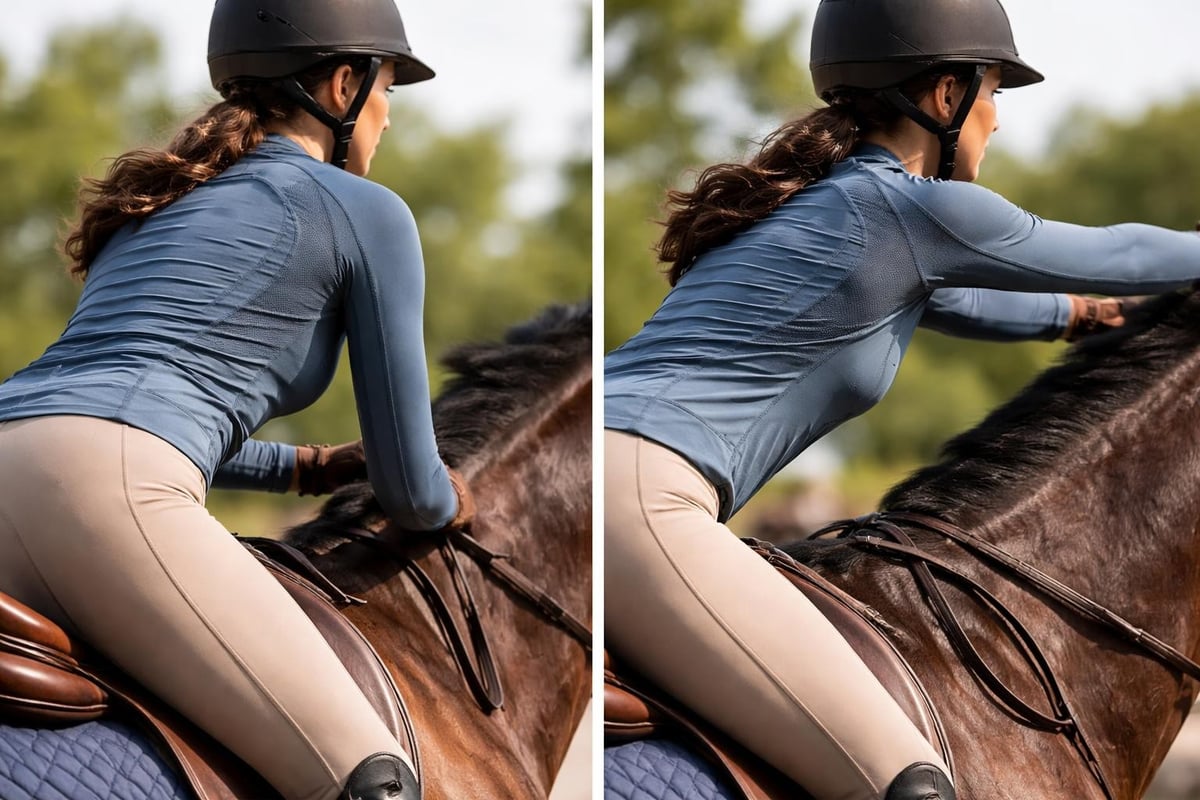
Standard shirt sizing often fails riders. The athletic build common among those who ride regularly requires accommodations that regular menswear doesn't provide. Broader shoulders and narrower waists create fitting challenges that equestrian-specific cuts address directly.
Shoulder seams should sit precisely at the shoulder edge, not drooping down the upper arm. This positioning allows the articulated sleeve design to function properly. Too tight restricts movement; too loose creates excess fabric that bunches uncomfortably under jackets or catches on tack.
Torso length affects both comfort and appearance. Shirts that are too short ride up constantly, creating an untidy look and exposing your lower back. Excessive length creates bulk when tucked and looks sloppy when untucked. Many quality makers now offer tall sizes specifically addressing this common issue.
The market research on equine apparel preferences shows increasing demand for specialized fits that account for riders' physiques. This trend has encouraged more brands to develop sport-specific sizing rather than adapting standard menswear patterns.
Color and Pattern Selection
Classic Neutrals
White, navy, and black remain staples for good reason. They coordinate effortlessly with most breeches colors, satisfy competition requirements, and maintain professional appearance across contexts. White shows dirt quickly but conveys crispness that's hard to replicate. Navy offers practicality without sacrificing sophistication. Black works particularly well for creating streamlined silhouettes.
Bone and stone tones provide slightly softer alternatives to stark white whilst maintaining the same versatility. These shades hide minor stable dirt better and often complement various skin tones more flatteringly than pure white.
Contemporary Colors
Olive, charcoal, and burgundy have gained substantial traction in recent years. These colors maintain appropriate restraint for equestrian settings whilst offering welcome variation from traditional options. They work especially well in polo styles intended for everyday wear rather than competition.
Seasonal color shifts align roughly with broader menswear trends, though equestrian fashion moves more conservatively. Earth tones dominate autumn and winter collections. Lighter shades and occasional pastels appear in spring ranges, though muted versions suit men's equestrian wear better than bright alternatives.
Patterns and Details
Subtle patterns add interest without sacrificing professionalism. Micro-checks, tonal stripes, and discrete textures work well in schooling environments and informal settings. Competition regulations typically restrict patterns, making solid colors the safer choice for show shirts.
Contrasting details require careful consideration. Collar and cuff accents can enhance visual interest, but overly bold contrasts risk appearing juvenile rather than refined. Tonal variations create depth whilst maintaining sophistication. The competition wear collection demonstrates how subtle details elevate appearance without compromising elegance.
Care and Maintenance
Proper care extends the life of quality equine shirts considerably. Technical fabrics require different treatment than traditional materials, though the process isn't complicated.
Washing after each wear prevents sweat and stable odors from setting permanently. Use cool or warm water rather than hot, which can damage elastic fibers and set stains. Technical fabric detergents preserve moisture-wicking properties better than standard options, though they're not absolutely essential.
Avoid fabric softeners entirely. They coat fibers, reducing breathability and moisture management effectiveness. If static becomes problematic, add half a cup of white vinegar to the rinse cycle instead.
Air drying preserves fabric structure and elasticity better than machine drying, though low heat settings work acceptably for most technical blends. Remove shirts promptly to minimize wrinkles. Many modern equine shirts resist creasing naturally, requiring minimal or no ironing.
Stain treatment should happen quickly. Grass, mud, and manure all respond better to immediate attention. Enzyme-based pre-treatments work effectively on organic stains common around stables. Avoid chlorine bleach, which weakens fibers and causes yellowing over time.
Building a Practical Shirt Rotation
Essential Numbers
Most serious riders benefit from maintaining four to six equine shirts in regular rotation. This allows adequate drying time between wears without constant laundry pressure. Competition riders might need additional show-specific shirts kept in pristine condition.
Start with two neutral polos for everyday riding. Add a competition-appropriate button-down if you show regularly. Include at least one technical base layer for intensive work or extreme weather. Build from this foundation based on your riding frequency and lifestyle requirements.
| Shirt Type | Minimum Number | Ideal Number | Priority Level |
|---|---|---|---|
| Everyday Polo | 2 | 3-4 | High |
| Competition Shirt | 1 | 2-3 | Medium (if competing) |
| Technical Base | 1 | 2 | Medium |
| Casual Riding Tee | 2 | 3-4 | Medium |
Seasonal Adjustments
Your shirt rotation should evolve with seasons. Summer demands more lightweight, quick-drying options. Winter requires layering-friendly designs that work under sweaters or vests without bulk. Spring and autumn need versatile pieces that perform across variable conditions.
Rather than maintaining entirely separate seasonal wardrobes, focus on transitional pieces that adapt through layering. A quality polo works year-round when paired appropriately with jackets or base layers.
Style Beyond the Stable
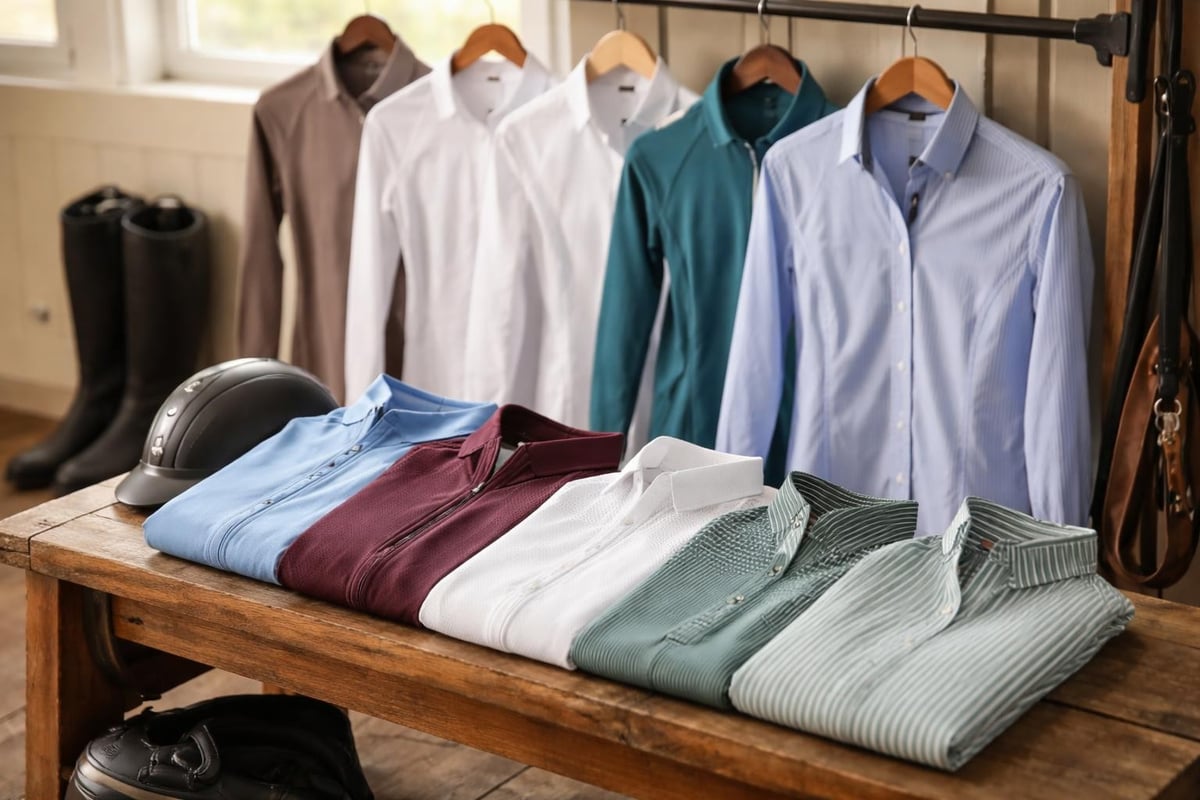
The best equine shirts earn their place in your broader wardrobe. They should transition naturally from riding to everyday activities without obvious equestrian branding or awkward styling.
Clean lines and refined details make this transition possible. Excessive logos, overly technical appearances, or obvious competition styling limit versatility. Subtle branding maintains quality associations whilst allowing shirts to blend into various contexts.
Pairing matters considerably. A quality polo works with chinos for casual outings or under a blazer for smarter occasions. Button-down equine shirts substitute directly for dress shirts in many settings, offering superior comfort whilst maintaining appropriate appearance.
The research on industry labor and lifestyle patterns shows equestrian professionals increasingly value clothing that serves multiple purposes. This practical approach influences design directions across the market.
Investment Versus Budget Options
Price ranges vary enormously across equine shirts. Understanding what justifies higher costs helps you invest wisely rather than simply spending more.
Premium fabrics deliver measurably better performance and longevity. A £75 shirt using genuine four-way stretch technical fabric will outlast and outperform three £25 alternatives using basic polyester blends. The per-wear cost often favors quality, particularly for riders logging significant saddle time.
Construction quality becomes evident over time. Reinforced seams, proper interfacing, and quality hardware survive repeated washing and wear. Budget options often fail at stress points, particularly underarm seams and button attachments.
That said, not every shirt requires top-tier investment. Schooling pieces face rougher treatment and can justify more moderate spending. Competition and versatile everyday shirts warrant higher investment due to their visibility and usage frequency. The essentials collection balances quality and practicality effectively.
Emerging Trends and Technologies
Sustainability increasingly influences equine shirt design. Recycled polyester performs identically to virgin material whilst reducing environmental impact. Organic cotton blends offer natural fiber benefits without conventional agriculture's downsides. These options command slight premiums but align with growing environmental consciousness.
Smart fabrics incorporating temperature regulation and odor control represent the cutting edge. Phase-change materials actively cool or warm based on body temperature. Silver-infused fibers provide genuine antibacterial properties rather than temporary chemical treatments. These technologies remain premium options but increasingly filter down to mid-range products.
The Equimetrics data capture system research demonstrates how technology applications to equestrian activities inform better apparel design. Understanding movement patterns allows manufacturers to optimize fabric placement and cut more precisely.
Customization options are expanding beyond simple monogramming. Some makers now offer made-to-measure services at accessible price points, addressing fit challenges that standard sizing can't accommodate. This trend particularly benefits riders with athletic builds or non-standard proportions.
Making Your Selection
Choosing equine shirts requires balancing multiple factors simultaneously. Start by identifying your primary use case. Competition requirements differ substantially from everyday training needs, which differ again from casual riding preferences.
Consider your riding intensity and frequency. Daily riders need durability and quick-drying properties above all. Weekend riders can prioritize style and versatility since performance demands are less extreme. Your climate and typical riding conditions should heavily influence fabric weight and technical features.
Try before buying when possible. Fit varies significantly between brands, and what works brilliantly for one rider might suit another poorly. Pay attention to how shirts feel when you simulate riding positions, not just standing naturally. Raise your arms overhead, lean forward, twist at the waist. Quality equine shirts accommodate these movements without restriction or riding up.
Read reviews from actual riders rather than general fashion commentary. Equestrian-specific feedback reveals performance issues or benefits that standard clothing reviews miss entirely. The American Horse Council publications occasionally feature apparel reviews within broader industry coverage.
Don't overlook return policies and guarantees. Reputable makers stand behind their products, offering reasonable return windows and occasionally performance guarantees. This confidence indicates quality and provides practical protection for your investment.
Beyond Fashion
Ultimately, equine shirts serve purpose before aesthetics, though the best options deliver both admirably. They need to support your riding, withstand stable conditions, and represent you appropriately across various contexts. This practical foundation distinguishes genuinely useful equestrian apparel from clothing that merely references riding aesthetically.
Quality equine shirts become invisible in the best sense. You stop thinking about them because they're performing exactly as needed. They move when you move, stay comfortable through long sessions, and look appropriate whether you're in the saddle or grabbing coffee afterward. That seamless functionality represents the standard worth pursuing.
The market continues evolving, bringing better fabrics, smarter designs, and more thoughtful approaches to men's equestrian clothing. Staying informed about these developments helps you make selections that genuinely improve your riding experience rather than simply following trends.
Your shirts work harder than most wardrobe pieces. Choose them accordingly, maintain them properly, and they'll serve you reliably for years. The right equine shirts make every ride more comfortable and every appearance more confident.
Finding equine shirts that genuinely deliver performance and style requires understanding what separates quality from mediocrity. The right pieces support your riding whilst transitioning effortlessly into everyday life, proving their worth ride after ride. Gallant Equestrian designs exactly these kinds of pieces, combining New Zealand craftsmanship with technical fabrics that work as hard as you do. Whether you need everyday training gear or competition-ready options, we've built a collection focused on what actually matters to men who ride. Look the Part. Enjoy the Ride.

