

Horse Riding Jacket: The Complete Guide for Men
Mar 01, 2026
Choosing the right horse riding jacket matters more than most riders initially realise. It's not just about looking sharp in the saddle-though that certainly helps. The jacket you wear affects your comfort, movement, and safety every time you ride. Whether you're training in the arena, competing at regional level, or simply mucking out on a wet morning, your jacket needs to perform. This guide covers everything you need to know about selecting, wearing, and caring for a proper riding jacket that works as hard as you do.
Understanding What Makes a Riding Jacket Different
A horse riding jacket isn't simply a regular coat you happen to wear around horses. The design considerations run deeper than casual outerwear.
Proper riding jackets feature specific construction elements that address the unique demands of equestrian activity. The cut allows unrestricted shoulder movement for reining and control. The length prevents bunching when seated in the saddle. Breathable fabrics manage moisture during active riding sessions.
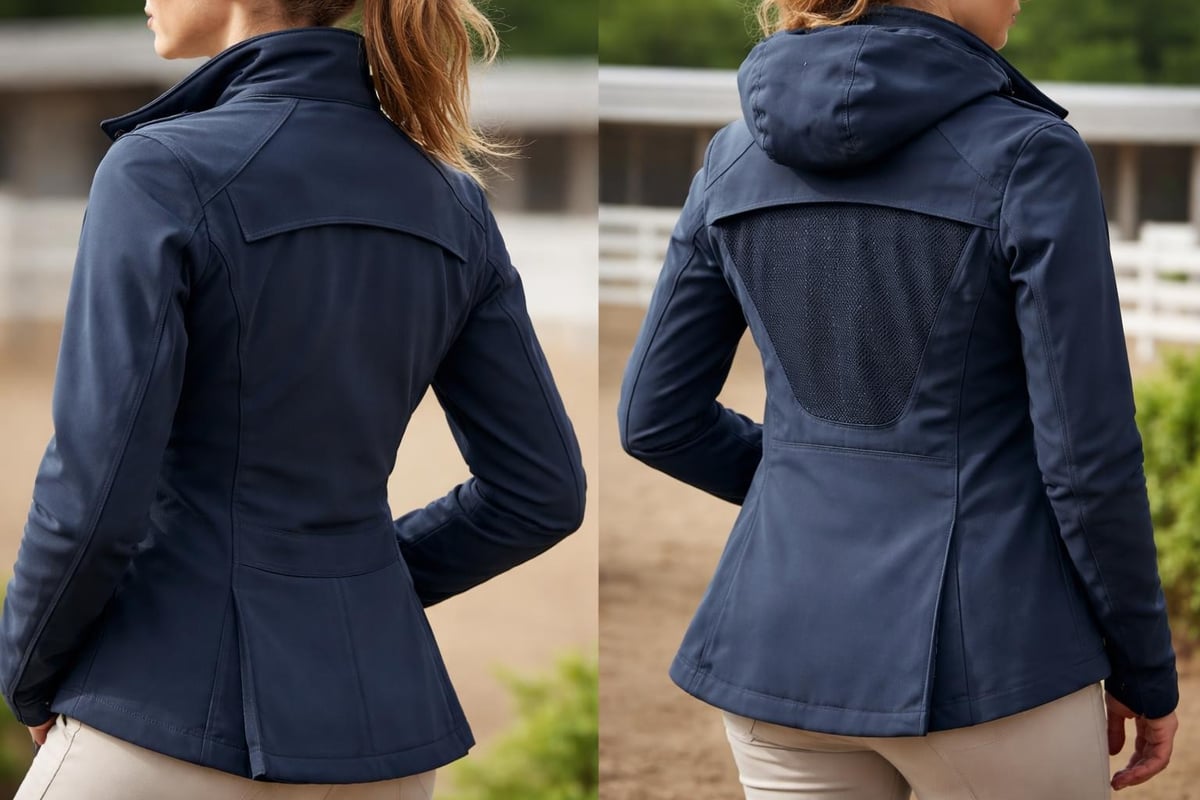
Traditional show jackets remain essential for competition, following strict dress codes outlined by organisations like The British Horse Society's dress guidance. These structured jackets project professionalism and meet regulatory standards. For training and everyday riding, performance jackets prioritise function without sacrificing style.
Modern riding jackets incorporate technical textiles originally developed for outdoor sports. Waterproof membranes keep you dry without trapping heat. Four-way stretch fabrics move with your body. Articulated sleeves eliminate restriction when reaching forward or posting.
Choosing Between Performance and Competition Styles
The jacket you need depends entirely on how you ride.
Competition jackets follow established conventions. Dark colours-navy, black, charcoal-dominate the show ring. Tailored fits create clean lines. Fabrics like technical wool blends offer structure whilst allowing some stretch. These jackets work brilliantly for dressage, show jumping, and eventing when presentation matters.
Performance jackets suit training, hacking, and stable work. They prioritise weather protection and freedom of movement over formal appearance. Lightweight shells keep wind and rain at bay. Insulated versions handle cold morning rides. Many riders keep both styles and switch based on the day's agenda.
The jackets collection at Gallant Equestrian demonstrates this balance-pieces refined enough for competition yet practical for daily riding. That versatility matters when you're investing in quality gear.
Consider your typical riding week. If you compete monthly but train daily, invest in a solid performance jacket first. Add a competition jacket when your schedule demands it. Riders focused primarily on showing should prioritise the competition piece but keep a weatherproof shell handy.
Essential Features Worth Seeking
Certain features separate exceptional riding jackets from mediocre ones.
Weatherproofing capabilities rank high for riders in variable climates. Look for jackets with minimum 10,000mm waterproof ratings and taped seams. Breathability matters equally-aim for fabrics with 10,000g/m² moisture vapour transmission rates. These specifications ensure you stay dry from both rain and perspiration.
Fit and articulation determine comfort in the saddle. Raglan or gusset sleeves prevent restriction when holding reins. An extended back panel prevents the jacket riding up. Pre-curved elbows match your natural riding position. Try the jacket whilst mimicking riding postures before purchasing.
Practical details make daily wear easier. Two-way zips allow venting without removing the jacket. Deep pockets hold essentials without creating bulk. Adjustable cuffs seal out wind. Reflective details enhance visibility during early morning or evening rides.
Temperature regulation separates good jackets from great ones. Underarm vents release heat during intense sessions. Removable linings let you adapt to changing conditions. Lightweight packability means you can stash the jacket when temperatures rise.
Layering Your Jacket for Different Conditions
British weather demands versatility. Smart layering extends your jacket's usefulness across seasons.
Start with moisture-wicking base layers that manage sweat during active riding. Merino wool or technical synthetics work brilliantly. Avoid cotton-it stays damp and chills you quickly.
Mid-layers provide insulation when needed. Lightweight fleeces or quilted gilets add warmth without bulk. Choose pieces with minimal seams to prevent pressure points in the saddle. The mid-layer should fit comfortably under your riding jacket without restricting movement.
Your horse riding jacket serves as the shell layer, protecting against wind and precipitation. In mild conditions, you might wear just a base layer beneath. Cold mornings might require all three layers. This modular approach lets you fine-tune comfort without owning separate jackets for every temperature range.
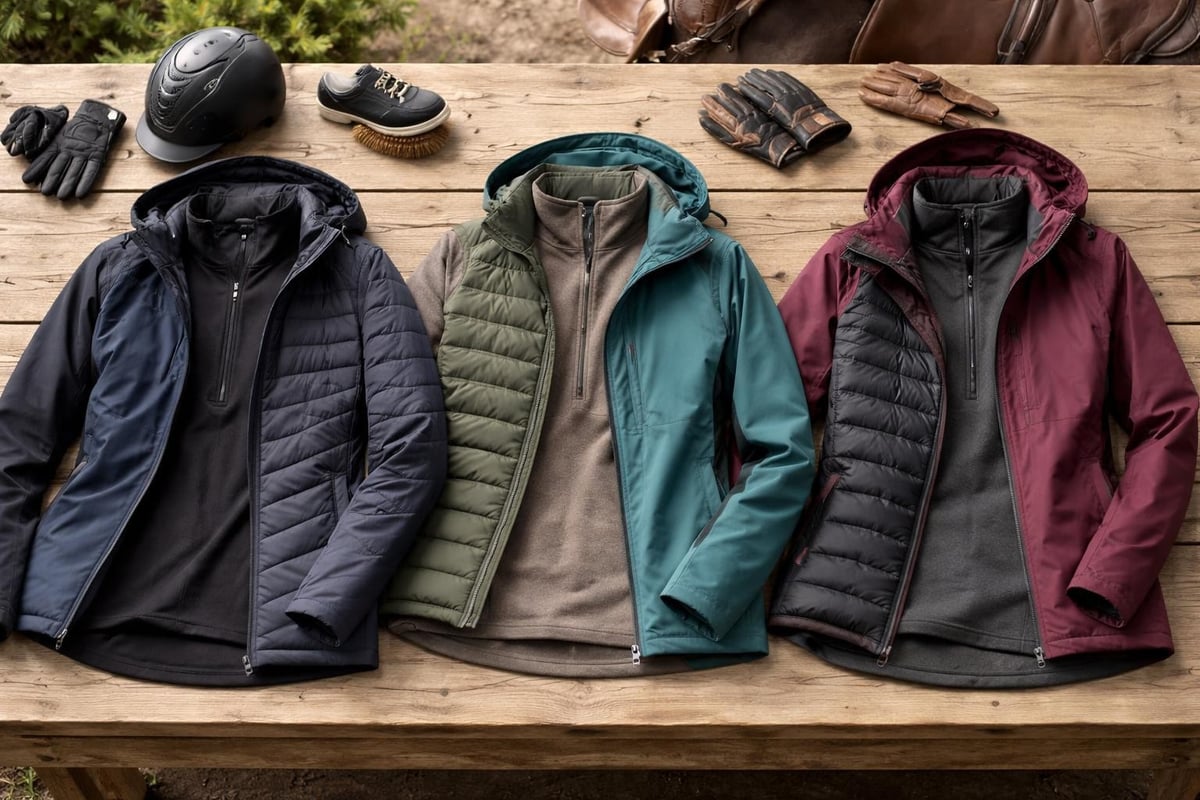
Remember that riding generates heat. You'll often need less insulation than you'd expect. Start slightly cool-you'll warm up within ten minutes of active riding.
Sizing and Fit Considerations for Riders
Proper fit matters enormously when you're spending hours in the saddle.
Riding jackets should fit slightly closer than casual coats but allow full range of motion. When trying jackets, simulate riding positions. Reach forward as though holding reins. Twist your torso. Raise your arms overhead. The jacket shouldn't pull, bind, or ride up significantly.
Shoulder seams should sit precisely at your shoulder point, not drooping down your arm. Sleeve length matters-cuffs should reach your wrist bone when arms are extended. Too short, and the jacket rides up uncomfortably. Too long creates excess fabric that interferes with rein contact.
Check the torso length whilst seated. The back should cover your lower back completely, even when leaning forward in riding position. Many brands design riding-specific cuts with extended back panels for exactly this reason.
Most quality manufacturers provide detailed measurement guides. The size guides at Gallant Equestrian offer specific instructions for measuring yourself accurately. Take your time with measurements-a well-fitted jacket transforms your riding experience.
Consider that you'll sometimes wear layers underneath. If you plan to layer regularly, size accordingly. Some riders purchase their competition jacket in their exact size and their performance jacket one size larger to accommodate thicker mid-layers.
Materials and Fabric Technologies Explained
Modern riding jackets employ impressive textile engineering.
Waterproof breathable membranes like Gore-Tex, eVent, or proprietary alternatives form the foundation of quality rain jackets. These materials block liquid water whilst allowing water vapour to escape. The result: you stay dry from both external rain and internal perspiration.
Softshell fabrics combine water resistance with exceptional stretch and breathability. They work brilliantly for cool, dry conditions or light drizzle. Softshells feel more comfortable than hardshells but won't handle sustained heavy rain.
Technical wool blends appear in competition jackets, offering structure with natural temperature regulation. Modern treatments make wool easier to care for whilst maintaining its performance characteristics.
Synthetic insulation provides warmth without bulk in winter jackets. Primaloft, Thinsulate, and similar materials insulate even when damp-crucial for riders caught in unexpected weather.
Durability matters alongside performance. Reinforced panels at high-wear areas extend jacket life. Ripstop construction prevents small tears from spreading. Quality hardware-zips, snaps, adjusters-withstands daily use.
Understanding these materials helps you evaluate jacket specifications intelligently. A jacket claiming waterproofing should specify the rating. Breathability claims should include measurable data. Reputable brands provide these details readily.
Caring for Your Investment Properly
A quality horse riding jacket represents a significant investment. Proper care extends its lifespan considerably.
Washing frequency depends on use. Jackets worn daily need washing every few weeks. Competition pieces worn occasionally might go months between washes. Always check manufacturer instructions-some technical fabrics require specific care.
Washing technique matters for technical garments. Close all zips and fastenings. Use technical wash products designed for waterproof breathable fabrics-regular detergents can damage membranes. Wash on gentle cycles with minimal agitation. Never use fabric softener, which clogs breathable membranes.
Drying methods affect jacket performance. Tumble drying on low heat actually reactivates DWR (durable water repellent) treatments on many jackets. Air drying works but may require subsequent DWR reapplication. Never wring or twist technical fabrics.
Storage practices prevent unnecessary wear. Hang jackets properly rather than stuffing them in lockers. Store clean and dry to prevent mildew. Keep away from heat sources that might damage technical fabrics.
Periodically reapply DWR treatments when water stops beading on the outer fabric. Spray-on or wash-in treatments restore water repellency. This simple maintenance dramatically extends jacket performance.
Transitioning from Stable to Street
Modern riding jackets blur the line between equestrian gear and everyday wear.
The best pieces look equally appropriate in the saddle and in town. Clean designs without excessive branding work anywhere. Neutral colours pair with regular clothing. Technical features remain hidden until needed.
This versatility matters for riders fitting equestrian activities into busy schedules. You can wear your riding jacket to morning training, then head straight to work or errands without looking out of place. The jacket's performance features-weather protection, breathability, durability-serve you equally well in both contexts.
The approach Gallant Equestrian takes exemplifies this philosophy. Pieces designed for serious riding incorporate refined styling that transitions effortlessly beyond the stable yard. You're not sacrificing style for function or vice versa.
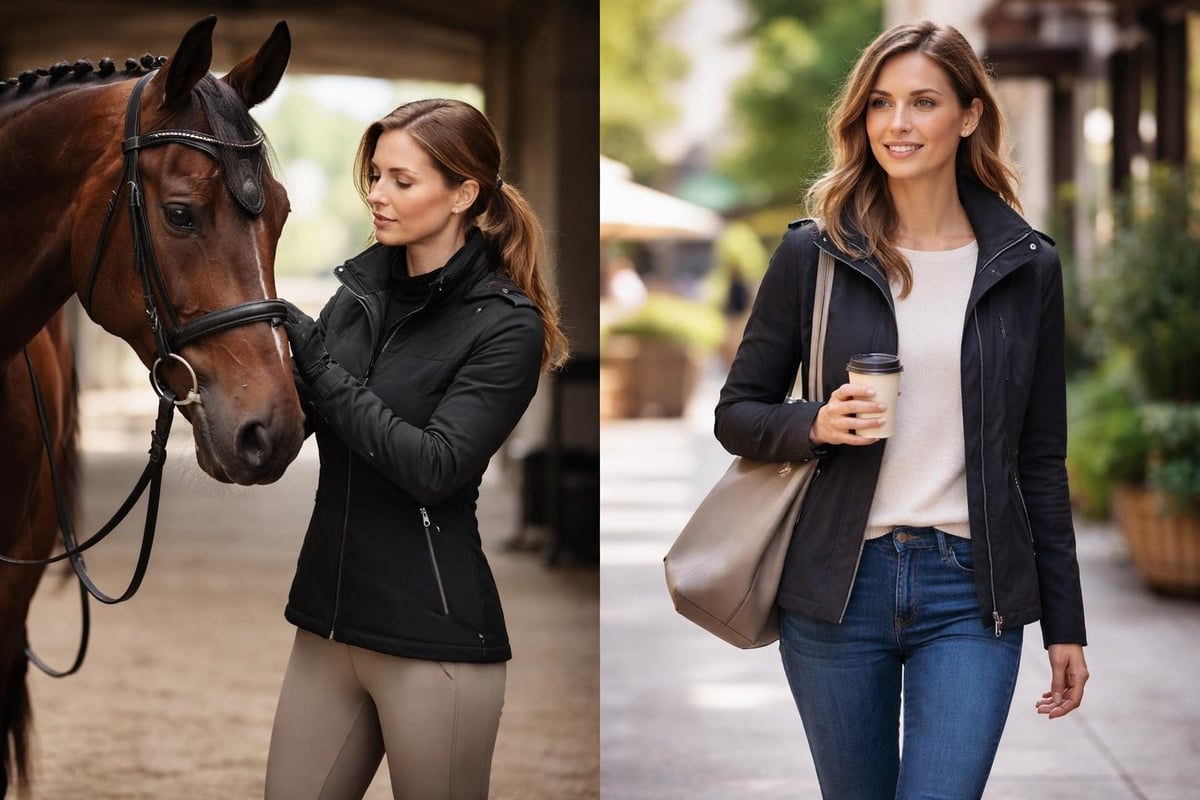
Consider how you'll actually use the jacket throughout your week. Riders balancing equestrian pursuits with professional or social commitments benefit enormously from this crossover capability. Single-purpose garments sit unused whilst versatile pieces earn their keep daily.
Budgeting and Investment Timeline
Quality riding jackets span a wide price range. Understanding where to invest helps you build a functional wardrobe efficiently.
Entry-level riding jackets start around £80-150. These provide basic weather protection and appropriate cut for riding. They suit beginners establishing whether equestrianism will become a long-term pursuit. Expect 1-2 seasons of regular use before replacement becomes necessary.
Mid-range options (£150-350) offer significantly better materials, construction, and durability. Technical fabrics perform reliably. Fits improve. Details like adjustability and pockets become more thoughtful. These jackets typically last 3-5 years with proper care.
Premium jackets (£350+) incorporate cutting-edge materials and meticulous construction. They often feature lifetime warranty programmes. With appropriate care, expect 5-10 years of excellent performance. The per-wear cost becomes quite reasonable.
For riders just starting, invest in one solid performance jacket first. Add a competition jacket when you begin showing. Experienced riders benefit from having multiple jackets: a lightweight shell, an insulated winter option, and competition pieces as required.
Watch for end-of-season sales from quality brands. Previous season colours or styles often appear at significant discounts whilst offering identical performance to current ranges.
Regional Weather Considerations
British riding conditions demand specific jacket characteristics.
Persistent drizzle requires truly waterproof construction, not merely water-resistant. Look for fully taped seams and storm flaps over zips. The jacket should handle hours of light rain without soaking through.
Wind exposure during hacking or cross-country work demands windproof fabrics. Even dry, windy conditions chill you quickly. Quality shells block wind effectively whilst remaining breathable.
Temperature fluctuation throughout the day makes layering systems essential. Morning rides might start at 5°C and reach 15°C by midday. Jackets with venting options let you regulate temperature without removing layers.
Mud and stable dirt inevitably mark riding jackets. Choose colours and fabrics that hide minor marks between washes. Extremely light colours require frequent cleaning. Very dark colours show dust readily. Mid-tones often prove most practical.
Consider your typical riding locations. Riders primarily working in covered arenas need less weatherproofing than those regularly hacking across open countryside. Match your jacket specifications to your actual conditions rather than theoretical worst-case scenarios.
The right horse riding jacket enhances every aspect of your time with horses-from performance in the saddle to comfort during stable work. Focus on fit, function, and versatility rather than chasing trends or bargains. Gallant Equestrian offers performance-driven jackets designed specifically for men who ride seriously, combining technical excellence with refined styling that works everywhere. Look the Part. Enjoy the Ride.

