

Horse Riding Show Gear: A Guide for Men Who Compete
Feb 19, 2026
Stepping into the show ring demands more than talent and a well-trained horse. Your presentation matters, and having the right horse riding show gear makes the difference between looking prepared and looking out of place. For men who compete, understanding what's required, what's optional, and what actually improves performance helps you invest wisely and ride with confidence. Whether you're entering your first hunter class or preparing for an upper-level dressage test, the gear you choose reflects your commitment to the sport and your respect for tradition.
Understanding Discipline-Specific Requirements
Different disciplines have distinct expectations when it comes to horse riding show gear. What works in the hunter ring won't suit a Western pleasure class, and dressage has its own formal standards that differ from show jumping attire.
Hunt seat competitions follow conservative guidelines. Dark jackets in navy, black, or charcoal grey paired with tan, grey, or rust breeches create the traditional look judges expect. Your show coat should fit properly through the shoulders without restricting movement, and sleeves should end at your wrist bone when your arms hang naturally.
Dressage shows escalate formality as you move up the levels. Lower-level tests allow dark show jackets, but upper-level competition often requires a shadbelly coat with tails and vest points. White or pale breeches, white gloves, and tall boots complete the formal appearance. A top hat replaces your helmet at the highest levels, though safety-conscious riders increasingly choose helmet options even when tradition suggests otherwise.
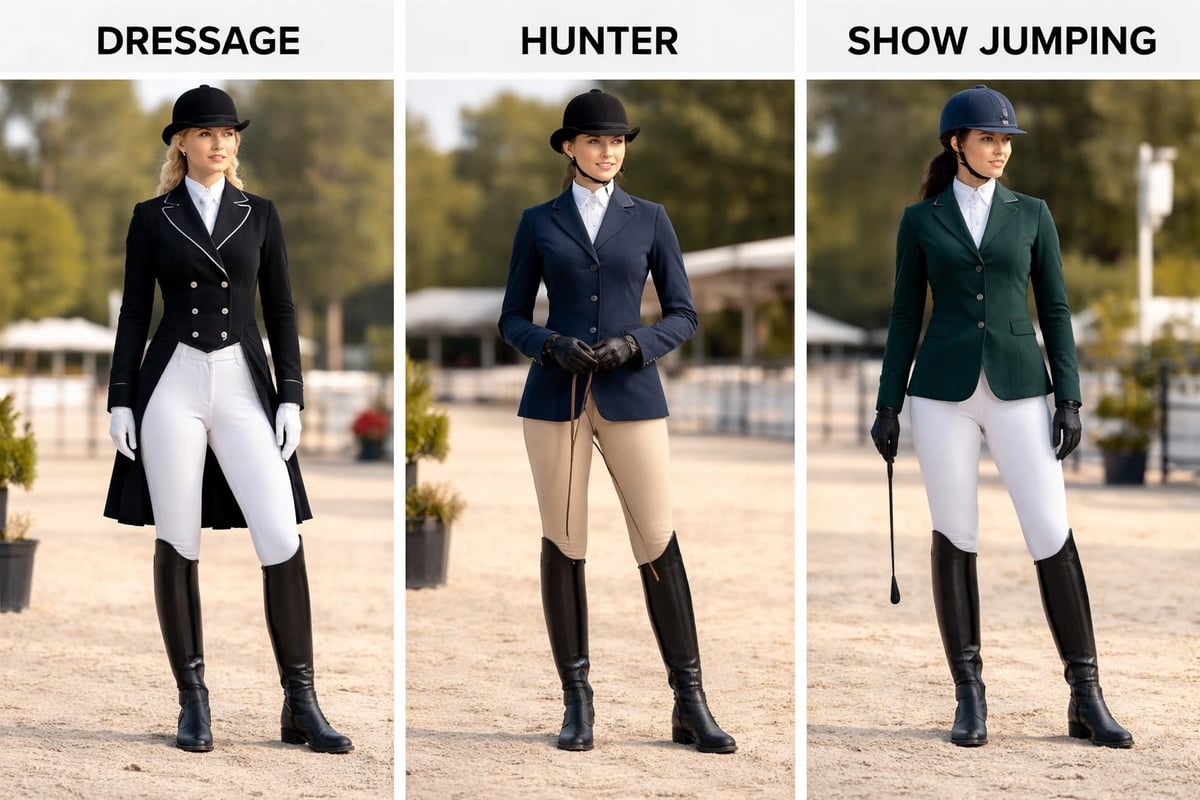
Show jumping allows slightly more flexibility. Many competitors wear dark jackets, but some national-level events permit team colours or sponsor branding. Show jumping gear prioritizes freedom of movement, so your jacket should never bind across your back when you're in jumping position.
Western disciplines follow entirely different standards. Western pleasure riders wear long-sleeved shirts with Western-cut jackets, often featuring intricate detailing. Cowboy hats replace helmets in many Western classes, though helmet use is growing for safety reasons.
The Core Components Every Male Rider Needs
Building your show wardrobe starts with essential pieces that work across multiple competitions. Quality matters more than quantity when selecting horse riding show gear that will last season after season.
Show Coat Selection
Your show coat is your most visible piece of attire. Choose a fabric that breathes well during warm-weather shows but provides structure year-round. Wool blends offer durability and maintain their shape after repeated wear. Modern technical fabrics incorporate stretch for comfort without sacrificing the crisp appearance judges expect.
Navy remains the safest choice for most disciplines. It photographs well, hides minor dirt better than black, and suits nearly every complexion. Have your coat tailored if needed. Off-the-rack sizing rarely accounts for the athletic build many riders develop, and a properly fitted coat immediately elevates your appearance. When you're ready to invest in competition wear, focus on pieces that transition seamlessly between training and showing.
Breeches That Perform
Show breeches differ from your everyday riding pants in both appearance and construction. They should fit smoothly without wrinkles or bagging, particularly around the knee and ankle. Full-seat or knee-patch options provide grip, though full-seat offers more security during longer classes.
Colour matters significantly. Tan breeches are traditional for hunt seat and show jumping, while dressage riders typically choose white or light grey for competition. Darker breeches work for schooling and lower-level shows in some disciplines.
The waistband should sit comfortably at your natural waist without creating bulk under your show coat. Avoid low-rise cuts that might show skin when you lean forward or rise in two-point position. Modern performance fabrics wick moisture and resist staining, which proves invaluable during multi-class days. Selecting the right breeches involves understanding how different cuts and fabrics perform under show ring conditions.
Boots and Footwear Standards
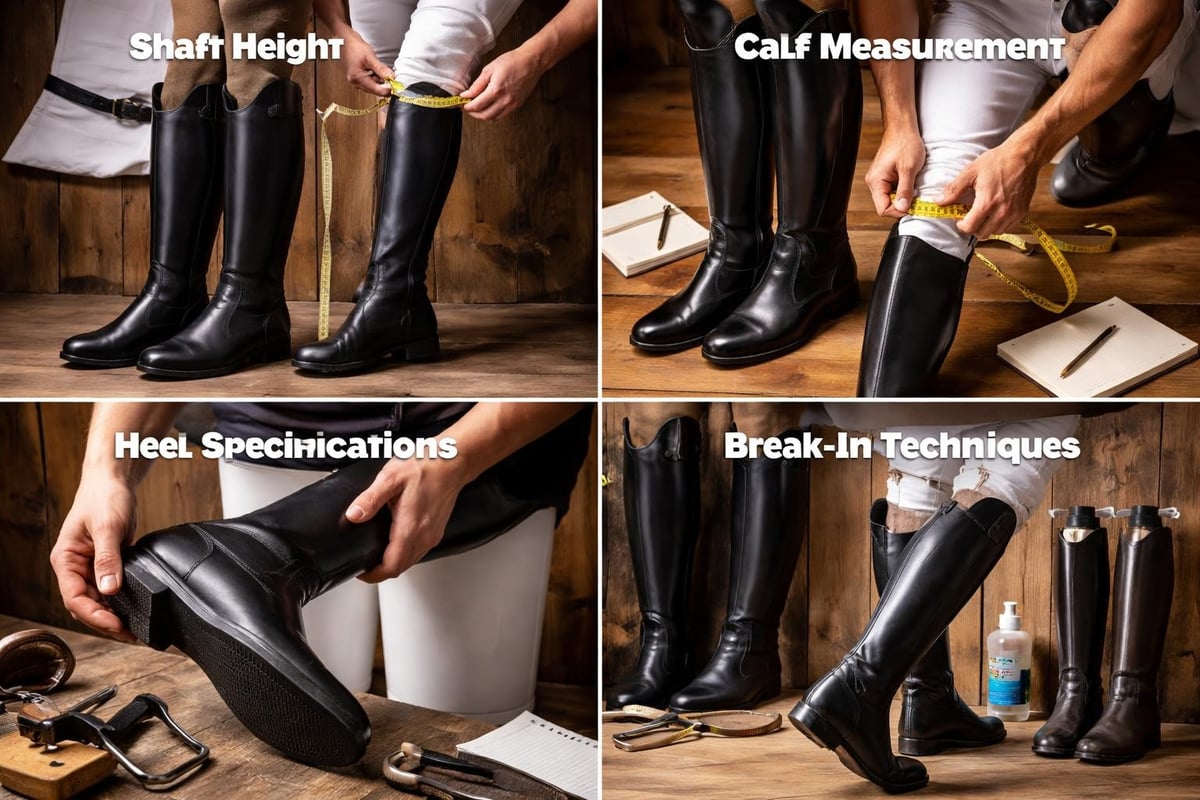
Tall boots remain the gold standard for most English disciplines. Black leather boots with a moderate heel provide the traditional look judges expect. The shaft height should reach just below your knee when your leg hangs naturally, and the boot should fit snugly through your calf without cutting off circulation.
Break in new boots well before show day. Stiff leather causes painful rubbing during long classes, and nothing undermines your riding like uncomfortable feet. Some riders choose dress boot socks with compression features that reduce fatigue during all-day competitions.
Field boots with laces offer slightly more ankle flexibility than dress boots, making them popular with jumper riders. However, traditional hunter classes still favour dress boots. Know your division's preferences before making significant boot investments.
Paddock boots with half chaps work for lower-level shows and schooling competitions. While not as formal as tall boots, quality paddock boots in black leather paired with well-fitted chaps create an acceptable appearance in many amateur divisions.
Accessories That Complete Your Turnout
Horse riding show gear extends beyond the obvious pieces. Small details signal your attention to proper presentation and understanding of show ring etiquette.
Shirts and Stock Ties
White or light-coloured show shirts create the clean, traditional appearance most disciplines require. Ratcatcher-style shirts with a snap collar work for lower-level hunter and jumper classes. Higher-level dressage and formal hunter classes require a white shirt with a stock tie.
Tying a stock tie properly takes practice. The knot should sit flat and centred at your throat, secured with a plain gold or silver stock pin inserted horizontally. Avoid novelty pins or oversized decorative pieces that draw attention away from your overall presentation.
Your shirt collar should fit comfortably without gaping or cutting into your neck. A collar that's too loose creates an unkempt appearance, while one that's too tight restricts breathing and proves distracting during your test or round.
Gloves and Belts
Gloves aren't always required, but they complete your look and improve grip on sweaty reins. Dark gloves suit most disciplines, while dressage riders often choose white gloves for formal tests. Leather provides durability and a traditional appearance, though synthetic options offer better washability.
Belts should be conservative. Dark leather in black or brown works universally. Your belt should match your boot colour when possible. Avoid large buckles or decorative elements that conflict with the understated elegance show ring attire demands.
Helmet Requirements
Safety helmets meeting current ASTM/SEI certification standards are mandatory in most competitions. Choose a helmet in black or dark navy that fits securely without pressure points. The harness should adjust snugly under your chin, allowing no more than two fingers' width of space.
Many modern helmets incorporate ventilation systems that improve comfort during hot-weather shows. While traditional velvet-covered helmets remain popular in hunter divisions, schooling helmets with technical features work well in jumper and eventing competitions.
Building a Show Wardrobe Strategically
You don't need to purchase everything at once. Smart riders build their horse riding show gear collection gradually, prioritizing pieces that work across multiple competitions.
Start with one quality show coat that fits impeccably. Add two pairs of show breeches in your discipline's standard colour. Invest in proper boots early, as poorly fitted footwear undermines even the best riding. From there, add shirts, gloves, and accessories as your competition schedule expands.
Consider versatility when selecting pieces. A well-tailored navy show coat works for hunters, jumpers, and lower-level dressage. Quality tan breeches transition between schooling and showing. Performance-driven clothing that functions in multiple settings maximizes your investment while maintaining the polished appearance competition demands.
Seasonal Considerations
Climate affects your gear choices significantly. Lightweight show coats in breathable fabrics prevent overheating during summer competitions. Winter shows might require base layers that fit smoothly under your show attire without creating bulk.
Rain gear deserves attention too. A quality waterproof jacket that fits over your show coat protects your investment during wet-weather events. Choose styles that pack small for easy transport to shows.
Maintenance and Care Standards
Proper care extends the life of your horse riding show gear and ensures you always look sharp in the ring. Develop routines that keep your clothing and boots show-ready between competitions.
Brush your show coat after each use to remove arena dust and horse hair. Spot-clean minor stains immediately rather than letting them set. Professional dry cleaning should happen sparingly, as frequent cleaning breaks down fabric fibres and affects garment shape.
Store your coat on a proper hanger that supports the shoulders. Avoid wire hangers that create creases and distort the fabric. Keep your coat in a breathable garment bag that protects it from dust while allowing air circulation.
Boot care requires regular attention. Wipe leather boots clean after each ride, removing dirt before it dries. Condition leather monthly to prevent cracking and maintain suppleness. Polish boots the night before shows rather than morning-of, allowing the polish to properly absorb and buff to a shine.
Breeches need washing after every wear. Turn them inside-out to protect outer fabric and preserve colour. Avoid fabric softener, which breaks down technical fibres and reduces moisture-wicking properties. Air-dry breeches when possible, as excessive heat shrinks fabric and damages elastic components.
Show Day Preparation
Having the right horse riding show gear means nothing if you're not properly prepared on competition day. Successful riders develop systems that ensure nothing gets forgotten.
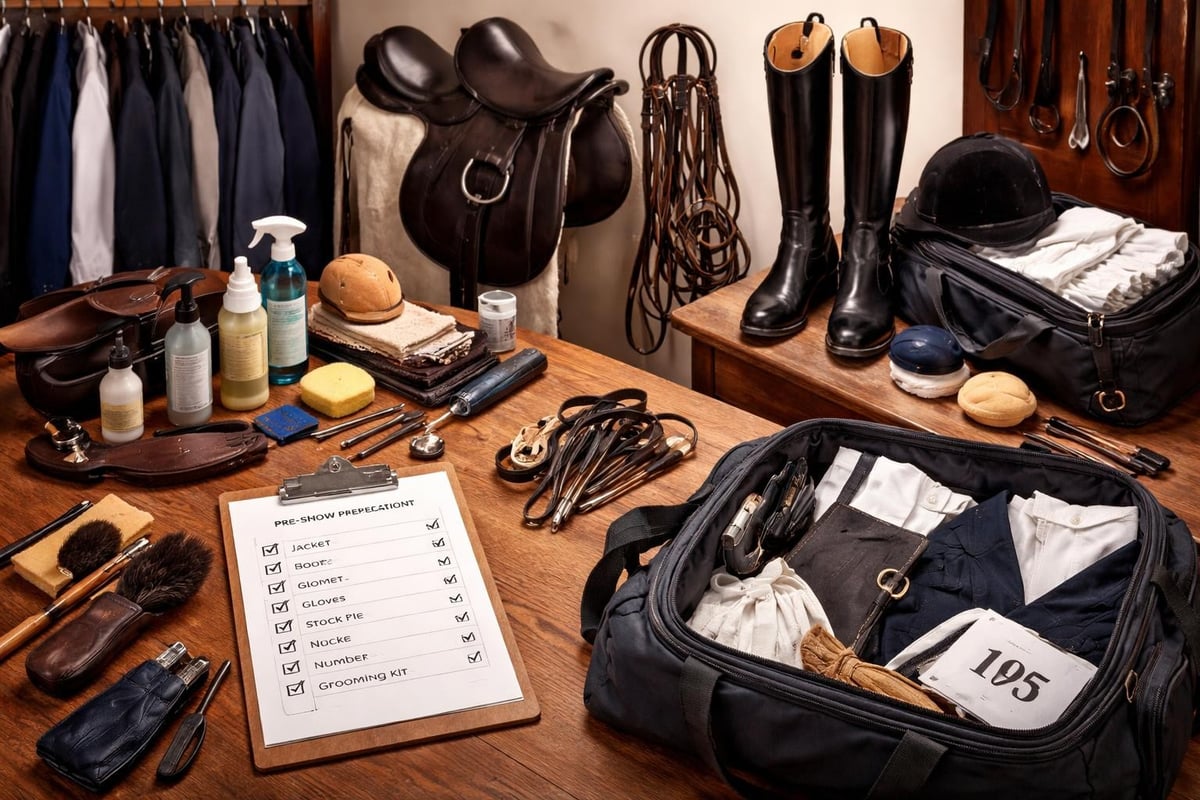
Pack your clothing the night before. Hang your show coat and shirt in a garment bag. Roll breeches to minimize wrinkles. Place smaller items like gloves, belt, and stock pin in a designated bag where you can find them quickly.
Bring backup pieces when possible. An extra pair of gloves, spare stock pin, and second shirt protect against unexpected disasters. Shows are unpredictable, and having contingencies reduces stress when something goes wrong.
Create a comprehensive show checklist that covers both your attire and your horse's tack. Review it before loading your vehicle to catch missing items while you still have time to address them.
Understanding What Judges Notice
Judges evaluate your riding first, but your presentation influences their overall impression. Clean, well-fitted horse riding show gear demonstrates respect for the competition and attention to detail.
Judges notice when clothing fits poorly. Baggy breeches, ill-fitting coats, and sloppy turnout suggest lack of preparation. Conversely, thoughtfully chosen gear that fits properly signals professionalism and seriousness about your riding.
Traditional disciplines value conservative presentation. Avoid trendy colours, flashy accessories, or non-traditional styling in hunter and dressage rings. Show jumping allows slightly more personal expression, but maintaining a polished appearance still matters.
Your horse's turnout should match your own presentation standards. Clean tack, properly braided mane, and attention to grooming details complete the picture. The best-dressed rider on a poorly presented horse still creates an incomplete impression.
Regional and Level Variations
Show standards vary by region and competition level. Local schooling shows often allow more flexibility than rated competitions. Understanding these differences helps you choose appropriate horse riding show gear for each event.
Some regions maintain stricter traditional standards while others embrace modern interpretations. Watch successful competitors at your level in your area to understand local expectations. When in doubt, err toward conservative choices that align with traditional standards.
Lower-level shows typically accept neat, clean attire even if it's not top-of-the-line. As you move up levels, investment in higher-quality pieces becomes more expected. This progression allows you to build your wardrobe as your competitive goals evolve.
Schooling shows provide excellent opportunities to test new gear before major competitions. Try that new show coat or break in fresh boots at low-pressure events where minor issues won't affect important results.
Investing Wisely in Quality Pieces
Horse riding show gear represents a significant investment. Buying quality pieces that last multiple seasons proves more economical than replacing poorly made items annually.
Examine construction details when shopping. Reinforced seams, quality zippers, and durable fabric indicate pieces built to withstand regular use. Test range of motion before purchasing. Your gear should never restrict your riding or create discomfort during long classes.
Consider cost-per-wear when evaluating prices. An expensive show coat worn fifty times costs less per use than a cheap alternative that looks worn after a single season. Well-constructed jackets maintain their appearance and functionality through years of competition.
Sales and off-season shopping help manage costs. Many retailers discount show clothing during winter months when fewer riders compete. Building your wardrobe during these periods stretches your budget further.
The right horse riding show gear helps you present yourself with confidence and competence in the competition ring. When your clothing fits properly and meets discipline standards, you can focus entirely on your riding rather than worrying about your appearance. Gallant Equestrian creates performance-driven clothing that works as hard as you do, from early morning training sessions through afternoon competition classes. Designed specifically for men who ride, their pieces combine traditional styling with modern functionality that stands up to the demands of serious competition. Look the Part. Enjoy the Ride.

