

Riding Clothes Sale: Smart Buying Guide for Men | 2026
May 06, 2026
Every rider knows that feeling when you find proper riding gear that actually fits well and performs exactly as it should. The problem is, quality equestrian clothing represents a genuine investment. When a riding clothes sale comes around, it's not just about grabbing discounts. It's about making strategic decisions that build your riding wardrobe with pieces that'll serve you season after season. The difference between a rushed purchase and a considered one often shows itself months later, when you're still reaching for that perfectly fitted jacket or those breeches that move exactly as they should.
Understanding Sale Cycles in Equestrian Clothing
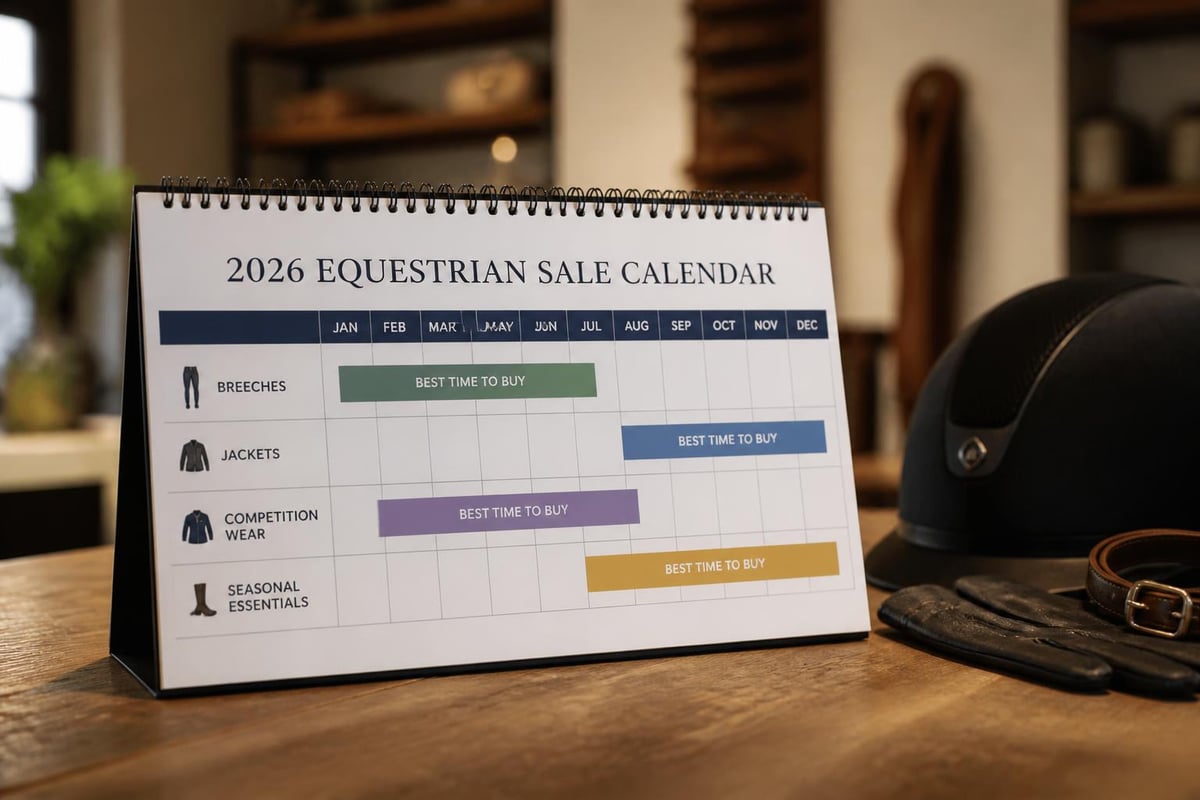
Riding clothes sale events follow predictable patterns throughout the year. Most brands clear seasonal stock between February and March, then again in August and September. These transitions represent your best opportunities for serious savings on premium breeches and outerwear.
Mid-year sales typically focus on winter gear, while late summer brings discounts on lighter riding shirts and summer competition wear. Understanding these cycles means you can plan purchases strategically rather than scrambling when something wears out.
The equestrian clothing market continues to evolve, with consumer behavior shifting significantly toward online retail. This means more transparent pricing and better sale opportunities than traditional brick-and-mortar shops offered.
Seasonal Transitions and Stock Management
Brands need to move inventory to make room for new collections. This necessity creates opportunities for riders who plan ahead. A quality winter jacket purchased in March will serve you perfectly come next November.
The key is knowing what you'll actually use. That technical rain jacket on sale in August? Perfect for autumn hacking. Summer breeches at 40% off in September? Stock up if you compete year-round in indoor arenas.
What Actually Deserves Your Attention During Sales
Not every riding clothes sale item represents genuine value. Some pieces were overpriced to begin with. Others might be discontinued for good reason. Focus on core wardrobe essentials that you'll wear repeatedly rather than trendy pieces that'll sit unworn.
Quality breeches should top your list. A well-constructed pair will last years of regular riding. The same applies to technical base layers and proper riding shirts. These foundational pieces see constant use and justify their cost per wear even at full price.
Competition wear often appears in sales after show seasons end. If you compete regularly, this timing lets you refresh your show wardrobe with quality pieces at reduced prices.
Evaluating True Quality During Sales
Premium construction doesn't go on sale because it's flawed. It goes on sale because seasons change and brands need to rotate stock. Look for reinforced seams, quality zippers, and fabrics that maintain their integrity through repeated washing.
Check sizing carefully. Sale items may have limited size availability, but if your size is there, it's worth serious consideration. Size guides become especially important during sales when you can't easily exchange items.
Material composition tells you everything about longevity. Technical fabrics with proper stretch recovery, moisture-wicking properties, and durability indicators suggest pieces that'll earn their keep in your wardrobe.
Building a Riding Wardrobe Through Strategic Sales
A complete riding wardrobe isn't built in one shopping session. It develops over time through thoughtful additions. Sales let you accelerate this process without compromising on quality or breaking your budget.
Start with basics. You need breeches that fit properly, shirts that move with you, and outerwear that protects you from weather without restricting movement. Once these foundations are solid, add specialized pieces.
The Essentials Collection approach works well here. Build your core wardrobe first, then expand into nice-to-have items as sales permit.
| Priority Level | Item Category | When to Buy | Typical Discount |
|---|---|---|---|
| Essential | Technical Breeches | End of season | 25-40% |
| Essential | Base Layers | Mid-winter or mid-summer | 30-50% |
| Important | Riding Jackets | Seasonal transitions | 20-35% |
| Important | Competition Shirts | Post-show season | 25-40% |
| Nice-to-Have | Casual Riding Wear | Year-round sales | 15-30% |
| Nice-to-Have | Accessories | Clearance events | 30-60% |
Layering Systems and Sale Opportunities
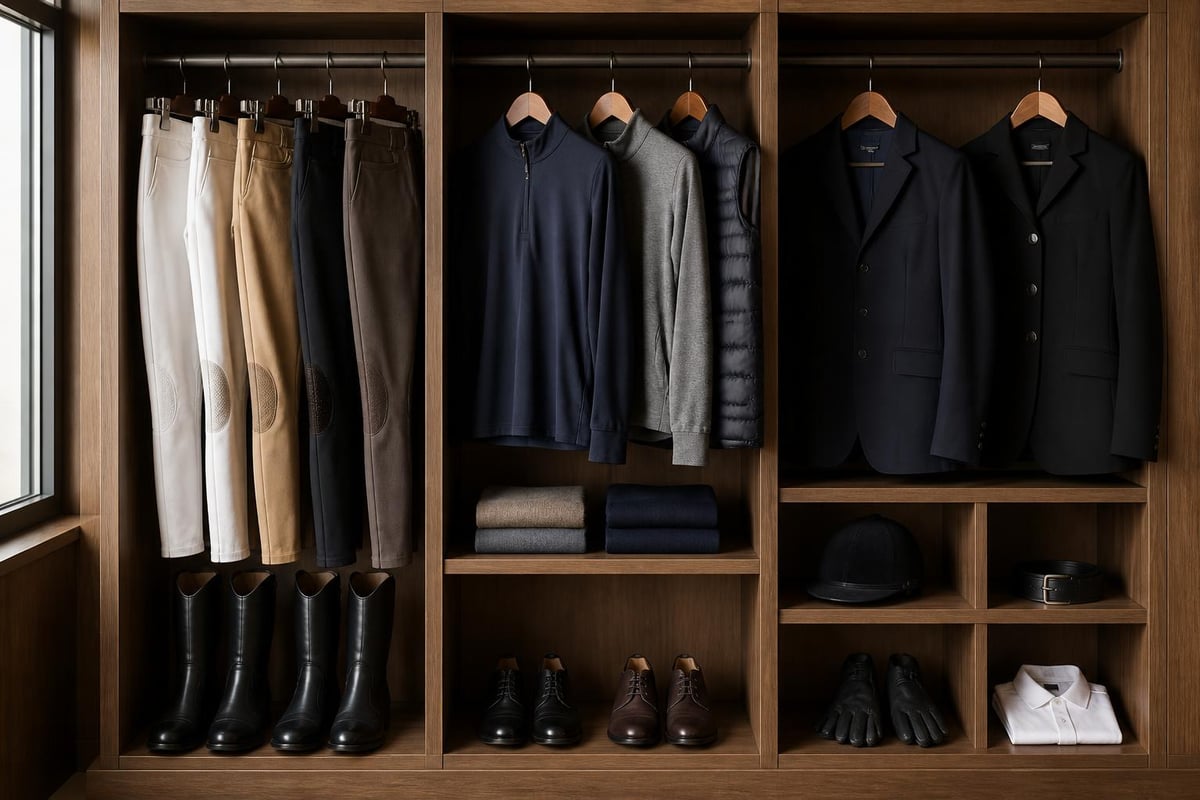
Proper layering makes year-round riding comfortable. A riding clothes sale gives you the chance to build complete layering systems rather than grabbing random pieces that don't work together.
Technical base layers manage moisture next to skin. Mid-layers provide insulation without bulk. Outer layers protect from wind and rain. When you understand this system, sale shopping becomes strategic rather than opportunistic.
Sweatshirts and hoodies serve dual purposes in a rider's wardrobe. They work as mid-layers under jackets during cold rides and as standalone pieces for stable work or casual wear.
Material Technology and Sale Price Considerations
Understanding fabric technology helps you assess whether a sale price represents genuine value. Market research indicates that innovations in technical textiles continue driving the equestrian clothing sector forward.
Modern riding breeches use four-way stretch fabrics that recover their shape ride after ride. These materials cost more to produce, which means even sale prices might seem high compared to basic cotton alternatives. The performance difference justifies the investment.
Moisture-wicking properties keep you comfortable during intense rides. Fabrics that pull sweat away from skin and dry quickly make summer riding tolerable and prevent the clammy feeling that ruins concentration.
Performance Features Worth Paying For
Reinforced seat and knee areas extend breech lifespan significantly. Even at sale prices, look for proper reinforcement rather than decorative patches that offer no functional benefit.
Flatlock seams prevent chafing during long rides. This construction method costs more but eliminates the rubbing that cheap alternatives cause. Sale prices on properly constructed pieces still deliver better value than full-price budget options.
UV protection in summer riding shirts matters more than many riders realize. Hours in the saddle under direct sun add up. Technical fabrics with built-in sun protection serve you better than standard cotton, even if they cost slightly more.
Timing Your Purchases Around Your Riding Schedule
Your riding calendar should influence when you shop sales. Compete primarily in spring? Target winter sales for next season's show wardrobe. Ride year-round? Stock up on versatile pieces during any sale.
Regional weather patterns matter too. If your winters are genuinely harsh, invest in proper winter gear when it's discounted rather than waiting until you're freezing on morning rides.
The shift toward online retail means you can access riding clothes sale events from brands anywhere, not just what's available locally. This expands your options considerably.
Planning for Wear and Replacement
Even quality riding clothes eventually wear out. Breeches take the most abuse, especially in the seat and inner leg areas. When your current pair shows wear, sales offer the perfect opportunity to replace them before they fail completely.
Rotating multiple pairs extends overall lifespan. Two pairs alternated last longer than one pair worn constantly. Sales let you build this rotation without doubling your costs immediately.
Track what you actually wear. If certain pieces sit unworn, avoid similar items regardless of sale pricing. Your money does better work on pieces you'll use weekly rather than occasionally.
Sale Shopping for Specific Riding Disciplines
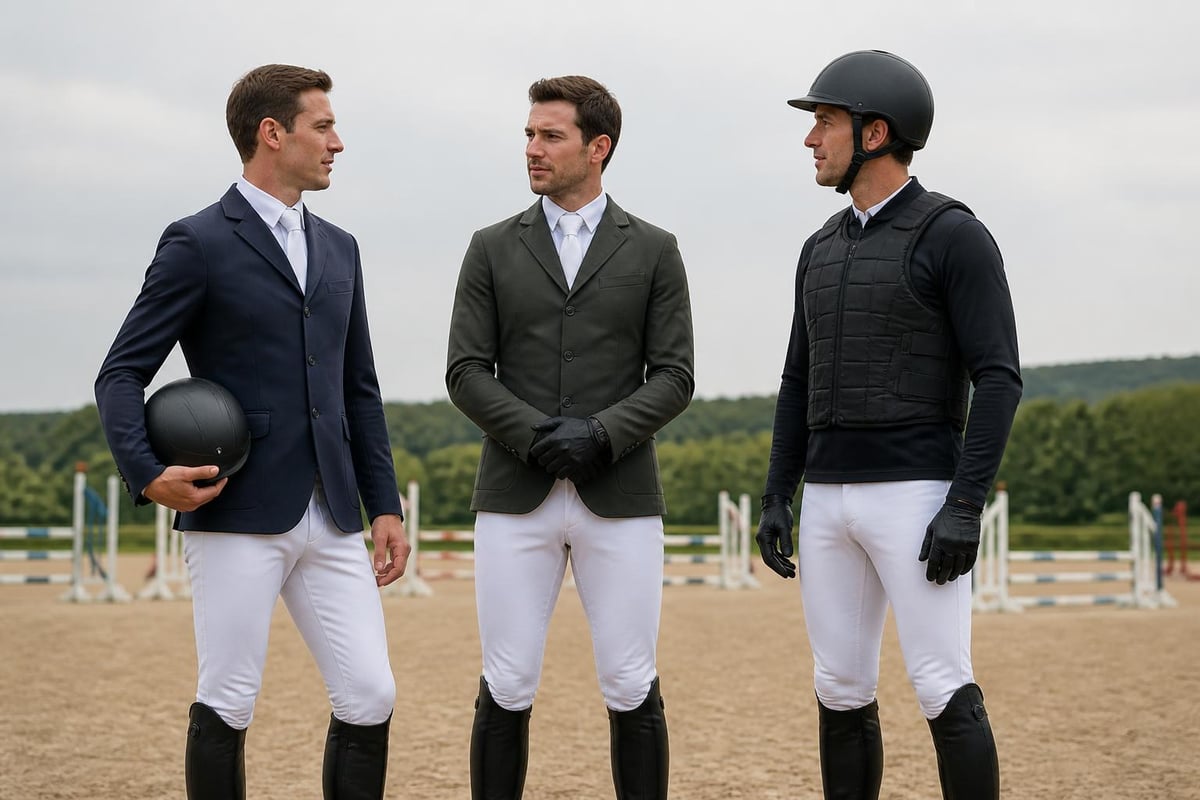
Different disciplines demand different gear. Dressage riders need formal competition wear. Eventers require technical cross-country gear. Show jumpers want polished ring appearance. A riding clothes sale should reflect these specific needs rather than general discounts.
Discipline-specific features often carry premium pricing. Proper show jackets with correct cut and construction, for instance, represent significant investments. Sales on these items deliver substantial savings that matter.
Jackets designed for riding differ fundamentally from fashion outerwear. Longer backs, articulated sleeves, and weather-resistant materials serve functional purposes. Sale prices on proper riding jackets beat full-price fashion alternatives every time.
Competition Requirements and Budget Management
Show circuits demand specific gear standards. Knowing these requirements helps you identify worthwhile sale items versus pieces that won't meet competition specifications.
Stock classes often have strict colour requirements. If you show primarily in stock seat disciplines, that discounted bright blue shirt won't help you. Focus on approved colours even during sales.
Recognized competitions may specify certain brands or construction standards. Understand these rules before investing in sale items that might not qualify for use.
Quality Indicators Beyond Brand Names
Brand reputation matters, but understanding quality markers helps you evaluate unfamiliar brands during sales. Construction details reveal more than logos about whether a piece will last.
Examine topstitching closely. Even, consistent stitching indicates proper construction. Uneven or skipped stitches suggest manufacturing shortcuts that'll show up as failures later.
Hardware quality matters significantly on breeches and jackets. Metal zippers outlast plastic alternatives. Reinforced button placement prevents premature failure. These details separate pieces that last from those that disappoint.
Material Weight and Appropriate Use
Fabric weight indicates seasonal appropriateness. Lightweight breeches work brilliantly in summer but offer no warmth during winter rides. Heavy winter pieces become unbearable once temperatures climb.
Understanding GSM (grams per square metre) ratings helps assess material weight objectively. Summer breeches typically range 180-220 GSM. Winter versions run 240-280 GSM or higher.
Four-season breeches balance weight and breathability for year-round use. These versatile pieces often represent the best value during sales since they'll work across multiple months.
Online Versus In-Person Sale Shopping
Online riding clothes sale events offer convenience and broad selection. Physical shops let you assess fit and fabric directly. Both approaches have merit depending on your needs and circumstances.
Shopping online requires knowing your measurements precisely. Chest, waist, inseam, and hip measurements let you match size charts accurately. Take fresh measurements rather than assuming your size hasn't changed.
Return policies matter critically during sales. Some brands restrict returns on discounted items. Understanding these terms before purchasing prevents frustration later.
Virtual Fitting and Size Selection
Detailed size guides help translate measurements into proper sizes across brands. Different manufacturers use varying fits, so your size in one brand may differ in another.
Read customer reviews for fit insights. Comments about items running large or small help you adjust your order accordingly. This crowd-sourced fitting advice proves invaluable for online shopping.
Many brands now offer virtual consultation services. Taking advantage of these during sales helps ensure proper selection without in-person visits.
Investment Pieces Worth Full Price
Not everything should wait for a riding clothes sale. Certain items justify full-price purchase when you need them immediately. Your primary riding breeches fall into this category if your current pair is genuinely worn out.
Safety equipment should never be purchased based solely on price. Proper fit and current safety standards matter more than discounts on protective gear.
Items you'll wear weekly deliver better value purchased immediately versus waiting months for potential sales. The additional weeks or months of use justify the price difference.
Balancing Immediate Needs and Patient Shopping
Keep a running list of items you'd like but don't urgently need. When sales arrive, consult this list rather than making impulsive purchases on items that caught your eye.
Budget allocation matters. If winter riding demands specific gear and sales arrive in March, purchasing then makes sense even if you won't use items for months. The savings offset early buying.
Core wardrobe pieces from proven brands rarely see deep discounts. When they do appear in sales, acting quickly prevents missing your size as popular items sell fast.
Care and Maintenance for Sale Purchases
Proper care extends the life of riding clothes, making sale purchases even better value. Technical fabrics require specific washing approaches to maintain their performance properties.
Turn breeches inside out before washing to protect outer fabric and any grip elements. Cold water preserves elastic and stretch properties better than hot. Skip fabric softener, which can damage technical materials.
Air drying beats tumble drying for most riding clothes. Heat degrades elastic and can damage water-resistant treatments on outerwear. The extra time required pays off in extended garment life.
Storage Between Seasons
Clean items thoroughly before storing seasonally. Dirt and sweat accelerate fabric degradation during storage. Even invisible residues attract pests and cause discoloration.
Store breeches folded rather than hung to prevent stretching. Jackets benefit from proper hangers that support shoulder structure. Avoid compressed storage that creases technical fabrics permanently.
Cedar blocks or lavender sachets deter moths naturally without chemical treatments that might affect technical fabrics. Prevention costs less than replacing damaged garments.
Regional Considerations and Market Variations
Global market analysis shows regional variations in pricing and availability. Understanding these differences helps you identify genuine value during international sale events.
Shipping costs can eliminate sale savings if you're ordering internationally. Calculate total landed cost including duties and shipping before assuming overseas sales offer better value than local options.
Exchange rates affect international purchases significantly. A 30% discount might shrink to 15% after currency conversion and associated fees. Run the numbers before committing.
Local Market Opportunities
Regional tack shops often run clearance sales to match online pricing. Building relationships with local retailers can give you advance notice of upcoming sales or special customer appreciation discounts.
End-of-season trunk shows combine personal service with sale pricing. You can try items on, get expert fitting advice, and still access discounted prices.
Local riding clubs sometimes arrange group purchasing opportunities that deliver sale-equivalent pricing through volume discounts. These community-based approaches combine savings with supporting fellow riders.
Making Sale Shopping Sustainable
The equestrian apparel market continues growing, but sustainable consumption matters increasingly. Buying quality items on sale and maintaining them properly reduces overall consumption better than constantly replacing cheap gear.
Choose classic styles over trendy pieces. Traditional riding aesthetics endure season after season. Items that look current years after purchase deliver better value than fashion-forward pieces that date quickly.
Proper sizing prevents waste. Items that fit correctly get worn regularly. Pieces that almost fit sit unused, regardless of how good the sale price seemed initially.
Quality Over Quantity Philosophy
Five well-made pieces you wear constantly serve you better than fifteen mediocre items that disappoint. Sales tempt us toward quantity, but focusing on quality delivers better wardrobes.
Consider cost per wear rather than absolute price. A £200 jacket worn 150 times costs £1.33 per wear. A £50 jacket worn ten times costs £5 per wear. The expensive jacket delivers better value.
Best-selling items become bestsellers for good reasons. They solve common problems effectively. These proven pieces often represent the best value during sales.
A riding clothes sale represents opportunity rather than obligation. The best purchases align with your actual riding needs, fit properly, and deliver performance that justifies their cost even at discount prices. Whether you're building your initial riding wardrobe or refreshing well-worn essentials, strategic sale shopping lets you invest in quality without overspending. Gallant Equestrian creates performance-driven men's riding wear designed to last, with pieces that transition seamlessly from stables to everyday life. Our New Zealand-designed collection focuses on the functionality and style that matter to riders who take their appearance and performance seriously. Look the Part. Enjoy the Ride.

