

Riding Jodhpurs Pants: The Complete Guide for Men
May 24, 2026
Riding jodhpurs pants represent one of the most distinctive garments in equestrian wear, combining centuries of tradition with modern performance technology. Originally designed for cavalry officers in India, these full-length riding trousers have evolved into essential kit for riders who demand both functionality and style. Understanding what sets riding jodhpurs pants apart from breeches and other riding trousers helps you make informed choices about your equestrian wardrobe. Whether you're schooling horses at home or competing at shows, the right jodhpurs deliver comfort, freedom of movement, and a polished appearance that transitions seamlessly from stable to street.
The Heritage Behind Riding Jodhpurs Pants
The story of riding jodhpurs begins in nineteenth-century Jodhpur, India, where Sir Pratap Singh designed these revolutionary trousers for polo players. The distinctive cut-loose through the hips and thighs, then fitted from knee to ankle-allowed riders unprecedented mobility whilst maintaining a sleek silhouette. British cavalry officers quickly adopted the design, recognising its superiority over traditional breeches.
What made these trousers revolutionary was their practical approach to riding comfort. The looser upper portion accommodated natural leg movement in the saddle, whilst the snug lower leg prevented fabric bunching inside boots. This thoughtful design addressed real challenges riders faced during long hours mounted.
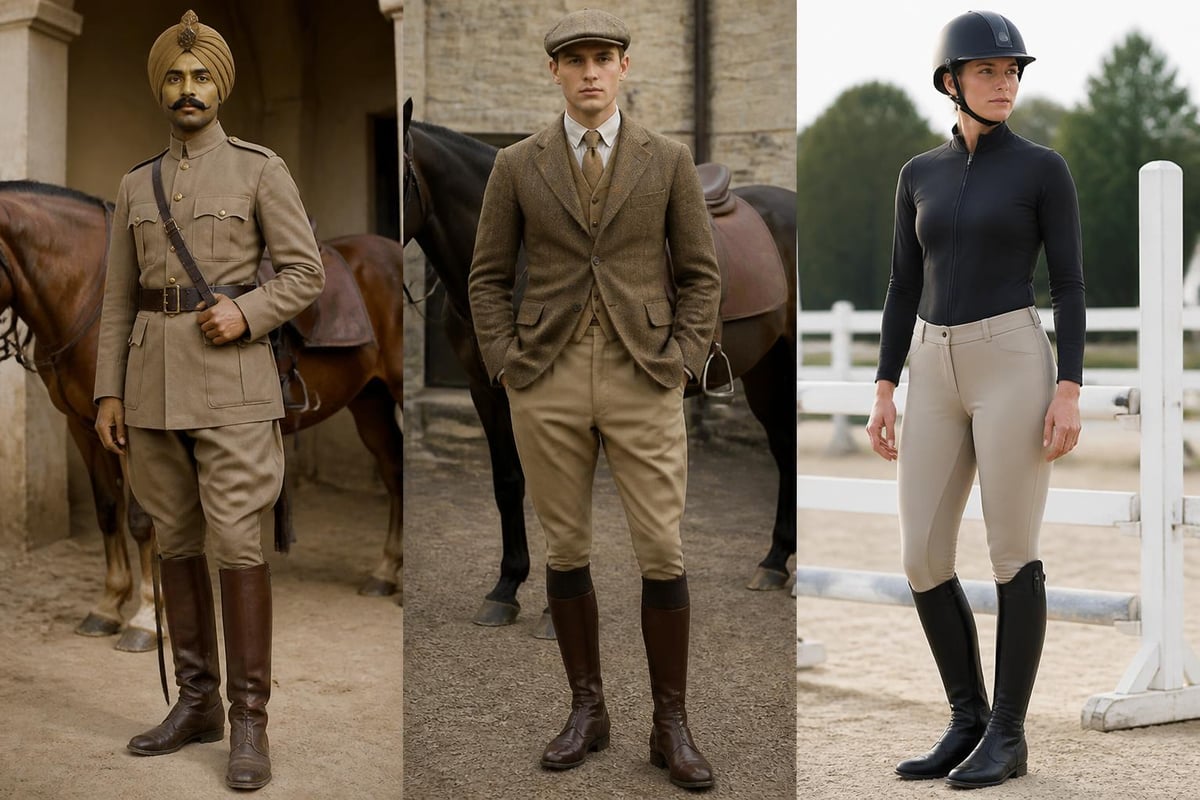
By the early twentieth century, jodhpurs had become standard military issue across the British Empire. Officers appreciated how the design worked with shorter paddock boots, eliminating the need for tall field boots in certain contexts. This versatility made them practical for various riding disciplines and informal settings.
From Military Kit to Modern Menswear
The transition from battlefield to riding school happened gradually through the twentieth century. As equestrian sport grew in popularity, riders sought alternatives to traditional breeches that offered different aesthetic and functional benefits. Understanding jodhpurs reveals their linguistic journey from a specific Indian region to a globally recognised garment type.
Modern riding jodhpurs pants maintain core design principles whilst incorporating technical fabrics and contemporary tailoring. Today's versions balance heritage styling with performance features like four-way stretch, moisture-wicking properties, and reinforced grip panels. The result is riding wear that honours tradition whilst meeting twenty-first-century demands.
Key Features That Define Quality Jodhpurs
Superior riding jodhpurs pants share specific characteristics that separate them from ordinary trousers. These features directly impact your comfort and performance in the saddle.
Fabric composition matters enormously. High-quality jodhpurs combine natural and synthetic fibres to achieve optimal stretch, breathability, and durability. Cotton blends offer comfort and traditional feel, whilst technical fabrics like nylon and elastane provide stretch and shape retention. The right fabric choice influences how jodhpurs perform during intense riding sessions and how they maintain their appearance through repeated wear.
Strategic reinforcement zones protect high-wear areas. Quality jodhpurs feature reinforced inner legs, seat panels, and knee patches. These reinforcements typically use suede, leather, or synthetic grip materials that enhance security in the saddle whilst resisting abrasion. Full-seat versions provide maximum grip for dressage and jumping, whilst knee-patch designs suit general riding and eventing.
The distinctive cut remains jodhpurs' defining characteristic. The fuller thigh tapers to a narrow ankle, creating clean lines that complement riding boots. This silhouette isn't merely aesthetic-it serves functional purposes by preventing fabric bunching and ensuring proper boot fit. Well-designed jodhpurs sit comfortably at the natural waist without restricting movement when you bend or mount.
| Feature | Purpose | What to Look For |
|---|---|---|
| Waistband | Secure fit without restriction | Wide, contoured band with belt loops |
| Ankle closures | Clean finish with boots | Zip, elastic, or snap fasteners |
| Pockets | Practical storage | Zippered or buttoned to prevent items falling out |
| Seams | Durability and comfort | Flat-felled or reinforced to prevent chafing |
Grip Technology and Seat Design
Modern riding jodhpurs pants incorporate sophisticated grip systems that enhance rider security. Full-seat designs feature grip material covering the entire seat and inner thigh, providing maximum contact and stability. This proves particularly valuable for dressage riders who require precise positioning throughout advanced movements.
Knee-patch configurations offer targeted grip at primary contact points whilst maintaining breathability elsewhere. These suit riders who prefer less coverage or ride in warmer climates. Understanding the differences between breeches and jodhpurs helps clarify which design best serves your riding discipline and personal preferences.
Choosing Jodhpurs for Your Riding Discipline
Different equestrian disciplines place varying demands on riding jodhpurs pants. Selecting appropriately ensures optimal performance and comfort during your chosen activities.
Dressage riders typically favour full-seat jodhpurs in classic colours like black, navy, or dark grey. The extensive grip coverage supports the deep, secure seat required for advanced movements. Premium fabrics with substantial stretch accommodate the flexibility needed for proper position whilst maintaining a refined appearance in the competition arena.
Show jumpers often prefer knee-patch versions that offer freedom of movement during the athletic demands of jumping courses. These jodhpurs balance grip at essential contact points with breathability that prevents overheating during intense riding sessions. The lighter coverage also suits riders who adopt a forward seat position.
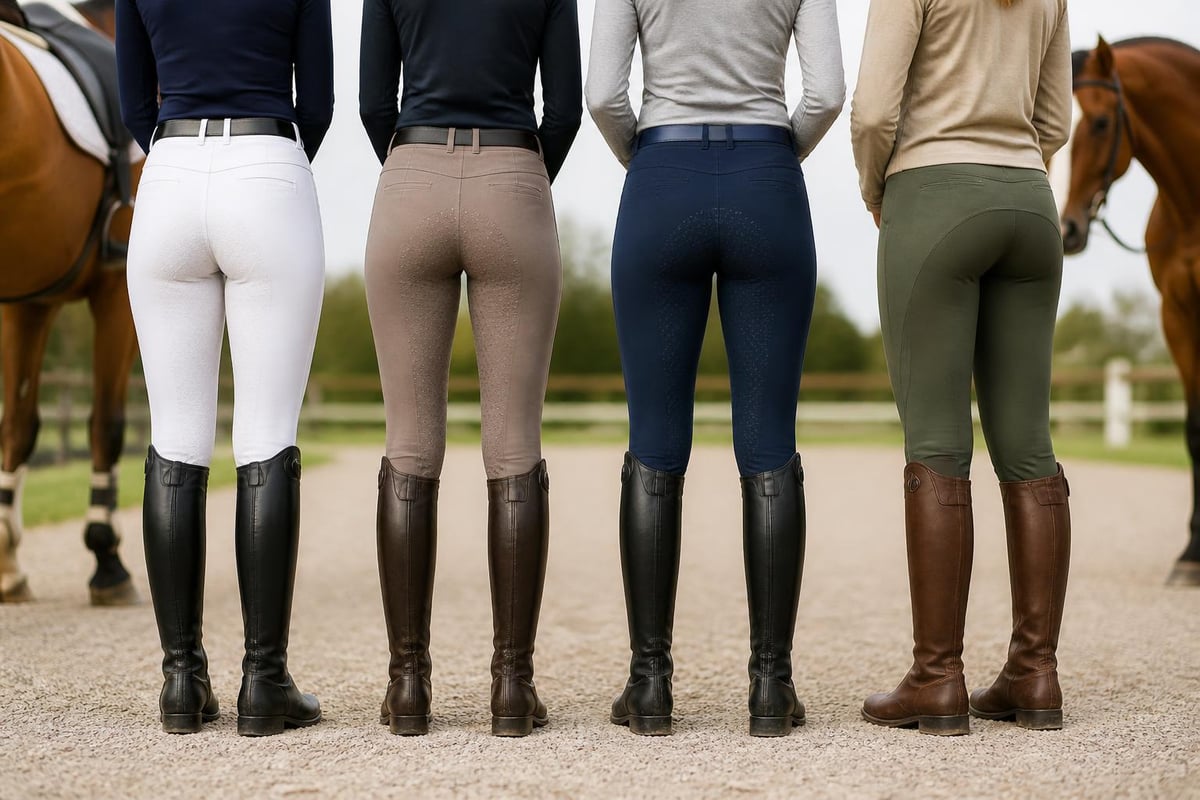
Eventers require versatile jodhpurs that perform across dressage, show jumping, and cross-country phases. Knee-patch designs typically serve best, offering adequate grip without excessive bulk during galloping and jumping. Durable fabrics that withstand outdoor elements and frequent washing prove essential for this demanding three-phase sport.
Everyday Riding and Training
For daily schooling and casual rides, riding jodhpurs pants should prioritise comfort and durability over competition-level refinement. Robust construction handles frequent wear, whilst practical features like reinforced knees extend garment life. Darker colours conceal stable dirt better than lighter shades, making navy, black, or olive excellent choices for regular training wear.
The complete guide to men's riding jodhpurs covers selection considerations specific to male riders, addressing fit concerns and style preferences that matter when building a practical equestrian wardrobe. Quality training jodhpurs deliver years of reliable service when properly cared for.
Fit Considerations for Male Riders
Proper fit transforms riding jodhpurs pants from adequate to exceptional. Men's physiques require specific tailoring considerations that differ from women's designs.
The rise-the measurement from crotch to waistband-should accommodate male anatomy comfortably without creating excess fabric or causing restriction. Too low a rise compromises coverage and comfort when mounted; too high creates bunching and discomfort. Quality men's jodhpurs feature contoured waistbands that sit naturally at the waist without requiring constant adjustment.
Thigh and hip room must balance freedom of movement with a clean silhouette. The fuller cut through these areas should drape smoothly without bagginess, then taper gradually from knee to ankle. This graduated fit prevents fabric gathering inside boots whilst maintaining the characteristic jodhpur profile.
Measuring for Perfect Fit
Accurate measurements ensure successful jodhpur selection, particularly when ordering online. Measure your waist at its natural point, where you normally wear trousers. Inside leg measurement-from crotch to ankle bone-determines proper length. Hip measurement at the fullest point helps identify the right size in the thigh.
Quality manufacturers provide detailed sizing charts that correlate measurements with specific sizes. Some brands offer multiple inseam lengths within each waist size, acknowledging that riders' proportions vary significantly. Consulting sizing guides before purchasing reduces the likelihood of returns and ensures immediate comfort.
Consider how jodhpurs should fit with your riding boots. The ankle should sit just above the boot top, creating a seamless transition without gaping or excessive stacking. Too short causes riding up during mounting; too long creates unsightly bunching around the ankle.
Material Selection and Performance
The fabrics used in riding jodhpurs pants directly influence their performance, durability, and comfort across varying conditions.
Traditional cotton-blend jodhpurs offer natural breathability and classic feel. These work well in moderate climates and for riders who prefer conventional fabrics. However, pure cotton lacks the stretch and recovery that modern riding demands, often resulting in bagging and loss of shape after extended wear.
Technical synthetic blends represent the contemporary standard for performance jodhpurs. Combinations of nylon, polyester, and elastane deliver four-way stretch that moves with your body whilst maintaining shape. These fabrics typically include moisture-wicking properties that draw sweat away from skin, keeping you comfortable during strenuous riding.
| Fabric Type | Advantages | Considerations |
|---|---|---|
| Cotton blends | Natural feel, breathable, traditional | Limited stretch, may bag with wear |
| Technical synthetics | Excellent stretch, moisture-wicking, durable | Less traditional appearance |
| Bamboo blends | Eco-friendly, soft, antibacterial | Higher price point, requires careful washing |
| Merino wool blends | Temperature regulating, odour resistant | Premium cost, special care needed |
Seasonal Fabric Choices
Summer riding demands lightweight, breathable fabrics that prevent overheating whilst maintaining opacity. Look for jodhpurs with mesh panels or ultra-lightweight technical fabrics rated for warm weather. These materials dry quickly after washing and resist retaining heat during humid conditions.
Winter jodhpurs incorporate heavier fabrics or thermal linings that provide warmth without bulk. Some feature fleece-backed interiors that trap body heat whilst maintaining the streamlined exterior finish required for proper boot fit. Layering under jodhpurs remains an option, though well-designed winter versions eliminate this need.
Care and Maintenance Essentials
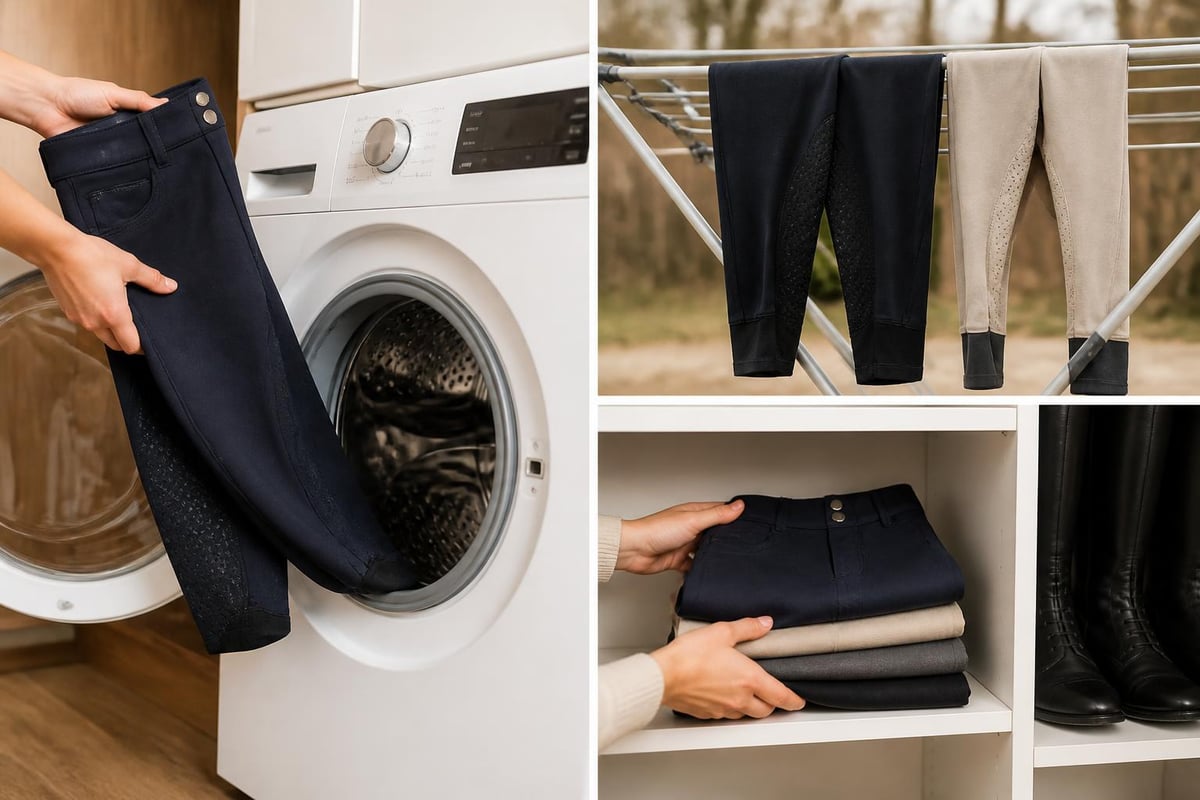
Proper maintenance extends the life of riding jodhpurs pants and preserves their performance characteristics. Following manufacturer care instructions prevents premature wear and maintains appearance.
Most quality jodhpurs tolerate machine washing in cool water with mild detergent. Turn them inside out to protect outer fabric and grip materials from abrasion. Avoid fabric softeners, which can degrade technical fabrics and reduce grip effectiveness. Front-loading machines prove gentler than top-loaders, particularly for jodhpurs with delicate grip materials.
Air drying preserves fabric elasticity better than machine drying. Hang jodhpurs by the waistband, ensuring proper airflow around all areas. Direct sunlight may fade colours over time, so indoor drying or shaded outdoor spaces work best. Never iron grip materials, as heat can melt or damage them permanently.
Storage Best Practices
Proper storage between rides maintains jodhpur shape and readiness. Fold jodhpurs at the knee and hang over a trouser bar, or use clip hangers at the waistband. Avoid wire hangers that create pressure points and distort fabric. Cedar-lined wardrobes or drawers naturally repel moths whilst adding pleasant scent.
Rotate between multiple pairs when riding regularly. This allows each pair adequate recovery time between wears, preventing fabric fatigue and extending overall lifespan. Having quality breeches in rotation ensures you're never without proper riding attire whilst maintaining your garments' condition.
Styling Beyond the Stable
Modern riding jodhpurs pants transition effectively into casual wear, particularly when paired thoughtfully with complementary pieces. This versatility maximises their value beyond purely equestrian contexts.
Neutral-coloured jodhpurs in navy, black, olive, or tan work with casual shirts, polos, and equestrian jackets for polished weekend looks. The distinctive cut creates visual interest whilst maintaining sophistication appropriate for country pubs, casual dining, or running errands in rural settings.
Footwear choices significantly influence how jodhpurs read in non-riding contexts. Paddock boots maintain equestrian authenticity whilst remaining practical for various settings. Chelsea boots offer similar silhouettes with slightly more refined styling. Quality leather footwear elevates the entire ensemble, transforming functional riding wear into considered casual attire.
Layering adds versatility across seasons and occasions. Merino jumpers, quilted gilets, and weather-resistant jackets pair naturally with jodhpurs, creating outfits suited to British countryside living. The key lies in maintaining colour harmony and avoiding overly casual elements that clash with jodhpurs' inherent formality.
Investment Value and Quality Indicators
Premium riding jodhpurs pants represent significant investment, but quality construction delivers value through extended lifespan and superior performance. Recognising hallmarks of excellence helps identify jodhpurs worth the premium price.
Examine stitching throughout the garment. Tight, even stitching with reinforced stress points indicates quality construction. Flat-felled seams prevent chafing and withstand repeated washing better than standard seams. Bartack reinforcements at pocket corners, waistband ends, and other high-stress areas prevent premature failure.
Hardware quality matters considerably. Metal zips outperform plastic versions in durability and smooth operation. YKK zips represent industry gold standard, operating reliably through thousands of cycles. Button closures should attach securely with reinforced backing that prevents tearing through fabric.
Grip material integration reveals construction quality. Bonded or stitched grip panels should attach seamlessly without puckering or distortion. Edges should finish cleanly without fraying or lifting. Premium jodhpurs feature grip materials that maintain effectiveness through extensive use and repeated washing.
Price and Performance Correlation
Entry-level jodhpurs typically range from £40 to £80, offering basic functionality suitable for occasional riding or beginners establishing their equestrian wardrobe. Mid-range options between £80 and £150 incorporate better fabrics, improved construction, and enhanced features appropriate for regular riders.
Premium jodhpurs exceeding £150 deliver exceptional performance through superior fabrics, precise tailoring, and meticulous construction. These prove worthwhile for serious riders who spend substantial time in the saddle and appreciate refined details that enhance both comfort and appearance. Quality pieces from Gallant Equestrian represent this tier, offering New Zealand-designed performance wear built to withstand demanding use whilst maintaining impeccable style.
Common Fitting Challenges and Solutions
Even quality riding jodhpurs pants can present fit challenges depending on individual body proportions. Understanding common issues and their solutions ensures satisfaction with your purchase.
Waistband gapping-where the rear waistband stands away from the body-typically indicates insufficient hip room or incorrect rise for your build. Trying a size up or seeking brands offering varied rises often resolves this. Alternatively, a skilled tailor can adjust the waistband for minimal cost.
Excess fabric at the ankle suggests incorrect inseam length. Proper jodhpur length should create minimal stacking above boots whilst avoiding riding up during movement. Many riders require professional hemming to achieve ideal length, particularly when proportions fall between standard sizes.
Tight thighs restrict movement and create discomfort when mounting or during extended riding. This often occurs when selecting size based solely on waist measurement without considering hip and thigh proportions. Brands offering athletic or generous cuts accommodate muscular builds better than standard fits.
Tailoring Options
Professional alterations transform adequate fit into exceptional comfort. Common modifications include waist adjustment, inseam hemming, and taking in or letting out thigh areas. Quality jodhpurs include sufficient seam allowance for these adjustments.
When commissioning alterations, communicate specific riding requirements to your tailor. Jodhpurs need different fit characteristics than ordinary trousers, particularly regarding stretch, movement range, and boot compatibility. Working with tailors familiar with equestrian wear ensures modifications enhance rather than compromise performance.
Quality riding jodhpurs pants deliver the comfort, performance, and refined appearance that serious riders demand both in the saddle and beyond. Understanding their heritage, features, and proper selection ensures you invest wisely in garments that serve you well for years. Gallant Equestrian creates performance-driven jodhpurs and complete equestrian collections designed specifically for men who refuse to compromise on style or function. Look the Part. Enjoy the Ride.

