

Riding Outfits for Men: Style Meets Performance in 2026
May 19, 2026
The right riding outfit does more than just look good. It supports your movement, keeps you comfortable through hours in the saddle, and transitions smoothly from stable yard to town without a second thought. For men who take their riding seriously, building a wardrobe that delivers both performance and style isn't about following fashion trends. It's about understanding what actually works when you're spending time with horses, whether that's daily training sessions, weekend hacks, or competitive events. In 2026, the evolution of men's equestrian clothing has reached a point where you no longer need to choose between functionality and appearance. Modern riding outfits combine technical fabrics, thoughtful design, and clean aesthetics that suit the demands of contemporary riders.
The Foundation: Essential Pieces Every Rider Needs
Building effective riding outfits starts with understanding the core pieces that form your riding wardrobe. These aren't just clothes. They're tools that help you ride better and feel more confident.
Breeches remain the cornerstone of any riding outfit. The right pair offers freedom of movement, durability, and a professional appearance. Modern designs incorporate four-way stretch fabrics that move with you rather than against you, while reinforced seat areas and inner leg panels provide the durability you need for daily riding. Look for breeches with a mid-rise waist that stays in place without constant adjustment, and consider how they'll pair with your boots. Neutral colours like navy, grey, and black offer versatility, whilst maintaining a refined look both in and out of the saddle.
Performance shirts and polo shirts form the next layer. Breathable fabrics that wick moisture away from your skin make a tangible difference during extended riding sessions or warm weather. The best options feel light enough for summer riding yet substantial enough to maintain their shape after repeated washing. Long-sleeve shirts offer sun protection and a polished appearance for lessons or shows, while short-sleeve polos work well for casual riding and stable duties.
Outerwear That Works
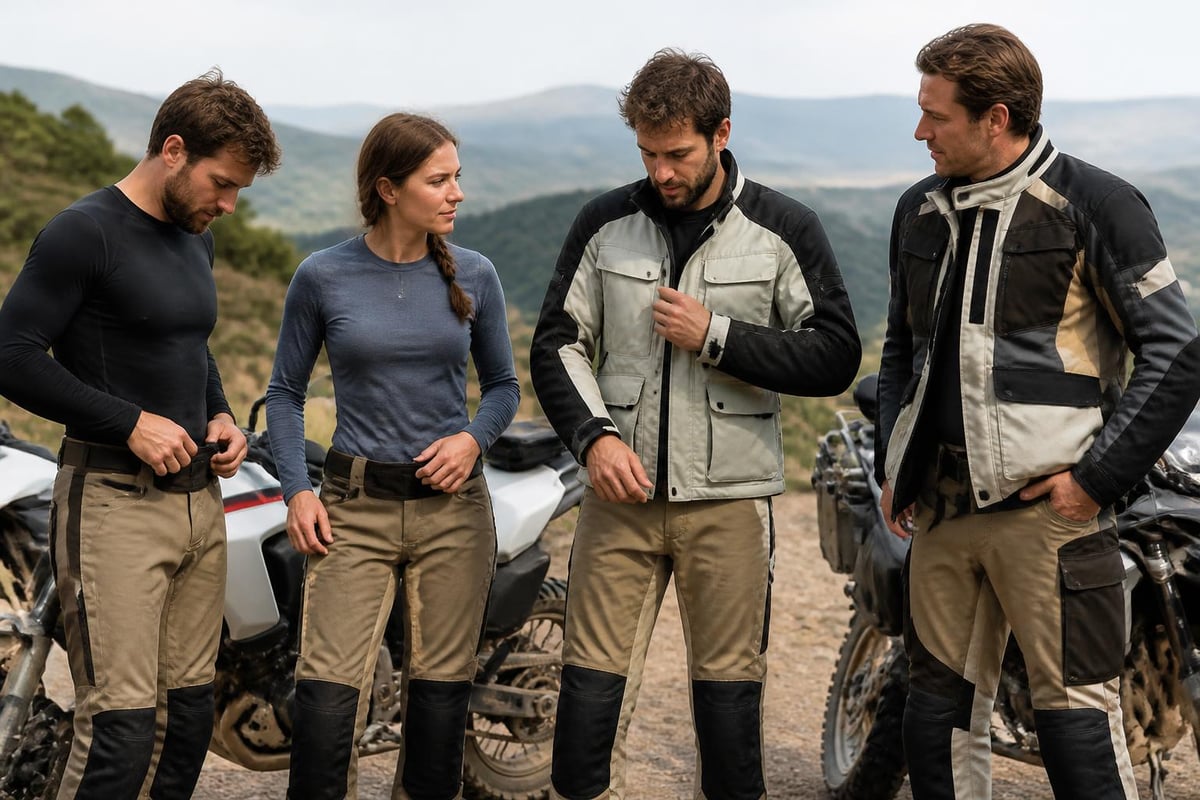
Waterproof riding jackets have evolved significantly. Today's best options combine genuine weather protection with breathability, preventing that clammy feeling that plagued earlier waterproof designs. A quality riding jacket should allow full range of motion for mounting and riding, with a cut that works both on horseback and standing. Features like adjustable cuffs, ventilation panels, and storm flaps over zippers separate functional pieces from merely water-resistant options.
Soft-shell jackets bridge the gap between full waterproofs and lightweight layers. These versatile pieces offer wind resistance and light weather protection whilst maintaining exceptional breathability. They're ideal for those unpredictable spring mornings or autumn afternoons when you need protection but not the full commitment of a waterproof.
Safety Equipment: Non-Negotiable Elements
Safety gear forms an integral part of proper riding outfits, regardless of your experience level. The British Horseracing Authority's updated minimum standards for rider safety equipment reflect ongoing improvements in protective technology, and these standards matter for all riders, not just those in racing.
Helmets represent your most critical safety investment. Modern riding hats incorporate advanced materials and design principles that significantly improve protection. Understanding riding hat safety standards helps you make informed choices. Look for certifications like PAS 015:2011 or VG1 01.040 2014-12, which indicate rigorous testing. A proper fit matters as much as the standard itself. Your helmet should sit level on your head, neither tilted back nor forward, with the chinstrap snug enough that you can fit only one or two fingers between strap and chin.
Body protectors deserve serious consideration, particularly for those riding young horses, jumping, or eventing. The British Horse Society's guidance on body protectors emphasizes proper fit and current standards. These protective vests have become notably more comfortable and less restrictive than earlier designs, making them practical for regular use rather than competition-only wear.
Building Outfits for Different Riding Contexts
Different riding situations call for adjusted approaches to your outfit choices. Understanding these contexts helps you build a versatile wardrobe without unnecessary duplication.
Daily Training and Stable Work
Your everyday riding outfits need to prioritize comfort, durability, and practicality. This is where you'll spend most of your riding time, so these pieces should feel like second nature. Choose breeches in darker colours that hide inevitable dirt and dust, paired with performance shirts that breathe well and wash easily. A good fleece or lightweight jacket handles temperature changes throughout the day.
Footwear deserves particular attention. Quality riding boots protect your feet, support your ankles, and provide the right contact with your stirrups. Whether you prefer traditional leather field boots or modern synthetic options, ensure they fit properly and offer adequate grip.
Competition Wear
Competition wear demands a more refined approach. Different disciplines have specific expectations, but the underlying principle remains constant: professional appearance combined with functional performance. Show jackets should fit properly through the shoulders and allow free arm movement, whilst maintaining a tailored silhouette. Lighter colours often show better in competition settings, though discipline-specific rules may dictate particular colours or styles.
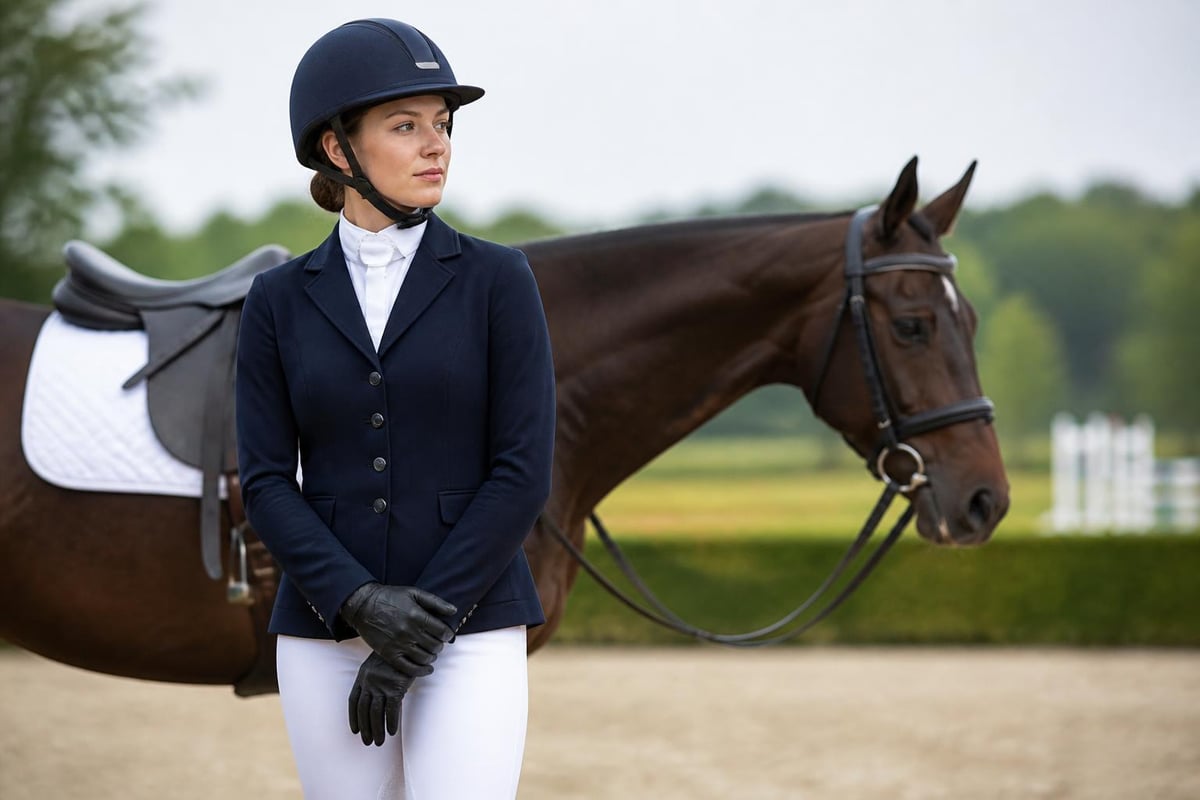
Understanding equestrian equipment rules and regulations prevents last-minute surprises at events. These rules exist for safety and fair competition, not arbitrary tradition. Reviewing requirements well before your first show allows time to acquire proper kit without rushing.
Casual Riding and Hacking
Weekend hacks and pleasure riding offer more flexibility in your outfit choices. This is where riding clothing that transitions well between stable and street proves valuable. Well-designed breeches look appropriate paired with casual shirts or sweatshirts, whilst technical fabrics keep you comfortable regardless of weather changes during longer rides.
The Essentials Collection approach focuses on versatile pieces that work across multiple contexts. A quality hoodie or sweatshirt serves equally well for early morning stable duties and post-ride errands, whilst maintaining the clean aesthetic you want.
Fabric Technology and Performance
Modern riding outfits benefit enormously from advances in textile technology. Understanding these innovations helps you make better purchasing decisions and care for your clothing properly.
Stretch and Movement
Four-way stretch fabrics have revolutionized riding comfort. These materials stretch both horizontally and vertically, accommodating the full range of motion required for riding without creating baggy, unflattering fits. The best stretch fabrics maintain their shape after repeated wearing and washing, returning to their original form rather than becoming loose or saggy.
Different stretch percentages suit different purposes. Breeches typically incorporate 15-20% stretch content, providing excellent movement whilst maintaining structure. Shirts might use slightly less stretch, focusing instead on breathability and moisture management.
Weather Resistance
True waterproof fabrics use either membrane technology or dense weaves with water-repellent treatments. Understanding the difference helps set appropriate expectations. Membrane fabrics like those with waterproof/breathable technology offer the highest protection but require proper care to maintain performance. Water-resistant treatments work well for light rain but will eventually wear off, requiring reapplication.
Breathability matters as much as water protection. A completely waterproof but non-breathable jacket leaves you soaked from condensation inside, defeating the purpose. Modern waterproof fabrics balance these needs through microporous membranes that block water droplets whilst allowing water vapour from perspiration to escape.
Colour and Style Considerations
Colour choices in riding outfits serve both practical and aesthetic purposes. While personal preference plays a role, certain considerations apply across the board.
Neutral foundations provide maximum versatility. Navy, black, grey, and khaki work together seamlessly and pair well with accent colours. These shades also tend to show less dirt between washes, a practical consideration for stable environments. Building your core wardrobe around neutrals allows you to add personality through details rather than requiring multiple complete outfits.
Lighter colours like white, cream, and light grey create a sharp, professional appearance but demand more frequent washing and careful stain treatment. These work particularly well for competition shirts and show clothing, where that crisp appearance matters most.
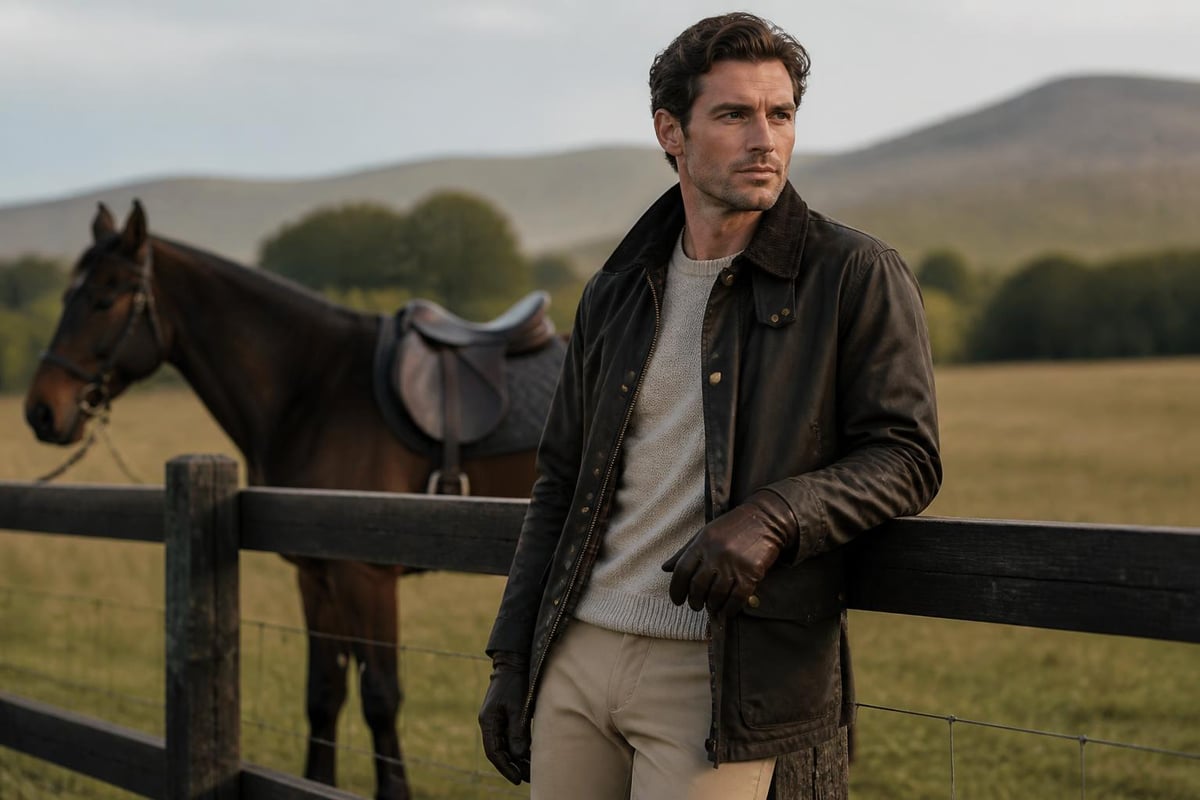
Contemporary men's riding style leans towards clean lines and understated details rather than flashy embellishments. Well-fitted clothing in quality fabrics makes a stronger statement than logos or excessive detailing. This refined approach suits both traditional and modern riding contexts, working equally well in conservative show environments and casual stable settings.
Seasonal Adjustments
Your riding outfits need to adapt across seasons whilst maintaining consistent performance standards. This doesn't require entirely separate wardrobes, but rather strategic layering and seasonal-specific pieces.
Summer Riding
Warm weather demands maximum breathability and sun protection. Lightweight, moisture-wicking fabrics keep you cooler than cotton whilst drying quickly if you do sweat. Long-sleeve shirts in technical fabrics often feel cooler than short sleeves because they prevent direct sun exposure whilst allowing airflow. Look for mesh panels in strategic locations like underarms and back panels.
Light-coloured clothing reflects rather than absorbs heat, making whites, creams, and pastels practical choices for summer riding outfits. However, balance this against the increased maintenance these colours require.
Winter Riding
Cold weather riding requires effective layering rather than single bulky pieces. A moisture-wicking base layer manages perspiration, a mid-layer provides insulation, and an outer shell blocks wind and precipitation. This system allows you to adjust your warmth level by adding or removing layers rather than overheating or freezing.
Jackets designed specifically for riding accommodate this layering approach with athletic cuts that don't restrict movement when worn over other garments. Insulated options work well for extremely cold conditions, but ensure they still allow full arm mobility for controlling your horse effectively.
Quality sweatshirts and hoodies serve as excellent mid-layers, offering warmth without excessive bulk. Modern designs incorporate stretch panels and articulated sleeves that maintain the freedom of movement you need.
Fit and Sizing Considerations
Proper fit makes the difference between clothing that enhances your riding and clothing that hinders it. Understanding how riding-specific garments should fit helps you choose correctly, particularly when purchasing online.
Breeches should fit snugly without restricting movement or creating pressure points. The waistband should sit comfortably at your natural waist without requiring a belt to stay up, though many riders prefer belts for a finished appearance. Through the seat and thigh, expect a closer fit than casual trousers, but without feeling squeezed. The fabric should smooth over your legs rather than bunching or bagging.
Shirts and jackets need room through the shoulders and chest for full range of motion. Test this by raising your arms overhead and forward, simulating the movements you make whilst riding. The garment should move with you rather than pulling tight across your back or shoulders. Sleeve length matters. Too short looks awkward and restricts movement, whilst too long interferes with your hands and reins.
Maintenance and Care
Quality riding outfits represent a significant investment. Proper care extends their lifespan and maintains their performance characteristics. Different fabrics require specific approaches, but general principles apply across your riding wardrobe.
Wash technical fabrics according to manufacturer guidelines. Many performance materials lose their moisture-wicking or water-resistant properties when washed with fabric softener or dried at high heat. Using sport-specific detergents helps maintain technical features whilst removing the inevitable dirt and sweat from riding.
Treat stains promptly rather than letting them set. Mud, particularly that picked up around stables, contains minerals and organic matter that bond to fabrics if left to dry completely. Brushing off dry mud before washing prevents grinding it deeper into fabric fibres. Pre-treating stained areas with appropriate spot removers addresses specific issues before they become permanent.
Storage matters for maintaining garment shape and condition. Hanging jackets and shirts prevents creases and allows air circulation, whilst folding breeches preserves their shape better than hanging. Keep riding gear separate from everyday clothing to prevent transfer of stable odours and dirt.
Investment Pieces vs. Replaceable Items
Building effective riding outfits requires understanding which pieces justify higher investment and which items you'll replace more regularly. This approach helps you allocate your budget effectively whilst maintaining quality across your wardrobe.
Quality breeches justify their cost through longevity and performance. Well-made breeches from established riding clothes brands withstand hundreds of rides whilst maintaining their shape, stretch, and appearance. Cheaper alternatives often lose their elasticity or develop thin spots within months. Consider breeches a long-term investment, purchasing the best quality you can afford.
Jackets similarly reward investment in quality. A well-constructed waterproof jacket lasts for years, maintaining its weather protection and breathability through proper care. Technical features like taped seams, quality zippers, and durable outer fabrics justify higher prices through extended use.
Base layers and everyday riding shirts occupy middle ground. You'll likely replace these more frequently due to regular washing and wear, but quality still matters. Mid-range options often offer the best value, providing good performance without the premium pricing of top-tier pieces.
Beyond the Basics: Accessories and Details
Complete riding outfits extend beyond clothing to accessories that enhance both function and style. These finishing touches demonstrate attention to detail whilst serving practical purposes.
Belts serve both functional and aesthetic roles. A quality leather belt complements breeches whilst keeping shirts tucked and ensuring a polished appearance. Traditional bridle leather develops attractive patina over time, whilst modern synthetic options offer durability and easy maintenance.
Gloves protect your hands and improve grip on reins. Summer riding gloves use lightweight, breathable materials, whilst winter options incorporate insulation without sacrificing dexterity. Some riders prefer leather for its natural feel, whilst others appreciate the easy care and consistent grip of synthetic materials.
Technical socks designed for riding include reinforced areas where boots create pressure, along with moisture-wicking properties that prevent blisters. Tall socks prevent rubbing where boot tops meet your leg, a detail that significantly improves comfort during extended rides.
The Gallant Equestrian Approach
Modern men's riding wear has evolved beyond the traditional dichotomy of formal competition gear and purely functional stable clothing. Today's best riding outfits deliver technical performance through advanced fabrics and thoughtful design whilst maintaining the clean, refined aesthetic that suits life beyond the stable yard.
This evolution reflects changing expectations among riders who want clothing that works as hard as they do without compromising on appearance. Performance-driven design doesn't mean sacrificing style, and refined aesthetics needn't come at the expense of functionality. The integration of these elements defines contemporary men's equestrian clothing.
Quality construction methods ensure garments maintain their shape and performance characteristics through repeated wear and washing. Reinforced stress points, quality hardware, and thoughtful details like articulated knees or stretch panels distinguish well-designed riding outfits from ordinary athletic wear adapted for equestrian use.
Understanding proper equestrian attire means recognizing both safety requirements and performance needs. Compliance with current body protector safety standards ensures your protective gear offers genuine protection rather than merely appearing safe.
The most successful riding wardrobes balance versatility with specialization. Core pieces work across multiple riding contexts, whilst specific items address particular needs. This approach prevents both the inefficiency of single-purpose clothing and the compromises inherent in trying to make one outfit work for everything.
Consider how each piece integrates with the rest of your wardrobe. Does it layer well with existing items? Can it transition from stable to street without looking out of place? Will it maintain its appearance and performance through regular use? These questions guide smart purchasing decisions that build cohesive riding outfits rather than random collections of riding clothes.
The shift towards clothing that genuinely bridges riding and lifestyle contexts reflects modern riders' lives. Few people maintain completely separate wardrobes for equestrian and everyday use. The best riding outfits accommodate this reality through designs that look appropriate in both settings whilst delivering the technical performance riding demands.
Building effective riding outfits requires understanding both technical requirements and style considerations, from safety-certified protective gear through versatile everyday pieces that transition seamlessly between contexts. Modern men's equestrian clothing has evolved to deliver genuine performance without sacrificing the refined appearance today's riders expect. Gallant Equestrian creates exactly this kind of riding wear, designed in New Zealand with the durability and style that suit serious riders. Whether you're building your first complete riding wardrobe or refining an existing collection, quality pieces that blend function and appearance serve you better over time. Look the Part. Enjoy the Ride.

