

Riding Wear Sale: Smart Shopping for Men's Equestrian Kit
Aug 05, 2026
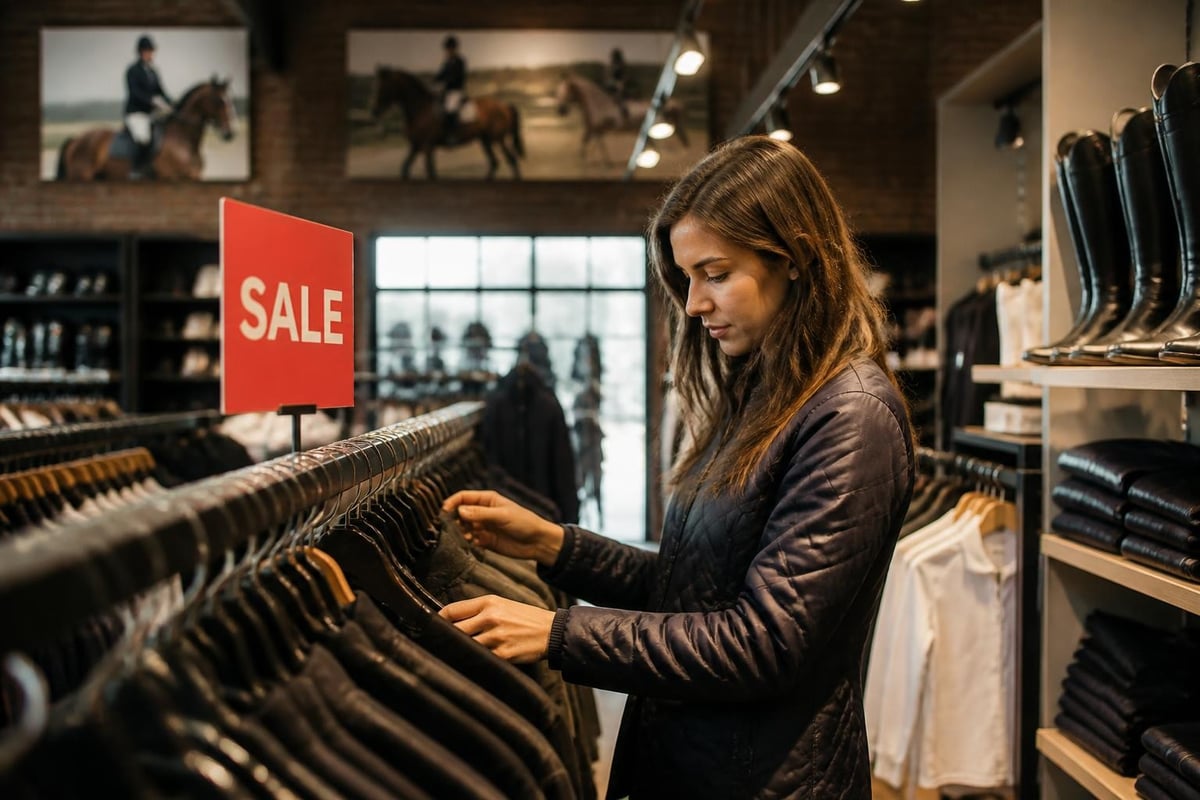
A riding wear sale presents the perfect opportunity to upgrade your equestrian wardrobe without compromising on quality or style. Whether you're building your kit from scratch or replacing worn essentials, knowing how to navigate seasonal sales strategically transforms your purchasing power. The key lies in understanding what constitutes genuine value, recognizing quality construction, and timing your purchases to coincide with the best opportunities throughout the year.
Understanding the Seasonal Calendar
The equestrian clothing market follows predictable patterns that savvy riders can leverage. Major riding wear sale events typically cluster around specific times of year, each offering distinct advantages depending on your needs.
Peak Sale Periods
January through February represents the winter clearance window, when brands make room for spring collections. This period offers excellent value on jackets and thermal layers, though selection narrows as stock depletes. Mid-year sales in June and July clear summer inventory, presenting opportunities for lighter polo shirts and technical tees.
The most substantial discounts arrive during end-of-season clearances in August and September, when retailers transition between summer and autumn ranges. Black Friday and Boxing Day sales have become increasingly significant in the equestrian sector, matching traditional retail patterns whilst offering strategic timing for holiday purchases.
| Sale Period | Best For | Typical Discount | Stock Availability |
|---|---|---|---|
| January-February | Winter wear, jackets | 30-50% | Limited sizes |
| June-July | Summer shirts, light layers | 25-40% | Good selection |
| August-September | Full range clearance | 40-60% | Variable |
| Black Friday | New season items | 20-35% | Excellent |
Year-Round Opportunities
Beyond predictable seasonal patterns, riding wear sale opportunities emerge throughout the year. Brands occasionally offer clearance pricing on discontinued colorways whilst maintaining popular neutral tones at full price. Sample sales and warehouse clearances provide access to premium pieces at reduced prices, though these events require flexibility regarding specific styles or sizes.
The global equestrian clothing market continues growing, with increasing competition amongst brands driving more frequent promotional periods. This expansion benefits riders seeking quality at accessible prices, particularly as newer brands challenge established players.
Quality Indicators Worth Protecting
Not every riding wear sale offers genuine value. Understanding quality markers prevents costly mistakes disguised as savings.
Construction Standards
Examine seam quality first. Double-stitched seams in high-stress areas indicate durability that justifies investment, even during sales. Check reinforcement at knees and seat areas in breeches, where wear concentrates during riding.
Fabric composition matters significantly. Technical fabrics blending natural and synthetic fibres typically outperform pure cotton alternatives in equestrian applications. Four-way stretch materials maintain shape whilst allowing freedom of movement. Moisture-wicking properties keep you comfortable during intense riding sessions.
Hardware quality reveals manufacturer priorities. Metal zippers from established suppliers like YKK outlast plastic alternatives. Button reinforcement with backing buttons prevents premature loss. Velcro closures should feature dense hook-and-loop construction maintaining grip after repeated use.
Performance Features
Premium riding wear incorporates specific design elements beyond basic construction. Articulated knees in breeches prevent fabric bunching whilst mounted. Gusseted crotches eliminate restriction during posting. Extended tails on riding shirts remain tucked despite movement.
Weatherproof features deserve scrutiny during a riding wear sale. Waterproof ratings should meet minimum standards for serious riding, with breathability preventing interior condensation. Waterproof riding jackets designed for men balance protection with ventilation through strategically placed vents.
The equestrian apparel market increasingly emphasizes premium performance features, reflecting rider demand for technical excellence alongside style. Sales present opportunities to access these innovations at reduced entry prices.
Building a Strategic Shopping List
Approaching a riding wear sale without planning invites impulse purchases that fail to integrate with existing wardrobe pieces. Strategic planning maximizes value whilst building versatility.
Core Essentials First
Prioritize foundational pieces over trend-driven items. Quality breeches in neutral colors form the backbone of any riding wardrobe, pairing with virtually any shirt or jacket combination. Navy, charcoal, and tan offer maximum versatility whilst maintaining appropriate formality for competition settings.
Base layer investments pay dividends across seasons. Technical shirts that wick moisture work beneath jackets during winter whilst functioning independently during warmer months. Long-sleeve options extend seasonal utility, justifying slightly higher investment during sales.
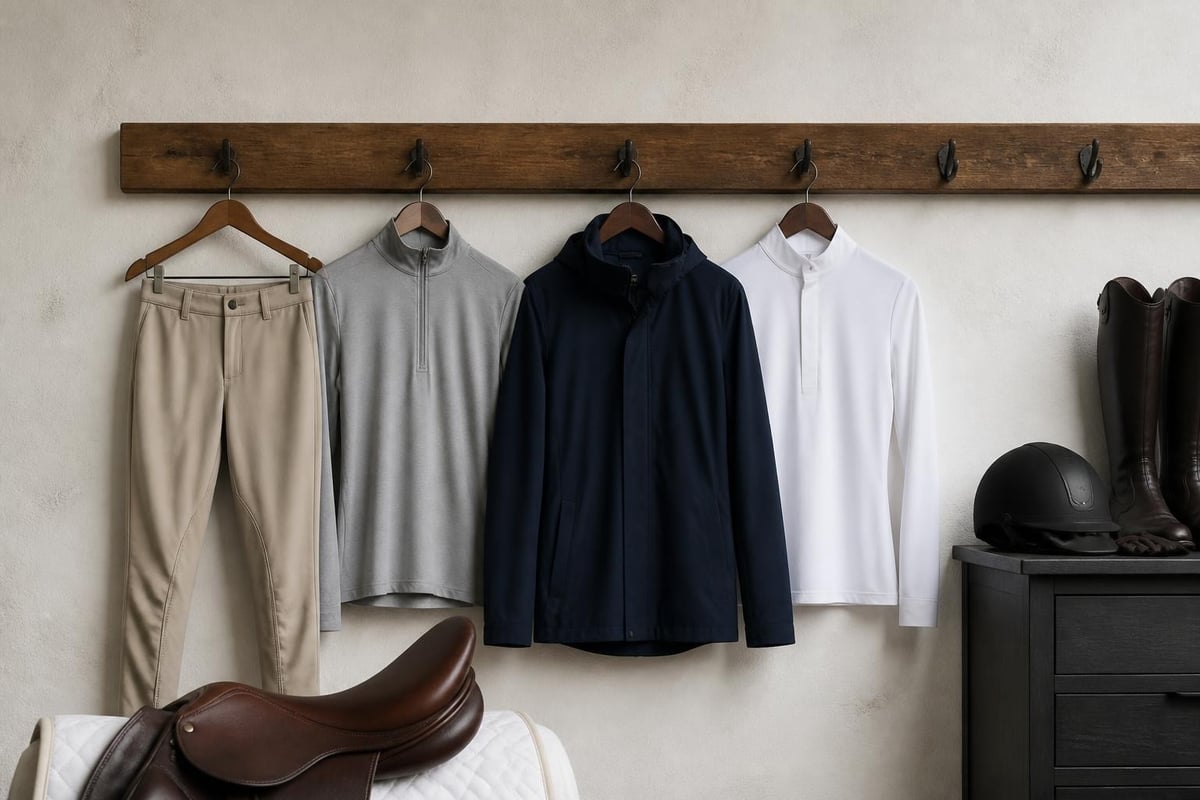
Outerwear represents significant investment warranted by longevity and daily utility. A properly specified jacket serves for years when constructed to appropriate standards. Sales provide access to premium weatherproofing technology at more accessible pricing, making timing particularly valuable for these purchases.
Expanding Beyond Basics
Once core essentials fill your wardrobe, riding wear sale events enable thoughtful expansion into specialized pieces. Competition wear benefits from sales timing, as these items see less frequent use than daily riding kit whilst requiring impeccable presentation.
| Priority Level | Item Category | Purchase Timing | Investment Level |
|---|---|---|---|
| Essential | Breeches, base shirts | Any good sale | Medium-High |
| Important | Weatherproof jacket | Major clearance | High |
| Valuable | Polo shirts, casual wear | Mid-season sales | Medium |
| Optional | Specialized competition kit | End-of-season | Medium-High |
Casual equestrian pieces that transition from stables to everyday settings deserve consideration once essentials are covered. Sweatshirts and hoodies suitable for yard work yet stylish enough for casual wear extend value beyond purely riding applications.
Sizing Strategies During Sales
Final sale terms complicate returns, making accurate sizing crucial. Understanding brand-specific sizing prevents disappointment with non-returnable purchases.
Measuring for Success
Take fresh measurements before major sales rather than relying on estimates or previous data. Waist measurements for breeches should be taken at the riding position rather than natural waist, as mounted posture differs from standing. Inside leg measurements determine appropriate inseam length whilst accounting for boot height.
Upper body measurements require similar attention. Chest measurements taken across the fullest part whilst wearing typical base layers ensure adequate room for movement without excess bulk. Shoulder measurements prevent restriction during reaching or posting movements.
European and American sizing standards differ significantly within equestrian wear. Familiarize yourself with conversion charts specific to target brands before committing to purchases. Many manufacturers provide detailed sizing guides accounting for athletic builds common amongst active riders.
Fit Philosophy
Riding wear should fit closer than casual clothing without restricting movement. Breeches demonstrating slight compression when standing typically relax to comfortable tension whilst mounted. Excessive looseness creates fabric bunching, whilst over-tightness limits circulation and flexibility.
Jacket fit balances layering capacity with streamlined appearance. Adequate room for base layers and mid-weight fleeces prevents purchasing separate pieces for different seasons. Sleeve length should allow full arm extension without exposing wrists whilst reaching forward.
The increasing participation in equestrian sports drives brands toward improved sizing consistency, though variations persist between manufacturers. Sales shopping may require trying multiple sizes when return policies permit.
Evaluating True Value Proposition
Discounted pricing doesn't automatically create value. Calculating cost-per-wear reveals genuine savings versus superficial discounts on inappropriate items.
The Cost-Per-Wear Calculation
Divide purchase price by realistic wearing occasions over the item's lifespan. A £200 jacket reduced to £120 worn twice weekly for three years costs approximately £0.77 per wear. A £40 shirt reduced to £25 worn monthly for one year before wearing out costs £2.08 per wear, representing poorer value despite lower absolute cost.
Quality construction extends useful life significantly. Premium fabrics maintain appearance and performance through numerous wash cycles, whilst cheaper alternatives fade, pill, or lose shape rapidly. Technical features like reinforced seams and quality zippers prevent premature failure requiring replacement.
Consider replacement cost timing alongside initial savings. Purchasing two lower-quality items over five years versus one premium piece costs more whilst creating additional environmental impact through increased consumption. Sales on quality items amplify long-term value through extended service life.

Beyond Pure Economics
Value encompasses more than financial calculation. Confidence in your appearance affects riding performance and social comfort within equestrian communities. Quality kit that fits properly and maintains appearance reduces mental distraction, allowing focus on horsemanship.
Versatility multiplies value through cross-application. Pieces functioning equally well for stable work, lessons, and casual wear justify higher investment than single-purpose items. This versatility aligns perfectly with modern men's preferences for streamlined wardrobes serving multiple contexts.
Navigating Online Versus In-Store Sales
Each shopping channel offers distinct advantages when pursuing riding wear sale opportunities. Strategic riders leverage both according to specific purchase needs.
Digital Shopping Advantages
Online platforms provide comprehensive size ranges without physical space constraints. Obscure sizes often remain available online after selling out in physical locations. Filter functions enable precise specification searches, isolating items meeting exact requirements quickly.
Price comparison tools instantly reveal competitive positioning across retailers. Browser extensions tracking price histories identify genuine discounts versus artificial inflation preceding sales. Email alerts notify interested parties when specific items reach target prices.
Virtual fitting technology continues improving, though limitations persist compared to physical trials. Detailed measurement guides and customer reviews provide reasonable confidence for standard sizes, whilst unusual proportions benefit from in-store validation when possible.
Physical Retail Benefits
Tactile assessment reveals fabric quality and construction details invisible in photographs. Hand feel identifies substantial fabrics versus lightweight alternatives marketed similarly. Stitching quality, hardware operation, and finishing standards become apparent through physical examination.
Immediate possession eliminates shipping delays and potential delivery complications. Try-before-buy removes sizing uncertainty, particularly valuable during final sale periods restricting returns. Staff expertise at specialist retailers provides guidance unavailable through automated online systems.
Combining approaches optimizes outcomes. Research online establishes target items and pricing benchmarks, whilst physical visits confirm sizing and quality before committing to online purchases of additional colors or backup pieces.
Maintaining Your Investment
Proper care extends riding wear lifespan, maximizing returns on sale purchases. Quality items justify their premium through years of service when maintained appropriately.
Washing Wisdom
Technical fabrics require gentler treatment than basic cotton. Cold water washing preserves elastic properties and prevents shrinkage. Avoid fabric softeners, which coat technical fibres and reduce moisture-wicking performance. Turn items inside-out to protect exterior finishes and reduce pilling.
Separate light and dark colors prevents dye transfer, particularly important with new items during initial washes. Zip all closures before washing to prevent snagging. Remove items promptly after cycles complete to minimize wrinkle setting.
Air drying preserves fabric integrity better than tumble drying. Heat degrades elastic fibres and accelerates wear on technical materials. Reshape items whilst damp to maintain intended fit. Direct sunlight fades colors, making shaded outdoor or indoor drying preferable.
Storage Strategies
Clean items thoroughly before long-term storage to prevent stain setting and odor development. Fold breeches along natural creases to prevent permanent lines. Hang jackets on properly sized hangers maintaining shoulder shape.
Climate-controlled storage prevents mildew and moisture damage. Cedar blocks deter moths without chemical treatments affecting technical fabrics. Rotate stored items seasonally, moving off-season pieces to less accessible locations whilst bringing current-season kit forward.
Regular inspection identifies minor repairs before they escalate. Loose buttons reattached immediately prevent loss. Small seam separations caught early prevent extensive repairs later. This preventive maintenance extends garment life significantly, protecting your riding wear sale investments.
Smart Substitution Opportunities
Sales enable experimentation with premium alternatives to standard choices. Strategic upgrades in specific categories deliver outsized performance improvements.
Premium Fabric Technologies
Advanced moisture management systems outperform basic wicking fabrics significantly. During riding wear sale periods, these technologies become accessible at prices approaching standard options. The performance difference justifies modest premium, particularly for items worn during intense activity.
Four-way stretch fabrics revolutionize comfort compared to two-way alternatives. The freedom of movement translates directly to improved riding position and reduced fatigue. Sales pricing on premium stretch fabrics presents excellent value for active riders.
Antimicrobial treatments reduce washing frequency whilst maintaining freshness. Extended wear between laundering preserves fabric integrity and saves time. These features add minimal cost during sales whilst delivering tangible lifestyle benefits.
Design Refinements
Ergonomic design features like pre-curved sleeves or articulated knees initially seem minor until experienced. The cumulative effect of multiple thoughtful details creates significantly superior wearing experience. Sale periods allow trying premium designs at reduced risk.
Aesthetic refinements elevate presentation without sacrificing function. Subtle details like contrast stitching or refined hardware distinguish quality pieces from basic alternatives. These elements contribute to confidence and appropriate presentation within equestrian communities.
A riding wear sale rewards preparation and discernment, enabling wardrobe development that serves you reliably for years. Focus on quality fundamentals, understand true value beyond headline discounts, and invest in pieces that perform across multiple contexts. When you're ready to build a wardrobe that transitions seamlessly from stables to everyday life, explore what Gallant Equestrian offers: performance-driven men's riding wear designed in New Zealand and built to last. Look the Part. Enjoy the Ride.

