

Tweed Jacket Horse Riding: A Modern Guide for Men
Aug 14, 2026
The tweed jacket remains one of the most distinctive pieces in men's equestrian wardrobes. Originally developed for country pursuits in Scotland and Ireland, this robust woollen fabric has transitioned seamlessly into competitive riding and everyday stable wear. For 2026, tweed jacket horse riding continues to represent the intersection of tradition and practicality, offering men a garment that performs in the saddle whilst maintaining refined style. Understanding how to choose, wear, and care for a quality tweed jacket elevates your equestrian wardrobe beyond basic functionality.
Understanding Tweed Fabric for Equestrian Use
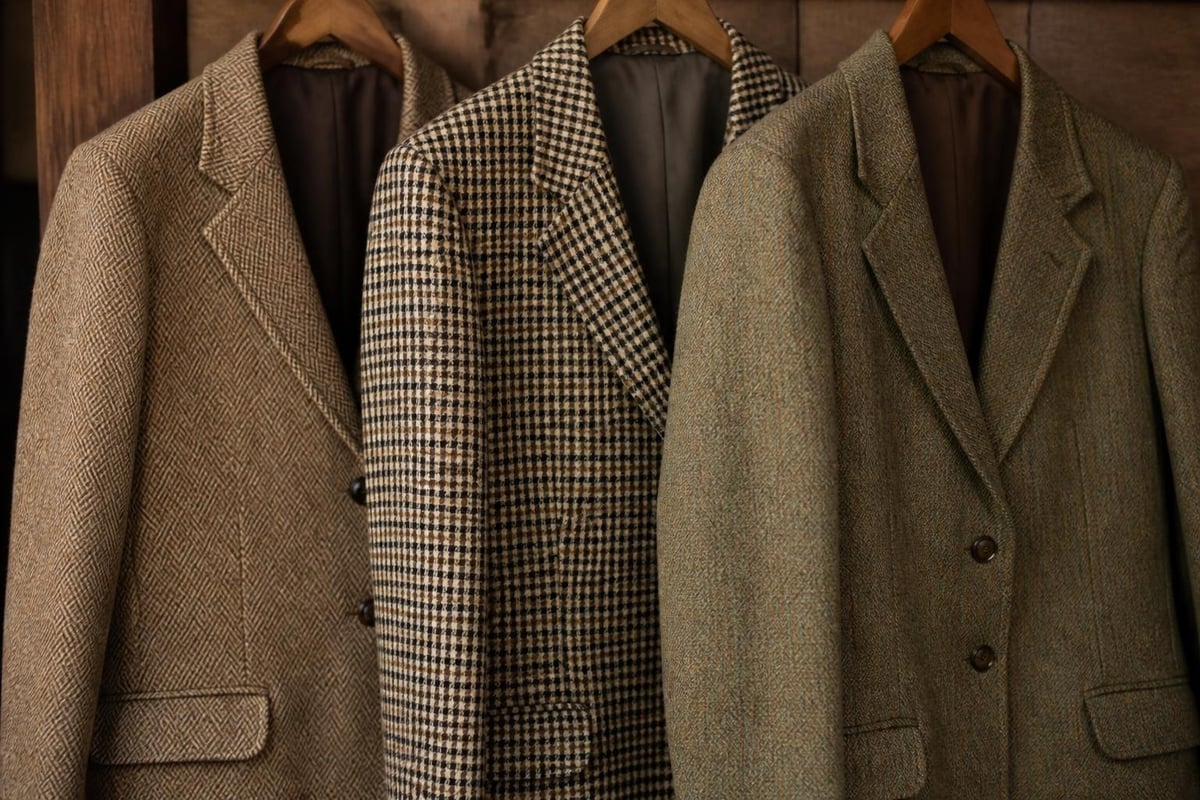
Tweed comes in various weaves and weights, each suited to different riding disciplines and seasonal conditions. The fabric's natural wool fibres provide exceptional breathability whilst offering wind resistance during outdoor rides. Herringbone, houndstooth, and plain weaves each deliver distinct visual character alongside different performance attributes.
Weight matters significantly when selecting a tweed jacket horse riding garment. Traditional hunting tweeds often weigh 720 grams or more, providing substantial warmth for winter hacking and field riding. Lighter tweeds between 450 and 600 grams work well for spring and autumn showing classes or riding club activities. The denser weaves naturally repel light rain and morning dew, keeping you comfortable during early stable routines.
Modern tweed production incorporates technical improvements without sacrificing heritage character. Many manufacturers now treat tweed fibres for enhanced durability and easier maintenance whilst preserving the fabric's breathable properties. This evolution means contemporary tweed jackets perform better across varied conditions than vintage equivalents, particularly important for riders who transition between stable work and competition environments.
Colour Selection and Traditional Patterns
Classic colourways dominate the tweed jacket horse riding landscape. Olive greens, warm browns, charcoal greys, and rich navy blues form the foundation palette, often enhanced with subtle overchecks in complementary tones. These traditional colours work across multiple riding contexts, from hunting and eventing to casual hacking and dressage warm-ups.
Overchecks add visual interest without overwhelming the jacket's versatility. Red, orange, or burgundy windowpane patterns provide just enough character to distinguish your jacket whilst maintaining appropriate formality. Some riders prefer subtler green or brown checks that blend more closely with the base colour, creating understated sophistication suitable for conservative showing environments.
| Base Colour | Best For | Overcheck Options |
|---|---|---|
| Olive Green | General Riding, Hacking | Brown, Red, Navy |
| Charcoal Grey | Showing, Formal Events | Burgundy, Blue, Black |
| Brown Herringbone | Hunting, Field Sports | Orange, Green, Gold |
| Navy | Versatile All-Round | Red, White, Green |
Geographic traditions sometimes influence colour preferences. Scottish estates traditionally favour darker tweeds with muted checks, whilst English hunting country leans toward lighter browns and greens. Understanding these nuances helps when selecting a jacket for specific regional events or traditional riding clubs.
Choosing the Right Cut and Fit
Proper fit distinguishes a functional tweed jacket horse riding piece from an ill-conceived purchase. The jacket must accommodate your riding position without restricting shoulder movement or pulling across the back when you lean forward in the saddle. Traditional equestrian cuts feature longer backs to prevent riding up, alongside shaped shoulders that follow natural arm positioning.
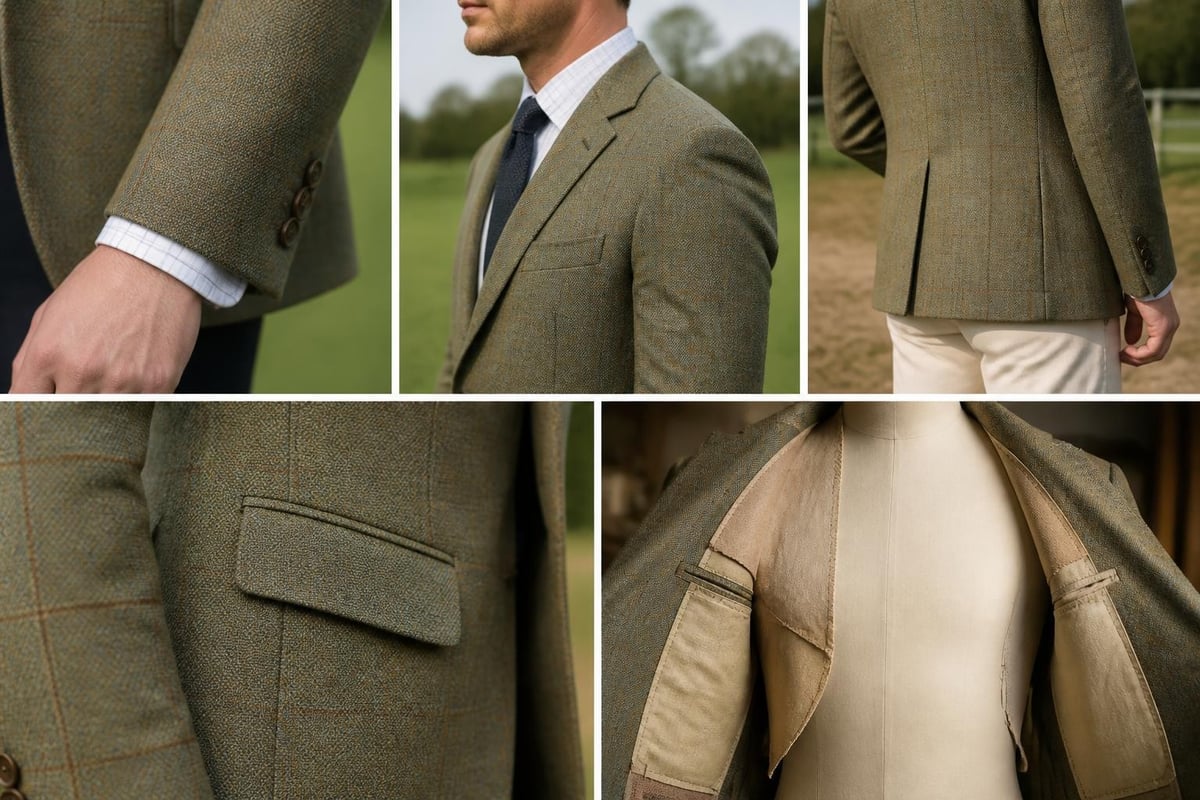
Sleeve length requires particular attention. When your arms extend toward the reins, sleeves should sit just at your wrist bone, neither exposing bare skin nor bunching excessively. Many quality jackets include working sleeve buttons, allowing minor adjustments through tailoring. This traditional detail also signals proper construction quality.
The jacket's length should cover your waistband when mounted, preventing gaps that expose your shirt or base layers. Longer cuts suit taller riders or those who prefer traditional styling, whilst slightly shorter modern interpretations work well for shorter-backed horses where excessive fabric creates visual imbalance. Understanding equestrian show attire helps contextualize these fit considerations within broader wardrobe planning.
Structure and Internal Construction
Quality tweed jackets feature substantial canvas interlining that maintains shape through repeated wear and washing. This internal structure prevents sagging and ensures the jacket drapes correctly whether you're mounted or standing. Cheaper alternatives use fused construction that breaks down faster under the physical demands of riding.
Pocket placement affects both aesthetics and functionality. Flap pockets with concealed zips protect valuables during vigorous riding whilst maintaining clean lines appropriate for showing classes. Some jackets include internal pockets for mobile phones or competition schedules, though these should never create bulk that interferes with your position or rein contact.
Lining quality often indicates overall garment standards. Rich gold, burgundy, or navy linings in smooth satin or cotton add luxurious feel whilst allowing easy on-off transitions over shirtsleeves or lightweight knits. Breathable linings prevent overheating during active riding sessions, particularly important for warmer months or intensive schooling work.
Practical Applications Across Disciplines
Tweed jacket horse riding applications extend across numerous equestrian pursuits. Traditional hunting and point-to-point events represent the fabric's historical home, where robust construction withstands brambles, weather, and long days in the saddle. Modern hunt clubs maintain dress codes requiring proper tweed rather than casual alternatives, making a quality jacket essential for participants.
Showing classes sometimes specify tweed requirements, particularly for working hunter, show hunter, and riding club competitions. What to wear in the competition arena provides comprehensive guidance for different disciplines, but tweed generally suits more traditional classes where classic turnout earns judges' appreciation. Dressage competitors occasionally choose tweed for warm-up sessions, though seldom for actual tests.
Recreational hacking benefits significantly from tweed's protective properties. The substantial fabric shields against windchill during exposed rides whilst allowing enough airability to prevent excessive sweating. Country lanes, bridle paths, and woodland trails suit tweed perfectly, making it ideal for riders who prioritize outdoor exploration over arena work.
Seasonal Considerations and Layering
Winter riding demands heavier tweed weights combined with appropriate base layers. Merino wool or technical underlayers work beneath your jacket without adding bulk, whilst maintaining warmth during stationary moments between active work. Avoid excessive layering that restricts movement or creates pressure points against the saddle.
Spring and autumn riding often suits mid-weight tweeds that transition effectively between cool mornings and warmer afternoons. The fabric's natural temperature regulation helps manage variable conditions without requiring constant garment changes. Some riders keep both heavy and lightweight tweed jackets, rotating based on forecast conditions and planned activities.
Summer generally sees tweed replaced with lighter alternatives, though cooler maritime climates or high-altitude riding may still warrant lightweight tweed options. The fabric's breathability surprises many newcomers who assume tweed equals overheating, particularly modern technical tweeds designed for varied seasonal use.
Maintenance and Longevity
Proper care extends your tweed jacket's serviceable life significantly beyond cheaper alternatives. Regular brushing removes surface dirt and prevents debris embedding into the weave. A quality clothes brush used after each ride maintains appearance whilst reducing required washing frequency. Focus particularly on collar areas, sleeve cuffs, and lower back where contact occurs most frequently.
Professional dry cleaning suits tweed better than home washing for most jackets, though some modern treatments allow gentle machine washing. Always verify care labels before attempting any cleaning method. Excessive washing degrades the natural lanolin in wool fibres that provides water resistance, so clean only when genuinely necessary rather than after every wear.
Storage affects longevity as much as cleaning practices. Proper wooden or padded hangers maintain shoulder shape, whilst breathable garment bags protect against dust without trapping moisture. Never store damp tweed, as this encourages mildew and odours that prove difficult to eliminate. Allow the jacket to air thoroughly after riding before hanging in your wardrobe.
Repairs and Alterations
Quality tweed tolerates repairs better than many modern fabrics. Small tears or snags can be expertly rewoven by specialist tailors, making the damage virtually invisible. Replacing buttons, restitching seams, or reinforcing pocket edges extends useful life considerably. Building a relationship with a competent tailor who understands equestrian garments proves invaluable for long-term jacket maintenance.
Alterations accommodate body changes or update styling without replacing the entire garment. Sleeves can be lengthened or shortened, waists taken in or let out, and linings replaced when worn. This adaptability makes quality tweed jackets worthwhile investments that justify their initial cost through decades of service. Some riders inherit jackets from family members, having them altered to current fit requirements whilst preserving sentimental value.
Moths pose the primary threat to stored tweed. Cedar blocks, lavender sachets, or specialized moth-prevention products protect your investment during off-season storage. Regular inspection catches infestations early, preventing extensive damage that compromises structural integrity.
Styling Beyond the Saddle
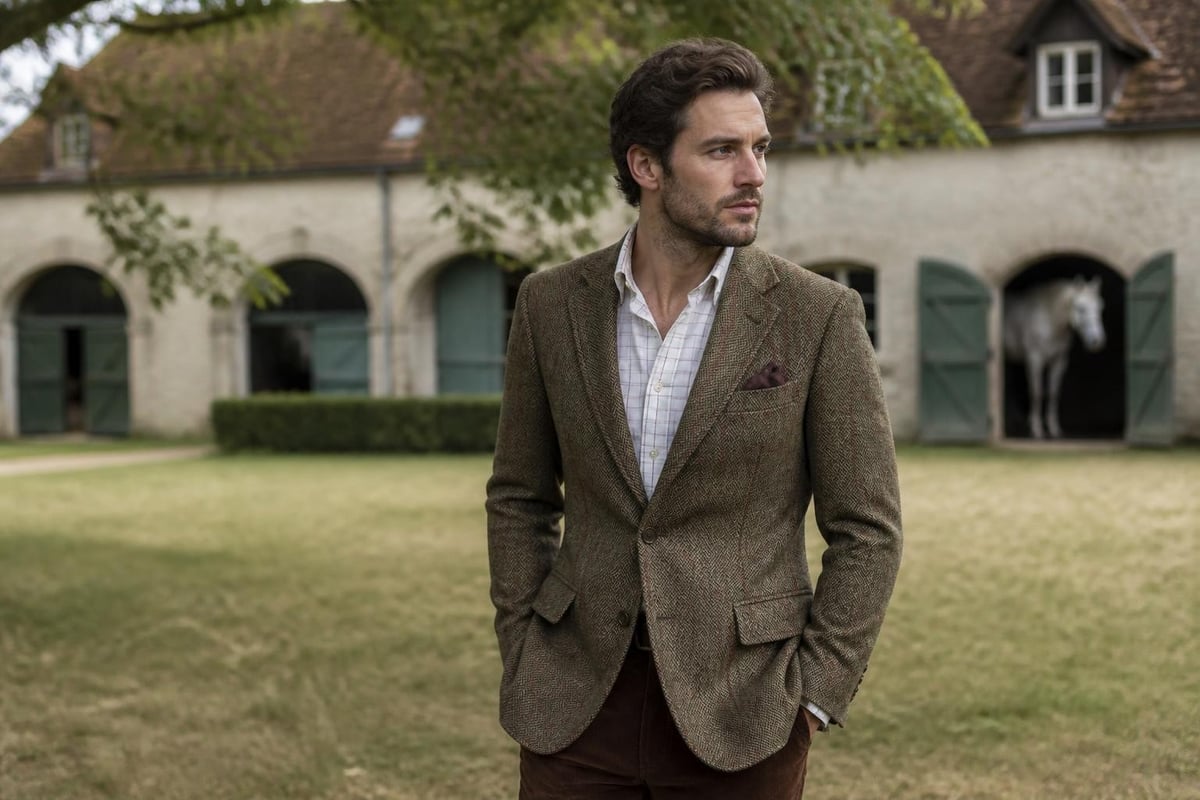
Tweed's versatility extends well beyond mounted activities. The same jacket that serves morning hacking transitions seamlessly to country pubs, agricultural shows, or casual business contexts. Pairing with quality moleskin trousers or dark jeans creates refined casual outfits suitable for rural and urban environments alike. This dual-purpose functionality justifies investment in premium pieces.
Contemporary men's styling embraces tweed's heritage character whilst avoiding costume-like appearances. Skip waistcoats or pocket watches unless genuinely engaging in formal hunting or traditional field sports. Modern interpretations pair tweed jackets with slim-fitting casual horse riding clothes that balance traditional and contemporary aesthetics naturally.
Footwear choices significantly impact overall presentation. Country boots, quality brogues, or clean leather trainers each create different impressions whilst maintaining appropriate formality. Avoid overly technical or athletic footwear that clashes with tweed's inherent character. Your choices should reflect genuine lifestyle rather than forced styling.
Selecting Your First Tweed Jacket
New riders entering tweed jacket horse riding should prioritize versatility over specialization. A mid-weight herringbone in olive or brown serves multiple purposes whilst developing your understanding of fabric performance and styling preferences. Avoid trendy overchecks or unusual colours that limit wearability across different contexts. Classic choices remain relevant indefinitely.
Budget considerations balance initial investment against long-term value. Quality construction from established manufacturers costs more upfront but delivers better performance and longevity than budget alternatives. Consider this a foundational wardrobe piece rather than disposable fashion. Horse & Hound's guide to hacking jackets explores various options suitable for different riding styles.
Fit trials require proper assessment in riding position, not just standing measurements. Bring breeches and boots when fitting jackets, ideally testing the garment in a saddle before purchase. Movement restrictions that seem minor when standing become significant issues during active riding. Reputable retailers understand these requirements and facilitate appropriate trial conditions.
Understanding Value Indicators
Several features indicate quality construction worth premium pricing. Hand-stitched buttonholes, functional cuff buttons, and substantial canvas interlining demonstrate proper tailoring rather than mass-production shortcuts. Examine lining attachment, pocket construction, and overall finishing details. These elements predict durability and long-term satisfaction better than brand names alone.
Fabric quality varies significantly between manufacturers. Authentic Scottish or Irish tweeds generally offer superior durability and appearance compared to imported alternatives. However, modern technical tweeds from quality producers sometimes outperform traditional options in specific performance metrics. Understanding these trade-offs helps select appropriate options for your primary riding activities.
Frequently asked questions about tweed jackets address common concerns regarding sizing, appropriate wear contexts, and colour selection. These resources prove particularly valuable for riders new to traditional equestrian turnout who lack experienced mentors to guide their choices.
Modern Performance Enhancements
Contemporary tweed manufacturers incorporate technical improvements without compromising traditional character. Stretch panels in key movement areas enhance comfort during athletic riding whilst maintaining classic silhouettes. These modifications prove particularly valuable for jumping disciplines or energetic schooling sessions where traditional rigid construction restricts movement.
Water-resistant treatments extend tweed's natural weather protection without affecting breathability or appearance. Modern fluorocarbon-free applications maintain environmental responsibility whilst keeping you dry during unexpected showers. These treatments require periodic renewal but significantly enhance practical versatility across British weather conditions.
Temperature-regulating linings borrowed from technical outdoor wear improve comfort across variable conditions. Phase-change materials or moisture-wicking fabrics replace traditional cotton or satin in some modern interpretations, offering superior performance for active riders. These innovations appeal particularly to men seeking performance-driven equestrian clothing that respects tradition whilst embracing contemporary technology.
Sustainable Production Considerations
Environmental consciousness increasingly influences purchasing decisions across all consumer sectors, including equestrian wear. Tweed's natural wool construction offers inherent sustainability advantages over synthetic alternatives. Biodegradable fibres, renewable raw materials, and traditional production methods create lower environmental impact compared to petroleum-based technical fabrics.
Supporting manufacturers who prioritize ethical wool sourcing and responsible production practices aligns purchasing power with environmental values. New Zealand and Scottish producers particularly emphasize sustainable farming and manufacturing, offering transparency about their supply chains. These considerations matter increasingly to riders who view their sport through broader ecological contexts.
Longevity represents the most significant sustainability factor. A well-maintained tweed jacket serving twenty years creates far less environmental impact than three cheaper alternatives replaced every seven years. This perspective justifies investment in quality construction whilst reducing overall consumption patterns. Quality over quantity benefits both your wardrobe and broader environmental systems.
Building a Complete Tweed Wardrobe
Serious riders eventually acquire multiple tweed jackets serving different purposes and seasonal requirements. A heavyweight traditional cut for hunting and winter hacking complements a lighter weight modern interpretation for spring showing and country wear. This variety prevents excessive wear on any single jacket whilst providing appropriate options for diverse contexts.
Coordinating your tweed selections with existing wardrobe elements maximizes versatility. Jackets should complement your collection of breeches, shirts, and boots rather than existing in isolation. Neutral tweeds pair easily with varied trouser colours, whilst bold overchecks require more careful coordination. Planning these relationships prevents wardrobe gaps and incompatible combinations.
Some riders develop signature styles through consistent colour families or preferred weaves. This approach simplifies decision-making whilst creating cohesive personal aesthetics. Others enjoy variety, selecting different tweeds for specific disciplines or seasonal moods. Neither approach proves objectively superior; choose based on genuine preferences rather than perceived rules.
Tweed jacket horse riding represents far more than nostalgic costume or outdated tradition. This versatile, durable fabric delivers genuine performance whilst maintaining refined aesthetics that transition effortlessly between stables and broader country life. Understanding fabric weights, proper fit, and appropriate styling transforms your equestrian wardrobe from merely functional to genuinely distinguished. Gallant Equestrian specializes in performance-driven menswear that honors equestrian heritage whilst embracing modern design, offering pieces that work as hard as you do whilst maintaining the refined style serious riders demand. Look the Part. Enjoy the Ride.

