

Best Horse Riding Pants for Men: 2026 Guide
Jul 25, 2026
Finding the best horse riding pants demands more than just picking up any pair off the shelf. Whether you're schooling dressage movements, clearing cross-country fences, or simply enjoying a weekend hack, your riding pants directly affect your comfort, performance, and confidence in the saddle. The right pair moves with you, stays put when you need stability, and transitions seamlessly from yard work to everyday wear. Today's performance fabrics and thoughtful design innovations mean you don't have to sacrifice style for function - a principle that guides everything we create here in New Zealand.
Understanding Modern Riding Pant Construction
The best horse riding pants in 2026 represent a significant evolution from the heavy cotton breeches your grandfather might have worn. Modern construction combines technical fabrics with strategic reinforcement zones that address the specific demands of time in the saddle.
Performance fabrics now dominate the riding wear landscape for good reason. Blends incorporating polyester, nylon, and spandex offer durability where traditional materials fall short. These technical fabric innovations provide four-way stretch that moves naturally with your body whilst maintaining shape recovery after repeated wear.
The weave density in premium riding pants matters more than many riders realise. A tighter weave resists abrasion from stirrup leathers and saddle edges, extending the life of your investment considerably. Look for fabrics rated at 200 GSM (grams per square metre) or higher for year-round wear.
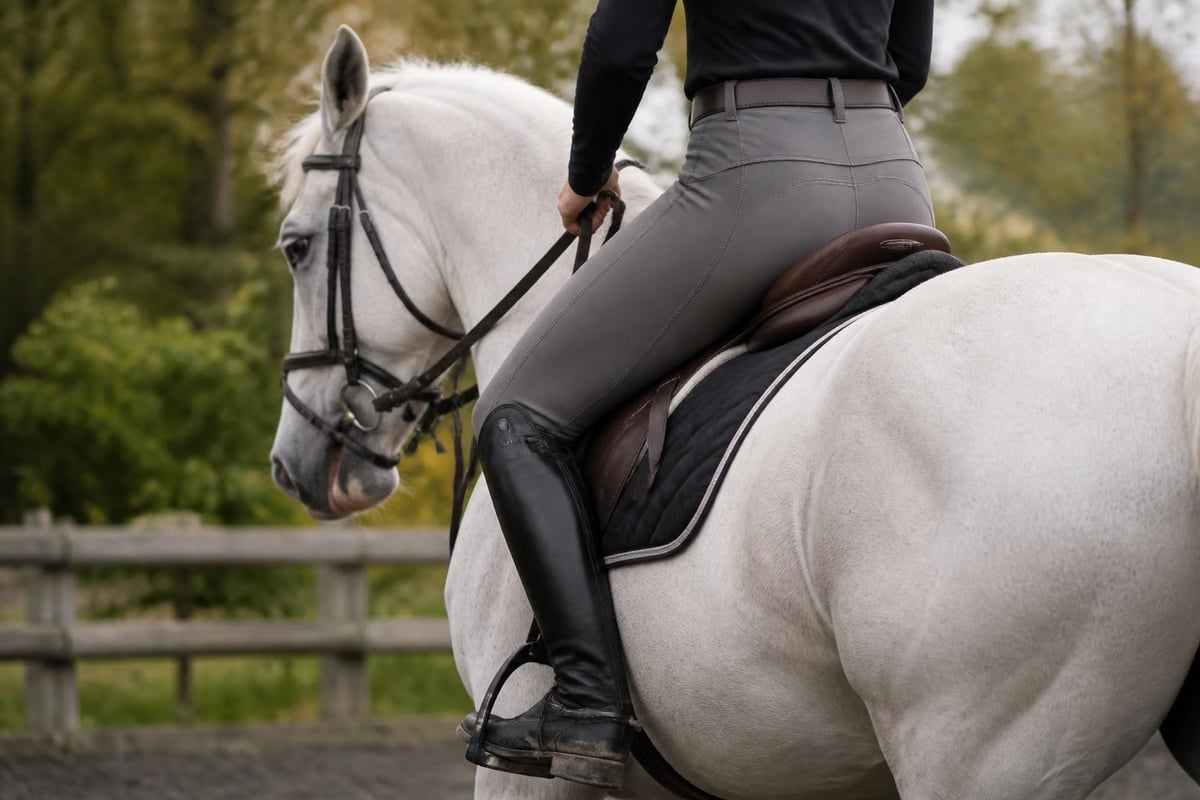
Strategic panelling reduces bulk at the inner leg whilst reinforcing high-stress areas. The best designs incorporate diamond-shaped gussets at the crotch, allowing unrestricted movement without excess material bunching uncomfortably. Flatlock seaming prevents chafing during long rides, a detail that separates quality construction from budget alternatives.
Material Science: What Works in the Saddle
Choosing the best horse riding pants begins with understanding how different materials perform under real riding conditions. Not all technical fabrics deliver equal results when subjected to hours of contact with leather, sweat, and constant flexion.
Synthetic Blends and Their Benefits
Polyester-nylon blends with 5-15% spandex content represent the sweet spot for most riders. This combination offers exceptional durability whilst maintaining enough stretch for comfortable movement. The synthetic fibres wick moisture away from your skin, keeping you dry during intense training sessions or warm summer rides. Professional insights on riding pant materials confirm that these blends outperform pure cotton in nearly every measurable category.
High-quality synthetic fabrics resist fading and maintain their shape through countless wash cycles. Unlike natural fibres that can shrink or stretch permanently, performance synthetics bounce back to their original form. This reliability means your investment maintains its fit and appearance season after season.
Natural Fibre Considerations
Cotton blends still have their place, particularly for cooler weather riding. A 70/30 cotton-polyester blend offers breathability whilst adding just enough synthetic content for shape retention. Pure cotton, however attractive its traditional appeal, simply can't match modern performance requirements. It absorbs moisture rather than wicking it away, takes longer to dry, and loses structural integrity with repeated washing.
Bamboo and modal fabrics are appearing in some premium lines, offering sustainable alternatives with surprisingly good performance characteristics. These materials feel soft against the skin and resist odour development better than many synthetics. However, they typically require blending with stronger synthetic fibres to achieve the durability serious riding demands.
Fit Fundamentals That Matter
The best horse riding pants fit properly from day one. Unlike jeans that might stretch and mould over time, quality riding pants should feel comfortable the moment you put them on. Understanding how proper fit translates to better riding starts with knowing what to look for.
Waistband Engineering
Modern riding pants feature contoured waistbands that sit comfortably at your natural waist without restricting breathing or movement. The back of the waistband typically sits slightly higher than the front, following your body's natural curves and preventing the pants from sliding down when you bend forward in the saddle.
Elasticated sections at strategic points allow the waistband to flex with your movements without requiring a loose overall fit. Some designs incorporate silicone grip strips along the interior waistband, keeping your shirt tucked neatly throughout your ride. This attention to detail makes a noticeable difference during competition or when presentation matters.
Seat and Leg Proportions
The seat of your riding pants should provide coverage without excess fabric. Too much material bunches uncomfortably beneath you, creating pressure points and interfering with your ability to feel your horse's movement. Insufficient coverage, conversely, allows seams to dig in and restricts hip flexion. Quality manufacturers like Gallant Equestrian pattern their designs specifically for men's proportions, ensuring proper coverage without excess bulk.
Leg length matters particularly for riders who wear tall boots. Your pants should extend below your calf muscle, allowing adequate overlap with your boots without bunching at the ankle. For those riding in paddock boots and half chaps, a slightly shorter inseam works better, sitting just above the boot top.
Knee Patch Placement
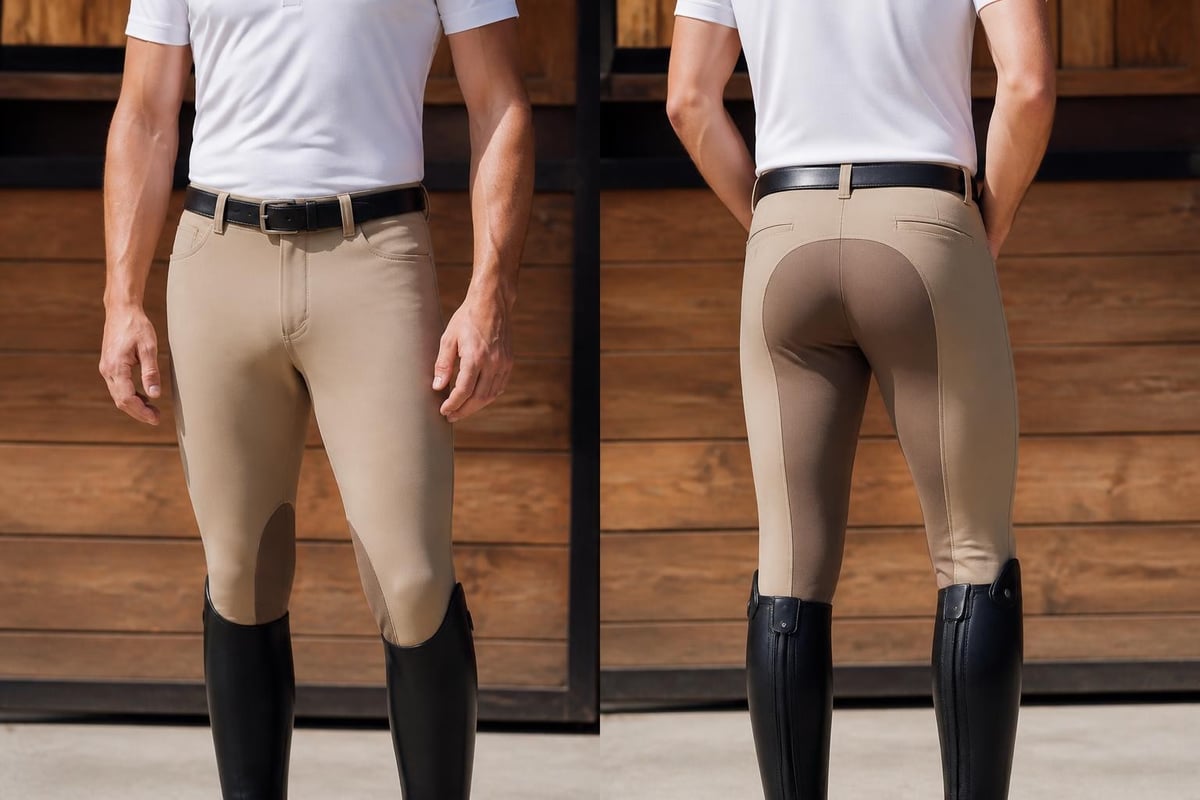
Knee patches or full seats provide additional grip and protection. The best implementations position these reinforcements precisely where your leg contacts the saddle, offering security without restricting movement. Leather patches deliver traditional aesthetic appeal and excellent grip, whilst synthetic alternatives often prove more durable and easier to maintain. Some modern designs skip visible patches entirely, incorporating technical grip materials into the fabric itself for a cleaner look that performs equally well.
Performance Features Worth Prioritising
Beyond basic construction and fit, several performance features separate adequate riding pants from the best horse riding pants available in 2026. These details might seem minor initially but prove their worth during actual riding.
Pocket Design and Placement
Functional pockets that don't interfere with your riding position add genuine utility. Front slash pockets should angle slightly to prevent items from falling out when you lean forward. Back pockets, if included, work best with secure closures - zips or buttons rather than open tops that allow your phone or keys to disappear into arena footing.
Some designs eliminate back pockets entirely, reducing bulk beneath you in the saddle. This cleaner approach suits riders who prefer carrying essentials elsewhere. Others incorporate discreet phone pockets with secure closures positioned where your device won't dig into your thigh when mounted.
Closure Systems
Traditional button flies offer timeless style and reliable security. Zip flies with sturdy YKK or similar quality closures provide quick convenience. Some premium designs now feature hook-and-bar closures borrowed from women's riding wear, delivering a streamlined front profile without visible buttons or zip teeth. Choose based on your preference, but prioritise quality hardware that won't fail when you're already at the yard.
Ankle Design Options
Full-length pants with stirrup straps keep everything in place beneath tall boots. Elastic ankle cuffs work well with paddock boots, preventing fabric from riding up your leg. Some modern designs feature neither, relying instead on careful leg taper and silicone grip strips to maintain position. Each approach has merit depending on your riding discipline and boot choice.
Selecting for Your Riding Discipline
Different equestrian disciplines place varying demands on your riding wear. The best horse riding pants for dressage might not suit cross-country riding, and what works for casual hacking could prove inadequate for serious competition.
Dressage and Flatwork
Dressage demands impeccable presentation alongside functional performance. Full-seat designs provide maximum contact with your saddle, helping you maintain consistent position through complex movements. Darker colours - navy, black, charcoal - remain traditional choices that complement formal dressage attire requirements.
Fabric with moderate compression supports proper posture without restricting movement. Look for designs that maintain a sleek silhouette whilst offering enough structure to help you sit correctly. The understated elegance expected in dressage arenas means avoiding excessive embellishments or bold design elements.
Jumping Disciplines
Show jumping and eventing favour knee-patch designs that allow greater freedom of movement in your hip and thigh. When you're out of the saddle over fences, full-seat designs can actually hinder your movement. Lighter colours sometimes appear in show jumping classes, though navy and earth tones remain most popular.
Reinforced inner leg panels and knees withstand the increased friction from half-seat riding. Fabrics with excellent shape retention prevent sagging knees after repeated jumping sessions. Many riders appreciate designs with slight compression through the lower leg, providing support during landing impact.
Trail and Western Disciplines
Trail riding and western disciplines often favour more relaxed fits with greater range of motion. Some western riders prefer jeans specifically designed for riding, whilst others opt for technical riding pants with western styling cues. Understanding the versatility required in equestrian attire helps when selecting pants that transition easily from stable to saddle to social settings.
Durability becomes paramount for long trail rides through varied terrain. Look for reinforced seat and inner leg construction that withstands hours of contact with western saddles. Breathable fabrics prove essential during summer trail rides, whilst heavier-weight options suit cooler weather adventures.
Weather Adaptability Considerations
British weather demands riding wear that performs across varied conditions. The best horse riding pants for year-round riding often come from carefully building a seasonal wardrobe rather than seeking one perfect pair.
Summer riding requires maximum breathability. Lightweight fabrics rated below 200 GSM with moisture-wicking properties keep you comfortable during warm weather sessions. Some designs incorporate mesh panels at the inner thigh or behind the knee, increasing airflow without compromising durability where it matters. Lighter colours reflect heat better than dark alternatives, though they show dirt more readily.
Winter riding calls for insulated options or layering strategies. Technical base layers worn beneath your riding pants trap warmth whilst wicking moisture away from your skin. Some premium riding pants now feature brushed interior fleeces or thermal linings that add warmth without bulk. These typically work best for lower-intensity riding - during vigorous schooling sessions, you might overheat even in winter.
Wet weather performance depends largely on fabric treatment. Many modern riding pants include DWR (Durable Water Repellent) coatings that cause water to bead and roll off rather than soaking through. This treatment eventually wears off but can be reapplied with readily available products. For truly wet conditions, consider pants with reinforced water resistance or pair standard riding pants with quality waterproof riding jackets that provide adequate coverage.
Style Transitions Beyond the Stable
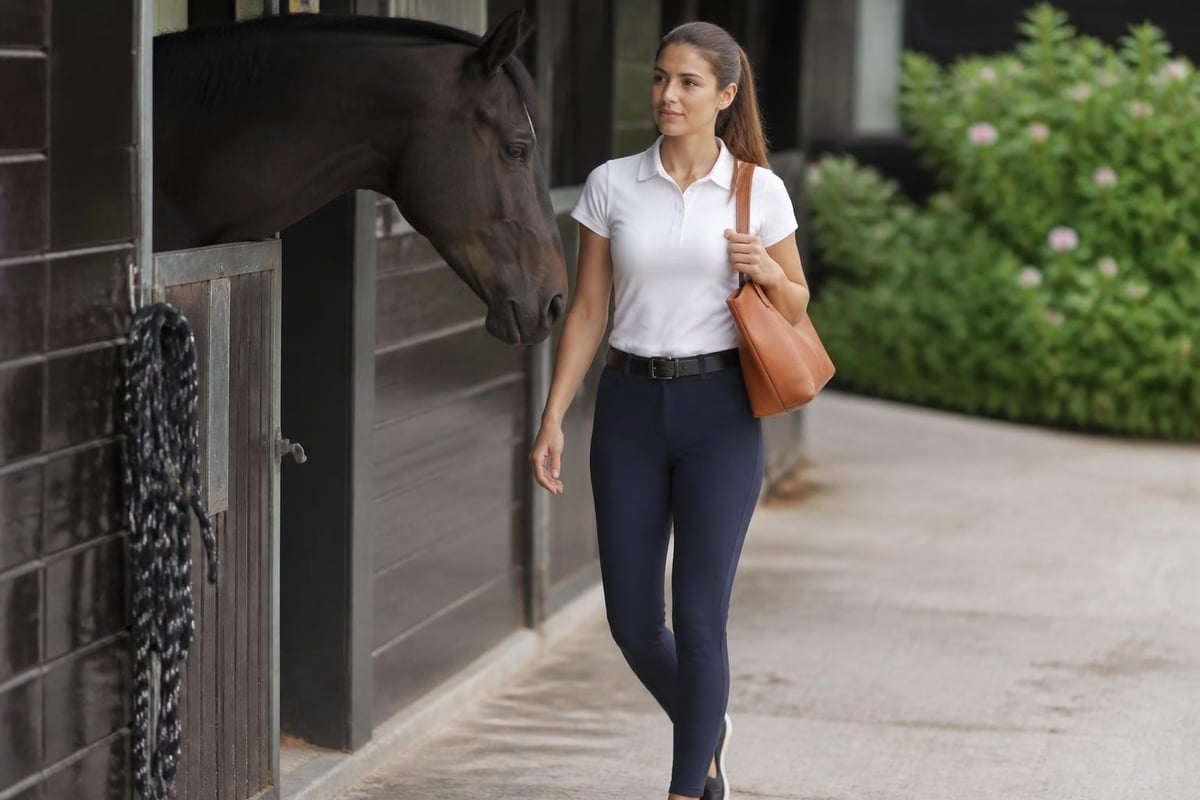
Modern riders expect their kit to perform well beyond the arena. The best horse riding pants now bridge the gap between technical riding wear and everyday casual trousers, letting you move seamlessly from stable to coffee shop without looking out of place.
Clean silhouettes without obvious branding or excessive embellishments pass easily in casual settings. Navy, charcoal, and olive tones pair naturally with everyday shirts and jumpers, whilst still meeting requirements in most riding environments. This versatility matters particularly for riders who visit the yard before work or during lunch breaks.
Technical fabrics that resist odour development prove invaluable when you can't change immediately after riding. Modern antimicrobial treatments embedded in quality riding pants prevent the musty smell that plagued older designs, meaning your pants remain fresh enough for post-ride errands.
Strategic pocket placement and closure systems that mirror casual trouser design help riding pants blend into civilian settings. When your riding pants feature the same clean front profile as quality chinos, they attract no attention off-horse. This subtle performance-wear aesthetic defines modern equestrian fashion for men who value both function and discretion.
Care and Longevity Practices
Extending the life of your riding pants requires proper care from day one. Quality construction deserves quality maintenance, and several straightforward practices dramatically improve how long your investment performs well.
Always check care labels before first wash. Most technical riding pants prefer cold water and gentle cycles. Hot water can break down elastic fibres and damage technical coatings applied to fabrics. Turn pants inside out before washing to protect exterior surfaces and any silicone grip elements.
Skip fabric softeners entirely. They coat technical fibres, reducing their moisture-wicking abilities and compromising breathability. Softeners also break down elastic components over time, leading to premature stretching and shape loss. Your riding pants will maintain their performance characteristics far longer without these additives.
Air drying preserves fabric integrity better than machine drying. Heat from dryers accelerates wear on elastic components and can shrink even pre-shrunk fabrics slightly over repeated cycles. Hanging your riding pants to dry also prevents the permanent creasing that sometimes occurs in tumble dryers.
Address stains promptly rather than letting them set. Horse saliva, arena dust, and stable grime all become harder to remove the longer they remain on fabric. A quick spot treatment before washing prevents permanent discolouration. For stubborn stains, specific enzyme-based cleaners designed for athletic wear often prove more effective than standard detergents.
Store riding pants properly between uses. Hanging them prevents permanent creasing and allows any residual moisture to evaporate fully. Folding can create stress points in fabric, particularly around knees where compression already occurs during riding. Proper storage maintains your pants' shape and appearance season after season.
Investment Versus Value Calculations
Price tags on the best horse riding pants vary considerably. Understanding what drives these differences helps you invest wisely rather than simply buying expensively.
Budget options typically start around £40-60, offering basic functionality without advanced features. These serve adequately for occasional riders or those just starting out. However, fabric quality, construction details, and durability generally lag behind premium alternatives. For riders who mount up several times weekly, budget pants often prove false economy - wearing out quickly enough that frequent replacement costs more than investing in quality initially.
Mid-range selections between £80-120 represent the sweet spot for most regular riders. This category includes well-constructed pants from reputable manufacturers using quality fabrics and thoughtful design. You'll find proper reinforcement, decent hardware, and fabrics that maintain their performance through a full season of regular riding. Gallant Equestrian's approach to creating performance-driven riding wear at accessible price points exemplifies what this category offers when done properly.
Premium options exceeding £150 deliver cutting-edge fabrics, innovative design features, and typically superior construction throughout. These investments make sense for competitive riders or those who simply prefer the best available. Advanced moisture management, superior shape retention, and thoughtful details like reinforced phone pockets justify higher prices for riders who appreciate these refinements.
Consider cost-per-wear rather than purchase price alone. A £120 pair that lasts three seasons of regular riding costs roughly 15p per ride if you mount up twice weekly. A £50 pair needing replacement after six months costs more in the long run whilst delivering inferior performance throughout its shorter lifespan.
Common Mistakes to Avoid
Even experienced riders sometimes stumble when selecting new riding pants. Awareness of common pitfalls helps you invest successfully from the start.
Buying based solely on appearance leads many astray. Stylish design means nothing if the pants don't perform well in actual riding conditions. Prioritise function first, then choose the best-looking option from amongst pants that meet your performance requirements. Technical specifications might seem boring compared to aesthetic details, but they determine whether your pants actually work when you're in the saddle.
Ignoring fit in favour of size tags causes problems. Sizing varies significantly between manufacturers - a 32 from one brand might fit quite differently than a 32 from another. Always consult specific size charts and measure yourself according to provided guidelines. When possible, try pants on before purchasing or order from retailers with straightforward return policies.
Overlooking material composition proves particularly problematic. Not all technical fabrics perform identically, and some riders develop preferences based on how different blends feel during actual riding. Reading detailed material breakdowns helps you understand what you're actually buying rather than relying on vague marketing terms.
Failing to consider your complete riding wardrobe leads to poor integration. Your new pants should work properly with your existing boots, chaps if you use them, and upper-wear layers. A brilliant pair of riding pants that doesn't coordinate with anything else you own serves poorly in practice.
Neglecting seasonal requirements causes frustration. Riders in temperate climates benefit from maintaining at least two pairs - one for warm weather, another for cooler conditions. Trying to make one pair serve year-round typically means being too warm in summer or too cold in winter, compromising your comfort and performance.
Sizing Guidance for Men
Men's riding pants sizing deserves particular attention, as proportions differ significantly from women's designs. Proper fit in a men's cut requires different measurements and considerations.
Waist measurement forms your starting point, but it's not the whole story. Measure around your natural waist where you'd typically wear trousers, not where low-rise jeans might sit. Compare this measurement against manufacturer size charts, noting whether they run true to size or tend toward generous or slim fits.
Hip and thigh proportions matter considerably for male riders. Men typically carry less mass through hips relative to waist than women do, and quality men's riding pants account for this difference. Designs cut properly for men's proportions sit comfortably at the waist without gaping at the back or binding across the thighs.
Inseam length affects both comfort and appearance. Standard, long, and short options accommodate different heights within the same waist size. Measure your inseam accurately rather than guessing based on your jean size - riding pants often need slightly different lengths than casual trousers, particularly if you wear tall boots.
Rise measurement determines how the pants sit on your body. Modern men's riding pants typically feature mid-rise designs that provide adequate coverage without feeling restrictive. Low-rise styles can gap uncomfortably when you're in riding position, whilst high-rise designs might feel overly formal for contemporary preferences.
Building Your Riding Pants Rotation
Smart riders maintain multiple pairs in their rotation rather than relying on a single favourite. This approach extends the life of each pair whilst ensuring you always have appropriate options available.
Start with two quality pairs in your most-worn style and colour. This baseline lets you rotate pants rather than wearing the same pair constantly, reducing wear and allowing proper time for washing and drying between uses. Navy and charcoal remain versatile choices that suit most riding contexts.
Add seasonal variations as budget allows. A lightweight summer pair and an insulated winter option expand your comfort range throughout the year. This investment pays dividends during extreme weather when appropriate riding wear makes the difference between enjoying your ride and merely enduring it.
Consider discipline-specific options if you participate in varied riding activities. A full-seat pair for flatwork and a knee-patch design for jumping, for instance, optimises your comfort and performance across different riding styles. This specialisation becomes more worthwhile the more seriously you pursue each discipline.
Keep at least one pair designated for stable work and schooling, separate from competition or nice-event pants. This practical approach preserves your best pants for occasions when appearance matters whilst giving you freedom to work hard in everyday pairs without worrying about stains or scuffs. Many riders find that previously favoured pairs, once relegated to yard-work duty, continue serving reliably for years in this less demanding role.
The 2026 Riding Pants Landscape
Today's market offers more options for male riders than ever before. Understanding what's available helps you navigate choices confidently.
Direct-to-consumer brands now compete effectively with traditional equestrian retailers. By eliminating middleman markup, these companies offer quality construction at more accessible prices. Many focus specifically on underserved segments like men's riding wear, bringing fresh design perspectives to categories long dominated by women's options.
Sustainable manufacturing gains traction across the industry. Recycled polyester, responsibly sourced materials, and transparent production practices appeal to environmentally conscious riders. These considerations needn't compromise performance - many eco-friendly fabrics now match or exceed conventional alternatives in durability and function. Brands like Tinc demonstrate how sustainable principles can drive product development across lifestyle categories, a philosophy increasingly adopted in riding wear.
Customisation options expand accessibility for riders whose proportions don't match standard sizing. Some manufacturers now offer made-to-measure services, creating riding pants tailored precisely to your measurements. Whilst more expensive than off-the-rack options, custom pants eliminate fit compromises that plague riders with athletic builds, particularly tall proportions, or other non-standard measurements.
Technology integration appears in premium offerings, with some pants incorporating biometric monitoring or temperature-regulating fabrics. These innovations remain niche currently, but they signal directions the industry continues exploring. For most riders, proven fundamentals still matter more than cutting-edge features - proper fit, quality construction, and appropriate materials deliver better results than gimmicky additions.
Making Your Final Selection
Armed with understanding of what makes the best horse riding pants, your selection process becomes straightforward. Define your priorities clearly before shopping, then evaluate options against these criteria.
Your riding frequency and intensity inform appropriate quality levels. Daily riders benefit from premium construction that withstands constant use. Weekend riders can often achieve excellent results from mid-range options that balance performance and price effectively. Occasional riders might find budget alternatives adequate for their limited demands.
Discipline requirements narrow your field considerably. Competition rules in your chosen discipline might mandate specific styles or colours. Even without formal requirements, certain designs simply work better for particular riding styles. Match your selection to your actual riding activities rather than aspirational disciplines you rarely pursue.
Climate conditions where you ride establish essential performance characteristics. Year-round outdoor riders in wet climates prioritise weather resistance differently than those riding primarily in indoor arenas. Consider your most challenging typical conditions rather than occasional extremes when selecting your primary riding pants.
Personal style preferences matter more than some traditionalists acknowledge. Modern riding wear successfully balances technical performance with contemporary aesthetics. You needn't sacrifice function for style or accept dowdy design in pursuit of quality. The best options deliver both, letting you feel confident in the saddle and beyond.
Budget realities shape final decisions but shouldn't force false economies. Investing in fewer pairs of better quality typically serves you better than accumulating multiple mediocre options. Quality riding pants from manufacturers focused on performance-driven design reward your investment with years of reliable service. They maintain their appearance, hold their shape, and continue performing through countless rides when properly cared for.
Beyond technical specifications and practical considerations, trust your instincts about comfort. If pants feel restrictive or uncomfortable when you're trying them on, they won't improve once you're in the saddle. Quality riding pants should feel like a second skin - supportive where needed, flexible where movement matters, and so comfortable you barely notice you're wearing them.
The best horse riding pants combine technical performance, proper fit, and lasting construction in designs that work as hard as you do. Whether you're schooling movements, clearing fences, or simply enjoying time with your horse, the right riding pants support your performance whilst looking sharp enough for anywhere your day takes you. At Gallant Equestrian, we've built our reputation creating exactly this calibre of men's riding wear - performance-driven pieces designed in New Zealand that transition seamlessly from stables to everyday life. Proper riding pants make every ride better. Look the Part. Enjoy the Ride.

