

Dressage Wear: The Complete Guide for Men in 2026
Feb 26, 2026
Dressage remains one of the most refined disciplines in equestrianism, where precision meets elegance in every movement. The clothing you wear in the arena reflects this same standard of excellence. Whether you're preparing for your first affiliated competition or refining your wardrobe for international-level events, understanding the nuances of dressage wear ensures you're always appropriately turned out. This isn't about vanity; it's about respecting the discipline's heritage while ensuring your clothing supports your performance.
Understanding Traditional Dressage Attire Standards
The formal requirements for dressage wear have evolved over centuries, shaped by military tradition and classical horsemanship. Today's standards maintain that heritage while incorporating modern materials and construction techniques.
Competition Level Requirements
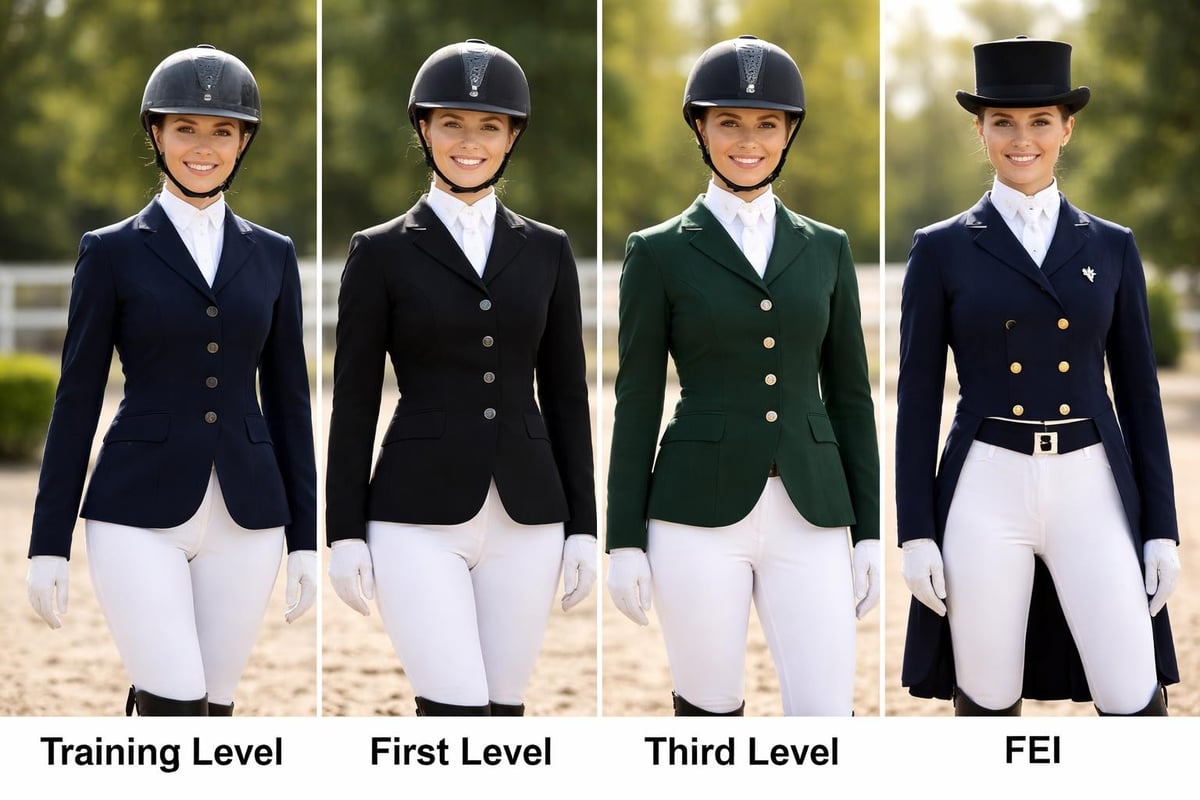
Different competition levels demand specific attire standards. At lower levels, riders enjoy more flexibility with dark jackets and conservative shirts. As you progress through the grades, expectations become more stringent.
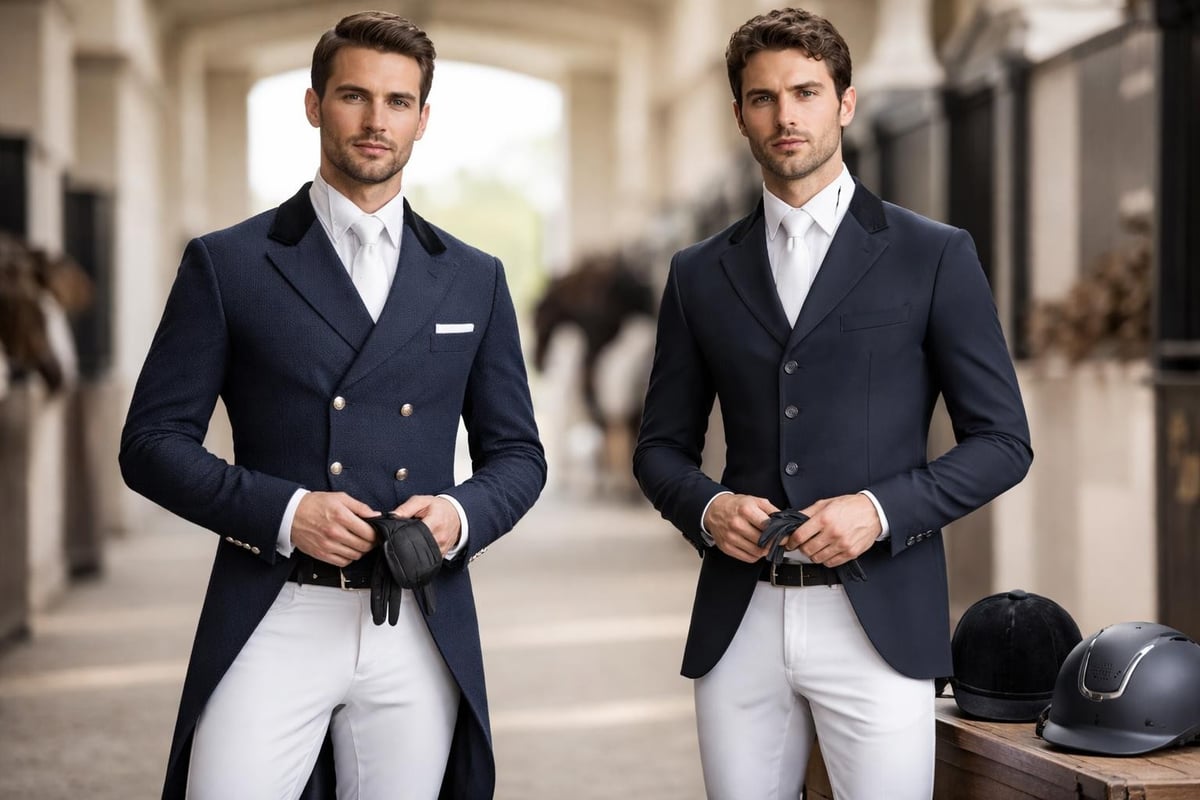
Training through Second Level competitions typically allow dark coats with matching breeches. Third and Fourth Levels introduce shadbelly coats for certain tests, though traditional dark jackets remain acceptable. At FEI levels, the shadbelly becomes standard, paired with white breeches and top hat.
Understanding what constitutes appropriate dressage attire helps you navigate these requirements with confidence. The rules exist to maintain the discipline's formal character, but they're not designed to be intimidating.
The Core Components
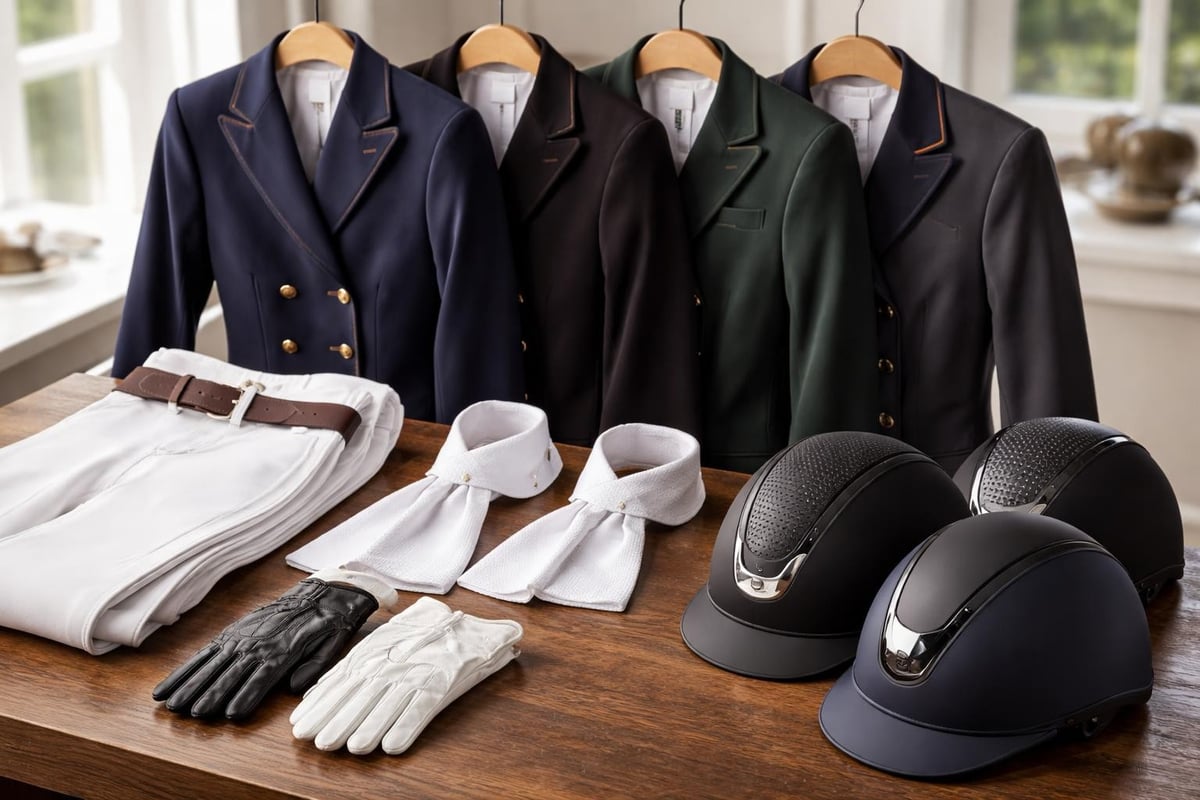
Every dressage outfit builds from the same essential pieces. Your jacket sets the tone, whether it's a conservative dark coat or a formal shadbelly. Beneath it, your show shirt must feature long sleeves and a collar suitable for a stock tie.
Breeches form the foundation of your riding kit. White or light-colored breeches suit higher-level competitions, while dark breeches work perfectly for training levels. The fit matters enormously. Too tight restricts movement; too loose creates bulk and wrinkles.
Tall boots in black leather complete the traditional silhouette. They should be well-fitted, polished, and in excellent condition. Short boots with gaiters may be acceptable at lower levels, but tall boots remain the gold standard.
Modern Performance Standards in Dressage Wear
Contemporary dressage wear balances tradition with technical innovation. The best pieces honor classical aesthetics while incorporating performance fabrics and ergonomic design.
Fabric Technology
Today's competition jackets use lightweight, breathable materials that regulate temperature without sacrificing structure. Technical four-way stretch fabrics move with your body, maintaining the crisp lines expected in the arena while allowing unrestricted movement through your shoulders and back.
Your show shirt needs moisture-wicking properties. Sitting the trot for extended periods generates heat, and traditional cotton simply can't manage perspiration effectively. Modern performance fabrics pull moisture away from your skin, keeping you comfortable and presentable throughout your test.
The same principles apply to breeches. Technical fabrics with strategic stretch zones support your position while preventing the fabric fatigue that leads to saggy knees and seat. Quality construction includes reinforced stitching and flatlock seams that won't chafe during long sessions.
Cut and Construction
Proper fit distinguishes adequate dressage wear from exceptional pieces. Your jacket should sit smoothly across your shoulders with sleeves that reach your wrist bone when your arms hang naturally. The body should be fitted without pulling, allowing you to maintain proper riding posture.
Show shirts require careful attention to collar construction and sleeve length. The collar must accommodate your stock tie without gapping or bunching. Sleeves should extend to your wrist, remaining hidden beneath your jacket cuffs during your test.
For breeches, understanding the breakdown of different styles and fits helps you select pieces that enhance rather than hinder your riding. Mid-rise waistbands prevent gaps when you're in the saddle, while ergonomic knee patches or full seats provide grip without bulk.
Navigating Official Competition Guidelines
Each governing body maintains specific rules regarding acceptable dressage wear. Familiarizing yourself with these standards prevents last-minute wardrobe emergencies at the showground.
British Dressage Standards
British Dressage rules provide clear guidance on acceptable attire for affiliated competitions. Dark jackets in navy, black, or dark grey remain standard through most levels. Shadbellies in black or navy become appropriate at higher levels.
Stock ties must be white, cream, or pale colors, fastened with a plain pin. Shirts should be white or very pale colors with long sleeves. Gloves are mandatory, typically in white or colors matching your breeches.
International FEI Requirements
FEI guidelines govern international competitions, setting standards that national federations often adopt. These rules specify acceptable jacket styles, permitted colors, and required accessories with precision.
Headwear must meet current safety standards. Traditional top hats suit FEI-level competitions when worn with shadbellies, but safety remains paramount. Many riders now choose helmets that meet ASTM or equivalent standards, even when top hats are permitted.
USEF Specifications
United States Equestrian Federation rules outline American competition standards. These align broadly with FEI guidelines while allowing some flexibility at lower levels.
Dark jackets remain standard through Fourth Level, with conservative colors and traditional styling required. Shadbellies become appropriate at Third Level and above. Breeches in white, light grey, or canary suit higher levels, while darker colors work for training through second level.
Building a Versatile Dressage Wardrobe
Smart riders build wardrobes that serve multiple purposes, from daily training to championship-level competition. This approach maximizes value while ensuring you're always appropriately dressed.
Essential Competition Pieces
Start with one excellent show jacket that meets your current competitive level. If you're riding Training through Second Level, invest in a well-fitted dark jacket in navy or black. The right piece will serve you for years, justifying the investment.
Two pairs of quality show breeches give you rotation between competitions and laundering. White or light-colored breeches suit higher-level tests, while dark breeches work perfectly for everyday schooling and lower-level shows.
Multiple show shirts ensure you always have a fresh option. Choose styles that work with stock ties, featuring appropriate collars and cuff lengths. Technical fabrics that wash well and resist wrinkles simplify show preparation.
Training Alternatives
Your competition wear deserves protection from daily training wear. Schooling jackets in similar cuts but more forgiving fabrics let you practice your test in appropriate attire without wearing out your show piece.
Training breeches should mirror your show breeches in fit and feel, allowing your body to maintain consistent muscle memory. Choose darker colors that hide arena dust and stable grime, reserving your light competition breeches for actual shows.
Technical base layers and performance shirts keep you comfortable during training sessions. These pieces bridge the gap between casual riding wear and formal competition attire, suitable for clinics and schooling shows.
The Details That Matter
Accessories complete your dressage wear, and attention to these smaller items demonstrates your commitment to proper turnout.
Stock Ties and Neckwear
The stock tie represents one of dressage's most traditional elements. This formal neckwear requires practice to tie correctly, creating a neat, symmetrical knot secured with a simple pin.
Pre-tied stock ties offer convenience, though traditional riders often prefer hand-tied versions for their cleaner appearance. Either way, your stock tie should sit neatly beneath your collar without bunching or gapping.
The stock pin serves both practical and aesthetic purposes. Choose simple, elegant designs in gold or silver. Elaborate or novelty pins distract from the overall picture you're presenting.
Gloves and Small Leather Goods
Competition gloves must be clean and in good repair. White gloves suit most levels, though some riders prefer colors matching their breeches. The fit should be snug without restricting finger movement or circulation.
Your belt, if visible, should be discrete and match your boots. Many modern breeches feature elastic waistbands that eliminate the need for belts, creating cleaner lines under your jacket.
Spurs, when required, should be appropriate to your level and properly fitted to your boots. Clean, polished spurs demonstrate attention to detail that judges notice.
Boots and Boot Care
Tall boots require regular maintenance to perform well and look sharp. Quality leather boots develop character over time, but only when properly cared for. Regular cleaning, conditioning, and polishing keep them supple and presentable.
Boot trees maintain shape between wears, preventing the ankle collapse that makes boots difficult to pull on. Keep your competition boots reserved for shows, using schooling boots for daily training.
Consider having both field boots with laces and dress boots without. Field boots suit show jumping and cross-country phases, while dress boots remain the dressage standard. If you're focusing solely on dressage, dress boots are your priority.
Balancing Tradition with Contemporary Style
Modern dressage wear respects classical traditions while embracing contemporary manufacturing techniques and style sensibilities. This balance creates clothing that honors the discipline's heritage without sacrificing performance or comfort.
Classic Cuts in Modern Fabrics
The silhouette of proper dressage wear remains remarkably consistent with historical standards. Fitted jackets, tall boots, and formal neckwear echo centuries of equestrian tradition. What's changed is what these garments are made from and how they're constructed.
Technical fabrics that didn't exist twenty years ago now create jackets that look traditionally tailored while moving like activewear. Four-way stretch materials maintain crisp lines without the stiffness of older fabrics.
Breeches benefit enormously from modern materials. Traditional breeches in cotton or wool required careful sizing and often felt restrictive. Contemporary breeches in technical blends offer superior comfort and durability while maintaining the classic aesthetic.
Color and Personal Expression
While dressage wear follows strict color guidelines, subtle personal expression remains possible within these constraints. The shade of your navy jacket, the finish on your boots, the style of your stock pin all allow individual choice.
Some competitions permit colored browbands, gloves, or saddle pads, offering additional opportunities for personalization. Always verify rules for your specific competition before introducing color beyond the standard palette.
Practical Considerations for Active Riders
Dressage wear must perform under real riding conditions. Pretty clothing that fails functionally wastes money and undermines your confidence in the arena.
Weather Adaptability
British weather demands versatile clothing solutions. Your show jacket should layer comfortably over base layers when temperatures drop, without creating bulk or restricting movement.
Summer competitions present different challenges. Lightweight, breathable fabrics become essential, particularly for jackets and show shirts. Moisture-wicking properties prevent the discomfort and distraction of sweat-soaked clothing.
Rain gear that fits over show clothing protects your investment during wet weather warm-ups. Choose pieces that remove easily without disturbing your carefully assembled outfit underneath.
Durability and Care
Quality dressage wear represents significant investment. Proper care extends garment life and maintains appearance between replacements.
Show jackets benefit from professional cleaning, though excessive cleaning damages fabric. Spot-clean minor marks and air garments between wears. Store jackets on proper hangers that support shoulder shape.
Breeches wash more frequently but still deserve careful handling. Turn them inside out, use gentle cycles, and avoid high heat drying that damages elastic and technical fibers. Many riders hand-wash show breeches to preserve their appearance.
Your show boots need cleaning after each use. Remove dirt and sweat promptly, apply appropriate conditioners, and polish regularly. Well-maintained boots last years, developing the kind of patina that distinguishes experienced competitors.
Sourcing Quality Pieces
Finding dressage wear that balances quality, fit, and value requires knowing where to look and what to prioritize.
Evaluating Quality
Construction quality shows in details. Examine stitching for consistency and security. Check that seams align properly and that fabric grain runs true. Quality garments feature finished seams, secure buttons, and reinforcement at stress points.
Fabric quality affects both appearance and durability. Better materials resist pilling, maintain color, and recover their shape after washing. They feel substantial without being heavy, and they drape naturally rather than bunching or pulling.
Fit trumps brand names. The most expensive jacket performs poorly if it doesn't fit your body properly. Similarly, moderately priced pieces that fit well serve you better than premium items that require extensive alterations.
Investment Priorities
Build your wardrobe strategically, prioritizing pieces that deliver the most value. Start with properly fitted breeches, as these affect your riding comfort and effectiveness directly.
Your show jacket comes next, followed by appropriate shirts and accessories. Boots represent another major investment, but quality tall boots last for years when properly maintained.
Understanding how different riding clothes brands approach men's equestrian clothing helps you make informed purchasing decisions. Some brands specialize in traditional styling, while others push performance boundaries. Choose brands whose values align with your priorities.
The Bigger Picture of Presentation
Dressage wear forms part of a larger presentation that includes your horse's turnout, your tack condition, and your overall ring presence. Everything should work together to create a polished impression.
Coordinating Your Turnout
Your clothing should complement rather than compete with your horse. Clean, well-fitted tack in good repair matches the standard set by your attire. Your horse should be impeccably groomed, with mane, tail, and coat in show condition.
Color coordination between your saddle pad, breeches, and other accents creates visual harmony. Avoid introducing too many competing elements that draw the judge's eye away from your horse's movement and your riding.
Confidence Through Preparation
Knowing your dressage wear meets all requirements frees your mind to focus on riding. This confidence shows in your presentation and performance. Judges notice riders who appear comfortable and well-prepared.
Exploring broader equestrian fashion principles helps you understand how style and function interact in riding clothing. The best pieces make you forget you're wearing them, supporting rather than distracting from your performance.
Adapting Standards for Different Venues
While competition dressage wear follows strict guidelines, training and casual riding allow more flexibility in interpretation.
Schooling Show Attire
Unaffiliated competitions often relax formal requirements while maintaining general standards of neatness and appropriateness. Dark jackets remain standard, but shadbellies rarely appear. Breeches in any conservative color work well.
These venues offer opportunities to test new clothing combinations before committing to championship-level shows. You can verify fit, comfort, and functionality without the pressure of strict judging standards.
Training Session Standards
Daily schooling doesn't require full show attire, but maintaining certain standards benefits your riding. Training in breeches similar to your show pair helps your body maintain consistent position and feel.
Polo shirts or technical riding shirts replace formal show shirts during schooling. Jackets designed for training and everyday riding provide weather protection without the formality of show coats.
The goal is clothing that supports proper riding position and movement while withstanding the rigors of daily training. Reserve your formal dressage wear for actual competitions, protecting your investment while maintaining appropriate standards during regular riding.
Dressage wear combines centuries of tradition with modern performance requirements, creating a distinctive aesthetic that serves both form and function. When you understand the standards, invest in quality pieces, and maintain them properly, your wardrobe supports your riding goals while respecting the discipline's heritage. Gallant Equestrian creates performance-driven clothing that transitions seamlessly from competition arenas to daily training, with pieces designed specifically for men who take their riding seriously. Our collection delivers the quality, fit, and functionality you need to ride with confidence. Look the Part. Enjoy the Ride.

