

Equestrian Outfit Men: A Complete Guide to Riding Style
Oct 13, 2026
Building an equestrian outfit men can depend on requires more thought than simply pulling on jeans and boots. Whether you're preparing for your first lesson, training regularly, or stepping into the show ring, your clothing plays a vital role in safety, comfort, and performance. The right pieces allow freedom of movement whilst protecting you from the elements and potential falls, all without sacrificing the refined, functional aesthetic that defines serious riders. Understanding what works-and why-transforms how you ride and how you feel in the saddle.
Foundation Pieces Every Rider Needs
The core of any equestrian outfit men wear starts with breeches or jodhpurs. These aren't fashion statements; they're engineered for the saddle. Purpose-built riding trousers feature reinforced knee patches or full-seat grips that prevent slipping, flat seams that eliminate chafing during long rides, and stretch fabrics that move with you rather than against you. Traditional beige and navy remain staples, but charcoal, olive, and black now offer versatility for riders who value understated style.
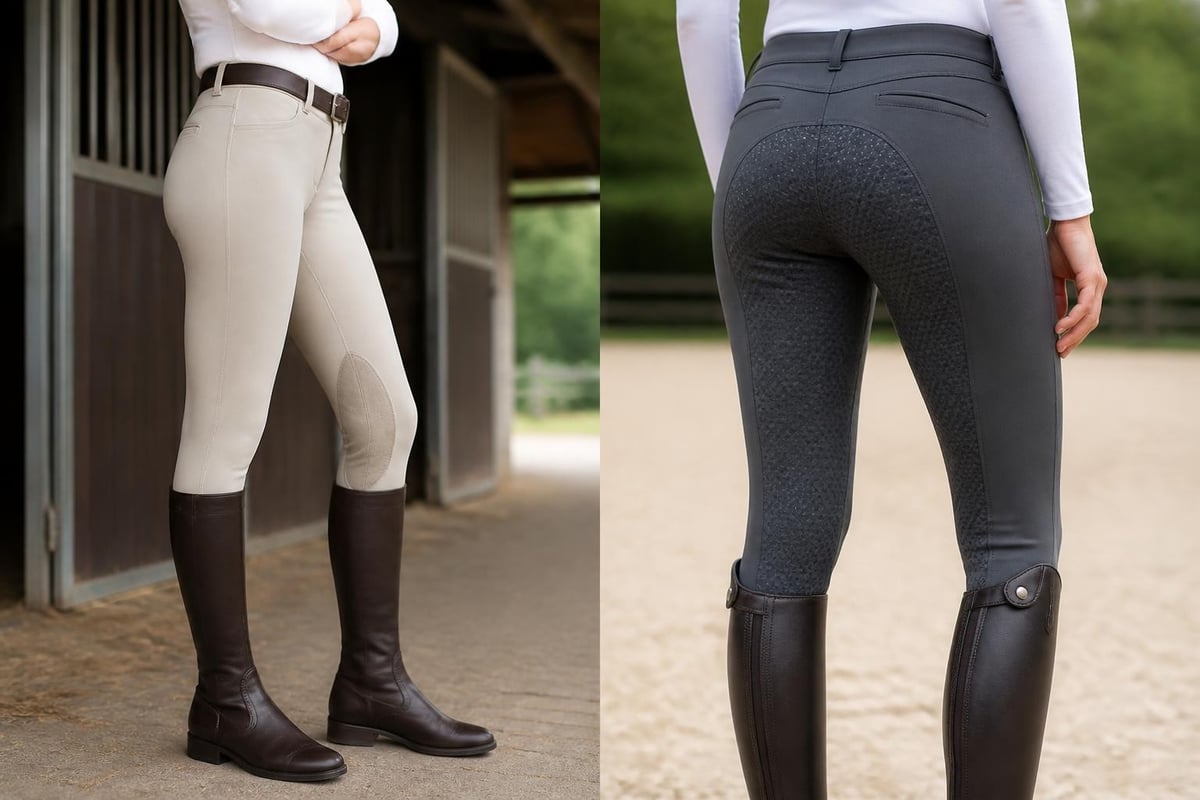
Your choice between knee-patch and full-seat breeches often comes down to discipline and personal preference. Knee-patch designs offer breathability and work well for general riding and jumping, whilst full-seat breeches provide maximum grip for dressage and longer sessions. Modern technical fabrics wick moisture and regulate temperature, which research confirms can significantly impact rider comfort and performance during extended periods in the saddle.
Boots complete the foundation. Tall leather boots remain the traditional choice for English disciplines, offering leg protection and a polished appearance. Paddock boots paired with half chaps provide a more affordable, adaptable alternative that works just as well for training. Both options should feature a small heel to prevent your foot sliding through the stirrup-a critical safety feature that British Equestrian guidance emphasizes for beginners and experienced riders alike.
Building Your Training Wardrobe
Daily riding demands clothing that withstands the rigours of stable work whilst maintaining enough polish for impromptu lessons or unexpected guests at the yard. Your training wardrobe should balance practicality with presentation, allowing you to transition seamlessly from mucking out to mounting up.
Technical polo shirts and performance tees form the backbone of training attire. Look for moisture-wicking fabrics that manage sweat without clinging, reinforced seams that won't split when you're lifting saddles or hay bales, and cuts that don't ride up when you're mounted. Quarter-zip midlayers add versatility, providing warmth during early morning rides whilst remaining easy to shed as temperatures rise or your workout intensifies.
The right winter riding jackets for men become essential kit rather than optional extras as seasons change. Shell jackets block wind and rain whilst maintaining breathability-critical when you're generating heat through active riding. Insulated options suit colder climates, though layering generally offers more flexibility than relying on a single heavy coat. Sleeves should allow full range of motion without excess fabric bunching at the elbow or shoulder, and hems should sit long enough to cover your lower back when you're in riding position.
Safety gear deserves careful attention. Modern riding helmets meeting ASTM F1163, PAS 015, or VG1 standards provide tested protection that far exceeds older designs. Equestrian Australia's helmet guidance details the certifications recognized across major equestrian nations, helping you make informed choices about this non-negotiable piece of kit. Replace helmets after any significant impact or every five years, regardless of visible damage.
Body protectors add another layer of safety, particularly for cross-country riding, breaking young horses, or any situation with elevated risk. Modern designs balance protection with mobility, though they do require adjustment to your riding position. Start wearing one during training so competition day doesn't feel restrictive or unfamiliar.
Competition Standards and Show Ring Attire
Show attire follows established conventions that vary by discipline but share common threads of formality, tradition, and attention to detail. Understanding these expectations prevents last-minute scrambles and potential elimination for dress code violations.
Dressage Requirements
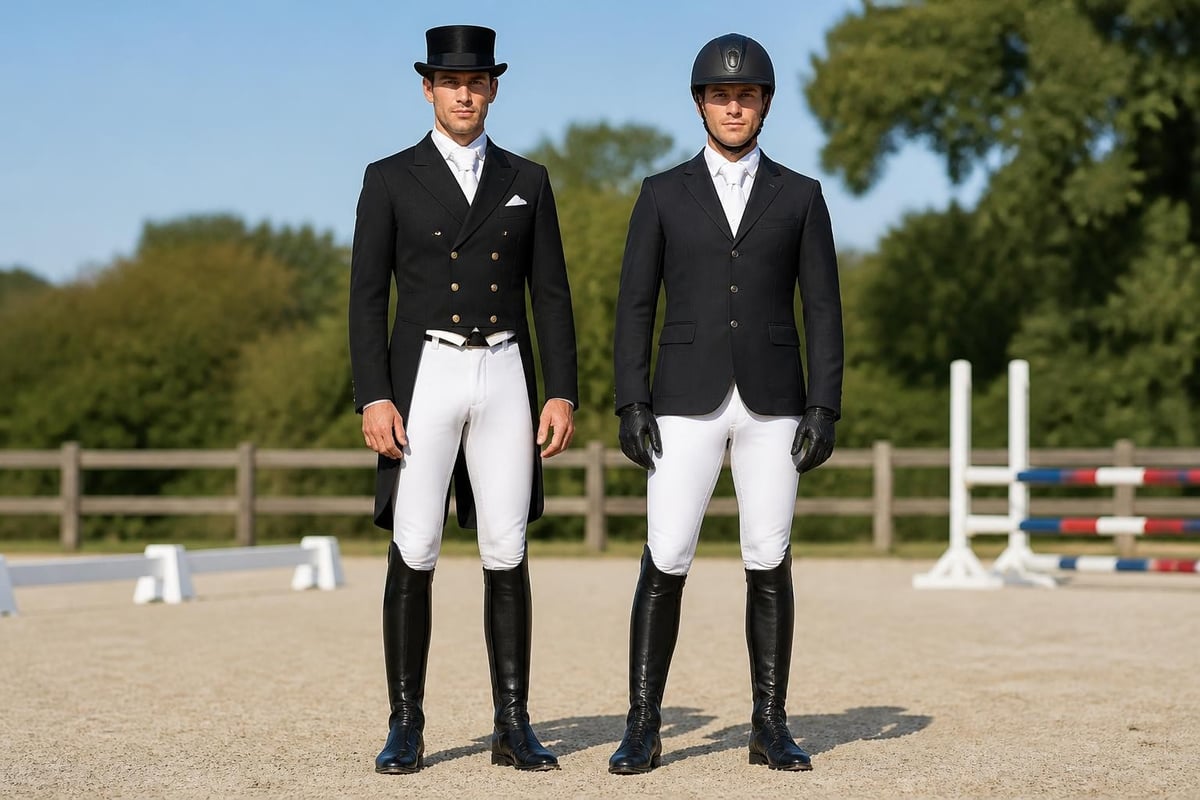
Dressage maintains the most formal standards in English riding. White or light-colored breeches remain mandatory at recognized levels, paired with a dark coat (navy, black, or occasionally grey), white competition shirt, and stock tie. Tall black boots must be polished to a mirror finish. Gloves should match your coat or breeches-brown leather gloves pair with brown boots at lower levels, whilst white or black gloves suit formal attire.
The USDF Visual Guide to Dressage Attire provides comprehensive visual references for permitted variations and level-specific requirements. Shadbelly coats become acceptable at Fourth Level and above, whilst spurs and whips follow specific length restrictions. Details matter: your stock tie must be secured with a plain pin, your helmet must meet current safety standards whilst maintaining a conservative appearance, and your overall presentation should reflect respect for the discipline's heritage.
Show Jumping Protocols
Show jumping allows slightly more flexibility whilst maintaining professional standards. Dark coats remain standard, though tweed occasionally appears at smaller shows. Breeches can include beige, grey, or white, and boots may be black or brown leather. Shirts typically feature subtle patterns or colors beneath the coat, with ties or stock ties depending on the competition level.
The USEF Rulebook details specific requirements for national competitions, including approved helmet standards, spur dimensions, and whip specifications. Casual riders often underestimate how these regulations impact equipment choices, only discovering issues during pre-show inspections.
Eventing Considerations
Eventing's three phases each carry distinct clothing requirements. Dressage follows traditional standards, cross-country demands safety equipment including body protectors and British Horse Society safety guidance, and show jumping mirrors stadium requirements. Planning for all three phases means coordinating multiple outfits, managing quick changes, and ensuring every piece meets safety regulations whilst looking sharp.
Cross-country allows more color and personal expression-brightly colored shirts help spectators and officials track riders across the course. However, your safety equipment must meet current standards, your boots must provide adequate grip and protection, and your overall turnout should reflect competitive professionalism even in the most technical terrain.
Fabric Technology and Performance Features
Modern equestrian outfit men depend on has evolved far beyond traditional cotton and wool. Technical fabrics now manage moisture, regulate temperature, and maintain shape through countless wash cycles, offering genuine performance advantages that improve comfort and concentration during long rides.
Four-way stretch materials move with your body rather than restricting it, particularly important through the hip and thigh where riding demands maximum flexibility. Flatlock seams eliminate pressure points and chafing during extended periods in the saddle. Reinforced areas at high-wear points-inside knees, seat, inner calves-extend garment life whilst maintaining appearance.
Moisture management systems wick sweat away from skin, allowing it to evaporate from outer fabric layers. Research into rider physiology confirms that thermal regulation significantly impacts performance, particularly during warm weather or intensive training sessions. Fabrics that actively cool you down aren't luxury features; they're practical tools that help maintain focus and energy throughout your ride.
Breathability varies across garments and purposes. Shell jackets prioritize weather protection whilst allowing vapor transmission, preventing the clammy buildup that occurs with fully waterproof materials. Base layers maximize airflow whilst providing modest insulation. Thermal research at the saddle interface demonstrates how fabric choices directly affect rider comfort and horse welfare, making breathable seat materials more than just a personal preference.
UV protection in technical shirts prevents sunburn during long days at shows or extended trail rides. Antimicrobial treatments reduce odor between washes-particularly valuable when you're riding multiple horses daily or spending entire days at the yard. Subtle details like these separate purpose-built riding kit from adapted athletic wear.
Seasonal Adaptations and Layering Strategies
Year-round riding demands wardrobe flexibility that accommodates dramatic temperature swings without requiring complete outfit changes. Mastering layering transforms your equestrian outfit men can wear across seasons, eliminating the need for separate winter and summer wardrobes whilst maintaining comfort and mobility.
Base Layer Principles
Thermal base layers form your first defense against cold, trapping body heat whilst wicking moisture away from skin. Merino wool offers natural temperature regulation and odor resistance, though modern synthetic alternatives dry faster and often prove more durable. Long-sleeve base layers should fit snugly without binding, allowing full arm extension whilst providing consistent warmth.
Summer base layers seem counterintuitive until you ride in them. Lightweight, moisture-wicking undershirts actually cool you down by pulling sweat away from skin and accelerating evaporation. They also prevent chafing from breeches waistbands and saddle movement-small details that significantly impact comfort during long rides.
Midlayer Options
Quarter-zip fleeces and technical sweaters provide adjustable insulation you can fine-tune throughout your ride. The Essentials Collection demonstrates how midlayers balance warmth with mobility, offering enough structure to look presentable whilst maintaining the stretch and freedom riding demands.
Gilets work particularly well in changeable weather, warming your core whilst leaving arms free for precise rein aids. They layer easily under or over jackets, pack small when not needed, and transition smoothly from stable to saddle. Choose styles with riding-specific cuts-longer backs that don't ride up, shaped shoulders that don't restrict movement, and minimal bulk that won't interfere with your position.
Outer Shell Selection
Waterproof horse riding jackets represent significant investments that pay dividends during wet rides. Look beyond basic waterproofing to features like articulated elbows, longer back panels, storm cuffs, and ventilation systems. The best shells disappear during use, moving with you rather than fighting you, keeping you dry without turning into personal saunas.
Three-season shells balance weather protection with packability, serving from cool autumn mornings through spring showers. Insulated winter jackets suit truly cold climates, though layering beneath a quality shell often provides more versatility. Consider your specific climate and riding schedule-daily riders need different features than weekend warriors, and stable management demands different durability than purely riding-focused kit.
Stable Yard Practicality
Your equestrian outfit men wear extends beyond riding to encompass the substantial time spent preparing horses, maintaining tack, and managing stable duties. Practical yard clothing balances durability against the inevitable encounters with mud, manure, and general stable grime.
Dedicated yard boots separate clean riding boots from daily stable work, preventing premature wear whilst maintaining hygiene standards. Rubber Wellington boots handle the worst conditions, whilst lightweight stable shoes suit dry weather and provide more support during extended periods on your feet. Either option should clean easily and dry quickly between uses.
Horse riding gear in Australia and similar markets demonstrates how climate and riding culture influence practical clothing choices. Stable trousers-durable, comfortable, and expendable-protect better riding breeches from daily wear whilst providing freedom of movement for physical yard work. Technical fabrics that resist water, dry quickly, and maintain shape despite repeated washing prove worth their premium over basic cotton alternatives.
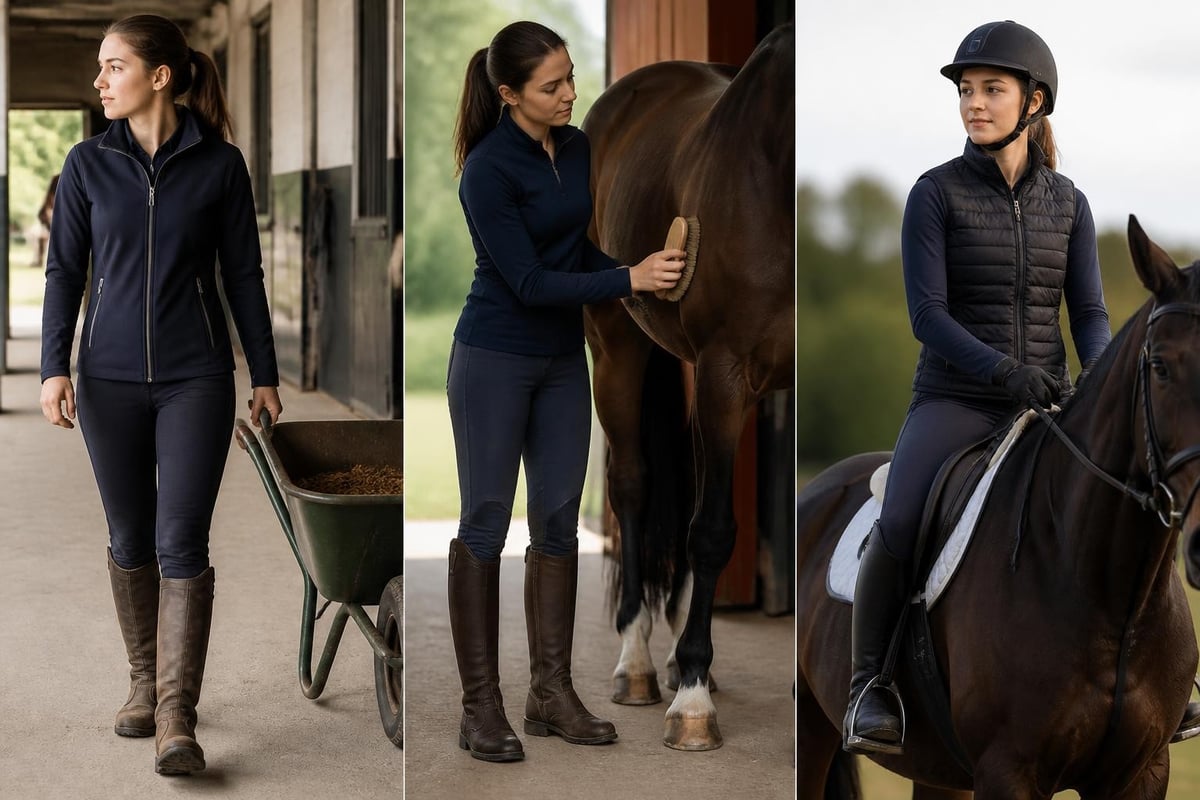
Hoodies and work shirts form the backbone of stable attire, offering warmth, practicality, and enough style to feel presentable when fellow riders arrive unexpectedly. The Sweatshirts and Hoodies collection illustrates how technical casual wear bridges the gap between pure workwear and riding kit, maintaining performance features whilst appearing relaxed and approachable.
Wardrobe Planning and Investment Strategy
Building a complete equestrian outfit men can rely on requires strategic planning rather than impulse purchases. Quality pieces purchased deliberately outlast and outperform budget alternatives bought reactively, ultimately proving more economical whilst delivering better performance.
Priority Framework
Start with safety essentials-helmet, boots with proper heels, and appropriate breeches. These non-negotiables affect your immediate riding safety and long-term comfort. Invest properly here, accepting no compromises. Budget alternatives might save money initially but often create problems that cost more to resolve than buying correctly first time.
Next, establish your training wardrobe with versatile, durable pieces that handle daily riding and stable work. Competition wear follows once you're competing regularly, as show attire sees limited use compared to training kit. This staged approach prevents overspending on formal pieces you'll rarely wear whilst ensuring daily comfort and safety.
Quality Indicators
Examine construction details before fabric or brand. Flatlock or french seams prevent chafing and unraveling. Reinforced high-stress areas-inside knees, seat, pocket openings-indicate thoughtful design and extended lifespan. Bar tacks at stress points, quality hardware on zips and snaps, and generous seam allowances all suggest garments built to last rather than built to sell.
Fabric weight and composition reveal intended use. Lightweight materials suit summer and layering, heavier weights provide structure and durability for standalone pieces. Technical blends (typically polyester or nylon mixed with elastane) offer performance advantages over pure cotton, though natural fibers have their place in base layers and casual stable wear.
Care and Maintenance
Proper care extends garment life substantially. Wash breeches inside-out in cold water, avoiding fabric softener which degrades technical fabrics and grip materials. Hang dry rather than tumble drying to prevent shrinkage and maintain elasticity. Store boots with boot trees to prevent creasing and maintain shape. Treat leather regularly with appropriate conditioners to prevent drying and cracking.
Technical jackets require specific care-close all closures before washing, use technical wash products rather than standard detergent, and reapply DWR treatments periodically to restore water repellency. These simple steps preserve performance features manufacturers engineered into the garments, protecting your investment whilst maintaining the functionality you purchased.
Style Considerations Beyond Function
Whilst performance and safety drive most decisions around equestrian outfit men choose, style remains important. The confidence that comes from looking put-together translates directly into how you carry yourself in and out of the saddle, affecting both your riding and your presence at the stable.
Classic colors-navy, charcoal, black, olive-form a cohesive wardrobe that mixes easily whilst maintaining versatility. Neutral foundations allow accent pieces to add personality without creating mismatched combinations. A well-chosen polo in a subtle pattern or a quality belt in rich leather adds visual interest whilst maintaining the understated confidence that defines good style.
Fit matters more than fashion. Properly fitted breeches sit at your natural waist, providing support without cutting into your abdomen when mounted. Sleeves should end at your wrist bone, long enough to cover your arms when reaching forward in riding position but not so long they bunch at your hands. Shoulders should lie flat without pulling or excess fabric, allowing full range of motion whilst maintaining clean lines.
Details reveal quality and attention. Subtle contrast stitching, considered pocket placement, and thoughtful colorways separate considered design from commodity production. Gallant Equestrian's Samson Collection exemplifies how performance pieces can maintain refined aesthetics without sacrificing technical functionality.
The best equestrian outfit men wear transitions smoothly from stable to street, requiring minimal adjustment whilst maintaining appropriateness for both settings. Purpose-built riding clothing that looks equally natural over coffee afterwards eliminates the need for complete wardrobe changes, streamlining your routine whilst maintaining style standards across environments.
Building Around Your Discipline
Different riding disciplines emphasize specific aspects of equestrian outfit men require, though fundamental principles remain constant. Understanding your primary focus helps prioritize purchases and avoid unnecessary pieces.
Dressage riders need formal show attire earlier in their journey, as even lower-level tests benefit from proper presentation. The emphasis on position and precision extends to clothing choices-everything should enhance rather than distract from your riding. Conservative colors, impeccable fit, and traditional styling serve you better than trends or eye-catching details.
Show jumpers can adopt slightly more relaxed training wardrobes whilst maintaining professional show standards. The dynamic nature of jumping demands clothing that moves freely and recovers quickly from the repeated half-seat position. Durability becomes paramount, as the physical demands of jumping accelerate wear on breeches and boots.
Eventers require the most varied wardrobe, covering three distinct phases with different clothing demands. Cross-country particularly demands robust, safety-focused kit that withstands potential falls and extreme weather whilst remaining comfortable during sustained physical effort. Versatility and durability outweigh style concerns here, though looking professional across all three phases remains important.
Recreational and trail riders enjoy maximum flexibility in clothing choices whilst benefiting from riding-specific designs. Comfort during extended hours in the saddle, weather protection for variable conditions, and durability against natural environments guide selections. Safety standards remain non-negotiable, but style choices can reflect personal preference more freely than formal disciplines allow.
Building an equestrian outfit men can depend on balances safety, performance, and style through thoughtful piece selection and strategic investment. From foundation breeches and boots through seasonal layers and discipline-specific show attire, every element serves both function and form. Gallant Equestrian creates performance-driven pieces that transition seamlessly from stables to everyday life, combining New Zealand design heritage with technical innovation that serves serious riders. Explore the collections to build a wardrobe that performs as well as it looks. Look the Part. Enjoy the Ride.

