

Horse Riding Shirts: The Complete Guide for Men
Mar 25, 2026
Finding the right horse riding shirts shouldn't feel complicated, yet many male riders struggle to strike the balance between performance, comfort, and style. Whether you're training at dawn, competing at the weekend, or simply want clothing that transitions seamlessly from stable to social settings, your shirt choice matters more than you might think. The right fabric moves with you. The wrong collar restricts your riding position. A well-fitted shirt enhances your silhouette in the saddle, whilst a poor one bunches, pulls, and distracts from the task at hand.
This guide covers everything you need to know about selecting horse riding shirts that actually work for the way men ride. We'll explore the technical requirements, the style considerations, and the practical decisions that separate adequate shirts from exceptional ones.
Understanding the Technical Requirements
Horse riding shirts face unique demands that standard casual shirts simply cannot meet. When you're in the saddle for hours, fabric performance becomes crucial.
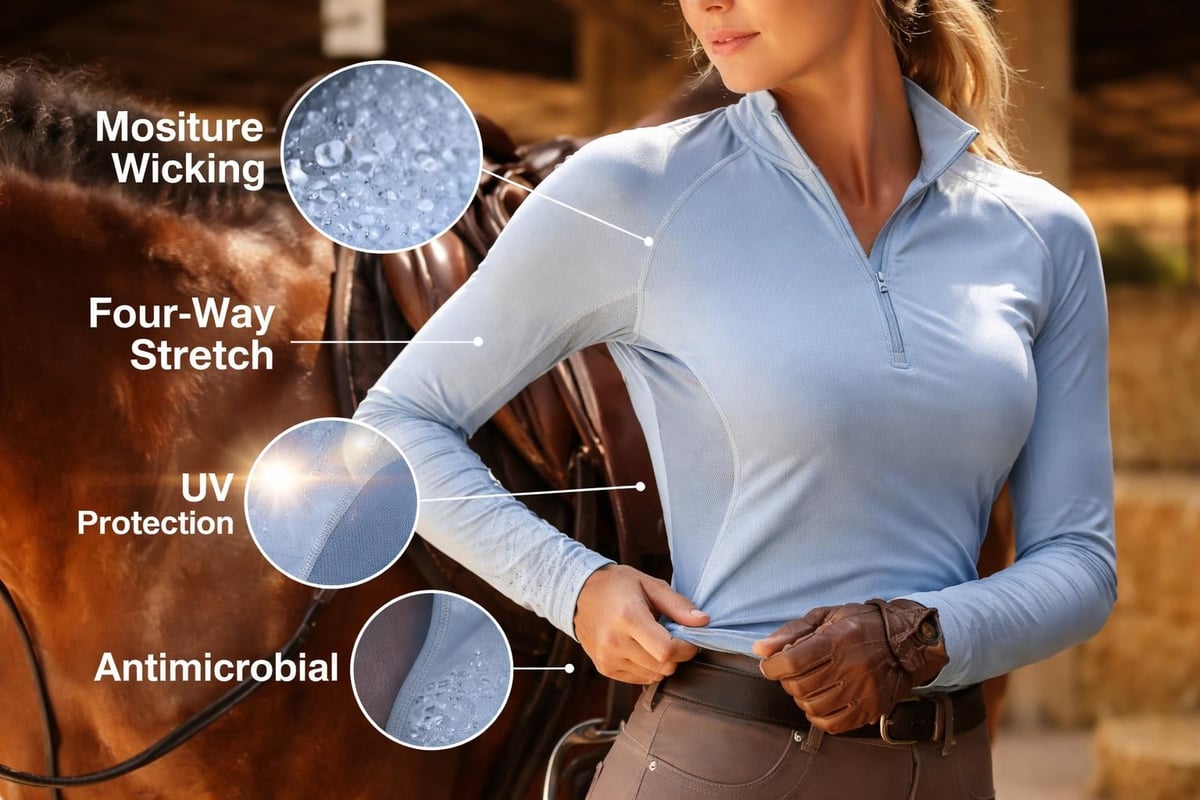
Moisture management stands at the top of the technical hierarchy. You'll sweat during intense training sessions, and cotton traps moisture against your skin, creating discomfort and potential chafing. Modern horse riding shirts use performance fabrics that wick moisture away from your body, keeping you dry even during demanding rides. This isn't just about comfort-staying dry helps regulate body temperature across varying conditions.
Freedom of movement defines whether a shirt works in the saddle or against you. Your riding position requires significant shoulder and arm mobility, particularly when working through transitions or managing a spirited horse. Quality riding shirts incorporate articulated sleeves, stretch panels, and carefully considered cut lines that accommodate the forward riding position without pulling or restricting. The equestrian dress code emphasizes proper fit for both safety and performance reasons.
Durability matters when you're working around horses daily. Horse riding shirts must withstand repeated washing, exposure to stable dust, and the occasional brush against rough surfaces. Reinforced stitching, quality buttons, and robust fabrics ensure your shirts last through seasons of regular use.
Competition Shirts Versus Everyday Riding
The distinction between competition and training shirts shapes your wardrobe planning significantly.
Competition Standards
Competition horse riding shirts follow specific guidelines depending on your discipline. Dressage competitions typically require long-sleeved white shirts with proper collar construction and subtle detailing. Show jumping allows slightly more flexibility, though conservative colors and clean lines remain standard. Understanding these requirements before purchasing prevents costly mistakes and ensures you're properly attired when it matters.
The British Horse Society's dress guidance provides comprehensive information on appropriate competition attire across different levels and disciplines. Their recommendations focus heavily on traditional standards whilst acknowledging modern fabric innovations.
Competition shirts incorporate hidden plackets, discrete buttons, and refined collar construction that maintains a polished appearance throughout your test or round. They're designed to fit precisely under jackets without bunching, creating clean lines that judges expect to see.
Training and Everyday Options
Your daily training shirts serve different purposes than competition wear. They need to perform reliably across varied activities-from lungeing in dusty arenas to riding out across countryside. Versatility becomes the priority rather than strict adherence to show ring standards.
Short-sleeved options work brilliantly for warm weather training. The men's polo shirts from Gallant Equestrian bridge the gap between technical performance and casual style, offering moisture-wicking fabrics with a refined aesthetic that works both in and out of the saddle.
Layering capabilities extend your shirt's usefulness across seasons. A quality base layer shirt works under jackets during winter, whilst standing alone during summer sessions. This adaptability maximizes your wardrobe's value without requiring excessive clothing purchases.
Fabric Choices That Actually Matter
The fabric composition of horse riding shirts directly impacts their performance and longevity.
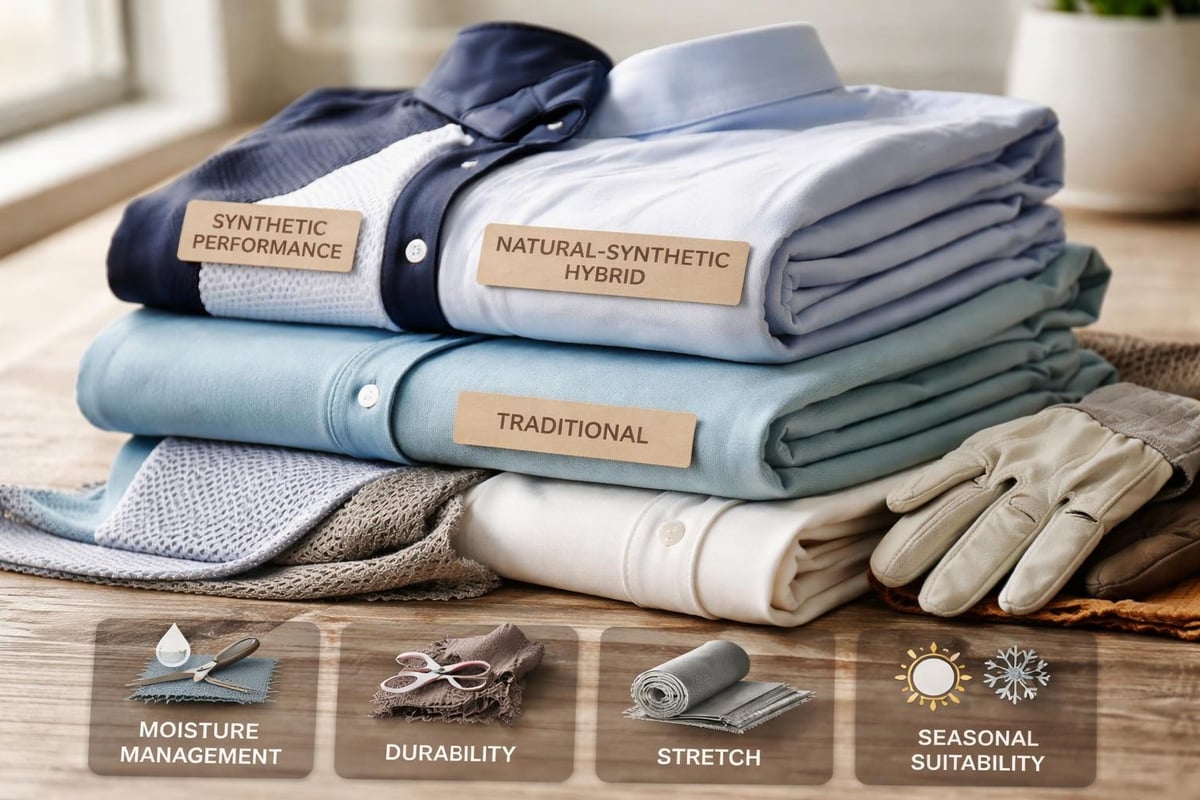
Synthetic blends dominate modern riding shirts for good reason. Polyester-spandex combinations offer excellent moisture management, quick drying properties, and impressive durability. These fabrics maintain their shape through repeated washing and resist the pilling that plagues lesser quality materials. They also provide UV protection during outdoor riding-a consideration often overlooked but increasingly important.
Natural-synthetic hybrids combine the breathability of cotton with the performance characteristics of technical fibers. These blends feel more natural against skin whilst delivering enhanced moisture management compared to pure cotton. They're particularly suitable for riders who prefer traditional fabric sensations but require modern performance.
Pure natural fabrics have limited application in serious riding contexts. Whilst linen and cotton offer excellent breathability, their moisture retention and lack of stretch create practical limitations. They work adequately for casual stable visits but fall short during actual riding sessions.
The weight of fabric influences both comfort and appropriateness. Lightweight fabrics suit warm weather riding and intensive training. Midweight options provide versatility across seasons. Understanding these distinctions helps you build a practical wardrobe rather than accumulating shirts that only work in narrow conditions.
Cut, Fit, and Style Considerations
How horse riding shirts fit determines whether they enhance or hinder your riding.
The Importance of Proper Fit
Shoulder construction requires particular attention. The shoulder seam should sit precisely at your natural shoulder point, allowing full arm mobility without pulling across your back. Too narrow and you'll feel restricted; too wide and the shirt looks sloppy whilst potentially interfering with jacket fit during competitions.
Torso length prevents the frustrating ride-up that plagues poorly designed shirts. Quality riding shirts feature longer backs that stay tucked during mounting and dismounting. Some incorporate rubberized grip strips along the hem-a feature borrowed from show shirts that prevents shifting during active riding.
Sleeve length and cut impacts both comfort and appearance. Long sleeves should reach your wrist bone when arms hang naturally, extending to cover your wrist when hands are on the reins. The armscye (armhole) must provide adequate depth for the forward riding position without creating excess fabric that bunches under your arms.
Slim fits work well for leaner builds and competition settings where clean lines matter. Regular fits accommodate broader shoulders and more muscular builds common among riders who work extensively with horses. Neither is inherently superior-the right choice depends on your physique and intended use.
Color and Styling Choices
Neutral colors form the foundation of a practical riding wardrobe. Navy, white, and bone create versatile options that coordinate easily with jackets and breeches whilst meeting most competition requirements. These classics never look dated and maintain professional appearances across contexts.
Darker colors like black and olive provide practical benefits for training shirts, showing less dust and stable dirt than lighter alternatives. The men's polo shirt in olive exemplifies how subtle color variations add interest whilst remaining appropriately understated for equestrian settings.
Collar styles range from traditional pointed collars suitable for competition to more relaxed options appropriate for training. Button-down collars prevent flapping during riding-a small detail that enhances both appearance and comfort. Stand collars work well under quarter-zip designs, offering versatility for varying weather conditions.
Seasonal Adaptations and Layering
Building a year-round wardrobe requires understanding how different horse riding shirts layer and adapt to changing conditions.
Summer Requirements
Warm weather demands maximum breathability and moisture management. Short-sleeved technical shirts provide core coverage whilst allowing arm ventilation. The fashion equestrian approach embraces this balance between functionality and refined styling, ensuring you look purposeful rather than purely athletic.
Lighter fabric weights enhance comfort during hot sessions, though UV protection becomes increasingly important. Quality performance fabrics incorporate built-in sun protection without adding thickness-a crucial consideration for riders spending hours outdoors.
Winter Layering
Base layer shirts form the foundation of effective winter riding attire. These sit against skin, managing moisture and providing initial warmth. Performance tees work brilliantly as technical base layers, their synthetic construction preventing the cold clamminess associated with cotton.
Mid-layer shirts add insulation whilst maintaining moisture transport. Long-sleeved technical shirts fill this role effectively, working under vests, fleeces, or lightweight jackets. The key lies in maintaining breathability across all layers-trapping moisture defeats the entire layering strategy.
Transition Seasons
Spring and autumn present the greatest clothing challenges, with morning chill giving way to midday warmth. Versatile horse riding shirts that work independently or as layers become invaluable during these periods. Quarter-zip designs offer quick ventilation adjustments without requiring complete removal. Long sleeves that can be pushed up whilst maintaining acceptable appearance extend usefulness across daily temperature variations.
Maintenance and Longevity
Proper care extends the life of quality horse riding shirts significantly, protecting your investment whilst ensuring consistent performance.
Washing practices directly impact fabric longevity. Turn shirts inside out before washing to protect outer surfaces. Use cool to warm water rather than hot, which can degrade elastic fibers and set stains. Avoid fabric softeners on technical fabrics-they coat fibers and reduce moisture-wicking performance. Instead, use detergents designed for athletic wear that clean effectively without leaving residue.
Drying methods matter more than many riders realize. Air drying preserves elastic properties and prevents heat-related shrinkage. If using a dryer, select low heat and remove shirts whilst slightly damp to prevent over-drying. Never iron technical fabrics on high heat-if pressing is necessary, use low settings with a pressing cloth.
Storage considerations protect shirts between uses. Ensure they're completely dry before storing to prevent mildew. Fold rather than hang knit fabrics to maintain shape. Keep competition shirts separate from training wear to prevent unnecessary wear and ensure they're ready when needed.
Stain treatment requires prompt attention around stables. Pre-treat grass, mud, and stable stains before washing. Enzymatic cleaners work effectively on organic stains without damaging technical fabrics. Avoid bleach, which weakens fibers and causes discoloration even on white shirts.
Building a Practical Wardrobe
Strategic planning creates a functional riding wardrobe without excessive expenditure or overcrowding your cupboard.
Essential Foundation Pieces
Start with versatility. Two competition-appropriate shirts-one white and one in your discipline's acceptable colors-cover show requirements. The white and navy show shirt offers subtle distinction whilst meeting traditional standards.
Add three to four training shirts that can handle daily work. Mix sleeve lengths and weights to accommodate seasonal variations. This combination provides adequate rotation for regular washing whilst ensuring you're never caught without appropriate options.
Expanding with Purpose
Additional pieces should address specific gaps or preferences rather than duplicating existing capabilities. If you frequently ride in varying conditions throughout single days, quarter-zip options add practical versatility. If you're particular about aesthetics, additional color options let you coordinate thoughtfully with your overall riding appearance.
Competition riders benefit from backup show shirts-equipment failures happen at inconvenient moments. Having a spare competition shirt prevents stress and ensures you're always properly presented.
Investment Versus Economy
Quality horse riding shirts represent genuine investments rather than expenses. Well-constructed pieces last multiple seasons of regular use, maintaining both performance characteristics and appearance. Economy options often require replacement within a year, ultimately costing more whilst delivering inferior performance during their shorter lifespan.
The guidance on equestrian apparel emphasizes that proper riding clothing serves safety and performance functions beyond mere aesthetics. This perspective helps frame quality purchases as essential equipment rather than luxury items.
Specialized Considerations for Different Disciplines
Whilst fundamental requirements remain consistent, specific disciplines introduce particular considerations.
Dressage Specifics
Dressage emphasizes traditional presentation, requiring conservative horse riding shirts that project elegance and precision. Long sleeves remain standard even in warm weather, with crisp white favored for most levels. Collar construction must sit properly beneath stock ties and jackets, maintaining refined lines throughout your test. The US Equestrian riding standards outline specific requirements that vary by level and competition type.
Show Jumping Flexibility
Show jumping allows greater flexibility in shirt choices whilst maintaining overall professionalism. Colored competition shirts find acceptance here, though refined styling remains important. Technical performance becomes slightly more critical given the physical demands of jumping courses, making moisture management and freedom of movement paramount considerations.
Eventing Practicality
Eventers need horse riding shirts that transition across multiple phases. Competition requirements vary between dressage, show jumping, and cross-country phases, requiring versatile pieces or discipline-specific options. Training shirts must withstand particularly varied demands, from schooling on the flat to conditioning work and everything between.
General Riding and Training
Riders focused primarily on pleasure riding, hacking, or foundational training enjoy the greatest flexibility. Here, performance and comfort take precedence over competition standards. This freedom allows exploration of different styles and features to discover what works best for your individual preferences and riding patterns.
Common Mistakes to Avoid
Experience teaches valuable lessons about what doesn't work in horse riding shirts.
Prioritizing appearance over function leads to shirts that look good on the hanger but fail in the saddle. That pure cotton shirt with beautiful detailing will leave you uncomfortable and distracted during actual riding. Function must lead; style follows naturally with quality pieces.
Ignoring fit in favor of deals results in shirts that never quite work properly. An excellent shirt in the wrong size delivers poor value regardless of price. Proper fit isn't negotiable-it determines whether the shirt enhances or hinders your riding.
Overlooking care requirements shortens garment life unnecessarily. That high-quality shirt needs appropriate care to deliver its potential longevity. Reading and following care labels seems obvious, yet rushed stable routines often bypass these basics.
Buying too many similar pieces creates wardrobe redundancy without adding genuine versatility. Five short-sleeved white polo shirts provide less practical value than a thoughtfully varied collection spanning seasons and uses.
The dos and don'ts of equestrian attire emphasizes these practical considerations alongside formal requirements, helping riders make informed choices.
The Transition from Stable to Street
Modern horse riding shirts increasingly blur the line between technical equestrian wear and refined casual clothing.
Quality pieces transition seamlessly from morning stable work to afternoon meetings or evening social settings. This versatility matters for riders whose lives don't neatly separate into distinct equestrian and non-equestrian compartments. A well-chosen shirt eliminates the need for complete clothing changes throughout busy days.
The key lies in refined design that incorporates technical features without screaming "athletic wear." Subtle branding, considered color palettes, and classic cuts allow horse riding shirts to function in broader contexts whilst maintaining their core performance characteristics. Gallant Equestrian's collection exemplifies this philosophy, creating pieces that work equally well in the saddle and beyond.
This approach also maximizes clothing value. Rather than maintaining separate wardrobes for riding and everyday life, strategic pieces serve multiple purposes without compromise in either context. The polo shirt you wore for morning training works perfectly for lunch in town. The technical tee under your fleece during evening stable check transitions smoothly to casual weekend wear.
Selecting the right horse riding shirts comes down to understanding your specific needs, prioritizing proper fit and fabric performance, and building a practical wardrobe that serves your riding life without unnecessary complexity. Whether you're competing at advanced levels or simply enjoy regular riding, quality shirts enhance both performance and confidence in the saddle. Gallant Equestrian creates performance-driven shirts designed specifically for men who ride, combining New Zealand design sensibility with fabrics and construction that transition effortlessly from stables to everyday life. Look the Part. Enjoy the Ride.

