

Horse Riding Wear: Essential Guide for Men Who Ride
Aug 24, 2026
Getting your horse riding wear right matters more than you might think. It's not just about looking sharp in the saddle, though that's part of it. The right gear improves your performance, keeps you safe, and transitions seamlessly from yard work to everyday life. For men who take their riding seriously, understanding what works and why makes all the difference. Whether you're schooling at home, competing at shows, or hacking through the countryside, your clothing choices shape your experience on horseback.
Understanding the Foundations of Horse Riding Wear
Horse riding wear has evolved considerably from its traditional roots, yet the fundamentals remain unchanged. Your clothing needs to allow unrestricted movement, provide protection where it counts, and withstand the rigours of regular riding. Modern fabrics and construction techniques have transformed how we approach equestrian clothing, but the core principles still apply.
The key categories worth understanding include lower body wear (breeches and jodhpurs), upper body layers (shirts, jackets, and weatherproof outerwear), and protective equipment (helmets, body protectors, and gloves). Each serves a specific purpose, and quality matters in every category.
Breeches: The Core of Your Riding Kit
Breeches form the foundation of proper horse riding wear for good reason. They're cut to accommodate the riding position, with reinforced inner legs and strategically placed seams that won't chafe during hours in the saddle. The right pair offers full range of motion whilst providing grip and support.
Modern breeches typically feature either full-seat or knee-patch grip systems. Full-seat options use silicone or synthetic suede across the entire seat and inner thigh, offering maximum security for dressage or jumping. Knee-patch designs provide targeted grip whilst maintaining breathability, making them ideal for general riding and warmer conditions.
Fabric technology has transformed breeches considerably. Technical four-way stretch materials move with you, whilst moisture-wicking properties keep you comfortable during intensive sessions. Look for fabrics that maintain their shape after repeated washing, with reinforced stress points that prevent premature wear.
Shirts and Upper Body Essentials
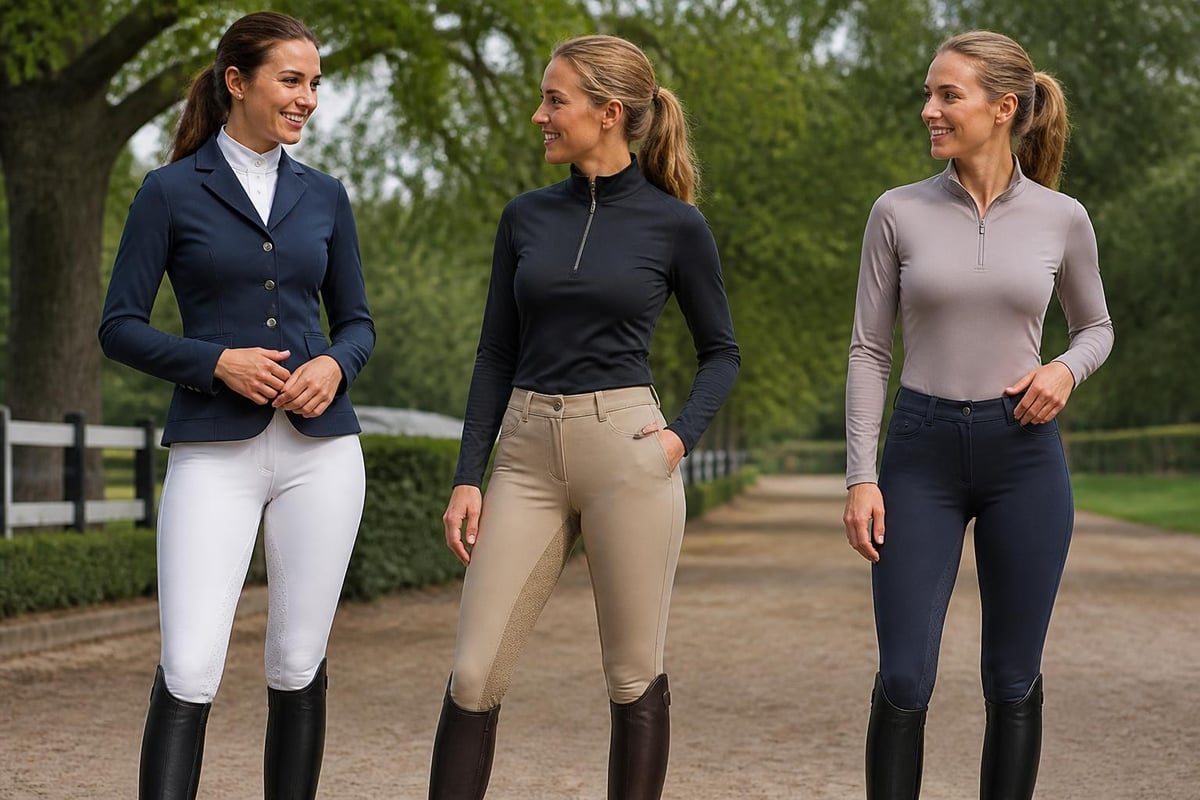
Your choice of riding shirt depends largely on context and climate. Performance polo shirts offer a refined look that works equally well in the arena and the clubhouse. Technical fabrics regulate temperature and manage moisture, keeping you fresh whether you're schooling on a summer afternoon or mucking out before breakfast.
Long-sleeve options provide sun protection and an extra layer during cooler months. Research on ultraviolet-protective clothing demonstrates how proper fabric construction shields skin from prolonged sun exposure, particularly relevant for riders spending hours outdoors. Quality riding shirts incorporate these protective elements without sacrificing breathability.
For competition, show shirts elevate your appearance whilst maintaining functionality. These typically feature subtle details like shaped collars, hidden plackets, and carefully considered colour blocking that complement formal riding attire. They're designed to tuck neatly into breeches and stay that way throughout your class.
Weather Protection That Performs
British weather demands versatile outerwear. A proper riding jacket needs to repel rain, cut wind, yet breathe sufficiently to prevent overheating during active riding. Technical shells with taped seams keep you dry without the bulk and noise of traditional waterproofs.
Layering systems work best for variable conditions. A lightweight base layer manages moisture, mid-layers provide insulation, and your outer shell handles the elements. This approach lets you adjust as temperatures shift throughout the day without compromising mobility in the saddle.
Quality rain jackets designed for riding extend at the back to cover your seat and feature articulated sleeves that accommodate your riding position. Pockets should sit high enough to remain accessible when mounted, with secure closures that won't spill contents during posting trot.
Safety Equipment: Non-Negotiable Elements
Safety gear represents the most critical aspect of horse riding wear. Modern protective equipment combines advanced materials with thoughtful design to minimise injury risk without restricting movement.
Helmets: Your Most Important Investment
A properly fitted riding helmet is mandatory for good reason. Current safety standards (ASTM F1163, PAS015, or VG1) ensure helmets can withstand significant impact forces. Replace helmets after any fall or every five years, whichever comes first, as materials degrade over time and with sun exposure.
Fit matters enormously. Your helmet should sit level on your head, approximately two finger-widths above your eyebrows, with the retention harness forming a Y-shape just below your ears. It shouldn't move when you shake your head, and the chinstrap should allow only two fingers' width of space when fastened.
Ventilation, weight, and adjustment systems vary considerably between models. Try several to find what works for your head shape and riding intensity. A helmet you'll actually wear consistently beats the highest-rated model that sits in your tack room.
Body Protectors and Air Vests
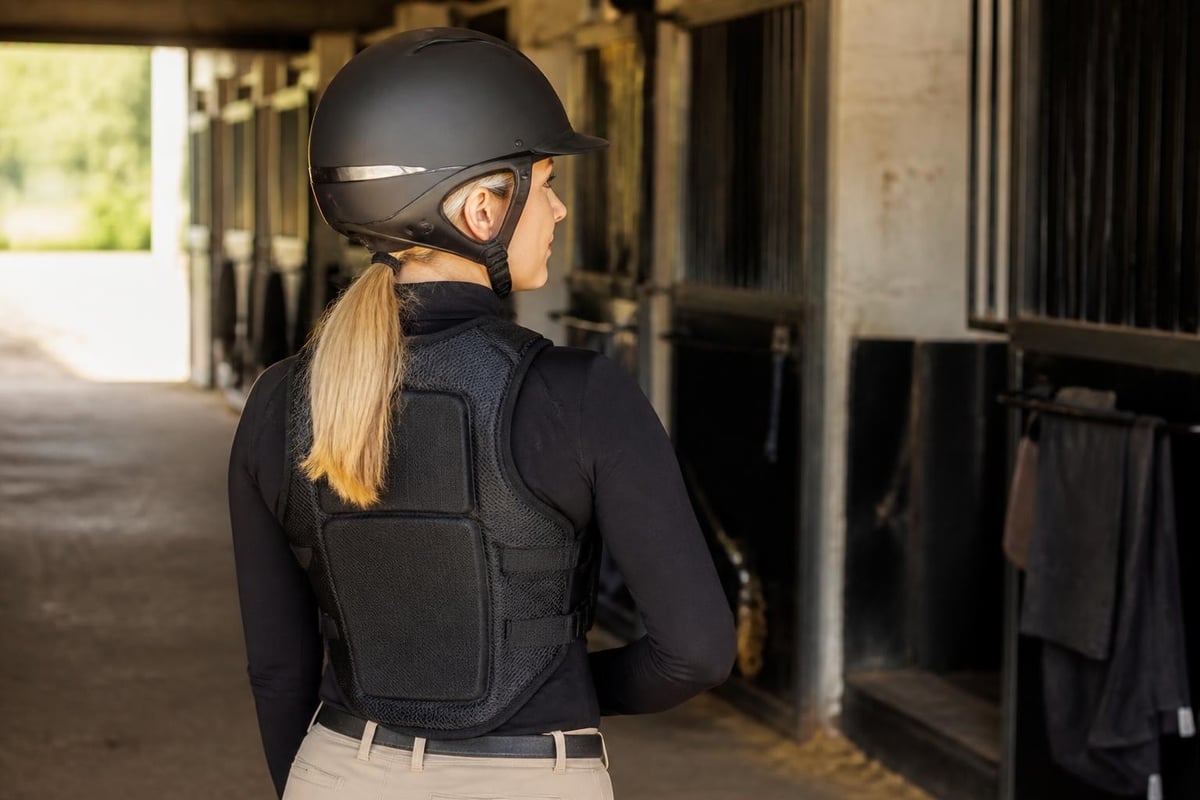
Body protectors provide crucial torso protection, particularly for jumping, eventing, and young horse work. The British Horse Society outlines proper standards for body protectors, with BETA Level 3 or EN13158:2009 representing current benchmarks for protective equipment.
Inflatable air vests offer an alternative approach, deploying upon separation from your horse to cushion falls. Recent systematic reviews of airbag vests examine their efficacy and limitations, noting promising results whilst acknowledging gaps in long-term data. Many riders now combine traditional body protectors with air vests for maximum protection.
Proper fit is essential for effectiveness. Body protectors should cover from your collarbone to your hips without restricting breathing or shoulder movement. They'll feel snug initially but shouldn't cause pain or limit your ability to ride effectively.
Competition Attire: Meeting Expectations
Show ring standards vary by discipline, but certain principles apply universally. Your competition horse riding wear should present a polished, professional appearance whilst meeting specific rulebook requirements.
Dressage Standards
Dressage traditionally demands conservative attire. White or light-coloured breeches pair with a dark jacket, white shirt, and tie or stock. USEF dressage equipment rules detail specific requirements for different levels, including when tailcoats become mandatory and acceptable colour variations.
Modern competition breeches feature full-seat grip in subtle patterns that maintain the traditional aesthetic whilst improving stability. The best examples use four-way stretch fabrics that return to their original shape, maintaining a crisp appearance throughout multiple classes.
Show shirts require careful consideration. They need to stay tucked, with collars that hold their shape under a stock or tie. Moisture-wicking properties matter during warm-up, whilst the cut should accommodate your body protector if required by level or age.
Jumping and Eventing Requirements
Jumping attire allows slightly more flexibility than dressage. Navy, black, or tweed jackets pair with buff, white, or grey breeches. Protective equipment becomes more prominent, with FEI guidelines on body protectors specifying when and what type of protection is mandatory for various competitions.
Your competition kit needs to survive the rigours of cross-country without looking worse for wear. Breeches should maintain their colour through repeated washing, with reinforced knee patches that won't separate or pill. Jackets require enough stretch in the shoulders for jumping position whilst maintaining a tailored appearance when standing for inspection.
Fabric Technology and Performance
Understanding fabric properties helps you make informed choices about horse riding wear. Modern technical textiles offer specific benefits that traditional materials simply can't match.
Moisture Management and Breathability
Quality riding wear uses fabrics engineered to move sweat away from your skin, spreading it across a larger surface area for faster evaporation. This keeps you cooler during intense sessions and warmer in cold conditions by preventing that clammy feeling when you stop moving.
Breathability measures how well air circulates through fabric. Highly breathable materials prevent overheating but may offer less wind resistance. The best riding wear balances these factors, often using different fabrics in strategic zones to optimise comfort.
Durability and Stretch
Four-way stretch fabrics move in all directions, accommodating the dynamic positions required in riding. Look for materials that recover their original shape after stretching, indicated by terms like "shape retention" or "recovery stretch" in product descriptions.
Reinforcement in high-wear areas extends garment life considerably. Quality breeches feature stronger fabrics or double-layer construction at inner knees and seat, where friction and abrasion are highest. Check these areas regularly for signs of wear, as prevention costs less than replacement.
Temperature Regulation
Advanced fabrics now incorporate phase-change materials or ceramic particles that help regulate body temperature. Whilst not essential, these technologies can improve comfort during long rides or variable weather conditions.
Merino wool blends offer natural temperature regulation and odour resistance, making them excellent for base layers. Synthetic alternatives dry faster and cost less, though they may require more frequent washing to manage odour.
Building a Functional Wardrobe
Creating a versatile horse riding wear collection doesn't require purchasing everything at once. Strategic choices let you cover most situations with a focused selection of quality pieces.
Essential Starting Point
Begin with two pairs of quality breeches in neutral colours. One pair for everyday riding, one for smarter occasions or competition. Navy or black work universally, whilst bone or grey offer a cleaner aesthetic that still hides stable dirt reasonably well.
Add several performance shirts or polos that layer well under jackets. Three to four tops let you rotate through the week without constant washing. Choose colours that coordinate with your breeches and personal style whilst remaining appropriate for your riding context.
A versatile jacket bridges casual and formal settings. Look for clean lines, quality construction, and technical features like water resistance and breathability. This piece should transition from warming up at a show to weekend rides without looking out of place in either context. For comprehensive outfit planning, consider exploring how men approach horseback riding attire to understand practical combinations.
Seasonal Additions
Winter demands additional layers. A technical base layer, insulating mid-layer, and weather-resistant outer shell create a system that adapts to changing conditions. Recent research on equestrian safety equipment emphasises how proper clothing choices, beyond just protective gear, contribute to overall rider safety by maintaining core temperature and preventing fatigue.
Summer riding requires lightweight, breathable options with sun protection. Long-sleeve shirts in technical fabrics often prove more comfortable than short sleeves by preventing sunburn whilst managing sweat effectively. Light colours reflect heat better than dark tones, though they show dirt more readily.
Care and Maintenance
Quality horse riding wear represents a significant investment. Proper care extends garment life and maintains performance properties.
Washing Best Practices
Technical fabrics require specific care. Wash breeches inside-out in cool water with mild detergent, avoiding fabric softeners that can compromise grip and moisture-wicking properties. Silicone seat and knee patches particularly benefit from gentle treatment to maintain their effectiveness.
Air drying preserves fabric elasticity and prevents shrinkage. High heat damages technical fibres and can melt synthetic grip materials. If you must use a dryer, select the lowest heat setting and remove items whilst slightly damp.
Store clean, dry riding wear in a cool, dark place to prevent colour fading and material degradation. UV exposure weakens fabrics over time, particularly technical synthetics. Fold or hang garments properly to avoid permanent creasing or stretching.
Recognising When to Replace
Even quality horse riding wear eventually needs replacing. Watch for fabric thinning at stress points, permanent staining that affects professional appearance, or loss of stretch and shape retention. Breeches showing through at the knees or seat compromise both appearance and function.
Grip materials degrading or separating from the base fabric indicate it's time for new breeches. Once grip fails, your security in the saddle decreases, potentially affecting your riding position and confidence.
Safety equipment follows stricter replacement schedules. Helmets need replacing every five years or after any impact. Body protectors showing damage, compression of foam, or strap deterioration require immediate replacement regardless of age.
Practical Considerations for Daily Riding
Your everyday horse riding wear faces different demands than competition attire. Practicality, durability, and comfort take priority over strict traditional aesthetics.
Yard Work and Training Sessions
Schooling breeches can be more forgiving than show pairs. Darker colours hide dirt and stains better, whilst slightly looser fits accommodate multiple layers underneath during winter. Full-seat grip helps during intensive flatwork sessions, whilst knee-patch designs suit general riding and warmer days.
Training shirts prioritise function over form. Moisture-wicking, quick-drying fabrics keep you comfortable through multiple sessions. Loose fits allow unrestricted movement for groundwork and lungeing, whilst still working under a jacket when mounted.
Layering flexibility matters for variable yard conditions. A lightweight gilet over your shirt provides core warmth without restricting arms during tacking up or stable chores, removing easily once you're warmed up from riding.
Transitioning Between Contexts
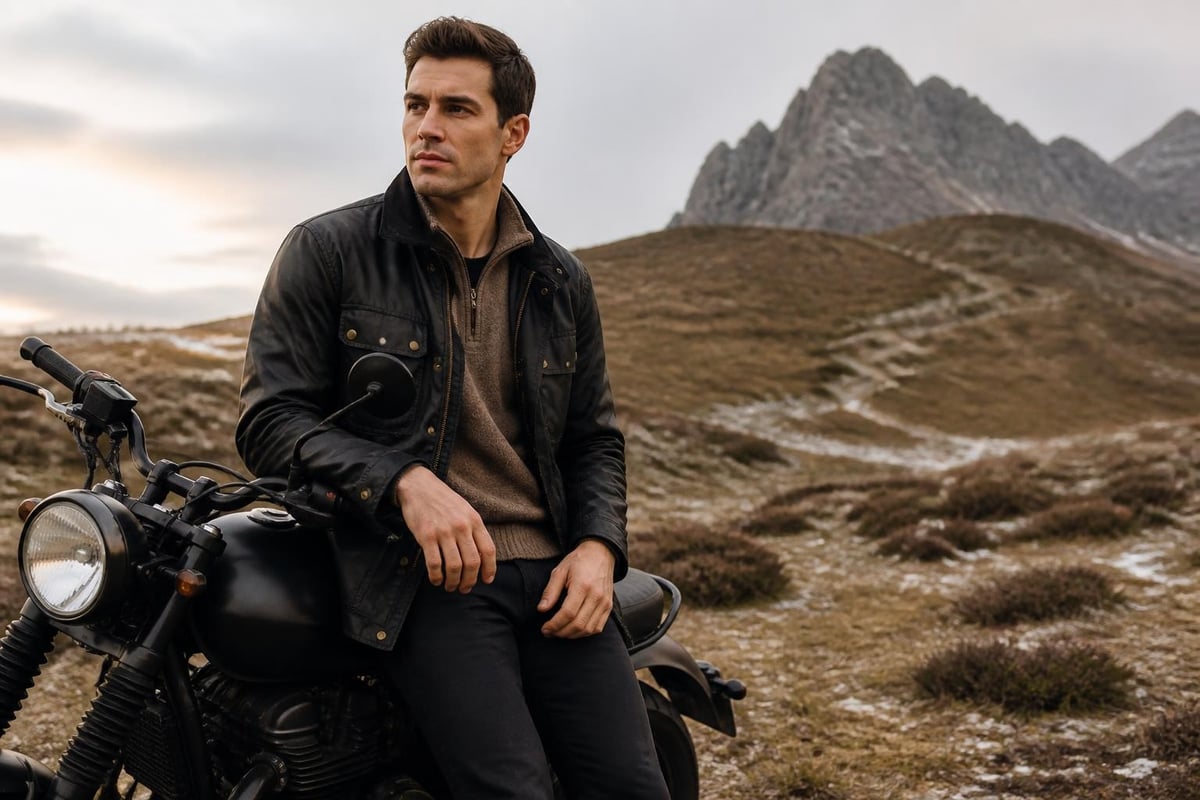
Modern horse riding wear excels at moving seamlessly between stable and street. Quality breeches in neutral colours pair with casual shirts or jumpers for a polished look that doesn't scream "just came from the barn." Clean boots, a fitted jacket, and you're ready for most casual situations without changing.
This versatility reduces the need for separate wardrobes. Choose pieces designed with this dual purpose in mind: clean lines, quality construction, and subtle branding that works in multiple contexts. The best equestrian clothing serves you well both mounted and on foot.
Making Informed Purchases
Investing wisely in horse riding wear means understanding what separates quality from compromise. Several factors indicate whether a garment will perform as expected and last through regular use.
Evaluating Quality Indicators
Examine construction details closely. Flat-locked or reinforced seams prevent chafing and improve durability. Quality zippers with locking sliders stay closed during riding, whilst reinforced stress points resist tearing under strain.
Fabric weight and hand-feel reveal much about quality. Premium materials feel substantial without being heavy, with a smooth finish that suggests durability. Cheap synthetics often feel papery or overly stiff, losing shape quickly with use.
Try garments on if possible. Proper fit in riding wear differs from street clothes. Breeches should feel snug without restricting movement, with enough length in the leg to prevent riding up when mounted. Jackets need room through the shoulders for riding position whilst still looking tailored when standing.
Understanding Value vs Price
The least expensive option rarely proves most economical long-term. A quality pair of breeches lasting three years costs less per wear than budget alternatives requiring replacement annually. Factor durability, performance, and versatility into your decision.
That said, premium pricing doesn't automatically guarantee superior quality. Research brands, read reviews from actual riders, and start with core pieces from established manufacturers known for their riding wear. As you develop preferences, you'll recognise what works for your specific needs.
Quality horse riding wear combines safety, performance, and style in pieces that serve you well both in the saddle and beyond. The right garments improve your riding, protect you from injury, and transition seamlessly through your day. Whether you're building your first proper riding wardrobe or upgrading tired kit, focus on versatile essentials that balance traditional aesthetics with modern performance. Gallant Equestrian creates performance-driven clothing designed specifically for men who ride, with breeches, jackets, and shirts built in New Zealand to last through countless sessions whilst looking sharp wherever your day takes you. Look the Part. Enjoy the Ride.

