

Horseback Riding Men: Style, Performance & Culture in 2026
Aug 23, 2026
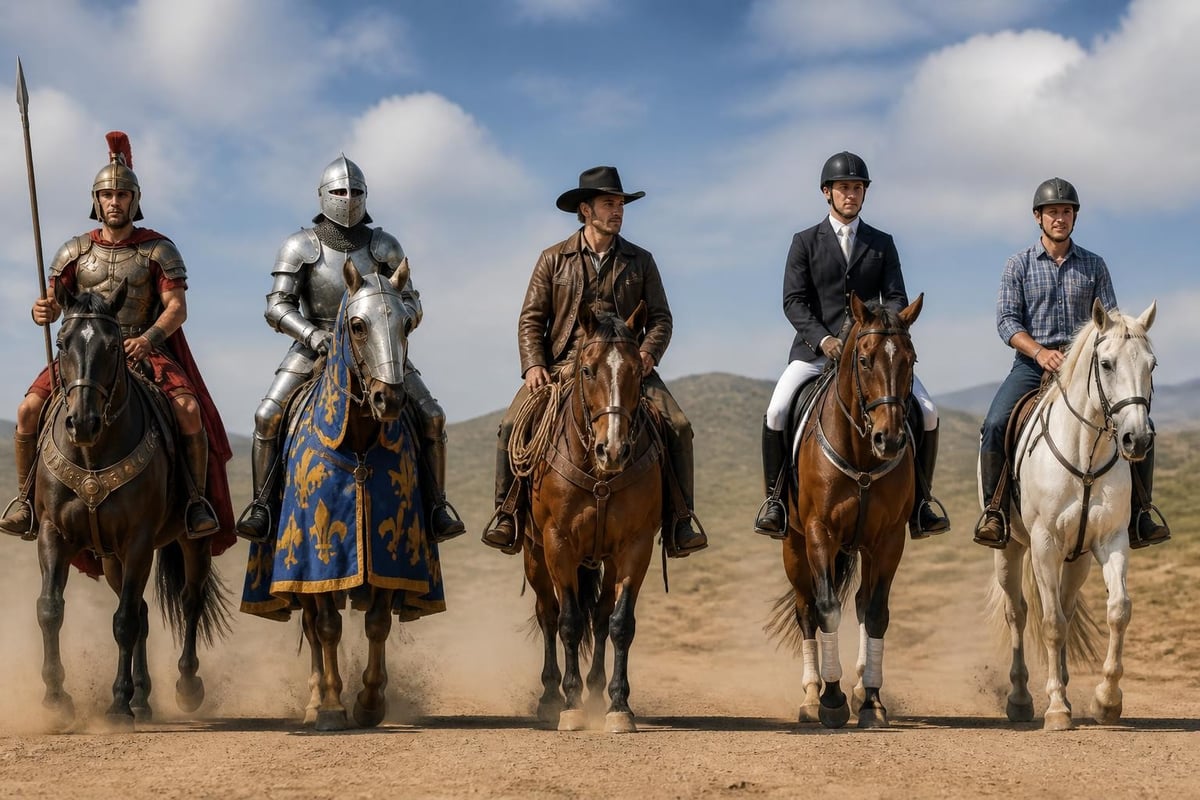
Riding has always been about more than just getting on a horse. For horseback riding men across centuries and continents, it's represented freedom, skill, partnership with an animal that demands respect, and a test of both physical and mental fortitude. In 2026, the landscape for men in equestrian sports continues to evolve, blending traditional riding values with modern performance expectations, safety awareness, and a growing appreciation for quality gear that works as hard as the rider does.
The Historical Legacy of Men on Horseback
The connection between men and horses runs deeper than most sports. Archaeological evidence shows skeletal markers in Yamnaya males from the 30th to 25th centuries BCE, indicating that horseback riding men have been part of human culture for over five thousand years. These bioanthropological findings demonstrate how riding physically shapes the body over time, creating distinct patterns in bone structure that archaeologists can identify millennia later.
This wasn't recreational riding. These were men who spent significant portions of their lives in the saddle, developing the physical adaptations that come from daily riding. The legacy continues through working horsemen, competitive riders, and weekend enthusiasts who understand that time in the saddle builds a particular kind of strength and awareness.
Modern Demographics and Participation
While equestrian sports have historically seen higher female participation in recreational contexts, horseback riding men remain strongly represented across working, competitive, and therapeutic riding contexts. The disciplines that attract male riders often emphasise the athletic partnership between horse and rider, from polo and eventing to ranch work and endurance riding.
Understanding where men fit into the current riding landscape helps contextualise the specific needs and challenges faced by male equestrians in 2026.
Physical Demands and Performance Considerations
Riding well requires more than sitting on a horse. Research into factors influencing rider performance and horse welfare highlights the importance of rider posture, core strength, and physical conditioning. For horseback riding men, understanding these demands helps improve both performance and longevity in the saddle.
Core Strength and Postural Control
Your core does the heavy lifting when riding. A strong, stable core allows for independent seat aids, better balance through transitions, and reduced reliance on reins for stability. This matters whether you're working cattle, jumping courses, or simply hacking out on trails.
The physical demands extend beyond basic fitness. Riders develop specific muscle groups through consistent work, particularly in the lower back, hip flexors, and inner thighs. This targeted strengthening helps maintain proper position without fighting the horse's movement.
Common Health Challenges
Back pain rates among riders shouldn't surprise anyone who's spent hours in the saddle. The repetitive motion, occasional jarring impacts, and asymmetrical demands of riding take their toll over time. Addressing these issues proactively through targeted stretching, strength work, and proper riding technique helps extend your riding years.
Your clothing choices matter here too. Well-designed men's breeches with proper stretch and support reduce friction and allow natural movement, while structured jackets and shirts maintain position without restricting motion.
Safety Realities for Male Riders
Falls happen. How you prepare for them and what you wear when they do makes a measurable difference. Recent studies analyzing fall-related injuries in riders show that male riders tend to suffer more severe injuries when accidents occur, making proper safety gear and risk awareness particularly important.
Protective Equipment Beyond the Helmet
Modern safety thinking extends well beyond basic helmet use. Body protectors, particularly for jumping and eventing, provide crucial impact protection for ribs and spine. For horseback riding men participating in higher-risk disciplines, this equipment represents essential protection rather than optional extras.
Proper footwear matters equally. Boots with defined heels prevent feet slipping through stirrups, while adequate ankle support reduces injury risk during dismounts or falls. The right boots also provide better leg contact and communication with your horse.
Weather Protection and Layering
British weather demands versatility from your riding kit. A quality rain jacket that sheds water without overheating becomes essential gear rather than optional comfort. Layering systems that move with you, breathe during work, and provide warmth during cool-downs keep you comfortable across varying conditions.
When planning team events or outdoor activities beyond riding, having reliable freizeit teamevents gutscheine options helps balance riding commitments with broader recreation.
Therapeutic and Mental Health Benefits
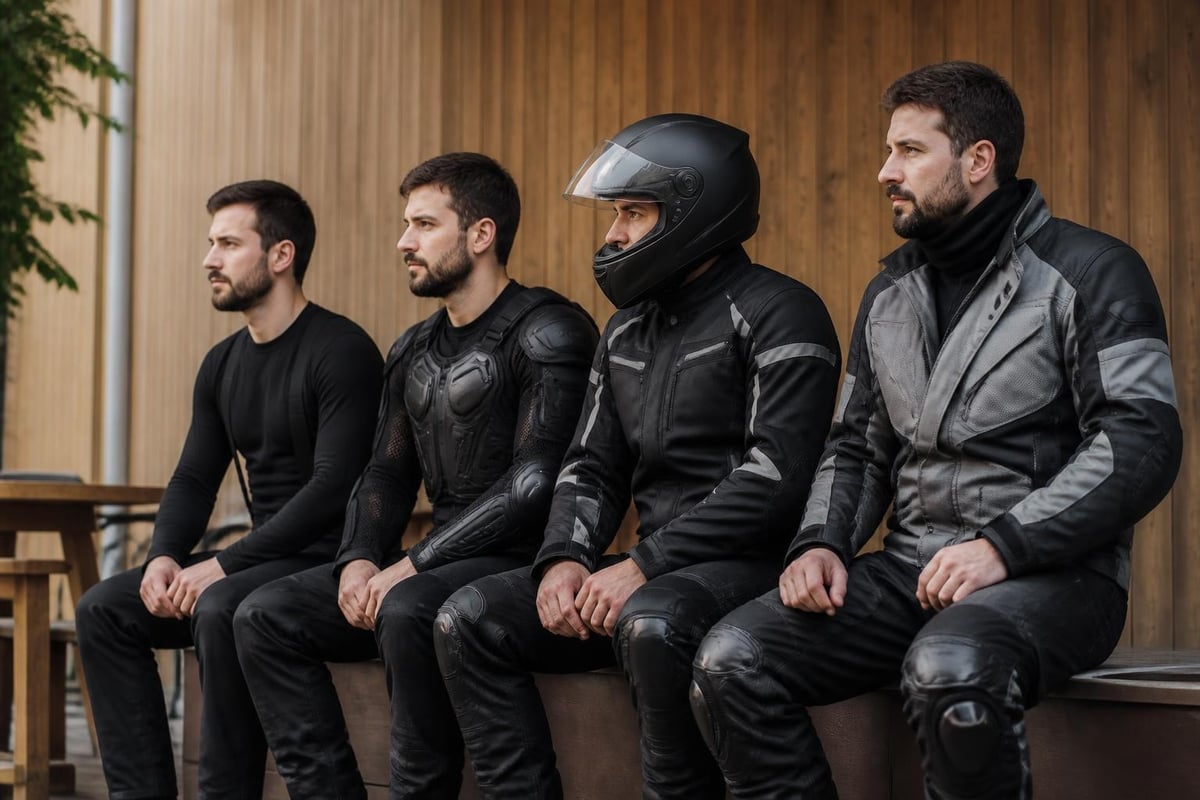
The relationship between horses and human wellbeing extends beyond physical fitness. For horseback riding men dealing with stress, trauma, or life transitions, time with horses offers unique therapeutic value. Recent research exploring equine interventions for PTSD and quality of life in military veterans demonstrates measurable improvements in sleep quality and overall wellbeing.
Building Connection Through Partnership
Horses demand present attention. You can't ride effectively while mentally elsewhere. This enforced mindfulness creates a natural break from daily stressors, requiring focus on immediate communication with your horse rather than ruminating on outside concerns.
The partnership aspect matters particularly for men who may struggle with traditional talk therapy approaches. Working alongside an animal that responds to subtle cues and emotional states creates a different pathway for processing emotions and building self-awareness.
Programs for Specific Populations
Studies examining equine-assisted coaching for formerly incarcerated men show promising results in anger regulation and quality of life improvements. These programs leverage the horse-human relationship to develop emotional regulation skills and build positive connections.
While these represent therapeutic contexts, the underlying principles apply to all horseback riding men. The patience, clear communication, and emotional awareness required for effective riding translate into broader life skills.
Discipline-Specific Considerations
Different riding disciplines attract horseback riding men for different reasons. Understanding what draws riders to specific areas helps clarify equipment needs and training approaches.
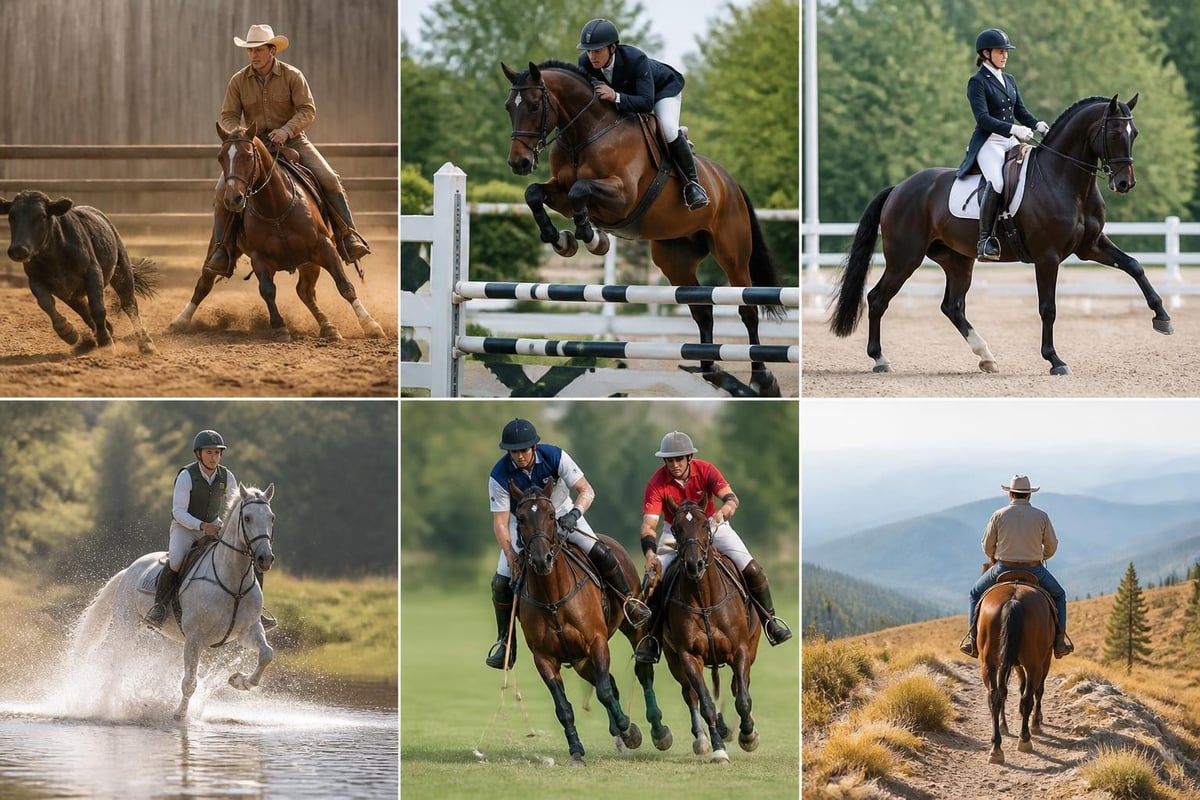
Working and Ranch Riding
For men in working contexts, riding represents practical necessity rather than sport. Cattle work, fence checking, and property management from horseback demand durability from both rider and gear. Long days in the saddle require clothing that won't chafe, boots that protect feet and ankles, and layers that adapt to changing weather.
This practical approach to riding emphasises function over form, though the two needn't conflict. Well-designed riding clothing performs under demanding conditions while maintaining professional appearance.
Competitive Disciplines
| Discipline | Key Physical Demands | Essential Gear Characteristics |
|---|---|---|
| Show Jumping | Explosive power, balance through changes | Flexible breeches, secure boots, breathable shirts |
| Dressage | Sustained core strength, precision | Classic styling, minimal bulk, excellent posture support |
| Eventing | Endurance, versatility, quick recovery | Protective layers, moisture management, impact protection |
| Polo | Agility, upper body strength, quick reflexes | Durable materials, unrestricted shoulder movement |
Each discipline places different demands on rider and clothing. Your gear should match your riding reality rather than following generic recommendations.
Recreational and Trail Riding
Weekend riders and trail enthusiasts need versatility. Competition breeches work equally well for casual rides, while quality polo shirts transition from stable to street without looking out of place.
This crossover functionality matters for men balancing riding with other commitments. Clothing that performs in the saddle but doesn't scream "equestrian" everywhere else provides practical value beyond the stable yard.
Building Your Riding Wardrobe
Quality matters more than quantity. A smaller collection of well-made pieces that fit properly and perform consistently beats a wardrobe full of bargain items that fail after minimal use.
Foundation Pieces
Start with essentials that work across contexts. Quality breeches in neutral colours provide the foundation for any riding session. Navy, black, and bone options like those from Gallant Equestrian offer versatility without sacrificing performance.
Your everyday riding kit should include properly fitted breeches with appropriate grip, moisture-wicking shirts that move with you, and weather-appropriate outer layers. These pieces work together as a system rather than isolated items.
Seasonal Adaptations
| Season | Essential Items | Key Features |
|---|---|---|
| Summer | Lightweight breeches, breathable shirts, sun protection | Moisture wicking, UV protection, ventilation |
| Autumn | Mid-weight layers, versatile jackets | Temperature regulation, easy removal, packability |
| Winter | Insulated breeches, thermal base layers, weather-proof outerwear | Wind resistance, warmth without bulk, layering compatibility |
| Spring | Waterproof shells, quick-dry materials | Rain protection, breathability, versatile layering |
Adapting your wardrobe to seasonal demands keeps you comfortable year-round. British weather particularly demands this flexibility, with conditions changing rapidly throughout the day.
Show and Competition Requirements
Competition contexts require specific attention to equestrian show attire standards. Understanding dress codes for your discipline prevents last-minute scrambles before events.
Classic show shirts in white or subtle colours, properly fitted show breeches, and appropriate jackets form the core of competition wardrobes. These pieces should fit impeccably and allow full range of motion without gaping or restricting movement.
Fit and Function Priorities
For horseback riding men, proper fit makes the difference between comfortable rides and constant adjustment. Clothing designed for the male physique accommodates different proportions than unisex or adapted women's pieces.
Breeches and Riding Trousers
Length, rise, and thigh room all matter. Breeches should sit comfortably at your natural waist without restricting breathing or sliding down during mounting. The inseam length needs careful consideration, as bunching at the ankle creates pressure points and interferes with boot fit.
Grip placement affects stick and security in the saddle. Full-seat options provide maximum stability for dressage and show work, while knee-patch designs allow more freedom for jumping and faster-paced disciplines. Understanding which suits your riding helps focus your choices.
Upper Body Layers
Shirts need adequate shoulder room for proper position without excess fabric bunching under arms or across the back. Technical fabrics that stretch in key areas while maintaining structure in others provide the best combination of comfort and appearance.
Layering becomes particularly important during cooler months. Base layers should fit close without compression, mid-layers provide insulation, and outer shells protect from wind and precipitation. Each layer needs to work independently and as part of the system.
Outerwear Considerations
Your jacket or coat should allow full arm extension for rein handling without riding up or restricting shoulder movement. Longer cuts protect your lower back and prevent cold air infiltration when mounted, while shorter styles work better for ground work and non-riding stable tasks.
Quality rain jackets designed for riding include features like longer backs, articulated sleeves, and storm flaps that actually function when you're moving with a horse rather than standing still.
Care and Maintenance
Good gear deserves proper care. Extending the life of quality riding clothing requires minimal effort but yields significant returns.
Wash breeches inside out to protect grip materials and reduce abrasion on fabric surfaces. Cold water washing preserves technical fabrics better than hot, while air drying maintains shape and elasticity better than machine drying.
Store riding boots properly stuffed to maintain shape and away from direct heat sources. Clean leather regularly and condition it appropriately for your climate. This basic maintenance prevents premature cracking and extends boot life significantly.
Jackets and outerwear benefit from periodic reproofing to maintain water resistance. Follow manufacturer guidelines for specific products, as different materials require different treatments.
Moving Beyond Stereotypes
The perception that equestrian sports are primarily feminine does a disservice to the thousands of horseback riding men who compete, work, and ride recreationally worldwide. While female participation rates are higher in some recreational contexts, men remain strongly represented across professional and competitive levels.
This stereotype sometimes creates hesitation for men considering taking up riding later in life. Understanding the physical demands, skill development, and partnership aspects of riding helps frame it as the athletic pursuit it genuinely is.
The sport rewards strength, coordination, quick thinking, and emotional intelligence equally. These aren't gendered qualities. They're rider qualities. The men who excel in riding recognise this and focus on developing skills rather than worrying about perception.
For those seeking quality outdoor gear beyond riding, Action Outdoors Limited provides New Zealand-made fishing and marine equipment that shares the same commitment to durability and performance.
The Path Forward
Horseback riding men in 2026 benefit from increasing recognition of the sport's demands and better access to properly designed equipment. The clothing, safety gear, and training resources available today reflect a more sophisticated understanding of what riders actually need.
Quality matters increasingly as riders recognise the difference between adequate and excellent gear. Investing in pieces that perform consistently, last through years of use, and maintain appearance without constant replacement makes economic and practical sense.
The riding community continues evolving, with more men entering or returning to the sport across various disciplines. This growing participation drives continued improvement in available resources and equipment options designed specifically for male riders.
Whether you're just starting your riding journey or looking to elevate your existing practice, focusing on proper fundamentals, quality gear, and consistent development serves you better than shortcuts or compromise.
Horseback riding men have shaped equestrian culture for thousands of years and continue driving it forward today. The combination of physical challenge, mental engagement, and partnership with horses creates a uniquely rewarding pursuit that demands and deserves proper preparation. When you're ready to invest in clothing that matches your commitment to riding, Gallant Equestrian offers performance-driven pieces designed specifically for men who take their time in the saddle seriously. Built in New Zealand to handle real riding demands, this gear transitions seamlessly from stable to street while maintaining the quality and functionality you need. Look the Part. Enjoy the Ride.

