

Horseback Riding Clothes for Men: A Modern Guide
May 26, 2026
Finding the right horseback riding clothes for men isn't about following rigid traditions or sacrificing comfort for appearance. It's about understanding what works in the saddle and why certain pieces have earned their place in the modern rider's wardrobe. Whether you're schooling horses daily, competing at the weekend, or getting back into riding after years away, the clothing you choose affects your performance, comfort, and confidence. The equestrian world has evolved considerably, and today's riding gear blends technical innovation with clean, purposeful design that works as well at the stables as it does afterwards.
The Foundation: Understanding Modern Riding Attire
Horseback riding clothes for men have moved beyond dusty traditions into an era where function meets style without compromise. The basics remain consistent across disciplines, but the execution has improved dramatically. You need clothing that moves with you, protects where necessary, and doesn't distract from the task at hand.
Understanding the equestrian dress code provides essential context, but modern riders benefit from advances in fabric technology and cut that weren't available even a decade ago. The right gear supports your position, wicks moisture during demanding sessions, and maintains its appearance through countless wash cycles.
What Makes Riding Clothing Different
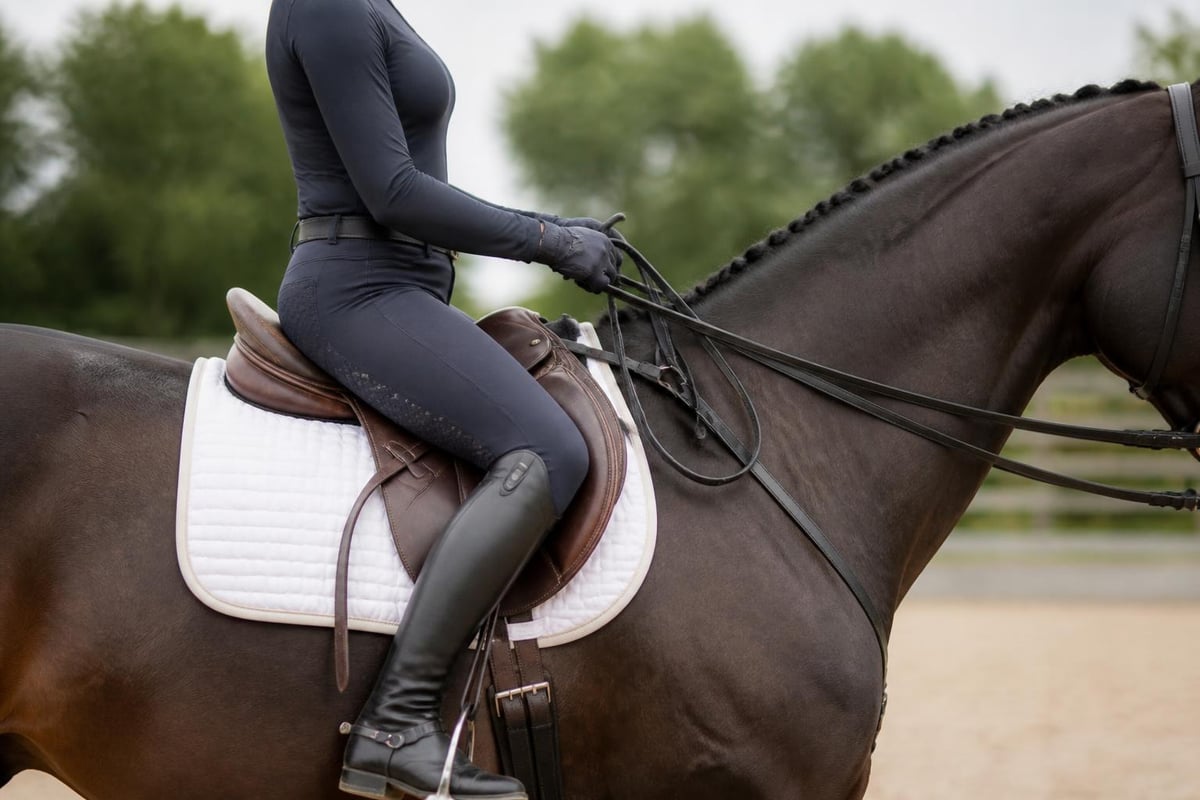
Regular athletic wear doesn't cut it in the saddle. Riding clothing addresses specific demands that other sports don't encounter. The inner leg takes constant friction. Your seat needs grip without bulk. Arms require full range of motion for precise rein handling. Seams placed wrongly create pressure points that become painful during longer rides.
Quality horseback riding clothes for men incorporate these considerations from the design stage. Flat-lock seams prevent chafing. Strategic stretch panels maintain shape whilst allowing movement. Reinforced areas withstand stirrup leather contact and saddle friction. The difference becomes obvious after your first proper ride in purpose-built gear.
Breeches and Riding Trousers: Your First Priority
No single item matters more than proper riding trousers. Breeches and jodhpurs form the foundation of any riding wardrobe, and getting this right affects everything else. Modern horseback riding pants balance technical performance with everyday wearability in ways previous generations couldn't imagine.
| Feature | Benefit | What to Look For |
|---|---|---|
| Fabric composition | Four-way stretch, moisture control | Minimum 10% elastane for proper flex |
| Seat reinforcement | Security without bulk | Silicone or leather patches |
| Inner leg protection | Prevents chafing, extends garment life | Full-length reinforcement, flat seams |
| Ankle design | Clean boot line, all-day comfort | Low-profile finish, no bulky cuffs |
The fit makes or breaks breeches. Too tight restricts movement and becomes uncomfortable. Too loose creates wrinkles that cause pressure points and looks sloppy. Proper breeches should feel like a second skin without constriction, with enough room in the seat and thigh to move freely whilst maintaining contact with the saddle.
Choosing Between Styles
Full-seat breeches offer maximum grip for jumping and dressage work. Knee-patch versions provide targeted reinforcement whilst keeping weight down for everyday riding. The choice depends on your discipline and personal preference, though many riders keep both styles for different situations.
Colour matters more than you'd think. Darker shades hide stable dirt better and work across various settings. Lighter breeches show position clearly, which helps during lessons but require more maintenance. Understanding breeches and jodhpurs properly means selecting what suits your actual riding life, not what looks impressive in photos.
Shirts and Tops: Technical Meets Presentable
Upper body wear has seen remarkable innovation in recent years. Gone are the days of choosing between performance and appearance. Modern riding shirts manage temperature, move properly, and look sharp enough for anywhere.
Performance Polo Shirts
The horseback riding polo shirt represents perhaps the most versatile piece in your riding wardrobe. Quality examples feature moisture-wicking fabrics, subtle stretch, and details like longer back hems that stay tucked during riding. They work equally well under a show jacket or worn alone during training sessions.
Technical fabrics make the difference. Synthetic blends dry faster than cotton and maintain their shape better. Merino wool offers exceptional temperature regulation for year-round wear. The best examples combine natural and synthetic fibres for performance that doesn't sacrifice comfort.
Competition Shirts
Show shirts require specific features. Stiff collars maintain appearance under jacket pressure. Hidden button plackets create clean lines. Cuff designs work under gloves without bunching. But these same features now appear in shirts designed for everyday riding, blurring the line between competition and casual wear.
The modern approach focuses on versatility. A quality riding shirt transitions seamlessly from morning schooling to afternoon meetings. This dual-purpose design reflects how equestrian style has evolved, particularly for men's equestrian apparel in 2026.
Jackets and Outerwear: Weather Protection That Works
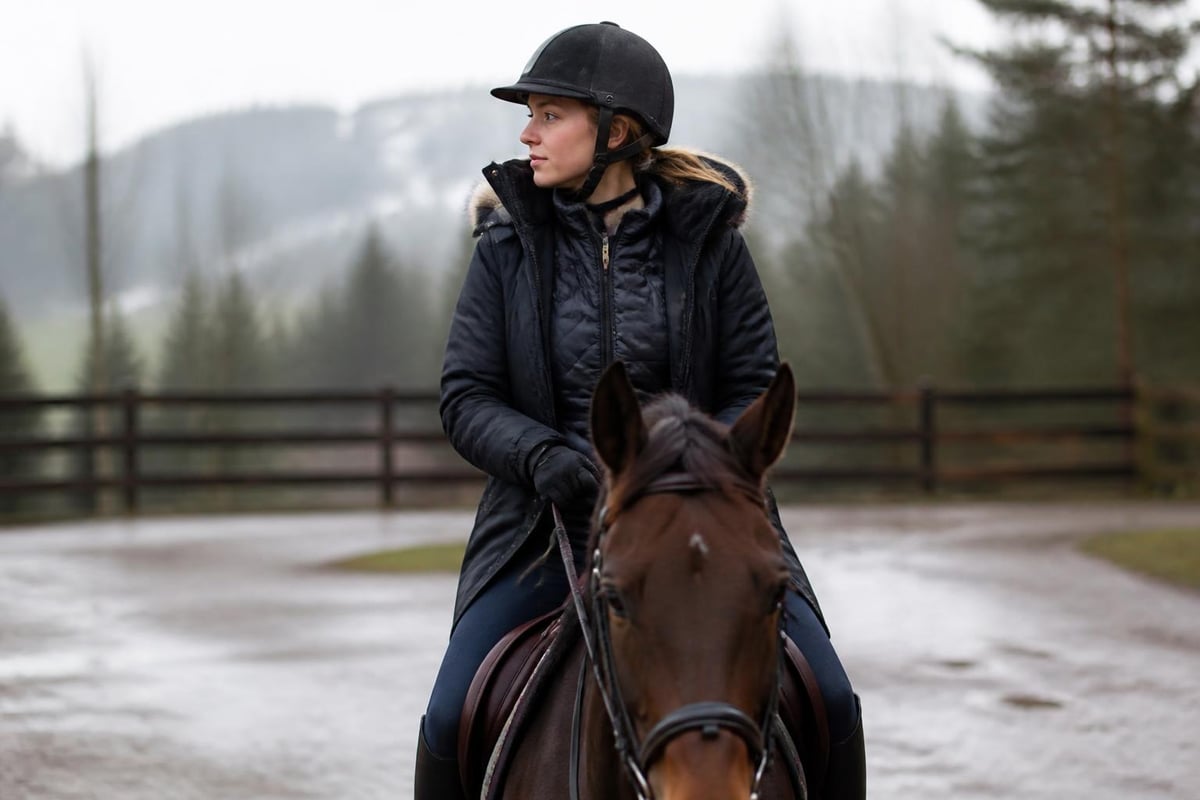
British weather demands proper outerwear, and riders face particular challenges. You need protection from wind and rain whilst maintaining mobility for riding. Static, restrictive jackets fail the moment you mount up.
Riding-Specific Design Elements
Equestrian riding jackets incorporate features that regular outdoor jackets lack. Longer backs provide coverage in the saddle. Articulated sleeves allow proper arm position. Two-way zips prevent bunching when seated. Secure pockets keep essentials safe during movement.
Waterproofing technology has advanced considerably. Modern membranes breathe properly whilst keeping you dry, preventing the sweat-soaked misery of older waterproofs. Waterproof jackets for horse riding now perform as well as premium outdoor gear whilst maintaining the cut and features riders actually need.
Layering for Versatility
Smart riders build layering systems rather than relying on single heavy coats. This approach adapts to changing conditions and varying activity levels throughout the day. A quality base layer, insulating mid-layer, and weather-resistant shell cover most situations you'll encounter.
The beauty of this system lies in its flexibility. Morning chills require all three layers. As temperatures rise and work intensifies, you shed layers accordingly. Everything needs to work together without restricting movement or creating bulk that interferes with riding.
Footwear Fundamentals
Boots deserve careful consideration, though they're often overlooked until something goes wrong. Proper riding boots protect your feet, support your ankles, and provide the sole design necessary for safe stirrup use.
Boot Selection Criteria
Traditional leather boots remain the gold standard for good reason. They mould to your leg over time, provide excellent support, and last years with proper care. Modern alternatives use synthetic materials that require less maintenance whilst offering similar performance.
Jodhpur boots paired with half chaps offer flexibility for riders who want one boot for multiple purposes. Full-height boots provide maximum support and protection but commit you to riding-specific footwear. The choice depends on how riding fits into your broader life.
Sole design matters enormously. You need enough tread for walking safely around stables whilst maintaining a smooth enough profile for proper stirrup release. Heavily lugged hiking boot soles can catch in stirrups dangerously. Purpose-built riding boots strike the necessary balance.
Beyond the Basics: Gloves, Belts, and Details
The smaller items complete your riding wardrobe and often make surprising differences to comfort and performance. Quality gloves improve rein feel whilst protecting your hands. A proper belt keeps everything in place without bulk or hardware that digs in when seated.
Gloves for Different Conditions
Summer riding demands thin, breathable gloves that maintain tactile feel. Winter requires insulation without sacrificing dexterity. Many riders keep multiple pairs for different situations rather than compromising with one inadequate option.
Synthetic gloves dry faster and cost less than leather but may not last as long. Leather offers superior feel and durability at higher prices. The best choice depends on how much you ride and in what conditions.
The Details That Matter
Belts designed for riding sit flatter and don't feature bulky buckles that become uncomfortable in the saddle. Quality examples use materials that won't crack or lose shape over time. Small details like these separate clothing that works from clothing that merely looks right.
Training vs Competition: Different Needs
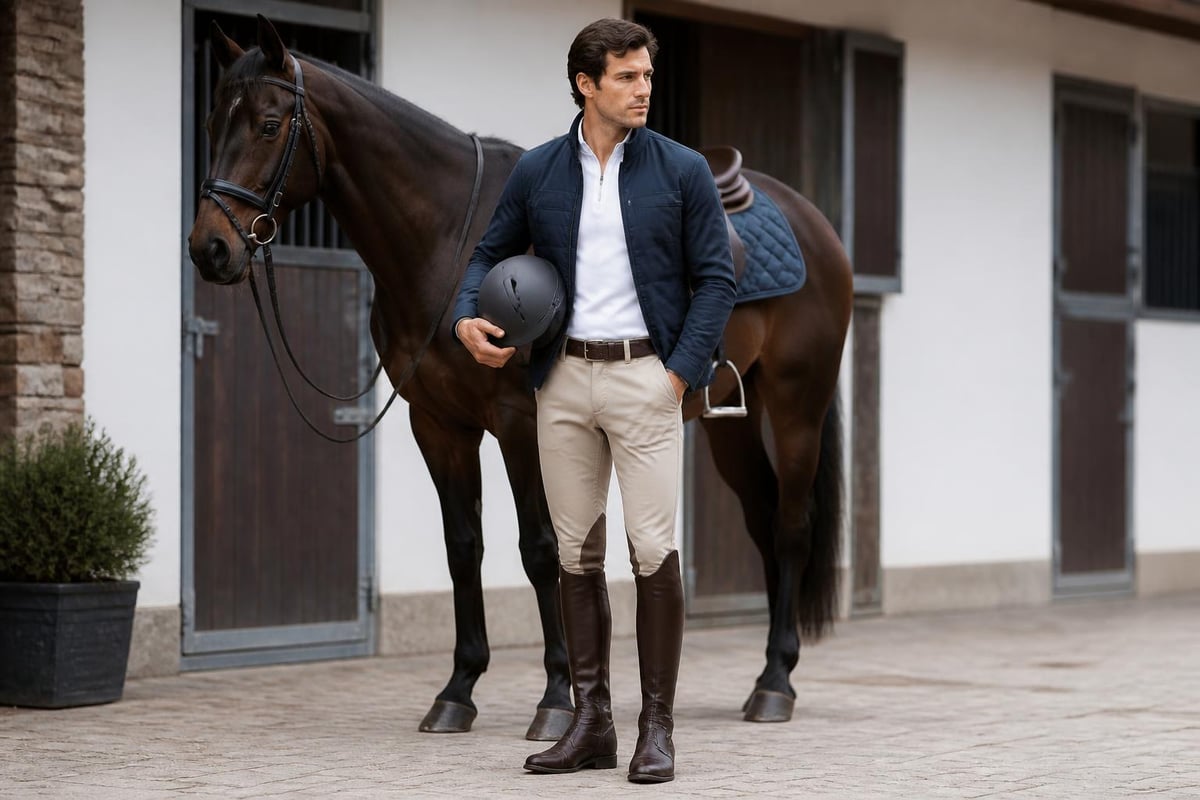
Your daily training wardrobe differs from competition attire in important ways. Training clothes prioritize durability, easy care, and comfort during hours of hard work. Competition arena attire follows specific rules whilst maintaining the performance features you've come to expect.
Building a Practical Training Wardrobe
Start with pieces that work hard and clean easily. Darker colours hide inevitable stable dirt. Technical fabrics dry overnight. Reinforced construction withstands daily wear. Your training wardrobe gets used most, so durability matters more than appearance.
Three pairs of quality breeches rotate through weekly use comfortably. Four to five technical shirts provide variety whilst ensuring clean options. Two jackets cover different weather scenarios. This core wardrobe handles most training situations without constant laundry pressure.
Competition Requirements
Show regulations vary by discipline, but general principles apply. English riding attire follows established conventions whilst allowing some personal expression through fit and subtle details. Western disciplines have their own requirements that differ considerably.
Understanding these requirements before shopping prevents expensive mistakes. Competition clothing represents an investment that pays off through proper fit, appropriate styling, and construction quality that withstands the stress of showing.
Caring for Your Investment
Quality horseback riding clothes for men represent significant investment. Proper care extends their useful life considerably and maintains performance features that cheaper alternatives never offered in the first place.
Washing and Maintenance
Technical fabrics require specific care. High heat damages elastane, reducing stretch and recovery. Fabric softener clogs moisture-wicking properties. Following manufacturer guidelines isn't optional if you want your clothing to perform as designed.
Most riding clothing washes well at low temperatures with mild detergent. Air drying preserves elastic properties and prevents heat-related damage. This gentle approach extends garment life substantially compared to harsh treatment.
Storage Considerations
Proper storage prevents damage between uses. Breeches hung by the waistband maintain their shape better than folded storage. Jackets need room to breathe rather than compression in crowded wardrobes. Boots stored with boot trees or stuffed with paper hold their shape through years of use.
Regular inspection catches small issues before they become major problems. Loose stitching repaired immediately prevents larger failures. Small tears patched early extend garment life. This preventative approach saves money and maintains your professional appearance.
Seasonal Adjustments and Year-Round Riding
British riders face all four seasons, often within the same week. Your wardrobe needs to flex across temperature ranges and weather conditions without requiring a completely different set of clothing for each season.
Summer Strategies
Lighter fabrics, lighter colours, and strategic ventilation keep you comfortable during warm weather riding. Technical shirts with mesh panels increase airflow. Thinner breeches maintain coverage without excess warmth. The goal is comfort without sacrificing the protection and function that proper riding clothing provides.
Casual horse riding clothes for summer prioritize breathability and quick-drying properties. You'll likely ride more in pleasant weather, so having enough clean options matters more than during winter when riding frequency often drops.
Winter Essentials
Cold weather riding requires thoughtful layering rather than simply adding bulk. Base layers manage moisture. Mid-layers provide insulation. Outer shells block wind and precipitation. Each layer needs to work whilst maintaining mobility for riding.
Quality base layers make surprising differences. Technical fabrics wick moisture away from skin whilst providing light insulation. This prevents the clammy discomfort that undermines winter riding enjoyment. Combined with proper outerwear, you stay comfortable through cold weather that would otherwise keep you indoors.
The Versatility Factor: Stable to Street
Modern horseback riding clothes for men blur the line between riding-specific gear and everyday wear more successfully than ever before. This versatility matters for riders who don't want separate wardrobes for different aspects of their lives.
Dual-Purpose Design
The best riding clothing works in non-riding contexts without looking costumey or out of place. Quality breeches in neutral colours pair with casual shirts for everyday wear. Technical riding shirts work as regular polo shirts in any setting. Riding jackets function as smart casual outerwear beyond the stables.
This crossover appeal reflects broader changes in how men approach clothing generally. The distinction between athletic wear, casual wear, and technical gear has become increasingly blurred. Equestrian style now influences mainstream fashion whilst riding clothing itself becomes more versatile.
The Capsule Wardrobe Approach
Building a focused wardrobe of versatile, quality pieces serves you better than accumulating numerous specialised items. Start with foundational pieces that work across situations, then add specific items as needs become clear through actual riding experience.
This approach prevents the common mistake of over-buying before you know what you actually need. It also ensures higher quality in the pieces you do own, since focused budgets stretch further when concentrated on fewer, better items rather than dispersed across many cheaper alternatives.
Making Smart Purchasing Decisions
Investing in proper horseback riding clothes for men requires balancing immediate costs against long-term value. The cheapest options rarely prove economical once you factor in replacement frequency and performance differences.
Quality Indicators to Recognize
Construction quality reveals itself in details. Stitching should be consistent and secure. Seams should sit flat. Zips should operate smoothly under tension. Fabric should recover from stretching rather than remaining baggy. These indicators separate clothing built to last from clothing built to a price point.
Materials matter enormously. Quality fabrics justify higher prices through superior performance and longevity. Technical properties like moisture-wicking, four-way stretch, and quick-drying function best in properly engineered materials. Cutting corners on fabric quality undermines every other aspect of a garment.
When to Invest vs When to Save
Breeches and boots justify premium investment because they directly affect your riding and wear out fastest. Shirts and jackets can start mid-range whilst you determine what features matter most to you. Accessories like gloves and belts make sense to trial in affordable options before upgrading to premium versions.
| Item Category | Investment Level | Rationale |
|---|---|---|
| Breeches | High | Direct performance impact, daily use, high wear |
| Boots | High | Safety critical, long lifespan when quality |
| Riding shirts | Medium | Frequent use, but less wear than breeches |
| Jackets | Medium-High | Weather dependent, less frequent replacement |
| Gloves | Medium | Seasonal needs, relatively affordable to stock multiple pairs |
| Accessories | Low-Medium | Easy to replace, good for testing preferences |
Common Mistakes to Avoid
Even experienced riders make purchasing errors that waste money and create frustration. Learning from common mistakes helps you build a functional wardrobe more efficiently.
Sizing Errors
Ordering incorrect sizes wastes time and money. Sizing guides exist for good reason, and brands often fit differently from each other. Taking proper measurements and consulting brand-specific charts prevents most sizing problems.
The temptation to size down for a trimmer look backfires in riding clothing. Proper fit requires enough ease for movement and comfort during hours in the saddle. Too-tight clothing restricts, chafes, and wears out faster from excessive strain on seams and fabric.
Prioritizing Appearance Over Function
Clothing that looks impressive but doesn't perform properly serves no useful purpose. The aesthetic appeal of riding gear comes from proper fit and quality construction, not flashy details or brand visibility. Equestrian fashion and style work best when they support rather than undermine function.
Neglecting Care Instructions
Ignoring manufacturer care guidelines shortens garment life substantially. Heat ruins elastic. Harsh detergents damage technical fabrics. Improper storage creates permanent creasing and shape loss. Following basic care instructions protects your investment and maintains performance.
Finding Your Style Within Structure
Horseback riding clothes for men operate within certain parameters, but individual style still finds expression through fit, colour choices, and how you combine pieces. The goal is looking polished and professional whilst feeling authentically yourself.
Developing Personal Preferences
Your riding style, discipline, and daily activities inform what works best for your specific situation. Dressage riders need different things than eventers. Someone riding daily has different requirements than weekend riders. Understanding your actual needs prevents buying clothing that doesn't suit your riding life.
Experimentation helps refine preferences. You might discover you prefer knee-patch breeches over full-seat despite assumptions. Perhaps technical shirts work better for you than traditional cotton. These insights develop through use, not speculation.
Balancing Tradition and Innovation
Understanding equestrian attire's historical context enriches appreciation for modern variations. Many traditional elements persist because they work, not merely from habit. But innovation has genuinely improved riding clothing in recent decades.
The sweet spot combines proven designs with modern materials and construction. You get the benefit of generations of refinement whilst enjoying technical advances that make riding more comfortable and clothing more durable.
Getting horseback riding clothes for men right comes down to understanding what actually works for your riding and choosing quality pieces that perform reliably across situations. Start with the foundations, build from there based on real needs, and prioritize function alongside style. Gallant Equestrian offers performance-driven essentials designed specifically for men who ride, combining New Zealand craftsmanship with technical innovation that works as hard as you do. Look the Part. Enjoy the Ride.

