

Long Riding Coat: Essential Guide for Modern Riders
May 27, 2026
The long riding coat remains one of equestrian clothing's most practical yet distinguished pieces. Whether you're schooling in persistent rain, traveling between stables, or simply need reliable protection during autumn mornings, understanding what separates an exceptional coat from an ordinary one changes how you approach every ride. This guide explores the features, history, and practical considerations that matter when choosing outerwear built to perform.
Why Length Matters in Equestrian Outerwear
Extended length serves a specific purpose when you're mounted. Standard jackets ride up, exposing your lower back and legs to wind and rain. A proper long riding coat extends past your hips, providing coverage that moves with you in the saddle whilst keeping you protected from the elements.
The design addresses problems regular outerwear simply can't solve. When you're seated, fabric bunches and gaps appear. Extended rear panels maintain coverage without restricting movement, whilst articulated sleeves accommodate reaching forward for reins or adjusting tack. This isn't about fashion, though the silhouette certainly carries its own appeal. It's about functionality refined over centuries of riding.
Modern versions incorporate technical fabrics and construction methods that traditional designs never had. Yet the fundamental principle remains unchanged: protection that works with your position, not against it.
Historical Context Worth Knowing
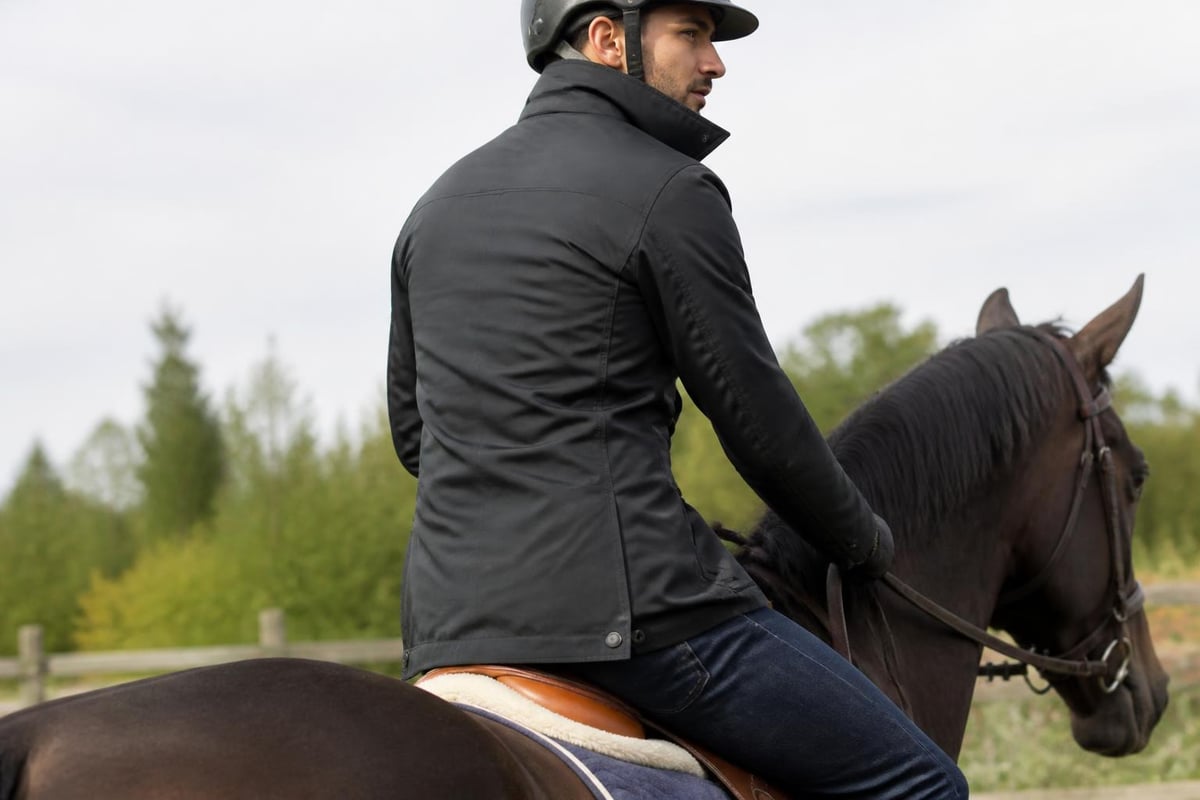
The evolution of riding coats reflects changing needs across different equestrian disciplines and eras. What began as formal attire for 18th-century riders gradually adapted to incorporate practical features demanded by active horsemen.
British riding coats from the 1770s established proportions still relevant today. The redingote, derived from English riding habits, influenced civilian fashion well beyond the stables. This cross-pollination between riding wear and everyday clothing continues in 2026, making quality pieces versatile additions to your wardrobe.
Understanding this heritage helps you recognize authentic design elements versus superficial styling. Genuine riding coats feature details born from necessity, not trend.
Essential Features for Weather Protection
Waterproofing sits at the top of most riders' priorities. Britain's climate demands it. But not all waterproof ratings perform equally, and the differences between riding coats and parkas highlight how construction methods affect performance.
A quality long riding coat should offer minimum 10,000mm waterproof rating for reliable protection. Higher ratings provide additional security during prolonged exposure. Breathability matters equally, preventing that clammy feeling during active riding sessions.
| Feature | Minimum Standard | Premium Standard |
|---|---|---|
| Waterproof Rating | 10,000mm | 20,000mm+ |
| Breathability | 5,000g/m² | 10,000g/m²+ |
| Seam Sealing | Critical seams | Fully taped |
| Hood Adjustment | Basic drawcord | Multi-point system |
Seam sealing prevents water infiltration at stitching points. Cheaper coats seal critical areas only. Premium versions tape every seam, ensuring comprehensive protection. The investment shows during torrential conditions.
Beyond Basic Waterproofing
Key features in long riding coats extend beyond keeping water out. Durability determines whether your coat lasts one season or ten. Reinforced high-wear areas, quality zips, and robust fabric construction separate workhorses from disposable pieces.
Comfort involves more than softness. Does the collar irritate during extended wear? Can you layer underneath without restriction? Do pockets sit where you'll actually use them? These questions matter during real-world use.
Storm flaps over zips, adjustable cuffs, and helmet-compatible hoods add genuine value. Reflective details improve visibility during dawn or dusk rides, a safety consideration worth prioritizing.
Fit and Movement Considerations
Traditional coats often sacrificed mobility for coverage. Modern designs resolve this compromise through intelligent pattern cutting and strategic fabric placement. When you're assessing fit, mount up. Static fitting rooms don't reveal how garments perform in your actual riding position.
Articulated construction pre-shapes sleeves and shoulders to match mounted posture. Stretch panels at shoulders and across the back accommodate reaching movements without fabric pulling tight. Underarm gussets prevent restriction when your arms extend forward.
Rear venting allows saddle contact without bunching fabric beneath you. Some designs incorporate zip vents for additional airflow during intense work. These details distinguish coats designed by riders from those styled by fashion teams unfamiliar with equestrian demands.
Sizing for Layering Flexibility
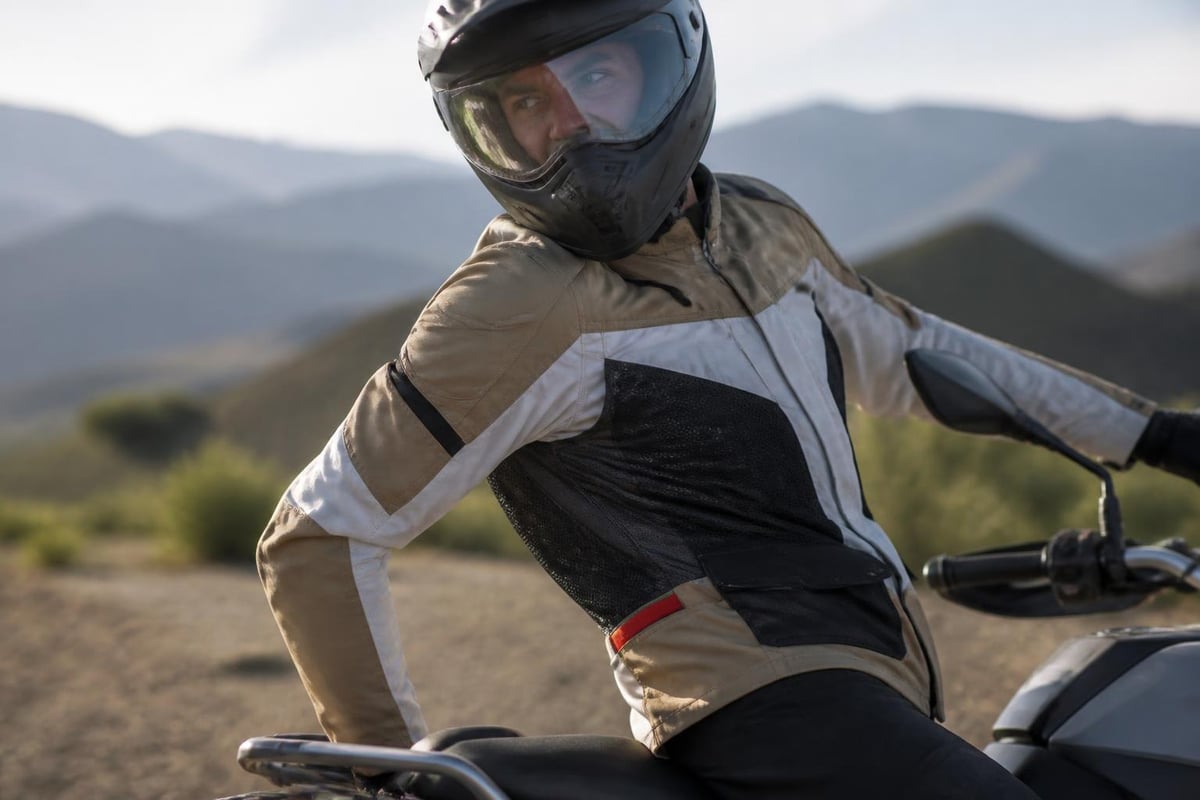
Your long riding coat needs to accommodate different base layers throughout the year. Light shirts in summer. Heavy fleece in winter. Sizing too snugly limits versatility.
Check shoulder seams sit at your natural shoulder point, not creeping toward your neck. Sleeves should extend to your wrist bone with arms relaxed, allowing sufficient length when reaching forward. Body length typically falls mid-thigh, though personal preference and height influence ideal measurements.
Adjustable features let you fine-tune fit across seasons. Waist drawcords, cuff tabs, and hem adjusters adapt the same coat from autumn to spring conditions.
Material Selection and Care
Technical fabrics dominate contemporary designs for good reason. Gore-Tex and similar membranes deliver superior waterproofing whilst maintaining breathability. Coated fabrics cost less but often trap moisture, creating discomfort during active riding.
Three-layer construction bonds outer fabric, membrane, and liner into one unit. More durable and resistant to delamination, though typically heavier. Two-layer systems use a hanging liner, offering better drape and lighter weight at some durability cost.
Proper care extends coat life significantly. Regular washing maintains breathability by removing oils and dirt that clog membrane pores. Use technical wash products, avoiding standard detergents that damage waterproof coatings. Tumble drying on low heat reactivates DWR (Durable Water Repellent) treatments.
When to Reapply Treatments
Even quality coats need maintenance. Water should bead on the surface rather than soaking in. If fabric starts "wetting out," reapply DWR treatment. Spray-on products offer convenient refresh between washes. Wash-in treatments provide more thorough coverage but require full cleaning cycles.
Storage matters too. Hang coats properly rather than stuffing into bags. Ensure they're completely dry before long-term storage. Mildew and odours develop in damp conditions, potentially damaging fabric coatings.
Style Considerations for Riders
Functionality drives design, but that doesn't mean sacrificing appearance. The long riding coat's silhouette carries inherent elegance, particularly when cut well. Neutral colours (navy, black, olive) offer versatility beyond the stables.
Reflective trim placement demonstrates design intention. Subtly integrated elements maintain clean lines whilst providing safety benefits. Excessive reflective panels suggest high-visibility workwear rather than refined riding apparel.
Details like quality hardware, considered pocket placement, and clean finishing distinguish premium pieces. Buttons versus zips, collar styles, and hem treatments contribute to overall aesthetic. Choose what aligns with your personal style whilst meeting practical requirements.
Transitioning Between Settings
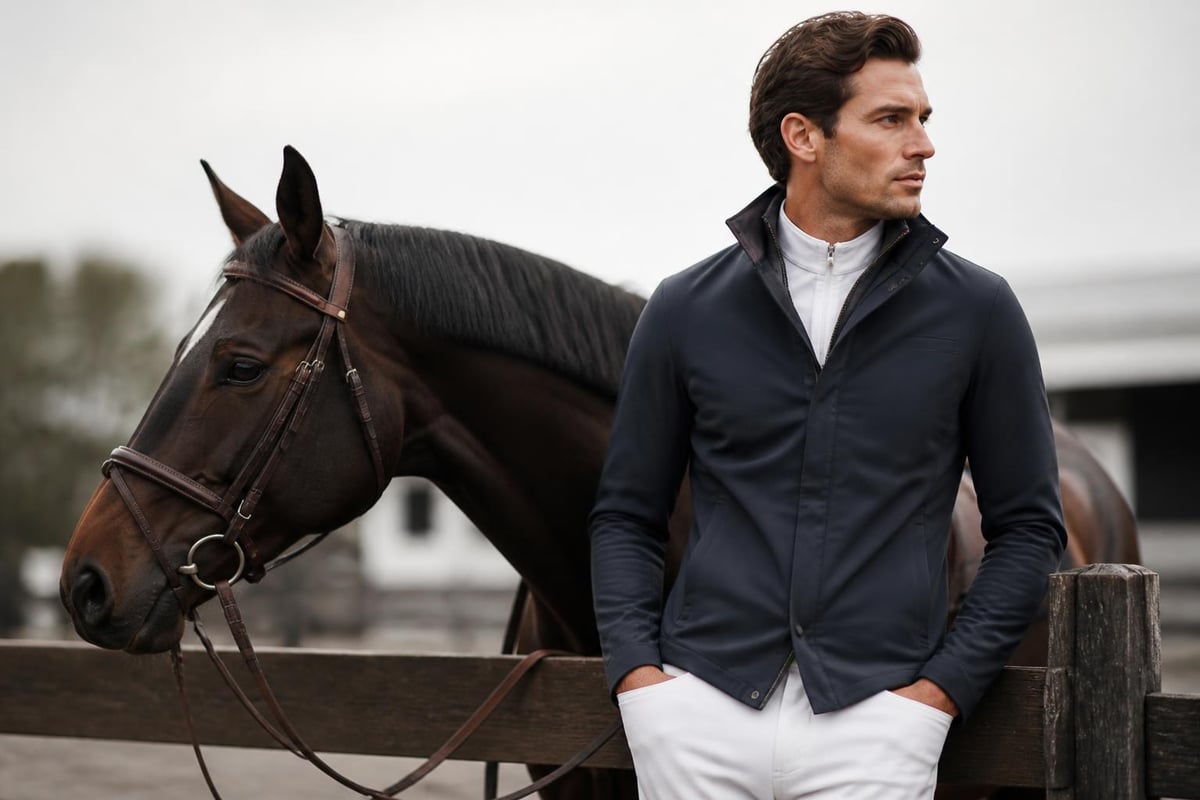
Modern riders need clothing that works across multiple contexts. Your long riding coat shouldn't look out of place running errands after morning training. This versatility explains why well-designed pieces command premium prices.
Performance-driven designs that transition seamlessly between stables and everyday settings offer genuine value. You're investing in a coat you'll wear regularly, not one reserved exclusively for mounted use. This broader utility justifies careful selection and quality investment.
Comparing Design Approaches
Different manufacturers emphasize varying priorities. Understanding these distinctions helps you identify which approach suits your needs.
| Design Focus | Advantages | Considerations |
|---|---|---|
| Maximum Protection | Superior weatherproofing, extended coverage | Potentially bulkier, higher cost |
| Mobility Priority | Enhanced movement, lighter weight | May sacrifice some coverage |
| Versatile Style | Broader wearability, refined appearance | Sometimes less technical features |
| Budget-Focused | Lower entry cost, basic functionality | Shorter lifespan, fewer features |
No single approach suits every rider. Your climate, riding frequency, and budget all influence the optimal choice. Riders in consistently wet regions prioritize waterproofing differently than those facing occasional showers.
Competition riders often select different coats than recreational riders. Your specific requirements should guide decisions rather than following what others choose.
Investment and Value Assessment
Quality long riding coats represent significant purchases. Understanding what justifies higher prices helps you assess actual value versus marketing positioning.
Construction quality separates exceptional from adequate. Examine stitching density, seam finishing, and reinforcement at stress points. Quality zips with storm flaps outlast cheap alternatives dramatically. Hardware should operate smoothly without snagging or sticking.
Warranty coverage indicates manufacturer confidence. Companies standing behind products with multi-year guarantees typically deliver superior durability. This backing provides reassurance beyond initial purchase.
Exploring waterproof long riding coat design reveals how thoughtful engineering creates garments that perform season after season. The extended value from pieces that last justifies upfront investment, particularly when calculated per-wear cost over years of use.
Budget Allocation Strategy
Rather than purchasing multiple cheaper coats that fail quickly, investing in one exceptional piece proves more economical long-term. Quality construction withstands repeated use, maintaining performance through countless rides.
Consider total cost of ownership: purchase price plus maintenance needs plus replacement frequency. A £300 coat lasting eight years costs less annually than a £100 coat requiring replacement every two years. Factor in performance degradation over time when cheaper options lose waterproofing or develop tears.
Selecting for Specific Disciplines
Different riding styles create varying demands on outerwear. Dressage riders spending extended periods in formal settings need different features than cross-country riders covering varied terrain.
Eventers benefit from maximum waterproofing and durability to handle challenging conditions. Showjumpers often prioritize refined appearance alongside practical features. Recreational riders might emphasize versatility for both mounted and ground work.
Your primary discipline should inform feature priorities whilst maintaining core functionality across all riding contexts. Most riders benefit from coats handling multiple scenarios rather than highly specialized pieces with limited application.
Climate-Specific Considerations
British weather patterns demand particular attention to waterproofing and breathability. Persistent drizzle tests coats differently than occasional downpours. Temperature fluctuations require layering flexibility.
Riders in consistently cold regions might prioritize insulation options or compatibility with separate thermal layers. Milder climates benefit from lighter-weight shells offering weather protection without excessive warmth.
Your local conditions should heavily influence material selection and feature priorities. What works brilliantly in Scotland might prove unsuitable for southern England, and vice versa.
Making Your Decision
Start by honestly assessing your riding frequency and typical conditions. Daily riders in variable weather need different solutions than weekend riders in generally fair conditions. Your budget matters, but remember that quality pieces provide extended value.
Try coats whilst moving, not just standing. Raise your arms, twist your torso, simulate mounting movements. Restriction during these tests indicates problems that worsen during actual riding.
Read reviews from riders with similar needs rather than general feedback. Someone's "perfect" coat might not suit your body type, riding style, or climate. Focus on relevant experiences.
Final Fitting Checklist
When you've narrowed options, verify these critical points:
Coverage: Adequate length whilst mounted without excessive fabric pooling when standing.
Mobility: Full range of motion in shoulders and arms without pulling or restriction.
Adjustability: Multiple points for customizing fit across seasons and layering options.
Durability indicators: Quality construction details, robust materials, strong hardware.
Practical features: Pockets positioned for access, collar comfort, hood functionality.
Your long riding coat becomes a trusted companion through seasons of riding. Choosing thoughtfully ensures this relationship delivers consistent performance and satisfaction.
Selecting the right long riding coat combines practical assessment with understanding quality indicators that ensure lasting performance. Whether you're upgrading worn outerwear or investing in your first serious riding coat, prioritizing features that match your specific needs creates genuine long-term value. Gallant Equestrian delivers performance-driven menswear designed for riders who demand both functionality and refined style, creating pieces that transition seamlessly from stables to everyday life with the quality and attention to detail New Zealand craftsmanship provides. Look the Part. Enjoy the Ride.

