

Long Riding Coats Waterproof: Essential Guide for 2026
Apr 28, 2026
When you're spending hours in the saddle, weather doesn't wait for convenient moments. Rain arrives mid-hack, wind picks up during afternoon lessons, and morning mist settles in just as you're tacking up. A proper coat becomes more than protection, it becomes part of your riding kit. Long riding coats waterproof enough to handle British weather while maintaining breathability and movement represent the intersection of technical innovation and practical design. The right coat keeps you dry without turning into a sauna, covers your breeches completely, and moves with you rather than against you. Understanding what separates functional waterproofing from marketing claims helps you invest in gear that actually performs when conditions turn challenging.
Understanding Waterproof Technology in Long Coats
Waterproof ratings matter more than most riders realize. The hydrostatic head measurement tells you exactly how much water pressure a fabric withstands before it starts leaking through. A 5,000mm rating handles light rain. A 10,000mm rating manages moderate downpours. Anything above 15,000mm qualifies as genuinely waterproof for extended exposure.
Modern long riding coats waterproof performance comes from membrane technology layered within the fabric structure. Gore-Tex remains the gold standard, but newer alternatives like eVent and proprietary membranes deliver comparable protection at different price points. Advanced waterproof materials have evolved significantly in 2026, incorporating sustainability alongside performance.
Breathability Versus Waterproofing
The challenge isn't just keeping water out. Your body generates heat and moisture during physical activity, and riding qualifies as genuine physical work. A completely waterproof barrier that traps all that internal moisture creates a mobile steam room. You end up soaked from the inside rather than the outside.
Breathable waterproof fabrics allow water vapor molecules to escape while blocking liquid water from entering. The MVTR rating (Moisture Vapor Transmission Rate) measures this breathability. Higher numbers mean better vapor transfer. Quality coats balance both metrics, offering 15,000mm+ waterproofing with 10,000g+ breathability.
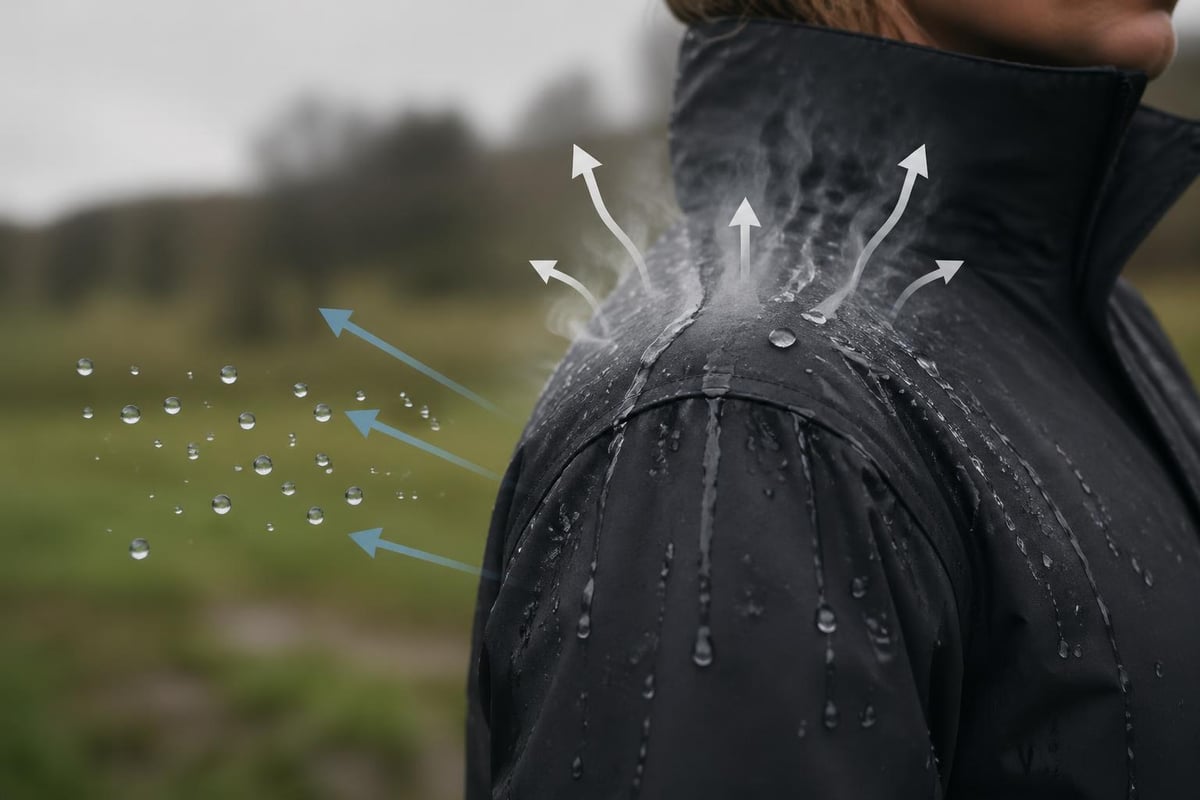
Taped seams represent another critical component. Stitching creates thousands of tiny holes in fabric. Without sealed seams, water finds these weak points and infiltrates. Quality construction includes fully taped or welded seams throughout the coat, not just in high-exposure areas.
Design Features That Define Performance
Long riding coats waterproof capabilities extend beyond fabric specifications into thoughtful design elements. Length matters tremendously when you're mounted. A coat that hits mid-thigh while standing rises considerably when you're in the saddle. Proper riding coats account for this, extending coverage to ensure your breeches stay protected even when posting or jumping.
Articulated Construction and Movement
Riding requires specific movements that standard outerwear doesn't accommodate. Reaching forward to adjust reins, rotating your torso during lateral work, extending your arms while schooling over fences. These movements demand articulated sleeves, gusseted underarms, and strategically placed stretch panels.
Premium designs incorporate these features without looking technical or sporty. The articulation should be subtle enough that the coat works equally well off the horse. As discussed in guides about equestrian riding attire, versatility between stable and street defines quality menswear for riders.
| Feature | Purpose | Performance Impact |
|---|---|---|
| Extended back length | Saddle coverage when mounted | Prevents gap exposure during riding |
| Articulated sleeves | Natural arm positioning | Reduces restriction when holding reins |
| Two-way zippers | Ventilation control | Allows opening from bottom when seated |
| High collar | Neck and throat protection | Blocks wind and rain from upper body |
| Storm cuffs | Wrist seal | Prevents water running up sleeves |
Temperature regulation becomes crucial during variable weather. Early morning rides start cold, warm up through mid-morning work, then cool again during afternoon hacks. A coat with pit zips, back vents, and adjustable cuffs lets you modulate airflow without removing layers.
Material Selection and Durability Considerations
Not all waterproof fabrics age equally. Some coatings degrade after a season of heavy use. Others maintain performance for years with proper care. When investing in long riding coats waterproof enough for serious riding, understanding material longevity matters as much as initial specifications.
Traditional DWR (Durable Water Repellent) coatings sit on the fabric surface, causing water to bead and roll off. These coatings work brilliantly when new but deteriorate with washing, abrasion, and UV exposure. Quality coats use fluorine-free DWR treatments that perform better environmentally while maintaining effectiveness longer.
Multi-Layer Construction Strategies
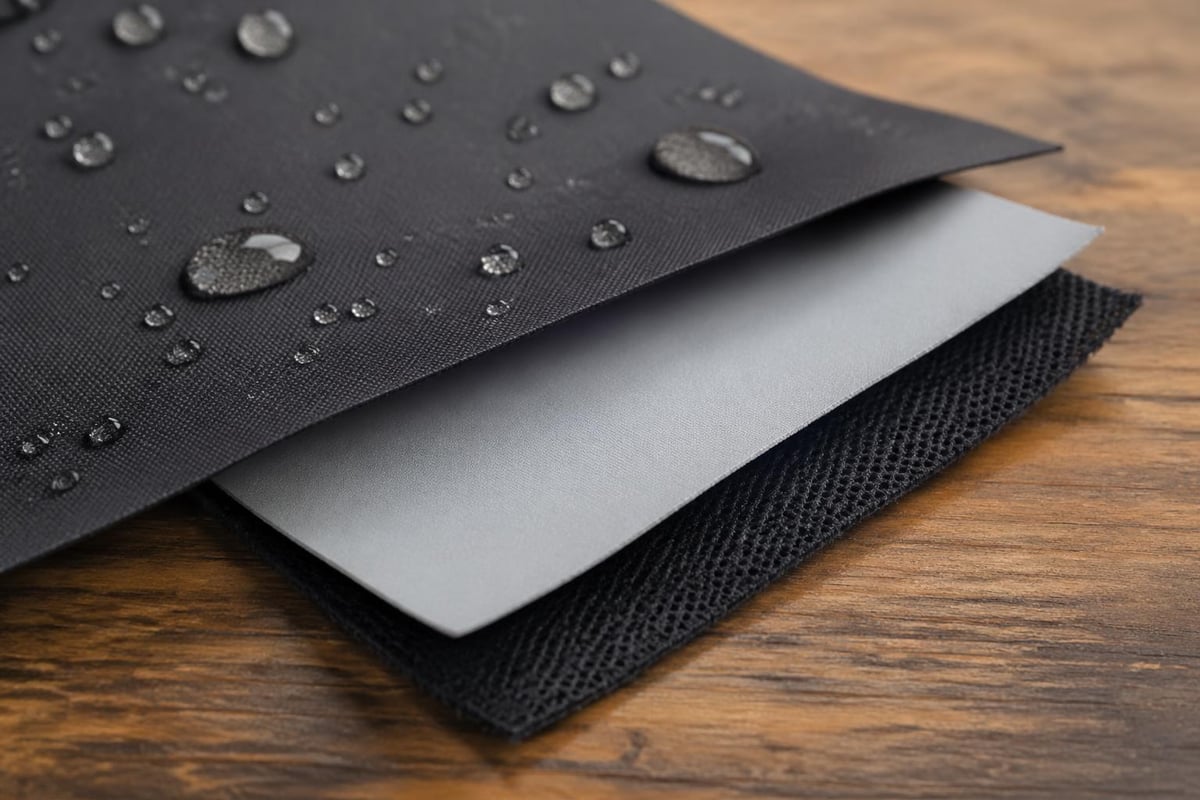
Three-layer construction bonds the outer fabric, waterproof membrane, and inner lining into a single cohesive material. This approach creates the most durable and protective barrier but adds weight and stiffness. Two-layer construction suspends the membrane between outer fabric and a separate lining, offering better drape and comfort with slightly reduced durability.
Similar to considerations when selecting waterproof riding jackets, long coats require balancing protection with wearability. A coat that's technically superior but uncomfortable won't get worn, regardless of its specifications.
Face fabrics influence both performance and aesthetics. Nylon offers excellent strength-to-weight ratios and abrasion resistance. Polyester provides superior UV stability and colour retention. Cotton blends deliver a more traditional appearance but require heavier waterproof treatments. The best choice depends on your riding discipline, climate, and style preferences.
Fit Considerations for Mounted Comfort
Standard menswear sizing doesn't account for equestrian requirements. Long riding coats waterproof performance depends heavily on proper fit, both on the ground and in the saddle. Too tight restricts movement and stresses seams. Too loose creates bulk that interferes with contact and communication.
Shoulder width determines how the entire coat drapes and moves. Proper shoulders sit at your natural shoulder point without pulling or sliding. The sleeve should allow full forward reach without the cuff riding up your forearm. When testing fit, simulate mounted positions rather than just standing square.
Layering and Seasonal Adaptability
A versatile coat accommodates different underlayers throughout the year. Spring mornings might require a fleece under your shell. Summer evening rides need just a technical shirt. Winter sessions demand proper insulation. The coat should fit comfortably over a sweater without becoming a parachute when worn with less underneath.
Adjustable elements provide this adaptability. Velcro cuff tabs, drawcord hems, and removable liners let you modify the coat for conditions. Fixed sizing limits versatility and shortens the useful season for any single coat. Much like choosing men's riding breeches that work across disciplines, your waterproof coat should perform in multiple contexts.
Back length presents a unique consideration for riders. While you want coverage when mounted, excessive length creates problems when walking through mud, loading hay, or doing stable work. The sweet spot typically falls just above the knee when standing, extending to mid-thigh when seated.
Maintenance and Long-Term Performance
Even the finest long riding coats waterproof capabilities deteriorate without proper care. Dirt and oils from daily riding compromise both the DWR coating and the membrane structure. Regular cleaning maintains performance far beyond what most riders expect from their gear.
Washing waterproof garments requires specific approaches. Machine washing on gentle cycles with technical fabric detergent removes contaminants without damaging treatments. Avoid standard detergents, which leave residues that attract water rather than repelling it. Skip fabric softeners entirely, they actively destroy DWR coatings.
Restoration and Reproofing
After washing, tumble drying on low heat actually reactivates DWR treatments. The heat causes the coating to re-spread across the fabric surface, restoring beading performance. This simple step extends the effective life of your coat significantly. When beading eventually fails despite washing and drying, spray-on or wash-in reproofing products restore water repellency.
| Maintenance Task | Frequency | Purpose |
|---|---|---|
| Brush off mud and debris | After each ride | Prevents grinding contaminants into fabric |
| Machine wash | Every 10-15 wears | Removes oils and dirt that compromise DWR |
| Tumble dry low heat | After each wash | Reactivates DWR coating |
| Apply DWR treatment | Annually or as needed | Restores water repellency when reactivation fails |
| Check seam tape | Quarterly | Identifies damage before it causes leaks |
Storage matters more than most riders consider. Hanging your coat properly maintains its shape and prevents creasing that stresses waterproof membranes. Avoid compression in overstuffed closets or gear bags. Given the investment in quality gear, proper storage extends useful life considerably, much like caring for your equestrian clothing collection overall.
Seam tape inspection should become routine. Peeling tape creates immediate leak points that compromise the entire garment. Small separations can be repaired with seam sealer before they spread. Catching these issues early prevents minor problems from becoming major failures mid-ride.
Practical Selection Criteria for Different Riding Contexts
Your primary riding discipline influences which features matter most in long riding coats waterproof design. Dressage riders need maximum shoulder mobility for subtle rein aids. Show jumpers require unrestricted arm movement for release over fences. Eventers demand versatility across all three phases plus durability for cross-country conditions.
Leisure riders and weekend enthusiasts benefit from coats that transition seamlessly from stable to street. A technical riding coat that looks out of place everywhere else limits its utility. Expert advice on waterproof riding coats emphasizes balancing performance with versatility, especially for riders who want one quality piece rather than multiple specialized options.
Climate-Specific Requirements
British weather demands different specifications than Mediterranean climates or Scandinavian winters. Temperate maritime conditions with frequent rain and moderate temperatures require breathability above all else. Continental climates with distinct seasons might prioritize insulation and windproofing during winter months.
Understanding how long coats protect riders in various weather conditions helps match features to your specific environment. A 20,000mm waterproof rating proves unnecessary if you primarily ride in light drizzle. Conversely, anything less becomes inadequate for riders facing sustained downpours regularly.
Commuting riders who hack through all weather need maximum protection. Show riders might prioritize a cleaner silhouette that layers well under show jackets. Trail riders require abrasion resistance from brush and branches. Each context changes the priority of specific features.
Value Assessment Beyond Initial Cost
Quality long riding coats waterproof construction represents significant investment, but cost per wear tells the real story. A £200 coat worn three times weekly for five years costs roughly £2.50 per wear. A £400 coat with the same use pattern costs £5 per wear but likely lasts seven to ten years with proper care, reducing actual per-wear cost.
Premium materials and construction deliver tangible benefits beyond longevity. Better breathability means more comfortable rides in variable conditions. Superior waterproofing keeps you genuinely dry rather than just less wet. Enhanced mobility improves your effectiveness in the saddle. These factors contribute to both enjoyment and performance.
Warranty and Manufacturer Support
Reputable brands stand behind their products with meaningful warranties. Gore-Tex guarantees their membrane for the life of the garment. Quality manufacturers offer repair services for damaged seams, broken zippers, and worn areas. This support structure adds genuine value beyond the initial purchase price.
Consider the coat as part of your complete riding kit. Just as you wouldn't compromise on ill-fitting boots or uncomfortable breeches, your outerwear deserves equal consideration. The confidence that comes from knowing you're properly equipped for any weather enhances every ride. When examining equestrian gear decisions, waterproof protection ranks among the most impactful for year-round riders.
Integration with Your Riding Wardrobe
A waterproof coat doesn't exist in isolation. It integrates with your complete riding wardrobe, layering over technical shirts, under show jackets, and coordinating with your overall aesthetic. Neutral colours like navy, black, charcoal, and olive green offer maximum versatility while maintaining a refined appearance.
The coat should complement rather than clash with your established style. If you prefer traditional equestrian aesthetics, technical detailing should be subtle rather than prominent. Riders drawn to contemporary design can embrace visible features like waterproof zippers, ventilation panels, and contrast stitching. Understanding your personal equestrian style informs better purchasing decisions.
Details like collar style, pocket placement, and hem design influence both function and appearance. High collars protect your neck but can interfere with helmet straps. Hand-warmer pockets feel wonderful but add bulk. Adjustable hems provide fit customization but create visual complexity. Each element represents a trade-off worth considering.
Testing and Break-In Period
New coats often feel stiff compared to broken-in favorites. Quality waterproof fabrics soften with use while maintaining their protective properties. Allow several rides for the coat to conform to your movement patterns. What feels restrictive initially often becomes completely natural after a dozen wears.
Testing your coat before you desperately need it prevents unpleasant surprises. Wear it during a light drizzle to verify the DWR coating is active and working. Try it during more demanding rides to confirm the articulation suits your riding style. Check that zippers operate smoothly with gloves on. These simple tests identify any issues while you can still exchange or return the garment.
Pay attention to how the coat performs during actual riding rather than just walking around. Does it rise uncomfortably when you're in jumping position? Do the sleeves restrict your release over fences? Does the collar interfere with your helmet? These real-world tests matter more than how it feels standing in a shop.
Investing in proper long riding coats waterproof enough for serious year-round riding transforms your relationship with weather from limitation to minor inconvenience. When protection, breathability, and movement work together seamlessly, you're free to focus on your riding rather than your discomfort. Whether you're hacking through morning mist, schooling through afternoon showers, or simply heading to the stable without checking the forecast, the right coat makes it all possible. Gallant Equestrian understands that performance-driven menswear doesn't sacrifice style for function, offering pieces designed in New Zealand that handle demanding conditions while maintaining the refined aesthetic modern riders expect. Look the Part. Enjoy the Ride.

