

Mountain Horse Jacket: Performance Wear for Serious Riders
Apr 27, 2026
When you're riding in unpredictable weather, the right jacket becomes more than just clothing. It's the difference between a productive session and cutting things short. The mountain horse jacket has earned its place in riders' wardrobes through a simple equation: proven performance meets practical design. Whether you're working with horses in February drizzle or heading out for an autumn hack, understanding what makes these jackets work helps you choose gear that actually performs when conditions turn.
What Sets Mountain Horse Jackets Apart
Mountain Horse built their reputation by focusing on real riding conditions rather than fashion statements. Their jackets prioritize movement, weather resistance, and durability. You'll notice the difference the first time you raise your arms to adjust reins or reach forward. The cut accommodates riding posture without riding up or restricting your shoulders.
These jackets typically feature articulated sleeves, extended backs, and strategically placed stretch panels. The design philosophy centres on one question: does it work in the saddle? This approach extends to pocket placement, zip guards, and collar height. Everything serves a purpose.
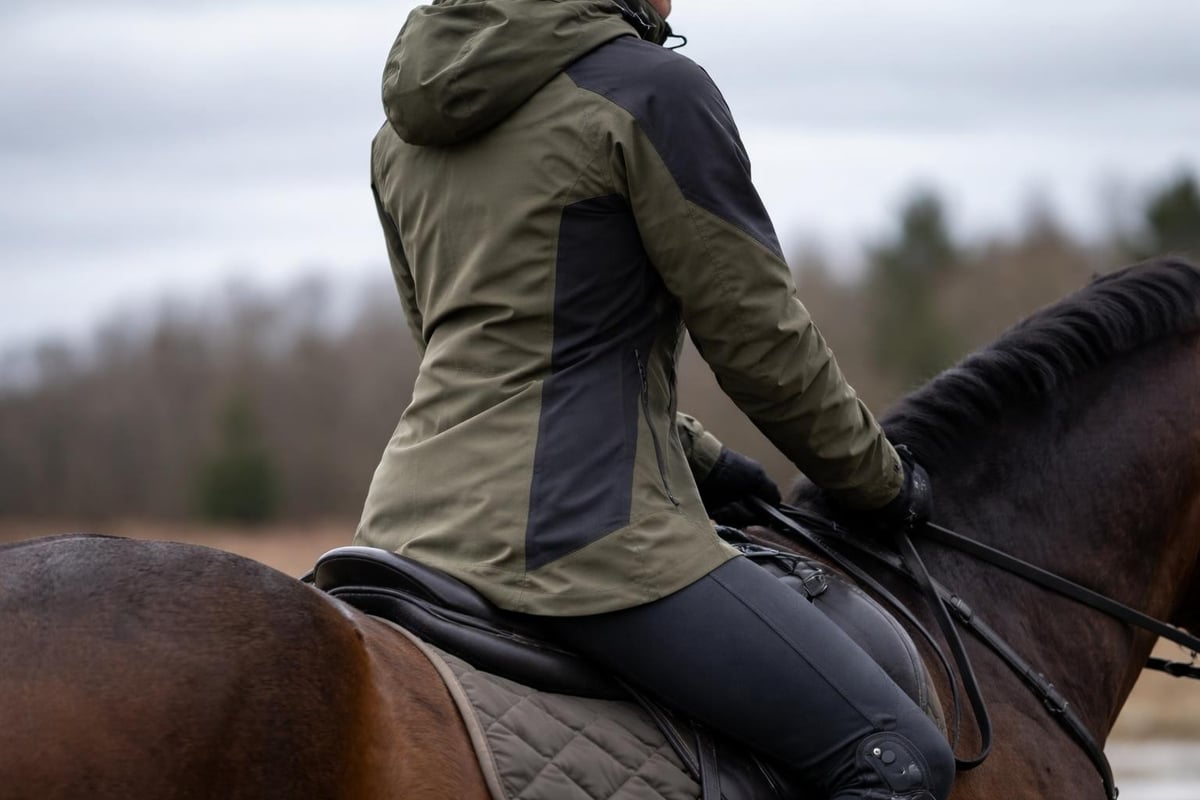
The materials matter just as much as the cut. Most Mountain Horse jackets combine waterproof outer shells with breathable membranes. This prevents the common problem of getting soaked from the inside out when you're working hard. The Mountain Horse Team Light Jacket demonstrates this balance particularly well, offering protection without excessive bulk.
Understanding Mountain Horse Jacket Variations
Mountain Horse produces several distinct jacket styles, each addressing specific conditions and preferences. The range includes insulated options for winter, lightweight shells for transitional weather, and technical pieces designed for competition environments.
Insulated Performance Jackets
Winter riding demands serious insulation without sacrificing mobility. The Mountain Horse Lauren Down Jacket exemplifies this category with genuine down fill that maintains warmth even in damp conditions. Down insulation compresses easily, making these jackets practical for storing in your tack room or vehicle.
Synthetic insulation offers an alternative that performs better when wet. These jackets use polyester fibres that retain warming properties even after absorbing moisture. For riders who frequently encounter rain or snow, synthetic fill often proves more reliable. The trade-off comes in pack size and weight, though modern synthetic materials have narrowed this gap considerably.
Shell Jackets and Lightweight Options
When temperatures rise but weather remains uncertain, shell jackets provide protection without overheating. These pieces layer effectively over base layers and mid-weight fleeces. The Mountain Horse Selma Jacket represents this category well, offering three-season versatility that adapts to changing conditions throughout your ride.
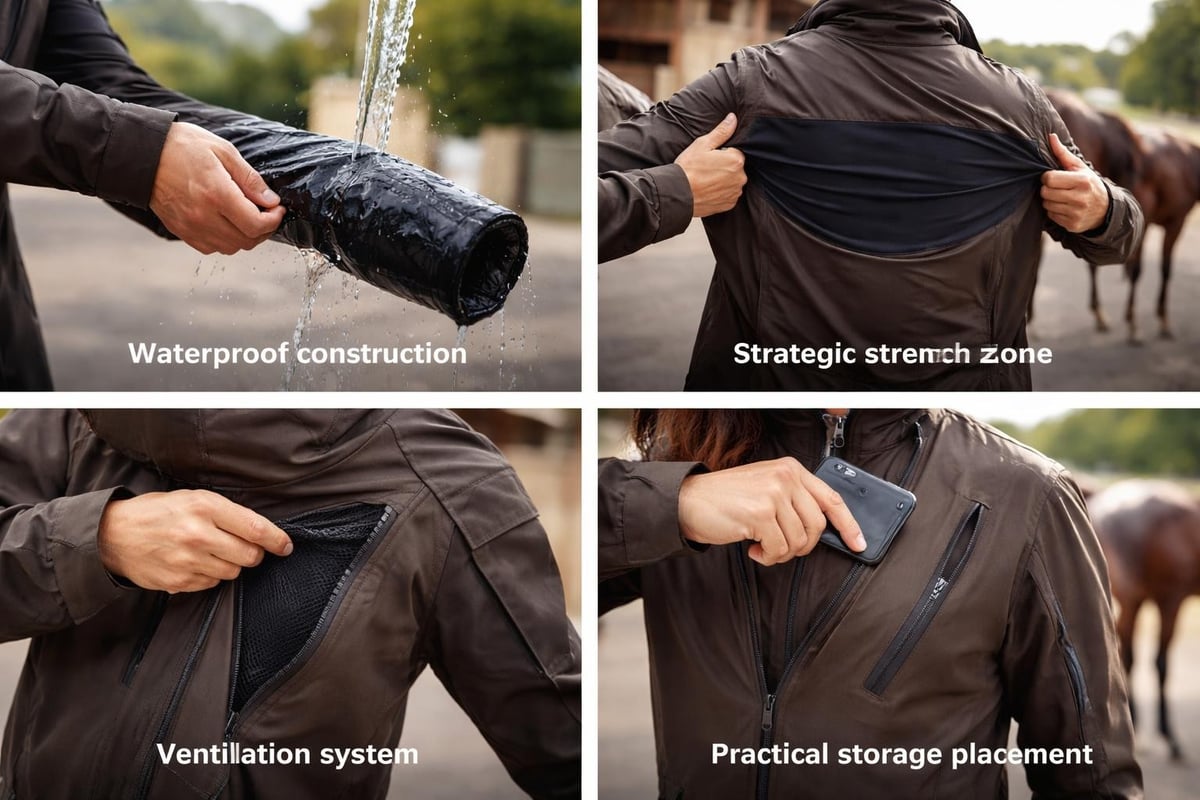
Shell construction typically features fully taped seams and waterproof zippers. These details prevent water infiltration at vulnerable points. Quality shells also incorporate ventilation options, usually through underarm zips or back vents. This allows you to regulate temperature without removing the jacket entirely.
Technical Features That Actually Matter
Marketing materials overflow with technical specifications, but only certain features genuinely impact your riding experience. Focus on these practical elements when evaluating any mountain horse jacket.
Waterproofing and Breathability Ratings
Waterproof ratings measure how much water pressure fabric withstands before leaking. A rating of 10,000mm handles moderate rain effectively. Serious weather demands 20,000mm or higher. Breathability ratings indicate moisture vapour transmission. Higher numbers mean better moisture management from inside the jacket.
These numbers provide useful comparisons, but real-world performance depends on construction quality and maintenance. Even the best waterproof jacket fails if seams aren't properly sealed or if dirt clogs the membrane.
Movement and Articulation
The best mountain horse jacket incorporates pre-shaped sleeves that curve naturally when your arms extend. This articulation reduces fabric bunching and maintains coverage when you reach forward. Stretch panels at shoulders and across the back further enhance mobility.
Check how the jacket fits when you simulate riding posture. Raise your arms, lean forward, twist your torso. Any restriction or riding up indicates poor fit or inadequate articulation. Your equestrian attire should support your riding, not hinder it.
Practical Storage Solutions
Pocket placement matters more than pocket quantity. Chest pockets should sit high enough to remain accessible when wearing a body protector. Hand pockets need angled openings that work when mounted. Interior pockets protect phones and valuables from weather and impact.
Secure closures prevent items falling out during mounting or dismounting. Velcro works reliably but can snag clothing. Zips provide better security but may freeze in extreme cold. Magnetic closures offer convenience but sometimes release unintentionally.
Sizing and Fit Considerations for Men
Mountain horse jacket sizing generally runs true to European standards, which often translates to a slightly slimmer cut than American sizing. Men typically need to consider both chest measurement and sleeve length. The riding-specific cut means these jackets fit differently than casual outerwear.
When trying jackets, wear your typical riding layers underneath. Test the fit with a mid-weight base layer and any body protection you use. The jacket should accommodate these layers comfortably without excess fabric.
Sleeve length becomes critical when mounted. Cuffs should extend to your wrist bone when arms are extended, preventing gaps that allow rain to run down your forearms. Some Mountain Horse models offer adjustable cuffs with Velcro or elastic, providing flexibility across different riding positions.
The torso length should cover your lower back completely when leaning forward in riding position. Extended backs prevent the jacket riding up and exposing you to wind and rain. This feature distinguishes riding jackets from general outdoor wear.
Maintenance and Longevity
A quality mountain horse jacket represents significant investment. Proper care extends its functional lifespan considerably. Waterproof membranes require specific maintenance to preserve their performance characteristics.
Cleaning Without Damaging Performance
Technical fabrics demand gentle cleaning methods. Use dedicated technical wash products rather than standard detergents. Regular detergents leave residues that clog waterproof membranes and reduce breathability. Fabric softeners actively damage waterproof treatments and should never be used.
Wash jackets when visibly dirty or when water no longer beads on the surface. Close all zips and fasteners before washing. Use cool water and a gentle cycle. Avoid aggressive spinning that stresses seams and fabric.
Restoring Water Repellency
DWR (Durable Water Repellent) treatments wear away with use and washing. When water stops beading and instead soaks into the outer fabric, reapplication becomes necessary. The waterproof membrane still functions, but the saturated outer layer reduces breathability.
Heat reactivates existing DWR coatings. Tumble drying on low heat or careful ironing (check manufacturer guidelines) can restore water repellency temporarily. When this stops working, apply fresh DWR treatment following product instructions carefully.
Storage Practices
Store jackets clean and completely dry. Hanging storage prevents compression that can damage insulation. Avoid damp environments that encourage mildew growth on natural materials and can degrade adhesives and waterproof treatments.
Periodic checks identify problems before they become serious. Examine seams for separation, zips for smooth operation, and fabric for tears or abrasion. Early repairs prevent minor issues becoming major failures.
| Jacket Type | Best Conditions | Key Feature | Typical Weight |
|---|---|---|---|
| Down Insulated | Dry cold (5°C to -10°C) | Maximum warmth-to-weight ratio | 400-600g |
| Synthetic Insulated | Wet cold (0°C to 10°C) | Maintains warmth when damp | 500-800g |
| Waterproof Shell | Rain, wind, mild temps (5°C to 15°C) | Layering versatility | 300-500g |
| Softshell | Dry, active riding (10°C to 18°C) | Stretch and breathability | 400-600g |
Integration with Complete Riding Wardrobe
Your mountain horse jacket functions as one component of a complete riding system. Understanding how it integrates with other pieces maximizes its effectiveness and your comfort.
Layering beneath the jacket allows adaptation to changing conditions without changing your outer shell. Start with moisture-wicking base layers that move sweat away from skin. Add insulating mid-layers for warmth. The jacket provides weather protection over this system.
This approach offers flexibility that single-layer dressing cannot match. Too warm? Remove a mid-layer without sacrificing weather protection. Temperature dropping? Add insulation without changing your outer shell. The system adapts while maintaining consistent weather resistance.
Your equestrian clothing choices below the waist matter equally. Insulated jackets work best with properly fitted riding breeches rather than bulky trousers that bunch uncomfortably in the saddle. The combination of purpose-built pieces creates a cohesive system that performs reliably.
Mountain Horse Jacket Performance in Various Disciplines
Different riding disciplines place distinct demands on outerwear. A mountain horse jacket that excels for leisure riding might prove impractical for competition environments.
Hacking and Trail Riding
Extended periods in the saddle across varied terrain demand jackets that balance protection with comfort. The Mountain Horse Illusion Jacket addresses this with reflective elements that improve visibility during road work or low-light conditions. Safety features integrate seamlessly with practical design.
Trail riders benefit from jackets with multiple pockets for carrying essentials. Maps, mobile phones, and small tools need accessible, secure storage. Jackets designed for this purpose include larger pockets with reliable closures.
Schooling and Training Sessions
Arena work generates more body heat than trail riding. Lightweight, breathable options work better than heavily insulated jackets. Ventilation becomes the priority feature. Jackets with pit zips or back vents allow heat escape without removing the entire piece.
Unrestricted movement matters more in schooling environments where you're constantly using body position and aids. The mountain horse jacket designs that incorporate four-way stretch panels excel here. They move with you rather than against you.
Competition and Shows
Show environments often require smart appearance alongside functionality. The Mountain Horse Belvedere Jacket demonstrates how technical performance can coexist with refined styling. Clean lines and tailored cuts maintain professional appearance while delivering weather protection.
Competition jackets typically feature more subdued colours and minimal external branding. Navy, black, and grey dominate this category. These conservative aesthetics work across various competition levels and disciplines.
Value Proposition and Investment Thinking
Mountain horse jacket pricing reflects the technical development and quality materials involved in production. Understanding this value helps justify the investment compared to general outdoor jackets.
Comparing Cost Per Wear
A £200 mountain horse jacket worn three times weekly for five years costs roughly 50 pence per wear. A £60 general outdoor jacket lasting 18 months at the same frequency costs approximately 75 pence per wear. The quality piece delivers better value while providing superior performance.
This calculation doesn't account for the frustration of inadequate gear or the safety implications of compromised weather protection. Real value includes reliable performance when conditions matter most.
Multi-Purpose Functionality
Quality riding jackets transition effectively to daily wear. The technical features that benefit riding also serve walking, travelling, or general outdoor activities. This versatility increases utility beyond purely equestrian contexts.
Styling that balances performance with refined appearance enables this crossover. Jackets with excessive branding or overtly equestrian styling limit non-riding use. Subtle designs from Mountain Horse work across multiple contexts without looking out of place.
Climate-Specific Jacket Selection
British weather demands versatility more than specialization. The ideal mountain horse jacket handles rain, wind, and temperature fluctuations within single rides.
Maritime Climate Considerations
Coastal and maritime climates prioritize waterproofing and wind resistance over extreme cold protection. Moderate temperatures but persistent precipitation characterize these environments. Breathable waterproof shells with moderate insulation serve most conditions.
Layering capability becomes essential when weather changes hourly. A versatile shell jacket over adaptable mid-layers handles maritime unpredictability better than single-purpose pieces.
Continental Climate Approaches
Deeper inland, temperature extremes increase while precipitation often decreases. Riders in these areas need both serious insulation for winter and minimal coverage for summer. A shell jacket plus a separate insulated jacket often serves better than attempting to find one piece that covers all conditions.
This two-jacket approach costs more initially but provides superior performance across seasonal extremes. Neither jacket compromises trying to serve conditions it wasn't designed for.
Altitude and Exposure Factors
Higher elevations and exposed terrain intensify weather conditions. Temperature drops with altitude while wind speeds increase. Jackets for these environments need excellent wind resistance alongside waterproofing and warmth.
Extended backs and adjustable hoods become critical features. Wind-driven rain finds any gap in coverage. Jackets designed for extreme exposure eliminate these vulnerabilities through comprehensive coverage and secure adjustments.
Emerging Technology in Riding Jackets
Fabric technology continues advancing, bringing new capabilities to riding outerwear. Understanding these developments helps identify genuinely useful innovations versus marketing claims.
Modern waterproof membranes deliver better breathability than previous generations. This reduces the compromise between weather protection and moisture management. Riders work hard. Jackets must handle the resulting perspiration without creating internal condensation.
Stretch fabrics now incorporate weather resistance previously available only in rigid materials. This enables jackets that move naturally while maintaining protective properties. The combination transforms comfort during active riding.
Sustainable materials increasingly appear in technical riding wear. Recycled polyesters and responsible down sourcing address environmental concerns without sacrificing performance. These options appeal to riders considering their broader impact. Much like how Cycling Gears Hub has evolved to offer environmentally conscious options alongside traditional performance gear, equestrian brands are responding to rider demand for sustainable choices.
Smart features remain relatively rare in equestrian jackets compared to general outdoor wear. Integrated heating elements and electronic controls add complexity and failure points. Most riders prefer reliable simplicity over electronic enhancement.
| Feature | Benefit | Consideration |
|---|---|---|
| Taped Seams | Prevents water entry at stitching | Check for full taping vs critical seams only |
| Articulated Sleeves | Natural movement when riding | Test with arms extended forward |
| Adjustable Cuffs | Prevents water running down forearms | Velcro vs elastic vs snap closure preference |
| Extended Back | Coverage when leaning forward | Essential for riding-specific fit |
| Pit Zips | Temperature regulation without removal | Adds cost but increases versatility |
| Storm Flap | Additional weather protection at front zip | Can add bulk but improves performance |
Making Your Mountain Horse Jacket Decision
Selecting the right jacket requires honest assessment of your riding patterns, climate, and priorities. A competition-focused rider needs different features than someone primarily hacking across varied terrain.
Defining Your Primary Use Case
List where and how you ride most frequently. If 80% of your riding happens in one context, prioritize jackets optimized for those conditions. The occasional different situation can be managed through layering or accepting some compromise.
Budget constraints are real. Better to buy one excellent jacket for your primary needs than two mediocre pieces attempting to cover everything. Quality gear delivers better long-term value through superior performance and longevity.
Testing Before Committing
Whenever possible, try jackets while simulating riding position. Many retailers understand this need and accommodate proper fitting sessions. Online purchases should include clear return policies allowing home trials.
Check how the jacket performs with your typical riding layers underneath. Bring your body protector if you use one. Test all zips, pockets, and adjustments. Ensure the hood works with or without a helmet if relevant.
Seasonal Timing Considerations
End-of-season sales offer substantial savings on quality pieces. Mountain Horse jackets from previous seasons often deliver identical performance at reduced prices. Unless you need immediate replacement, timing purchases strategically maximizes value.
However, don't sacrifice proper fit or essential features just to save money. A heavily discounted jacket in the wrong size costs more than full-price gear that actually works.
Understanding what makes a mountain horse jacket effective helps you choose gear that genuinely serves your needs. These jackets combine thoughtful design with proven materials to handle real riding conditions. Whether you're working in a February storm or enjoying an autumn morning hack, the right jacket simply works without demanding your attention. That reliability lets you focus on riding rather than fighting inadequate gear. Pair your jacket with properly selected breeches and you've built a foundation for comfortable, effective riding regardless of weather.
The right mountain horse jacket transforms your riding experience by delivering reliable protection exactly when conditions demand it most. Quality equestrian outerwear represents an investment in comfort, safety, and long-term value that pays dividends across countless rides. At Gallant Equestrian, we understand that men who ride seriously need clothing that performs without compromise. Our New Zealand-designed collection combines the durability and functionality you require with the refined style you appreciate, creating pieces that work as hard as you do while looking sharp in any setting.

