

Jodhpurs Riding Pants: A Complete Guide for Men
Apr 20, 2026
Jodhpurs riding pants have been a cornerstone of equestrian attire for over a century, yet many modern riders overlook their distinct advantages. Originally designed for polo players in India, these close-fitting trousers extend to the ankle and feature reinforced inner legs, making them particularly practical for certain riding styles. While breeches dominate competitive circuits, jodhpurs offer unique benefits that make them worth considering, especially for riders who value versatility both in and out of the saddle. Understanding what sets jodhpurs apart helps you make informed decisions about your equestrian clothing choices.
Understanding Jodhpurs Design and Heritage
The story of jodhpurs begins in the city of Jodhpur, India, where they were created as practical polo wear for the Maharaja's cavalry. Their fascinating history reflects both function and military tradition. The design featured loose fabric through the hips and thighs that tapered dramatically from knee to ankle, allowing for freedom of movement while riding yet preventing excess fabric from catching on equipment.
British colonial officers adopted this design and brought it back to England, where it quickly gained popularity among the riding set. By the early 20th century, jodhpurs had become standard riding attire across Europe and America.
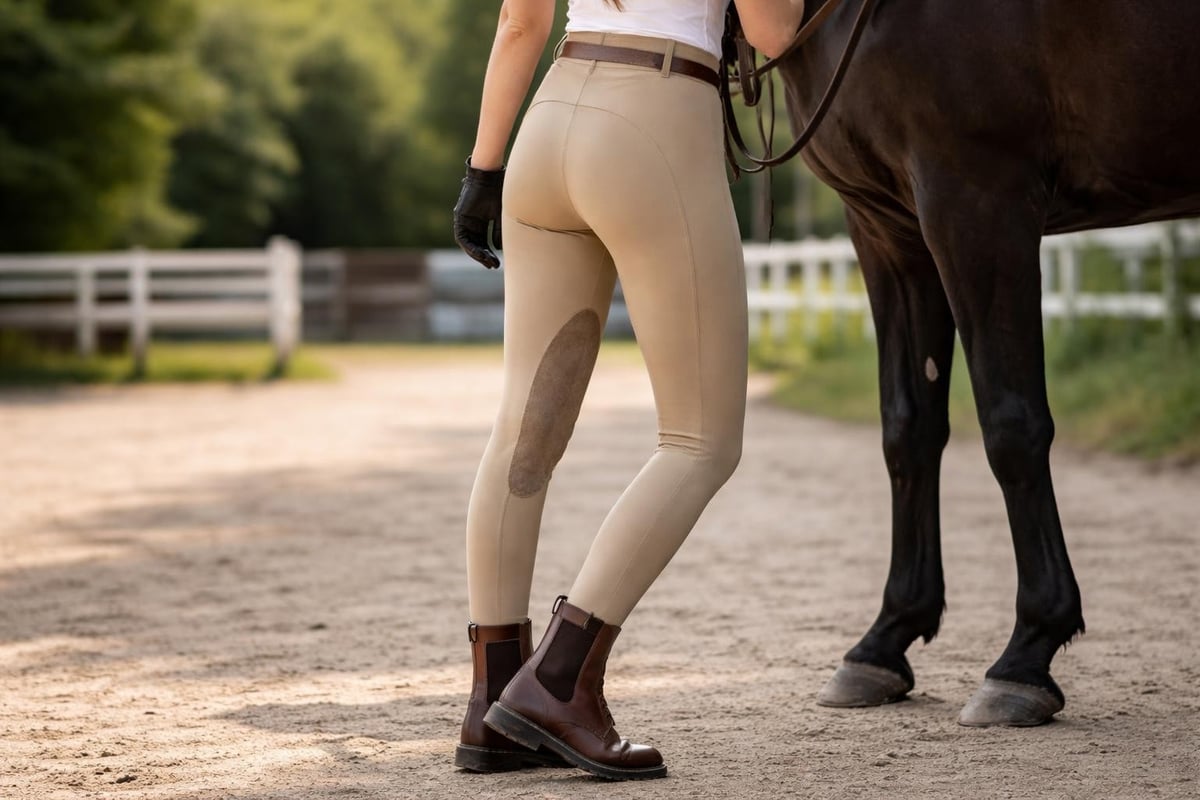
Modern jodhpurs maintain these core design principles while incorporating contemporary fabrics and construction techniques. The full-length design means they're worn with jodhpur boots, which are shorter than traditional tall boots and feature a strap and buckle around the ankle.
Key Design Elements
Ankle Length Construction
Unlike breeches that stop at mid-calf, jodhpurs riding pants extend all the way to the ankle. This creates a sleek silhouette when paired with jodhpur boots and eliminates the need for half chaps or tall boots.
Reinforced Inner Leg
The inner leg features reinforced panels, traditionally made from leather or suede. Contemporary versions often use synthetic alternatives that provide excellent grip while remaining easier to maintain. This reinforcement prevents wear and provides security in the saddle.
Fitted Lower Leg
The characteristic taper from knee to ankle prevents bunching inside boots and creates the clean lines jodhpurs are known for. This fitted lower leg also reduces friction points that can cause discomfort during long rides.
Hip and Thigh Room
Quality jodhpurs provide adequate room through the hip and thigh, allowing for natural movement without restriction. This balance between fitted ankles and comfortable upper legs defines proper jodhpur fit.
Jodhpurs Versus Breeches: Understanding the Difference
Many riders use the terms interchangeably, but jodhpurs and breeches serve different purposes. The distinction matters when selecting riding pants that suit your needs.
Breeches end at mid-calf and are designed to be worn with tall boots. Jodhpurs riding pants extend to the ankle and pair with short boots. This fundamental difference affects everything from comfort to competition suitability.
Practical Comparison
| Feature | Jodhpurs | Breeches |
|---|---|---|
| Length | Full ankle | Mid-calf |
| Footwear | Short jodhpur boots | Tall riding boots |
| Competition Use | Limited disciplines | Widely accepted |
| Everyday Wear | More versatile | Less practical off-horse |
| Price Point | Generally lower | Varies widely |
| Break-in Period | Minimal | Boots require breaking in |
For riders seeking versatile riding pants, jodhpurs offer distinct advantages. The shorter boot requirement means less investment and easier mobility when you're not in the saddle. This makes them particularly practical for working riders, instructors, and anyone who spends significant time on their feet around the stable.
Competition regulations vary by discipline. Dressage and show jumping typically require breeches and tall boots, while certain showing classes and everyday riding welcome jodhpurs. Understanding these distinctions helps you build a wardrobe that serves your actual riding activities.
Choosing the Right Jodhpurs for Your Riding Style
Not all jodhpurs riding pants are created equal. Different riding disciplines and personal preferences call for specific features and fits.
Discipline-Specific Considerations
All-Purpose Riding
For general riding, lessons, and stable work, look for durable fabrics with four-way stretch. Cotton blends offer breathability, while technical fabrics provide moisture-wicking properties. The right riding attire enhances your comfort throughout long days at the yard.
Polo and Mounted Games
These high-intensity activities demand jodhpurs with exceptional stretch and reinforcement. Look for styles with strategically placed panels that won't restrict your movement during fast turns and sudden stops.
Leisure and Trail Riding
Comfort becomes paramount for extended trail rides. Flat seams prevent chafing, while breathable fabrics keep you comfortable across varying temperatures. Many trail riders appreciate jodhpurs for their practicality when dismounting for gates or breaks.
Material Selection
Traditional Cotton
Cotton jodhpurs offer natural breathability and a classic feel. They're ideal for moderate climates and riders who prefer natural fibres. However, they provide less stretch and take longer to dry than technical fabrics.
Technical Performance Fabrics
Modern materials blend polyester, spandex, and sometimes bamboo or merino wool. These fabrics wick moisture, dry quickly, and offer superior stretch. They're particularly valuable for riders in humid climates or those who ride multiple horses daily.
Hybrid Constructions
Many premium jodhpurs combine materials strategically. Cotton or technical fabric forms the main body, while stretch panels at key points ensure freedom of movement. This approach balances tradition with performance.
Fit, Sizing, and Comfort Factors
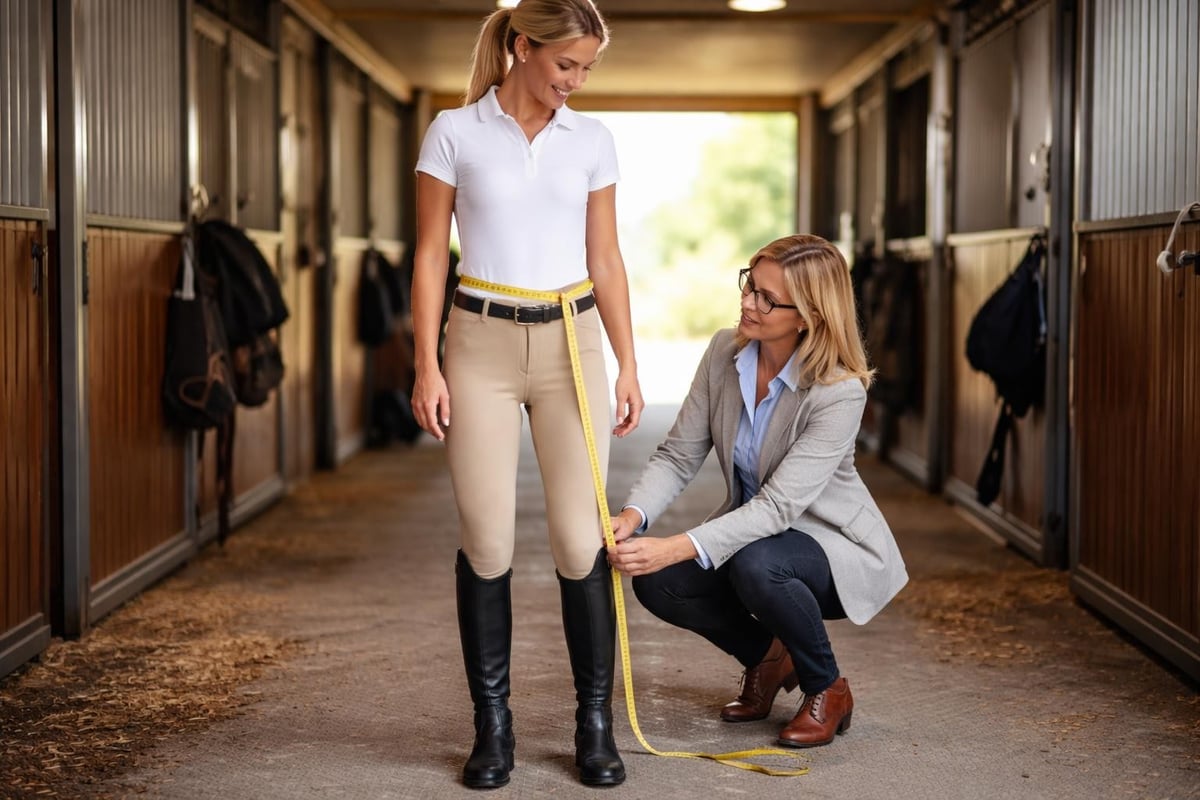
Proper jodhpur fit dramatically affects both comfort and performance. Unlike casual trousers, riding pants must accommodate specific positions and movements without restriction or excess fabric.
Critical Fit Points
Waist and Rise
Jodhpurs should sit comfortably at your natural waist without requiring a tight belt to stay in place. The rise (distance from waist to crotch) must be adequate for your mounted position. Too short, and you'll experience uncomfortable pulling when you sit in the saddle. Too long creates excess fabric that bunches awkwardly.
Seat and Thigh
The seat should provide coverage without being baggy. When you're mounted, fabric shouldn't pull tightly across your backside or create pressure points. The thigh area needs enough room for your muscles without looking loose when standing.
Knee and Calf
The knee should have slight ease to allow bending without restriction. From knee to ankle, jodhpurs riding pants should taper smoothly. The fabric should be fitted enough to prevent bunching inside your boots but not so tight that it restricts circulation or feels constricting.
Sizing Strategies
Most manufacturers provide detailed sizing charts that include waist, hip, inseam, and sometimes thigh measurements. Take accurate measurements and compare them carefully to size charts rather than assuming your casual trouser size will translate directly.
Men's jodhpurs often run differently than women's styles. Look for brands that understand male body proportions and design accordingly. Men's riding breeches share similar fitting considerations and choosing brands focused on male riders ensures better fit outcomes.
Consider trying jodhpurs from multiple manufacturers if possible. Cut and fit vary between brands, and finding your preferred manufacturer makes future purchases easier.
Care and Maintenance for Longevity
Quality jodhpurs represent an investment in your riding comfort. Proper care extends their lifespan significantly and maintains their performance characteristics.
Washing and Drying
Pre-Wash Preparation
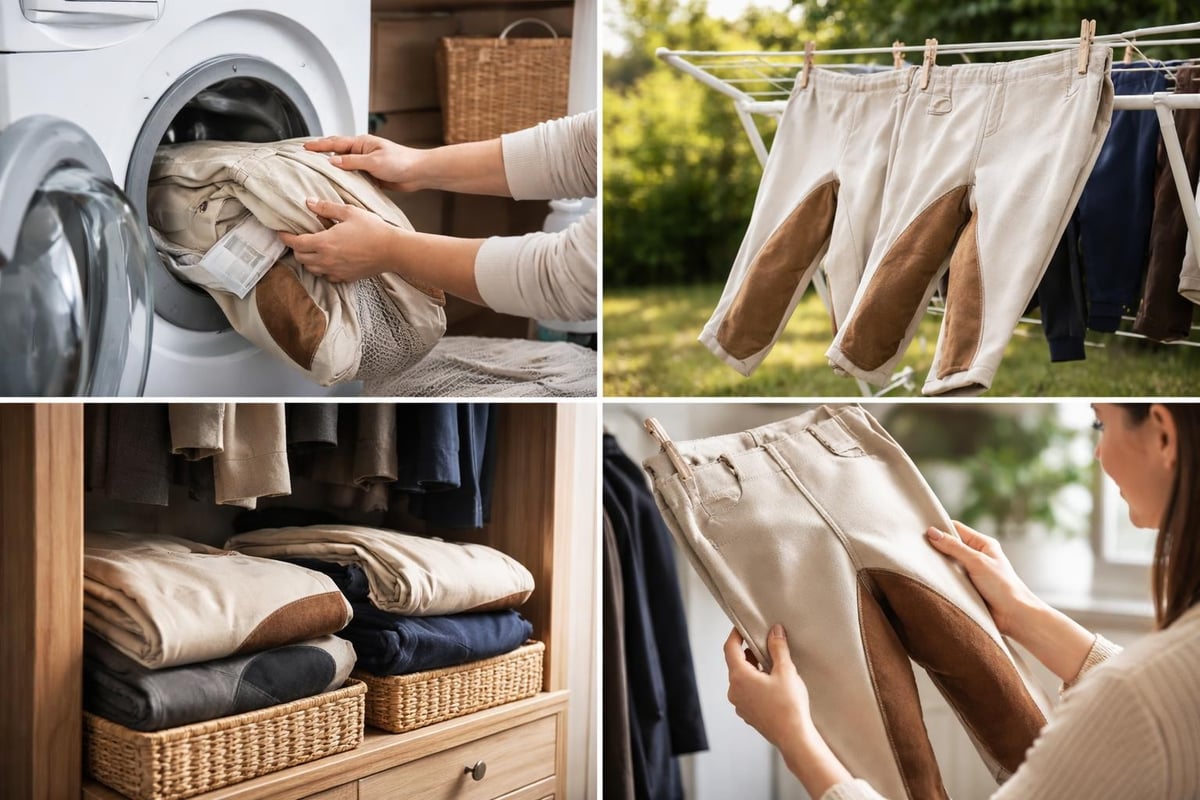
Turn jodhpurs inside out before washing to protect the outer fabric and any grip panels. Fasten all closures, including zippers and hook-and-loop straps. This prevents snagging and maintains the integrity of closures.
Washing Guidelines
| Care Aspect | Recommendation | Reason |
|---|---|---|
| Temperature | Cold water | Preserves elastic and prevents shrinkage |
| Detergent | Mild, sport-specific preferred | Protects technical fabrics and grip materials |
| Cycle | Gentle | Reduces wear on seams and fabric |
| Frequency | After every 2-3 wears | Balances hygiene with fabric longevity |
Avoid fabric softeners with jodhpurs riding pants. Softeners coat fibres and can reduce the effectiveness of technical fabrics, particularly moisture-wicking properties and grip panels.
Drying Methods
Air drying preserves fabric integrity better than machine drying. Hang jodhpurs by the waistband or lay them flat on a drying rack. Direct sunlight can fade colours, so choose a shaded, well-ventilated area.
If you must use a dryer, choose the lowest heat setting. Remove jodhpurs while still slightly damp to prevent over-drying, which can damage elastic components and cause shrinkage.
Storage and Organization
Store jodhpurs folded or hung by the waistband in a cool, dry location. Avoid hanging by the cuffs, as this can stretch the ankle area over time. Keep them away from direct heat sources, which can degrade elastic components.
Regular inspection catches small issues before they become significant problems. Check seams, especially in high-stress areas like the inseam and seat. Examine grip panels for signs of lifting or wear. Addressing minor repairs promptly prevents them from worsening.
Styling Jodhpurs Beyond the Arena
One advantage jodhpurs offer over breeches is their versatility in casual settings. While they're unmistakably riding pants, their full-length design makes them more adaptable for activities around the stable and beyond.
At the Yard
Pair jodhpurs with a practical polo shirt or technical tee for a put-together look that functions well throughout the day. The combination of jodhpur boots and well-fitted jodhpurs creates a classic silhouette that's both functional and refined.
Layer with a quarter-zip or fleece when temperatures drop. The fitted ankle of jodhpurs works well with this layering approach, unlike loose casual trousers that bunch awkwardly under outerwear.
Casual Transitions
While jodhpurs riding pants won't replace your everyday trousers, they transition better than breeches when you need to run errands between rides. Their full-length design and tailored appearance make quick stops at the feed store or tack shop feel less conspicuous than showing up in breeches and tall boots.
The key is treating them as specialized athletic wear rather than trying to force them into contexts where they don't belong. Much like technical running tights or cycling shorts, they serve a specific purpose and look appropriate in related contexts.
Modern Innovations in Jodhpur Design
Contemporary jodhpur manufacturers continue refining traditional designs with modern technologies and materials. These innovations address common rider concerns while maintaining the essential characteristics that make jodhpurs functional.
Performance Enhancements
Grip Technology
Modern grip systems go beyond traditional leather patches. Silicone prints, textured fabrics, and specialized synthetic materials provide security without adding bulk. Some designs feature full-seat grip coverage, while others use strategic placement at key contact points.
Moisture Management
Technical fabrics actively wick perspiration away from your skin, a significant advantage during intensive riding sessions or warm weather. Some manufacturers incorporate mesh panels in areas prone to overheating, further improving comfort.
Articulated Knees
Pre-shaped knee areas accommodate the bent position riding requires without creating excess fabric when standing. This subtle design element significantly improves comfort during long rides.
Construction Quality
Seam Placement
Thoughtful seam placement avoids pressure points and high-friction areas. Flat-lock seams lie smoother against skin than traditional seams, reducing chafing potential.
Waistband Design
Contemporary waistbands often feature elastic inserts for comfort without sacrificing a tailored appearance. Some include silicone grippers on the interior to keep shirts tucked during active riding.
Closure Systems
While traditional button flies remain common, some modern jodhpurs incorporate zip flies with secure closures that lie flat. Hook-and-bar combinations provide security while maintaining a sleek profile.
Building Your Jodhpur Wardrobe
Most riders benefit from owning multiple pairs of jodhpurs rather than relying on a single pair. This approach ensures you always have clean, dry pants available and allows you to match pairs to specific activities.
Essential Pairs
Everyday Workhorse
Invest in a durable pair in a neutral colour for daily riding and stable work. These take the most wear, so prioritize construction quality and easy-care fabrics. Dark colours show dirt less readily than lighter shades.
Schooling and Training
A second everyday pair ensures you're never waiting for laundry. Rotate between pairs to extend the life of both.
Competition or Special Occasions
If you compete in disciplines that allow jodhpurs, keep a pristine pair specifically for shows. Traditional colours like tan, beige, or navy suit most competition environments. Avoid heavily worn or faded pairs in formal settings.
Understanding the differences between various riding pants helps you select the right combination for your specific needs. Some riders maintain both jodhpurs and breeches, choosing based on the day's activities and requirements.
Colour and Style Choices
Traditional colours remain popular for good reason. They're versatile, professional, and suited to most riding contexts. Tan and beige complement most boot colours and pair well with various tops.
Navy and black offer sophisticated alternatives that work across disciplines. They're particularly practical for riders who prefer darker colours or ride in dusty conditions where lighter shades show dirt quickly.
Contemporary jodhpurs sometimes feature contrast stitching, piping, or subtle branding. These details add visual interest while maintaining professional appearance. Choose embellishments that align with how you'll use the pants.
Where Jodhpurs Excel
Despite breeches dominating modern competitive riding, jodhpurs riding pants offer genuine advantages in specific contexts. Recognizing these strengths helps you deploy them effectively.
Working Riders and Instructors
Riders who teach multiple lessons daily appreciate the comfort and practicality jodhpurs provide. The shorter boot requirement means less fatigue when you're on your feet between rides. Jodhpur boots are also easier to get on and off than tall boots, valuable when your schedule requires quick changes.
Instructors often demonstrate techniques, mount and dismount frequently, and move around the arena. Jodhpurs accommodate these varied activities better than some alternatives.
Polo and Fast-Paced Disciplines
The sport that inspired jodhpurs still uses them extensively. Polo players value the freedom of movement and lower boot requirement. Similar benefits apply to mounted games, polocrosse, and other dynamic riding activities.
Practical Riding Situations
Trail riding, pleasure riding, and general hacking suit jodhpurs well. These relaxed contexts don't require the formal presentation competitive disciplines demand. The versatility and comfort jodhpurs offer shine in these applications.
Young riders and those learning to ride often start with jodhpurs. They're less intimidating than full competition turnout, and the reduced equipment investment makes sense while riders develop their skills and determine their preferred disciplines.
Investment Considerations
Quality jodhpurs riding pants represent a middle ground between budget riding tights and premium breeches. Understanding what drives price helps you make value-based decisions.
Price Factors
| Factor | Budget Options | Premium Options |
|---|---|---|
| Fabric | Basic cotton blends | Technical performance fabrics |
| Construction | Simple seaming | Articulated cuts, flatlock seams |
| Grip | Basic patches | Advanced silicone systems |
| Durability | Adequate for occasional use | Built for daily wear |
| Fit Refinement | Standard sizing | Multiple fit options |
Starting with mid-range jodhpurs makes sense for most riders. They offer significant improvements over basic options without the premium price of competition-focused designs.
As you identify what works for your body and riding style, you can make more targeted investments. Some riders find certain manufacturers' cuts suit them particularly well, making those brands worth the premium.
Value Assessment
Consider cost per wear rather than absolute price. Jodhpurs you wear three times weekly justify higher investment than pairs worn monthly. Similarly, quality construction that lasts several seasons provides better value than cheaper options requiring frequent replacement.
The right riding gear enhances your experience and confidence. Jodhpurs that fit well, perform reliably, and maintain their appearance contribute meaningfully to your riding enjoyment.
Jodhpurs riding pants deserve consideration from any rider seeking versatile, practical riding wear that performs across varied contexts. Their heritage design continues evolving with modern materials and construction while maintaining the characteristics that have made them valuable for over a century. Whether you're building your first riding wardrobe or expanding existing options, understanding what jodhpurs offer helps you make informed decisions. Gallant Equestrian creates performance-driven men's riding apparel designed for riders who value both function and refined style, offering pieces that work as hard as you do while looking the part. Look the Part. Enjoy the Ride.

