

Men's Equestrian Jacket Guide | Gallant Equestrian
May 18, 2026
Finding the right mens equestrian jacket isn't about following trends or collecting kit. It's about understanding what you actually need when you're in the saddle, when the weather turns, and when you head straight from the yard to wherever life takes you next. The best jackets do all three without compromise. They move with you during a schooling session, keep you comfortable when rain sweeps across the arena, and look sharp enough that you don't need to change before meeting mates for lunch. That's the standard worth aiming for, and it's entirely achievable when you know what to look for.
Understanding What Makes a Proper Riding Jacket
A mens equestrian jacket serves a different purpose than your average outdoor coat. The cut needs to accommodate your riding position without bunching at the waist or restricting your shoulders when you're asking for an extended trot. The length matters because too much fabric interferes with saddle contact, whilst too short leaves your lower back exposed to wind and rain.
Fabric technology has evolved considerably. Modern materials manage moisture from both directions, wicking sweat away whilst keeping external moisture out. This matters more than you might think. A jacket that traps heat and dampness becomes uncomfortable within minutes of serious work, whilst one that breathes properly maintains a steady temperature whether you're walking on a loose rein or working through a demanding dressage test.
The construction details reveal quality. Reinforced seams withstand constant movement. Stretch panels at key points, particularly across the shoulders and through the elbows, provide freedom without adding bulk. Pockets need proper placement so you can access your phone or treats without contorting yourself in the saddle.
Different Jackets for Different Purposes
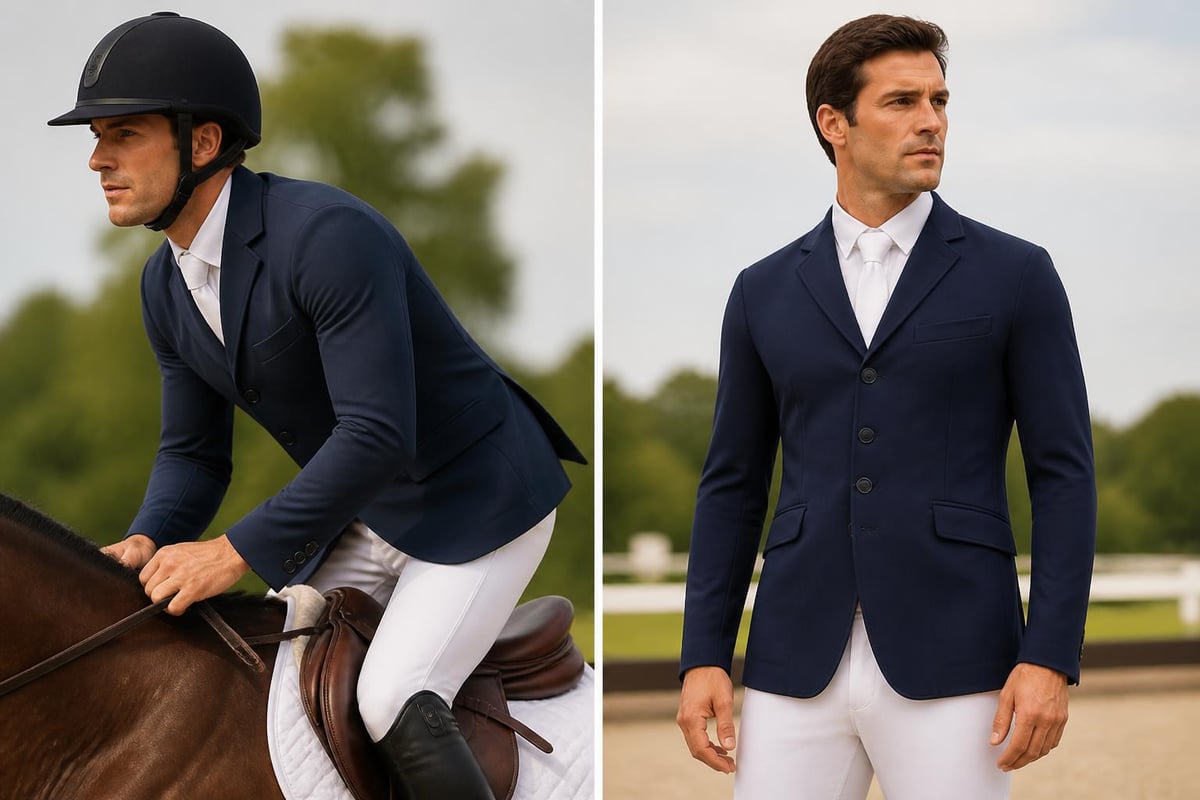
Competition jackets follow strict guidelines depending on your discipline. Show jumping, dressage, and eventing each have their own expectations regarding cut, color, and formality. These technical requirements in men's equestrian show jackets have become more sophisticated as fabrics improve, allowing for better fit without sacrificing the traditional silhouette judges expect.
Training jackets prioritize function over formality. They need to handle whatever your riding schedule throws at them: early morning hacks in drizzle, afternoon lessons under full sun, evening sessions as temperatures drop. Versatility defines this category. The jacket you grab most often should transition seamlessly between these scenarios without requiring a complete wardrobe.
Weather-specific options address particular challenges. A proper waterproof riding jacket becomes essential when you ride year-round in climates like New Zealand or the UK. These aren't just rain shells with equestrian branding. They're engineered to maintain waterproofing whilst allowing enough breathability that you don't end up soaked from the inside.
Fabric Selection and Performance Features
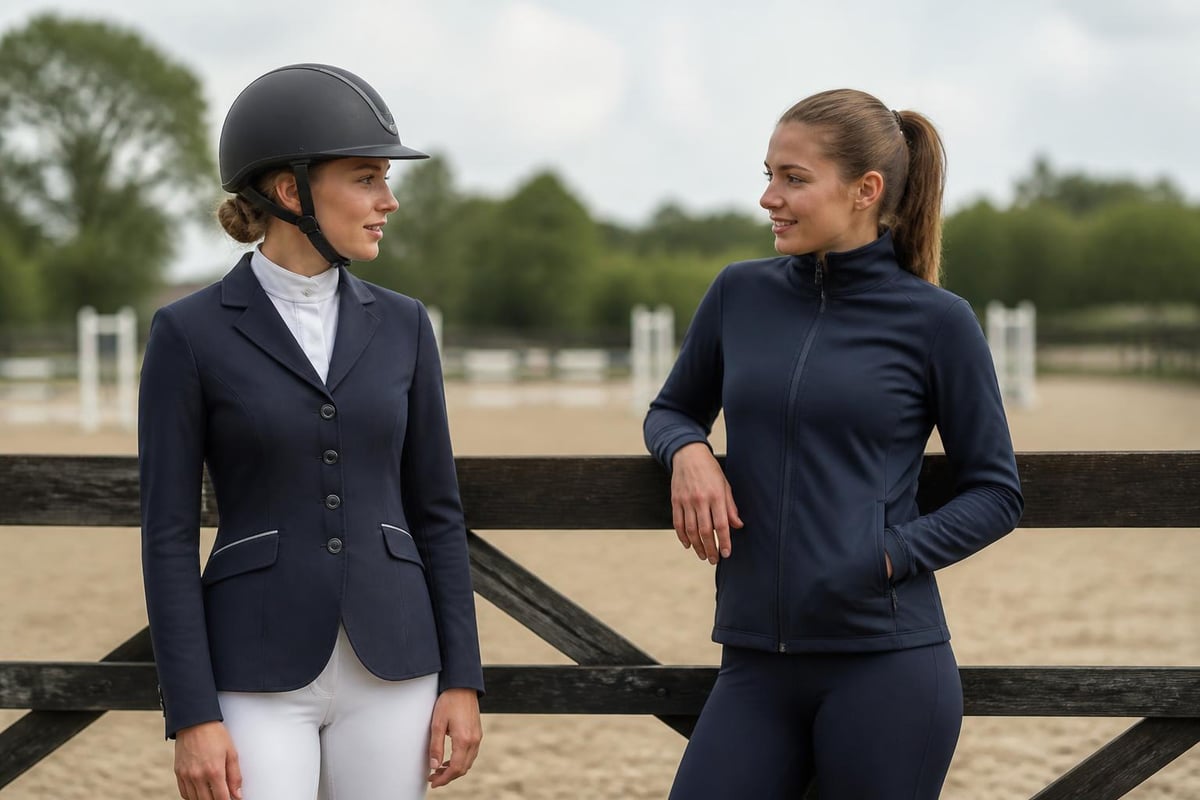
Natural fibers held dominance for decades, but modern blends deliver superior performance. Merino wool still has its place for temperature regulation and odor resistance. Cotton provides comfort but lacks the technical properties serious riders need. The evolution of materials in riding jackets reflects our deeper understanding of what bodies need during athletic activity.
Technical synthetics now dominate performance riding wear. These engineered fabrics manage moisture, resist wind, maintain warmth even when damp, and dry quickly between rides. They're also more durable than traditional materials, holding their shape and performance characteristics through repeated washing and heavy use.
Hybrid constructions combine the best of multiple materials. A jacket might feature wind-resistant panels across the chest and arms, breathable mesh sections under the arms and across the back, and stretch fabric through the shoulders. This targeted approach optimizes each zone for its specific demands rather than compromising with a single all-purpose material.
Water resistance comes in grades. A light DWR (durable water repellent) coating handles brief showers and morning dew. Waterproof membranes like those found in the Pikeur Hybrid jacket provide serious weather protection whilst maintaining breathability. Understanding these differences helps you choose appropriately for your climate and riding intensity.
Temperature Regulation Technology
Insulation has moved beyond simple padding. Modern systems like Comfort Temp use phase-change materials that actively regulate temperature by absorbing heat when you warm up and releasing it when you cool down. This dynamic response keeps you comfortable across wider temperature ranges than traditional insulation.
Quilted designs serve both function and style. The stitching pattern isn't just decorative, it creates channels that trap air for warmth whilst preventing insulation from shifting or clumping. Quality examples like the Harcour Jako jacket demonstrate how thoughtful construction enhances performance without adding unnecessary bulk.
Layering compatibility matters more than most riders initially recognize. A well-designed mens equestrian jacket works as part of a system. It fits comfortably over a base layer and shirt without restricting movement, and allows room for a mid-layer on particularly cold days. This flexibility extends your investment across multiple seasons and conditions.
Fit Considerations for Riders
Athletic cut differs significantly from regular menswear tailoring. The shoulder seams sit slightly forward to match your riding position. The sleeves are pre-curved at the elbow, reducing fabric bunching when your arms are bent. The back hem drops lower than the front, maintaining coverage when you're leaning forward in two-point or working over fences.
Sizing presents challenges because equestrian brands don't all follow the same standards. Some run true to general menswear sizing. Others cut slim for a competition-ready silhouette. A few offer generous fits that accommodate layering. Reading detailed specifications and understanding your own measurements proves more reliable than assuming your usual size will work.
Adjustability features extend the useful life of quality pieces. Cuff adjustments let you seal out wind or roll sleeves back as needed. Hem drawcords customize the fit and prevent the jacket riding up. Collar closures can be fastened high against cold or opened for ventilation. These small details accumulate into significant practical advantages.
Movement testing reveals whether a jacket truly fits for riding. Can you raise both arms forward and up without the back pulling tight? Does the waist stay in place when you twist from side to side? Can you comfortably sit in riding position without strain across the shoulders or chest? These real-world checks matter more than how it looks in the mirror whilst standing still.
| Feature | Competition Jacket | Training Jacket | All-Weather Jacket |
|---|---|---|---|
| Primary Focus | Formal appearance | Flexibility | Weather protection |
| Fabric Weight | Medium | Light to medium | Medium to heavy |
| Stretch Panels | Minimal, strategic | Extensive | Moderate |
| Water Resistance | Light | Variable | High |
| Breathability | Moderate | High | Moderate to high |
| Price Range | £200-500+ | £100-300 | £150-400 |
Practical Features That Matter
Pocket placement seems minor until you're fumbling for your phone in the rain or trying to access a treat whilst mounted. Chest pockets keep items secure and accessible. Hand pockets need sufficient depth to actually hold things without spillage when you bend forward. Internal pockets protect valuables from weather and provide organized storage.
Zip quality determines longevity more than most riders expect. YKK zips have earned their reputation through reliability. Two-way zips offer ventilation options without removing the jacket entirely. Storm flaps over main zips prevent water infiltration. These components face constant use and need robust construction to survive years of daily riding.
Reflective details enhance safety during early morning or evening rides. Subtle piping or trim adds visibility without compromising style. Some jackets integrate reflective elements into the design itself rather than adding obvious high-viz panels. This approach maintains aesthetic standards whilst addressing practical safety concerns.
Ventilation systems separate adequate jackets from exceptional ones. Underarm vents release heat buildup during intense work. Back vents prevent sweat accumulation along your spine. Mesh-lined pockets serve dual purposes for storage and airflow. These features become especially valuable during transition seasons when temperatures fluctuate significantly throughout a single ride.
Maintenance and Durability
Care instructions directly impact jacket lifespan. Technical fabrics often require specific washing protocols to maintain their performance properties. Using regular detergent can clog breathable membranes. High heat damages stretch fibers. Following manufacturer guidelines preserves your investment and ensures the jacket performs as designed.
Reproofing treatments restore water resistance as the original coating wears away. This simple maintenance step extends waterproof performance significantly. Products designed for technical outdoor gear work well on riding jackets. Apply them annually or when you notice water no longer beading on the surface.
Storage matters more than most riders consider. Hanging jackets properly prevents creasing and maintains their shape. Storing them clean and dry prevents mildew and material degradation. Avoiding compression helps insulated jackets retain their loft and thermal properties. These basic practices significantly extend usable life.
Quality construction shows in details: bar-tacked stress points that won't pull apart, reinforced pocket corners that withstand daily use, and seams that lie flat rather than puckering. The essential guide to selecting riding jackets covers these quality indicators in depth, helping you distinguish genuine value from marketing claims.
Styling Beyond the Stable
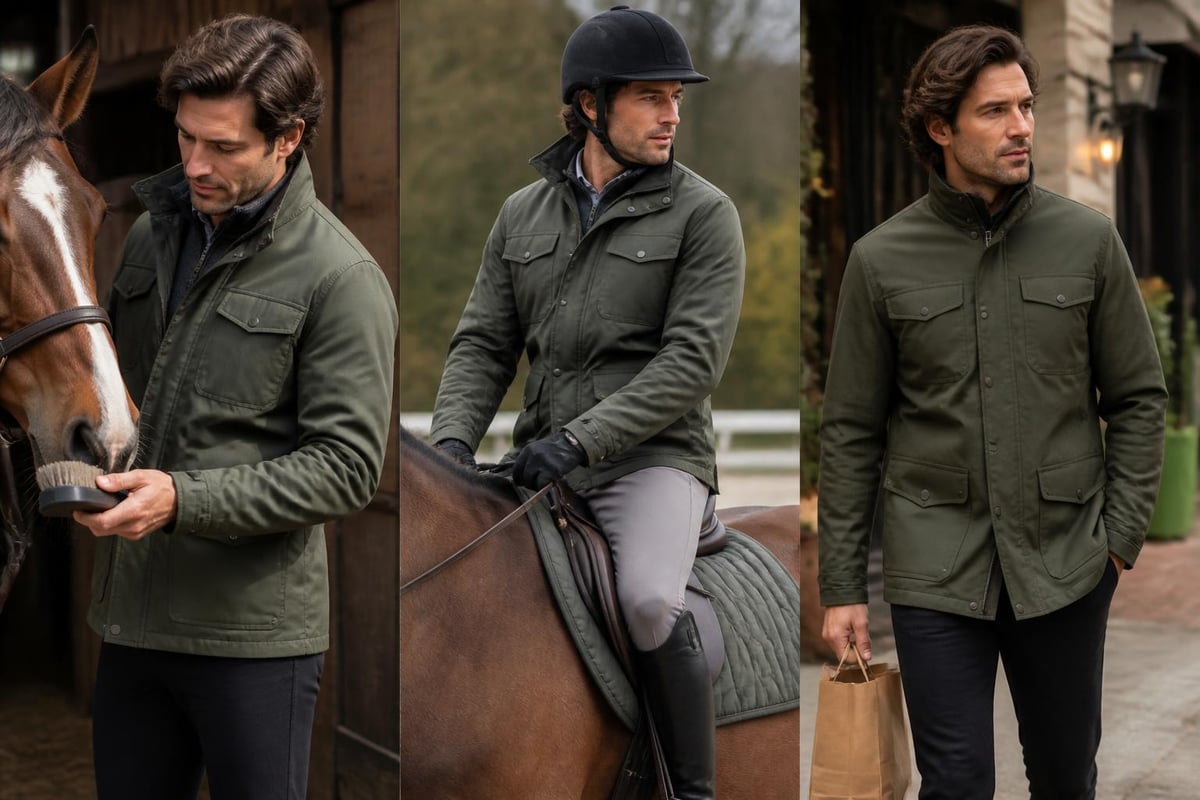
Modern mens equestrian jackets transition naturally into everyday wear. Clean lines and understated branding make them appropriate for casual settings. The same technical features that enhance riding comfort, breathability, weather resistance, and freedom of movement, prove equally valuable during daily life.
Color choices extend beyond traditional navy and black. Olive, charcoal, and bone tones offer versatility whilst maintaining the refined aesthetic equestrian clothing embodies. These neutral palettes pair naturally with both riding kit and casual wear, maximizing the jacket's utility across different contexts.
Layering creates adaptable outfits for varying conditions. A lightweight mens equestrian jacket works perfectly over a polo shirt for mild days. Add a sweatshirt underneath when temperatures drop. This systematic approach builds a functional wardrobe from fewer, better pieces rather than accumulating specialized items for every possible scenario.
The best jackets don't announce themselves. They look appropriate whether you're schooling young horses, grabbing coffee after a lesson, or meeting clients who don't ride. This quiet confidence defines proper equestrian style, refined enough for any setting yet grounded in genuine functionality.
Investment Versus Value
Premium pricing reflects genuine quality differences. Superior fabrics, thoughtful construction, proven performance features, and reliable durability justify higher costs when you ride frequently. A jacket you wear four times weekly for several years delivers better value than a cheaper option that underperforms and needs replacement within months.
Mid-range options increasingly offer impressive performance. Brands focused specifically on riding clothes understand what riders actually need and engineer accordingly. They balance cost against functionality effectively, making proper riding kit accessible without requiring competition-level budgets.
Consider cost per wear rather than initial price. A £300 jacket worn 200 times annually over three years costs 50 pence per use. A £100 jacket that disappoints and sits unused after six months costs substantially more in practical terms. This perspective helps justify investing in pieces that truly serve your needs.
Building Your Jacket Collection
Start with a versatile training jacket that handles typical riding conditions. This becomes your daily workhorse, the piece you reach for most often. Choose neutral colors that coordinate with your existing breeches and shirts. Prioritize proven performance over trendy details.
Add weather-specific options as your budget allows. A proper rain jacket protects your investment in lessons and training time by keeping you comfortable in conditions that would otherwise cut sessions short. A lightweight shell handles summer evenings and early autumn mornings when full jackets prove too warm.
Competition requirements dictate specific additions for riders showing regularly. Understanding your discipline's expectations prevents purchasing inappropriate pieces. Traditional show jackets follow established guidelines, whilst modern competition jackets incorporate technical advances within those frameworks.
Seasonal rotation extends jacket lifespan. Heavy use concentrates wear on fewer pieces. Rotating between appropriate options for current conditions distributes that wear across your collection. This also ensures each jacket receives proper maintenance attention rather than constant hard use without adequate care.
Regional Considerations
Climate dramatically influences jacket requirements. Riders in temperate regions need reliable waterproofing and breathability. Those in colder climates prioritize insulation and wind resistance. Hot climate riders focus on lightweight, highly breathable options that provide sun protection without trapping heat.
Facility type matters too. Indoor arena riders need less weather protection than those riding primarily outdoors. Covered schools reduce weather exposure but can trap humidity, making breathability crucial. Outdoor riders face full environmental challenges and need comprehensive protection.
Storage facilities at your yard influence practical choices. If you keep extra kit on-site, you can maintain situation-specific jackets there. Limited storage requires more versatile pieces that handle broader conditions. This practical reality shapes purchasing decisions as much as personal preferences.
The comprehensive range at Gallant Equestrian addresses these varied needs through thoughtfully designed pieces that prioritize genuine riding performance. Each jacket reflects understanding of what men actually need when they ride, whether competing at national level or enjoying weekend hacks through familiar trails.
Material Innovations for 2026
Sustainability increasingly influences fabric development. Recycled polyesters deliver performance matching virgin materials whilst reducing environmental impact. Responsible down sourcing ensures warmth without ethical compromise. Bio-based synthetics offer technical properties from renewable sources rather than petroleum derivatives.
Durability represents the ultimate sustainability. A jacket lasting five years rather than two reduces consumption and waste by more than half. This perspective shifts focus from simply choosing "eco-friendly" materials to selecting genuinely durable construction that withstands real-world use over extended periods.
Smart fabrics integrate technology at the fiber level. Phase-change materials actively regulate temperature. Permanent anti-microbial treatments prevent odor without requiring chemical refreshing. Enhanced UV protection preserves both fabric and skin during long hours outdoors. These advances improve functionality without adding bulk or complexity.
Manufacturers continue refining the balance between protection and breathability. New membrane technologies achieve higher waterproof ratings whilst improving vapor transmission. This reduces the traditional compromise between staying dry and avoiding internal condensation from your own perspiration during hard work.
| Maintenance Task | Frequency | Purpose | Method |
|---|---|---|---|
| Washing | After 10-15 wears | Remove dirt, maintain breathability | Technical detergent, gentle cycle |
| Reproofing | Annually or as needed | Restore water resistance | Spray-on or wash-in treatment |
| Inspection | Monthly | Identify wear or damage early | Check zips, seams, fabric |
| Storage | Off-season | Preserve shape and materials | Clean, dry, hung properly |
The intersection of performance and style defines modern mens equestrian jacket design. You shouldn't have to choose between looking sharp and riding comfortably. The best pieces deliver both through intelligent material selection, thoughtful construction, and design that respects both traditional aesthetics and contemporary needs. Understanding what makes certain jackets exceptional helps you invest wisely in pieces that genuinely enhance your riding whilst serving broader lifestyle requirements.
Quality mens equestrian jackets represent a specific category of riding kit, distinct from general outdoor wear or fashion pieces with equestrian styling. They're engineered for mounted activity, tested through real riding scenarios, and refined based on feedback from riders who demand genuine performance. This focused development creates jackets that simply work better for their intended purpose than alternatives designed for broader audiences.
The right mens equestrian jacket enhances every aspect of your riding, from daily training sessions to competition appearances and everything in between. Quality pieces serve you reliably across seasons and situations, proving their value through consistent performance and lasting durability. Gallant Equestrian designs performance-driven jackets for men who ride seriously, combining New Zealand craftsmanship with materials and construction that deliver genuine riding comfort and style that transitions naturally beyond the stable. Look the Part. Enjoy the Ride.

