

Used Horse Riding Gear: A Buyer's Guide for Men
May 17, 2026
Buying used horse riding gear makes practical sense for many riders. Whether you're just starting out, working within a budget, or simply appreciate the value of well-made equipment that's already broken in, the second-hand market offers genuine opportunities. The key is knowing what to look for, what to avoid, and how to make smart decisions that keep you safe and looking sharp in the saddle.
Understanding the Market for Pre-Owned Equipment
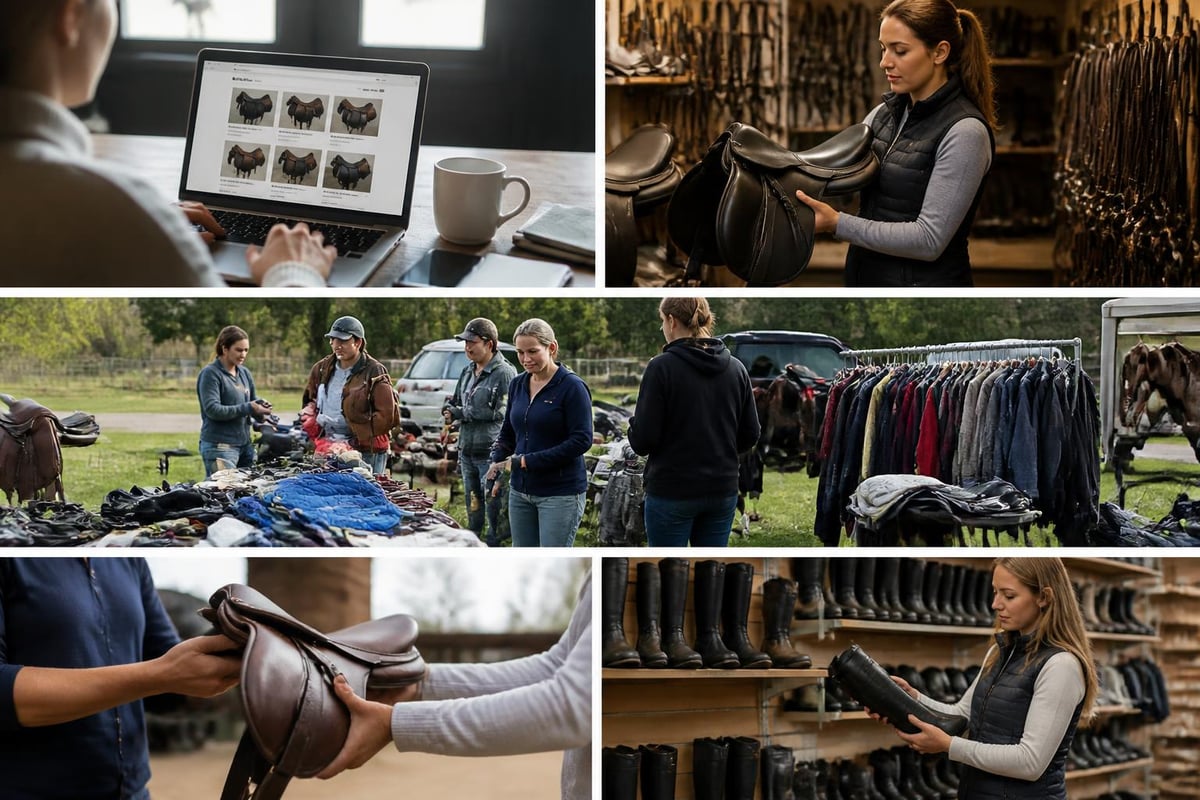
The second-hand equestrian market has matured considerably over recent years. Online platforms, consignment shops, and riding club sales create multiple avenues for finding quality gear. The range extends from everyday training pieces to competition-ready equipment, often at substantial savings compared to retail pricing.
Most riders accumulate gear throughout their journey, which means the market constantly refreshes with pieces from various disciplines and price points. Some items barely show wear before they're sold on, whilst others carry the patina of years in the yard. Understanding these differences helps you target your search effectively.
Where Quality Meets Value
When purchasing used horse riding gear, you're essentially betting on someone else's original buying decision. This makes brand reputation particularly relevant. Established riding clothes brands often maintain their quality over time, making them safer bets in the second-hand market than lesser-known labels.
Premium pieces tend to age better. A well-constructed jacket or pair of breeches from a quality manufacturer can outlast several cheaper alternatives. This durability translates directly into resale value and long-term performance, even after previous ownership.
What to Inspect Before Buying
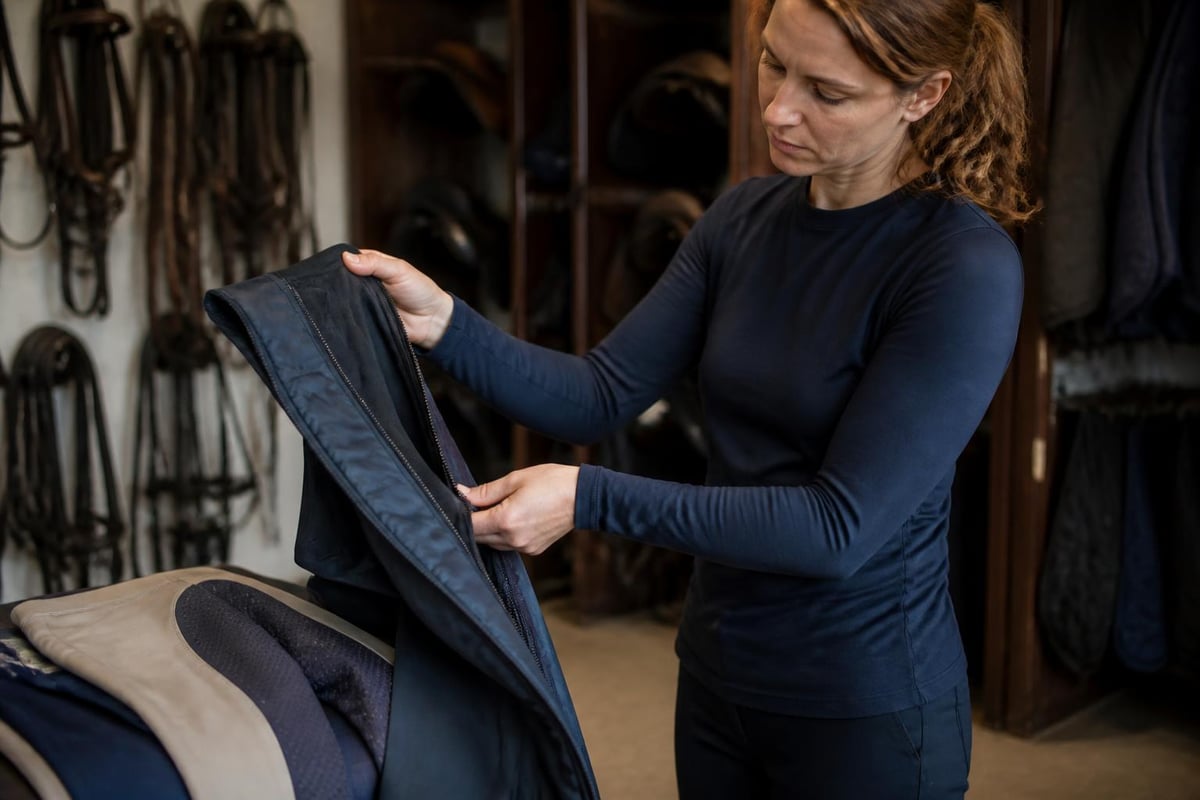
Physical inspection separates good purchases from regrettable ones. When examining used horse riding gear, start with the seams. Run your fingers along every stitch line, checking for separation, fraying, or repairs. Inspecting seams and stitching remains critical for both safety and longevity.
Zippers deserve particular attention. Test them repeatedly under tension. A failing zip on breeches or a jacket can render the entire piece unusable, and replacement rarely proves cost-effective. Check that zip teeth align properly and the slider moves smoothly without catching.
Material Condition and Wear Patterns
Fabric wear patterns tell stories about how previous owners used the gear. Knees on breeches naturally show wear, but excessive thinning suggests the item nears the end of its useful life. Similarly, seat reinforcement areas should maintain structural integrity without excessive pilling or deterioration.
Waterproof or technical fabrics present specific challenges. Check for delamination along seams and ensure breathable membranes haven't degraded. A waterproof riding jacket for men loses its purpose when the technical properties fail, regardless of external appearance.
The Categories Worth Considering
Not all used horse riding gear represents equal value or risk. Understanding which categories work well as second-hand purchases helps prioritize your search and budget allocation.
Apparel and Riding Wear
Shirts, polo shirts, and casual riding wear generally transfer well between owners. These pieces rarely involve safety concerns and typically show wear patterns clearly. Polo shirts designed for riding maintain their shape and function through multiple owners when properly cared for.
Breeches and jodhpurs require more careful assessment. Check the grip material on knee patches or full seats, as this deteriorates with use. Ensure the waistband maintains elasticity and closures function properly. Size matters enormously with breeches, as proper fit directly affects comfort and performance.
Jackets and outerwear span both casual and competition categories. Training jackets accept more visible wear than show jackets, which must maintain pristine appearance for arena presentation. Competition pieces often see limited use, making them particularly attractive as used purchases.
Footwear and Accessories
Boots present challenges in the second-hand market. Leather molds to the original owner's foot and calf shape, making fit difficult to predict. If you do consider used boots, ensure they haven't developed structural issues and retain adequate ankle support.
Gloves, belts, and similar accessories typically offer good value as used purchases. Check leather items for cracking or excessive dryness, both signs of inadequate care or advanced age. Quality leather accessories can last decades with proper maintenance.
Safety Equipment Requires Special Consideration
Helmets stand apart from all other used horse riding gear. The consensus among safety experts remains clear: never purchase a used helmet. The risks of used riding helmets extend beyond visible damage to include invisible structural compromise from previous impacts.
Body protectors and safety vests similarly warrant caution. Impact protection materials degrade over time and with use, potentially compromising safety exactly when you need it most. Any cost savings disappear instantly if the equipment fails during a fall.
Saddles and Tack Fundamentals
Saddles represent significant investments, making the used market particularly attractive. Buying used horse saddles requires methodical inspection and ideally professional evaluation. Tree integrity, panel condition, and leather quality all factor into saddle longevity and rider safety.
The broken-in quality of used saddles benefits both horse and rider. New saddles require extensive conditioning and use before reaching optimal comfort, whilst quality used saddles often arrive already supple and formed. This immediate usability offsets some concerns about previous wear.
Check saddle trees by applying pressure to the pommel and cantle, listening for creaks or feeling flex that suggests structural damage. Examine stitching throughout, particularly where stress concentrates. Smart saddle shopping includes verifying gullet width and panel balance match your horse's conformation.
Online Versus In-Person Purchases
Buying used horse riding gear online expands options dramatically but removes the tactile assessment advantage. Purchasing used saddles online requires detailed communication with sellers and careful review of photographs from multiple angles.
Request specific measurements and detailed condition descriptions. Ask sellers about storage conditions, frequency of use, and reasons for selling. Legitimate sellers appreciate thorough questions as they indicate serious buyers. Confident online saddle buying depends on verifying seller credibility and establishing clear return policies.
In-person purchases allow hands-on inspection but limit selection to local availability. Consignment shops offer middle ground, providing curated inventory with some quality vetting. Consignment tack shop dynamics include both advantages and potential drawbacks worth understanding before shopping.
Getting the Best Value
Value in used horse riding gear extends beyond purchase price to include longevity, performance, and satisfaction. A seemingly cheap item that fails quickly costs more ultimately than a moderately priced quality piece that serves for years.
Negotiation and Timing Strategies
Most sellers price used gear with negotiation expectation built in. Research comparable items to establish fair market value, then make reasonable offers based on condition and completeness. End-of-season sales often yield better prices as riders clear space for new purchases.
Estate sales and retirement sales occasionally offer exceptional opportunities. Riders leaving the sport sometimes price gear aggressively to facilitate quick sales. These situations require preparedness to act quickly when quality items appear.
| Purchase Timing | Typical Availability | Price Expectation | Competition Level |
|---|---|---|---|
| Spring | High | Moderate-High | High |
| Summer | Moderate | Moderate | Moderate |
| Autumn | High | Moderate-Low | Moderate |
| Winter | Low | Variable | Low |
Care and Maintenance History
Previous owner care significantly impacts used gear value and remaining lifespan. Items stored properly, cleaned regularly, and maintained conscientiously retain functionality far longer than neglected equivalents. Ask sellers about their maintenance routines and storage conditions.
Leather items particularly reflect care quality. Well-maintained leather remains supple and strong, whilst neglected leather becomes brittle and prone to cracking. The difference becomes apparent through simple handling, though inexperienced buyers might miss subtle warning signs.
Building a Wardrobe Strategically
Approaching used horse riding gear purchases strategically builds functional wardrobes efficiently. Capsule wardrobe principles apply equally to second-hand shopping, emphasizing versatile pieces that coordinate well and serve multiple purposes.
Start with foundational items in neutral colors that integrate easily with existing gear. These pieces form the backbone of riding wardrobes whilst allowing flexibility for future additions. Quality basics in good condition represent sound investments whether purchased new or used.
Training Versus Competition Gear
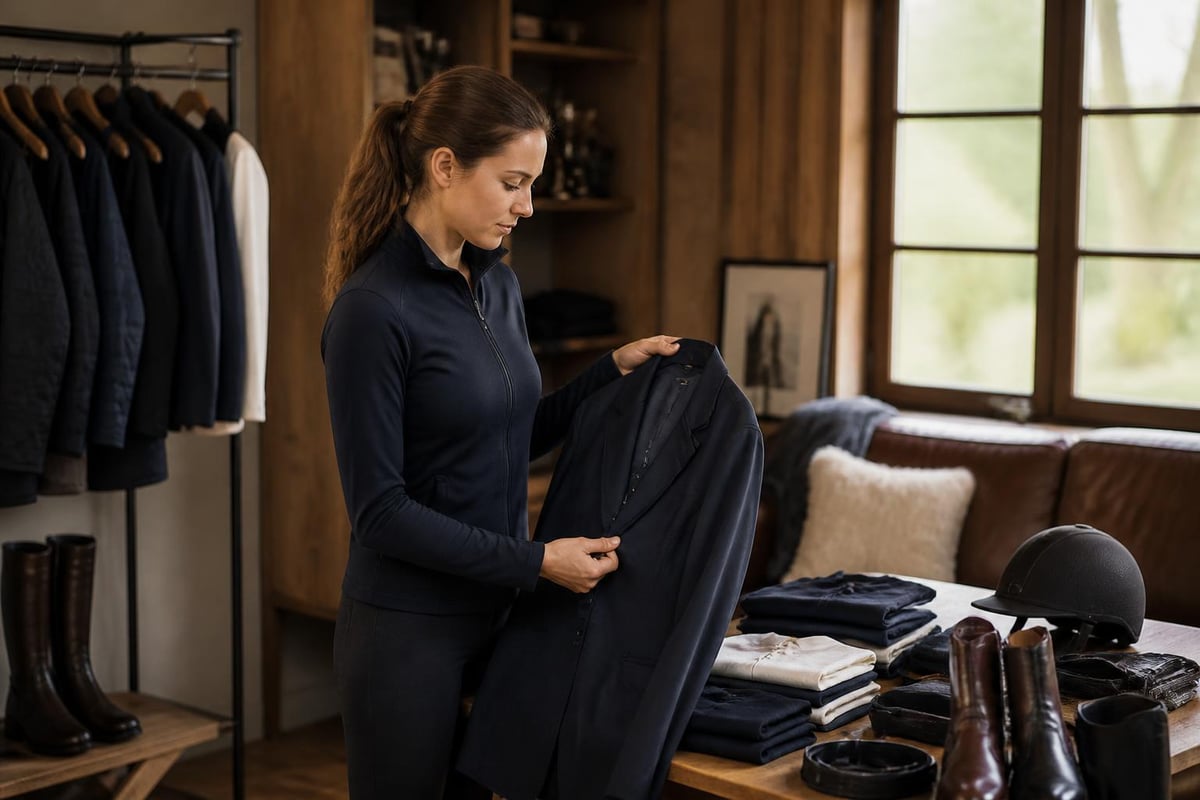
Training gear tolerates visible wear that competition pieces cannot. This distinction creates opportunities in the used market. Competition jackets showing minimal wear often sell at substantial discounts compared to new, whilst training pieces can serve excellently despite cosmetic imperfections.
Competition wear standards require pristine presentation, making used show gear viable only when condition remains excellent. Training gear priorities shift toward functionality and comfort, allowing more latitude in visible wear acceptance.
Avoiding Common Pitfalls
Experience teaches valuable lessons about used horse riding gear purchases. Common mistakes include buying incorrect sizes hoping alterations will suffice, overlooking subtle damage signs, or purchasing items emotionally rather than practically.
Size represents the most frequent purchase error. Unlike casual clothing, riding gear requires precise fit for proper function and safety. Breeches that bunch or bind restrict movement, whilst loose jackets create hazards around horses and tack. Always verify measurements against manufacturer sizing charts, accounting for potential variation in older or vintage pieces.
Red Flags and Warning Signs
Certain indicators suggest avoiding specific used gear regardless of price. Musty odors indicate storage issues potentially including mold. Stiffness in leather items suggests inadequate care or advanced age beyond reasonable rehabilitation. Faded or discolored technical fabrics often signal UV damage that compromises material properties.
Sellers who resist questions, provide vague descriptions, or refuse additional photographs warrant caution. Legitimate sellers understand buyer concerns and accommodate reasonable information requests. Pressure tactics or urgent sale claims frequently mask problems the seller hopes to obscure.
The Environmental and Economic Case
Buying used horse riding gear supports sustainability whilst conserving financial resources. Quality equestrian equipment represents considerable manufacturing investment and environmental impact. Extending product lifecycles through second-hand markets reduces waste and resource consumption meaningfully.
Practical second-hand shopping tips emphasize both economic benefits and environmental responsibility. The savings accumulate quickly across multiple purchases, potentially funding other riding priorities or simply providing budget relief.
Quality Over Quantity Mindset
The used market enables quality over quantity approaches that might exceed budget constraints when buying new. One excellent used jacket from a premium manufacturer often outperforms three cheaper alternatives, providing better long-term value alongside superior comfort and appearance.
This philosophy aligns well with building functional riding wardrobes emphasizing versatility and durability. Fewer, better pieces reduce decision fatigue whilst ensuring appropriate dress for various riding contexts from casual yard work to formal competition.
Making Informed Decisions
Successful used horse riding gear purchases combine research, inspection, and realistic assessment of needs versus wants. Understanding what you actually require prevents impulse purchases of items that languish unused. Honest evaluation of riding frequency, discipline requirements, and style preferences focuses shopping efforts productively.
Create mental or written checklists covering essential inspection points before shopping. This systematic approach prevents overlooking important details during the excitement of finding seemingly perfect items. Take time examining potential purchases thoroughly rather than rushing decisions you might regret.
Trust your instincts when something seems questionable. Abundant options exist in the used market, so passing on doubtful items rarely means missing unique opportunities. Better purchases inevitably appear with patient, informed searching.
Smart purchasing of used horse riding gear requires knowledge, patience, and careful inspection, but rewards buyers with quality equipment at sensible prices. Whether you're building your first riding wardrobe or supplementing existing pieces, the second-hand market offers genuine value when approached thoughtfully. For those times when only new will do, Gallant Equestrian creates performance-driven riding clothing designed to last, offering men the kind of quality that holds value whether purchased new or eventually passed on to the next rider. Look the Part. Enjoy the Ride.

