

Mens Waterproof Riding Coat: Your Complete Guide
Oct 29, 2026
When the British weather turns, your riding doesn't have to stop. A proper mens waterproof riding coat becomes your essential partner in keeping both comfortable and capable in the saddle, whether you're hacking out on a drizzly morning or schooling through a sudden downpour. Unlike standard outdoor jackets, riding-specific coats are engineered for the unique demands of equestrian life: extended saddle time, arm mobility for rein work, and the balance between weather protection and breathability during physical exertion. The right coat doesn't just keep you dry. It maintains your freedom of movement, regulates temperature as you work, and looks purposeful enough to transition from stable to everyday wear without missing a beat.
Understanding Waterproof Technology for Riding
The science behind keeping dry in the saddle has evolved considerably beyond rubberised cotton and waxed canvas. Modern waterproof fabrics rely on sophisticated membrane technology that blocks external moisture whilst allowing internal vapour to escape. This breathability proves critical when riding, as the combination of physical effort and body heat can leave you as wet from condensation as you would be from rain without it.
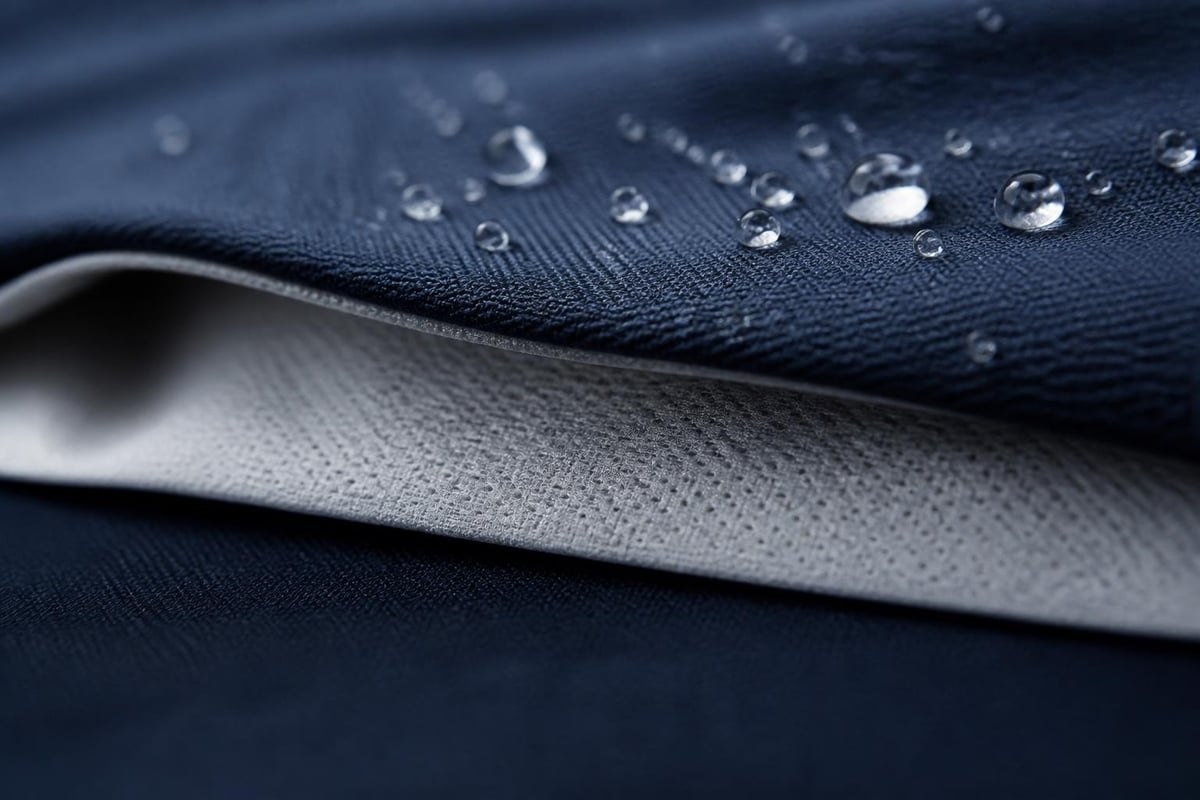
GORE-TEX membranes represent the gold standard many riders recognise, using expanded polytetrafluoroethylene (ePTFE) with billions of pores per square inch. Each pore measures approximately 20,000 times smaller than a water droplet yet 700 times larger than a water vapour molecule. This precise engineering allows perspiration to escape whilst rain cannot penetrate.
Waterproof Ratings That Matter
Understanding waterproof and breathability ratings helps you make informed decisions when selecting a mens waterproof riding coat. Waterproof ratings measure how much water pressure a fabric can withstand before leaking, expressed in millimetres.
| Rating | Water Column | Best For |
|---|---|---|
| 5,000mm | Light rain | Brief exposure, dry climates |
| 10,000mm | Moderate rain | Most riding conditions |
| 20,000mm+ | Heavy rain | Extended wet rides, severe weather |
For serious riders, aim for minimum 10,000mm waterproofing. Breathability ratings (measured in grams of moisture per square metre over 24 hours) matter equally. Look for 10,000g/m²/24hr or higher to prevent that clammy feeling during active riding.
The construction method affects performance significantly. Two-layer garments bond the membrane to the outer fabric with a separate lining. Three-layer construction laminates membrane, outer fabric, and inner lining into one unit, creating a lighter, more packable coat. For riding, three-layer construction typically offers better durability where you contact the saddle and reins repeatedly.
Features That Distinguish Riding Coats
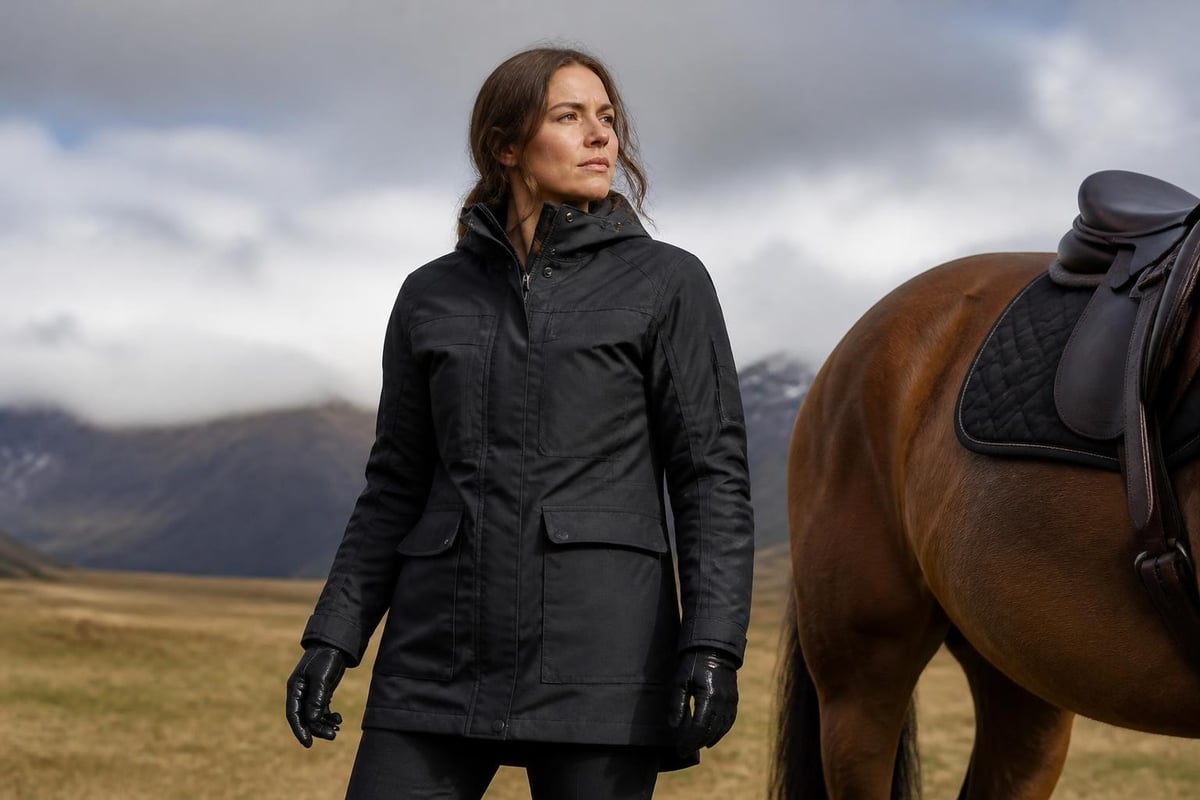
A mens waterproof riding coat differs fundamentally from hiking or cycling jackets in its cut and features. Standard outdoor wear often restricts movement in the saddle or rides up uncomfortably. Purpose-built riding coats account for your mounted position and the specific challenges of equestrian life.
Length matters more than most riders initially realise. Your coat should extend below your seat when mounted, preventing water from soaking your breeches and running into your boots. A split tail or longer back panel achieves this whilst avoiding excess fabric that bunches awkwardly. Some designs incorporate a two-way zip, allowing you to open from the bottom for better saddle contact and mobility.
Sleeves require particular attention. Riding demands constant arm movement for rein contact, which means set-in sleeves often pull across the shoulders. Raglan or gusseted sleeves provide the articulation needed for extended periods in riding position. Adjustable cuffs with hook-and-loop closures seal out driving rain whilst allowing you to push sleeves up during stable work.
Practical Design Elements
High collars or integrated hood systems protect against wind-driven rain without interfering with your peripheral vision or helmet fit. Many riders prefer stowable hoods that pack into the collar when not needed, avoiding bulk around the neck during flatwork.
Pocket placement separves function over fashion. Hand pockets should sit high enough to remain accessible when mounted, ideally with water-resistant zips. Interior pockets protect phones and valuables from moisture. Consider whether you need sufficient pocket capacity for gloves, treats, or a phone during longer hacks.
Ventilation features become essential during schooling sessions or active riding. Underarm zips allow heat to escape without removing your coat entirely. Some designs incorporate back vents for additional airflow. These features prove particularly valuable when transitioning between walking hacks and more vigorous work.
Choosing Your Coat for Different Riding Scenarios
Your riding discipline and typical conditions should guide your selection. What works brilliantly for weekend hacking may prove inadequate for daily stable management or competitive eventing. Consider your primary use case first, then decide whether one coat can cover multiple scenarios or you need specialised options.
For regular road riding and hacking, visibility becomes a critical safety consideration. The Highway Code recommends riders wear light-coloured or fluorescent clothing in daylight and reflective materials in poor light or darkness. Many quality riding coats integrate reflective panels or piping without compromising style. Some offer removable hi-vis panels that attach when needed for road work but store away for arena riding.
Guidance on what to wear when riding out emphasises both protection and visibility. A mens waterproof riding coat in navy or black can incorporate subtle reflective elements that provide safety without looking overtly utilitarian. This matters for riders who value cohesive style alongside function.
Matching Coats to Intensity
Training and schooling demand maximum breathability. You'll generate considerable heat during intensive flatwork or jumping sessions, even in cool weather. Prioritise coats with excellent moisture vapour transmission and ventilation features. A lighter-weight coat with superior breathability often outperforms a heavily insulated option during active riding.
Stable work and general yard duties need durability and practical features. Your coat will encounter fence posts, stable doors, and the occasional horse's teeth. Reinforced fabric at stress points extends longevity. Easy-clean finishes resist the inevitable mud, hay, and general stable debris. Consider whether you prefer a coat that packs small for storage in your tack room or car.
For competition wear, regulations may dictate certain standards of dress. Whilst some disciplines allow waterproof coats during warming up, they're typically removed for tests. A packable mens waterproof riding coat that compresses into its own pocket proves invaluable for unpredictable competition weather.
Fabric Technologies and Environmental Considerations
The chemistry behind durable water repellent (DWR) treatments has evolved significantly, driven partly by environmental concerns about perfluorinated compounds (PFCs). Traditional DWR treatments used long-chain fluorocarbons that persisted in the environment. Recent research on water-repellent coatings explores alternative approaches, including short-chain fluorocarbons and fluorine-free treatments.
Many premium coat manufacturers now offer PFC-free DWR options that maintain excellent water beading whilst reducing environmental impact. Performance has improved to where the distinction between fluorinated and non-fluorinated treatments narrows considerably for typical riding conditions. The trade-off involves slightly reduced durability, requiring more frequent reapplication of DWR treatment.
| Treatment Type | Durability | Environmental Impact | Best For |
|---|---|---|---|
| Long-chain PFC | Excellent | High persistence | Discontinued in most quality brands |
| Short-chain PFC | Very good | Reduced persistence | High-performance applications |
| PFC-free | Good | Minimal impact | Most riding scenarios |
Understanding these distinctions helps you align your purchase with your values without sacrificing performance. Quality manufacturers clearly label their DWR treatments, allowing informed choices.
Balancing Performance and Responsibility
The pursuit of completely sustainable waterproof garments continues to evolve. Recycled face fabrics, bluesign-approved dyes, and responsible down (if your coat includes insulation) represent steps toward more considered manufacturing. Some brands offer repair services and recycling programmes for end-of-life garments, extending the use cycle beyond traditional disposal.
For riders committed to longevity over disposability, investing in a well-constructed mens waterproof riding coat with repairable components and replaceable parts makes both economic and environmental sense. A £300 coat worn for ten years impacts the planet less than five £60 coats replaced every two years, regardless of the materials involved.
Caring for Your Waterproof Riding Coat
Proper maintenance dramatically extends the life and performance of waterproof garments. Many riders assume technical coats require complex care routines, but the reality proves straightforward. Regular cleaning actually improves waterproof performance by removing dirt and oils that compromise DWR effectiveness.
Proper cleaning and reproofing techniques differ from standard laundry practices. Use technical wash products designed for waterproof-breathable fabrics rather than conventional detergent, which can leave residues that reduce breathability. Close all zips and fasten all closures before washing to prevent damage.
Wash your coat when it visibly soils or when water no longer beads on the surface. Most quality riding coats tolerate machine washing on gentle cycles with cool water. Avoid fabric softener entirely, as it coats fibres and destroys DWR performance. Tumble drying on low heat actually reactivates DWR treatments, restoring water repellency without additional products.
When to Reproof
Eventually, even with careful washing, DWR treatments wear away through abrasion and UV exposure. Signs your coat needs reproofing include water soaking into the face fabric rather than beading, the coat feeling heavy when wet, or experiencing internal condensation during rides.
Spray-on and wash-in reproofing products both work effectively. Spray-on treatments allow targeted application to high-wear areas like shoulders and forearms. Wash-in products provide even coverage but may affect breathability if overapplied. Follow manufacturer instructions precisely for best results.
Between reproofing, simple tumble drying on low heat for 20 minutes can refresh existing DWR. This quick refresh works well after rides in light rain, restoring water beading without full reproofing.
Integrating Your Coat Into Your Riding Wardrobe
A mens waterproof riding coat functions as a system component rather than a standalone piece. How it layers over your core riding wardrobe affects both comfort and performance. Consider your typical layering strategy when selecting coat sizing.
Your coat should accommodate a mid-layer beneath without restricting movement. A technical base layer plus lightweight fleece represents typical cold-weather layering under a waterproof shell. If you ride in particularly cold conditions, ensure your coat allows an insulated gilet or jacket underneath whilst maintaining freedom of movement.
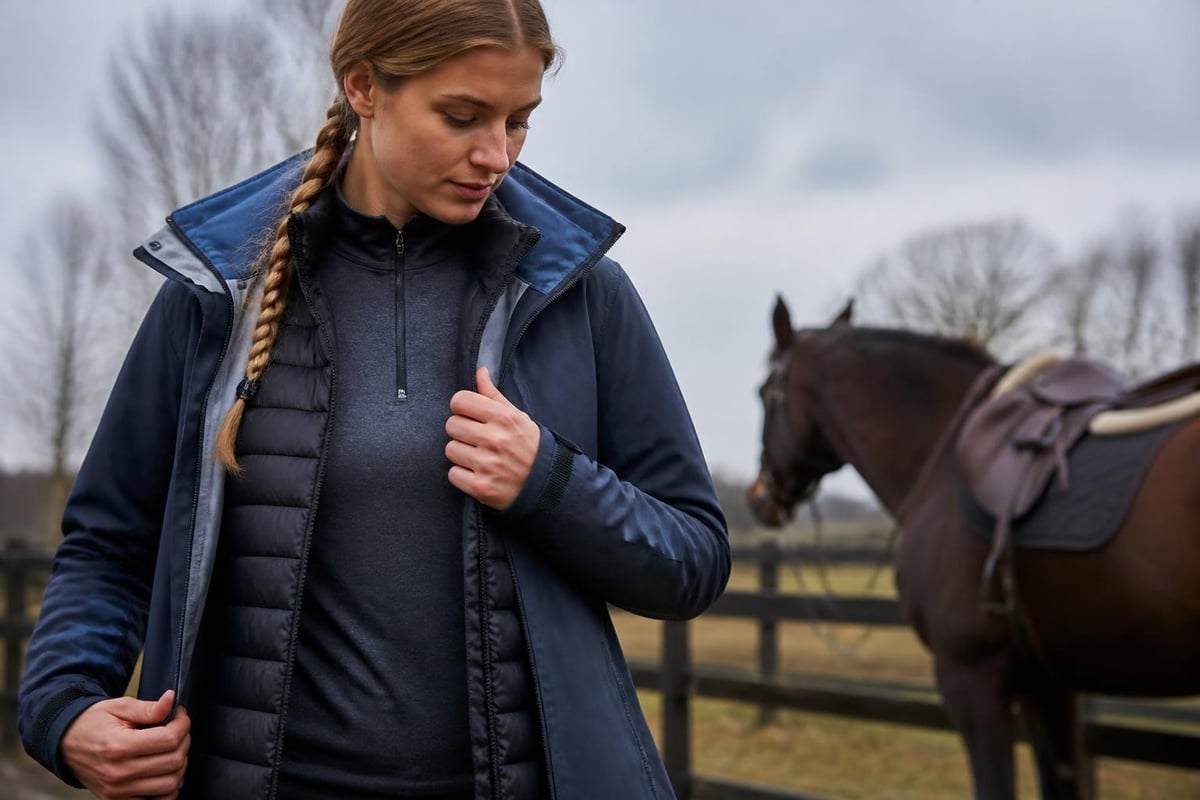
Colour coordination matters more for some riders than others, but a versatile mens waterproof riding coat in navy, black, or deep grey pairs effortlessly with most breeches and boots. This proves particularly valuable if your coat also serves for off-horse wear. The best riding coats transition seamlessly from stable to street without looking out of place in either context.
For riders building a capsule wardrobe approach, one excellent waterproof coat covers most scenarios more effectively than multiple cheaper alternatives. Quality construction and thoughtful features justify the investment through years of reliable service.
Sizing and Fit Considerations
Proper fit determines whether your mens waterproof riding coat performs as intended. Too tight restricts movement and prevents effective layering. Too loose allows wind and rain to enter whilst excess fabric bunches awkwardly in the saddle. Finding the balance requires attention to several key measurements and adjustments.
Start by measuring across your shoulders at the widest point whilst wearing a typical mid-layer. This measurement guides your starting size. Try the coat whilst simulating riding position: extend your arms forward as though holding reins, then reach up and to the sides. The coat should move with you without pulling across the back or restricting your shoulders.
Check sleeve length whilst arms are extended forward in riding position. Cuffs should cover your wrists without extending onto your hands, preventing water from running down into your gloves. Adjustable cuffs allow fine-tuning for different glove thicknesses and wrist sizes.
Trying Before Buying
Whenever possible, test your coat whilst mounted before committing to purchase. Many retailers with equestrian expertise encourage this. Sit in your normal riding position and assess whether the back length adequately covers your seat, whether the coat rides up uncomfortably, and whether sleeve and shoulder movement feels natural.
Quality manufacturers design mens waterproof riding coats with articulated sleeves and action backs that account for forward lean and arm extension. These features aren't immediately obvious when trying coats whilst standing, but they make substantial differences during actual riding.
Style Without Compromise
Modern equestrian outerwear has evolved beyond purely functional designs to embrace refined aesthetics that work both in and out of the saddle. You needn't sacrifice style for performance or vice versa. The best mens waterproof riding coat offerings combine technical excellence with understated design that reflects your approach to riding.
Clean lines, quality materials, and thoughtful details create coats that command respect without demanding attention. Avoiding excessive branding, unnecessary straps, or overly technical styling allows your coat to transition from stable to casual settings effortlessly. This versatility proves particularly valuable for riders who visit the yard before or after work, or who appreciate clothing that serves multiple purposes without looking like specialised kit.
Premium finishes distinguish quality coats from budget alternatives. YKK Aquaguard zips resist corrosion from wet conditions better than standard hardware. Bonded seams lie flat against your body, reducing bulk and improving comfort during extended wear. These details accumulate into garments that feel purposeful rather than merely adequate.
Gallant Equestrian's approach to jackets demonstrates how performance and style intersect naturally when design prioritises both equally from the beginning. This philosophy recognises that modern riders demand clothing that performs brilliantly whilst looking sharp, whether working a young horse or meeting friends afterwards.
Making the Investment Work
A quality mens waterproof riding coat represents a significant purchase, typically ranging from £200 to £500 for proven performance. Understanding what justifies this investment helps you select wisely and maximise value over the coat's lifetime.
Construction quality determines longevity. Examine seam taping carefully: fully taped seams prevent water ingress through needle holes, whilst critically taped seams protect only high-exposure areas to reduce weight. For British riding conditions with frequent rain, fully taped seams justify their slight weight penalty. Check that taping lies flat and adheres completely, without bubbles or lifted edges.
Fabric weight and denier rating indicate durability. Lighter fabrics (typically 20-40 denier) pack smaller and weigh less but sacrifice some abrasion resistance. Heavier fabrics (50-70 denier) withstand stable life and countryside riding better whilst adding weight. For mixed use including yard work, favour durability over minimal weight.
Hardware quality matters more than many riders realise. Zips endure thousands of cycles over a coat's lifetime. Premium YKK or Vislon zips resist jamming from mud, horse hair, and general debris better than budget alternatives. Replaceable zip pullers allow inexpensive repairs if pulls break, extending coat life significantly.
Warranty coverage reflects manufacturer confidence. Reputable brands offer minimum one-year warranties, with premium manufacturers extending to lifetime guarantees against defects. Understand what coverage includes: manufacturing defects always, but normal wear, improper care, or damage typically not.
Choosing the right mens waterproof riding coat involves balancing technical performance, practical features, and personal style into one essential piece that serves you reliably through countless rides. When weather turns challenging, your coat becomes the difference between cutting rides short and carrying on comfortably, maintaining the rhythm and progress that defines committed riding. Gallant Equestrian designs performance-driven outerwear that meets the exacting standards of riders who refuse to compromise on either function or appearance, creating pieces built to last through seasons of serious use whilst maintaining the refined style that transitions effortlessly beyond the stable yard. Look the Part. Enjoy the Ride.

