

Pikeur Clothing: Heritage, Performance & Modern Style
Oct 30, 2026
When you think of premium equestrian wear, certain names carry weight that transcends trends. Pikeur clothing stands among those rare brands where heritage, technical innovation, and uncompromising quality converge into something that genuinely performs. For riders who demand gear that works as hard as they do, understanding what sets this German powerhouse apart isn't just interesting background knowledge - it's essential information that influences every purchase decision you make.
The brand's story stretches back further than most riders realise, and that depth of experience shows in every seam, fabric choice, and design detail. Whether you're evaluating your next pair of competition breeches or simply curious about what makes certain brands command premium pricing, exploring the Pikeur approach offers valuable perspective on what true quality looks like in the saddle.
The Foundations: Where Pikeur Clothing Began
Pikeur's history dates back to 1955, when the Brinkmann family established the company in northern Germany. This wasn't a vanity project or a fashion experiment - it was a practical response to riders who needed better gear than what was available at the time. The founders understood horses, understood riding, and most importantly, understood that equestrian clothing needed to balance movement, durability, and appropriate presentation.
Those early years established principles that still guide the brand today. Pikeur clothing emerged from a culture where craftsmanship mattered, where cutting corners wasn't an option, and where riders expected their gear to last years rather than seasons. The German approach to manufacturing - methodical, detail-oriented, focused on longevity - became embedded in every piece that left their facilities.
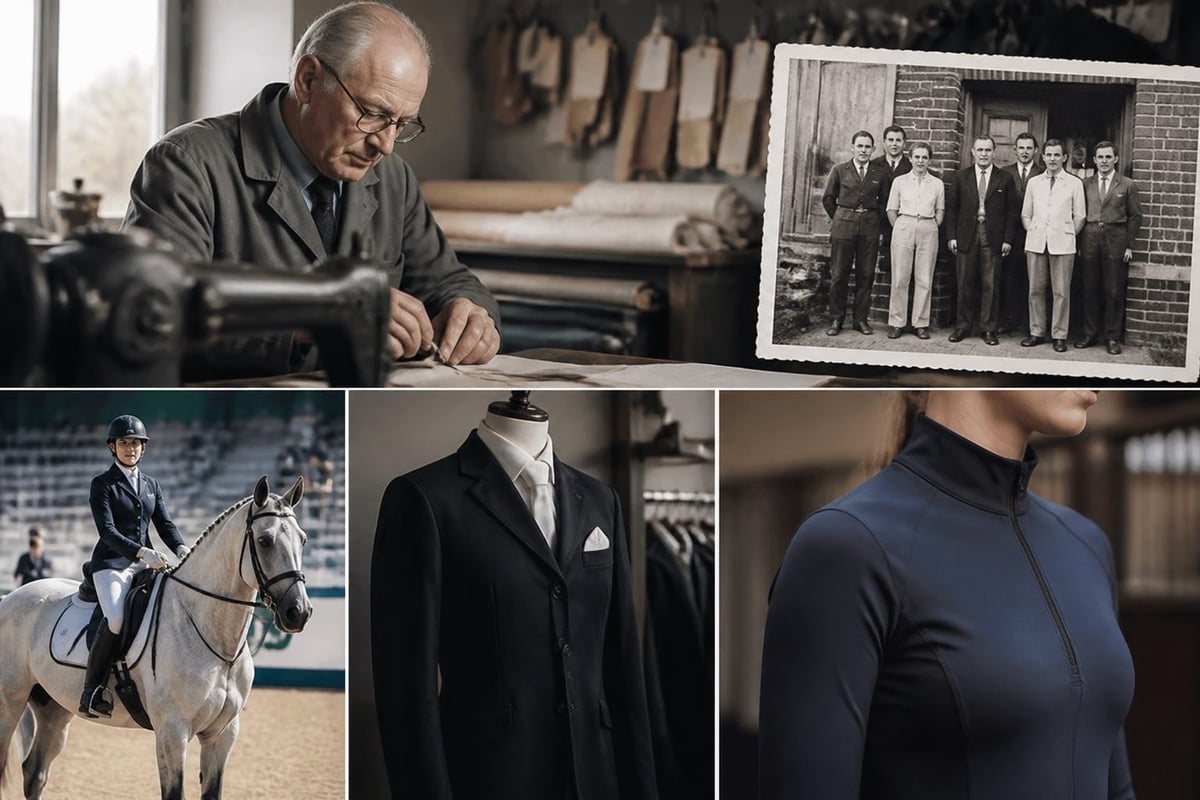
By the 1970s and 1980s, the brand had established itself across Europe as serious kit for serious riders. Partnership with the German Equestrian Federation cemented their reputation - when national teams trust your gear at Olympic level, that says something concrete about performance under pressure.
Technical Innovation: Why the Fabric Matters
Walk into any well-stocked tack shop and you'll find breeches at various price points. The difference often comes down to fabric technology, and this is where pikeur clothing demonstrates its engineering roots. They don't just source materials; they develop them in partnership with textile innovators who understand the specific demands of riding.
Recent collaboration with Livinguard Technologies represents this approach in action. The integration of Livinguard's self-cleaning technology into riding wear addresses a practical problem every rider faces - garments that maintain freshness and hygiene through extended wear and repeated washing cycles.
What Technical Fabrics Actually Do
Four-way stretch sounds like marketing speak until you spend eight hours in the saddle. Proper technical fabric moves with you, returns to shape, manages moisture, and maintains structure through countless wash cycles. Pikeur clothing uses blends specifically engineered for equestrian movement patterns - the deep seat in dressage, the forward position over fences, the constant subtle shifts that happen during schooling sessions.
Temperature regulation matters more than most riders initially appreciate. Quality fabric wicks sweat away from skin, allows air circulation, yet provides enough coverage to prevent chafing. The difference between adequate and excellent fabric becomes obvious around hour three of a long ride or during the fourth class at a competition.
Durability isn't glamorous but it's fundamental. Premium pikeur clothing withstands the abrasion from saddles, the stretching from mounting and dismounting, the repeated washing that barn life demands. Seams stay intact. Fabric doesn't pill or thin. Colours hold. These aren't minor details - they're what justify the investment.
The Fit Philosophy: Designed for Movement
Breeches that bunch at the knee. Jackets that restrict shoulder movement. Shirts that ride up when you post. Every rider has experienced poorly designed equestrian wear, and it's remarkably distracting when you're trying to communicate subtle aids to a 500-kilogram animal.
Pikeur clothing approaches fit from a rider-first perspective. Their patterns account for the unique positions and movements that happen in the saddle - hip angles during sitting trot, arm extension when adjusting reins, the deep knee bend required for two-point position. This isn't standard athletic wear adapted for horses; it's purpose-built riding gear.
Tailoring for Men's Proportions
The equestrian industry has historically focused design efforts on women's wear, leaving men with limited options or poorly adapted patterns. Quality men's riding clothing requires different approach to cut, particularly through the seat, thigh, and rise. Pikeur's men's collections demonstrate understanding of these differences, though the market still skews heavily female.
This gap is precisely why brands like Gallant Equestrian have emerged - filling the need for purpose-designed men's equestrian apparel that doesn't compromise on style or performance. The growing recognition that male riders need dedicated collections rather than afterthoughts represents overdue progress in the industry.
Competition Standards: Meeting FEI Requirements
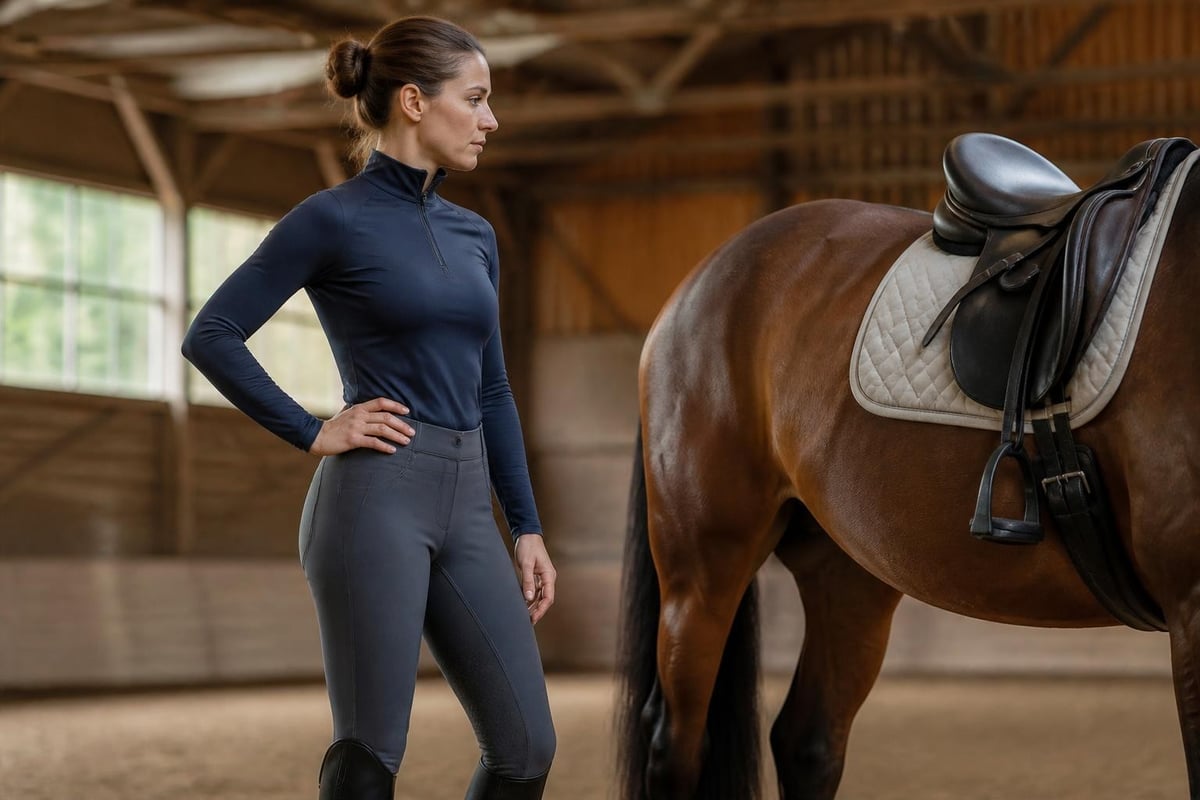
Competition wear operates within specific parameters defined by governing bodies. FEI eventing rules and showing dress codes establish clear expectations about appropriate attire, and pikeur clothing has built its competition collections around these requirements.
Understanding these standards helps explain certain design choices. Why specific colours dominate competition wear. Why certain fabric weights work better than others. Why details like button placement and collar styles follow particular conventions. It's not arbitrary fashion - it's adherence to established protocols that ensure fair, professional presentation in the arena.
From Training to Competition
The best riding wardrobes seamlessly transition between schooling and showing. Quality pikeur clothing serves both purposes - technical enough for daily training, refined enough for competition. This versatility matters practically and financially. Gear that pulls double duty represents better value than single-purpose items gathering dust between shows.
Competition wear should inspire confidence, not anxiety. When you know your kit meets standards, fits properly, and performs reliably, you can focus mental energy on your round rather than worrying about your turnout. That psychological edge compounds throughout a long competition day.
Seasonal Collections and Product Lines
| Collection Type | Primary Focus | Key Features | Ideal Usage |
|---|---|---|---|
| Competition | Arena performance | FEI compliance, refined finish | Shows, formal schooling |
| Training | Daily riding | Durability, comfort, movement | Lessons, hacking, general riding |
| Functional | Weather protection | Waterproofing, insulation, breathability | Outdoor riding, yard work |
| Casual | Lifestyle wear | Subtle equestrian details, everyday wearability | Stable visits, off-horse activities |
Pikeur's seasonal catalogues showcase the breadth of their offering across these categories. The collections rotate but the core principles remain consistent - quality fabrics, thoughtful design, attention to detail that separates adequate from excellent.
Building a Functional Wardrobe
Smart riders think in terms of versatile essentials rather than trendy pieces. Core items that work across multiple contexts deliver better value than specialised garments with limited applications. A quality pair of neutral breeches serves competition, training, and casual riding. A well-designed technical shirt transitions from the saddle to the stable office to lunch afterwards.
This capsule approach to equestrian wardrobes emphasises fewer, better pieces over quantity. Three pairs of excellent breeches outperform ten mediocre pairs. The pikeur clothing philosophy aligns with this thinking - invest in quality, choose classic over trendy, prioritise function without sacrificing style.
The Price Question: What You're Actually Paying For
Premium pikeur clothing commands premium pricing, and that reality prompts legitimate questions about value. Understanding the cost breakdown helps riders make informed decisions rather than emotional ones based purely on brand recognition.
Manufacturing quality: European production standards, skilled labour, and ethical working conditions cost more than fast-fashion alternatives. You're paying for garments made by people earning fair wages under proper conditions.
Fabric technology: Advanced technical textiles involve significant research, development, and production costs. The four-way stretch, moisture management, and durability don't happen by accident - they require investment in materials science.
Design expertise: Patterns developed specifically for equestrian movement, tested by professional riders, refined through multiple iterations - this development work adds cost but delivers tangible performance benefits.
Longevity: Higher upfront cost spreads across years rather than months. A £200 pair of breeches that lasts five years costs £40 annually. A £60 pair that needs replacing every season actually costs more over time.
When Premium Makes Sense
Not every rider needs top-tier gear for every application. Someone riding twice weekly at a local stable has different requirements than someone competing nationally every weekend. The key is matching investment to usage patterns and priorities.
For items you wear constantly - breeches, base layers, everyday jackets - premium quality pays dividends in comfort, performance, and durability. For occasional-use items or trend-dependent pieces, mid-range options often suffice.
Comparing Alternatives: The Broader Market Context
Pikeur clothing sits at the premium end of equestrian wear, but the market offers options across every price point and style preference. Understanding where different brands position themselves helps riders make choices aligned with their needs and budgets.
Traditional European brands emphasise heritage and craftsmanship. British labels often prioritise classic styling and conservative cuts. American brands tend toward bold colours and trend-forward designs. Australian and New Zealand companies focus on performance in challenging weather conditions.
The Modern Rider's Approach
Today's riders increasingly want gear that performs technically while looking sharp enough to wear beyond the stable yard. This shift toward equestrian style that transitions seamlessly between riding and life has created space for brands that bridge that gap.
Choosing the right breeches involves balancing technical requirements with personal style preferences. The same principle applies across your entire riding wardrobe - function comes first, but there's no reason function can't look good.
Contemporary brands like Gallant Equestrian demonstrate that performance and style aren't mutually exclusive. Purpose-designed men's riding clothing that works as hard in the saddle as it does grabbing coffee afterwards represents where the industry is heading.
Care and Maintenance: Protecting Your Investment
Premium pikeur clothing deserves proper care to deliver its full lifespan. These aren't complicated protocols, but they matter more than most riders initially appreciate. Small habits compound into significant differences in garment longevity.
Wash thoughtfully: Turn breeches inside out, use technical fabric detergent, avoid fabric softener which damages moisture-wicking properties. Cold or cool water preserves elasticity better than hot. Skip the dryer when possible - air drying maintains shape and extends fabric life.
Store properly: Hanging breeches by the waistband prevents knee stretch. Folding technical shirts along seams prevents permanent creases. Keeping riding gear separate from barn work clothes reduces exposure to hay dust and stable grime.
Address issues early: Small repairs prevent major problems. A loose button fixed immediately costs nothing; a button that falls off and goes missing requires replacement of the entire set. Minor seam separation caught early takes minutes to mend; ignored until it becomes a tear requires professional repair.
When to Replace vs Repair
Quality riding clothing often justifies professional repair rather than replacement. Tailors familiar with technical fabrics can address most issues - replacing zippers, repairing seams, even patching worn areas in ways that maintain performance. The cost of skilled repair usually runs well below replacement, especially for premium garments.
That said, some wear patterns indicate genuine end of life. Fabric that's thinned throughout, elastic that's permanently stretched, colours that have faded significantly - these suggest it's time to retire pieces rather than attempt restoration. Understanding this distinction prevents throwing money at garments past saving while preserving those worth maintaining.
The Male Rider's Perspective: Addressing the Gap
The equestrian industry's historical focus on female riders has left men with limited options and often poor fit in riding clothing. While brands like pikeur clothing offer men's lines, the selection typically represents a fraction of their women's collections. This disparity affects more than just variety - it impacts innovation, design attention, and market development.
Male riders deserve gear designed for their bodies, riding styles, and aesthetic preferences. Not adapted women's wear with different labels. Not generic athletic clothing pressed into equestrian service. Purpose-built riding gear that acknowledges men ride differently, move differently, and have different wardrobe requirements.
Building a Men's Riding Wardrobe
Start with proper breeches in neutral colours - tan, grey, navy. These form the foundation and work across multiple contexts. Add technical base layers that manage moisture and maintain comfort through long rides. Include quality polo shirts that transition from saddle to social settings.
Competition requirements demand specific pieces, but even those should serve beyond the show ring. A well-cut competition coat works for other formal equestrian occasions. Quality show shirts double as business casual when paired with proper trousers.
The goal is a streamlined wardrobe where each piece earns its place through regular use. Avoid single-purpose items that gather dust between rare applications. Prioritise versatility, quality, and fit over quantity or trend-chasing.
Style Evolution: Classic Meets Contemporary
Equestrian wear balances tradition with innovation more carefully than most sporting disciplines. Certain elements remain relatively unchanged because they work - the close fit of breeches, the structure of competition coats, the conservative colour palette of formal riding wear. Other aspects evolve as fabrics improve, rider needs shift, and style preferences change.
Pikeur clothing navigates this balance by maintaining classic silhouettes while incorporating modern technical features. The result reads traditional enough for conservative judging panels yet performs like contemporary athletic wear. This approach has kept the brand relevant across generations of riders.
Finding Your Style
Personal style in riding wear exists within defined parameters, but there's more flexibility than many riders initially recognise. Fit preferences, colour choices within acceptable ranges, subtle details that reflect individual taste - these elements allow personality without compromising propriety.
Understanding equestrian fashion helps you make choices that feel authentic rather than costume-like. The best-dressed riders look like themselves, elevated. They're not copying others or chasing trends - they've found their version of appropriate riding style and own it with quiet confidence.
Quality equestrian clothing represents more than just gear - it's part of showing up properly prepared, looking the part, and riding with confidence. While pikeur clothing sets a high standard in the industry, the broader lesson is about investing thoughtfully in pieces that genuinely serve your riding. Whether you choose established European brands or contemporary innovators, prioritise fit, function, and quality over marketing or trends. Gallant Equestrian offers New Zealand-designed riding wear built specifically for men who demand both performance and style, with collections that transition effortlessly from stable to street. Look the Part. Enjoy the Ride.

