

Show Clothes: Essential Guide for Men Riders in 2026
Jul 27, 2026
Getting your show clothes right matters more than you might think. Step into the ring wearing ill-fitting breeches or a shirt that's already untucked, and you're starting with a disadvantage. The right competition attire does more than tick boxes for judges. It gives you confidence, allows unrestricted movement, and presents the polished image that serious riders project. For men in the equestrian world, finding show clothes that combine tradition with modern performance isn't always straightforward, but it's essential for anyone competing seriously in 2026.
Understanding Show Clothes Requirements
Show clothes follow specific guidelines that vary by discipline, but certain principles remain constant. Judges expect riders to demonstrate respect for tradition whilst maintaining a professional appearance. The fundamentals haven't changed drastically over decades, yet the fabrics, cuts, and construction methods have evolved significantly.
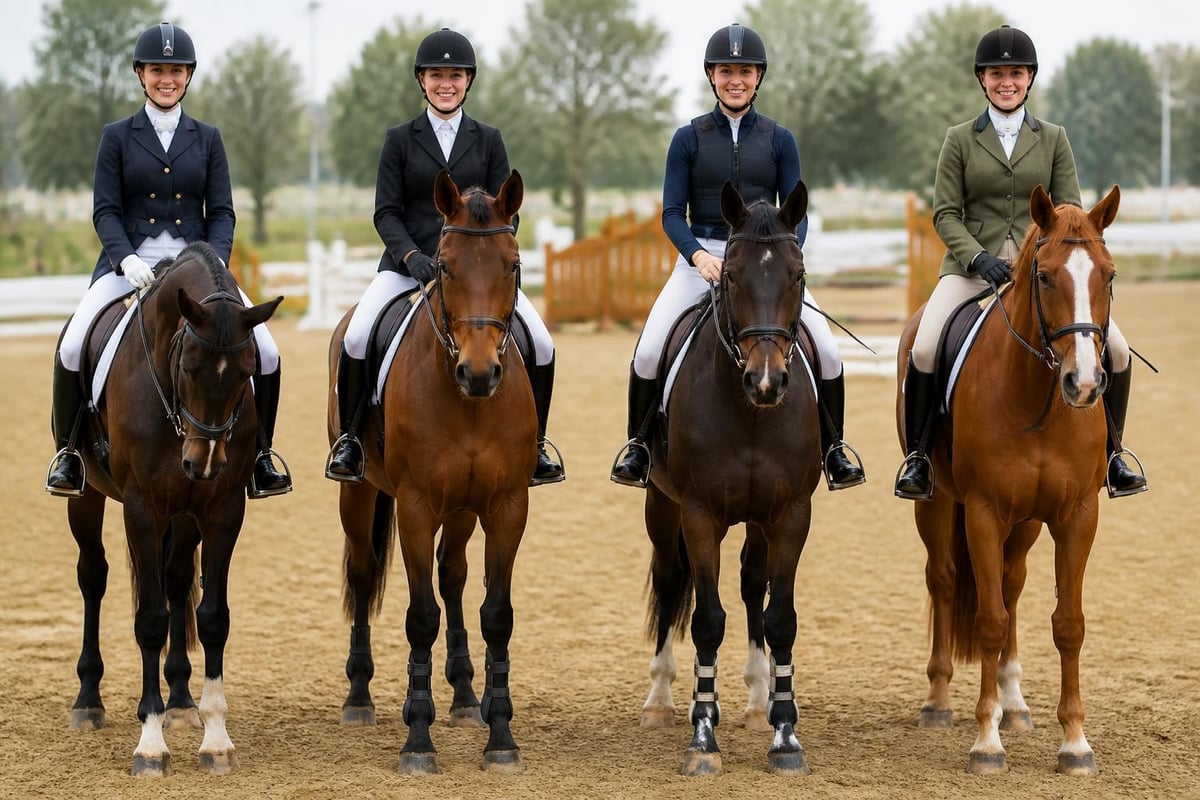
Traditional disciplines like dressage and show jumping demand formal attire that includes light-colored breeches, conservative show shirts, and tailored jackets. Eventing follows similar standards during the dressage phase, though cross-country allows more flexibility. Western disciplines have their own dress codes, emphasizing clean lines and coordinated colors that complement your horse's tack.
Mandatory Elements Across Disciplines
Regardless of your chosen discipline, certain elements form the foundation of proper show clothes. Breeches remain the cornerstone, and they must fit properly without wrinkles or excess fabric. A well-fitted show shirt creates clean lines under your jacket, whilst appropriate footwear completes the professional picture.
| Element | Requirement | Key Consideration |
|---|---|---|
| Breeches | Light colors (white, beige, grey) | Fit without pulling or sagging |
| Show Shirt | Collared, long-sleeved | Stock tie compatibility |
| Jacket | Conservative cut and color | Freedom of movement |
| Boots | Tall boots or paddock with half chaps | Polished appearance |
| Gloves | Leather or synthetic | Matching or complementary colors |
The details matter. Your show clothes should look crisp from the moment you enter the arena until your final salute. This means choosing fabrics that resist wrinkling, maintain their shape under pressure, and wick moisture away from your body during tense moments.
Selecting Competition Breeches
Your breeches form the foundation of show clothes, and getting this choice right affects everything else. Modern competition breeches blend technical fabrics with traditional styling, offering stretch, breathability, and durability that previous generations couldn't access. The fit should be close without restriction, allowing you to move fluidly through posting, sitting, and two-point positions.
Full-seat silicone grip has become increasingly popular for dressage riders, providing security in the saddle during extended movements. Knee-patch designs work well for jumpers who need grip during takeoff and landing without the bulk of full-seat coverage. Understanding equestrian attire helps clarify which style suits your discipline and riding preferences.
Fabric Technology in Modern Show Clothes
Today's performance fabrics represent a significant advancement over traditional cotton blends. Four-way stretch materials move with you rather than against you, whilst moisture-wicking properties keep you comfortable during warm-ups and lengthy classes. Many riders now favor lightweight technical fabrics that maintain their professional appearance without sacrificing comfort.
Look for breeches with reinforced inner seams and quality stitching at stress points. The waistband should sit comfortably without digging in, and the rise should be appropriate for your body type. Too low, and you'll spend the day adjusting; too high, and movement becomes restricted.
Color choice matters more than many riders realize. White and light beige show every speck of dirt, demanding meticulous stable management before entering the ring. Tan and grey offer slightly more forgiveness whilst still meeting traditional standards. Some disciplines now accept navy or darker shades for certain classes, though checking current rules prevents unwelcome surprises.
Show Shirts and Upper Body Attire
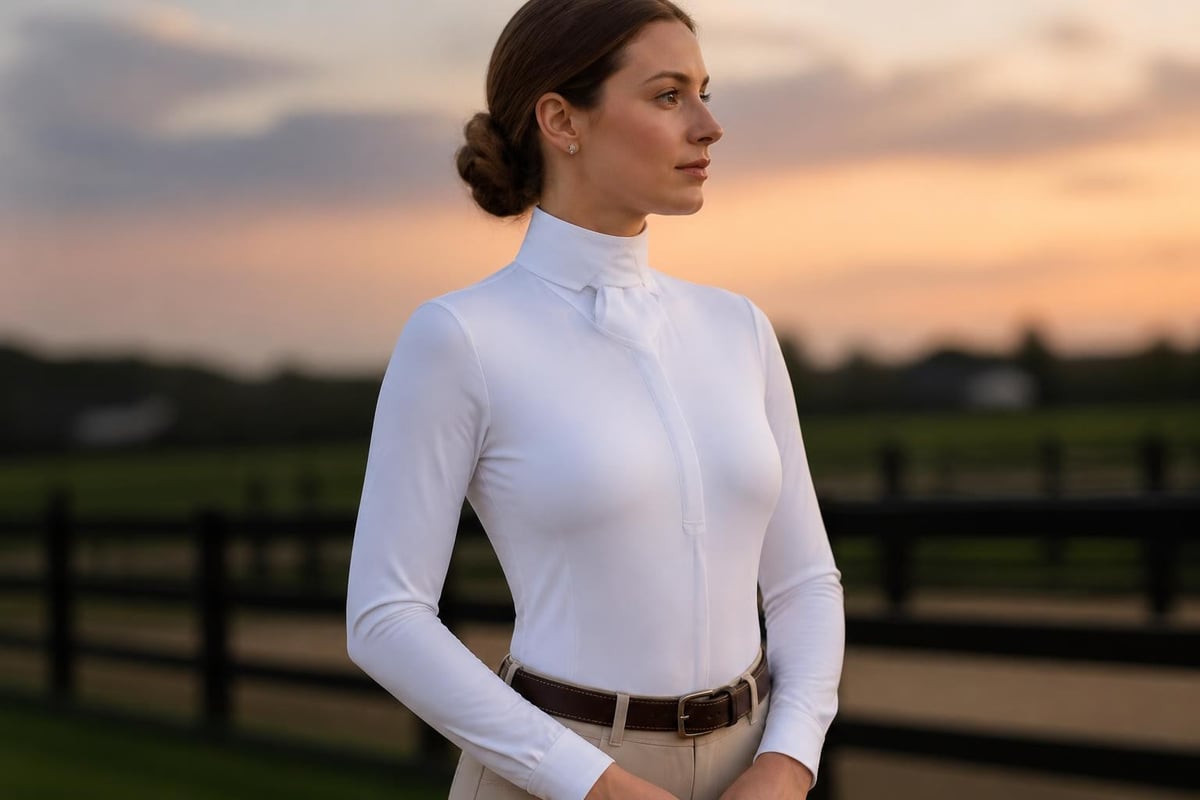
The show shirt sits beneath your jacket during most classes, but its importance extends beyond mere visibility. A proper show shirt creates the foundation for your stock tie, maintains professional lines, and manages perspiration during warm weather competitions. Traditional white remains the safest choice, though subtle patterns and colors have gained acceptance in some disciplines.
Long sleeves are mandatory for most rated competitions, providing coverage even when jackets come off during hot weather. The collar should stand properly to support your stock tie, and the fabric should resist wrinkling under your jacket's constraints. Modern show shirts increasingly incorporate breathable competition shirts that manage heat without compromising appearance.
Stock Ties and Collar Options
The stock tie represents tradition at its finest, creating the formal neckline that dressage and show jumping demand. Learning to tie one properly takes practice, but the finished result should sit flat against your chest without bunching or twisting. A well-tied stock provides a secure base for your pin whilst maintaining symmetry throughout your ride.
Some riders prefer ready-tied stocks that attach with velcro or clips, saving time during busy show mornings. These work perfectly well for most competitions, though traditional judges may notice. Whatever style you choose, the stock should coordinate with your shirt and jacket without creating jarring color contrasts.
Competition Jackets and Outerwear
Your competition jacket deserves careful consideration because it defines your silhouette in the arena. Traditional colors like navy, black, and dark grey remain standard across most disciplines, providing timeless elegance that never distracts from your riding. The cut should allow full shoulder movement during posting and jumping whilst maintaining clean lines when sitting.
Modern show clothes benefit from technical innovations in jacket construction. Stretch panels at key movement points, breathable linings, and moisture-wicking fabrics make today's show jackets far more comfortable than rigid wool versions from previous eras. What to wear for a horse show provides comprehensive guidance on selecting appropriate show jackets for different disciplines.
Fit Considerations for Performance
A properly fitted show jacket should button comfortably without pulling across the chest or shoulders. The sleeves should reach your wrist bone when your arms hang naturally, allowing proper cuff visibility beneath. Shoulder seams should sit at your natural shoulder point rather than drooping down your arm or pulling across your back.
| Fit Point | Correct Fit | Common Problem |
|---|---|---|
| Shoulders | Seam at shoulder point | Pulling or drooping |
| Chest | Buttons without strain | Gapping or pulling |
| Length | Covers seat when mounted | Too short or long |
| Sleeves | Reaches wrist bone | Covers or exposes too much shirt |
Pay attention to vent placement if your jacket includes them. Side vents should hang naturally without flaring, whilst center vents should close neatly when you're mounted. Some riders prefer ventless jackets for a cleaner line, though this style can restrict movement if the fit isn't perfect.
Footwear Standards
Tall boots remain the gold standard for show clothes, creating the long leg line that judges expect in formal competition. Quality leather boots mold to your leg over time, providing both comfort and elegance. They require regular maintenance but reward that effort with years of reliable service.
Paddock boots paired with half chaps offer a practical alternative, particularly for riders still growing or those who compete infrequently. The gap between boot and chap should be minimal, creating the illusion of a tall boot whilst allowing easier sizing adjustments. Some disciplines accept this combination more readily than others, so verify current regulations before investing.
Field boots with lacing at the ankle traditionally belong to hunt seat disciplines, whilst dress boots with plain fronts suit dressage and jumpers. Both styles work equally well from a functional perspective; choose based on your primary discipline's expectations and your personal aesthetic preferences.
Accessories and Finishing Touches
The small details separate adequate show clothes from truly polished competition attire. Quality leather gloves in brown or black complement your boots whilst providing better rein contact than bare hands. A subtle belt in matching leather adds refinement without drawing attention.
Hair nets for riders with longer hair keep everything secure and tidy, whilst helmets should meet current safety standards whilst coordinating with your overall presentation. Modern helmet designs offer better ventilation and fit systems than older models, proving that safety and style can coexist comfortably.
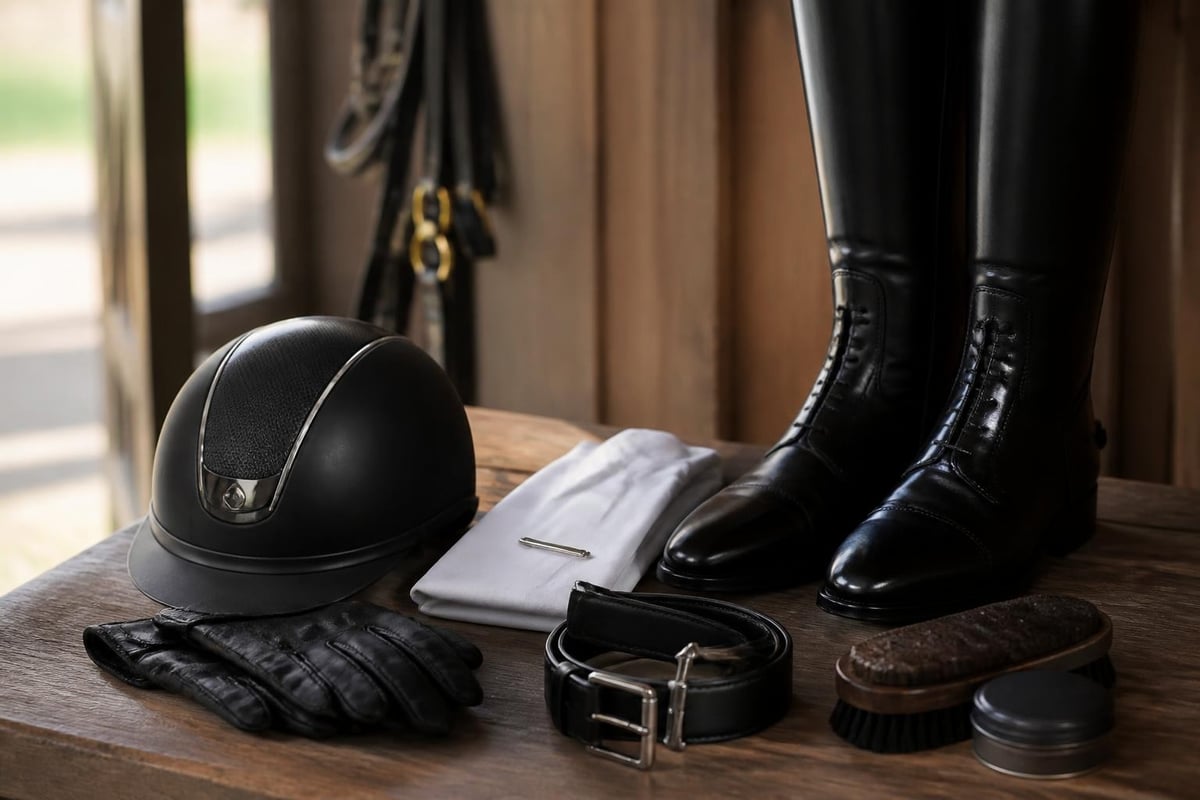
Consider your stock pin as both functional necessity and personal expression. Simple designs in gold or silver work across all disciplines, though some riders enjoy collecting unique pins that reflect their interests. Whatever style you choose, ensure it secures your stock reliably whilst remaining proportionate to your build.
Maintaining Show Clothes Between Events
Proper care extends the life of show clothes significantly whilst ensuring they look fresh for every competition. Breeches should be washed according to fabric care instructions, typically in cold water with gentle detergent. Air drying prevents shrinkage and maintains elasticity, though some modern fabrics tolerate low-heat tumble drying.
Show shirts benefit from prompt washing after each use, preventing sweat and dirt from setting into fibers. Hang them properly to minimize wrinkles, or use gentle ironing before packing for shows. Stock ties should be cleaned regularly and stored flat to maintain their shape.
Storage Solutions for Competition Attire
Your show clothes deserve protection between uses. Garment bags prevent dust accumulation whilst allowing fabrics to breathe, avoiding the musty odors that develop in plastic storage. Jacket shoulders should be supported by proper hangers that maintain their shape rather than cheap wire versions that create unsightly bumps.
Boots require regular cleaning and conditioning to maintain suppleness and appearance. Store them with boot trees or rolled newspaper inside to preserve their shape. A light polish before each show brings out their best appearance, though over-polishing can dry leather over time.
Building Your Show Wardrobe Strategically
Starting a collection of show clothes requires planning rather than impulse purchases. Begin with essentials in neutral colors that work across multiple classes, then add specialized pieces as your competition schedule expands. Quality basics in navy, black, and white provide maximum versatility whilst building a professional foundation.
Choosing the best pants for horse riding extends beyond show clothes to include training breeches that complement your competition wardrobe. Having dedicated schooling attire preserves your show clothes whilst ensuring you always look presentable at the barn.
Consider seasonal requirements when building your wardrobe. Summer competitions demand lightweight fabrics and potentially shadbelly vests for upper-level dressage, whilst winter shows might require underlayers that don't create bulk beneath your jacket. Waterproof riding jackets serve double duty for warming up in questionable weather whilst maintaining professional appearance.
Contemporary Trends in Show Clothes
The equestrian world balances tradition with subtle innovation, and show clothes reflect this evolution. Major equestrian trends for 2026 include coordinated aesthetics that create visual harmony between horse and rider, though show regulations limit how much personal style you can inject into competition attire.
Technical fabrics continue advancing, offering better performance without sacrificing traditional appearance. Manufacturers now produce show clothes that look identical to classic designs whilst incorporating four-way stretch, antibacterial treatments, and improved moisture management. These innovations make long competition days more comfortable without attracting negative attention in the ring.
The rise of equestrian athleisure influences training wear more than show clothes, though some crossover exists in warm-up attire and stable clothing. Riders increasingly seek pieces that transition smoothly between barn and casual settings, maintaining the polished aesthetic that defines serious equestrians.
Investing in Quality Show Clothes
Price varies dramatically across show clothes, but investing in quality pieces pays dividends over time. Well-constructed breeches from reputable manufacturers maintain their shape and grip through countless washes, whilst cheap alternatives often pill, fade, or lose elasticity quickly. The same principle applies to show shirts, jackets, and boots.
Consider cost per wear rather than initial price when evaluating show clothes. A jacket that lasts five seasons whilst maintaining its appearance justifies a higher investment than one requiring replacement after a single year. Quality construction, superior fabrics, and thoughtful design details distinguish pieces that endure from those that merely suffice.
Equestrian fashion continues evolving, but classic show clothes remain remarkably consistent. This stability makes them sound investments, as pieces purchased today will remain appropriate for years to come. Focus on timeless styles rather than trendy details that might look dated quickly.
Getting your show clothes right combines respect for tradition with modern performance demands. The pieces you select should enhance your riding rather than restrict it, creating confidence through proper fit and quality construction. Whether you're preparing for your first rated show or updating a wardrobe that's seen better days, investing in proper competition attire demonstrates commitment to your sport. Gallant Equestrian creates performance-driven show clothes designed specifically for men riders who demand both style and function. Look the Part. Enjoy the Ride.

