

Winter Riding Jackets for Men: Your Complete Guide
May 28, 2026
When the temperature drops and winter sets in, the right jacket becomes your most trusted companion in the saddle. Winter riding jackets for men need to balance warmth with mobility, protection with breathability, and style with practicality. Whether you're training in frosty mornings or competing in challenging conditions, understanding what makes a quality winter jacket can transform your cold-weather riding experience. The difference between merely surviving winter rides and genuinely enjoying them often comes down to choosing the right gear.
Understanding Your Winter Riding Needs
Before investing in winter riding jackets for men, take stock of your actual riding conditions. Are you facing mild damp winters or genuinely freezing temperatures? Do you ride primarily indoors with outdoor warm-ups, or spend hours training in open arenas? Your specific circumstances should drive your jacket selection more than any generic recommendation.
Temperature management matters more than most riders realize. Your body generates considerable heat during active riding, which means you need a jacket that prevents overheating whilst still protecting against wind and cold during less intense moments. This balance separates mediocre jackets from exceptional ones.
Consider your riding discipline as well. Dressage riders might prioritize different features than those who jump or work cattle. The movements required, the time spent stationary, and the formality of your riding environment all influence which jacket characteristics matter most to you.
Climate Considerations for 2026
Winter weather patterns continue evolving, making versatility increasingly valuable. The winter of 2026 has shown us that adaptable layering systems outperform single-purpose garments. Your jacket should function across a temperature range rather than serving only the coldest days.
Wind chill often affects comfort more than actual temperature. A jacket that blocks wind effectively can make a 5-degree morning feel manageable, whilst poor wind protection renders even moderate temperatures uncomfortable. This explains why choosing cold weather gear requires understanding materials and construction methods rather than just looking at insulation weight.
Essential Features That Matter
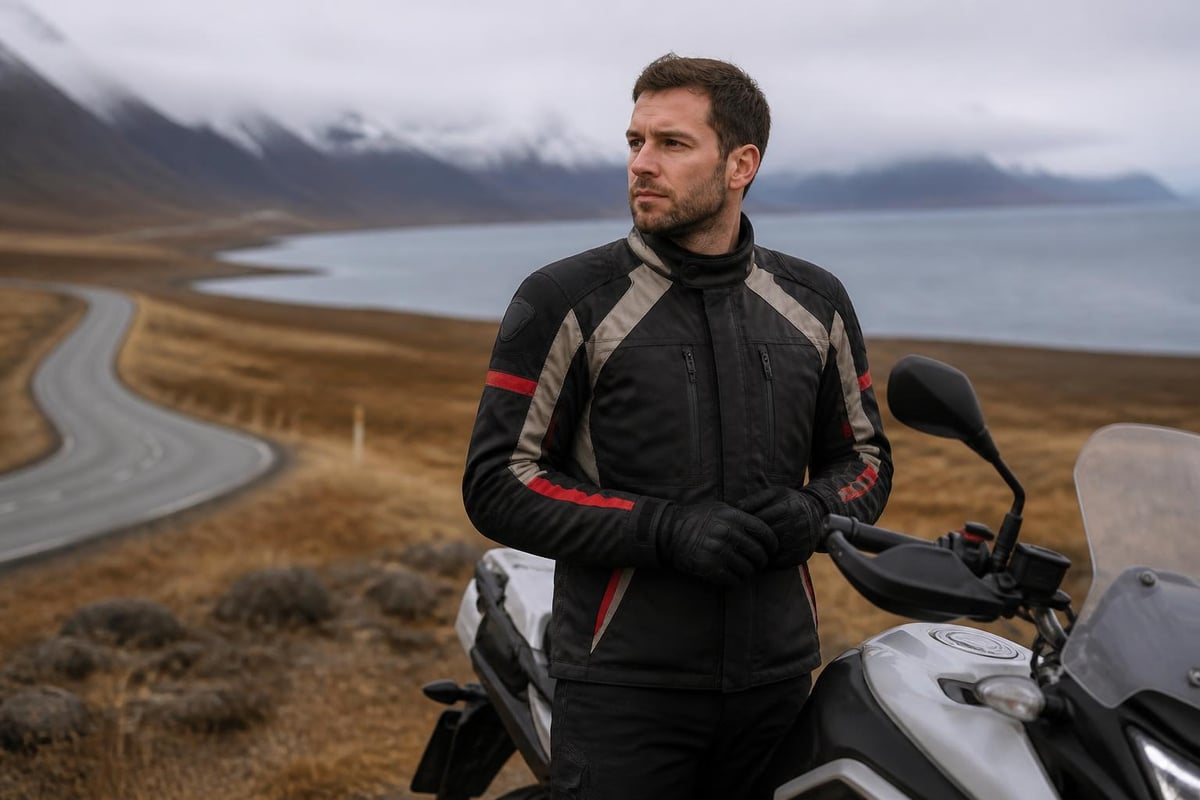
The construction quality of winter riding jackets for men separates temporary solutions from long-term investments. Start by examining how the jacket is assembled. Flatlock seams reduce bulk and prevent chafing during extended rides, whilst welded seams offer superior weather protection in wet conditions.
Zipper quality often gets overlooked until it fails. Look for heavy-duty YKK zippers with substantial pullers you can operate wearing gloves. A two-way zipper adds versatility, allowing you to open the bottom for better saddle fit whilst keeping your upper body protected.
Insulation Technology
Modern insulation has progressed well beyond traditional down and synthetic fills. Premium jackets now incorporate zoned insulation, placing different weights in specific areas based on body heat mapping. Your core needs more protection than your forearms, which require mobility and breathability.
Synthetic insulation continues when wet, making it preferable for riders in damp climates. Down offers unmatched warmth-to-weight ratios but loses effectiveness with moisture. Some manufacturers now use water-resistant down treatments, combining the best of both approaches.
| Insulation Type | Warmth | Breathability | Water Resistance | Weight |
|---|---|---|---|---|
| Synthetic | Good | Excellent | Excellent | Moderate |
| Down | Excellent | Good | Poor | Light |
| Treated Down | Excellent | Good | Good | Light |
| Hybrid | Very Good | Very Good | Very Good | Moderate |
The Castelli Alpha 150 W Jacket review demonstrates how strategic insulation placement enhances performance without adding unnecessary bulk. Whilst designed for cycling, these principles apply equally to equestrian wear.
Weather Protection Systems
Water resistance and waterproofing represent different protection levels. Water-resistant treatments repel light rain and moisture but eventually saturate. Waterproof membranes like Gore-Tex prevent water penetration entirely but often sacrifice breathability. Understanding this distinction helps match jackets to your climate.
Breathability determines whether you stay dry from the inside. A completely waterproof jacket that traps perspiration creates its own misery. Quality winter riding jackets for men incorporate moisture-wicking technology that moves sweat away from your body whilst blocking external moisture.
Design Elements for Riding Performance
Cut and fit dramatically affect how a jacket performs in the saddle. Traditional outdoor jackets bunch at the waist, ride up at the back, and restrict shoulder movement. Jackets designed specifically for equestrian riding incorporate longer backs, articulated sleeves, and tailored waists that complement your position.
Sleeve length becomes critical when your arms extend forward to hold reins. What fits perfectly standing feels short when mounted. Quality manufacturers account for this, cutting sleeves slightly longer and incorporating stretch panels at key stress points.
Mobility and Articulation
Range of motion separates riding-specific jackets from general outdoor wear. Your jacket should move with you through every phase of your riding. Test this by mimicking riding positions when trying jackets. Can you rotate your shoulders freely? Does the back lift when you lean forward? These practical considerations matter more than how the jacket looks standing still.
Stretch fabric panels in strategic locations enhance mobility without compromising protection. Look for these at the shoulders, across the back, and along the sides. Some premium jackets incorporate four-way stretch throughout, though this often reduces weather protection slightly.
Layering Strategies for Variable Conditions
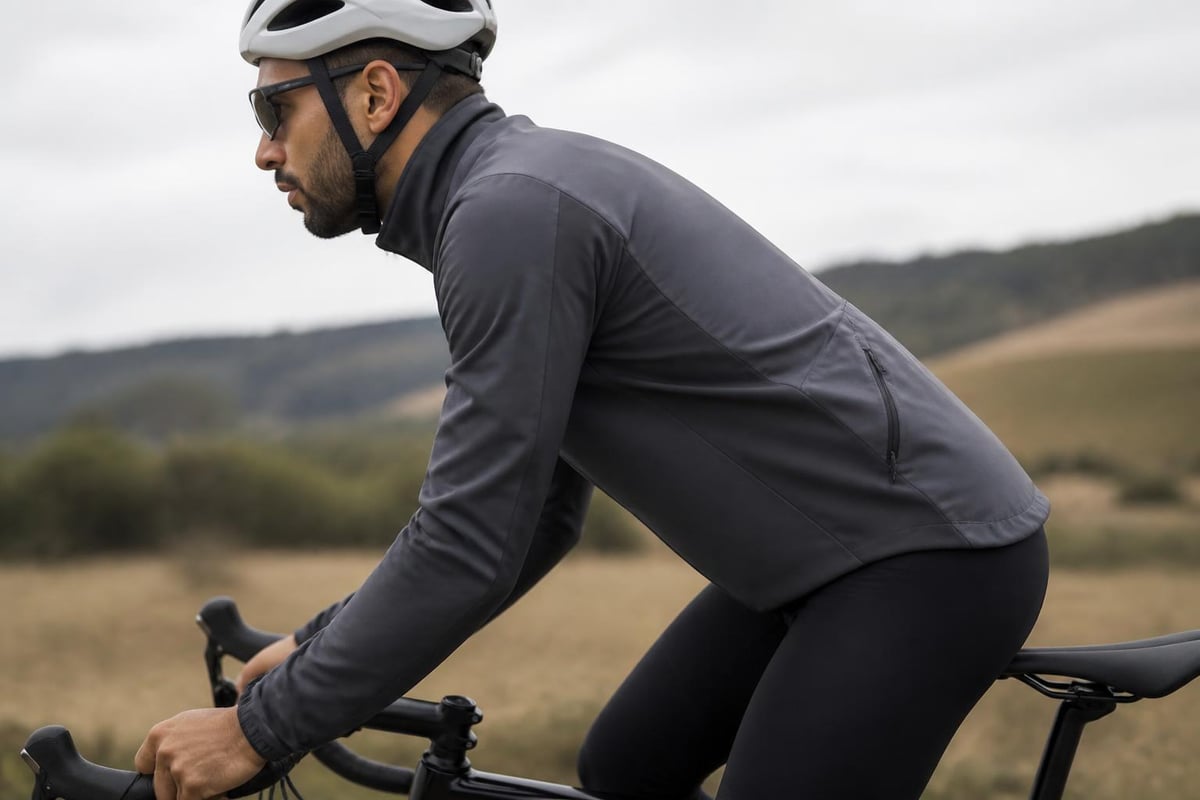
Winter riding jackets for men work best as part of a thoughtful layering system rather than as standalone pieces. Base layers manage moisture, mid-layers provide insulation, and outer layers protect against weather. This approach offers far more versatility than relying on a single heavy jacket.
Start with merino wool or synthetic base layers that wick moisture effectively. Cotton absorbs sweat and stays wet, making it unsuitable for active riding in cold weather. Your base layer should fit snugly without restricting movement, creating a foundation for subsequent layers.
Mid-layers add warmth without bulk. Fleece, lightweight synthetic insulation, or merino wool sweaters all work well. The key is choosing pieces that compress easily under your outer jacket whilst still providing adequate insulation. Consider the total system weight rather than individual piece thickness.
Adapting Throughout Your Ride
Temperature fluctuates during typical riding sessions. Early morning arena work generates less heat than active flatwork or jumping. Your layering system should allow quick adjustments without dismounting or returning to the stable.
Ventilation zippers at the chest, underarms, or back enable rapid heat dumping when you warm up. These features transform a winter jacket from merely adequate to genuinely functional. The Van Rysel RCR-R PRO Wind/Rain jacket demonstrates how strategic ventilation maintains comfort across changing conditions, principles equally applicable to equestrian wear.
Style Considerations Beyond Function
Looking professional matters in equestrian settings, even during training sessions. Winter riding jackets for men should maintain the refined aesthetic expected in our sport whilst delivering technical performance. Fortunately, modern designs achieve both goals without compromise.
Colour choices affect both visibility and formality. Navy, black, and charcoal remain timeless options that work in any setting. Brighter colours enhance visibility for early morning or evening riding but may look out of place in certain competitive environments. Consider owning versatile neutral options alongside more casual pieces.
Fit should be tailored rather than baggy, following your body lines without excessive tightness. The silhouette should suggest athletic capability rather than outdoor hiking. This distinction separates equestrian-specific designs from general sportswear.
Transitioning Beyond the Stable
The best winter riding jackets for men function equally well off the horse. Designs that work from stable to café to evening appointments offer better value and reduce wardrobe complexity. Look for pieces that avoid overtly technical styling whilst maintaining performance features.
Removable logos, understated details, and classic cuts enable seamless transitions. A jacket that looks appropriate at a horse show should also work for casual business meetings or weekend errands. This versatility aligns perfectly with how men's equestrian clothing has evolved to support modern lifestyles.
Fabric Technology and Materials
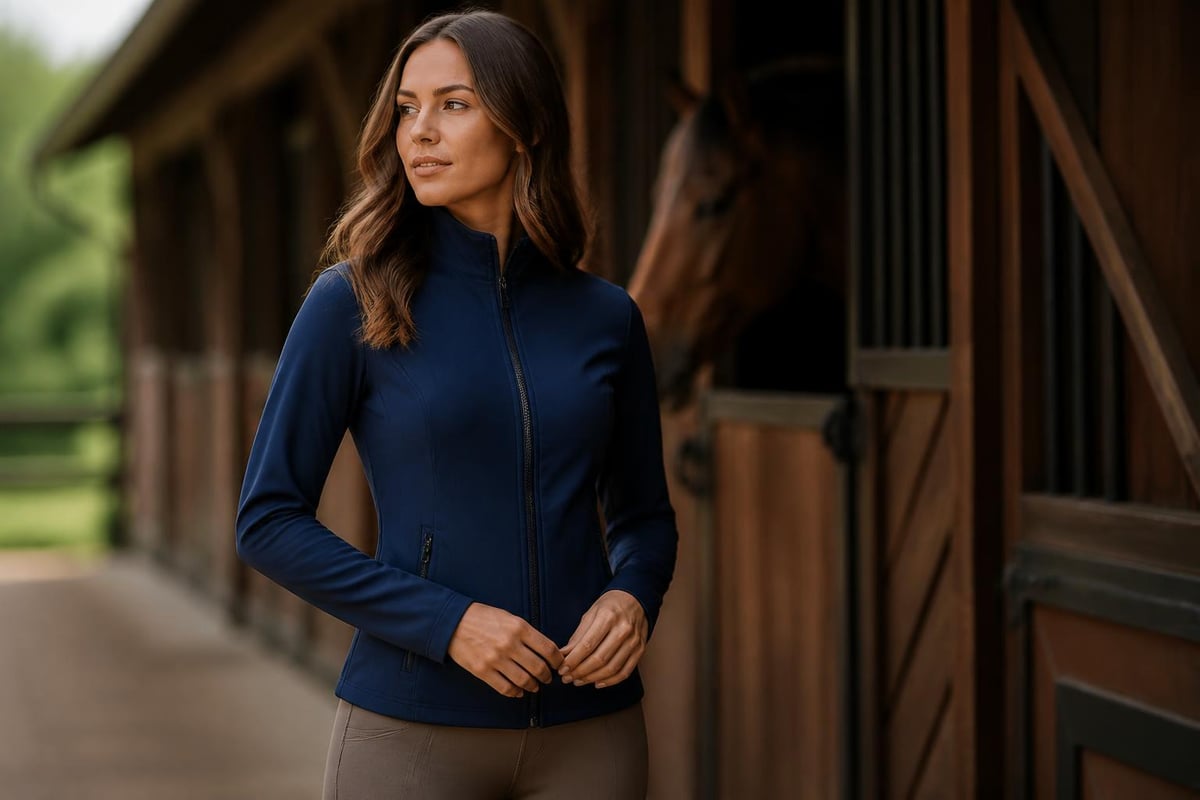
Understanding fabric specifications helps you evaluate marketing claims accurately. DWR (Durable Water Repellent) coatings cause water to bead and roll off fabric surfaces. These treatments wear off over time but can be reapplied with spray-on products, extending jacket life considerably.
Softshell fabrics combine moderate weather protection with excellent breathability and stretch. They work brilliantly for active riding in dry or lightly damp conditions but lack the waterproofing needed for prolonged rain exposure. Hardshell fabrics prioritize weather protection over breathability, making them better for stationary activities or severe conditions.
Durability and Longevity
Quality winter riding jackets for men represent significant investments that should last multiple seasons. Construction details reveal expected durability better than price alone. Reinforced stress points, bar-tacked pockets, and robust zippers all indicate thoughtful engineering for longevity.
Fabric weight measured in grams per square metre (GSM) indicates durability, though heavier doesn't automatically mean better. Modern materials achieve remarkable strength at surprisingly light weights. A 200 GSM technical fabric often outperforms traditional 400 GSM materials in both protection and comfort.
| Feature | Budget Option | Premium Option |
|---|---|---|
| Fabric Weight | 300-400 GSM | 200-300 GSM |
| Waterproofing | 5,000mm | 20,000mm+ |
| Breathability | 5,000g/m²/24hr | 20,000g/m²/24hr |
| Seam Construction | Sewn | Welded/Taped |
| Expected Lifespan | 1-2 seasons | 5+ seasons |
Practical Maintenance and Care
Proper care extends jacket life significantly. Most technical fabrics require specific washing procedures to maintain performance. Always close zippers and fasten closures before washing to prevent damage. Use technical wash products rather than standard detergents, which leave residues that compromise breathability and water repellency.
Tumble drying on low heat often reactivates DWR treatments, restoring water-shedding properties without additional products. Check manufacturer instructions, as some membranes tolerate heat whilst others require air drying. Regular maintenance prevents the deterioration that makes jackets feel worn out prematurely.
Storage matters more than most riders realize. Hanging jackets allows fabrics to relax and air out, whilst stuffing them into tight spaces creates permanent creases and stresses seams. Clean your jacket before long-term storage to prevent dirt and sweat from degrading materials during off-seasons.
When to Replace vs Repair
Quality jackets deserve repair rather than immediate replacement. Many manufacturers offer repair services for torn seams, broken zippers, or damaged fabric. Even without manufacturer support, local outdoor gear shops can often resurrect jackets at reasonable cost.
However, some damage signals replacement time. Delaminating waterproof membranes, widespread fabric pilling, or consistently failed DWR treatments indicate a jacket has reached its service life. When repairs approach half the replacement cost, investing in new gear usually makes more sense.
Sizing and Fit Guidance
Proper fit transforms adequate jackets into exceptional ones. Winter riding jackets for men should allow full range of motion with mid-layers underneath without feeling baggy when worn over just a base layer. This balance requires trying jackets with your typical layering system rather than over street clothes.
Sleeve length deserves particular attention. Cuffs should extend to your wrist bones when your arms hang naturally, ensuring adequate coverage when reaching forward in riding position. Adjustable cuffs with Velcro or elastic help fine-tune fit over different glove thicknesses.
Shoulder seams should sit at your natural shoulder points rather than drooping down your arms. This positioning enables unrestricted arm movement whilst maintaining proper insulation coverage. Excess fabric at the shoulders creates binding that limits mobility and looks sloppy.
The size guides available from quality manufacturers provide starting points, but individual body proportions vary. Don't hesitate to try multiple sizes to find the best fit. A jacket that fits properly performs better than one with superior features but poor sizing.
Accounting for Layering
Remember that winter jackets need to accommodate additional layers beneath. If a jacket fits perfectly over a T-shirt but restricts movement with a fleece underneath, it's too small for winter use. Try jackets whilst wearing your typical mid-layer to ensure adequate room.
Body length varies more than many sizing charts acknowledge. Riders with longer torsos need extended back lengths to prevent gaps when leaning forward. Some manufacturers offer tall sizes or adjustable hem systems that accommodate different proportions better than standard sizing.
Investment Considerations
Winter riding jackets for men span enormous price ranges, from under £100 to well over £500. Understanding what drives these differences helps you invest wisely. Entry-level jackets typically use simpler fabrics, basic insulation, and standard construction. They function adequately for occasional use but rarely deliver the performance or longevity serious riders need.
Mid-range options between £200 and £350 often represent the best value for regular riders. These jackets incorporate quality materials, thoughtful design, and construction that withstands frequent use. The performance gap between mid-range and premium options narrows considerably, making expensive top-tier jackets harder to justify unless you demand absolute cutting-edge technology.
Premium jackets above £400 target riders who refuse to compromise. These pieces incorporate the latest materials, most advanced construction techniques, and finest details. The best men's winter jackets often justify their costs through exceptional durability and performance, though diminishing returns make them optional rather than essential for most riders.
Cost Per Wear Analysis
Rather than focusing solely on purchase price, consider cost per wear over the jacket's lifespan. A £300 jacket that lasts five seasons with regular use costs far less per wear than a £100 jacket requiring replacement annually. Quality construction, superior materials, and thoughtful design all contribute to longevity that justifies higher initial investments.
Calculate your expected usage honestly. If you ride four times weekly through winter, you'll accumulate perhaps eighty wears per season. A jacket lasting five seasons provides four hundred wears, making even a £400 investment cost just £1 per use. This perspective helps justify quality purchases that might initially seem extravagant.
Climate-Specific Recommendations
Riders in different regions face distinct challenges requiring tailored solutions. Mediterranean winters with temperatures between 5 and 15 degrees Celsius need different jackets than Scandinavian conditions dropping well below freezing. Matching your jacket to your actual climate ensures comfort and value.
Mild, damp climates prioritize water resistance and breathability over extreme insulation. Softshell jackets with DWR treatments often suffice, providing weather protection without the weight and bulk of heavily insulated pieces. These conditions suit lightweight, packable options you can add or remove as temperatures fluctuate.
Severe cold demands serious insulation and wind protection. Look for jackets with down or premium synthetic insulation rated for sub-zero temperatures. Wind resistance becomes critical, as exposed arenas or outdoor riding areas expose you to brutal wind chill that penetrates lesser jackets quickly.
Wet, cold conditions present the toughest challenge. You need both waterproofing and insulation, features that often conflict. Hybrid designs with waterproof shells and removable insulated liners offer versatility for climates where rain and cold frequently overlap.
Beyond Basic Jackets
Winter riding jackets for men extend beyond traditional designs. Gilets provide core warmth without sleeve bulk, ideal for layering or milder conditions where full jackets feel excessive. They pair brilliantly with long-sleeve base layers, offering warmth where you need it whilst maximizing arm mobility.
Insulated vests work particularly well for active riding that generates substantial body heat. Your core stays warm whilst your arms enjoy better temperature regulation and unrestricted movement. Many riders find gilets more versatile than full jackets, wearing them across broader temperature ranges.
Long coats designed for equestrian use provide elegant weather protection for stable work, inspections, or less active riding. These pieces prioritize coverage and style over athletic performance, filling different roles than technical riding jackets. Quality examples transition seamlessly to non-riding contexts, making them valuable additions to any wardrobe.
The evolution of men's horse riding jackets continues expanding options beyond traditional categories. Modern riders enjoy choices our predecessors never imagined, allowing precise matching of gear to specific needs and preferences.
Making Your Final Decision
Choosing among winter riding jackets for men ultimately requires balancing multiple priorities. Performance, durability, style, and budget all deserve consideration, though their relative importance varies by rider. Clarifying your priorities before shopping prevents confusion among countless options.
Start by defining your non-negotiable requirements. Perhaps waterproofing matters most, or maybe maximum mobility takes priority. Identifying these absolutes narrows options quickly, focusing your attention on jackets that actually suit your needs rather than simply appealing through marketing or aesthetics.
Try multiple options whenever possible. Photos and descriptions only reveal so much about how a jacket actually performs. Spending time in different jackets, ideally whilst riding or at least mimicking riding positions, provides insights no amount of research can replace.
Don't rush the decision. A quality winter jacket serves you for years, making it worth taking time to choose correctly. The perfect jacket balances all your priorities whilst fitting your budget, and finding it requires patience rather than impulse purchasing.
The right winter riding jacket transforms cold-weather riding from an ordeal into genuine enjoyment, protecting you whilst supporting your performance and style. Whether you prioritize technical features, refined aesthetics, or versatile functionality, understanding what makes quality jackets perform helps you invest wisely. Gallant Equestrian creates performance-driven clothing for men who refuse to compromise, offering pieces that work as hard as you do whilst maintaining the refined style our sport demands. Look the Part. Enjoy the Ride.

