

Dressage Competition Shirts: The Complete Guide for Men
Jul 05, 2026
Walking into the dressage arena requires more than just skill in the saddle. Your presentation matters, and the foundation of that presentation starts with your competition shirt. For male riders, understanding the nuances of dressage competition shirts isn't about vanity - it's about respecting the discipline, meeting regulations, and performing at your best. The right shirt elevates your confidence whilst allowing you to focus on what matters: the test ahead.
Understanding Competition Shirt Requirements
Dressage has maintained its traditions whilst embracing modern performance fabrics. The official rules and equipment standards specify that shirts must be white or light-colored with a collar, typically paired with a stock tie for upper-level competitions. At training and first level, a shirt with a collar and tie is often acceptable, though many riders opt for the stock tie presentation regardless of level.
The distinction between affiliated and unaffiliated competitions affects your shirt choice significantly. Affiliated shows demand strict adherence to governing body regulations, meaning your dressage competition shirts must meet specific color and style requirements. Unaffiliated events generally allow more flexibility, but maintaining traditional standards demonstrates respect for the sport.
Traditional Versus Modern Construction
Classic competition shirts were crafted from crisp cotton or cotton blends, starched to maintain structure throughout a day of showing. These shirts looked immaculate in the mirror but often left riders drenched in sweat by their second test. Modern technical fabrics have transformed the landscape entirely.
Today's performance fabrics incorporate moisture-wicking technology, four-way stretch, and UV protection whilst maintaining the clean, professional appearance the judges expect. These materials pull perspiration away from your skin, dry rapidly between classes, and maintain their shape without constant ironing. The difference becomes particularly noticeable during summer competitions or when riding multiple tests in a day.
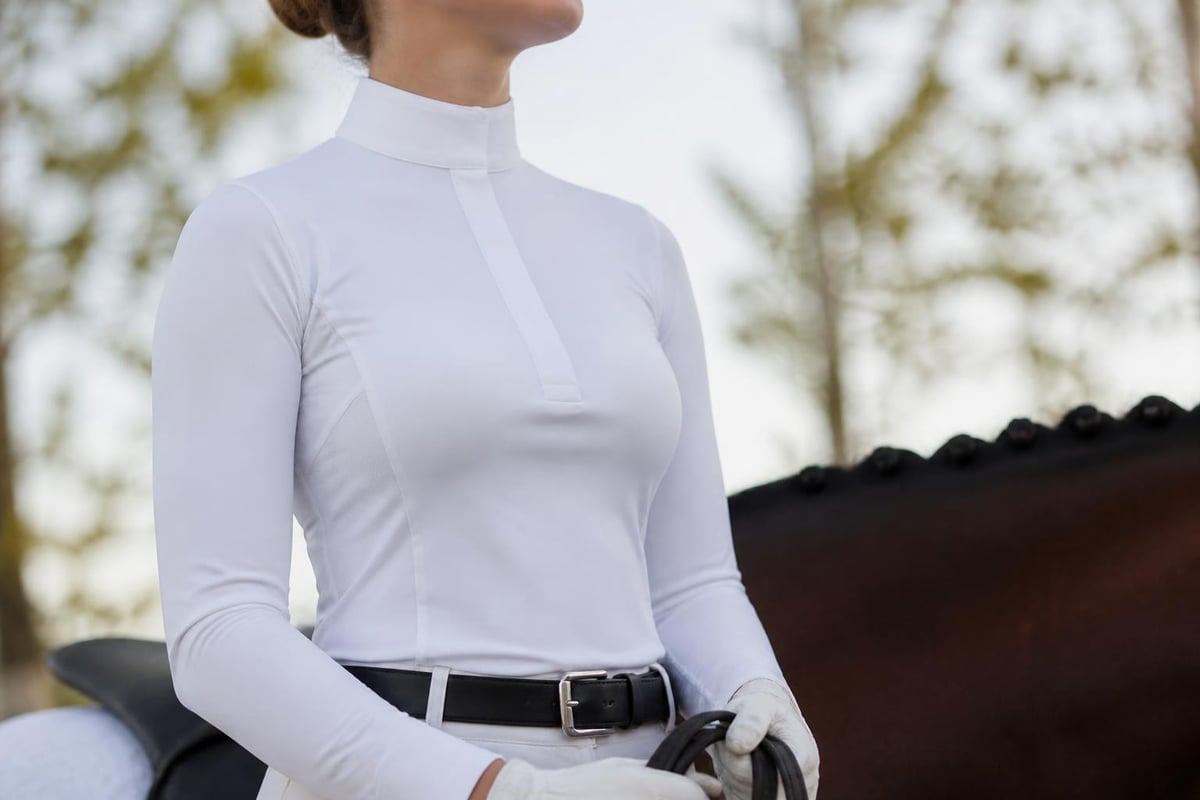
Temperature regulation extends beyond simple breathability. Premium dressage competition shirts feature mesh panels strategically placed under arms and along the spine where heat accumulates most. These ventilation zones remain invisible beneath your jacket whilst providing substantial cooling benefits. The fabric weight also matters - lighter materials suit summer competitions whilst slightly heavier weaves work better in cooler months.
Fit and Tailoring Considerations
A competition shirt that fits properly transforms your entire silhouette. Loose, billowing fabric bunches awkwardly beneath your jacket and creates unflattering lines. Conversely, shirts pulled too tight restrict movement and create visible strain across the chest and shoulders. Finding that balance requires understanding how competition shirts should sit on your frame.
The collar stands as the most critical fitting point. It must sit high enough to support your stock tie properly whilst allowing comfortable head movement. A collar that's too loose gaps away from your neck, creating an untidy appearance. Too tight, and you'll struggle with breathing and focus. Most quality competition shirts offer collar size adjustments separate from chest measurements.
Sleeve Length and Shoulder Fit
Sleeves deserve particular attention because they're constantly visible during your test. Proper sleeve length extends to your wrist bone when your arms hang naturally at your sides. When mounted and holding the reins, the cuffs should remain covered by your jacket sleeves without riding up your forearms. Many riders underestimate sleeve length requirements and discover too late that their forearms show during the test.
Shoulder seams should align precisely with the edge of your shoulders, neither drooping down your arms nor pulling across your back. This placement ensures full range of motion for posting, half-halts, and all the subtle movements dressage demands. Quality competition wear incorporates raglan sleeves or gusseted construction to enhance mobility without compromising appearance.
The torso length affects how your shirt stays tucked throughout your ride. Insufficient length means constant readjustment between movements, whilst excessive fabric bunches uncomfortably. Look for shirts with extended back panels specifically designed to remain secure when mounted. Some designs incorporate silicone grip strips along the hem to prevent the shirt from pulling free.
Stock Tie Integration
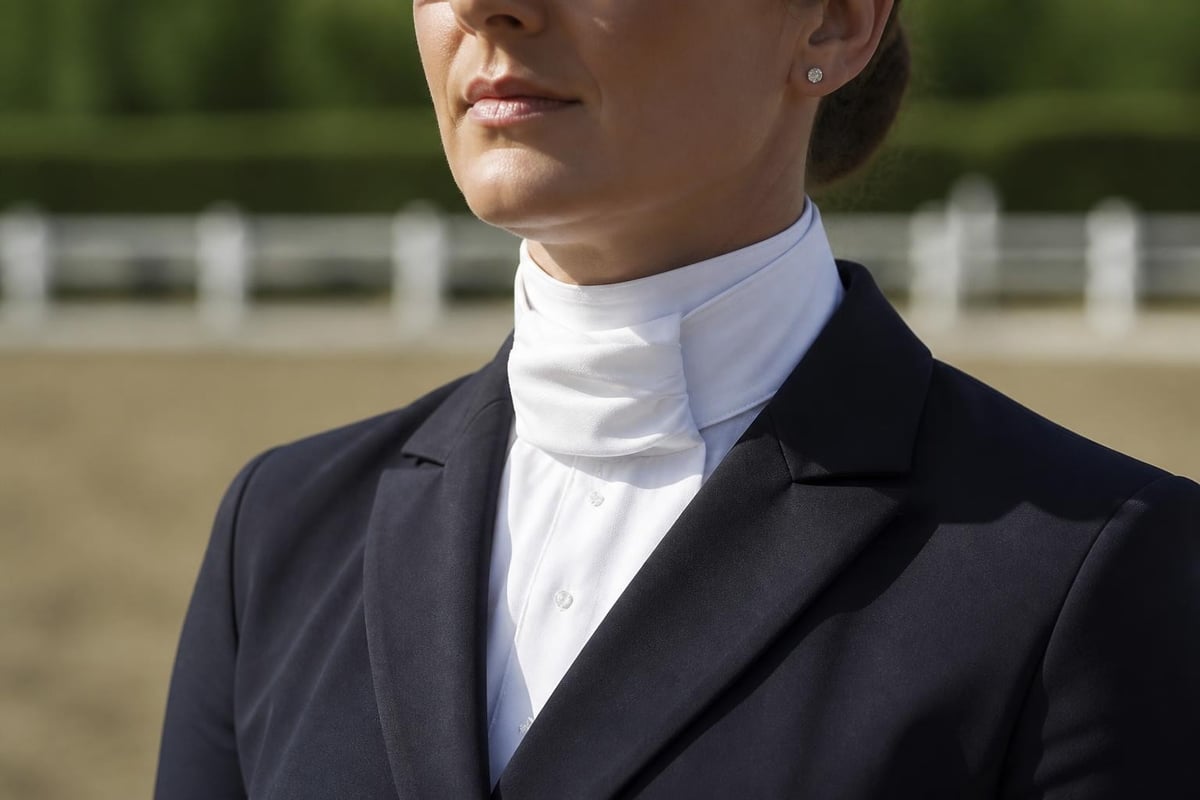
Your dressage competition shirts must work seamlessly with your stock tie, creating a cohesive, polished presentation. The shirt's collar height determines how your stock sits and whether it remains secure throughout your test. Traditional wing-tip collars specifically accommodate stock ties, providing the necessary height and structure to support the tie properly.
Collar stiffness plays an equally important role. Soft, flexible collars fold and crease beneath stock ties, creating an unkempt appearance that judges notice immediately. Reinforced collars maintain their shape all day, providing a crisp foundation for your neckwear. Many modern competition shirts feature removable collar stays or built-in stiffeners to achieve this effect.
The button placket design affects both appearance and functionality. Covered plackets create cleaner lines beneath your stock tie, eliminating visible buttons that can distort the fabric. Some riders prefer traditional button fronts for ease of dressing, particularly when competing in multiple classes. Either option works provided the shirt lies flat without gaping.
Color Selection Within Regulations
White remains the traditional choice for dressage competition shirts, offering timeless elegance and universal acceptance across all levels and organizations. However, regulations typically permit light colors including cream, pale blue, and subtle pastels. The key word is "light" - shirts must appear predominantly white from a distance and shouldn't distract from the overall presentation.
When selecting colored shirts, consider how they photograph. What appears subtly cream in person may look dingy yellow in competition photos. Similarly, pale blue can sometimes photograph as grey or white depending on lighting conditions. If you invest in colored competition shirts, test them in various lighting before wearing them to an important show.
Pattern restrictions apply strictly in affiliated competitions. Subtle textures like fine herringbone weaves or tonal stripes might be acceptable, but anything resembling a pattern typically isn't. The guide to dressage competition attire clarifies these distinctions for American competitions, though international rules may vary slightly.
Technical Features That Matter
Beyond basic construction, specific technical features distinguish truly functional competition shirts from merely adequate ones. These details might seem minor when shopping but become significant during actual competition conditions. Understanding which features provide genuine value helps you invest wisely.
Moisture management tops the list of essential technologies. Quality fabrics don't just wick sweat away from your skin - they spread moisture across the fabric's surface area for rapid evaporation. This prevents the damp patches that mark inferior shirts during warm-weather competitions. The best systems incorporate different fabric weights in strategic zones, using lighter materials where heat accumulates.
Stretch in competition shirts serves multiple purposes beyond comfort. Four-way stretch fabrics move with your body through every position, from mounting to extended trot. This elasticity prevents the pulling and binding that restricts your aids and distracts from your ride. Crucially, technical stretch fabrics recover their shape rather than sagging after wear.
Practical Maintenance Features
Competition shirts endure significant wear despite relatively brief use in the arena. They must survive repeated washing, maintain color consistency, and resist wrinkling during transport. These practical considerations affect your long-term satisfaction more than any single technical feature.
Wrinkle resistance ranges from basic to exceptional across different fabric types. Some modern materials emerge from your kit bag looking freshly pressed whilst others require careful steaming before each class. If you compete frequently or travel to shows, prioritizing wrinkle-resistant fabrics saves considerable time and stress. The same applies to stain resistance - lighter colors show every mark, so fabrics that resist absorption and release stains easily prove invaluable.
Durability determines whether your competition shirts last multiple seasons or require replacement after a year. Seam construction, fabric weight, and hardware quality all contribute to longevity. Premium shirts feature reinforced stitching at stress points, quality buttons that don't crack or loosen, and fabrics that maintain their structure through dozens of wash cycles.
Coordinating With Your Complete Competition Kit
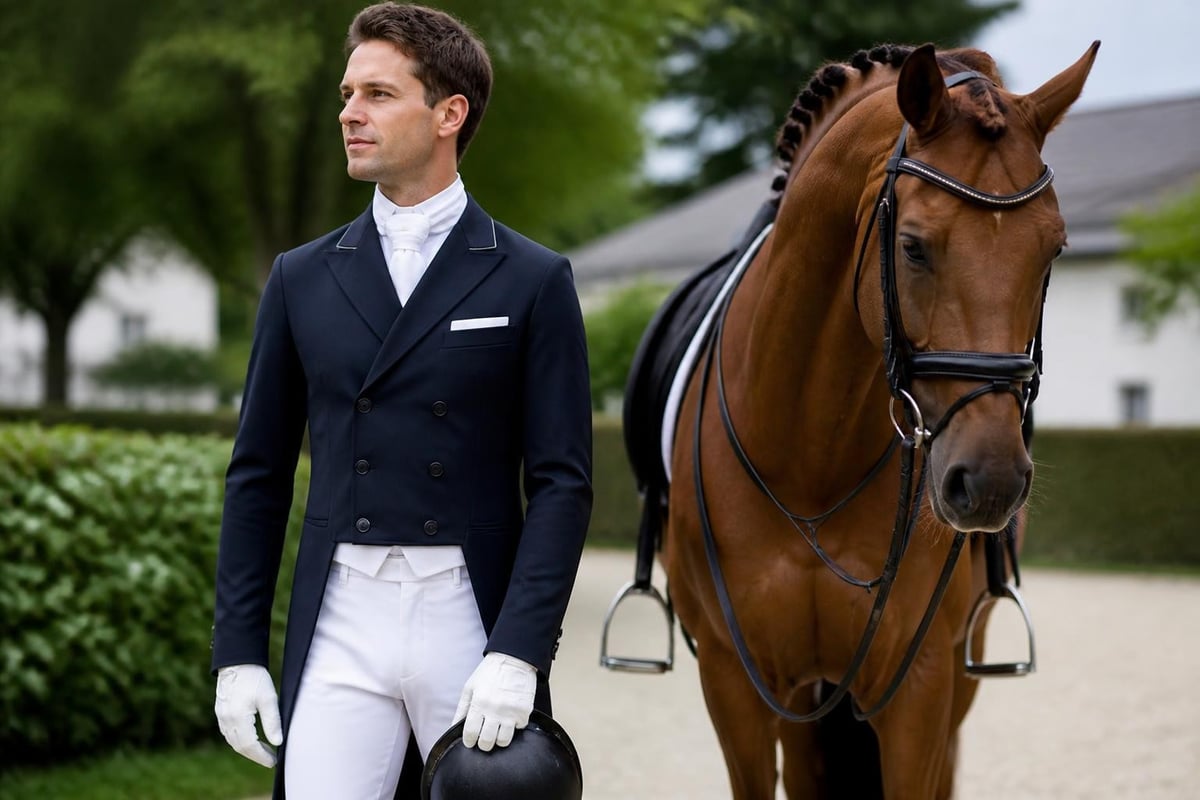
Your dressage competition shirts exist within a complete presentation system that includes your jacket, breeches, boots, and accessories. Understanding how these elements interact ensures cohesive, professional presentation. Mismatches in formality, color, or style create subtle discord that diminishes your overall impression.
The relationship between your shirt and show jacket deserves particular attention. Your jacket's interior lining color can show through light-colored shirts, creating unexpected color casts. Test your combinations before show day to avoid surprises. Similarly, ensure your shirt's sleeve length coordinates properly with your jacket sleeves to prevent gaps or bunching.
Breeches selection affects the overall color palette and formality level. White or light breeches paired with white shirts create a bright, traditional look that suits upper-level tests and championships. Beige or tan breeches offer subtle contrast whilst maintaining formal presentation. The guide to selecting suitable dressage competition clothing explores these coordination principles in greater detail.
Seasonal Adaptations
Competition schedules span all seasons, requiring strategic wardrobe planning. Summer competitions demand maximum breathability and sun protection whilst winter indoor shows allow heavier fabrics. Many serious competitors maintain separate warm and cool weather competition shirts rather than compromising with all-season options.
Lightweight summer shirts incorporate mesh ventilation zones and ultra-fine fabrics that barely touch your skin. These designs maximize airflow whilst maintaining the crisp appearance judges expect. UV protection becomes particularly relevant for outdoor arenas and warm-up areas where you'll spend considerable time exposed to sun. Modern technical fabrics often include built-in UV blocking without adding weight or reducing breathability.
Winter competition shirts can feature slightly heavier fabrics that provide minimal insulation beneath your jacket. However, avoid excessive warmth - nervous energy and physical exertion generate considerable heat even in cold conditions. The ideal winter competition shirt balances light warmth with moisture management to prevent both chilling and overheating.
Investment Considerations and Value
Quality dressage competition shirts represent a significant investment, with premium options commanding substantial prices. Understanding what justifies these costs helps you allocate your budget effectively. The hierarchy of value in competition shirts doesn't always align with price tags.
Fabric quality provides the clearest value indicator. Superior materials feel noticeably different - smoother, more substantial, yet often lighter than cheaper alternatives. These fabrics maintain their appearance longer, resist pilling and fading, and provide better moisture management. When comparing similar shirts, fabric performance often explains price differences better than brand names.
Construction quality reveals itself in details: stitching consistency, seam reinforcement, button attachment, and collar construction. These elements determine whether your shirt survives multiple seasons or deteriorates rapidly. Well-constructed shirts justify their premium prices through longevity alone, often outlasting two or three cheaper alternatives.
| Price Range | Expected Features | Typical Longevity | Best For |
|---|---|---|---|
| £40-60 | Basic cotton blend, standard collar, minimal stretch | 1-2 seasons | Occasional competitors, lower levels |
| £60-90 | Technical fabric, improved fit, moisture wicking | 2-3 seasons | Regular competitors, training through second level |
| £90-130 | Premium technical fabric, tailored fit, advanced features | 3-5 seasons | Serious competitors, upper levels |
| £130+ | Luxury fabrics, custom details, superior construction | 5+ seasons | Championships, FEI levels |
Building Your Competition Shirt Rotation
Most active competitors benefit from owning multiple competition shirts rather than relying on a single favorite. This rotation extends each shirt's lifespan whilst ensuring you always have a fresh option available. The optimal number depends on your competition schedule and laundry access.
For riders competing monthly or less, two quality shirts provide adequate coverage. This allows one shirt to be cleaned whilst wearing the other, preventing last-minute laundry emergencies. More frequent competitors should consider three or four shirts to reduce wear on individual pieces and accommodate multi-day shows.
When building your collection, prioritize versatility before variety. Two excellent white shirts prove more valuable than one white and one pale blue that you rarely wear. Once your core rotation is established, experiment with colored options if regulations and personal preference align. The men's competition wear collection offers curated selections designed specifically for male riders.
Caring For Your Competition Shirts
Proper maintenance significantly extends the lifespan and appearance of your dressage competition shirts. Technical fabrics require specific care approaches that differ from traditional cotton laundering. Following manufacturer guidelines prevents damage whilst maintaining performance characteristics.
Washing frequency balances hygiene with fabric preservation. Competition shirts should be cleaned after each wearing to remove sweat, dust, and stable odours. However, excessive washing accelerates wear on any fabric. Use appropriate detergents designed for technical fabrics - regular detergents can leave residue that blocks moisture-wicking properties.
Temperature settings matter significantly with performance fabrics. Hot water and high heat drying can damage elastic fibres, reduce stretch recovery, and cause shrinkage. Cold or lukewarm water washing followed by air drying or low heat tumbling preserves fabric integrity longest. Many riders find that hanging shirts to dry eliminates wrinkles entirely, saving ironing time.
Storage and Transport Solutions
Between competitions, proper storage protects your shirts from damage, wrinkles, and odours. Hanging shirts on proper hangers maintains their shape and prevents creasing. Avoid wire hangers that create shoulder dimples - quality wooden or padded hangers support the fabric properly. Ensure adequate spacing between hanging items to promote air circulation and prevent musty odours.
Transporting competition shirts to shows requires planning to prevent wrinkles. Garment bags provide excellent protection whilst keeping shirts wrinkle-free during travel. For overnight shows, hanging shirts immediately upon arrival allows any travel creases to fall out naturally. Some riders pack travel steamers for last-minute touch-ups, though quality wrinkle-resistant fabrics rarely require this extra effort.
Collar care deserves special attention since damaged collars destroy an otherwise perfect shirt. Store shirts with collars unbuttoned to prevent stress on the fabric. If your shirts feature removable collar stays, store them separately to prevent loss. Ironing collars requires careful attention to avoid creating permanent creases in incorrect positions.
Making the Right Choice
Selecting dressage competition shirts involves balancing regulations, personal preference, budget, and performance requirements. There's no single "perfect" shirt for every rider - your ideal choice depends on your specific circumstances, body type, and competitive goals.
Start by clarifying which regulations apply to your primary competition venues. If you compete primarily in affiliated shows, strict adherence to traditional white becomes essential. Riders focusing on unaffiliated events enjoy more flexibility whilst still benefiting from traditional presentation standards. Understanding your regulatory environment prevents investing in shirts you can't actually wear.
Consider your body type and fit preferences honestly. Athletic builds suit more tailored cuts whilst broader frames benefit from shirts with additional room through the chest and shoulders. Don't assume you're the same size across all brands - competition shirt sizing varies significantly between manufacturers. When possible, try shirts on before purchasing or verify return policies for online orders.
Climate and season significantly influence which features provide genuine value. Riders in consistently warm climates should prioritize ventilation and moisture management above all else. Those in temperate regions benefit from maintaining separate warm and cool weather shirts. Single-season competitors can optimize for their specific showing period rather than seeking all-weather versatility.
Your experience level and competitive goals also guide appropriate investment. Riders just entering affiliated competition might start with mid-range options whilst evaluating their long-term commitment to the sport. Serious competitors pursuing upper levels justify premium shirts that deliver consistent performance and professional appearance. The comprehensive guide to dressage competition outfits emphasizes this balance between tradition, functionality, and personal circumstances.
The Evolution of Men's Competition Wear
Historically, men's dressage attire received less design attention than women's options, leaving male riders with limited choices and poor fits. This has shifted dramatically in recent years as brands recognize male riders as a distinct market segment with specific requirements. Modern men's dressage competition shirts reflect this evolution through improved tailoring, expanded size ranges, and designs that accommodate male body proportions.
The shoulder-to-waist ratio in men's shirts differs fundamentally from women's cuts. Quality men's competition shirts provide adequate room through the chest and shoulders without excessive fabric at the waist. This tailoring challenge explains why unisex or adapted women's shirts rarely fit men properly despite size chart overlap. Purpose-built men's designs eliminate these compromises.
Sleeve construction in men's shirts accounts for typically longer arms and broader upper body development. Raglan sleeves or gusseted armholes accommodate muscular shoulders whilst maintaining the clean lines essential for competition presentation. These design elements prove particularly valuable for riders who do significant physical work around the yard beyond just riding.
The broader movement toward performance-oriented men's equestrian clothing extends beyond competition wear into everyday riding and stable management. However, competition shirts represent the pinnacle of this evolution - where traditional requirements meet modern performance expectations. Brands that successfully balance these demands earn loyal followings among serious male competitors.
Finding the right dressage competition shirts elevates both your confidence and presentation in the arena. When your kit works properly, you stop thinking about it and focus entirely on your ride. Gallant Equestrian specializes in performance-driven men's equestrian wear that transitions seamlessly from the competition arena to everyday riding. Designed in New Zealand and built to last, our collection combines refined style with genuine functionality. Look the Part. Enjoy the Ride.

