

Breeches vs Jodhpurs: Men's Riding Trouser Guide 2026
Sep 07, 2026
When you first step into the world of riding, the terminology around kit can feel like learning a new language. Two terms that often cause confusion are breeches and jodhpurs, both referring to riding trousers but with distinct differences in cut, purpose, and tradition. Understanding the nuances between breeches jodhpurs helps you choose the right gear for your discipline, riding level, and personal style. Whether you're heading to your first lesson or refining your competition wardrobe, knowing when to wear each style ensures you're properly equipped and appropriately dressed for any riding situation.
The Core Distinction Between Breeches and Jodhpurs
The most straightforward difference lies in length and footwear pairing.
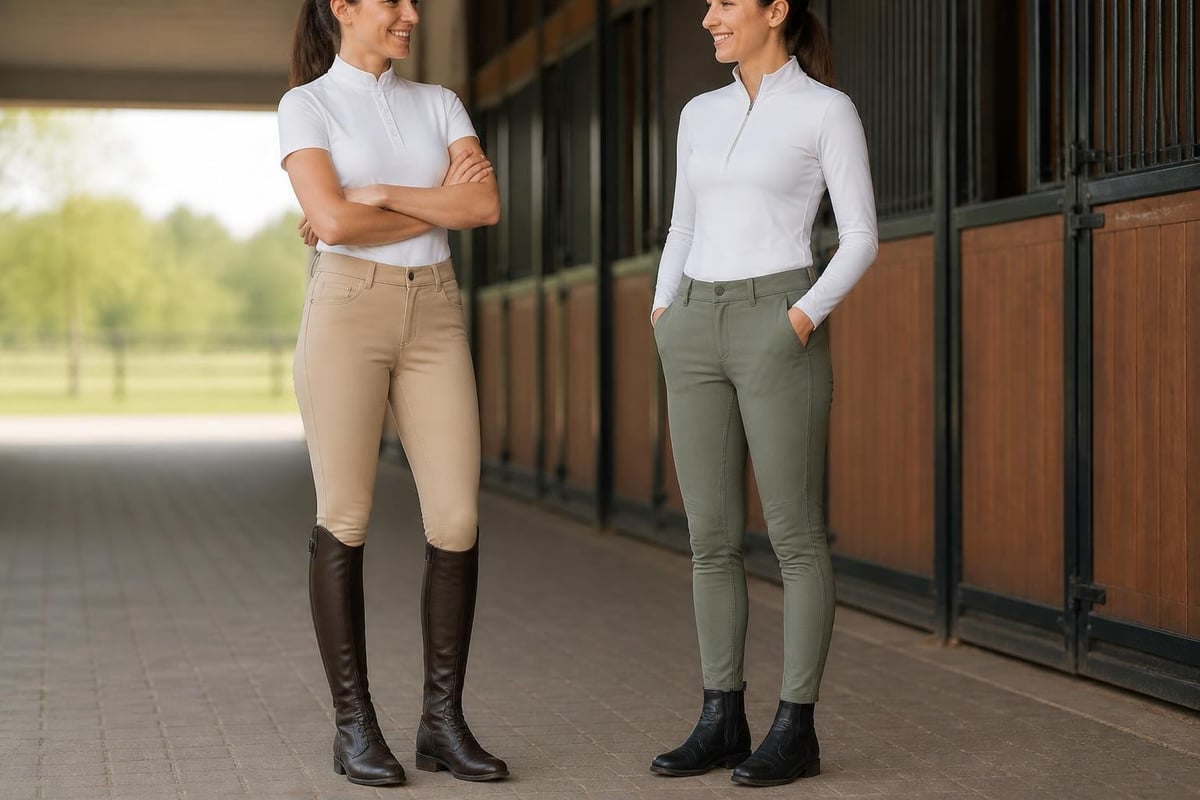
Breeches end just below the knee and are designed to be worn with tall riding boots. The lower leg is cut close to allow the boot to slide on smoothly without bunching. They originated in traditional European riding culture and remain the standard for most competitive disciplines today.
Jodhpurs, by contrast, extend to the ankle and feature reinforced inner calf areas that protect your leg when worn with short paddock boots and half chaps. Originally developed in India (the name comes from the city of Jodhpur), they were adapted for polo players and later became popular for everyday riding and children's lessons.
The British Horse Society explains these fundamental differences clearly, noting that both are acceptable at riding schools but serve different purposes. For adult male riders, breeches typically offer a more refined silhouette and are preferred in most formal riding contexts.
Historical Context and Evolution
The evolution of riding trousers reflects both practical necessity and cultural exchange. Traditional European military and hunting riders wore knee-length breeches with high boots, a style documented extensively in museum collections studying equestrian apparel history. These garments prioritized close contact with the horse while protecting the rider's legs.
Jodhpurs emerged in the late 19th century when British military officers stationed in India adapted local riding trousers. The design proved practical for hot climates and less formal riding contexts. By the early 20th century, jodhpurs had become standard children's riding wear in Britain and America, while adult riders gravitated toward breeches for serious riding.
Today, this distinction persists. Most male riders transition from jodhpurs to breeches as they progress in their riding journey, though some disciplines and contexts still favor jodhpurs.
When to Choose Breeches Over Jodhpurs
Your choice between breeches jodhpurs depends largely on your riding discipline, competition requirements, and personal circumstances.
Competition Standards
Nearly all formal competitions require breeches. The 2026 USEF rulebook specifies breeches in traditional colors (typically buff, beige, grey, white, or navy) for dressage, show jumping, and eventing. Similarly, British Dressage guidelines mandate breeches for affiliated competitions. Jodhpurs are rarely acceptable beyond novice levels or specific working disciplines.
If you're riding competitively in 2026, investing in quality breeches is non-negotiable. Gallant Equestrian's men's breeches in navy offer the performance features and refined appearance expected in the show ring.
Everyday Riding and Training
For schooling sessions and casual riding, breeches provide superior comfort and functionality. The close fit through the lower leg eliminates bulk between your leg and the horse's side, improving feel and communication. The stretch panels and ergonomic seaming found in modern technical breeches support proper position without restricting movement.
Many riders keep separate training and competition breeches. Your everyday pairs might include full-seat silicone grip for added security during flatwork, while competition breeches feature more subtle knee patches to meet show ring standards.
Practical Considerations for Male Riders
Men's breeches differ from women's cuts in several important ways. The rise, seat depth, and thigh proportions are specifically tailored to male anatomy. Quality manufacturers like Gallant Equestrian design breeches that acknowledge these differences, ensuring proper fit through the waist, hips, and inseam without compromise.
When selecting breeches, consider the closure system. Traditional button flies offer a clean front line for competition, while zip closures provide convenience for everyday riding. Both should sit flat under your belt without creating bulk or pressure points during hours in the saddle.
Material Technology and Performance Features
Modern breeches jodhpurs have evolved far beyond simple cotton twill. Technical fabrics and construction methods now deliver performance advantages that directly impact your riding experience.
Fabric Composition and Stretch
Contemporary riding trousers typically blend synthetic fibers (polyester, polyamide, elastane) to achieve four-way stretch. This elasticity allows the fabric to move with your body while maintaining shape and support. Unlike older cotton breeches that required breaking in and lost structure over time, technical fabrics perform consistently from first wear.
Look for fabrics with moisture-wicking properties that draw sweat away from your skin. This becomes particularly important during intensive training sessions or summer riding when heat and humidity challenge your comfort. Quick-drying materials also simplify care, allowing you to wash and wear without lengthy drying times.
Grip Systems and Seat Design
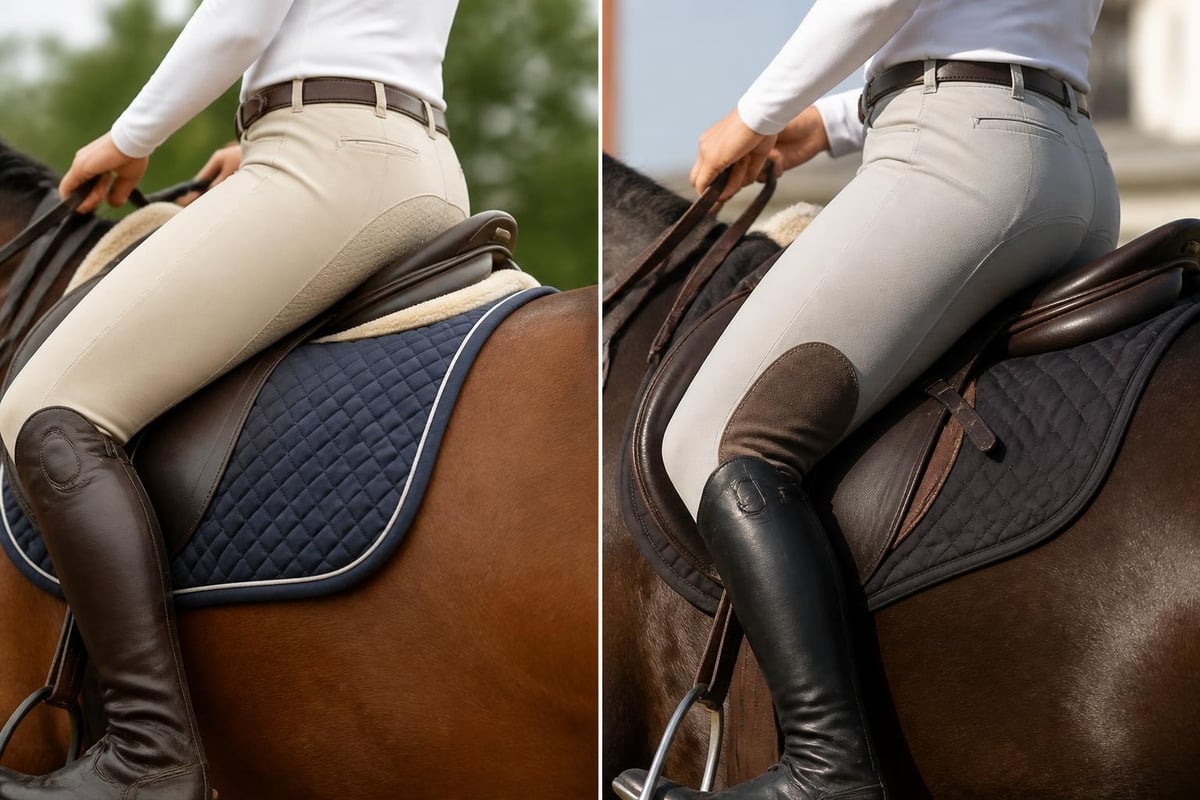
Full-seat silicone or leather provides maximum grip across the entire seat and inner thigh. This design suits dressage riders and those who appreciate added security, particularly on forward-moving or sensitive horses. The men's competition breeches with full seat offer this comprehensive grip system.
Knee-patch designs place grip material only at the inner knee, allowing more freedom through the seat. Many show jumpers and event riders prefer this configuration, finding it offers sufficient security while permitting the subtle seat movements required for jumping. Both systems have merit; your choice depends on discipline and personal preference.
Construction Quality Markers
Examine seam placement carefully. Quality breeches position inseams to minimize chafing and bulk, often using flatlock stitching that sits flush rather than creating ridges. Gussets at the ankle and crotch accommodate movement without strain, extending garment lifespan.
Belt loops should be reinforced and positioned to support a belt without pulling or distorting the waistband. Many competition breeches include a center-back belt loop specifically to anchor the garment and prevent shirt pull-up during mounting and dismounting.
Fit, Sizing, and Garment Care
Proper fit transforms breeches from simply acceptable to genuinely supportive of your riding. Unlike casual trousers, riding breeches jodhpurs must fit precisely to function correctly.
Achieving Correct Fit
Breeches should sit at your natural waist (where you'd wear a belt for riding), not at hip level. This higher rise prevents gaps when you're in riding position and keeps your shirt tucked properly. The waistband should be snug without pinching; you shouldn't need to cinch a belt tightly to keep them up.
Through the seat and thigh, expect a close but not restrictive fit. Fabric should skim your skin without excess material that bunches or creates pressure points. When you sit in riding position, breeches should neither pull uncomfortably tight nor gap away from your seat.
The lower leg requires particular attention. Fabric should lie smooth against your calf with minimal excess. If you're wearing breeches with tall boots, too much fabric creates uncomfortable bunching inside the boot shaft. Too little causes the hem to ride up, exposing your leg and creating friction points.
Sizing Variations and Adjustments
European, British, and American sizing systems vary considerably. Always consult the manufacturer's specific size chart rather than assuming your usual trouser size translates directly. Many premium breeches run true to size when you measure correctly, but some brands cut generous or slim.
If you're between sizes, consider your body type and riding discipline. Dressage riders often prefer a closer fit, while show jumpers might size up slightly for easier movement out of the saddle. Some breeches include Velcro or elastic adjustments at the ankle to customize lower leg fit.
Proper Care and Longevity
Technical fabrics require specific care to maintain performance properties. Always follow manufacturer guidelines, which under FTC care labeling requirements must clearly state proper washing and drying instructions.
Washing Protocol
Turn breeches inside out before washing to protect outer fabric and grip surfaces. Use cool water and mild detergent without fabric softeners, which coat synthetic fibers and reduce moisture-wicking properties. Close all fastenings (zips, hooks) to prevent snagging.
Avoid conventional tumble drying when possible. High heat degrades elastic fibers and can melt silicone grip, significantly shortening garment lifespan. Line drying or low-heat tumble drying preserves fabric integrity. Most technical breeches dry quickly due to their synthetic content.
Storage and Maintenance
Hang breeches by the ankles or fold neatly rather than cramming them into drawers. This prevents permanent creasing through the knees that can weaken fabric over time. Check regularly for loose stitching, particularly around high-stress areas like the inseam and grip patches, repairing small issues before they become major problems.
Rotate between multiple pairs rather than wearing the same breeches daily. This allows fabric to fully dry and recover between rides, extending the useful life of each pair. Consider owning at least three pairs: one for competition, one for training, and one as backup.
Discipline-Specific Requirements and Recommendations
Different equestrian disciplines have distinct expectations regarding breeches jodhpurs, influenced by tradition, function, and governing body regulations.
Dressage Standards
Dressage demands the most formal presentation. At affiliated competitions, riders must wear breeches in conservative colors. White or light-colored breeches are traditional for higher levels, though navy and darker tones are acceptable at training levels. Equestrian Australia's dressage rules mirror this formality, specifying that jodhpurs are only permitted for competitors under certain age thresholds.
Full-seat grip breeches provide the secure position essential for maintaining classical equitation through complex movements. The close contact they enable helps refine subtle aids that define upper-level dressage riding.
Show Jumping and Eventing
Show jumpers typically favor knee-patch breeches that allow freer seat movement for jumping position. Colors remain conservative (buff, beige, navy, grey) for recognized competitions, though training shows sometimes permit darker tones.
Eventers need versatile breeches that perform across all three phases. Many choose knee-patch designs that transition effectively from dressage through cross-country and show jumping. Durability becomes paramount, as cross-country riding particularly stresses fabric through contact with vegetation, water, and mud.
Working Disciplines and Casual Riding
Western-influenced disciplines sometimes blur the lines between formal breeches and more casual riding trousers. Ranch work and trail riding prioritize durability and weather resistance over competition standards. Some riders opt for jodhpurs or even purpose-designed riding jeans in these contexts.
For everyday hacking and schooling, choose what supports your riding goals. If you're training for competition, schooling in the same style you'll show in builds consistency. The men's breeches in olive offer a refined alternative to traditional colors while maintaining the technical performance required for serious riding.
Safety Integration and Modern Standards
Your breeches jodhpurs work as part of a complete safety system that includes boots, helmets, and protective equipment. Understanding how these elements interact ensures maximum protection.
Body Protector and Air Vest Compatibility
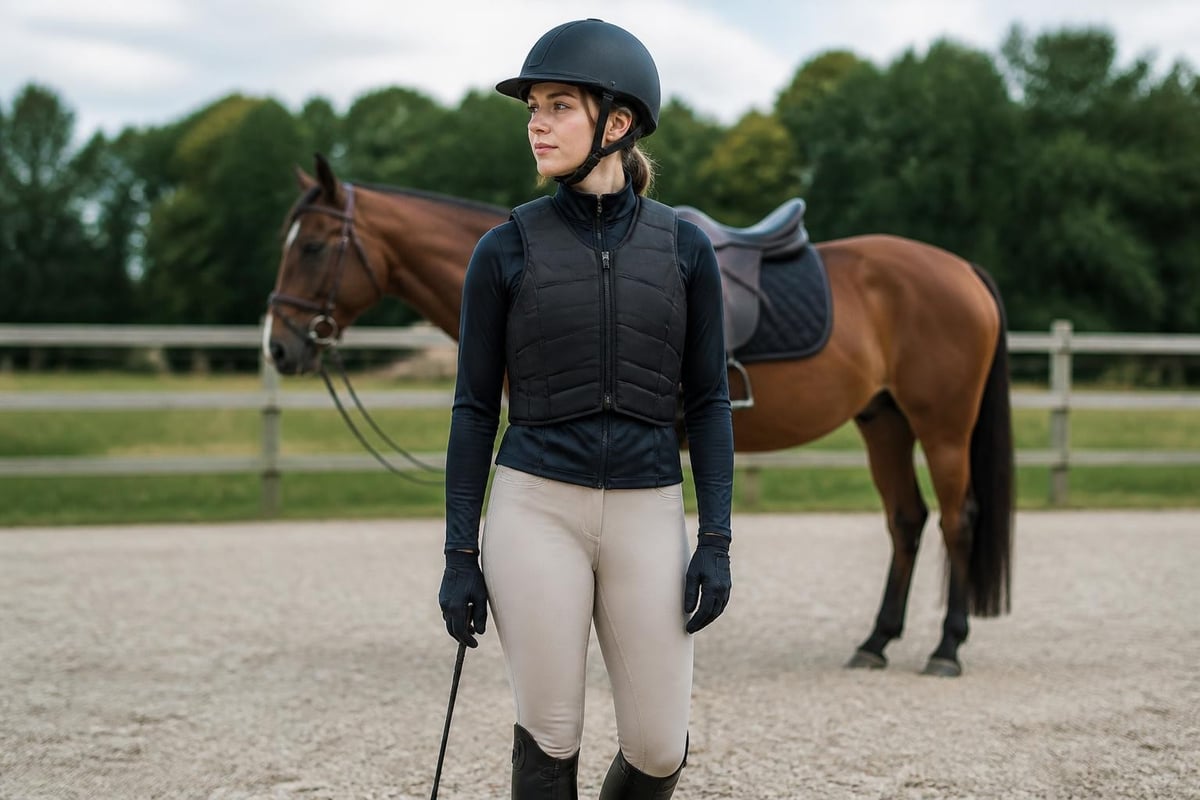
Body protectors and inflatable air vests have become standard safety equipment for cross-country riding and increasingly popular for other disciplines. Your breeches must work seamlessly with these protective layers. Recent research on airbag safety systems emphasizes the importance of proper fit and integration between all equipment components.
Ensure breeches don't create bulk that interferes with body protector fit or air vest deployment. The close cut of quality breeches actually improves safety equipment function by eliminating excess fabric that could shift or bunch during a fall.
Boot and Breech Integration
The interface between your breeches and boots directly affects comfort and safety. Tall boots should slide on smoothly over breech legs without forcing or excessive bulk. The breech hem should reach far enough down your calf that it doesn't ride up during riding, exposing skin to rubbing.
Some riders prefer breeches with silicone or elastic ankle grips that help hold the hem in place inside the boot. Others find these unnecessary if the lower leg fits properly. Test both styles to determine what works for your leg shape and boot cut.
Building a Complete Riding Wardrobe
Rather than viewing breeches jodhpurs as isolated items, consider how they integrate into your complete riding kit. A well-planned wardrobe provides appropriate options for every riding scenario while minimizing unnecessary purchases.
Essential Foundation Pieces
Start with two pairs of quality breeches in neutral colors. Navy and a light neutral (bone, tan, or grey) cover most situations. For training, choose durable fabrics with grip systems that match your primary discipline. Add competition-specific breeches as your showing schedule demands.
Pair breeches with appropriate shirts and layers. Gallant Equestrian's polo shirts work equally well for training and casual competitions, while show shirts complete your formal competition outfit.
Seasonal Considerations
Weather significantly impacts breech choice throughout the year. Lightweight, breathable fabrics suit summer riding, while winter often calls for fleece-lined or thermal options. Some riders maintain separate warm and cool weather breeches rather than compromising comfort across seasons.
Layering becomes essential in changeable weather. Breeches that work under waterproof overtrousers for wet-weather riding expand your year-round options. The wet weather riding kit demonstrates how properly selected pieces work together regardless of conditions.
Cost Versus Value Analysis
Quality breeches represent a significant investment, typically ranging from moderate to premium pricing. Consider cost per wear rather than purchase price alone. Breeches that last three years of regular riding offer better value than cheaper alternatives requiring replacement every season.
Technical features justify higher prices when they genuinely improve your riding experience. Moisture-wicking fabrics, reinforced seams, and anatomically correct cuts deliver measurable benefits. Conversely, excessive branding or purely cosmetic details rarely warrant premium pricing.
Current Trends and Style Evolution
Men's riding wear has experienced notable evolution in recent years as manufacturers recognize male riders as a distinct market requiring purpose-designed products rather than adapted women's styles.
Modern Cuts and Styling
Contemporary men's breeches feature lower rises and straighter leg cuts compared to traditional designs, reflecting current style preferences while maintaining functional requirements. Color palettes have expanded beyond strictly traditional tones, with charcoal, olive, and darker neutrals gaining acceptance for training wear.
Minimalist aesthetics define current premium breeches. Subtle branding, clean lines, and refined details replace the heavily logoed designs common in previous decades. This evolution aligns with the broader shift toward understated quality in men's fashion generally.
Performance Innovation
Fabric technology continues advancing, introducing materials with enhanced breathability, faster drying times, and improved durability. Some manufacturers now incorporate antimicrobial treatments that reduce odor during intensive training periods. Others focus on sustainability, using recycled fibers without compromising performance.
These innovations benefit serious riders directly. Better moisture management means greater comfort during long training sessions. Enhanced durability extends garment lifespan, improving value and reducing waste. Stay informed about developments in fabric technology when replacing older breeches.
The Future of Riding Trousers
As equestrian sport evolves, expect continued refinement in breeches jodhpurs design. Smart fabrics that actively regulate temperature, integrated GPS tracking for coaching applications, and further improvements in safety integration all represent plausible near-future developments.
Despite technological advancement, the fundamental requirements remain constant: breeches must fit properly, allow unrestricted movement, provide secure contact with your horse, and present appropriately for your riding context. No innovation can substitute for these essential qualities.
Making Your Selection with Confidence
Choosing between breeches jodhpurs and selecting specific styles becomes straightforward when you understand your requirements clearly. Consider your current riding level, primary disciplines, competition aspirations, and budget realistically.
Evaluation Criteria Checklist
Before purchasing, clarify these essential points:
Your primary riding discipline and its specific requirements. Competition riders need show-legal colors and styles. Recreational riders have more flexibility.
Climate and seasonal riding patterns. Year-round riders benefit from owning both lightweight and thermal options.
How frequently you ride and wash riding clothes. Daily riders need multiple pairs; weekend riders might manage with two.
Budget parameters and timeline. Investing in one excellent pair often proves wiser than buying several mediocre alternatives.
Testing and Verification
When possible, try breeches before purchasing. Sit in riding position, not just standing straight. Squat, bend, and move through mounting motions to verify comfort and fit. Check that grips sit correctly against your leg without gaps or uncomfortable pressure.
If ordering online, understand the return policy thoroughly. Even with careful measurement, fit can surprise you. The British Equestrian Federation's jargon buster helps clarify terminology you'll encounter in product descriptions.
Order from manufacturers who provide detailed size charts with multiple measurements, not just waist size. Hip, inseam, and rise measurements all affect fit significantly. When measurements fall between sizes, contact customer service for guidance based on your specific proportions.
Maximizing Performance and Longevity
Once you've invested in quality breeches jodhpurs, proper use and maintenance ensure you receive full value from your purchase. Small attention to detail significantly extends garment lifespan while maintaining performance properties.
Pre-Ride Preparation
Always check breeches for damage before riding. Loose grip patches, open seams, or compromised fabric can worsen during use, potentially causing accidents or requiring more extensive repairs. Address minor issues immediately.
Ensure breeches are completely dry before wearing. Riding in damp fabric invites chafing and accelerates material breakdown. If you must ride shortly after washing, use a dryer briefly on low heat rather than pulling on wet garments.
Post-Ride Protocol
Remove breeches promptly after riding rather than wearing them for extended periods. This prevents excessive stretching and allows sweat to evaporate before bacteria proliferate. Hang to air before washing unless heavily soiled.
Brush off dried mud and arena footing before washing. This prevents abrasive particles from damaging fabric during machine washing. Turn pockets inside out and shake to remove debris that accumulates there.
Long-Term Storage Considerations
If storing breeches seasonally, ensure they're completely clean and thoroughly dry. Residual sweat, body oils, or dirt attract insects and promote mildew growth. Store in breathable garment bags rather than sealed plastic, which traps moisture.
Avoid storing in direct sunlight or extreme temperatures. Heat degrades elastic fibers while UV exposure fades colors and weakens fabric structure. A cool, dry closet with good air circulation provides ideal storage conditions.
Understanding the distinction between breeches jodhpurs and knowing when each style serves you best ensures you're properly equipped for every riding situation. Quality riding trousers make a measurable difference in comfort, performance, and presentation, whether you're training at home or competing at championship level. Gallant Equestrian designs men's breeches that combine technical performance with refined style, crafted to support your riding ambitions while looking sharp from stable to street. Look the Part. Enjoy the Ride.

