

Mens Equestrian Coats: The Complete Guide for 2026
Sep 06, 2026
Choosing the right coat matters. Whether you're competing in dressage, schooling a young horse on a February morning, or simply want something that works equally well in the saddle and the pub afterwards, mens equestrian coats need to deliver on multiple fronts. The best options blend technical performance with timeless style, giving you freedom of movement without compromising on appearance. Understanding what separates a proper riding coat from ordinary outerwear helps you invest wisely in pieces that'll serve you for years.
What Makes Equestrian Coats Different
Traditional mens equestrian coats aren't just stylish jackets. They're purpose-built garments designed around the specific demands of riding. The cut, fabric, and construction all respond to how your body moves in the saddle.
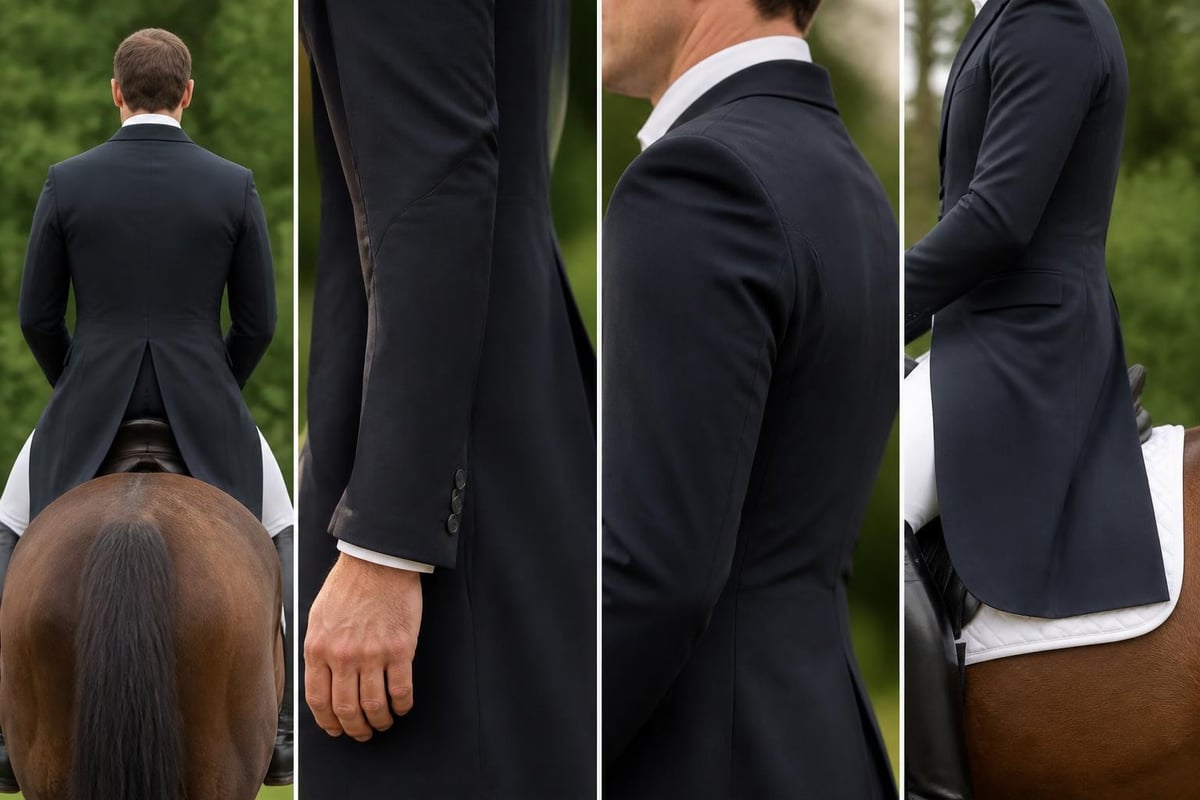
The most obvious difference lies in the back construction. Proper riding coats feature vented or pleated backs that prevent the fabric from riding up when you're mounted. This isn't merely aesthetic - it's functional design that keeps you comfortable and presentable during hours in the saddle.
Sleeve construction also sets equestrian coats apart. Look for pre-shaped sleeves with articulated elbows that allow your arms to move naturally when holding reins. Flat, smooth inner seams prevent chafing during extended wear. The shoulder line sits slightly forward compared to standard blazers, accommodating the riding position without creating tension across your back.
Fabric Performance Requirements
Modern mens equestrian coats use technical fabrics that outperform traditional wool in several crucial areas. Weather resistance ranks high - you need protection from wind and light rain without the bulk of a waterproof shell. Breathability matters equally, preventing overheating during active riding sessions.
Stretch fabrics have revolutionized riding coats over the past decade. Four-way stretch materials move with you, never restricting your position or balance. This flexibility proves particularly valuable during jumping or fast work when your body position changes rapidly.
Durability determines long-term value. Quality equestrian coats withstand regular contact with horses, saddles, and stable environments. Reinforced stress points at shoulders and elbows extend garment life significantly. Water-resistant finishes on outer fabrics help shed stable dust and light moisture.
Competition Coats vs Training Jackets
The distinction between show coats and everyday riding jackets influences both function and budget. Understanding when each type suits your needs prevents wardrobe redundancy.
Competition coats follow strict regulations set by governing bodies. The FEI Dressage Rules outline specific requirements for international competitions, whilst the USEF maintains detailed standards for American competitors. These rules specify colours, styles, and acceptable variations.
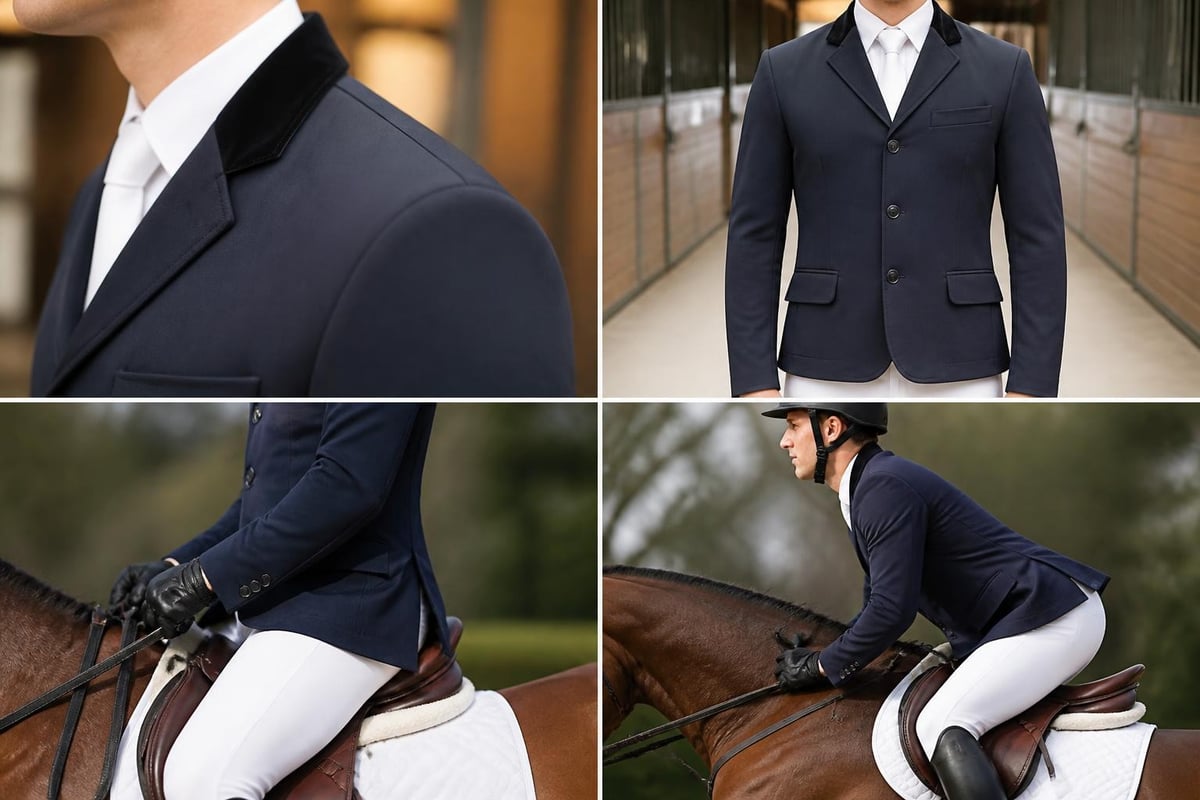
Traditional show coats come in conservative colours - black, navy, dark grey, or dark brown. Shadbelly coats (tailcoats) suit upper-level dressage, whilst hunt coats serve jumping disciplines. Both require precise tailoring and formal presentation.
Training jackets offer more flexibility. These everyday coats prioritize comfort and weather protection over formal appearance. You'll find them in varied colours, often with practical features like multiple pockets, removable hoods, or thermal linings.
| Coat Type | Primary Use | Key Features | Typical Investment |
|---|---|---|---|
| Show Coat | Competition | Regulation colours, formal cut, minimal pockets | £300-800 |
| Hunt Coat | Jumping/showing | Three-button, specific vents, traditional styling | £250-600 |
| Shadbelly | Upper-level dressage | Tails, formal points, vest front | £500-1200 |
| Training Jacket | Daily riding | Weather protection, practical features, comfort | £150-400 |
Selecting Your Competition Coat
Start with regulation compliance. Check the current rules for your discipline and competition level. The USEF Rulebook provides comprehensive guidance for American competitors across all disciplines.
Fit trumps everything else in competition coats. A properly fitted show coat sits smoothly across your shoulders without pulling when you raise your arms. The hem should fall to mid-thigh, covering your seat when mounted. Sleeves extend to your wrist bone, allowing approximately half an inch of shirt cuff to show.
Conservative styling ensures longevity. Fashion trends come and go, but classic mens equestrian coats remain appropriate season after season. Single or three-button closures work for most disciplines. Avoid excessive detailing or unusual fabrics that might look dated within a few years.
Quality construction justifies higher prices in competition wear. Hand-finished buttonholes, properly set collars, and reinforced stress points indicate superior craftsmanship. These details affect both appearance and durability during intensive competition seasons.
Tailoring Considerations
Off-the-rack coats rarely fit perfectly. Budget for alterations when purchasing competition wear. A skilled tailor can adjust sleeve length, take in or let out the waist, and modify shoulder width for optimal fit.
Bring your competition shirt when fitting show coats. The combined thickness affects how the coat sits across your chest and shoulders. Some riders prefer slightly looser fits that accommodate layering for early-morning competitions.
Test your range of motion whilst wearing the coat. Raise your arms to riding position, twist your torso, and simulate mounting movements. Any restriction or pulling indicates fit issues that'll prove uncomfortable during competition.
Everyday Riding Jackets
Training coats serve different purposes than competition wear. These practical garments protect you from weather whilst allowing complete freedom of movement. The emphasis shifts from formal appearance to functional performance.
Weather resistance becomes paramount for daily riding. Look for water-resistant outer fabrics that shed light rain and morning dew. Breathable membranes prevent moisture buildup during active work. Windproof panels across the chest and shoulders block biting winds during winter hacking.
Thermal regulation matters across seasons. Removable linings let you adapt one jacket to different conditions. Ventilation zippers under arms or across the back release excess heat during strenuous riding. Some modern training jackets incorporate phase-change materials that actively regulate temperature.
Practical features distinguish quality training wear. Multiple pockets provide storage for phones, treats, and small tools. Reinforced areas at common wear points extend garment life. Adjustable cuffs and hems customize the fit and prevent drafts.
Layering Systems
Smart riders build layering systems rather than relying on single heavy coats. This approach offers superior flexibility across changing weather conditions. Start with a moisture-wicking base layer that keeps sweat off your skin. Add an insulating mid-layer for warmth, then finish with a weather-resistant outer shell.
This system lets you adjust rapidly as conditions change. Remove the mid-layer when temperatures rise during midday. Add it back for evening feeds. The outer shell protects against wind and rain regardless of what's underneath.
Quality training jackets from Gallant Equestrian's collection work beautifully in layering systems. Their designs accommodate underlayers without restricting movement, whilst maintaining a streamlined profile that won't catch on tack or stable fixtures.
Fabric Technology in Modern Coats
Technical fabrics have transformed mens equestrian coats over the past two decades. Understanding these materials helps you make informed choices about performance and value.
Softshell fabrics dominate modern riding coats. These materials combine stretch, breathability, and weather resistance in a single layer. Unlike traditional hard-shell waterproofs, softshells offer natural comfort and quiet movement. They're ideal for active riding where complete waterproofing isn't essential.
Waterproof-breathable membranes suit serious weather protection. Gore-Tex and similar technologies keep heavy rain out whilst allowing perspiration to escape. These fabrics cost more but prove invaluable for riders in wet climates. Sealed seams prevent water penetration at stitch lines.
Insulated fabrics provide warmth without bulk. Modern synthetic insulations maintain loft even when damp, unlike traditional down. Primaloft, Thinsulate, and proprietary blends offer excellent warmth-to-weight ratios. Strategic placement of insulation - more across the chest and back, less under the arms - optimizes thermal regulation.
Sustainable Fabric Choices
Environmental consciousness increasingly influences fabric selection. Recycled polyester, organic cotton, and responsibly sourced wool reduce environmental impact without compromising performance. These materials often match or exceed conventional fabrics in durability and function.
Water-resistant finishes present sustainability challenges. Traditional DWR (durable water repellent) treatments often contain problematic chemicals. Newer fluorine-free alternatives offer comparable performance with reduced environmental harm. Check manufacturer specifications when sustainability matters to you.
Natural fabrics still excel in certain applications. Wool's inherent properties - temperature regulation, odour resistance, natural water repellency - make it superb for competition coats and temperate-weather riding. Quality wool coats can last decades with proper care.
Care and Maintenance
Proper maintenance extends the life of mens equestrian coats significantly. These garments represent substantial investments, and thoughtful care protects that value.
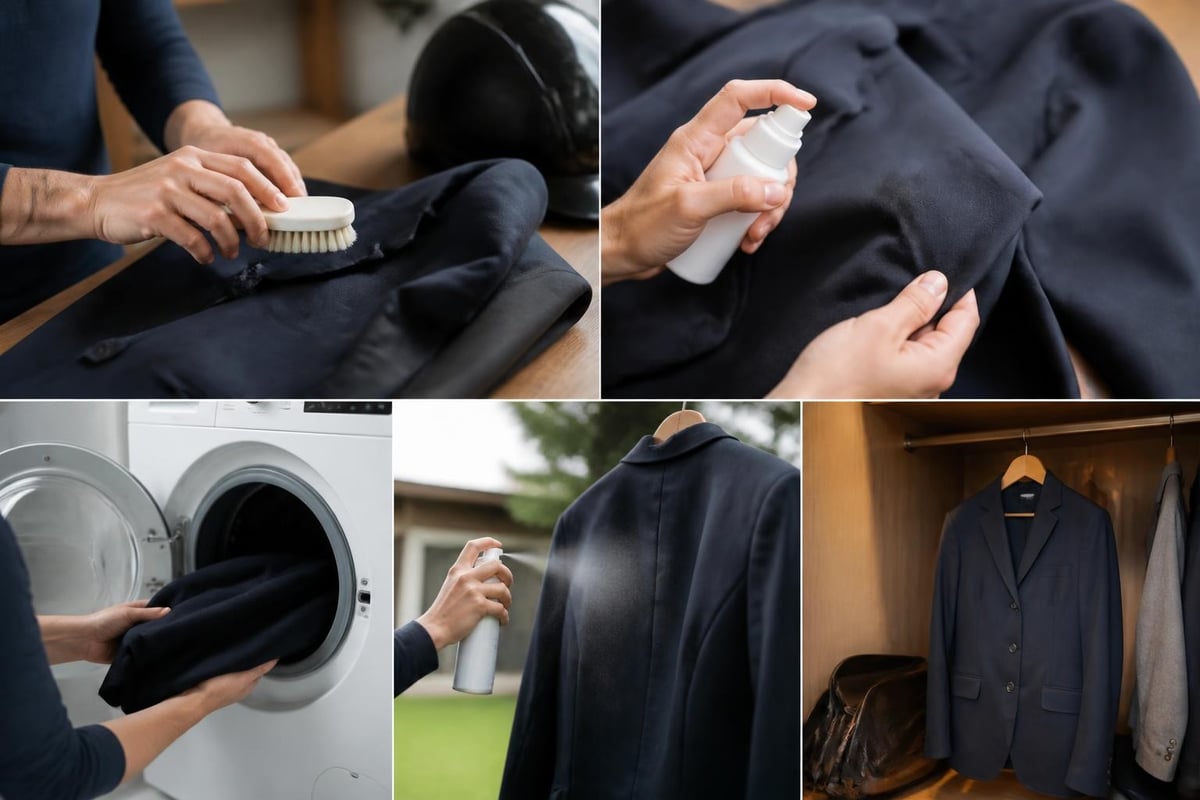
Regular cleaning prevents dirt buildup that degrades fabrics and finishes. Brush off stable dust and dried mud after each ride. Spot-clean stains promptly before they set. This basic maintenance reduces how often you need full washing or dry cleaning.
Follow manufacturer care instructions precisely. Competition coats often require professional dry cleaning to maintain their structure and finish. Training jackets typically withstand machine washing, but use gentle cycles and appropriate detergents. Never use fabric softeners on technical fabrics - they clog breathable membranes and reduce performance.
Water-resistant finishes diminish over time and washing. Reapply DWR treatments periodically to maintain weather protection. These products come in wash-in or spray-on formulations. Apply them to clean, dry garments and follow the manufacturer's activation instructions (usually tumble drying or ironing).
Storage Practices
Proper storage between seasons preserves coat condition. Clean garments thoroughly before storage - dirt and sweat attract moths and cause fabric degradation. The Victoria & Albert Museum's conservation guidance offers authoritative principles for textile care that apply equally to equestrian wear.
Store coats on proper hangers that support the shoulders. Padded or contoured hangers prevent shoulder distortion. Avoid wire hangers that create stress points. Keep coats in breathable garment bags that protect from dust whilst allowing air circulation. Cedar elements deter moths naturally.
Climate control matters for long-term storage. Avoid damp basements or hot attics. Moderate, stable temperatures and humidity levels preserve fabric integrity. Inspect stored coats periodically for moth damage or other issues.
Building a Functional Coat Wardrobe
Strategic wardrobe building prevents redundancy whilst ensuring you're prepared for any situation. Most riders need fewer coats than they imagine, provided they choose versatile, quality pieces.
Start with a reliable training jacket. This becomes your daily workhorse, protecting you through morning feeds, schooling sessions, and hack rides. Prioritize weather resistance and comfort over appearance. A quality training jacket sees more use than any other piece in your wardrobe.
Add a competition coat when you start showing regularly. One well-fitted show coat serves most riders across multiple seasons. Choose conservative styling and quality construction that'll remain appropriate as your skills progress. The investment pays dividends through years of use.
Consider a lightweight shell for warmer weather. These packable jackets provide wind and light rain protection without thermal insulation. They're perfect for spring and autumn riding when temperatures fluctuate throughout the day.
Seasonal Considerations
Winter demands additional warmth. A heavier insulated jacket or a quality mid-layer worn under your training coat provides necessary protection during bitter weather. Look for options that maintain mobility despite added bulk.
Summer riding often requires just a lightweight base layer. However, keep a packable shell accessible for sudden weather changes. British weather famously shifts rapidly, and being caught out compromises both comfort and safety.
Transition seasons benefit from versatile pieces. Jackets with removable linings, ventilation options, and layering compatibility adapt to variable conditions. These flexible options reduce the total number of coats you need to maintain.
Fit and Sizing Guidance
Proper fit determines whether a coat performs as intended. Mens equestrian coats should feel comfortable immediately - there's no "breaking in" period with quality garments.
Shoulder fit proves most critical. The shoulder seam should sit precisely at your natural shoulder point, not drooping onto your upper arm or pulling across your back. This affects how the entire coat hangs and moves with you.
Sleeve length affects both appearance and function. Competition coats require precise sleeve length that exposes a small amount of shirt cuff. Training jackets allow more flexibility, but sleeves shouldn't extend past your palm or ride up your forearm during riding.
Body length varies by coat type. Show coats traditionally fall to mid-thigh, providing adequate coverage when mounted. Training jackets may run slightly shorter for increased mobility, or longer for additional weather protection. Consider your typical riding position and preferences.
Check Gallant Equestrian's size guides before ordering. Accurate measurements ensure better initial fit and reduce return hassles. Measure over the shirt or base layer you'll typically wear under the coat.
Investment Value and Longevity
Quality mens equestrian coats represent significant purchases. Understanding value helps justify these investments and guides smart buying decisions.
Price correlates with construction quality, fabric performance, and expected lifespan. A £600 competition coat built with superior materials and craftsmanship might serve you for a decade or more. A £150 alternative might require replacement within two seasons. Calculate cost-per-wear rather than focusing solely on initial price.
Brand reputation indicates reliability. Established equestrian brands maintain consistent sizing, quality control, and customer service. They stand behind their products and often offer repair services that extend garment life significantly.
Versatility increases value. Coats that transition between riding and casual wear deliver more use than strictly equestrian pieces. Modern designs from performance-focused brands create clothing that works equally well at the stables and in everyday settings, as highlighted in guides about horseback riding for men.
When to Replace
Even quality coats eventually wear out. Replace competition coats when visible wear becomes apparent - frayed cuffs, thinning elbows, or faded fabric compromises your presentation. Safety issues like separated seams or damaged closures also warrant replacement.
Training jackets earn replacement when they no longer provide adequate weather protection or comfort. Failed water resistance, compressed insulation, or mechanical damage to zippers indicates it's time for new kit.
Consider updating coats every few years even if they remain serviceable. Fabric technology advances rapidly, and newer designs often deliver superior performance. Hand down older but functional coats to newer riders or donate them to riding programs.
Making the Purchase
Buy mens equestrian coats from retailers who understand riding requirements. Specialist equestrian shops offer knowledgeable staff who can guide proper fitting and selection. Online purchases work well when you know your size in a particular brand, but first-time buyers benefit from in-person fitting.
Try coats on whilst wearing riding clothes. The combined thickness of breeches, boots, and shirts affects how the coat fits and moves. Simulate riding positions during fitting - don't just stand still and admire yourself in the mirror.
Timing purchases around sales saves money without compromising quality. End-of-season clearances offer substantial discounts on quality pieces. Last season's colours and styles perform identically to current offerings whilst costing significantly less.
Consider your actual needs honestly. Riders who compete weekly require different solutions than those who show occasionally. Your climate, discipline, and riding frequency should guide your choices more than aspirational thinking about future activities.
The right coat enhances every ride, providing comfort, protection, and confidence whether you're competing at championship level or enjoying a quiet hack through the countryside. Investing in quality mens equestrian coats that suit your specific needs pays dividends through years of reliable service. Gallant Equestrian creates performance-driven jackets and riding wear designed specifically for men who demand both function and style - kit that works as hard as you do, from early-morning feeds through evening competitions. Look the Part. Enjoy the Ride.

