

Competition Shirts Equestrian: The Rider's Essential Guide
Oct 21, 2026
When you're preparing for competition day, your shirt does more than complete the dress code. It needs to perform under pressure, keep you comfortable through multiple rounds, and maintain its professional appearance from morning warm-up to final presentation. Competition shirts equestrian riders rely on have evolved significantly beyond traditional cotton button-ups, incorporating technical fabrics and thoughtful design details that support performance without sacrificing the refined look the sport demands. Understanding what separates a quality competition shirt from everyday riding wear makes the difference between feeling confident in the ring and being distracted by discomfort.
What Makes Competition Shirts Different
Competition shirts equestrian athletes wear must meet specific discipline standards while delivering genuine performance benefits. The requirements vary between dressage, show jumping, and eventing, but all share common expectations around collar construction, sleeve design, and overall presentation.
Discipline-Specific Requirements
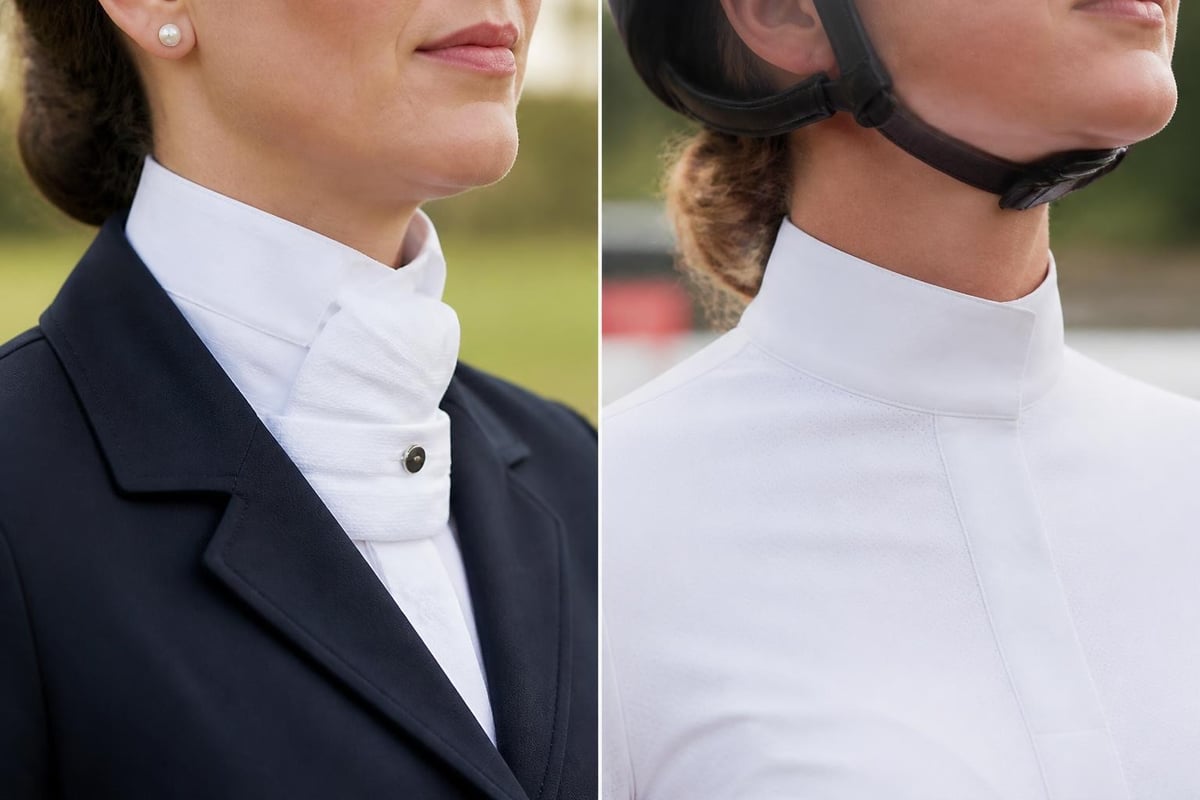
Dressage traditionally calls for white or light-colored shirts with stock ties or formal collars. The shirt must accommodate a stock pin without fabric bunching, and the collar needs sufficient height to maintain its structure throughout your test. Show jumping allows more flexibility with color and style, though most recognized competitions still require collared shirts. Eventing riders need versatility, often choosing shirts that transition smoothly between dressage and jumping phases.
The fabric weight matters more than many riders realize. Lighter-weight technical fabrics (typically 140-180 GSM) offer superior breathability for summer competitions, while mid-weight options (200-220 GSM) provide better structure and opacity for cooler conditions. Your shirt should never become see-through when you're working hard, regardless of weather conditions.
Performance Fabric Technology
Modern competition shirts equestrian professionals choose incorporate moisture-management fabrics that actively move perspiration away from your skin. Understanding the difference between wicking, quick-dry, and cooling properties helps you select the right shirt for your specific competition environment.
Wicking fabrics pull moisture from your skin to the garment's outer surface, where it can evaporate. This process keeps you drier and more comfortable during intense work. Quick-dry properties ensure the fabric itself doesn't stay wet for extended periods, preventing that cold, clammy feeling between rounds. Cooling fabrics often incorporate specialized weaves or treatments that enhance evaporation rates.
| Fabric Feature | Benefit | Best For |
|---|---|---|
| Moisture wicking | Keeps skin dry | All-day competitions |
| Quick-dry | Rapid moisture evaporation | Multiple classes |
| UV protection | Prevents sun damage | Outdoor shows |
| Stretch integration | Freedom of movement | Active disciplines |
| Anti-microbial | Odor control | Extended wear |
The blend matters significantly. Pure polyester offers excellent wicking and durability but can feel less breathable than poly-cotton blends. A quality competition shirt typically combines 85-92% polyester with 8-15% elastane for stretch, or incorporates cotton (40-60%) for enhanced breathability while maintaining performance characteristics.
Fit and Construction Details
Your competition shirt should fit like it was made for riding, not adapted from business casual wear. The shoulder seams need to sit precisely at your natural shoulder point, allowing full range of motion without pulling across your back when you reach forward. Many riders make the mistake of sizing up for comfort, which creates excess fabric that bunches under jacket sleeves and looks untidy.
Sleeve length requires careful consideration. The cuff should hit at your wrist bone when your arms hang naturally, extending slightly beyond when you're in riding position. Too short creates an unprofessional appearance; too long bunches at the wrist and interferes with rein contact. Look for adjustable cuffs that accommodate different wrist sizes and allow fine-tuning based on layering needs.
Construction Features That Matter
Flatlock seams prevent chafing during extended wear, particularly important under jacket arms and across the shoulders. The seam should lie completely flat against your skin rather than creating a raised ridge. Reinforced button plackets maintain structure through repeated washing and wear. Quality shirts feature reinforcement stitching around stress points, particularly at the collar and cuffs.
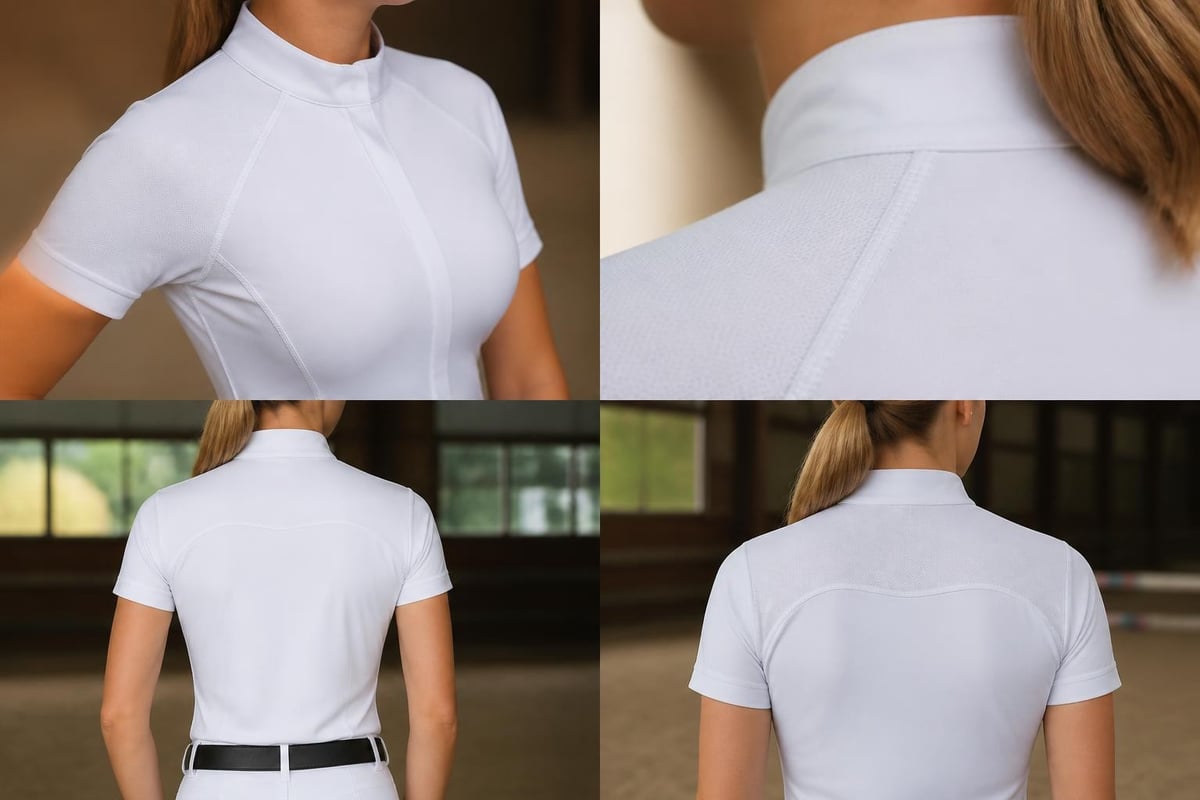
The back construction influences both comfort and appearance. Darted backs provide better shaping for athletic builds, while pleated designs offer more room across the shoulders. A properly constructed yoke distributes fabric smoothly across your upper back, eliminating pulling when you're in riding position. Understanding proper sizing ensures you get these construction benefits working in your favor.
Collar Styles and Their Applications
The collar makes or breaks a competition shirt's functionality and formality. Band collars work beautifully for stock tie presentations, providing clean lines without extra bulk. The band should measure 3-4 centimeters in height, offering enough structure to support the stock without creating gaps or rolling.
Traditional point collars suit show jumping and less formal competitions, though they require proper collar stays to maintain their shape. The collar points should measure 7-8 centimeters for balanced proportions on most men. Shorter points look juvenile; longer points appear dated and can interfere with stock tie placement in dressage.
Button-down collars rarely meet competition standards for formal disciplines, though they find acceptance in lower-level show jumping and working hunter classes. The buttons add visual weight that detracts from the overall refined appearance most competitions demand.
Color and Pattern Considerations
White remains the standard for dressage competitions at recognized levels, though pale blue occasionally receives acceptance in some regions. The white should be pure white, not cream or ivory, which can appear dingy under show lighting. Light colors demand fabric with excellent opacity, typically requiring slightly heavier weights or specialized weaving techniques.
Show jumping allows broader color flexibility, with navy, pale blue, and subtle patterns becoming increasingly accepted. When choosing colored competition shirts equestrian judges will see, remember that darker colors show less dust and dirt but can appear heavier in summer heat. Mid-tone blues and greys offer practical compromise between formality and practicality.
Patterns should remain subtle. Thin pinstripes, micro-checks, or tone-on-tone designs maintain professionalism while adding visual interest. Avoid anything that could distract from your riding or look busy under arena lighting. What appears subtle in your tack room may become overwhelming under bright competition conditions.
Care and Maintenance
Technical competition shirts require specific care to maintain their performance properties and appearance. Standard washing machines and detergents work fine, but understanding how laundering affects technical fabrics helps extend garment life. Research on microfiber release shows that washing parameters significantly impact fabric degradation and environmental effects.
Wash competition shirts inside out in cold or warm water, never hot. High temperatures can degrade elastane fibers and damage moisture-wicking treatments. Use standard liquid detergent; avoid fabric softeners, which coat fibers and reduce wicking effectiveness. The coating creates a barrier that prevents moisture transfer, essentially eliminating the performance benefits you paid for.
Drying and Storage
Line drying preserves fabric integrity better than machine drying, though low-heat tumble drying works if you're pressed for time. Remove shirts promptly to minimize wrinkles. Never use high heat, which can permanently damage technical fibers and cause shrinkage even in supposedly pre-shrunk garments.
Proper storage prevents premature wear. Hang shirts on broad-shoulder hangers that support the garment's weight without creating stress points. Avoid wire hangers, which distort shoulders and create permanent dimples. Button the top button to help collars maintain their shape. Store in a cool, dry location away from direct sunlight, which can fade colors and degrade fabrics over time.
The environmental impact of washing synthetic performance fabrics deserves consideration, particularly for riders who value sustainability. Using front-loading machines, washing full loads, and choosing liquid detergents all reduce microfiber release while extending garment life.
Seasonal Variations
Summer competitions demand different shirt characteristics than winter events. Lightweight, highly breathable fabrics with enhanced wicking become essential when temperatures climb. Look for mesh panels under the arms or across the upper back, though these must remain invisible under your jacket for formal disciplines.
Winter riding requires careful layering rather than heavier shirts. A quality competition shirt should accommodate a thin base layer underneath without bunching or restricting movement. The combination provides better temperature regulation than a single heavy garment, allowing you to adjust as arena temperatures vary throughout the day.
| Season | Fabric Weight | Key Features | Common Challenges |
|---|---|---|---|
| Summer | 140-160 GSM | Maximum breathability, UV protection | Maintaining opacity |
| Spring/Autumn | 180-200 GSM | Balanced performance | Temperature fluctuation |
| Winter | 200-220 GSM | Layering compatibility | Bulk management |
Transitional seasons present the biggest challenges. Morning warm-ups may require layers you'll shed by afternoon classes. Choose shirts that perform well across temperature ranges rather than optimizing for a single condition. Mid-weight technical fabrics generally offer the best versatility.
Integrating Shirts with Your Competition Wardrobe
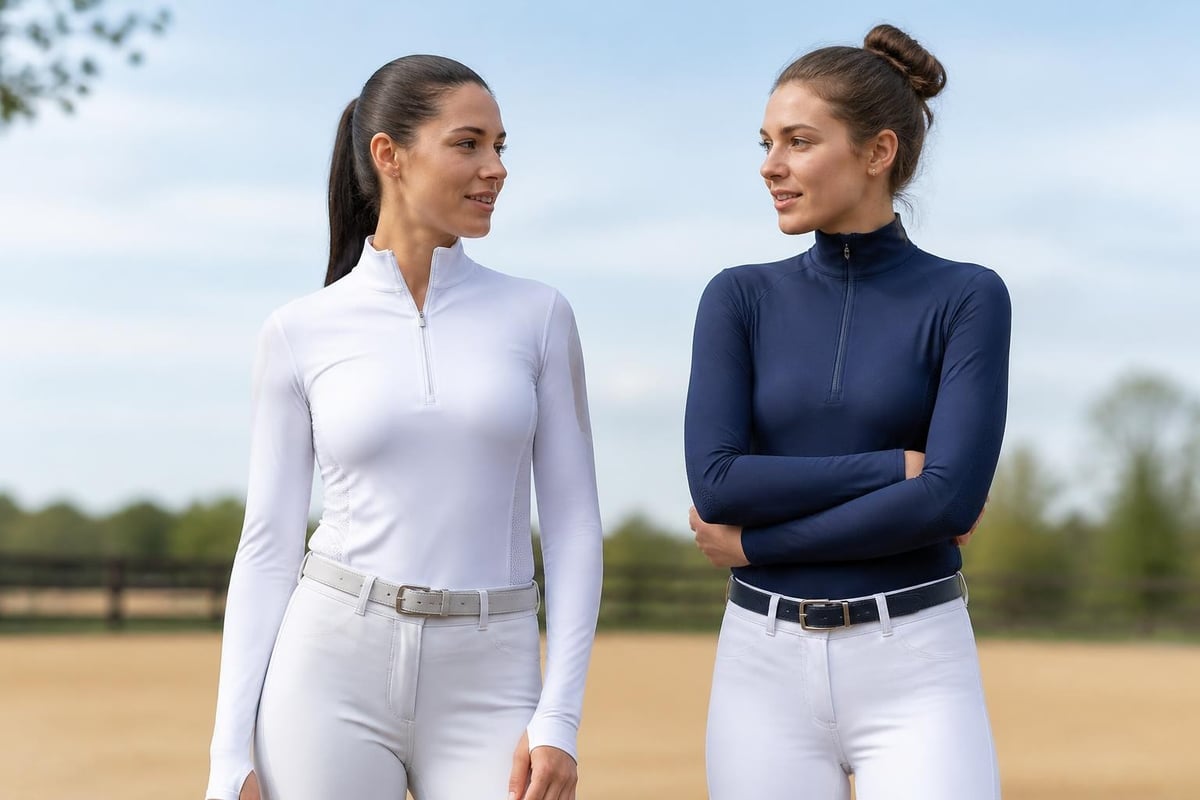
Competition shirts equestrian riders select should coordinate seamlessly with jackets, breeches, and accessories. A white shirt works with any jacket color, offering maximum versatility. Colored shirts require more careful coordination to avoid clashing with your existing wardrobe.
Consider your competition breeches when selecting shirt colors. Navy breeches pair well with white or pale blue shirts. Tan or beige breeches look sharp with white, creating classic contrast. Black breeches offer the most flexibility, though the overall look can appear heavy if you're not careful with shirt and jacket selection.
Stock ties and competition ties demand specific shirt characteristics. The collar must provide adequate support without gaps, and the placket should lie flat to prevent bunching under the tie. Some riders prefer show shirts designed specifically for stock tie wear, featuring reinforced collars and modified plackets that accommodate tie pins more gracefully.
Budget Considerations and Investment Value
Quality competition shirts equestrian athletes depend on represent genuine investments. Entry-level options typically cost £40-70, offering basic technical fabrics and acceptable construction. Mid-range shirts (£70-120) incorporate better fabrics, superior construction, and more thoughtful design details. Premium options (£120-200+) deliver exceptional fabrics, precise fit, and construction that maintains performance through hundreds of wears.
The price-per-wear calculation favors quality. A £120 shirt that performs well for three seasons and 50+ wears costs £2.40 per use. A £50 shirt that loses shape after one season and 20 wears costs £2.50 per use while delivering inferior performance throughout its shorter life.
Consider building a rotation of 2-3 quality shirts rather than purchasing a larger collection of budget options. This approach ensures you always have a fresh shirt available while allowing adequate recovery time between wears. Technical fabrics perform better when they have time to fully dry and air out between uses.
Common Fitting Mistakes
The most frequent error involves choosing shirts too large, seeking comfort over proper fit. Competition shirts should fit snugly without restriction, similar to high-quality athletic wear. Excess fabric bunches under jackets, creates wrinkles, and appears unprofessional.
Sleeve length mistakes run second. Sleeves that are too short expose wrists and create an unfinished appearance. Too-long sleeves bunch at the wrists, interfere with gloves, and look messy. The correct length hits precisely at your wrist bone, extending slightly beyond when your arms bend into riding position.
Collar sizing deserves particular attention. A collar that's too tight restricts breathing and becomes genuinely uncomfortable during intense work. Too loose creates gaps, looks sloppy, and fails to provide the structure necessary for stock tie presentation. You should be able to fit two fingers comfortably between your neck and a buttoned collar.
Multi-Purpose Competition Options
Some riders prefer show shirts that transition between disciplines, offering versatility for competitors who participate in multiple sports. These designs typically feature removable collar stays, adjustable cuffs, and neutral colors that satisfy various dress codes.
The compromise involves accepting slightly less optimization for any single discipline in exchange for broader utility. A true multi-purpose competition shirt works adequately for dressage, show jumping, and eventing without excelling specifically at any. For riders who compete regularly in one primary discipline, specialized shirts deliver better performance and presentation.
Quality competition shirts combine technical performance with refined presentation, supporting your riding while meeting discipline standards. When you're ready to upgrade your competition wardrobe with shirts built specifically for men who ride, Gallant Equestrian offers performance-driven options designed in New Zealand and engineered for riders who demand both functionality and style. Look the Part. Enjoy the Ride.

