

Equestrian Competition Wear: The Modern Rider's Guide
Oct 22, 2026
Stepping into the show ring demands more than good riding. Your equestrian competition wear needs to meet exacting standards whilst delivering the performance and comfort that allows you to focus entirely on your test or round. For male riders in 2026, the landscape has evolved beyond stiff, uncomfortable show jackets and ill-fitting breeches. Modern competition clothing combines technical innovation with classic aesthetics, creating pieces that work as hard as you do whilst maintaining the traditional appearance judges expect.
Understanding Competition Requirements by Discipline
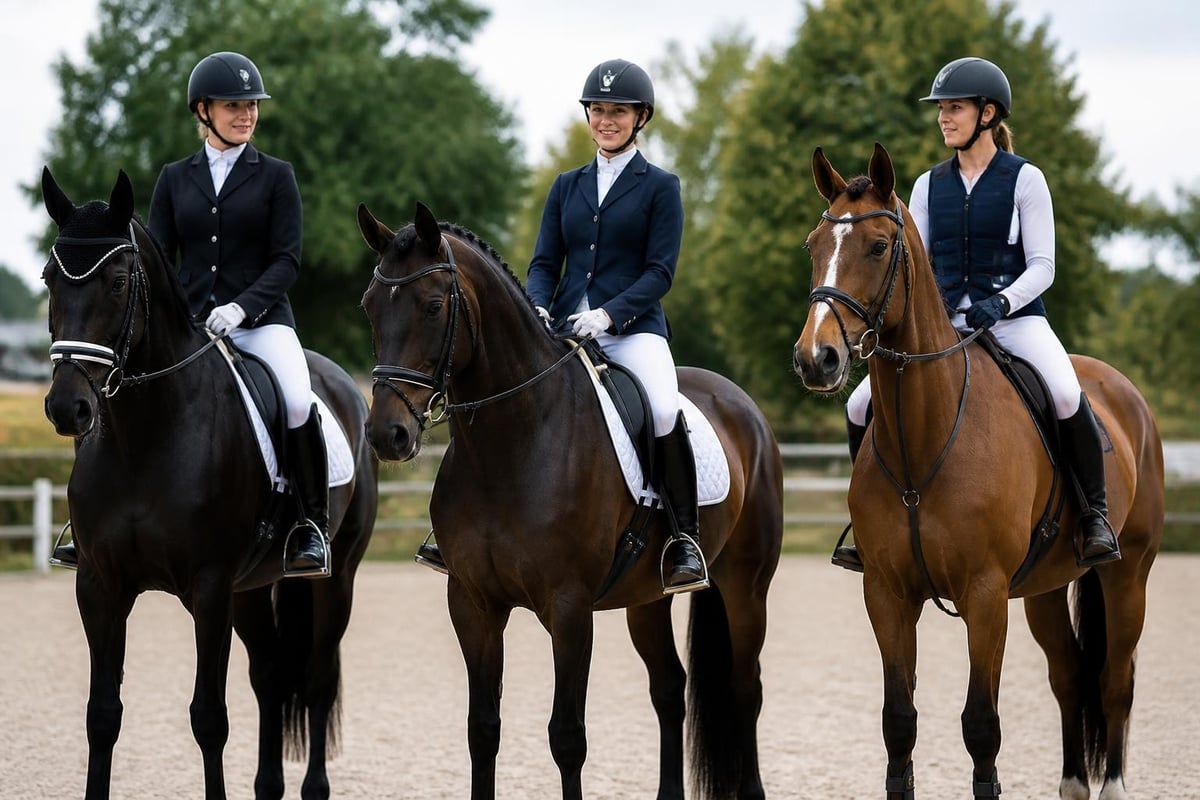
Different equestrian disciplines maintain distinct dress codes that reflect their heritage and judging priorities. Dressage typically requires the most formal presentation, with riders wearing tailcoats or show jackets in black, navy, or dark grey, paired with white or cream breeches and tall boots. The USEF discipline rules and equipment guidance provides comprehensive details on acceptable attire variations and recent rule modifications.
Show jumping allows slightly more flexibility whilst maintaining smart standards. Navy, black, brown, or tweed jackets pair with lighter breeches, and many riders appreciate the option for shadbelly jackets at upper levels. Eventing's dressage phase mirrors traditional dressage requirements, whilst the cross-country phase permits rugby shirts in team colours paired with protective vests.
Understanding these nuances prevents disqualification and ensures you present appropriately for each phase. The USDF Visual Guide to the Dressage Attire Rules offers clear visual references that eliminate guesswork when selecting your equestrian competition wear.
The Foundation: Competition Breeches That Perform
Quality breeches form the cornerstone of any competition wardrobe. Modern competition breeches incorporate four-way stretch fabrics that move with you rather than restricting your position. The best designs feature strategically placed panels that reduce bulk whilst providing grip exactly where you need it.
Look for breeches with a mid-rise waist that sits comfortably under your show jacket without creating visible lines. Seamless construction through the inner leg prevents chafing during long days, whilst reinforced knee patches or full seats deliver reliable grip in the saddle. Many riders find that investing in premium breeches designed specifically for competition pays dividends through improved comfort and longevity.
Technical fabrics have transformed breech performance. Moisture-wicking materials keep you dry during warm-up sessions, whilst compression zones support key muscle groups without feeling restrictive. The research on technical fabrics in riding clothing demonstrates how modern materials outperform traditional options in measurable ways.
Fit Considerations for Male Riders
Men's breeches require different cut specifications than unisex or women's designs. The rise should accommodate male proportions comfortably, and the seat should provide coverage without excess fabric. Thigh and calf measurements matter significantly, as too-tight fabric restricts movement whilst excess material creates unwanted bulk under boots.
When selecting competition breeches, consider how they'll look under your show jacket. White and cream breeches show every imperfection, so premium fabrics that resist transparency become essential. Navy or grey options offer practical alternatives for certain disciplines whilst maintaining appropriate formality.
Show Jackets: Traditional Appearance Meets Modern Construction
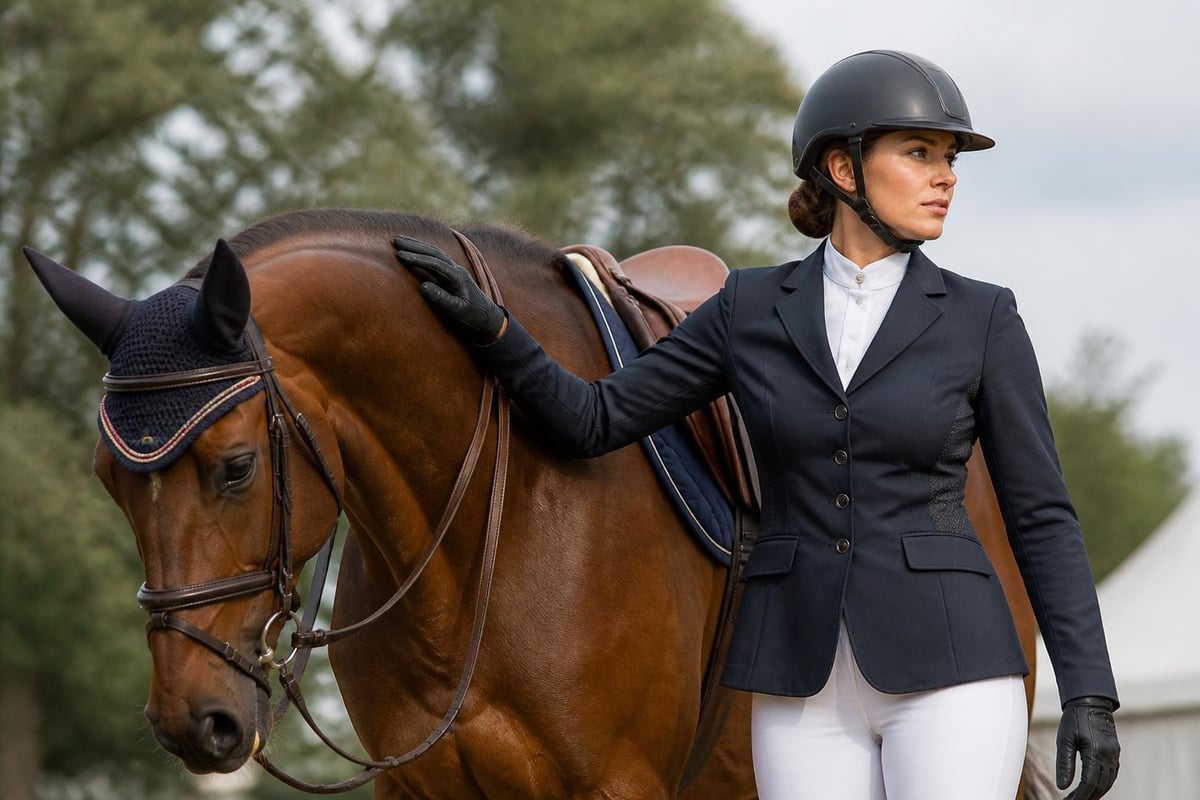
Your show jacket defines your competition silhouette. Traditional tailoring creates the structured appearance judges expect, but modern construction techniques incorporate stretch panels and breathable linings that previous generations never enjoyed. The key lies in finding jackets that maintain their crisp lines whilst allowing full range of motion through shoulders and arms.
Single-breasted show jackets work for most lower-level competitions, whilst shadbelly styles suit upper-level dressage and show jumping. Fabric weight matters more than many riders realize. Lightweight technical wool blends regulate temperature better than heavy traditional fabrics, and many incorporate moisture-wicking properties that keep you comfortable through multiple rounds.
The competition wear collection at Gallant Equestrian demonstrates how performance-focused design enhances traditional aesthetics. Jackets should feature genuine button closures, structured shoulders, and appropriate vent configurations that sit correctly when mounted.
Sizing and Tailoring
Show jackets require precise fitting to create the proper silhouette. Shoulders should align naturally without pulling or bunching, and sleeve length should allow your shirt cuff to show approximately one centimetre beyond the jacket sleeve. The jacket hem should cover your seat when mounted whilst avoiding excess length that creates bulk.
Many riders find that made-to-measure or tailored jackets deliver better results than off-the-rack options, particularly for men with athletic builds or proportions that don't match standard sizing. Investment in proper fit transforms your presentation and comfort simultaneously.
Competition Shirts: The Layer That Matters
Competition shirts deserve more attention than they typically receive. These garments sit against your skin for hours, making fabric selection and fit crucial for comfort and performance. Traditional cotton shirts look crisp but offer poor moisture management and wrinkle easily. Modern technical fabrics maintain professional appearance whilst wicking moisture and drying quickly.
Stock ties remain traditional for dressage, requiring careful tying technique and a stock pin for security. Show jumping often permits ratcatcher shirts with attached collars, offering practical advantages for riders managing tight schedules. Whichever style your discipline requires, ensure the collar sits properly and the fit allows comfortable movement without pulling across shoulders or binding under arms.
Long sleeves provide the most formal appearance, though some competitions permit short sleeves in hot weather. Check your discipline's specific rules before selecting shirts. The essentials collection offers foundational pieces that transition seamlessly from training to competition settings.
Protective Equipment: Safety Meets Standards
Competition-legal protective equipment balances safety requirements with appearance regulations. Body protectors for cross-country must meet BETA safety standards and achieve appropriate protection levels for your competition grade. The BETA 2018 Standard defines Level 3 as suitable for all riding activities, making it the preferred choice for competitive riders.
Modern body protectors incorporate flexible foam technology that conforms to your body whilst maintaining protective properties. Proper fit prevents the protector from riding up or shifting during riding, which would compromise both safety and comfort. The British Horse Society guidance provides practical fitting advice that ensures your protector functions as designed.
Helmets require equal attention to standards and fit. Competition-legal helmets must meet current safety certifications, and many riders consult independent helmet ratings when selecting new headgear. Replace helmets after any impact and according to manufacturer guidelines, typically every three to five years even without visible damage.
Balancing Protection and Presentation
Equestrian competition wear must integrate protective equipment without compromising appearance. Select body protectors designed to sit smoothly under show jackets, and ensure helmet fit allows for proper positioning without gaps or pressure points. The research on protective equipment fit emphasizes how proper sizing affects both safety performance and rider comfort.
Some disciplines restrict visible body protectors during certain phases, requiring you to balance safety with rule compliance. Always verify current regulations for your specific competition level and governing organization.
Fabric Technology and Performance Enhancement
Modern equestrian competition wear incorporates fabric technologies that would have seemed impossible a decade ago. Four-way stretch materials move with you rather than against you, reducing fatigue during long competition days. Moisture-wicking finishes pull perspiration away from skin, whilst quick-dry properties ensure you remain comfortable between classes.
Temperature regulation fabrics adapt to conditions, providing warmth when needed whilst preventing overheating during intense riding. These materials often incorporate antimicrobial treatments that reduce odour buildup, particularly valuable during multi-day competitions. UV protection built into fabric construction offers skin protection during outdoor events.
Durability remains essential for competition clothing that must maintain appearance through repeated washing and wearing. Quality construction features reinforced stress points, colour-fast dyes, and fabrics that resist pilling and wear. The investment in superior materials pays dividends through extended garment life and consistent presentation.
Completing Your Competition Wardrobe
Beyond core pieces, successful competition dressing requires attention to details that complete your presentation. Tall boots or paddock boots with half chaps must be clean, well-fitted, and appropriate for your discipline. Gloves should match your outfit whilst providing secure grip, with leather or technical materials offering different advantages.
Belts require subtle sophistication, with leather options in black or brown matching your boots. Avoid oversized buckles or decorative elements that draw unwanted attention. Socks matter more than many riders realize, particularly tall socks worn with tall boots. Technical riding socks prevent blisters whilst staying in place throughout competition days.
Show jackets and breeches form your foundation, but these finishing touches demonstrate attention to detail that judges notice. Consistency in your turnout reflects the same discipline you bring to your riding.
Care and Maintenance for Longevity
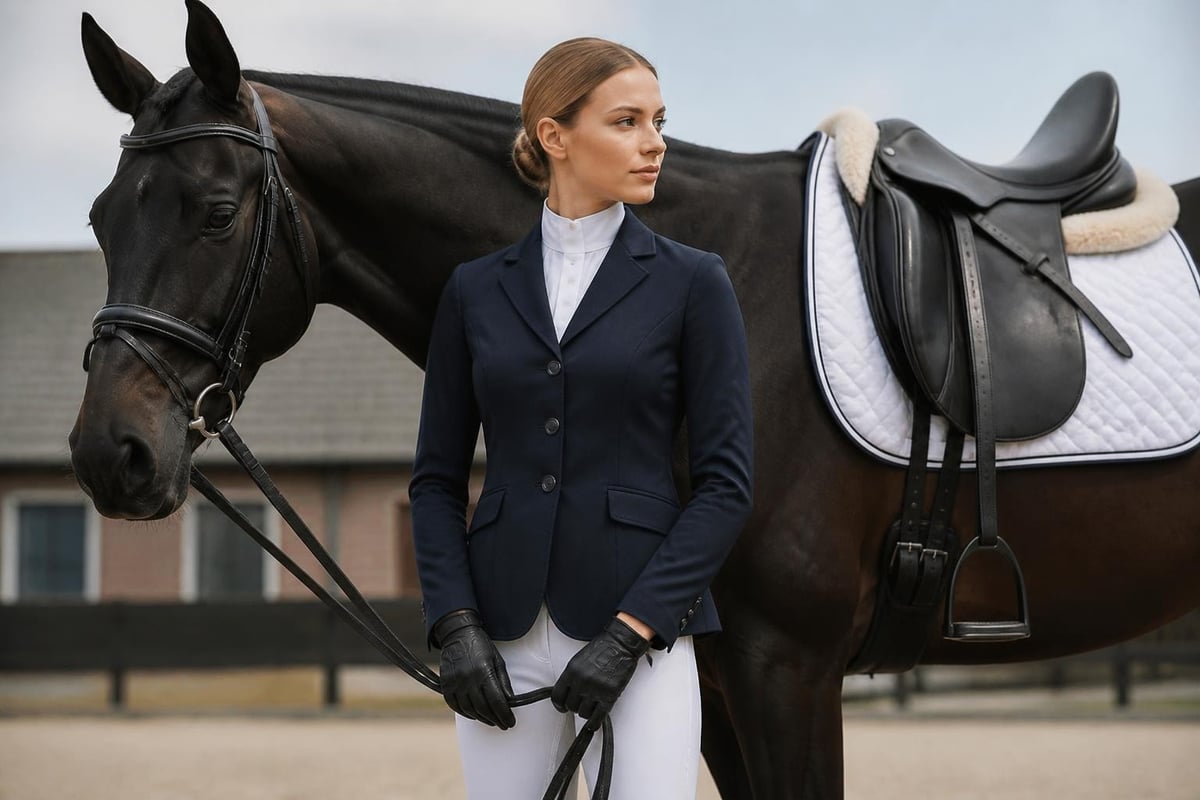
Proper care extends the life of your equestrian competition wear significantly. Most competition fabrics benefit from cool-water washing with gentle detergents, avoiding fabric softeners that can damage technical finishes. Air drying preserves fabric properties better than machine drying, though some pieces tolerate low-heat tumbling.
Show jackets typically require professional cleaning to maintain their structure and appearance. Between cleanings, brush off dust and spot-clean minor marks promptly. Store jackets on proper hangers that support shoulder shape, and allow them to air between uses rather than immediately returning them to garment bags.
Breeches should be turned inside out before washing to protect outer fabrics and grip materials. Avoid washing white or cream breeches with darker items, and treat stains immediately for best results. Hanging breeches rather than folding prevents unwanted creases that can become permanent over time.
Building a Competition Wardrobe Strategically
Start with versatile pieces that work across multiple situations rather than highly specialized items. Quality navy breeches and a well-fitted show jacket create your foundation, with white or cream breeches added as your competition schedule expands. One exceptional jacket outperforms three mediocre options, both in presentation and total cost of ownership.
Consider how pieces transition between competition and training. Many modern designs work equally well for schooling and showing, maximizing value whilst reducing the total items in your wardrobe. The best sellers often represent pieces that deliver this versatility most successfully.
Budget appropriately for items that directly impact your performance and comfort. Premium breeches that fit perfectly and support proper position justify their cost through improved riding and durability. Show jackets represent significant investments but should last years with proper care, making quality construction worthwhile.
Climate Considerations and Seasonal Variations
Competition calendars often span multiple seasons, requiring wardrobe adaptations that maintain proper appearance whilst accommodating weather variations. Lightweight show jackets suit summer competitions, whilst heavier fabrics provide warmth for autumn and winter events. Layering becomes essential for outdoor competitions where temperatures fluctuate throughout the day.
Base layers worn under competition shirts should be seamless and thin enough to avoid visible lines whilst providing temperature regulation. Technical fabrics excel in this application, wicking moisture whilst adding minimal bulk. Some riders keep spare shirts in their lorry for quick changes between classes during hot weather.
Rain considerations matter for outdoor venues. Water-resistant fabrics and treatments help show jackets maintain appearance in light precipitation, though heavy rain typically requires covered warm-up areas or schedule adjustments. Always pack additional clothing options when weather looks uncertain.
Final Presentation Details
Competition day presentation extends beyond your clothing to encompass overall turnout. Clean, polished boots, neatly tied stock pins, and well-groomed hair demonstrate the same attention to detail judges expect in your riding. Small details like removing visible jewellery beyond stock pins and ensuring shirt collars sit properly contribute to professional presentation.
Check tack and equipment alongside your clothing. Clean bridles, polished stirrups, and properly fitted saddle pads complete the picture judges evaluate. Your horse's turnout and your personal presentation work together to create positive first impressions before you begin your test or round.
Practice wearing your complete competition outfit before show day. This ensures everything fits properly when mounted, identifies any comfort issues that need addressing, and builds confidence in your presentation. Familiarity with your gear allows you to focus entirely on riding rather than adjusting clothing.
Getting your equestrian competition wear right means balancing tradition with modern performance, investing in quality pieces that work as hard as you do, and maintaining attention to detail that reflects your commitment to the sport. Gallant Equestrian creates performance-driven clothing designed specifically for men who take their riding seriously, with pieces that transition seamlessly from competition rings to everyday life. Our New Zealand-designed collection delivers the functionality, fit, and refined style that helps you look the part whilst enjoying every ride.

