

Equestrian Sportswear: Performance & Style for Men | 2026
Oct 15, 2026
The evolution of riding apparel has reached an inflection point in 2026. What began as formal tradition has transformed into a sophisticated fusion of athletic performance and refined style. Modern equestrian sportswear now delivers the technical capabilities riders demand whilst maintaining the aesthetic standards the discipline deserves. For men who take their riding seriously, choosing the right gear means understanding how contemporary fabrics, construction techniques, and design philosophy intersect to support both performance and presentation.
The Technical Foundation of Modern Riding Apparel
Today's equestrian sportswear borrows heavily from athletic innovation whilst respecting the unique demands of mounted sport. The fabrics under consideration have advanced beyond simple cotton and wool blends into territory once reserved for Olympic athletes and professional cyclists.
Performance textiles now incorporate moisture-wicking properties that actively manage perspiration during intensive riding sessions. Four-way stretch technology allows unrestricted movement in the saddle whilst maintaining shape and support throughout extended wear. These aren't marketing claims, they're measurable improvements verified through independent research. The technical review of fabrics used in riding clothing demonstrates how material science has fundamentally changed what's possible in equestrian apparel.
Breathability Meets Durability
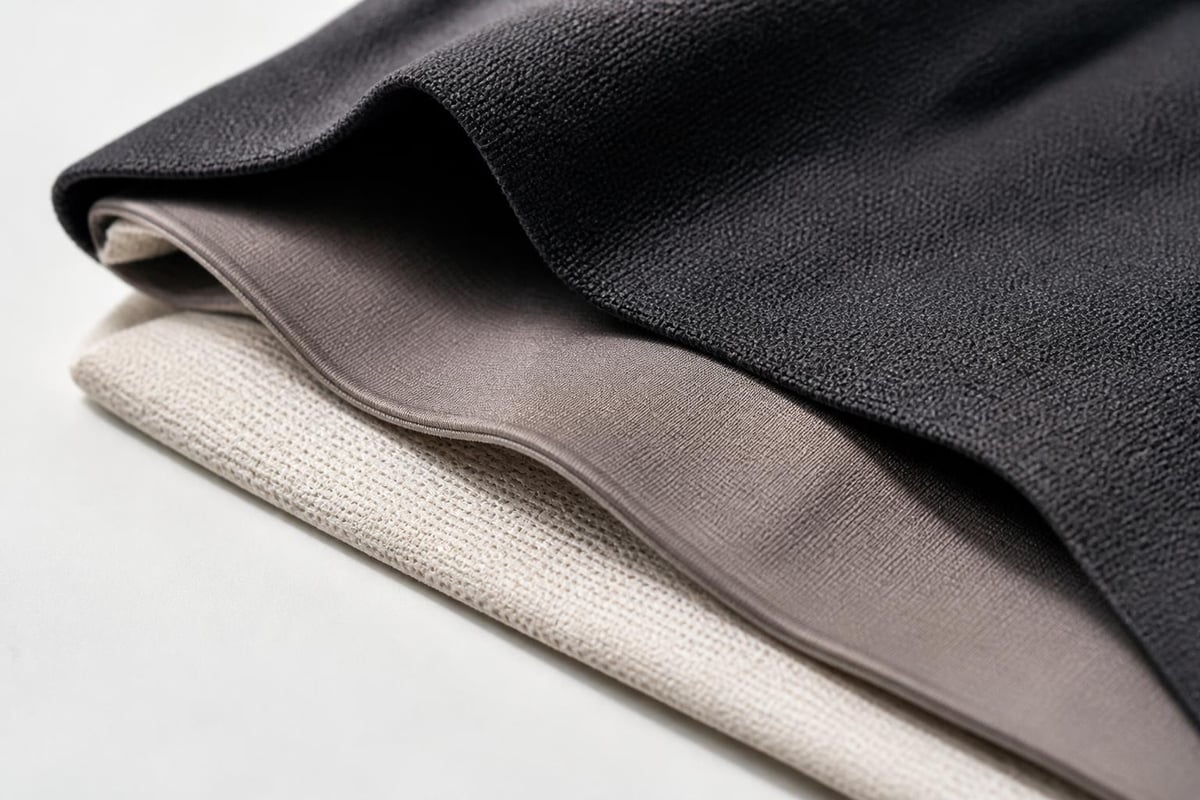
The challenge facing any designer of equestrian sportswear lies in balancing competing demands. Riders need garments that breathe during warm-weather schooling yet provide wind resistance during early-morning hacks. Fabrics must flex with every posting trot whilst resisting the abrasion that comes from hours in contact with leather and horse.
Advanced materials now achieve this balance through strategic layering and selective reinforcement. High-wear zones receive additional protection without compromising overall flexibility. Ventilation panels integrate seamlessly into garment construction, providing airflow exactly where riders generate the most heat. The result is apparel that performs across conditions rather than forcing you to maintain separate wardrobes for different scenarios.
Biomechanics and Apparel Design
Recent research has illuminated connections between what riders wear and how effectively they communicate with their horses. Studies using inertial sensors to monitor rider biomechanics reveal that garment fit directly influences position, balance, and overall effectiveness in the saddle.
Equestrian sportswear designed with these principles in mind incorporates features that support proper alignment rather than fighting against it. Anatomically shaped seams follow natural body contours, reducing bulk and eliminating pressure points. Waistbands sit precisely where they should, neither restricting breathing nor sliding during movement. These details matter more than casual observers might suspect.
| Performance Factor | Traditional Apparel | Modern Sportswear | Practical Impact |
|---|---|---|---|
| Range of Motion | Limited by rigid fabrics | Enhanced through stretch panels | Improved position consistency |
| Moisture Management | Passive absorption | Active wicking | Maintained comfort during intensive work |
| Temperature Regulation | Single-layer approach | Strategic ventilation | Performance across conditions |
| Durability | Heavy reinforcement | Targeted protection | Longevity without excess weight |
The biomechanical advantage extends beyond comfort. When apparel supports rather than restricts natural movement, riders maintain proper position with less conscious effort. This translates to clearer communication with the horse and reduced fatigue during longer sessions. For those exploring essential riding pieces, understanding these functional benefits proves as important as considering aesthetic appeal.
Transitioning Between Stable and Street
One defining characteristic of contemporary equestrian sportswear is its versatility beyond the arena. The best pieces move seamlessly from morning schooling through afternoon errands without requiring a complete wardrobe change.
This adaptability stems from thoughtful design rather than compromise. Performance features integrate invisibly into garments that read as refined casual wear. Technical fabrics that manage moisture and resist odor serve double duty, keeping you fresh whether you're riding or grabbing lunch in town. Strategic tailoring flatters off the horse whilst still providing the stretch and coverage required in the saddle.
The Minimalist Approach
Men who ride regularly appreciate gear that works hard without demanding excessive closet space. A well-considered collection of equestrian sportswear can cover most scenarios with fewer pieces than traditional approaches required.
Start with foundation items that perform across disciplines and conditions. Breeches or riding tights in neutral colors pair with multiple tops whilst providing the grip and flexibility essential for effective riding. Technical polo shirts offer breathability and professional appearance suitable for both training and casual competition. A quality riding jacket handles weather protection and presentation requirements without the bulk of carrying separate specialty pieces.
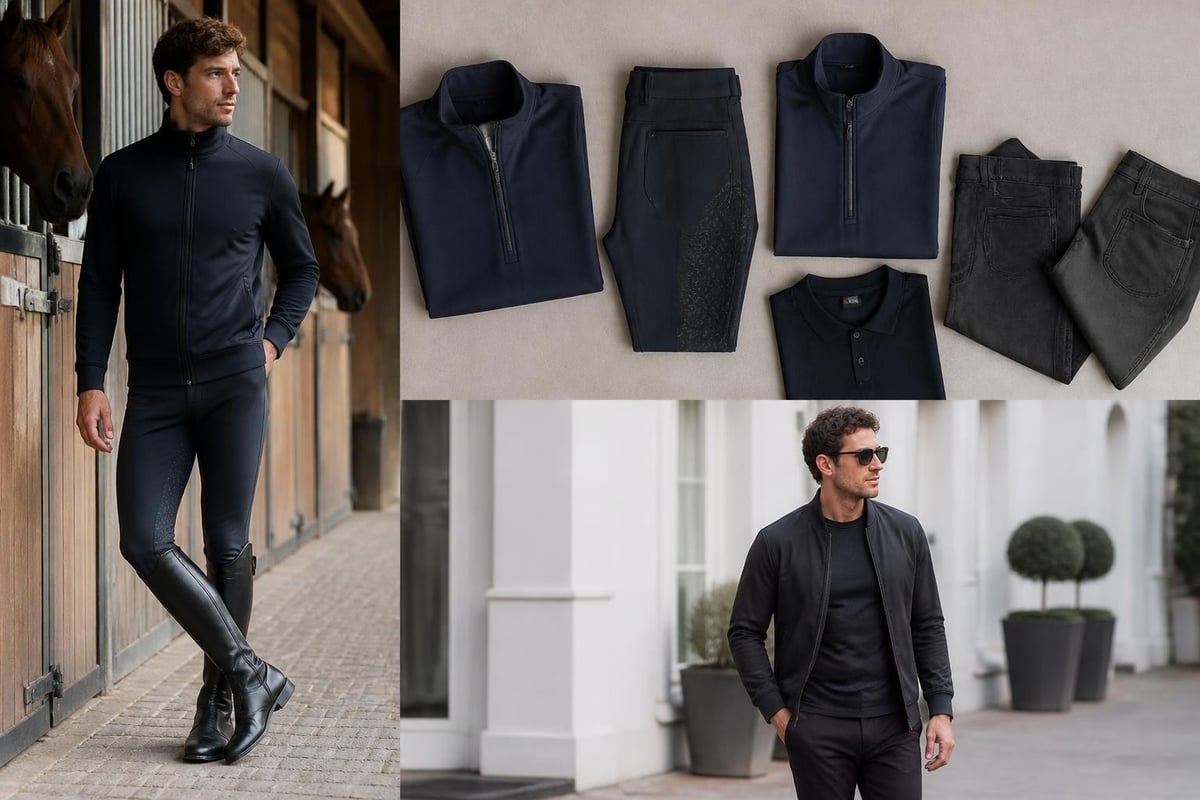
This minimalist philosophy extends to maintenance as well. Modern fabrics resist wrinkling and typically require nothing more than machine washing, eliminating the dry-cleaning dependency that once made riding apparel impractical for everyday integration. When you're choosing waterproof options for unpredictable weather, look for pieces that pack down small and layer effectively rather than single-purpose garments.
Sustainability in Equestrian Apparel
The riding community has increasingly focused on environmental considerations when selecting gear. Forward-thinking manufacturers now address sustainability throughout the production cycle, from material sourcing through end-of-life considerations.
Durable construction represents the most fundamental sustainability practice. Equestrian sportswear built to last years rather than seasons dramatically reduces resource consumption regardless of specific materials used. Quality stitching, reinforced stress points, and fade-resistant fabrics ensure pieces remain functional and presentable through hundreds of rides.
Material innovation contributes as well. Recycled synthetic fibers now match or exceed the performance of virgin materials whilst diverting waste from landfills. Responsible wool sourcing supports both animal welfare and land stewardship. The FEI Sustainability Handbook provides comprehensive guidance on environmental considerations across the equestrian sector, including apparel procurement decisions.
Circular Design Principles
Some manufacturers have begun implementing take-back programs and designing garments for disassembly and recycling. Whilst still emerging in equestrian sportswear, these practices demonstrate how the industry is evolving beyond the traditional linear consume-and-dispose model.
Riders can support this shift by investing in quality pieces from brands committed to longevity over fast fashion. Proper care extends garment life significantly. Following washing instructions, storing gear appropriately, and making minor repairs rather than replacing items all contribute to reduced environmental impact whilst saving money over time.
Competition-Specific Considerations
Competitive riding introduces additional requirements beyond everyday training apparel. Understanding discipline-specific regulations ensures your equestrian sportswear meets formal expectations whilst still delivering technical performance.
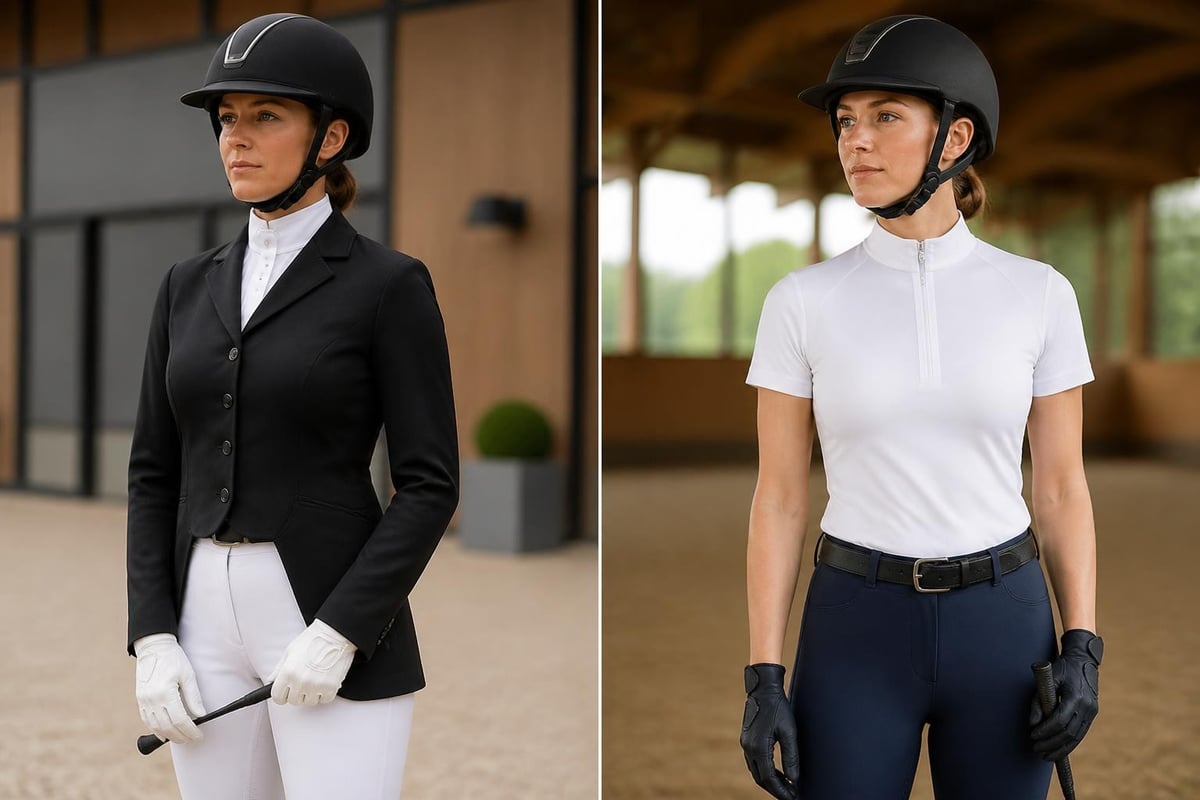
Dressage, show jumping, and eventing each maintain distinct dress codes, particularly at higher levels of competition. The FEI competition rules detail precise requirements regarding colors, styles, and acceptable deviations from traditional formats. Modern sportswear manufacturers increasingly offer pieces that satisfy these regulations whilst incorporating performance features like stretch fabrics and moisture management.
| Discipline | Key Apparel Requirements | Performance Priorities | Modern Solutions |
|---|---|---|---|
| Dressage | White or light breeches, tailcoat or jacket | Unrestricted upper body movement | Stretch panels in coat construction |
| Show Jumping | Breeches, competition shirt, jacket | Secure fit through dynamic movement | Grip-enhanced breeches, fitted shirts |
| Eventing | Varies by phase | Cross-country demands maximum durability | Reinforced knees and seat, body protector compatibility |
| Endurance | Flexible regulations | Extended wear comfort, weather protection | Lightweight technical fabrics, UPF protection |
Safety equipment represents another critical aspect of competition apparel. Body protectors meeting ASTM F1937 standards provide essential protection during cross-country and other high-risk activities. Modern designs integrate more comfortably with equestrian sportswear than previous generations, though riders must still ensure proper fit over whatever base layers they choose.
Emerging Technologies in Riding Apparel
The frontier of equestrian sportswear extends well beyond current mainstream offerings. Research into advanced textiles and integrated technology suggests significant evolution ahead.
Compression garments incorporating novel materials show promise for both performance enhancement and recovery. Recent studies on graphene-based compression wear demonstrate measurable improvements in circulation and muscle support. Whilst primarily tested in conventional athletic contexts, these technologies translate naturally to equestrian applications where riders benefit from reduced fatigue and enhanced proprioception.
Smart Textiles and Sensor Integration
Wearable sensors that monitor rider position, balance, and biomechanics have moved from research laboratories into practical training applications. As sensor technology becomes more sophisticated, integration with riding apparel grows increasingly seamless.
Future equestrian sportswear may incorporate sensors directly into fabric construction, providing real-time feedback on position and movement patterns without requiring separate devices. This data-driven approach to improving riding effectiveness represents a fundamental shift in how riders train and develop skills.
Thermal regulation technologies continue advancing as well. Phase-change materials that actively manage body temperature, moisture-responsive ventilation that opens and closes based on humidity levels, and antimicrobial treatments that prevent odor development all promise to enhance the functionality of next-generation riding apparel.
Practical Selection Guidelines
Choosing appropriate equestrian sportswear requires balancing multiple factors against individual priorities and circumstances. Start by honestly assessing how you ride and what you need gear to accomplish.
Consider climate and seasonal variation in your location. Riders in consistently temperate regions have different requirements than those facing extreme heat, cold, or rapid weather changes. Layering systems often provide more versatility than single-purpose pieces, allowing you to adapt to conditions with minimal gear.
Discipline matters as well. The demands placed on apparel differ significantly between disciplines. Jumpers need secure fit through dynamic movement. Dressage riders prioritize unrestricted upper body motion. Eventers require durability and compatibility with safety equipment. Understanding these specific requirements prevents purchasing pieces that look appropriate but underperform in actual use.
Fit and Construction Quality
Proper fit represents the most critical factor in equestrian sportswear performance. Garments should allow full range of motion without excess fabric creating bulk or catching on equipment. Pay particular attention to how pieces fit in riding position rather than standing, as this reveals whether construction accommodates the postures and movements riding demands.
Examine construction details before purchasing. Flat seams prevent chafing during extended wear. Reinforced stitching at stress points indicates durability. Quality hardware like zippers and buttons withstands repeated use without failure. These details separate gear that lasts years from pieces requiring replacement after a single season.
Don't overlook care requirements when evaluating options. Apparel requiring special handling or professional cleaning proves impractical for frequent use regardless of performance capabilities. Modern technical fabrics typically maintain properties through standard machine washing, making them suitable for the realities of regular riding schedules.
Investment Value and Longevity
Quality equestrian sportswear commands premium pricing compared to basic alternatives. Understanding this investment in context helps justify initial expense whilst informing purchase decisions.
Calculate cost per wear rather than absolute price when evaluating options. A £200 jacket worn three times weekly for five years costs roughly £0.15 per ride. A £50 jacket replaced annually after 150 wears costs £0.33 per ride. The premium option delivers better value whilst typically providing superior performance and comfort throughout its extended lifespan.
Durability stems from both material selection and construction quality. Technical fabrics resist pilling, fading, and degradation from UV exposure and repeated washing. Robust stitching and reinforcement prevent failure at high-stress areas. These attributes distinguish equestrian sportswear designed for serious riders from fashion-oriented pieces that prioritize appearance over longevity.
Proper maintenance maximizes investment value. Follow care instructions precisely, as technical fabrics often require specific approaches to preserve performance properties. Store gear appropriately, keeping items clean and dry between uses. Address minor damage promptly through repairs rather than allowing small issues to compromise entire garments. These practices extend useful life significantly whilst maintaining both function and appearance.
The Future Direction of Riding Apparel
Equestrian sportswear continues evolving rapidly as material science advances and rider expectations increase. The trajectory points toward greater integration of athletic performance principles whilst maintaining respect for equestrian tradition and aesthetics.
Customization represents one frontier receiving increased attention. Advances in manufacturing technology make bespoke or semi-custom apparel increasingly accessible. Riders can specify exact measurements, preferred features, and personalized details without the extreme costs once associated with custom work. This trend particularly benefits men, who historically faced more limited options in riding apparel compared to female riders.
Sustainability will likely drive significant innovation as well. Consumer demand for environmentally responsible products continues growing across industries, and equestrian apparel is no exception. Expect increased adoption of recycled materials, renewable fibers, and circular design principles as manufacturers respond to market preferences whilst managing regulatory pressures around environmental impact.
The distinction between riding apparel and general athletic wear may continue blurring. As performance features become standard across categories and style consciousness increases among riders, equestrian sportswear increasingly resembles premium athletic apparel that happens to excel in the saddle. This convergence benefits riders by expanding options whilst pushing manufacturers toward continuous improvement.
Modern equestrian sportswear delivers unprecedented performance without sacrificing the refined aesthetic riders deserve. Understanding how technical innovation supports your effectiveness in the saddle helps you make informed choices that enhance both riding and lifestyle. Whether you're building a complete wardrobe or simply upgrading key pieces, Gallant Equestrian offers performance-driven apparel designed specifically for men who ride. Built in New Zealand to exacting standards, each piece transitions seamlessly from stable to street whilst providing the technical capabilities serious riding demands. Look the Part. Enjoy the Ride.

