

Horse Riding Clothes: A Modern Guide for Men | 2026
Oct 10, 2026
The right clothing changes everything. When you're spending hours in the saddle, what you wear affects how you ride, how you feel, and how you present yourself. Horse riding clothes have evolved far beyond traditional jodhpurs and tweed. In 2026, men who ride expect their kit to perform under pressure whilst looking sharp enough for life beyond the yard. Whether you're schooling in the arena, competing at the weekend, or simply enjoying a long hack through the countryside, understanding what works and why makes all the difference.
The Foundation: Breeches That Actually Work
Every rider knows that breeches form the backbone of proper horse riding clothes. The difference between a poorly constructed pair and a well-designed set becomes apparent within the first ten minutes of riding.
What Makes Quality Breeches
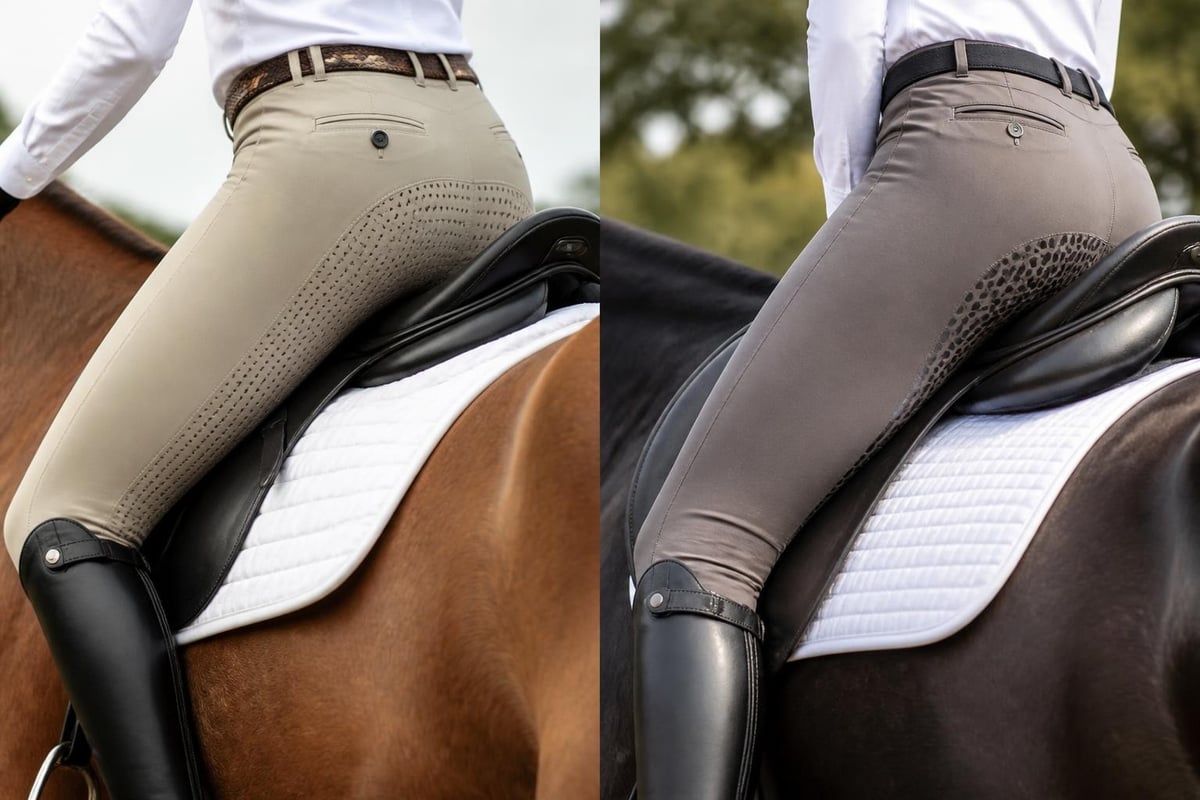
Modern breeches combine technical fabric with strategic grip placement. Four-way stretch materials move with your body rather than against it, preventing the restriction that causes fatigue during long rides. Look for flatlock seams that sit flush against skin, eliminating the friction points that lead to discomfort.
The grip system matters more than most riders initially realise. Full-seat silicone provides maximum stability for dressage and schooling work, whilst knee-patch designs suit jumping and general riding. Some riders prefer competition breeches with full-seat grip for shows, switching to knee-only versions for everyday training.
Fit Considerations for Men
Men's riding breeches need proper rise and seat construction. A mid-rise waistband stays put without binding, whilst the seat area requires enough room to sit comfortably in the saddle without excess fabric bunching. The leg should taper cleanly from thigh to ankle, creating a smooth line under tall boots without pulling or sagging.
Gallant's approach to men's breeches in navy demonstrates how performance fabrics can maintain structure throughout a day's riding. The material needs to wick moisture effectively whilst retaining its shape, particularly around the knees and seat where stress concentrates.
Layering Systems for Variable Conditions
British weather demands versatility in your horse riding clothes. The ability to adapt quickly separates comfortable riders from those constantly fighting the elements.
Base Layers and Core Pieces
Start with moisture-wicking foundation pieces that regulate temperature. Technical tees in merino blends or synthetic fabrics pull sweat away from skin, preventing the clammy feeling that develops during intensive schooling sessions. Short sleeve options work for summer, whilst long sleeves suit cooler months.
Polo shirts bridge the gap between casual and competition-ready. They provide collar structure for a refined appearance whilst maintaining breathability. Quality polos in neutral tones transition seamlessly from morning lessons to afternoon errands, embodying the practical elegance that defines modern equestrian style.
Mid-Layers for Warmth
Temperature management becomes crucial during autumn and winter riding. Sweatshirts and hoodies designed for equestrian use feature articulated sleeves that allow full range of motion without riding up. The fabric weight needs to balance warmth with breathability, preventing overheating during active riding whilst providing insulation when standing still.
Winter riding jackets for men have evolved significantly. Modern designs incorporate technical insulation that maintains warmth without bulk, allowing proper position and feel through the reins. Look for features like stretch panels across shoulders, longer backs for saddle coverage, and secure zip pockets that don't interfere with riding position.
Weather Protection That Performs
Rain inevitably arrives, often mid-ride. Proper waterproof layers in your collection of horse riding clothes keep you functional regardless of conditions.
Rain Jackets Built for Riding
Generic outdoor jackets rarely work well on horseback. Purpose-built waterproof horse riding jackets feature extended backs that provide coverage in the saddle, articulated sleeves that move with your arms, and adjustable cuffs that seal without restriction. Breathable membranes prevent the interior condensation that leaves you damp despite waterproof protection.
The best designs pack small enough to tie behind your saddle or stow in a jacket pocket. Weight matters when you're carrying extra kit, but durability cannot be compromised. Reinforced shoulders withstand wear from reins and bag straps, whilst robust zips survive repeated use in muddy conditions.
Competition Standards and Show Attire
Different disciplines maintain distinct dress codes. Understanding requirements prevents last-minute scrambles before competitions and ensures you present appropriately.
Dressage Expectations
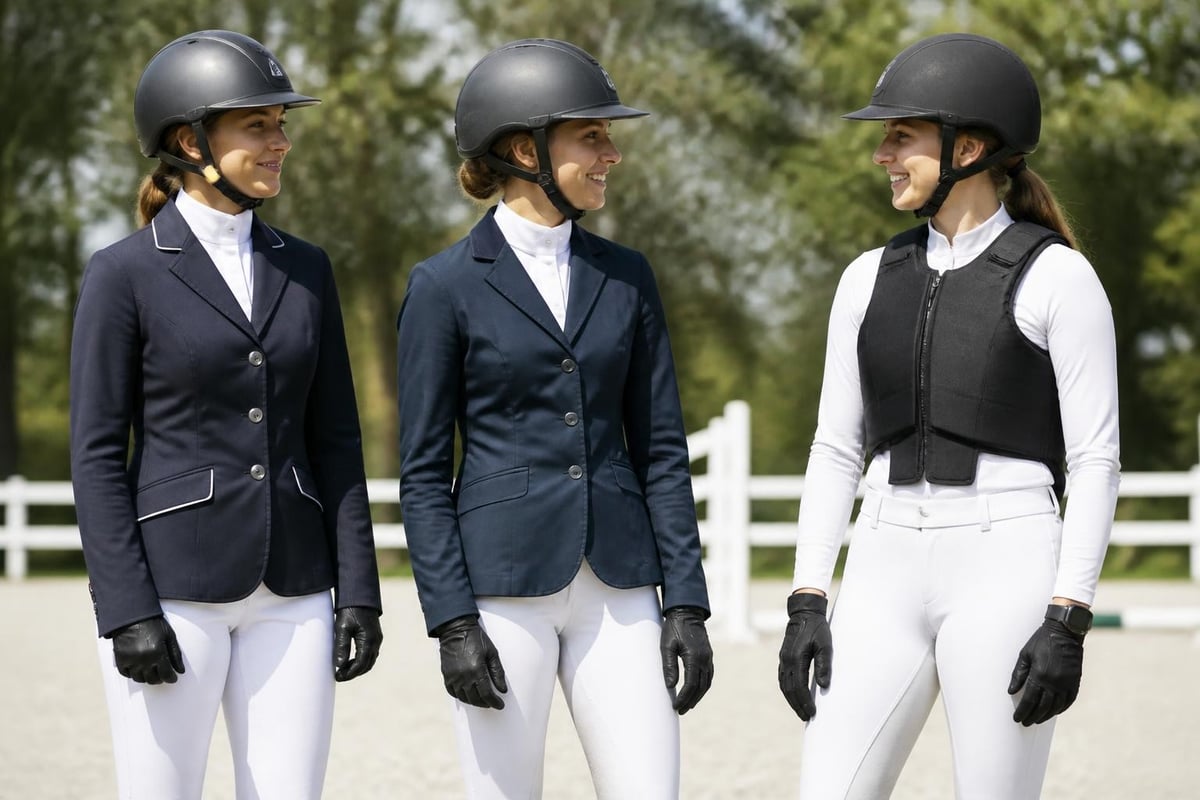
The FEI Dressage Rules outline specific requirements for international competition. White or light-coloured breeches pair with dark jackets, white shirts, and ties or stock ties. Even at lower levels, maintaining this standard demonstrates respect for the discipline.
Show shirts need proper collar construction and cuff fit. Competition show shirts in white or subtle patterns provide the foundation, whilst competition ties complete the formal presentation. The key lies in achieving polished appearance without sacrificing comfort during your test.
Eventing and Jumping Requirements
Cross-country phases demand different considerations. Safety equipment takes precedence, though style remains important. Body protectors must meet current standards, with British Eventing requiring BETA Level 3 certification since January 2024. Your outer layers need to accommodate protective gear without restricting movement.
Showjumping follows similar guidelines to dressage for formal competitions, though schooling sessions allow more flexibility. Many riders opt for technical polos or quarter-zips that maintain professional appearance whilst offering practical performance.
| Discipline | Shirt | Breeches | Jacket | Additional |
|---|---|---|---|---|
| Dressage | White show shirt | White or light | Dark tailcoat/jacket | Stock tie required |
| Showjumping | White/light show shirt | White, beige, or light | Dark jacket | Optional at lower levels |
| Cross-country | Technical layer | Any colour | Body protector | Medical armband |
| Everyday schooling | Polo or tee | Any colour | Optional | Comfort priority |
Safety Considerations in Riding Apparel
Protection forms a non-negotiable element of proper horse riding clothes. Recent research published in the European Journal of Trauma and Emergency Surgery reinforces what experienced riders know: appropriate safety equipment significantly reduces injury severity.
Helmet Standards
Modern riding helmets must meet ASTM F1163 standards at minimum. The Safety Equipment Institute provides certification and maintains lists of approved models. Replace helmets after any impact or every five years, regardless of visible damage. Proper fit matters as much as certification, so invest time in finding a helmet that sits securely without pressure points.
Body Protection
Body protectors vary by required protection level. The Pony Club specifies BETA standards for different activities, providing useful guidance even for adult riders. Higher-risk disciplines like eventing and cross-country demand more comprehensive protection than flatwork schooling.
Proper body protectors shouldn't impede your riding position. Modern designs use flexible materials that conform to your body whilst maintaining protective integrity. They work best as part of an integrated layering system, worn over base layers but under outer jackets.
Transitional Pieces: Stable to Street
The most valuable items in your wardrobe of horse riding clothes serve multiple purposes. Pieces that transition smoothly from yard to daily life eliminate the need for constant outfit changes.
Versatile Essentials
Technical fabrics that perform in the saddle often work equally well in casual settings. Quality breeches in neutral colours like olive or bone pair with boots for a refined look that doesn't scream "equestrian" to non-riders. The key lies in clean lines, quality construction, and subtle design details.
Hoodies and sweatshirts designed for riding typically feature better proportions than standard athletic wear. Longer backs prevent riding up, whilst quality fabrics maintain appearance after repeated washing. These pieces work perfectly for morning lessons, afternoon stable work, and evening errands without looking out of place in any setting.
Building a Practical Wardrobe
Start with foundational pieces in versatile colours. Navy, black, and neutral tones provide maximum mixing potential. Consider curated collections like the Every Day Rider Kit that bundle essential pieces, or the Winter Layers Kit for seasonal needs.
Quality matters more than quantity. Three pairs of excellent breeches serve better than six mediocre ones. The same principle applies to jackets, shirts, and base layers. Investment pieces from brands focused on durability provide better value over time than frequent replacements of cheaper alternatives.
Fabric Technology and Performance
Modern horse riding clothes incorporate technical innovations that enhance comfort and durability.
Moisture Management
Four-way stretch fabrics allow natural movement whilst maintaining shape recovery. Quality materials return to original form after washing, preventing the sagging and bagging that plague inferior breeches. Moisture-wicking properties pull sweat away from skin, maintaining comfort during intensive riding sessions.
Antimicrobial treatments reduce odour development, particularly valuable in base layers and breeches that see regular use. Look for fabrics that dry quickly after washing, simplifying care routines and ensuring your kit stays ready for use.
Durability Factors
Reinforcement in high-stress areas extends garment life significantly. Double-stitched seams, reinforced knee zones, and robust zip installations withstand the demands of daily riding. Quality construction shows in details: finished edges, secure button attachment, and properly aligned patterns.
The best fabrics balance performance with longevity. They resist pilling, maintain colour vibrancy, and handle regular washing without degradation. These characteristics separate professional-grade horse riding clothes from casual alternatives.
Seasonal Wardrobe Adjustments
British seasons demand different approaches to layering and fabric selection.
Summer Considerations
Lightweight, breathable fabrics become essential during warm months. Short-sleeve technical tees and lightweight breeches in light colours reflect heat whilst wicking moisture. Look for UPF-rated fabrics that provide sun protection during long rides.
Ventilation features matter in summer jackets. Mesh panels, strategically placed vents, and lighter-weight shells provide weather protection without causing overheating. The ability to pack these pieces small means you can carry rain protection without burden.
Winter Strategies
Cold weather requires thoughtful layering rather than single heavy garments. Start with technical base layers, add insulating mid-layers like navy sweatshirts, and top with weather-resistant outer shells. This system allows adjustment as you warm up during riding.
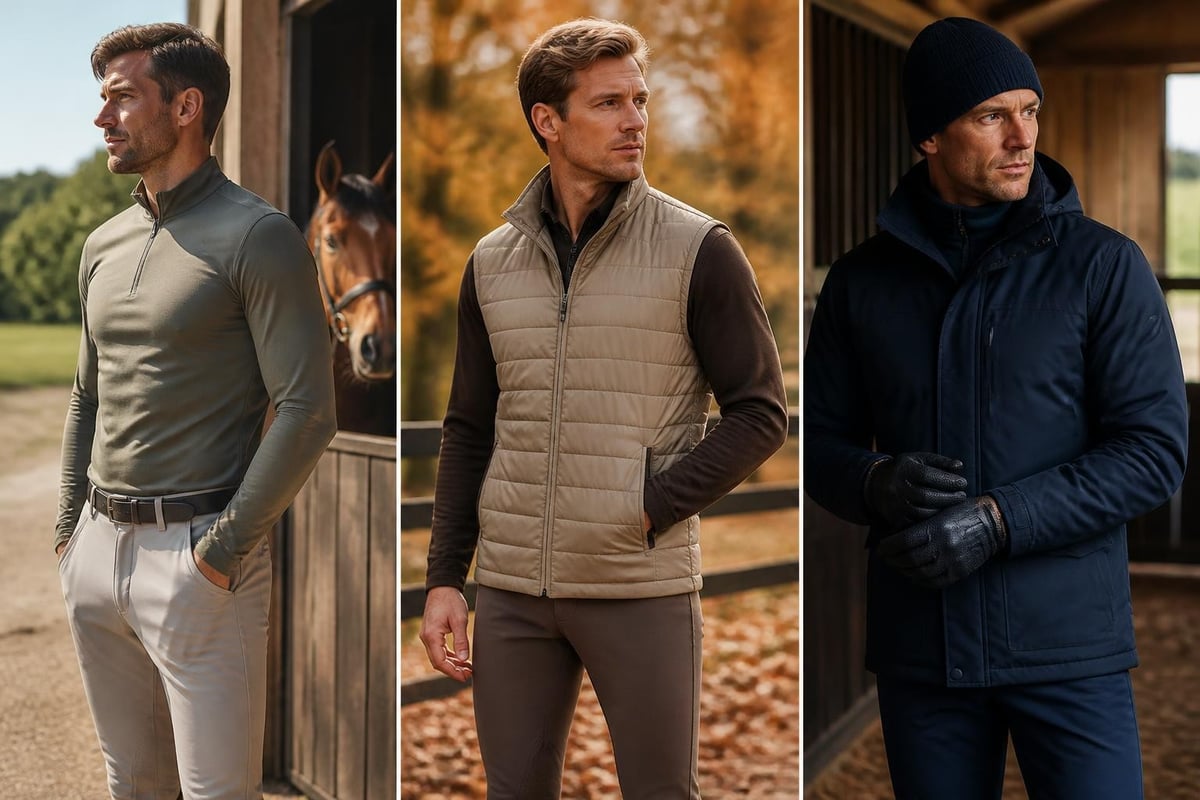
Winter breeches often feature fleece or thermal linings. Some riders prefer standard breeches with thermal tights underneath, maintaining consistent fit regardless of temperature. Both approaches work, with personal preference and typical riding conditions guiding the choice.
Practical Care and Maintenance
Proper care extends the life of quality horse riding clothes and maintains their performance characteristics.
Washing Best Practices
Technical fabrics require specific care. Wash breeches inside out to protect silicone grip areas. Use gentle cycles with cool or warm water, avoiding hot temperatures that can damage stretch fibres. Skip fabric softeners, which coat fibres and reduce moisture-wicking capabilities.
Air drying preserves elastic properties better than tumble drying. Hang breeches by the waistband, allowing them to dry naturally. Waterproof jackets benefit from periodic treatments with technical wash products that restore water repellency without damaging breathable membranes.
Storage Solutions
Clean, dry storage prevents mildew and maintains fabric integrity. Avoid leaving damp riding clothes in bags or lockers. Air out items between uses, particularly after sweaty rides or muddy conditions. Proper hanging prevents unnecessary creasing in show shirts and jackets.
Rotate your riding wardrobe to distribute wear evenly. Having multiple pairs of breeches allows each set to rest between uses, maintaining elastic recovery and extending overall lifespan. This approach proves more economical than wearing single pairs to destruction before replacement.
Smart Shopping Strategies
Building a functional wardrobe of horse riding clothes requires strategic planning.
Quality Indicators
Examine construction details before purchasing. Check seam quality, zip robustness, and fabric hand-feel. Quality materials have substance without excessive weight. They drape properly and spring back after stretching.
Brand reputation matters, particularly for technical pieces. Companies focused on equestrian clothing understand the specific demands riders face. Gallant Equestrian designs specifically for men who ride, addressing fit and functionality challenges that generic brands overlook.
Building Gradually
Start with essential pieces: two or three pairs of quality breeches, several base layers, and one excellent jacket. Add specialised items as needs arise. This approach prevents wardrobe overwhelm whilst ensuring you have functional kit for regular riding.
Consider seasonal purchases aligned with actual riding schedules. Buy winter layers in autumn when you'll use them, rather than mid-summer when requirements feel abstract. This timing helps match spending with genuine needs.
| Priority Level | Item Category | Suggested Quantity | Key Features |
|---|---|---|---|
| Essential | Breeches | 2-3 pairs | Quality fabric, proper grip, versatile colours |
| Essential | Base layers | 3-4 pieces | Moisture-wicking, varied sleeve lengths |
| Essential | Rain jacket | 1 quality piece | Waterproof, breathable, riding-specific cut |
| Important | Mid-layers | 2-3 pieces | Hoodies, sweatshirts, polos for layering |
| Important | Show shirt | 1-2 pieces | Competition-appropriate, proper fit |
| Optional | Seasonal specialists | As needed | Winter-weight layers, summer-specific pieces |
The Role of Fit in Performance
Poorly fitting horse riding clothes compromise both comfort and safety. Proper fit enhances position, reduces fatigue, and projects confident presentation.
Breeches Fit Details
The waistband should sit comfortably at natural waist level without requiring a belt to stay in place, though belt loops accommodate those who prefer extra security. Leg length needs to reach just below ankle bones when standing, preventing riding up when mounted. The seat should provide coverage without excess fabric, allowing clean contact with the saddle.
Test breeches by assuming riding position before purchase. Squat, lift knees, and check for restriction or exposure. Proper breeches move with you, providing support without constraint.
Upper Body Proportions
Shirts and jackets need sufficient shoulder room for arm movement without excess fabric through the body. Sleeve length should allow wrist freedom when arms extend forward in riding position. Look for designs with action backs or stretch panels that accommodate mounted posture.
The British Horse Society's practical guide offers useful baseline advice for everyday riding attire, reinforcing the importance of proper fit across all clothing categories.
Colour Strategy and Coordination
Strategic colour selection simplifies wardrobe coordination whilst maintaining professional appearance.
Foundational Neutrals
Build around navy, black, bone, and white. These colours coordinate effortlessly, allowing mix-and-match flexibility. Navy breeches pair equally well with white show shirts or casual technical tees. Black options provide versatile alternatives for both riding and daily wear.
Neutral bases allow accent pieces to shine when desired. A quality olive polo adds visual interest whilst maintaining sophisticated restraint. This approach builds cohesive wardrobes without requiring extensive planning for each outfit.
Practical Considerations
Light colours show dirt quickly, making them less practical for everyday stable work. Reserve whites and bones for competition and clean riding sessions. Darker tones hide inevitable mud and dust, suiting daily training and yard duties.
Consider your riding environment when selecting colours. Bright options increase visibility during hacking, particularly in low light. Hi-vis elements don't need to dominate your entire wardrobe, but strategic pieces enhance safety during road work and winter rides.
Your horse riding clothes should work as hard as you do, performing reliably in the saddle whilst maintaining style beyond the yard. The right combination of technical fabrics, proper fit, and versatile design creates a wardrobe that supports your riding and simplifies your daily routine. Gallant Equestrian builds exactly these pieces: performance-driven clothing designed specifically for men who ride, combining New Zealand craftsmanship with practical functionality. Whether you need competition-ready breeches or weather-resistant jackets that transition seamlessly from stable to street, the right kit makes every ride better. Look the Part. Enjoy the Ride.

