

Horse Riding Jackets for Men: The Complete 2026 Guide
Jul 03, 2026
Choosing the right riding jacket isn't just about looking sharp in the saddle. It's about finding gear that works as hard as you do, whether you're schooling at dawn, competing under pressure, or simply enjoying a weekend hack. Horse riding jackets for men have evolved beyond traditional competition wear into versatile pieces that combine technical performance with understated style. The right jacket adapts to your discipline, protects you from the elements, and transitions seamlessly from arena to everyday life. Understanding what makes a quality riding jacket means knowing your priorities, recognising the differences between styles, and investing in pieces built to last.
Understanding the Core Types of Riding Jackets
Not all horse riding jackets for men serve the same purpose. Your discipline and riding environment dictate which style suits you best.
Competition jackets represent the traditional end of the spectrum. These structured pieces follow strict guidelines for different disciplines, from dressage to show jumping. They're cut for a tailored fit that allows freedom of movement whilst maintaining a polished silhouette. Most feature technical fabrics that wick moisture and regulate temperature during intense rounds.
Softshell jackets offer versatility that appeals to riders who value function over formality. These lightweight layers provide wind resistance and breathability without the bulk of traditional coats. They're ideal for training sessions, casual rides, and transitional weather when you need protection without overheating.
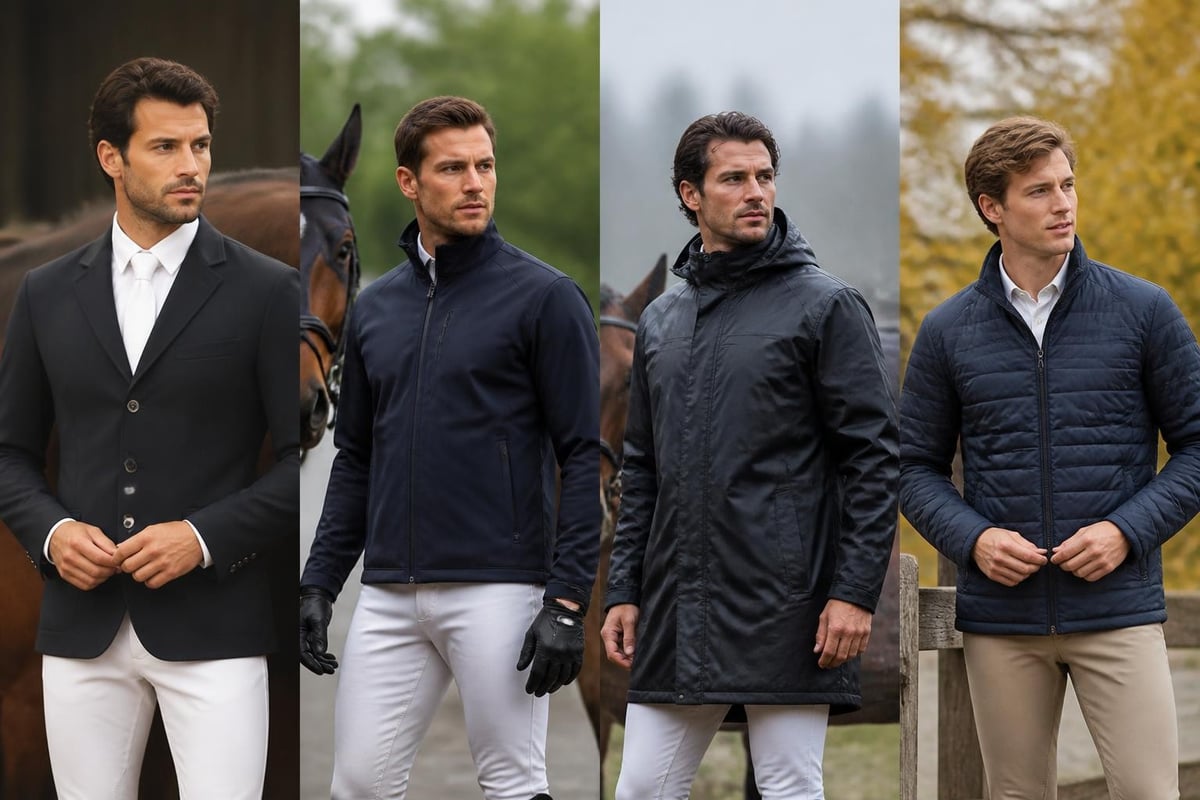
Waterproof riding coats become essential during wet seasons. Quality designs incorporate breathable membranes that keep rain out whilst allowing perspiration to escape. Look for longer cuts that provide coverage in the saddle and adjustable features that seal out weather without restricting movement.
Everyday riding jackets bridge the gap between technical performance and casual style. These pieces work equally well in the stable yard and the local pub, combining practical design elements from men's horse riding clothes with contemporary aesthetics that don't scream "equestrian" to the uninitiated.
Technical Features That Actually Matter
When evaluating horse riding jackets for men, certain features separate functional pieces from disappointing purchases.
Fabric Technology
Modern riding jackets incorporate advanced textiles that enhance comfort and performance. Four-way stretch fabrics move with your body rather than against it, crucial for maintaining proper riding position. Moisture-wicking properties draw sweat away from your skin, preventing the clammy discomfort that ruins concentration.
Temperature regulation matters more than many riders realise. Quality jackets use breathable materials that prevent overheating during vigorous riding whilst providing adequate insulation for cooler conditions. This balance keeps you comfortable through varying activity levels without constantly adding or removing layers.
Construction and Cut
The way a jacket is built determines how it performs in the saddle. Tailored shoulders allow for natural arm movement when holding reins or reaching forward. Longer backs prevent the jacket from riding up and exposing your lower back when seated. Side vents or stretch panels accommodate the riding position without creating excess fabric that bunches uncomfortably.
Reinforced areas at high-stress points extend a jacket's lifespan. Look for strengthened elbows and shoulders that withstand daily wear and the occasional brush against stable walls or fencing.
Weather Protection
Understanding how jackets handle different conditions helps you select appropriate pieces for your climate. Waterproof and breathable designs use membrane technology that keeps rain out whilst allowing moisture vapour to escape. This prevents the greenhouse effect common in basic waterproof materials.
Wind resistance becomes critical during winter rides or fast work. Jackets designed with wind-blocking outer layers maintain warmth without excessive insulation weight. Combined with breathable linings, these designs regulate temperature across varying conditions.
Choosing Jackets for Specific Disciplines
Different riding styles demand different jacket characteristics. Matching your jacket to your discipline ensures both compliance with standards and optimal performance.
Show Jumping and Eventing
These disciplines require jackets that move with dynamic riding. Competition show jackets feature shorter cuts that don't interfere with leg position and stretchy fabrics that accommodate forward riding positions. Traditional navy or black colours remain standard, though some competitions now permit subtle design details.
The show jacket guide explores how modern designs balance traditional aesthetics with technical performance. Look for jackets with mesh linings that provide ventilation during intense rounds and reinforced seams that withstand the rigours of competitive riding.
Dressage
Dressage jackets emphasise a longer, more formal cut that enhances the rider's line. Tailcoats remain traditional for higher levels, whilst swallowtail designs suit lower-level competitions. These jackets prioritise a polished appearance alongside functional stretch fabrics that accommodate the upright classical seat.
Consider jackets with discreet closures that maintain clean lines and fabrics that resist wrinkles between classes. Many riders keep competition jackets specifically for shows, rotating training jackets for daily work.
Casual Riding and Training
Training sessions allow more flexibility in jacket selection. Softshell designs provide weather protection without the formality of competition wear. These pieces often incorporate practical features like multiple pockets, adjustable hems, and reflective details for low-light riding.
Layering becomes important for training in variable conditions. A quality softshell jacket over a technical base layer often provides better temperature control than a single heavy coat.
Sizing and Fit Considerations
Proper fit transforms an adequate jacket into an excellent one. Horse riding jackets for men should accommodate the riding position whilst maintaining a sharp appearance when standing.
Shoulder and Chest Measurements
Shoulders should sit naturally without pulling or excess fabric. When reaching forward as if holding reins, the jacket shouldn't restrict movement or pull tight across the back. Chest measurements need to allow for layering underneath without appearing baggy.
Most quality brands provide detailed measurement guides. Take accurate measurements rather than relying solely on your usual clothing size, as riding jackets often fit differently from standard menswear.
Sleeve Length and Mobility
Sleeves should reach your wrist bone when arms are relaxed at your sides. In riding position, they'll naturally rise slightly but shouldn't expose your wrists. Test arm mobility by moving through typical riding motions before committing to a purchase.
Look for jackets with articulated sleeves or stretch panels that enhance natural movement. These design elements prevent binding when raising arms or reaching forward.
Torso Length
The jacket should cover your lower back when seated in riding position. Stand in a riding posture during fitting, as jackets that fit well whilst standing may be too short in the saddle. Back vents or stretch panels help maintain coverage without excess length that bunches when standing.
| Size Checkpoint | Correct Fit | Poor Fit |
|---|---|---|
| Shoulders | Seam sits on shoulder point | Pulls across back or droops |
| Sleeves | Covers wrist bone at rest | Exposes wrists or covers hands |
| Chest | Comfortable with base layer | Tight or excessively loose |
| Length | Covers lower back when seated | Rides up or bunches |
| Movement | Free arm motion in all directions | Restricts reaching or turning |
Material Selection and Durability
The fabrics used in horse riding jackets for men directly impact performance, comfort, and longevity. Understanding material properties helps you make informed choices.
Natural vs Synthetic Fabrics
Traditional wool blends offer natural breathability and a refined appearance suited to competition environments. These materials drape well and maintain their shape over time, though they require more careful maintenance than synthetic alternatives.
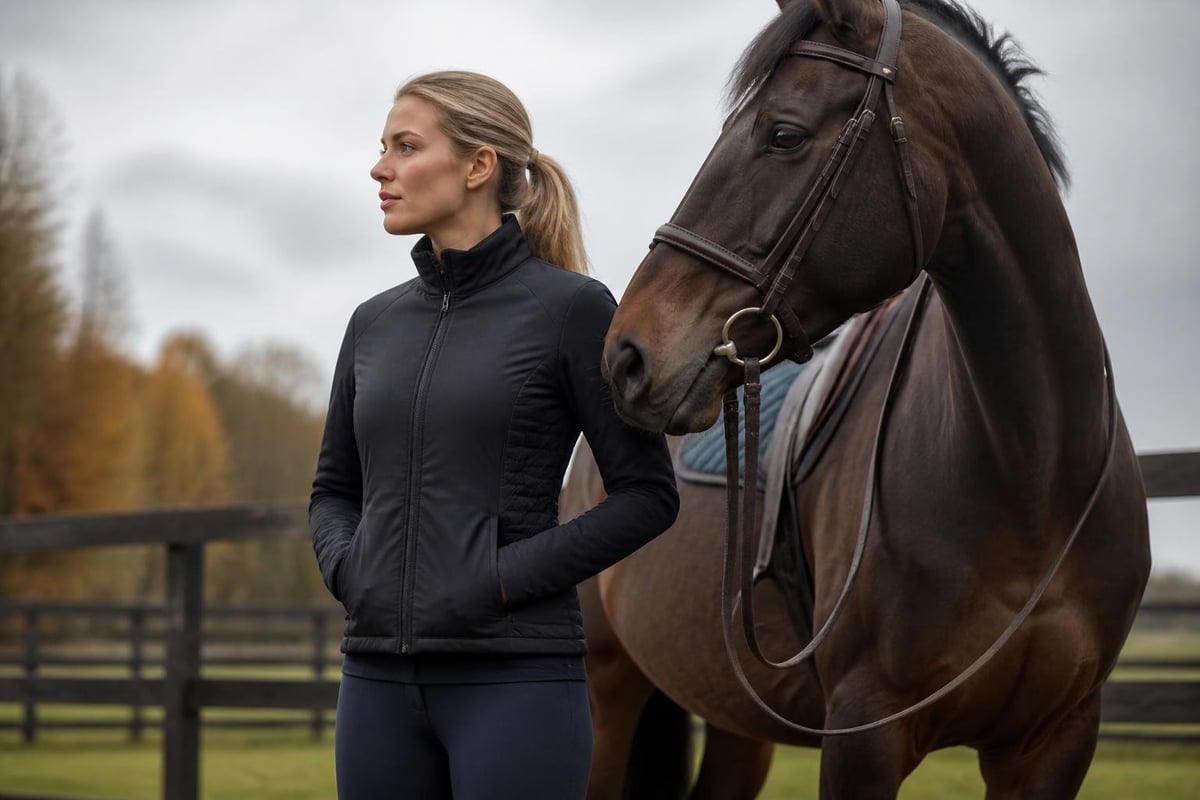
Synthetic fabrics like polyester and elastane blends provide stretch, moisture management, and easier care. Modern technical fabrics combine multiple properties, offering water resistance, breathability, and four-way stretch in single materials. These innovations have made synthetic options increasingly popular for both competition and training.
Waterproofing Technology
True waterproofing requires more than water-resistant coatings. Quality waterproof jackets use laminated membranes or dense weaves that prevent water penetration whilst maintaining breathability. Understanding waterproof ratings helps you select appropriate pieces for your climate.
Durable water repellent (DWR) treatments cause water to bead and roll off fabric surfaces. These treatments eventually wear away with use and washing but can be reapplied to maintain performance.
Stretch and Recovery
Fabrics containing elastane or spandex provide mechanical stretch that accommodates movement. The percentage of stretch fibre affects how much give the fabric has. Look for materials that return to their original shape after stretching rather than becoming baggy over time.
Four-way stretch, which extends both horizontally and vertically, offers superior mobility compared to two-way stretch. This becomes particularly important in jackets where you need freedom of movement in multiple directions.
Care and Maintenance Essentials
Proper care extends the life of quality horse riding jackets and maintains their performance characteristics.
Regular cleaning prevents dirt and sweat from degrading fabrics. Most technical jackets can be machine washed on gentle cycles with appropriate detergents. Avoid fabric softeners, which can clog breathable membranes and reduce moisture-wicking properties.
Store jackets on proper hangers that support shoulder shape. Avoid compressed storage that creates permanent creases or damages technical fabrics. Competition jackets benefit from garment bags that protect against dust and stable debris.
Waterproof treatments require periodic renewal. After washing, tumble drying on low heat can reactivate DWR coatings. When beading no longer occurs, apply fresh water-repellent treatment following manufacturer instructions.
Address minor repairs promptly. Small tears or loose seams worsen with continued use. Many technical fabric repairs can be handled with specialist patches or professional alterations that maintain weather-sealing properties.
Investment vs Budget Considerations
Horse riding jackets for men span a wide price range. Understanding what you're paying for helps justify investment in quality pieces.
Entry-Level Options
Budget jackets typically use simpler fabrics and construction methods. They serve riders adequately for occasional use or those new to the sport. Expect shorter lifespans and fewer technical features, but these pieces can meet basic needs whilst you determine your long-term requirements.
Consider entry-level jackets for training purposes, reserving investment pieces for competition or frequent use.
Mid-Range Quality
Mid-priced jackets often represent the sweet spot for regular riders. These pieces incorporate technical fabrics, thoughtful construction, and durability that justifies their cost. Gallant Equestrian's collection exemplifies this category, combining New Zealand design principles with performance-driven materials.
Expect these jackets to last multiple seasons with proper care and to perform well across various conditions. The balance of quality and value makes mid-range options popular amongst serious amateur riders.
Premium Investment Pieces
Top-tier jackets feature advanced materials, exceptional construction, and often bespoke sizing options. These pieces justify their cost through superior performance, longevity, and refined aesthetics. Competition riders frequently invest in premium show jackets that maintain their appearance through numerous events.
Consider premium options when you ride frequently, compete regularly, or simply value exceptional quality in your equipment.
| Price Tier | Typical Features | Best For | Expected Lifespan |
|---|---|---|---|
| Entry £80-150 | Basic fabrics, simple construction | Beginners, occasional riders | 1-2 seasons |
| Mid-Range £150-300 | Technical fabrics, quality construction | Regular riders, weekly use | 3-5 seasons |
| Premium £300-600 | Advanced materials, superior craftsmanship | Competitors, daily riders | 5+ seasons |
| Bespoke £600+ | Custom fit, finest materials | Serious competitors, professionals | 7+ seasons |
Seasonal Adaptations and Layering
Successfully managing temperature across seasons requires understanding how to layer and adapt your riding wardrobe.
Summer Considerations
Lightweight horse riding jackets for men in summer prioritise breathability over insulation. Look for mesh-lined designs that promote airflow and fabrics with high moisture-wicking capabilities. Light colours reflect heat better than dark ones, though many competition environments still require traditional navy or black.
Consider jackets with removable linings or ventilation features that adjust to temperature fluctuations during summer days. Some riders maintain separate lightweight competition jackets specifically for warm-weather shows.
Winter Layering Systems
Winter riding demands strategic layering rather than single heavy jackets. Base layers handle moisture management, mid-layers provide insulation, and outer jackets protect from wind and precipitation. This system allows you to adjust warmth by adding or removing layers.
Quality outer jackets designed for winter use incorporate wind-blocking fabrics whilst maintaining breathability. Longer cuts provide additional coverage, and adjustable cuffs seal out cold air. Some designs feature storm flaps or high collars that protect your neck without interfering with helmet fit.
Transitional Weather Solutions
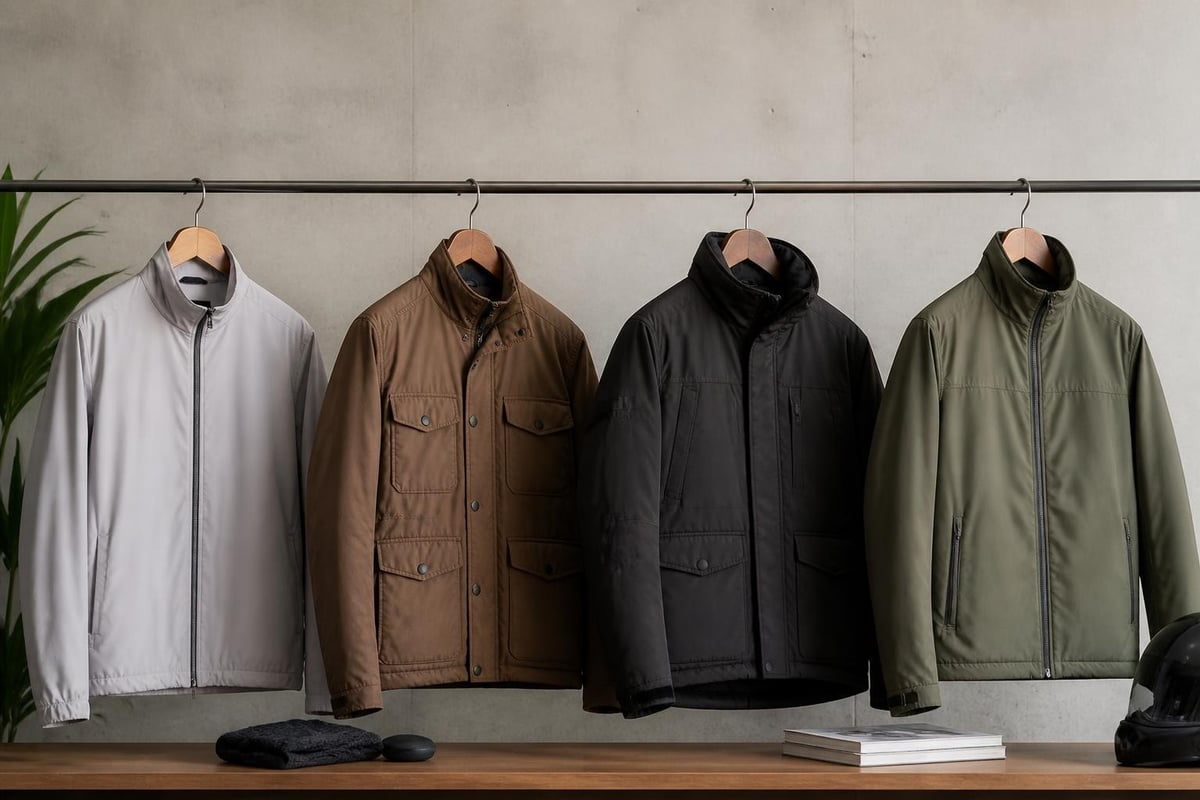
Spring and autumn present the most challenging conditions for jacket selection. Temperature swings from morning to afternoon can span twenty degrees. Versatile softshell jackets excel during these seasons, providing adequate warmth early whilst remaining comfortable as temperatures rise.
Look for jackets with pit zips or ventilation features that allow quick temperature adjustments without removing the jacket entirely. These details prove invaluable during long riding sessions in variable conditions.
Style Beyond the Arena
Modern horse riding jackets for men increasingly blur the line between specialist riding gear and everyday outerwear. This versatility extends the value of quality pieces beyond stable hours.
Contemporary designs incorporate equestrian functionality into aesthetics that work in casual settings. Subtle branding, refined cuts, and neutral colours allow jackets to transition from arena to social situations without appearing out of place. The balance between style and function defines modern men's equestrian wear.
Consider how jackets coordinate with your broader wardrobe. Quality riding jackets pair naturally with jeans, chinos, and casual trousers, making them practical choices for everyday wear. This versatility justifies investment in well-designed pieces that serve multiple purposes.
Details matter when selecting jackets for dual use. Avoid overtly equestrian elements like contrast piping or large logos if you want pieces that work off-horse. Instead, look for clean lines, quality hardware, and subtle design touches that communicate refinement without shouting "rider" to casual observers.
Smart Shopping Strategies
Finding the right horse riding jackets for men requires more than browsing online galleries. Strategic shopping ensures you get appropriate pieces at fair prices.
Timing Your Purchases
End-of-season sales offer significant savings on quality jackets. Buying winter gear in spring or summer pieces in autumn often yields discounts of thirty to fifty percent. This requires planning ahead and knowing your sizing, but the savings justify the approach.
Mid-season purchases allow you to test jackets in actual riding conditions before committing. Trying jackets during similar weather to their intended use reveals performance characteristics that showroom evaluations miss.
Online vs In-Person Fitting
Online shopping provides convenience and often broader selection, but fitting challenges increase with technical riding wear. If buying online, verify return policies before ordering and consider purchasing multiple sizes initially. The cost of return shipping often proves worthwhile compared to keeping an ill-fitting jacket.
In-person fitting allows you to assess movement, check construction quality, and receive immediate sizing guidance. When possible, wear riding attire to fittings and move through typical riding motions to evaluate comfort properly.
Reading Between Review Lines
Customer reviews provide valuable insights, but reading them critically matters. Look for reviews from riders with similar builds and disciplines to yours. Pay attention to comments about sizing consistency, durability over time, and how jackets perform after multiple washes.
Be wary of reviews focused purely on aesthetics without mentioning performance. A jacket that looks sharp but fails functionally won't serve you well regardless of its appearance.
Quality Markers Worth Checking
Certain construction details indicate whether a jacket will perform reliably or disappoint after minimal use.
Examine stitching quality, particularly at stress points like armholes and shoulder seams. Even, tight stitching without loose threads suggests careful construction. Reinforced bartacks at pocket corners and vent openings prevent tearing under strain.
Check hardware quality on zips, buttons, and closures. Metal zips generally outlast plastic alternatives, whilst quality buttons should be securely attached with reinforced stitching. Test zips through their full range to ensure smooth operation.
Inspect lining attachment. Quality jackets feature fully finished linings that don't shift or bunch with wear. Loose or poorly attached linings indicate corners cut during manufacturing that often correlate with other quality shortcomings.
Feel fabric weight and drape. Quality materials have substance without excessive bulk. They should feel smooth rather than papery and return to shape after bunching. Thin, flimsy fabrics rarely deliver adequate durability or weather protection.
Building Your Jacket Rotation
Most serious riders benefit from maintaining several jackets suited to different purposes rather than trying to find one piece that does everything adequately.
A basic rotation includes a competition jacket that meets show requirements for your discipline, a waterproof coat for wet conditions, and a versatile softshell or everyday jacket for training. This foundation covers most riding scenarios without excessive investment.
As your wardrobe expands, consider adding specialised pieces. A lightweight summer competition jacket prevents overheating during warm-weather shows. An insulated winter training jacket handles the coldest conditions. These additions enhance comfort and performance in specific situations.
Store different jackets appropriately for their construction. Competition jackets benefit from padded hangers and garment bags. Waterproof coats need proper drying after use to prevent mildew. Technical fabrics should be stored in cool, dry locations away from direct sunlight that can degrade performance properties.
Rotate jackets based on conditions and purpose rather than wearing favourites exclusively. This distributes wear across multiple pieces, extending the overall lifespan of your wardrobe whilst ensuring you always have appropriate options available.
The right jacket enhances every aspect of your riding, from performance in the saddle to confidence in the arena. Quality pieces deliver protection, comfort, and style that justify their investment through years of reliable service. Whether you're building your first proper riding wardrobe or upgrading worn favourites, understanding what makes horse riding jackets for men genuinely functional ensures you make choices you'll appreciate ride after ride. Gallant Equestrian designs performance-driven riding wear for men who value pieces that work as hard as they do, combining New Zealand craftsmanship with technical innovation that transitions seamlessly from stables to everyday life.

