

Horse Riding Outfit Men: The Complete Kit Guide 2026
Aug 17, 2026
Getting dressed for riding shouldn't feel complicated. A proper horse riding outfit men can rely on balances safety, comfort, and style without compromise. Whether you're hacking out on a crisp morning, schooling in the arena, or competing at the weekend, the right kit makes all the difference. Understanding what goes into a complete riding wardrobe helps you invest wisely in pieces that perform when it matters and look sharp doing it.
Building Your Core Riding Wardrobe
Every rider needs foundation pieces that work across different scenarios. Start with what touches the saddle directly. Your breeches form the cornerstone of any horse riding outfit men depend on daily. Look for four-way stretch fabric that moves with you, flatlock seams that won't chafe, and a silicone knee patch or full seat for grip. Modern technical fabrics wick moisture brilliantly while maintaining shape through countless rides and washes.
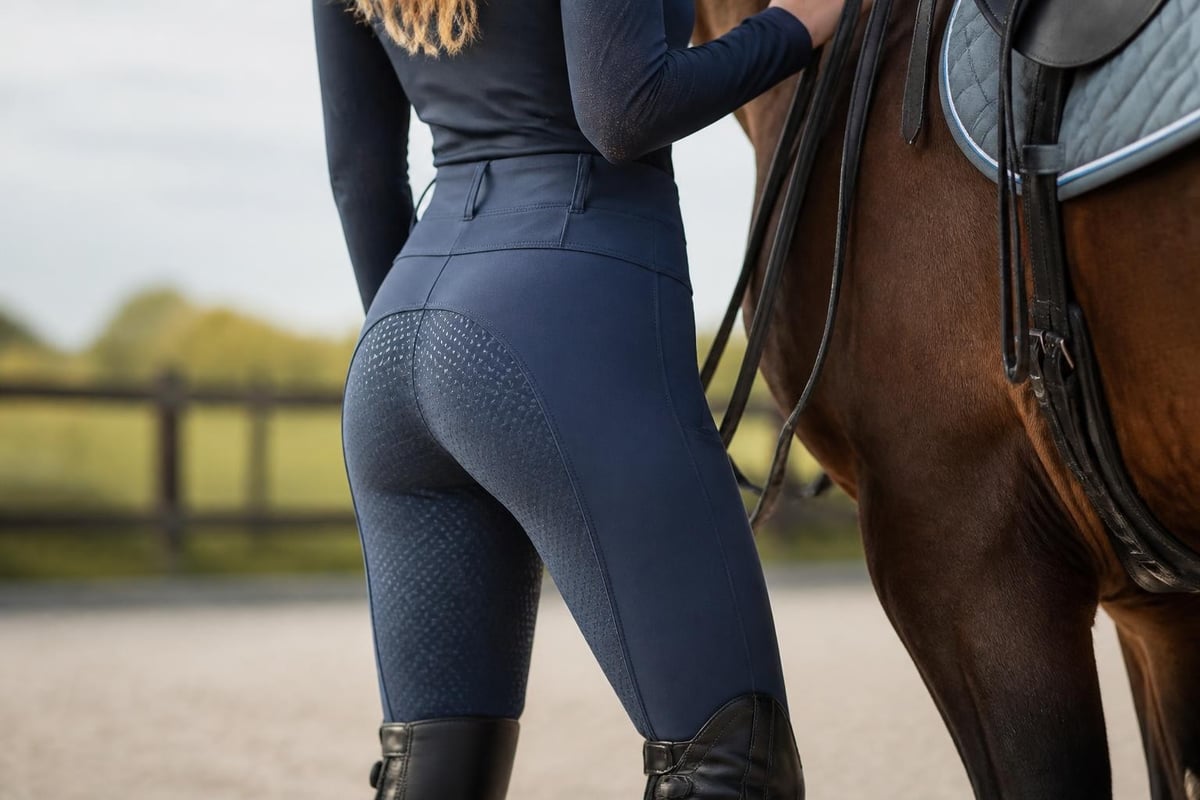
The colour choice matters less than fit. Navy, black, and grey remain practical selections that hide dirt and pair easily with everything else in your kit. Fit should be snug without restriction - you want enough compression to prevent bunching but freedom to mount and dismount smoothly. Properly fitted breeches eliminate the friction that leads to discomfort during longer sessions.
Footwear Foundation
Your boots connect you to the stirrups and protect your ankles. Tall boots offer traditional elegance and maximum coverage, while short boots with chaps provide versatility and easier breaking-in. Either choice demands a leather or synthetic upper with a defined heel that prevents your foot slipping through the stirrup. The sole should offer grip without excessive tread that might catch.
Breaking in new boots takes patience. Wear them around the house, use boot stretchers, and apply leather conditioner to speed the process. Many riders keep a paddock boot and half-chap combination for daily riding, reserving tall boots for competitions or formal occasions. This practical approach extends the life of your premium boots while maintaining comfort in your everyday horse riding outfit men need for regular sessions.
Layering for British Weather
Our climate demands adaptability. Morning frost can give way to afternoon sun within hours, and rain appears with little warning. Successful layering starts next to your skin with a performance base layer that regulates temperature and manages sweat. Merino wool excels in cooler months, while technical synthetics work year-round.
Your mid-layer provides insulation without bulk. Fitted fleeces, technical gilets, and lightweight down pieces slip easily under jackets. Choose pieces with minimal external seams and flat pockets that won't interfere with your position or create pressure points. The British Horse Society recommends layering over single heavy garments for better temperature control throughout your ride.
Outerwear That Performs
Your riding jacket serves multiple purposes: wind protection, water resistance, and freedom of movement. Technical riding jackets extend at the back to cover your lower back when mounted, feature stretch panels at shoulders and elbows, and often include a two-way zip that accommodates sitting position. Soft-shell fabrics bridge the gap between fleece and hard-shell, offering excellent breathability with weather resistance.
Consider your primary riding environment when selecting outerwear. Arena riders might prioritise lightweight breathability, while those hacking across open countryside need robust waterproofing. Many riders maintain two or three jackets for different conditions rather than seeking one piece that does everything adequately but nothing brilliantly.
| Layer Type | Purpose | Key Features | Best For |
|---|---|---|---|
| Base | Moisture management | Wicking fabric, fitted cut | Year-round use |
| Mid | Insulation | Lightweight, compressible | Spring, autumn, winter |
| Outer | Weather protection | Water-resistant, stretch panels | Wet or windy conditions |
| Competition | Presentation | Technical fabric, tailored fit | Shows and events |
Safety Elements That Matter
Protection shouldn't be an afterthought in any horse riding outfit men assemble. Your helmet represents the single most critical safety investment. Modern riding helmets meet strict safety standards while offering improved ventilation, adjustability, and aesthetics compared to older designs. Replace helmets every five years or immediately after any impact, regardless of visible damage.
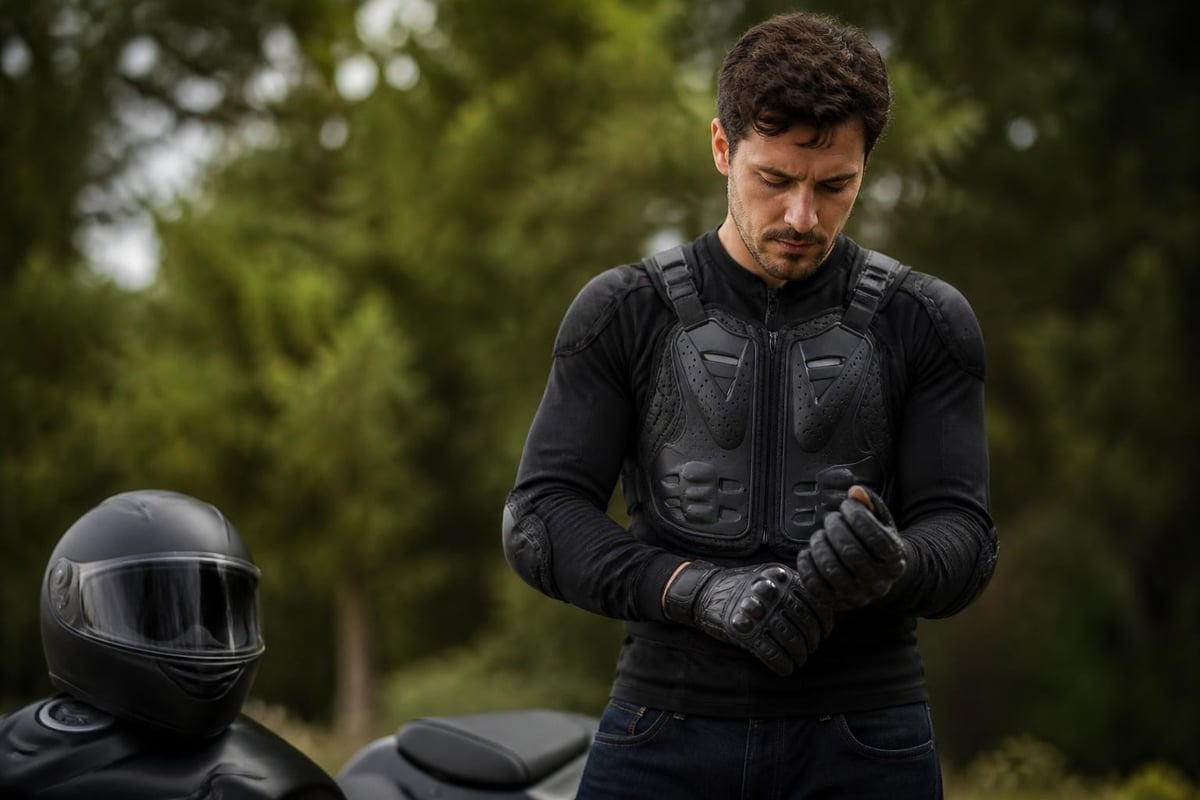
Body protectors add another layer of security, particularly for cross-country riding, breaking young horses, or general hacking. European safety standards specify performance requirements for protective clothing, ensuring certified products meet minimum impact absorption thresholds. Choose a vest that fits snugly without restricting breathing or arm movement. Modern designs sit comfortably under jackets without excessive bulk.
Gloves complete the safety picture by improving grip and protecting your hands from reins, weather, and the occasional unexpected tug. Leather provides durability and develops character with use, while synthetic alternatives often offer better wet-weather performance and simpler care. Your hands control your horse - keeping them warm, dry, and protected maintains that crucial connection.
Competition and Show Requirements
Stepping into the show ring elevates standards considerably. Competition attire follows specific conventions that vary by discipline. Dressage typically requires white or light-coloured breeches, a show jacket, stock tie, and tall boots. Show jumping allows more flexibility with coloured breeches and jackets in navy or black. Eventing demands different attire across its three phases.
Understanding equestrian competition apparel standards prevents costly mistakes when building your show wardrobe. Tailoring makes a noticeable difference at this level. A well-fitted show jacket with proper shoulder line, sleeve length, and waist suppression presents a polished appearance that complements your riding rather than distracting from it.
Show Day Essentials
Your competition horse riding outfit men prepare for events needs backup options. Pack an extra shirt, spare gloves, and a second stock or tie. Weather conditions might force last-minute changes - having alternatives in your lorry saves stress. Polish your boots the night before and check all studs, buttons, and fastenings.
Presentation matters as much as performance. Clean, pressed clothing signals respect for the sport, the judge, and your competitors. Many riders keep their competition kit separate from daily training gear, extending its life and ensuring it's always ready for the next event. This approach also maintains the psychological separation between training mode and competition mindset.
Transitioning from Stables to Everyday
Modern riding clothing increasingly bridges the gap between equestrian function and everyday style. Technical fabrics developed for riding perform brilliantly in daily life. Equestrian show attire principles of fit, quality, and attention to detail translate seamlessly to business casual and weekend wear.
Riding jeans and casual breeches with more relaxed cuts work for quick stable visits without the full kit. Polo shirts, quarter-zips, and casual jackets from equestrian ranges incorporate riding-specific features like longer backs and stretch panels while looking perfectly at home in non-riding contexts. This versatility matters when you're fitting riding into a busy schedule.
Choose neutral colours and classic styles that mix easily with both riding and casual pieces. A navy quilted jacket works equally well over breeches as it does with jeans. Quality leather boots transition from stirrup to high street without missing a beat. Building a capsule wardrobe around versatile pieces reduces clutter and simplifies getting dressed for any situation.
Fabric Technology and Performance
Understanding what makes riding clothing work helps you make informed choices. Four-way stretch allows movement in all directions, crucial when mounting, dismounting, and maintaining position. Moisture-wicking pulls sweat away from your skin, preventing that clammy feeling during intense sessions or warm weather. Water-resistance keeps you dry without the breathability compromise of full waterproofing.
Durability matters enormously in riding kit. Reinforced areas at knees, seat, and inner legs withstand constant friction against leather and horse. Flatlock seams lie flush to prevent chafing. Quality zippers and closures survive repeated use without failure. All About Horses notes that investing in technical fabrics designed specifically for riding pays dividends in comfort and longevity compared to adapting general sportswear.
Care and Maintenance
Proper care extends the life of your horse riding outfit men invest in significantly. Wash technical fabrics according to label instructions - usually cold water, gentle cycle, and air drying. Avoid fabric softeners that can coat wicking fibres and reduce performance. Treat leather boots and accessories with appropriate conditioners to maintain supplicity and water resistance.
| Item | Washing Frequency | Special Care | Expected Lifespan |
|---|---|---|---|
| Breeches | After 2-3 rides | Cold wash, air dry | 2-3 years |
| Base layers | After each ride | Standard wash | 1-2 years |
| Riding shirts | After 1-2 rides | Follow care label | 2-4 years |
| Jackets | As needed | Spot clean, occasional wash | 3-5 years |
| Boots | Weekly | Condition leather, check stitching | 5-10 years |
Seasonal Adjustments
Winter riding demands additional layers and weather protection. Thermal base layers, insulated gilets, and waterproof outer shells become essential. Hand and foot warmers tucked into boots and gloves take the edge off particularly bitter mornings. Don't sacrifice safety for warmth - ensure bulky layers still allow proper helmet fit and don't restrict your ability to move quickly if needed.
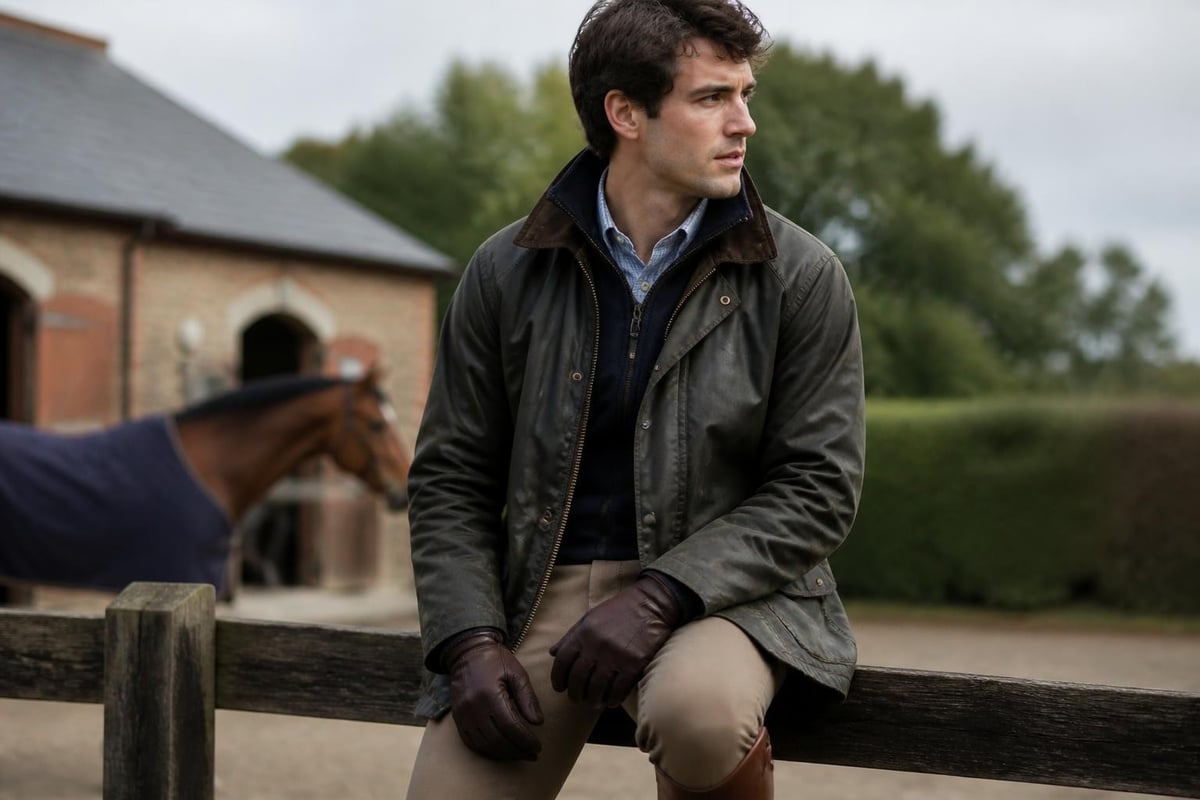
Summer presents different challenges. Lightweight, breathable fabrics prevent overheating without compromising protection. Long sleeves in UV-resistant fabric often prove more comfortable than short sleeves, preventing sunburn during extended outdoor sessions. Ventilated helmets with removable liners help manage heat while maintaining safety standards.
Spring and autumn require the most versatile horse riding outfit men can assemble. Temperature swings of ten degrees or more within a single ride demand adaptable layering. Packable jackets that stuff into a small bag, lightweight fleeces, and convertible pieces earn their place during these transitional months.
Fit, Function, and Personal Style
While tradition informs much of riding wear, personal style still plays a role. Modern riding clothing offers choices in cut, colour, and details that allow expression within appropriate boundaries. Fit remains paramount - the most stylish jacket becomes a liability if it restricts your position or causes discomfort.
Work with your build rather than against it. Tall riders often need longer rise in breeches and extended sleeve options in jackets. Shorter riders benefit from cropped styles and proportionally scaled pieces. Athletic builds require different cut considerations than average proportions. Liberty University's equestrian dress code guide emphasises that proper fit contributes both to safety and the professional appearance expected in equestrian sport.
Quality Over Quantity
Building a complete horse riding outfit men can depend on doesn't happen overnight. Prioritise core pieces in versatile colours and styles before adding specialty items. Three pairs of well-fitted breeches serve better than six poor-fitting alternatives. Two jackets appropriate for different conditions beat a wardrobe full of mediocre options that never quite work.
Quality construction costs more upfront but delivers value through longevity and performance. Examine stitching, hardware, and fabric before purchasing. Read reviews from other riders. Try items on if possible, simulating riding position to check for restriction or discomfort. Equifactory's guide to casual riding attire reinforces that thoughtful selection of fewer, better pieces creates a more functional wardrobe than impulse purchases.
Investment Planning
Consider your riding frequency, discipline, and goals when budgeting for kit. Daily riders need durable, easy-care pieces that withstand frequent use. Weekend riders might invest more in versatile items that transition to casual wear. Competitive riders require discipline-specific show kit alongside training gear.
Spread major purchases across seasons rather than buying everything at once. Replace worn items before they fail completely. Take advantage of end-of-season sales for next year's gear. Many riders find that investing in premium basics - breeches, boots, base layers - while choosing mid-range options for trendy or frequently updated pieces strikes the right balance.
Monitor fit as you progress in riding. Developing strength and changing position might necessitate size adjustments. Don't persist with ill-fitting kit out of frugality - comfort and safety justify replacement when items no longer serve their purpose properly.
The right horse riding outfit men can trust combines safety, performance, and style without compromise. From foundation pieces that perform ride after ride to specialized kit for competition, building your wardrobe thoughtfully ensures you're prepared for any equestrian situation. Gallant Equestrian designs performance-driven clothing specifically for men who ride, creating pieces that transition seamlessly from stable to everyday life while delivering the functionality serious riders demand. Look the Part. Enjoy the Ride.

