

Riding Pants for Horses: The Complete Guide for Men
Aug 18, 2026
The right riding pants for horses can transform your experience in the saddle. For men serious about equestrian sport, proper riding trousers aren't just about tradition - they're essential equipment that impacts comfort, grip, and performance. Whether you're navigating dressage movements, tackling cross-country courses, or spending long hours training, understanding what makes quality riding pants exceptional helps you make informed choices that enhance your riding and last through countless sessions.
Understanding Riding Pants for Horses
Men's equestrian clothing has evolved significantly from the traditional jodhpurs of previous decades. Modern riding pants for horses combine technical fabrics with ergonomic design to create garments that support natural movement whilst providing the grip and durability serious riders demand. The term encompasses everything from full-seat breeches to knee-patch designs, each serving specific disciplines and preferences.
The fundamental difference lies in construction. Purpose-built riding trousers feature reinforced inner legs, strategic stretch zones, and carefully positioned seams that prevent chafing during extended riding sessions. Generic athletic wear simply cannot replicate these targeted design elements that make proper equine breeches essential for anyone spending serious time in the saddle.
Why Generic Trousers Fall Short
Standard trousers create friction, bunch awkwardly, and lack the grip required for effective communication with your horse. The inner seams of regular jeans sit exactly where your leg contacts the saddle, creating discomfort that worsens over time. Many riders initially attempt to economise with ordinary athletic wear, only to discover that specialized riding pants for horses aren't an optional luxury but a practical necessity.
Professional riding demands trousers that move with you, not against you. The stretch panels, flat-lock seaming, and anatomical shaping found in quality riding pants eliminate the resistance and discomfort that undermine your position and distract from riding well.
Material Technology and Performance
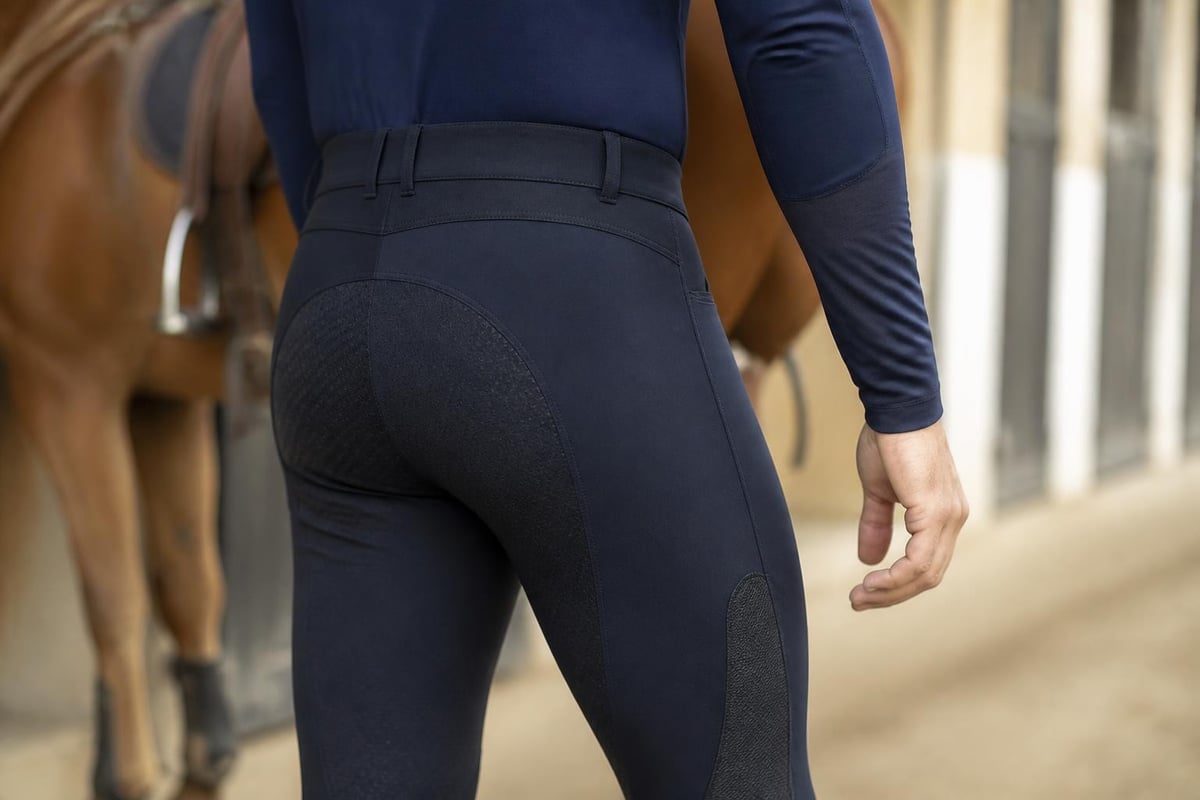
The fabrics used in contemporary riding pants for horses represent substantial technological advancement. Modern technical textiles manage moisture, regulate temperature, and provide four-way stretch whilst maintaining shape and structure through repeated washing and wear.
High-performance blends typically combine:
Polyamide or nylon provides durability and excellent shape retention, forming the foundation of most quality riding trousers. These synthetic fibres resist abrasion from stirrup leathers and saddle contact whilst maintaining their form even after extensive use.
Elastane or spandex delivers the stretch required for mounting, posting, and deep seats. Premium riding pants incorporate between 10-20% elastane, creating garments that move naturally with your body without becoming baggy or losing compression over time.
Cotton content, when included, adds breathability and comfort against skin. However, pure cotton lacks the performance characteristics necessary for serious riding. The most effective riding pants for horses use cotton sparingly, if at all, prioritizing technical fabrics that wick moisture and dry quickly.
Seasonal Considerations
Summer-weight riding trousers utilize lightweight, breathable fabrics that prevent overheating during warm weather sessions. Mesh panels in strategic locations enhance airflow without compromising the grip or structure essential for effective riding. Winter options incorporate brushed linings or thermal layers that provide warmth without adding bulk that interferes with leg contact.
Understanding how different materials perform throughout the year helps you build a practical wardrobe that maintains comfort and performance regardless of weather conditions.
Grip Technology and Seat Design
The seat area distinguishes exceptional riding pants for horses from mediocre alternatives. Two primary approaches dominate contemporary designs - full-seat and knee-patch - each offering distinct advantages depending on discipline and preference.
Full-Seat Breeches
Full-seat designs feature grip material extending from the waistband through the seat and down the inner leg to just above the knee. This comprehensive coverage provides maximum stability and security, particularly valuable for dressage riders and those working young or unpredictable horses. The continuous grip surface enhances your ability to maintain position during extended sitting work and complex movements.
Silicon or leather grip materials adhere to the saddle without restricting movement. Modern silicon prints create patterns ranging from subtle textures to bold geometric designs, balancing aesthetic appeal with functional performance. Traditional leather seats offer classic appearance whilst providing excellent grip, though they require more maintenance than synthetic alternatives.
Knee-Patch Options
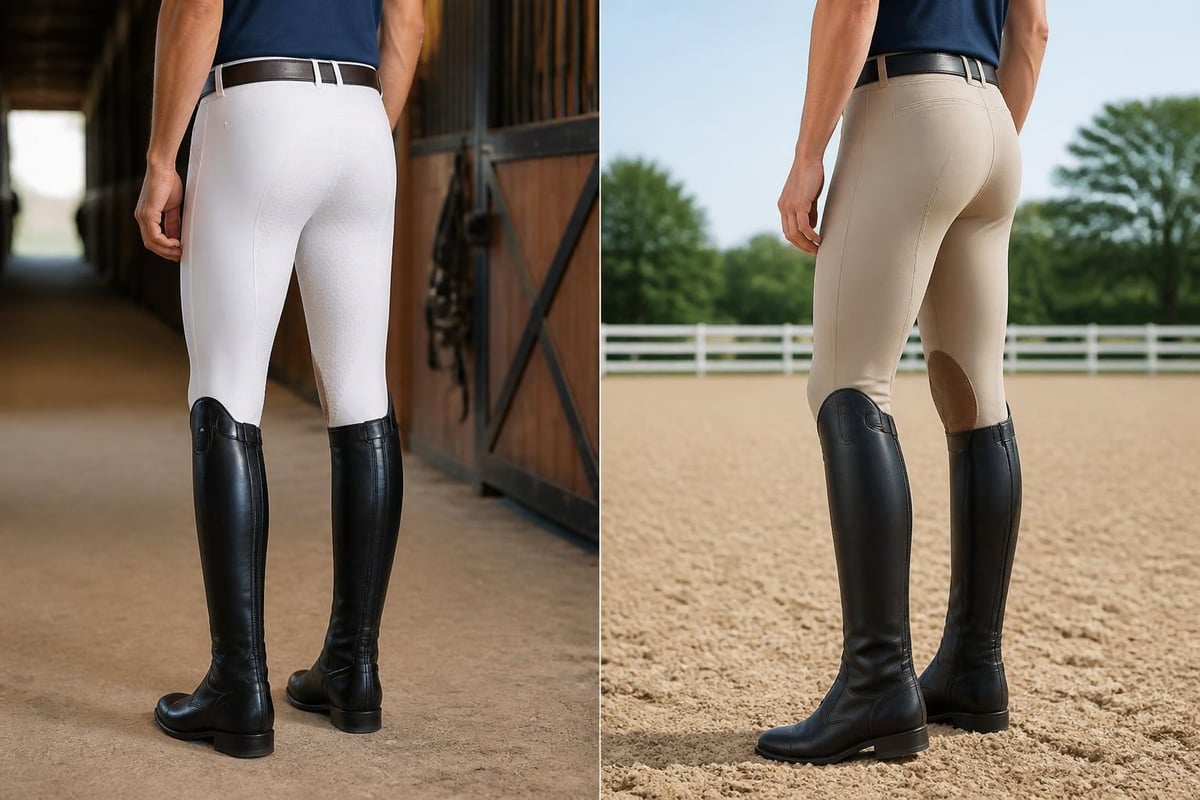
Knee-patch breeches concentrate grip material in targeted areas corresponding to primary contact points during posting and two-point position. This design allows greater freedom through the seat, appealing to show jumpers, eventers, and riders who prefer less restrictive feel during faster work.
The reduced grip coverage creates cooler wear during summer months whilst maintaining security where it matters most. Many riders find knee-patch designs versatile enough for varied disciplines, making them excellent choices for those participating in multiple equestrian activities.
Fit and Sizing Fundamentals
Proper fit separates riding pants for horses that enhance your riding from those that hinder it. Men's equestrian clothing should feel like a second skin - snug enough to eliminate wrinkles and bunching yet comfortable enough for hours of active movement without restriction or discomfort.
Start with accurate measurements. Waist circumference, inseam length, and thigh measurement form the foundation for selecting appropriate size. Premium brands recognize that riders come in varied builds, offering sizing that accommodates athletic legs and different torso lengths rather than generic proportions that fit few men properly.
The waistband should sit comfortably at your natural waist without requiring a belt to maintain position. Excessive tightness creates discomfort during sitting work, whilst loose waistbands shift and bunch. Quality riding pants incorporate shaped waistbands that contour to male anatomy, preventing gapping at the back and eliminating the need for constant adjustment.
Rise and Leg Length
Mid to higher rise designs provide coverage that prevents exposure when posting or leaning forward. Low-rise riding trousers may feel contemporary but often reveal too much during normal riding movements, creating awkward situations during lessons and competitions.
Appropriate leg length finishes just below the ankle bone, accommodating tall boots without excess fabric bunching at the knee or calf. Some specialized riding pants incorporate adjustable leg closures or stirrup foot loops that maintain proper position throughout active riding sessions.
Style Transitions and Versatility
Contemporary riding pants for horses extend beyond purely functional considerations. Modern designs incorporate clean lines and refined aesthetics that transition seamlessly from stable to casual settings, eliminating the need to change after riding unless absolutely necessary.
Neutral colours - navy, charcoal, and black - provide versatility for both competitive and everyday riding. These classic tones coordinate effortlessly with various jacket and shirt combinations whilst maintaining professional appearance suitable for any equestrian setting. Subtle contrast stitching and discrete logo placement add visual interest without compromising the sophisticated appearance serious riders prefer.
Performance fabrics that resist staining and maintain colour intensity simplify wardrobe management. Quality riding pants should withstand regular washing without fading or losing shape, maintaining presentable appearance through years of consistent use rather than requiring replacement after a single season.
Competition Requirements
Understanding dress codes for your chosen discipline ensures your riding pants meet competition standards. Dressage typically requires lighter colours - white, beige, or cream - particularly at higher levels. Show jumping and eventing permit darker tones, with specific regulations varying by organizing body and competition level. Equestrian show attire guidelines provide detailed information about appropriate choices for formal competition settings.
Investing in neutral, well-constructed riding pants for horses that comply with multiple discipline requirements creates a versatile wardrobe foundation that adapts to varied competitive and training contexts without requiring extensive specialized collections.
Maintenance and Longevity
Proper care extends the functional life of quality riding pants significantly. Technical fabrics require specific handling to maintain their performance characteristics and appearance through repeated use and washing.
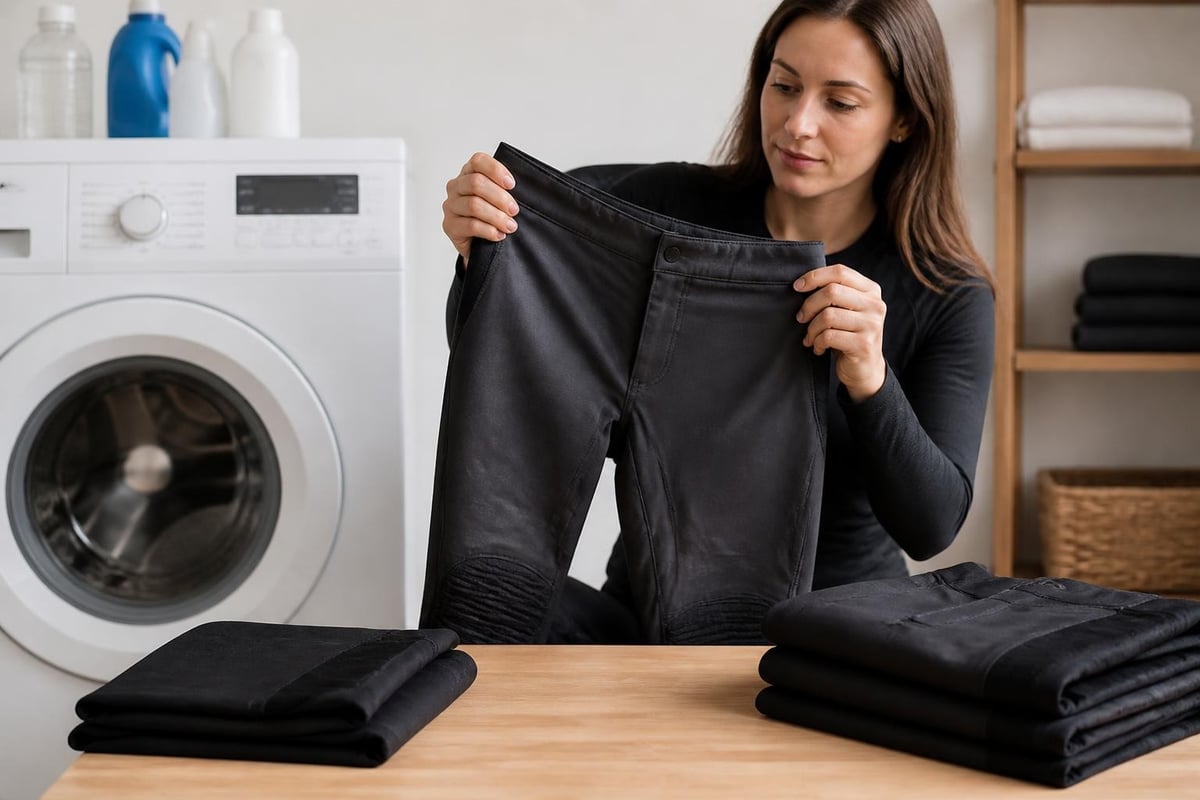
Wash riding trousers inside-out using cool water and gentle detergent. Avoid fabric softeners, which coat technical fibres and reduce moisture-wicking capabilities. Similarly, skip bleach products that weaken elastic components and fade colours prematurely. Most riding pants for horses benefit from air drying rather than machine tumbling, which can damage elastane fibres and silicon grip surfaces over time.
Remove dirt and debris promptly after riding sessions. Allowing mud to dry completely before laundering makes removal more difficult and increases wear on fabric surfaces. Spot-treating stains immediately after they occur prevents permanent discolouration that compromises professional appearance.
Storage Practices
Fold riding trousers along natural seam lines rather than hanging, which can stretch waistbands and distort shape. Store in cool, dry locations away from direct sunlight, which degrades elastic components and fades colours. Proper storage between uses maintains the tailored fit and performance features that distinguish quality riding pants for horses from lesser alternatives.
Investment Considerations
Quality riding pants for horses represent genuine investment in your equestrian pursuits. Premium options command higher initial prices but deliver superior comfort, durability, and performance that justify the additional cost through extended useful life and enhanced riding experience.
Consider cost per wear rather than purchase price alone. Inexpensive riding trousers that lose shape after several washes or develop worn grip patches within months ultimately prove more costly than well-constructed alternatives that maintain performance through years of regular use. The best riders recognize that quality breeches form essential equipment deserving the same investment consideration as saddles and boots.
Building a Practical Wardrobe
Most serious riders benefit from maintaining three to four pairs of riding pants in rotation. This quantity allows regular washing without constantly wearing damp or recently laundered trousers whilst ensuring backup options when favourite pairs require repair or replacement. Include both full-seat and knee-patch designs if you participate in multiple disciplines, along with seasonal variations appropriate for your climate.
Neutral colours provide maximum versatility, coordinating with various shirts, jackets, and boots without requiring extensive matching considerations. A foundation of navy and charcoal creates flexible options suitable for everything from casual schooling sessions to formal competitions.
Finding Your Perfect Fit
Discovering riding pants for horses that genuinely enhance your riding requires trying multiple options. Body proportions vary significantly among riders, and brands interpret sizing differently. What works perfectly for one rider may fit awkwardly on another with similar measurements.
Many riders explore various styles before identifying their preferred combination of rise, leg length, and grip configuration. This experimentation process proves worthwhile, as truly well-fitted riding trousers transform comfort and confidence in the saddle.
Pay attention to how breeches perform during actual riding rather than simply standing in front of mirrors. Mount your horse, work through your normal training routine, and evaluate comfort during varied movements. Riding pants should disappear from your awareness, allowing complete focus on riding rather than constant adjustment or repositioning.
Premium manufacturers stand behind their products with reasonable return policies that accommodate sizing exchanges. Take advantage of these provisions to ensure proper fit rather than settling for adequate when excellent options exist.
Selecting appropriate riding pants for horses significantly impacts your comfort, performance, and enjoyment in the saddle. The right combination of materials, fit, and features supports rather than hinders your riding whilst maintaining the professional appearance serious equestrians demand. When you're ready to invest in riding trousers that deliver genuine performance alongside refined style, Gallant Equestrian offers New Zealand-designed breeches built specifically for men who refuse to compromise on quality or fit. Look the Part. Enjoy the Ride.

