

Equestrian Jacket Guide: Style & Performance for Men
Aug 19, 2026
The equestrian jacket has evolved from a purely functional piece of riding kit into something far more sophisticated. Modern riders expect their jackets to perform under pressure, whether that's during competitive rounds, training sessions in unpredictable weather, or casual stable visits. For men who take their riding seriously, choosing the right jacket means understanding how fabric technology, tailoring, and practical design intersect. This isn't about following trends-it's about investing in garments that genuinely enhance your riding experience whilst looking sharp enough to wear beyond the stable yard.
Understanding Equestrian Jacket Categories
Not all riding jackets serve the same purpose. Competition jackets differ fundamentally from training wear, and recognising these distinctions ensures you're properly equipped for every situation.
Show jackets represent the formal end of the spectrum. Tailored with precise cuts and traditional styling, they're built for presentation in the show ring. These jackets typically feature structured shoulders, defined waists, and clean lines that create a polished silhouette. Materials range from lightweight wool blends for warmer months to heavier fabrics for winter competitions.
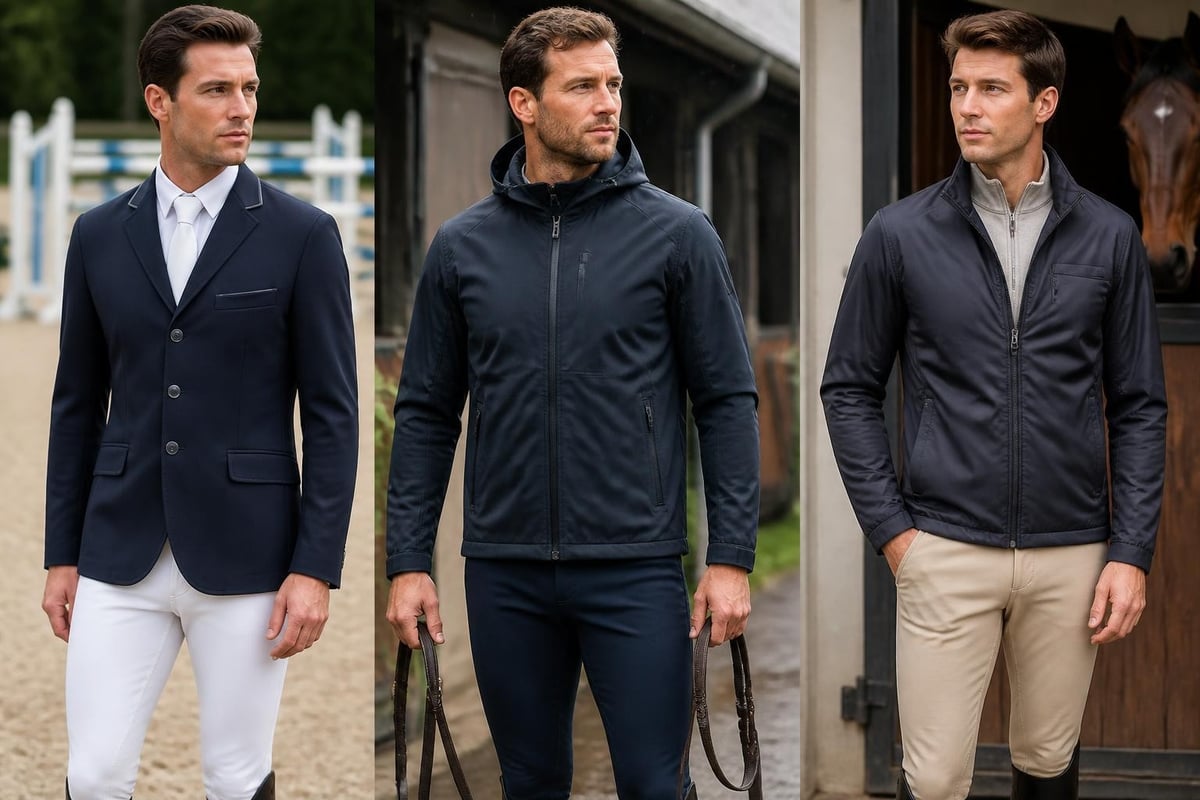
Training jackets prioritise movement and weather protection. Softshell fabrics dominate this category, offering stretch, breathability, and water resistance without the bulk. These pieces need to perform when you're schooling horses in morning drizzle or working through flatwork sessions that demand full range of motion. The best training jackets manage temperature effectively-keeping you warm without overheating during intensive riding.
Hybrid jackets blur the boundaries between riding and lifestyle wear. Designed to look equally appropriate in the saddle and at the pub, these versatile pieces often incorporate subtle equestrian details alongside contemporary styling. For riders who value seamless transitions between stable and street, hybrid designs offer practical elegance.
Material Science for Riders
Fabric technology has transformed what we can expect from an equestrian jacket. Traditional materials still have their place, but modern synthetics deliver performance characteristics impossible to achieve with natural fibres alone.
| Material Type | Key Benefits | Best Applications |
|---|---|---|
| Softshell | Stretch, breathability, light weather resistance | Daily training, schooling sessions |
| Technical wool blends | Temperature regulation, formal appearance | Show ring, competitions |
| Waterproof membranes | Complete weather protection, durability | All-weather riding, outdoor work |
| Hybrid constructions | Targeted performance zones, versatility | Multi-purpose wear, travel |
Softshell fabrics deserve particular attention. Their four-way stretch accommodates riding positions without restriction, whilst their woven construction resists wind and light rain. Quality softshell jackets feature DWR (durable water repellent) finishes that cause water to bead and roll off rather than soaking through. This technology extends the jacket's useful life in damp conditions, though it requires proper care to maintain effectiveness.
Waterproof membranes represent the next level of weather protection. These breathable barriers keep you dry during sustained rainfall whilst allowing perspiration to escape. Look for taped seams, storm flaps over zips, and adjustable cuffs-details that prevent water ingress during movement. The best weatherproof jackets balance complete protection with enough breathability to prevent that clammy feeling during active riding.
Fit Considerations for Performance
An equestrian jacket must fit the riding position, not just the standing position. This distinction matters more than many riders realise.
When you're in the saddle, your arms extend forward, your shoulders round slightly, and your torso leans. A jacket cut for walking will pull across the back, restrict shoulder movement, and ride up at the waist during these positions. Purpose-built riding jackets anticipate these demands through strategic pattern cutting.
Look for articulated sleeves that curve slightly forward even when you're standing still. This pre-shaped construction eliminates pulling when you take up the reins. Back pleats or stretch panels provide expansion room when you lean forward into jumping position or posting trot. Drop-tail hems prevent the jacket riding up and exposing your lower back to cold and wet.
Shoulder construction particularly affects comfort. Raglan sleeves or gusseted designs offer superior mobility compared to traditional set-in sleeves. You should be able to raise your arms fully overhead without feeling restricted-if the jacket pulls when you test this movement in the fitting room, it'll be worse in the saddle.
Competition Jacket Specifications
Show ring requirements demand specific design elements. Understanding these details helps you select jackets that meet competition standards whilst still reflecting personal style.
Competition jackets typically feature two or three buttons, depending on regional preferences and discipline traditions. The length should cover your seat when mounted, creating a clean line from shoulder to saddle. Sleeve length matters-cuffs should break at the wrist bone, revealing just enough shirt cuff (typically 1-1.5cm) to maintain proper proportions.
Colour choices remain relatively conservative in most disciplines. Navy, black, grey, and subtle patterns predominate, though specific competitions may have particular requirements. Check your discipline's rule book before investing in a show jacket.
The collar should sit flat against your neck without gaping, and lapels should lie smooth without pulling or rolling. Poor collar construction becomes obvious under the judge's eye and distracts from your overall presentation. Quality show jackets feature canvas interfacing in collars and lapels that maintains crisp shape through repeated wear.
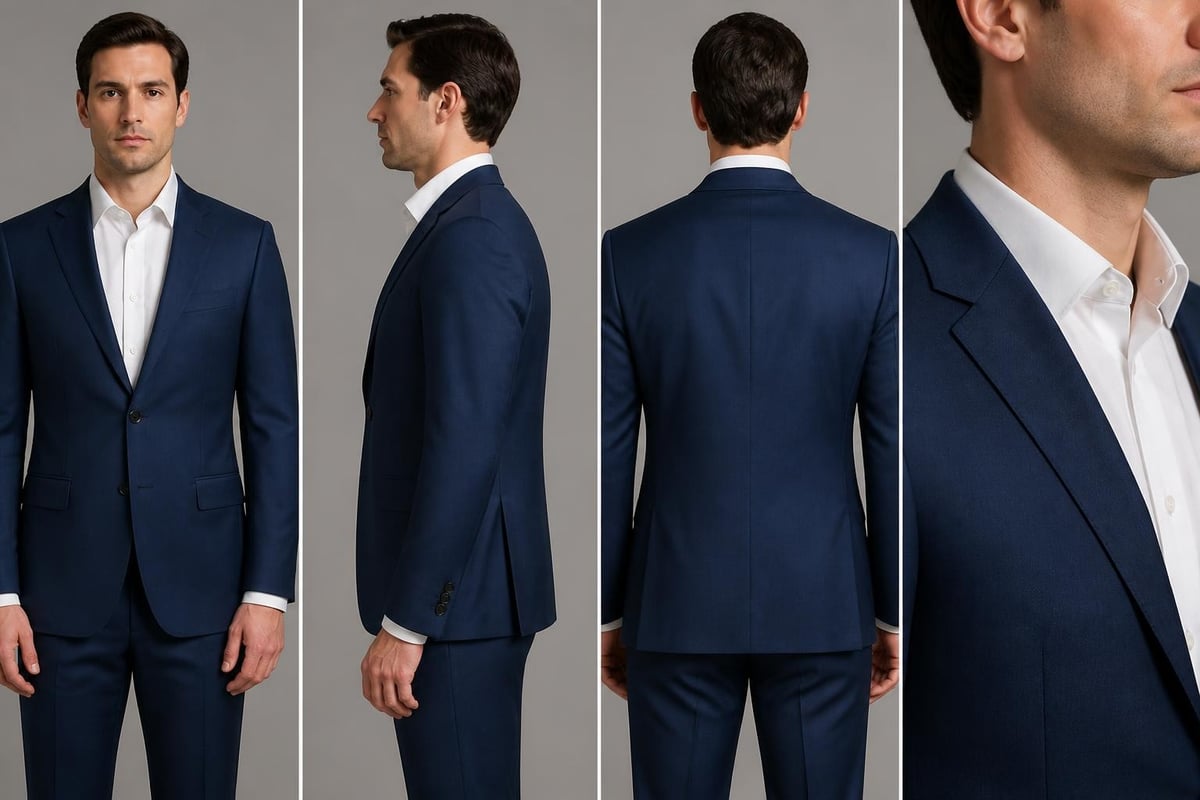
Ventilation might seem secondary in formal wear, but proper show jacket design includes subtle features like mesh linings and strategic vent placement that manage temperature during nervous pre-class moments and intensive rounds.
Training Jacket Functionality
Daily riding demands different priorities. Your training jacket becomes a trusted tool that handles whatever weather, mud, and intensive work you encounter.
Weather resistance tops the requirements list. Morning riders face dew-soaked arenas and unpredictable conditions. A good training jacket sheds water, cuts wind, and dries quickly after use. This practical durability means you're not constantly washing delicate fabrics-essential when you're riding six days weekly.
Pocket placement deserves thought. Side pockets sit comfortably when you're standing but can press against your thighs when mounted. Chest pockets keep essentials accessible and avoid this issue. Internal pockets protect phones and valuables from weather and falls. Some riders prefer jackets without pockets entirely, favouring cleaner lines and avoiding the temptation to carry items that could cause injury during falls.
Zip quality matters more than you might expect. Heavy-duty zips withstand thousands of cycles through seasons of use. Two-way zips allow you to open the bottom whilst keeping your chest protected-useful when you need air circulation without full exposure. Storm flaps over main zips prevent rain penetration and protect the zip mechanism from dirt.
Layering Strategies
An equestrian jacket rarely works in isolation. Understanding how it fits within your broader riding wardrobe optimises versatility across seasons.
Base layers form your foundation. Technical fabrics that wick moisture away from skin work beneath training jackets to manage perspiration during intensive schooling. Merino wool offers natural temperature regulation and odour resistance-valuable when you're moving between heated work and standing still in cold conditions.
Mid-layers add insulation without bulk. Lightweight fleeces or quilted gilets provide warmth that doesn't restrict movement. The key is choosing pieces thin enough to fit comfortably under your jacket whilst delivering meaningful temperature boost.
Your outer jacket should accommodate these layers without requiring sizing up. Well-designed riding jackets include enough ease through chest and arms to layer effectively. Test this during purchase-try the jacket over the shirts and mid-layers you'll actually wear riding.
When selecting pieces for equestrian show attire, consider how your competition jacket coordinates with show shirts and ties. Formal wear demands precise layering where bulk becomes particularly problematic.
Care and Maintenance Protocols
Proper maintenance extends your equestrian jacket's useful life significantly. These garments represent meaningful investments-treating them accordingly makes financial and practical sense.
Regular cleaning prevents dirt and sweat from degrading fabrics. However, aggressive washing damages technical treatments and breaks down materials prematurely. The balance lies in appropriate frequency and gentle methods.
For softshell and technical jackets, spot cleaning handles most situations. Fresh mud brushes off easily once dried-resist the urge to immediately wet-clean dirty jackets. Sweat marks around collars and cuffs respond well to targeted treatment with mild soap and cool water. This approach minimises full washes whilst maintaining freshness.
When complete washing becomes necessary, follow manufacturer guidelines precisely. Most technical jackets require cool water, gentle cycles, and specific detergent types. Avoid fabric softeners entirely-they coat fibres and destroy breathability. Similarly, skip harsh stain treatments that strip DWR coatings and compromise waterproofing.
Deep Cleaning Show Jackets
Competition jackets demand professional-grade care. Their structured construction, delicate fabrics, and formal appearance require more attention than daily training wear.
Professional maintenance guides recommend minimal washing, instead favouring regular brushing and airing. After each use, brush off any arena dust, hang the jacket in well-ventilated space, and allow it to air completely before storage. This simple routine prevents odour buildup and fabric degradation.
When washing becomes unavoidable, hand washing offers the safest approach for valuable show jackets. Use lukewarm water, specialist wool detergent for natural fibre blends, and gentle agitation. Never wring or twist-press water out gently and dry flat on clean towels. Machine washing risks damaging structure and finish, though some modern competition jackets specify careful machine cycles as acceptable.
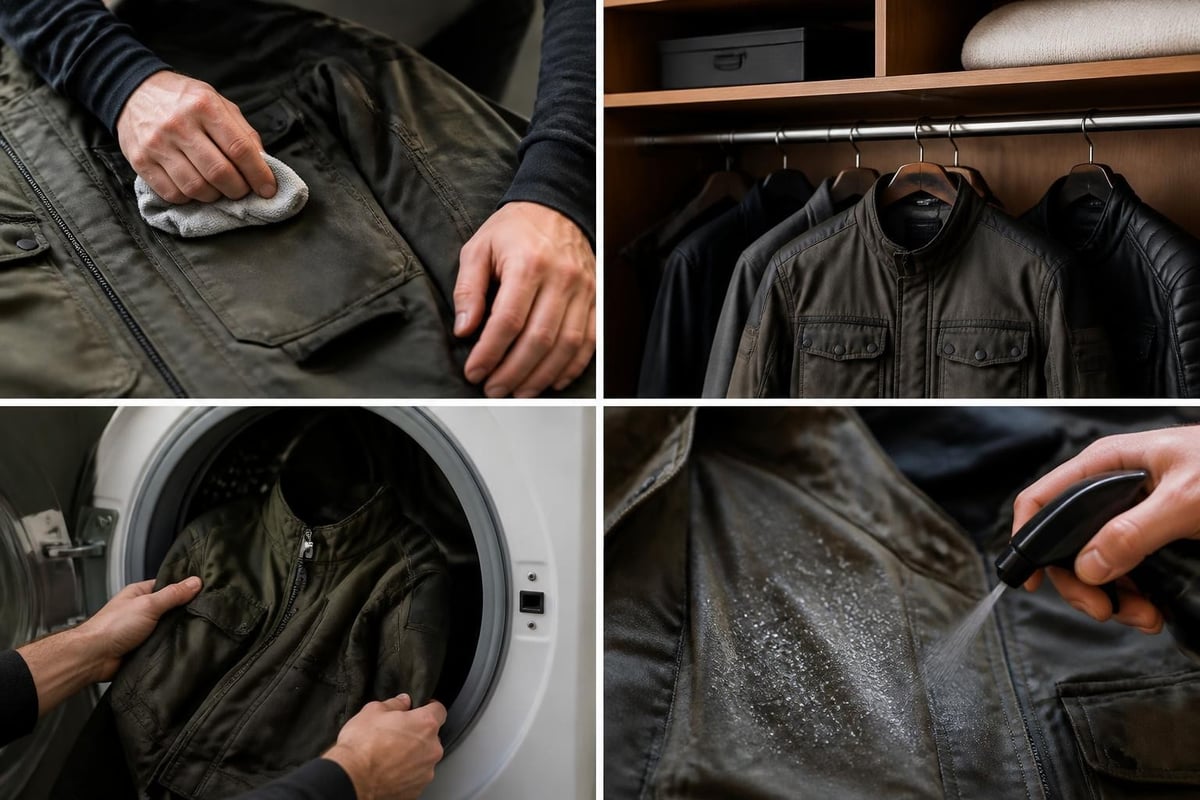
Storage between seasons matters. Clean jackets completely before long-term storage, as residual sweat and dirt attract moths and cause yellowing. Breathable garment bags protect from dust whilst preventing moisture buildup. Wooden or padded hangers maintain shoulder shape-wire hangers create distortion that's difficult to reverse.
DWR treatments fade with use and washing. Reapplying these finishes restores water repellency to softshell and technical fabrics. Spray-on or wash-in products both work, though sprays offer more targeted application. Heat activation helps-tumble drying on low or careful ironing according to fabric specifications maximises treatment effectiveness.
Style Integration Beyond the Arena
The best equestrian jacket transitions effortlessly from riding to regular life. This versatility matters for men who value clothing that works across contexts without costume-like specificity.
Colour selection influences versatility significantly. Navy, charcoal, and olive work across environments, pairing naturally with quality breeches whilst looking equally appropriate with casual trousers. Avoid colours or patterns so distinctly equestrian that they seem out of place beyond the stable yard.
Design details signal riding heritage without overwhelming civilian wear. Subtle collar styles, clean zip lines, and minimal branding allow the jacket to integrate into broader wardrobes. Overly logo-heavy pieces or exaggerated equestrian styling limit where you'll comfortably wear the garment.
Fit remains crucial for multi-context wear. Whilst the jacket must accommodate riding positions, it shouldn't look awkwardly baggy when you're standing or walking normally. Quality tailoring achieves this balance through intelligent pattern cutting rather than compromise.
Consider how the jacket pairs with non-riding footwear. A training jacket that looks sharp with tall boots but odd with casual shoes limits utility. The best pieces work with both, offering genuine wardrobe versatility.
Building a Complete Jacket Wardrobe
Most serious riders benefit from owning multiple jackets suited to different demands. This isn't excess-it's practical planning that ensures appropriate gear for every situation.
A minimum functional collection includes a competition jacket for formal occasions, a weatherproof training jacket for daily riding, and a lighter weight piece for warmer conditions or casual stable visits. This trio covers the spectrum from show ring to everyday work without requiring constant compromise.
Budget-conscious riders might prioritise the training jacket initially. This piece sees the most use and directly affects daily riding comfort. Competition jackets can wait until showing becomes regular, though purchasing quality when you do invest prevents costly replacements.
When selecting performance riding wear, consider climate heavily. Riders in consistently wet regions need different solutions than those facing hot, dry conditions. Regional weather patterns should drive your jacket priorities more than generic recommendations.
Seasonal rotation extends jacket lifespan. Retiring winter pieces during summer months prevents unnecessary wear and allows thorough cleaning before storage. Similarly, lighter jackets rest during cold seasons, ready for immediate use when temperatures rise.
Modern Fabric Technologies
Recent innovations deliver capabilities traditional materials simply cannot match. Understanding these technologies helps you evaluate jackets based on genuine performance rather than marketing claims.
Phase-change materials actively regulate temperature by absorbing and releasing heat as needed. Originally developed for space applications, these fabrics now appear in premium equestrian wear. They prevent overheating during intensive riding whilst maintaining warmth when you're stationary-particularly valuable during competition days involving long waits between classes.
Laser-cut ventilation creates airflow without compromising structure or appearance. Tiny perforations, invisible from conversational distance, allow heat and moisture to escape whilst maintaining water resistance. This technology appears in high-end show jackets where visible mesh panels would look inappropriate.
Stretch-woven fabrics combine natural fibre appearance with synthetic performance. These materials look like traditional wool or cotton whilst offering four-way stretch, quick drying, and easy care. For riders who value classic aesthetics alongside modern functionality, stretch-wovens deliver both.
Antimicrobial treatments reduce odour development in jackets worn repeatedly between washes. Silver ion technology and similar treatments inhibit bacterial growth without chemical harshness. This feature particularly benefits training jackets that see daily use in sweaty conditions.
The detailed care requirements for these advanced fabrics differ from conventional materials. Follow manufacturer guidance precisely to maintain treatment effectiveness and fabric performance.
Practical Selection Framework
Choosing an equestrian jacket becomes simpler with a systematic approach. Rather than getting overwhelmed by options, focus evaluation on key criteria.
Start with intended use. Define whether you need competition formal wear, daily training protection, or versatile hybrid pieces. This single decision eliminates huge swathes of unsuitable options immediately.
Establish your budget range realistically. Quality equestrian jackets represent meaningful investments, but spending appropriately for your riding level and frequency makes sense. Beginners riding twice weekly need different solutions than professionals training daily.
Testing Jacket Performance
Trying jackets properly requires more than standing in front of a mirror. Simulate riding positions to assess real functionality.
Raise your arms as if holding reins. The jacket shouldn't pull across shoulders or expose your lower back. Twist your torso-the fabric should move with you without binding. Sit down and lean forward into riding position. Check that the back length still covers appropriately and sleeves don't ride up excessively.
Move through these positions multiple times. A jacket that feels acceptable during one test but irritates during the third or fourth repetition will become frustrating during actual riding. Comfort under sustained use matters more than initial impressions.
Pay attention to where seams and closures sit whilst moving. Poorly placed zips dig into your neck or chest. Bad seam positioning creates pressure points against your body. These issues might seem minor initially but compound into significant problems during hours in the saddle.
Consider the jacket's performance envelope. Does it handle your typical weather conditions? If you regularly ride in heavy rain, light water resistance proves inadequate. If you train in cold conditions, minimal insulation leaves you uncomfortable.
Quality construction signals longevity. Check seam neatness, zip robustness, and general finishing. Loose threads, puckered seams, and cheap hardware suggest corners cut during manufacturing-problems that typically worsen with use.
Investment Versus Value
Price rarely correlates perfectly with quality in equestrian wear. Some premium brands charge for heritage and marketing rather than superior construction or materials. Conversely, budget options sometimes compromise on crucial performance elements.
Focus on cost per wear rather than absolute price. An expensive jacket worn three times weekly for five years delivers better value than a cheap piece needing replacement annually. Calculate realistic usage when evaluating investment levels.
Look for brands with genuine equestrian expertise rather than lifestyle companies dabbling in riding wear. Purpose-built jackets from riding-focused manufacturers typically outperform fashion-oriented pieces at equivalent price points. Gallant Equestrian's approach exemplifies this focus-designing specifically for men who ride rather than adapting generic patterns.
Warranty and repair policies indicate manufacturer confidence. Companies backing their products with solid guarantees generally build to higher standards. Check whether repairs are available and reasonably priced-extending jacket life through professional repair beats premature replacement.
Seasonal Adaptations
Your equestrian jacket needs evolve throughout the year. Planning for seasonal variation ensures comfortable riding regardless of weather conditions.
Summer riding demands lightweight, breathable pieces that protect from sun without causing overheating. Look for UPF-rated fabrics that block harmful UV whilst allowing air circulation. Mesh panels, laser-cut ventilation, and moisture-wicking linings keep you comfortable during hot-weather training.
Winter requirements swing opposite. Insulated jackets with windproof shells maintain core temperature during cold-weather riding. However, avoid excessive bulk that restricts movement or prevents proper position. Modern synthetic insulations deliver warmth at minimal weight and thickness-seek these out rather than puffy alternatives.
Spring and autumn present the trickiest conditions. Temperatures fluctuate wildly between early morning and midday, and weather patterns shift unpredictably. Layering capability becomes crucial during shoulder seasons. A good mid-weight jacket that works over varying base and mid-layers adapts to diverse conditions effectively.
Wet conditions demand specific solutions regardless of season. Waterproof jackets that breathe prevent both external soaking and internal condensation. Taped seams, storm flaps, and adjustable cuffs keep rain out during extended exposure. Packability matters too-jackets that compress into small bags travel easily and are available when weather turns unexpectedly.
Understanding comprehensive garment care becomes especially important when managing multiple seasonal pieces. Proper storage between seasons, thorough cleaning before putting items away, and appropriate maintenance during use extends your entire jacket collection's lifespan.
The right equestrian jacket elevates every aspect of your riding experience, from training sessions to competitive moments. Understanding materials, fit, and care requirements ensures you invest wisely in pieces that genuinely perform whilst looking sharp across contexts. Gallant Equestrian creates performance-driven jackets and complete riding wardrobes specifically for men who demand both functionality and refined style-designed in New Zealand, built to last, and ready to transition seamlessly from stables to everyday life. Look the Part. Enjoy the Ride.

