

Riding Trousers for Men: The Complete Guide 2026
Aug 20, 2026
Finding the right riding trousers for men isn't about settling for adapted women's designs or making do with ill-fitting options. It's about choosing gear that works as hard as you do, whether you're training at dawn, competing on weekends, or simply enjoying a hack through open country. The best riding trousers combine technical performance with subtle style, moving seamlessly from saddle to stable yard without looking out of place. For men who ride seriously, your trousers should feel like a natural extension of your riding, not a compromise.
What Makes Quality Riding Trousers Different
The distinction between adequate and excellent riding trousers lies in thoughtful design. Quality pieces consider men's proportions, movement patterns, and the specific demands of time in the saddle.
Fabric Technology That Works
Technical fabrics separate functional riding trousers from basic alternatives. Four-way stretch materials allow unrestricted movement while maintaining shape through hours of riding. The fabric needs to breathe during intense sessions yet provide enough structure to look sharp afterward.
Modern riding trousers for men typically blend synthetic fibres with natural materials. This combination wicks moisture away from skin while remaining durable enough for daily use. Look for fabrics that resist pilling and fading, maintaining their appearance through regular washing and wear.
Water resistance matters more than many riders initially consider. Morning dew, unexpected showers, and general stable work mean your trousers face constant moisture. A DWR (Durable Water Repellent) finish keeps you comfortable without adding bulk or stiffness.
The Critical Role of Fit
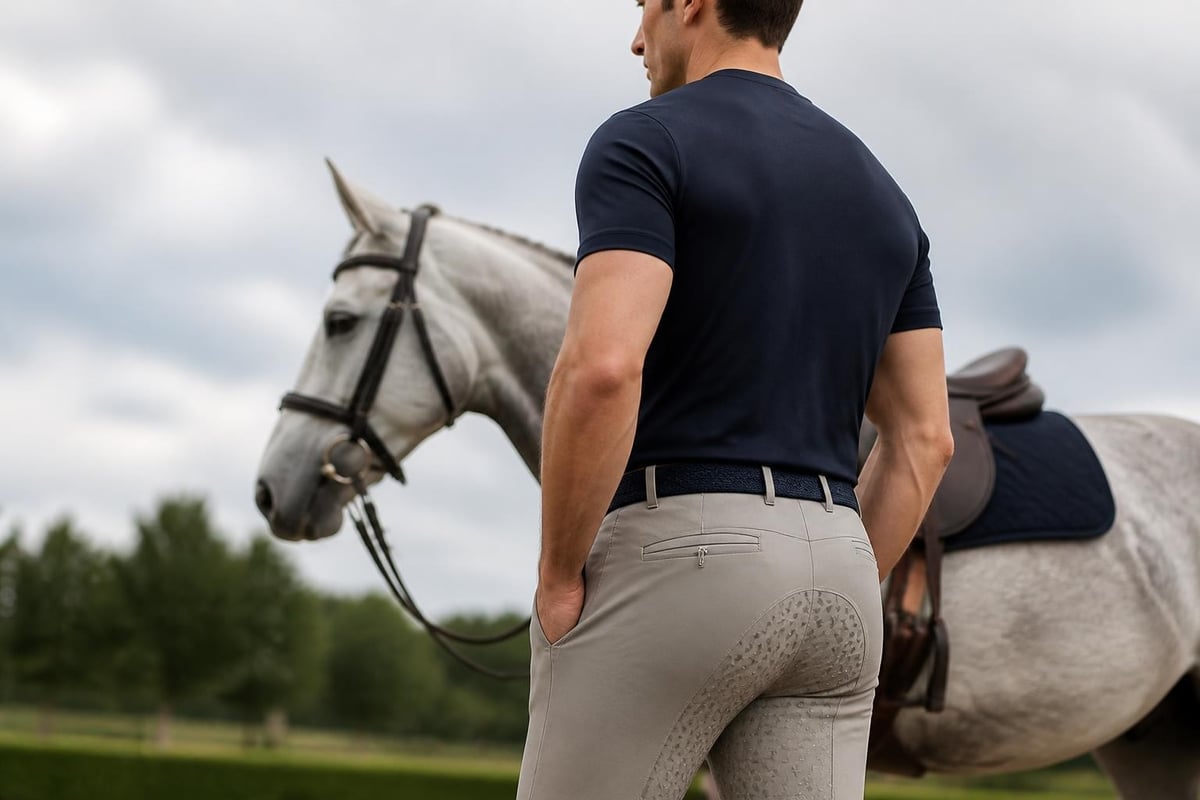
Men's riding trousers demand different proportions than women's designs. The rise, hip placement, and thigh cut all require specific tailoring to work properly. A proper fit eliminates excess fabric that bunches in the saddle while providing freedom of movement where needed.
The seat and inner leg receive particular attention in well-designed pieces. Flatlock seams prevent chafing during long rides, while strategically placed panels reduce bulk. Your trousers should feel secure without restriction, allowing you to focus entirely on your riding rather than constant adjustment.
Waistband construction deserves equal consideration. Wide waistbands distribute pressure evenly and prevent digging, especially when sitting deep in the saddle. Some designs incorporate gripper strips or silicone detailing to keep shirts tucked properly throughout your ride.
Choosing the Right Style for Your Riding
Different disciplines and occasions call for specific trouser styles. Understanding these variations helps you select pieces that work for your primary riding activities.
Full-Seat vs Knee-Patch Designs
Full-seat riding trousers feature grip material extending from the knees through the entire seat area. This maximum-grip option suits dressage riders and those who spend extended periods in the saddle. The increased contact helps maintain position during precise movements and longer training sessions.
Knee-patch trousers offer grip where leg meets saddle, common in jumping and general riding. Understanding knee breeches helps riders appreciate how this traditional design continues to serve modern equestrians. The reduced grip surface allows slightly more freedom of movement while still providing essential stability.
Your choice depends on riding style and personal preference. Many riders keep both styles, selecting based on the day's activities. Neither option outperforms the other universally, they simply serve different purposes.
Casual vs Competition Standards
Training trousers prioritize durability and comfort for daily work. These pieces handle mucking out, lungeing, and general stable duties without worry about stains or wear. Darker colours and robust construction make them ideal workhorses in any rider's wardrobe.
Equestrian show attire demands different considerations. Competition trousers meet specific regulations while maintaining polished appearance under scrutiny. Cleaner lines, specific colours, and refined details distinguish these pieces from training wear.
Consider your riding calendar when building your trouser collection. Regular competitors benefit from dedicated competition pieces, while recreational riders might choose versatile options that work across multiple settings.
Essential Features Worth Seeking
Certain details elevate riding trousers from functional to exceptional. These features may seem minor initially but prove their worth through consistent use.
Pocket Placement and Security
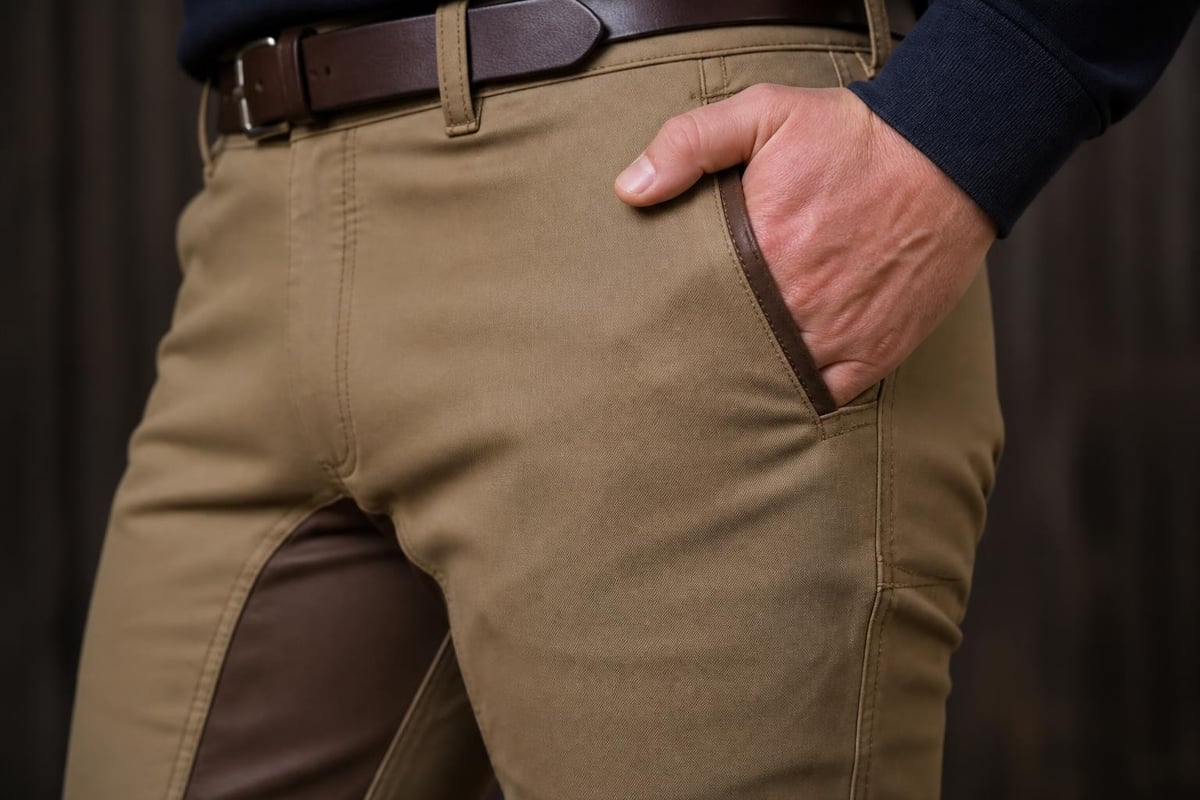
Practical pockets accommodate essentials without interfering with riding. Zippered options secure phones, keys, and cards during active sessions. Positioning matters enormously, poorly placed pockets create pressure points or bunch awkwardly in the saddle.
Some designs incorporate discrete phone pockets sized for modern devices. Others keep things minimal, offering only what's necessary without adding bulk. Consider what you regularly carry during rides when evaluating pocket configurations.
Reinforcement Where It Matters
Quality riding trousers for men incorporate reinforcement in high-wear areas. Inner legs, seat panels, and knee regions receive extra attention to extend garment life. This targeted durability means your trousers maintain appearance and function far longer than basic alternatives.
Look for double-layered construction or strategic panel placement rather than simply thicker fabric throughout. This approach adds strength without sacrificing comfort or breathability. The best designs balance protection with performance seamlessly.
Ankle and Hem Design
The lower leg finish significantly impacts both comfort and practicality. Stretch ankle cuffs keep trousers positioned correctly inside boots without riding up during movement. Some riders prefer this sleek finish for its clean appearance and consistent fit.
Traditional hems with stirrup straps offer adjustability and work well with various boot heights. This classic approach remains popular among riders who appreciate versatility. Both options function well, your choice reflects personal preference and riding style.
Care and Maintenance for Longevity
Proper care extends the life of quality riding trousers significantly. These pieces represent meaningful investment, treating them correctly ensures years of reliable service.
Washing and Drying Best Practices
Always follow manufacturer care instructions, but general principles apply across quality riding wear. Turn trousers inside out before washing to protect outer fabric and any grip panels. Use cool water and avoid harsh detergents that can break down technical fibres or damage water-resistant treatments.
Skip the tumble dryer whenever possible. Heat damages elastic fibres and can cause shrinkage or shape loss. Air drying maintains fit and extends garment life considerably. If you must use a dryer, select the lowest heat setting and remove trousers while slightly damp.
Washing frequency depends on use intensity. After particularly sweaty rides or stable work, prompt washing prevents odour buildup and fabric degradation. For lighter sessions, airing trousers between wears often suffices, reducing unnecessary washing that gradually wears fabric.
Storage and Seasonal Rotation
Proper storage prevents unnecessary creasing and maintains trouser shape. Hanging by the waistband works well for regular-use pieces. For longer-term storage, fold carefully along natural seams rather than creating sharp creases that stress fabric.
Rotate your collection regularly rather than wearing the same pair constantly. This practice allows fabric to recover between uses and distributes wear evenly across your wardrobe. Even two pairs alternated regularly last far longer than single pair worn daily.
Building Your Riding Trouser Collection
Strategic acquisition builds a functional wardrobe that serves all your riding needs without unnecessary duplication. Start with essentials and expand based on your specific requirements.
Foundation Pieces Every Rider Needs
Begin with two pairs of quality training trousers in practical colours. Navy and black offer maximum versatility, working across situations while showing dirt less than lighter alternatives. These workhorses handle daily riding, stable duties, and casual hacks without concern.
Add one pair of competition-appropriate trousers if you show regularly. Competition wear requires specific attention to detail and regulations that training pieces needn't consider. This dedicated pair stays fresh for important occasions while your training trousers handle everyday work.
Consider climate when selecting your foundation pieces. Riders in variable conditions might prioritize different fabric weights or features than those in consistent climates. Your local weather patterns should inform these initial choices significantly.
Expanding for Specific Needs
Once foundations exist, specialized pieces address particular situations. Summer-weight trousers with maximum breathability suit hot weather riding perfectly. Winter options with thermal properties or wind resistance handle cold-season training comfortably.
Some riders add breeches for variation or specific disciplines. Others invest in casual riding trousers that work for lessons and weekend rides while looking appropriate for post-ride stops. Your expansion choices reflect your riding lifestyle and priorities.
Quality over quantity serves riders better than extensive collections of mediocre gear. Three exceptional pairs worn regularly outperform ten average pairs rarely used. Focus investment on pieces you'll actually wear rather than accumulating options.
Style Considerations Beyond Function
While performance drives riding trouser selection, style matters too. Modern designs prove you needn't sacrifice appearance for function.
Colour and Pattern Choices
Classic colours dominate serious riding for good reason. Navy, black, and dark grey work universally while maintaining professional appearance. These shades transition effortlessly from training to competition to casual wear without looking out of place.
Contemporary designs occasionally incorporate subtle patterns or colour blocking. These details add visual interest while maintaining sophistication. The key lies in restraint, the best pieces enhance rather than overwhelm.
Consider how new trousers coordinate with existing riding wear. Building a cohesive wardrobe where pieces work together creates more outfit options from fewer items. This thoughtful approach maximizes versatility while maintaining consistent style.
Fit and Silhouette
Modern riding trousers for men favour athletic fits that follow body lines without excessive tightness. This contemporary silhouette looks current while providing the technical performance riding demands. Avoid overly baggy options that bunch awkwardly or excessively tight pieces that restrict movement.
The rise should sit comfortably at your natural waist without riding down during activity. Leg length matters equally, trousers should reach boot tops without bunching or leaving gaps. Proper fit in these areas dramatically impacts both appearance and comfort.
Investment Value and Quality Assessment
Understanding what justifies premium pricing helps riders make informed decisions. Not all expensive trousers deliver value, and some mid-range options perform admirably.
| Feature Category | Budget Options | Premium Options | Long-Term Value |
|---|---|---|---|
| Fabric Quality | Basic stretch | Technical blends | Premium lasts 3x longer |
| Construction | Standard seams | Flatlock/reinforced | Reduces replacement frequency |
| Grip Material | Basic silicone | Advanced compounds | Better performance retention |
| Fit Engineering | Generic sizing | Tailored proportions | Superior comfort reduces wear |
Quality fabrics withstand repeated washing while maintaining shape and appearance. Lower-grade materials pill, fade, or lose elasticity relatively quickly. The difference becomes apparent within months of regular use.
Construction quality shows in seam durability and reinforcement effectiveness. Well-made trousers survive years of intensive riding without separation or excessive wear in critical areas. Cheaper alternatives often fail at stress points within their first season.
Making Your Selection Work
Finding the best horse riding pants requires trying multiple options and understanding personal preferences. What works brilliantly for one rider might not suit another equally well.
Sizing Accuracy Matters Enormously
Proper sizing ensures riding trousers perform as designed. Too large creates excess fabric that bunches and chafes. Too small restricts movement and creates uncomfortable pressure. Most manufacturers provide detailed sizing guides, use them carefully.
Measure yourself accurately rather than assuming standard sizing applies across brands. Men's riding wear sizing varies between manufacturers, even within similar price points. Taking a few minutes for proper measurement prevents disappointment and returns.
When between sizes, consider your riding position and personal preferences. Some riders prefer closer fits that feel more precise, while others appreciate slight ease. Neither choice is wrong, they simply reflect different comfort priorities.
Testing Function Before Commitment
If possible, move around in potential purchases before final selection. Squat into riding position, lift legs as if mounting, and stretch arms overhead. These movements reveal whether trousers truly allow unrestricted motion.
Check grip panel placement while seated. The material should contact your saddle appropriately without extending where it creates unwanted friction. Proper positioning varies slightly between designs, ensuring it matches your riding style matters.
Pay attention to how waistband and seams feel during movement. Any irritation during brief testing will intensify during hours of riding. Trust your immediate impressions, discomfort rarely improves with continued wear.
Seasonal Adjustments and Layering
While quality riding trousers for men work across seasons, understanding how to adapt them for different conditions maximizes comfort year-round.
Winter riding often involves base layers beneath trousers. Choose slim thermal leggings that add warmth without bulk. Excessive layering creates bunching and restriction, defeating the purpose of technical riding trousers. One quality base layer typically suffices even in quite cold conditions.
Summer presents different challenges. Maximum breathability becomes paramount during hot weather riding. Look for mesh panels or lighter-weight fabrics that promote airflow. Some riders keep dedicated summer trousers, while others manage with a single well-chosen pair that performs adequately across temperatures.
Transitional seasons demand versatility. Spring and autumn weather varies dramatically, sometimes within single rides. Medium-weight trousers with good moisture management handle these conditions effectively. Starting slightly cool proves more comfortable than overheating mid-ride.
Breaking In and Initial Wear
New riding trousers often feel different than older, established pairs. Understanding this break-in period prevents premature disappointment with otherwise excellent pieces.
First wears typically feel slightly stiffer than they will after several uses. Technical fabrics and grip materials soften and conform to your body through movement and washing. Give new trousers several rides before making final judgments about fit and comfort.
Some grip materials perform better after initial washing. Manufacturing residues can make new panels feel slippery or sticky until removed. Follow care instructions for first wash, then reassess performance.
Expect minor adjustments as trousers settle. Waistbands might relax slightly, and fabrics conform to your shape. This natural process usually improves fit rather than degrading it. Quality pieces maintain proper function throughout this evolution.
Quality riding trousers form the foundation of any serious equestrian's wardrobe, combining technical performance with refined style that works from early training through competition day. When you're ready to invest in gear that matches your commitment to riding, Gallant Equestrian offers performance-driven pieces designed specifically for men who refuse to compromise on either function or appearance. Look the Part. Enjoy the Ride.

