

Horseback Gear: Essential Equipment for Every Rider
Mar 08, 2026
Selecting the right horseback gear makes the difference between an uncomfortable ride and one where you're completely focused on your horse. Whether you're heading to your first lesson or refining your competition wardrobe, the gear you choose impacts your safety, comfort, and confidence in the saddle. Modern equestrian equipment has evolved significantly, blending traditional riding requirements with contemporary materials and design sensibilities that work both in the arena and beyond.
Understanding Safety-First Horseback Gear
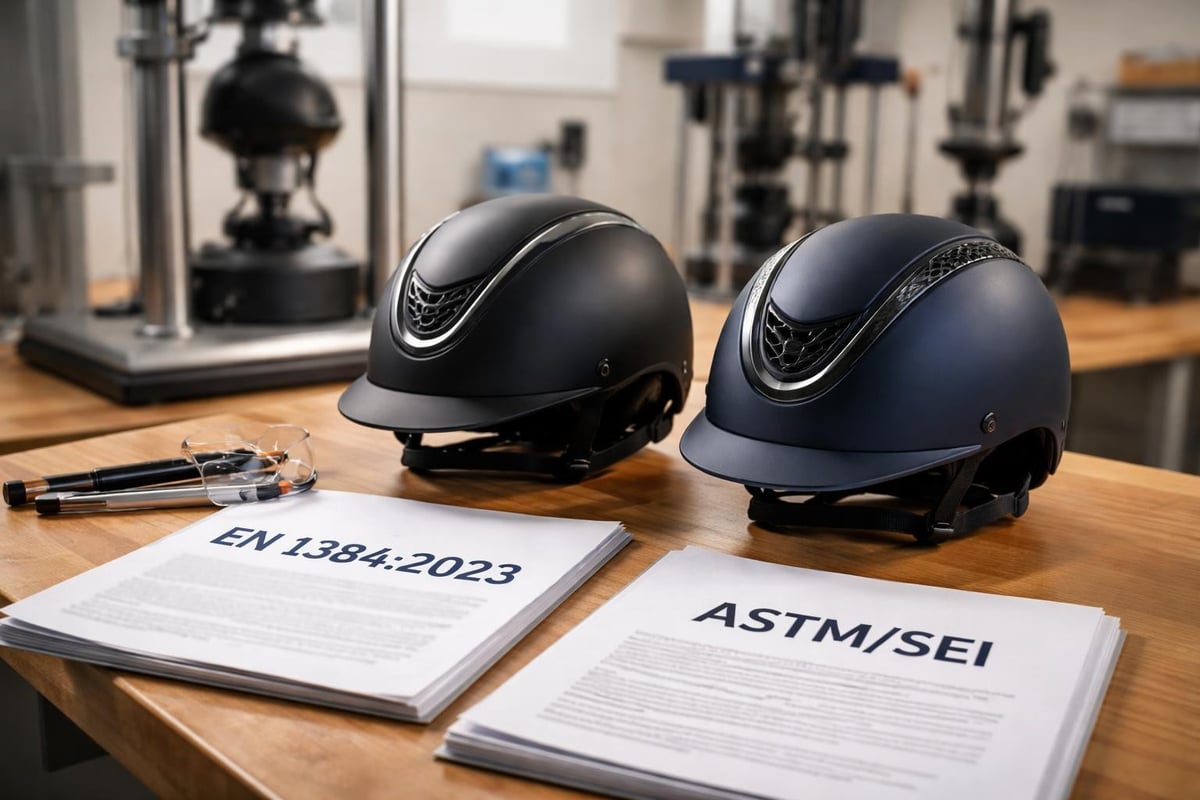
Safety equipment isn't negotiable when you're working with horses. The most critical piece of horseback gear you'll invest in is your riding helmet, which should meet current ASTM/SEI safety standards for impact protection. These certifications ensure your helmet has passed rigorous testing protocols designed to protect against the specific types of falls and impacts common in riding.
The EN 1384:2023 standard represents the latest evolution in helmet safety requirements, incorporating updated testing methods and performance criteria. When shopping for a helmet, look for certification marks that confirm compliance with these international standards. Your helmet should fit snugly without pressure points, sitting level on your head with the brim approximately two fingers above your eyebrows.
Body protectors represent another layer of safety gear worth considering, particularly for jumping, eventing, or working with young horses. Recent updates to safety wear standards have refined the requirements for protective vests, making them lighter and more comfortable whilst maintaining crucial impact protection. Many riders find modern body protectors unobtrusive enough to wear routinely rather than reserving them only for high-risk activities.
Core Riding Attire as Essential Horseback Gear
Breeches and Riding Trousers
Quality riding breeches form the foundation of functional horseback gear. The right pair provides grip in the saddle, flexibility for movement, and durability for daily riding. Technical fabrics have transformed modern breeches, offering four-way stretch, moisture management, and shapes that maintain their structure ride after ride.
Full-seat breeches feature grip material across the entire seat and inner thigh, providing maximum security in the saddle. Knee-patch styles offer grip only at the knee, creating a slightly lighter feel preferred by some dressage riders. Your choice depends on personal preference and riding discipline, though many riders keep both styles in rotation.
The breeches collection at Gallant Equestrian demonstrates how performance and style converge, with designs that work equally well for training sessions and casual wear. Look for features like reinforced inner seams, comfortable mid-rise waistbands, and pockets positioned where they won't interfere with saddle contact.
Riding Shirts and Polo Shirts
A proper riding shirt does more than look smart. Technical fabrics wick moisture, dry quickly, and maintain their shape through washing. The collar protects your neck from sun and provides a polished appearance for lessons or casual rides.
Performance polo shirts bridge the gap between technical riding wear and everyday style. The tees and polo shirts range shows how modern equestrian clothing serves multiple purposes without compromising on riding-specific features like stretch panels and longer back hems that stay tucked.
Competition wear elevates the equation with show shirts designed for formal presentation. Subtle details like stock tie compatibility, structured collars, and breathable side panels make these pieces functional horseback gear rather than merely decorative.
Footwear and Lower Leg Protection
Riding Boots and Footwear Standards
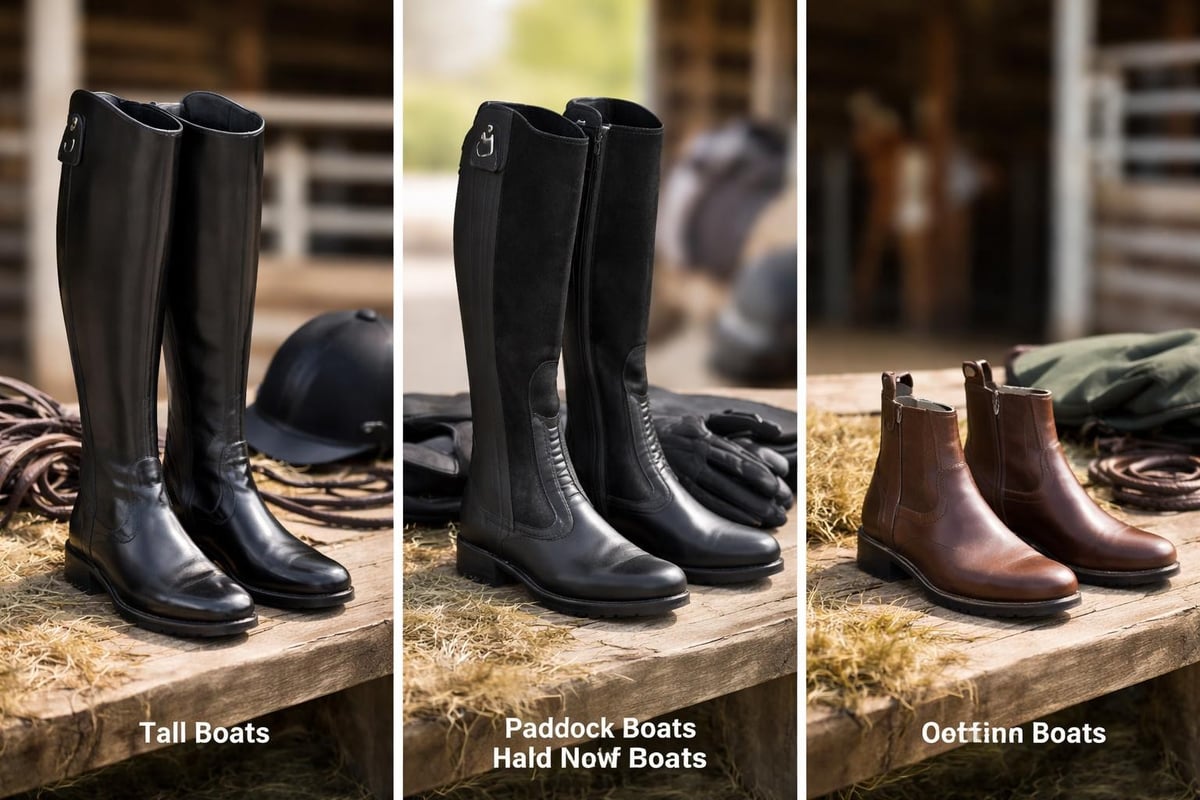
Proper riding boots provide three essential elements: a small heel to prevent your foot sliding through the stirrup, a smooth sole for quick release if needed, and ankle support for stability. Traditional tall boots remain the gold standard for formal riding and competition, offering full lower leg coverage and a refined appearance.
Paddock boots paired with half chaps create a versatile alternative, particularly useful when you're still growing or prefer the flexibility of breaking your boot investment into separate components. This combination delivers the coverage and protection of tall boots whilst allowing independent replacement of either piece as needed.
The sole construction matters more than many riders realize. Leather soles offer traditional elegance and grip on metal stirrups, whilst synthetic soles provide better traction in wet conditions and typically last longer. Neither is universally superior; your choice depends on riding conditions and stirrup type.
Protective Leg Wear
In some jurisdictions and associations, specific safety equipment becomes mandatory. Oklahoma regulations exemplify how certain venues require protective vests and helmets for all mounted participants, regardless of experience level. Understanding local requirements helps you assemble appropriate horseback gear for your location.
Weather-Appropriate Horseback Gear
Jackets and Outerwear
Riding jackets serve dual purposes in your horseback gear collection. Technical riding jackets provide weather protection without restricting movement, featuring articulated sleeves and stretch panels positioned for riding posture. The jackets collection demonstrates how performance features integrate with clean design lines.
Soft-shell jackets offer wind and water resistance with excellent breathability, making them ideal for three-season riding. Insulated options become necessary for winter training, though avoid bulk that interferes with rein contact or restricts shoulder movement. Many riders prefer layering systems that adjust to changing temperatures throughout a riding session.
Competition jackets follow discipline-specific conventions whilst incorporating modern fabrics that regulate temperature better than traditional wool. The cut remains classic, but internal construction has evolved significantly to improve comfort during extended wear.
Layering Systems
Base layers form an often-overlooked category of horseback gear. Moisture-wicking underlayers prevent the clammy feeling that develops during strenuous riding, maintaining comfort across varying temperatures. Merino wool and technical synthetic fabrics both perform well, with personal preference driving the choice.
Mid-layers like sweatshirts and hoodies provide adaptable warmth without excessive bulk. Quarter-zip styles allow quick temperature adjustment, whilst full-zip versions offer maximum versatility. The key is selecting pieces with riding-appropriate cuts that don't bunch under jackets or ride up in the saddle.
Competition-Specific Horseback Gear
Competition attire follows established conventions whilst allowing personal expression within defined parameters. Understanding these requirements prevents last-minute scrambles before shows. Dressage, show jumping, and eventing each maintain distinct dress codes, though core elements overlap.
White, cream, or pale-colored breeches pair with dark jackets for most formal disciplines. Shirts in white or subtle patterns work beneath jackets, whilst stock ties or standard ties complete the traditional presentation. Some disciplines permit colored shirts or less formal combinations in lower-level classes.
The competition wear collection addresses these requirements without sacrificing comfort or contemporary styling. Modern competition horseback gear performs better than traditional alternatives whilst maintaining appropriate appearance standards.
| Discipline | Jacket Requirement | Breech Color | Shirt Style | Additional Notes |
|---|---|---|---|---|
| Dressage | Dark jacket, shadbelly at upper levels | White or light | White with stock tie | Tail coat permitted FEI levels |
| Show Jumping | Navy, black, or dark | White, beige, or light | White or pale show shirt | Colored shirts sometimes permitted |
| Eventing (Dressage) | Same as pure dressage | White or light | White with stock tie | Follows dressage conventions |
| Eventing (XC) | Optional, usually omitted | Any color acceptable | Team colors or technical shirt | Safety vest required |
| Eventing (SJ) | Follows jumping standards | White or light preferred | Show shirt or team colors | Body protector sometimes worn |
Accessories That Complete Your Horseback Gear
Gloves and Hand Protection
Riding gloves protect your hands from blisters, improve grip on reins, and provide weather protection. Summer gloves feature lightweight, breathable materials with reinforced rein contact areas. Winter options add insulation whilst maintaining feel and dexterity.
Leather gloves offer traditional elegance and excellent grip when properly cared for. Synthetic materials provide easier maintenance and often superior moisture management. Many serious riders maintain separate sets for different conditions and purposes.
Competition gloves tend toward conservative colors and minimal decoration, whilst training gloves embrace functional features like touchscreen-compatible fingertips and high-visibility colors. Neither category is inherently superior; both serve specific purposes in a complete horseback gear collection.
Belts and Small Leather Goods
A quality leather belt completes riding attire whilst serving the practical purpose of securing breeches properly. Traditional brown or black leather remains standard, though modern options include technical materials that won't crack or require regular conditioning.
Spurs, whilst not necessary for every rider or situation, become essential tools when used correctly. They require proper boot compatibility and should only be added once you've developed an independent leg position that prevents unintentional contact.
Sun Protection and Weather Accessories
Sun protection extends beyond basic safety to preservation of your horseback gear. UV exposure degrades fabrics and leather, whilst direct sun exposure during riding creates significant health risks. Wide-brimmed hats work for trail riding, though barn environments and lessons typically require helmet wear.
Technical neck gaiters, arm sleeves, and similar accessories provide sun protection without excessive heat. These pieces integrate easily with existing horseback gear and adapt to changing conditions throughout your ride.
Building a Versatile Horseback Gear Wardrobe
Essential First Purchases
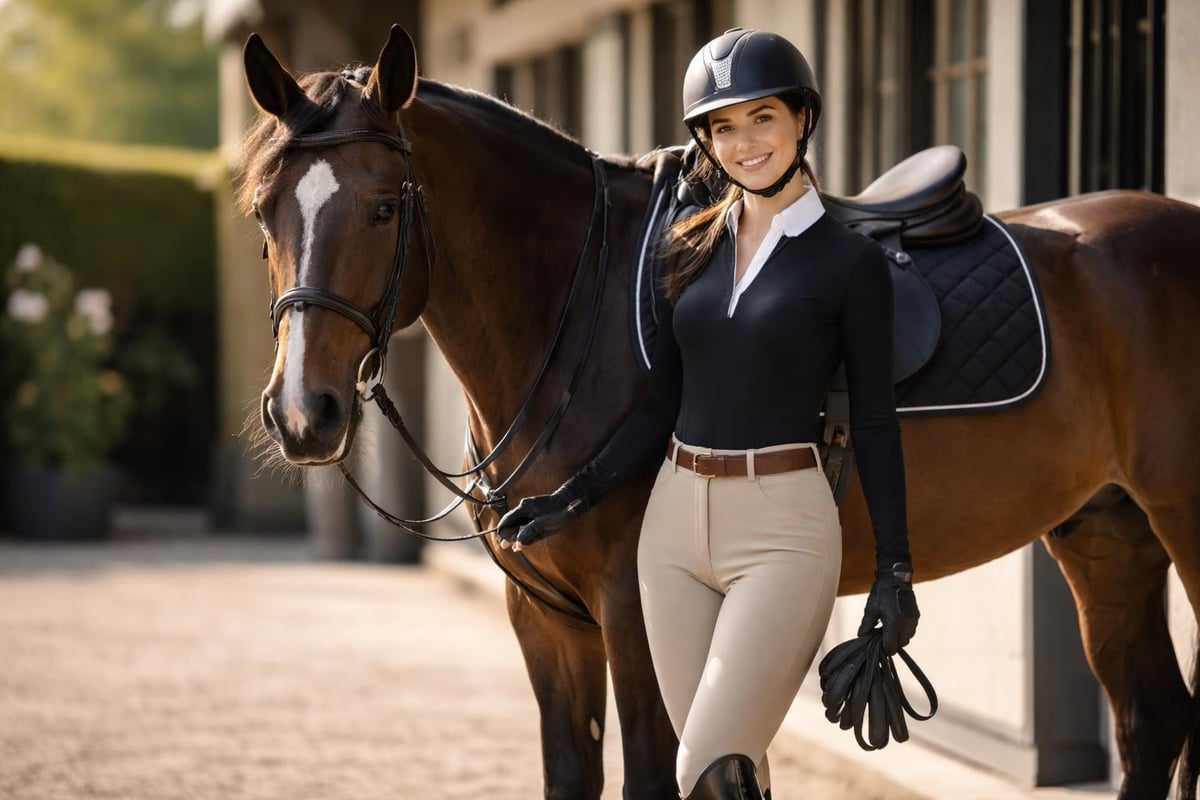
New riders benefit from prioritizing safety equipment and foundational pieces before expanding into specialized items. Start with a properly fitted helmet that meets current safety standards, appropriate footwear with a riding heel, and breeches or jodhpurs that allow comfortable movement in the saddle.
A basic riding shirt and protective gloves complete the minimum kit. This foundation ensures safety and comfort whilst you determine your riding direction and preferences. Resist the temptation to accumulate specialized horseback gear until you understand what your particular discipline and riding style require.
Quality matters more than quantity, particularly with safety equipment and frequently used items like breeches and boots. Investment pieces from brands focused on equestrian performance provide better value over time than cheaper alternatives requiring frequent replacement.
Expanding Your Collection Strategically
As your riding develops, add pieces that address specific needs rather than accumulating items opportunistically. If you're competing regularly, specialized competition wear becomes worth the investment. Serious training programs benefit from having multiple sets of breeches and shirts to ensure clean, professional appearance daily.
Weather-specific horseback gear prevents discomfort from derailing training consistency. A proper riding jacket for wet conditions and base layers for cold weather extend your riding season significantly. These purchases pay for themselves in maintained riding time and comfort.
Consider versatility when selecting new pieces. Items that transition from stable to everyday wear provide better practical value than those serving single purposes. The essentials collection demonstrates this philosophy with pieces designed for multiple contexts.
Maintaining Your Horseback Gear Investment
Care and Cleaning Protocols
Proper maintenance extends the life of your horseback gear significantly. Technical riding fabrics benefit from prompt washing after use, removing sweat and dirt before they set. Follow care labels carefully, as heat and harsh detergents can damage performance features like stretch and moisture-wicking properties.
Leather items require different protocols. Boots need regular cleaning and conditioning to prevent cracking and maintain water resistance. Store them with boot trees or stuffed with paper to maintain shape. Saddle soap and leather conditioner form the basic maintenance kit, applied after cleaning and before complete drying.
Helmets require periodic replacement regardless of visible condition. Most manufacturers recommend replacement every five years, or immediately after any significant impact. The protective foam degrades over time, reducing effectiveness even when external appearance seems fine.
Storage Considerations
Proper storage prevents unnecessary damage and maintains your horseback gear ready for use. Boots stored upright maintain their shape better than those allowed to slouch. Breeches folded along seams rather than randomly creased preserve their structure and appearance longer.
Climate control matters more than many riders realize. Excessive heat, cold, or humidity degrades materials and compromises safety equipment. If possible, store helmets and body protectors in moderate, stable conditions away from extreme temperatures and direct sunlight.
Regular inspection catches developing problems before they compromise safety or performance. Check helmet straps and adjustment mechanisms, examine boot soles for excessive wear, and review breeches for seam stress or worn grip patches. Early detection allows planned replacement rather than emergency purchases.
Understanding Horseback Gear Investment Value
Cost Versus Performance Analysis
Quality horseback gear represents genuine investment rather than mere expense. Superior materials, construction, and design translate directly to better performance, greater comfort, and extended useful life. The temptation to economize on riding equipment often results in higher long-term costs through frequent replacement and potential safety compromises.
That said, expensive doesn't automatically mean appropriate. Match your horseback gear investment to your riding frequency, goals, and current level. Someone riding twice weekly benefits less from top-tier competition breeches than a professional rider wearing them daily.
| Investment Level | Recommended For | Expected Lifespan | Key Benefits |
|---|---|---|---|
| Entry Level | Occasional riders, beginners | 1-2 years | Adequate safety, basic comfort |
| Mid-Range | Regular riders, amateur competitors | 2-4 years | Good durability, better comfort |
| Premium | Frequent riders, serious competitors | 4-6+ years | Superior performance, maximum comfort |
| Professional | Daily riders, professionals | 3-5 years | Peak performance, brand representation |
Recognizing Quality Indicators
Construction details reveal quality levels that aren't apparent from casual inspection. Flatlock seaming in breeches prevents chafing and lasts longer than basic stitching. Reinforcement at stress points extends garment life significantly. Quality zippers rarely fail, whilst budget alternatives often become the weak point requiring early replacement.
Fabric composition affects both performance and longevity. Higher-end technical fabrics maintain their stretch, shape, and moisture-management properties through hundreds of wash cycles. Budget alternatives often lose these characteristics relatively quickly, degrading performance and requiring replacement sooner.
Brand reputation matters, though not in the superficial sense of status. Companies specializing in equestrian wear understand riding-specific requirements that general athletic wear manufacturers miss. The cut, proportion, and feature placement reflect actual riding needs rather than generic athletic assumptions.
Adapting Horseback Gear for Multiple Disciplines
Cross-Discipline Versatility
Many riders participate in multiple disciplines, creating potential for extensive horseback gear duplication. Strategic selection minimizes this redundancy. Neutral-colored breeches work across disciplines, whilst specialized items like dressage tail coats serve single purposes.
Technical base layers and riding shirts function identically across disciplines, making these sensible items to share between activities. Discipline-specific requirements typically center on outer layers and competition attire rather than foundational pieces.
The Samson Collection exemplifies versatile design that works across riding styles whilst maintaining performance capabilities. This approach suits riders exploring different disciplines or those competing in multiple areas.
Transitioning Horseback Gear Beyond Riding
Modern equestrian clothing increasingly functions beyond purely riding contexts. Quality breeches pair with boots and casual shirts for stable chores or farm work. Technical polo shirts and quarter-zips work equally well for town errands or casual meetings.
This versatility maximizes the practical value of your horseback gear investment. Rather than maintaining completely separate wardrobes for riding and everyday life, overlap creates efficiency without sacrificing appropriate appearance in either context. The key is selecting pieces with clean design lines free from excessive branding or obviously sport-specific details.
Understanding when to maintain separation prevents inappropriate crossover. Competition whites stay pristine for shows rather than becoming general barn wear. Safety equipment remains dedicated to riding rather than repurposed for other activities where it might sustain damage.
Building a considered horseback gear collection enhances both your riding experience and daily comfort, whilst appropriate equipment supports safety and performance in the saddle. When you're ready to invest in performance-driven pieces designed specifically for men who ride, explore the range at Gallant Equestrian, where New Zealand-designed riding wear balances technical capability with refined style that transitions seamlessly from arena to everyday life.

