

Equine Riding Jacket: The Complete Guide for Men
Mar 07, 2026
Choosing the right equine riding jacket matters more than most riders realize. It's not just about looking sharp in the saddle or meeting competition standards. Your jacket affects comfort, movement, and confidence. Whether you're training at home, competing in the arena, or simply working around the yard, the jacket you wear shapes your entire riding experience. For men in equestrian sport, finding gear that balances tradition with modern performance can be challenging, but understanding what makes a quality riding jacket will transform how you ride and how you feel doing it.
Understanding the Equine Riding Jacket
An equine riding jacket serves multiple purposes simultaneously. It provides a polished appearance while allowing complete freedom of movement. The best examples combine structured tailoring with strategic stretch panels, creating a garment that looks formal yet performs like athletic wear.
Traditional riding jackets evolved from military dress uniforms, which explains their structured shoulders and precise lines. Modern versions maintain these classic elements while incorporating performance fabrics and ergonomic design. The result is a jacket that respects tradition without sacrificing function.
When selecting an equine riding jacket, consider where and how you'll wear it. Show coats follow strict regulations outlined in resources like The USEF's dressage attire booklet, which details acceptable colors, styles, and cuts for formal competition. Training jackets offer more flexibility, prioritizing comfort and weather protection over rigid formality.
Competition Requirements
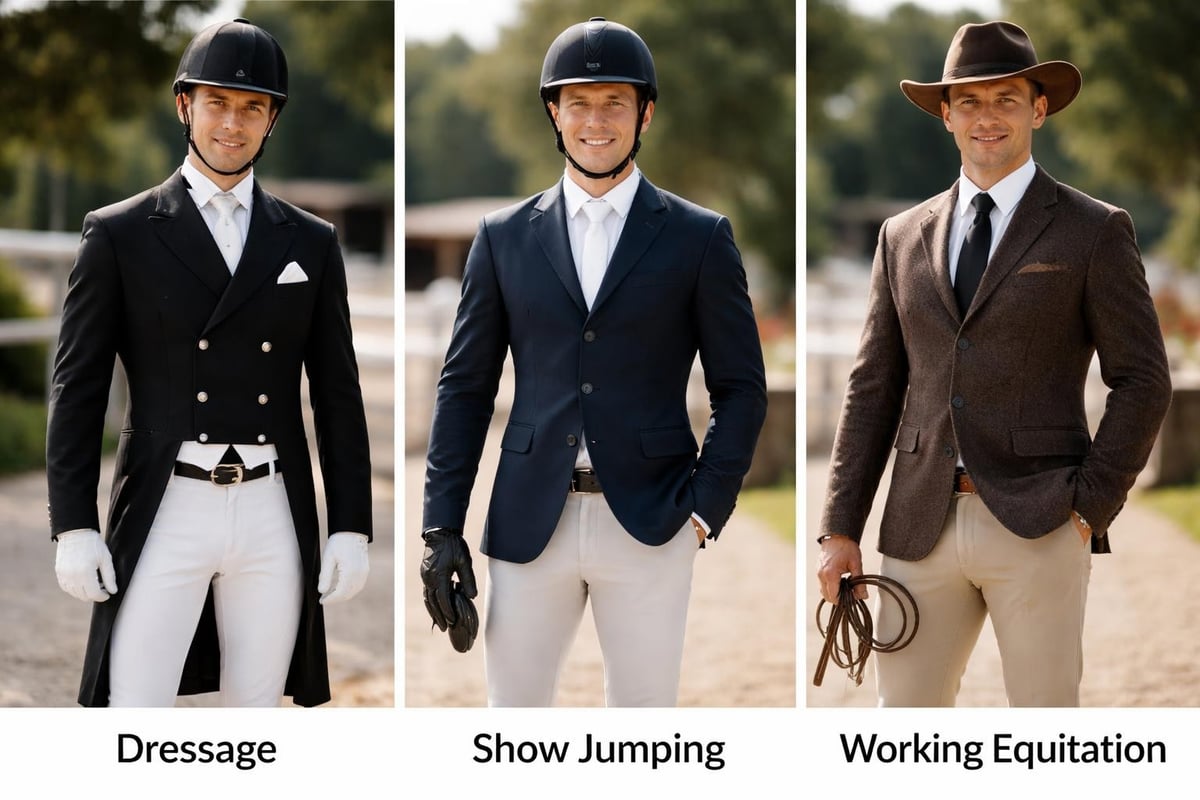
Different disciplines maintain distinct standards. Dressage typically requires navy or black coats with subtle details. Show jumping permits more color variation, especially at lower levels. Western disciplines follow entirely different conventions, though the fundamental principle remains: your jacket should enhance your presentation without restricting performance.
The USA Working Equitation's official guide provides valuable insight into acceptable attire across various equestrian disciplines, demonstrating how jacket requirements vary based on competition context and riding style.
Fabric Technology and Performance
The fabric of your equine riding jacket determines its functionality. Traditional wool maintains temperature regulation and a professional appearance but offers limited stretch. Modern technical fabrics blend performance with presentation, creating jackets that move with you.
Look for materials that combine structure with elasticity. Four-way stretch fabrics allow full range of motion without creating excess bulk. Breathable membranes prevent overheating during intense rides while maintaining a crisp silhouette. Water-resistant treatments protect against unexpected weather without compromising the jacket's refined appearance.
Many contemporary jackets incorporate mesh panels at strategic points. These ventilation zones, typically placed along the back and underarms, prevent moisture buildup during demanding sessions. The panels remain invisible when the jacket is worn properly, preserving the garment's formal appearance.
Weight matters significantly. A heavy jacket restricts movement and causes fatigue during long training sessions. Lightweight options provide comfort without sacrificing structure. Consider seasonal variations too. Gallant Equestrian's jacket collection demonstrates how thoughtful design creates versatile pieces suitable for various conditions.
Technical Specifications
| Feature | Traditional Fabric | Performance Fabric |
|---|---|---|
| Stretch | Limited or none | Four-way stretch |
| Breathability | Moderate | High with ventilation |
| Weather Resistance | Minimal | Water-resistant coating |
| Care Requirements | Dry clean only | Machine washable |
| Weight | Heavy to moderate | Lightweight |
| Durability | Excellent with care | Excellent with easier maintenance |
Fit and Tailoring Essentials
Proper fit transforms an average equine riding jacket into an exceptional one. The shoulders should align precisely with your natural shoulder line. Too wide creates a sloppy appearance. Too narrow restricts arm movement and causes the jacket to ride up when you raise your arms.
Sleeve length requires particular attention. When your arms hang naturally at your sides, the sleeves should reach your wrist bone. When mounted and holding the reins, they should remain long enough to cover your wrists without pulling the jacket's body out of position.
The jacket's length matters for both aesthetics and function. Traditional show coats end at mid-hip, creating a balanced silhouette when viewed from the side. This length prevents the jacket from bunching behind the saddle while providing adequate coverage. Shorter jackets work well for training but may not meet competition standards.
Waist suppression creates a tailored appearance without restricting breathing or movement. The jacket should follow your natural waistline without pinching. A properly fitted equine riding jacket closes comfortably at the front without pulling or gaping when you're in riding position.
Consider having your jacket professionally tailored. Even small adjustments significantly improve comfort and appearance. Sleeve shortening, waist adjustment, and shoulder modifications ensure the jacket works specifically for your body and riding style.
Style Variations for Different Disciplines
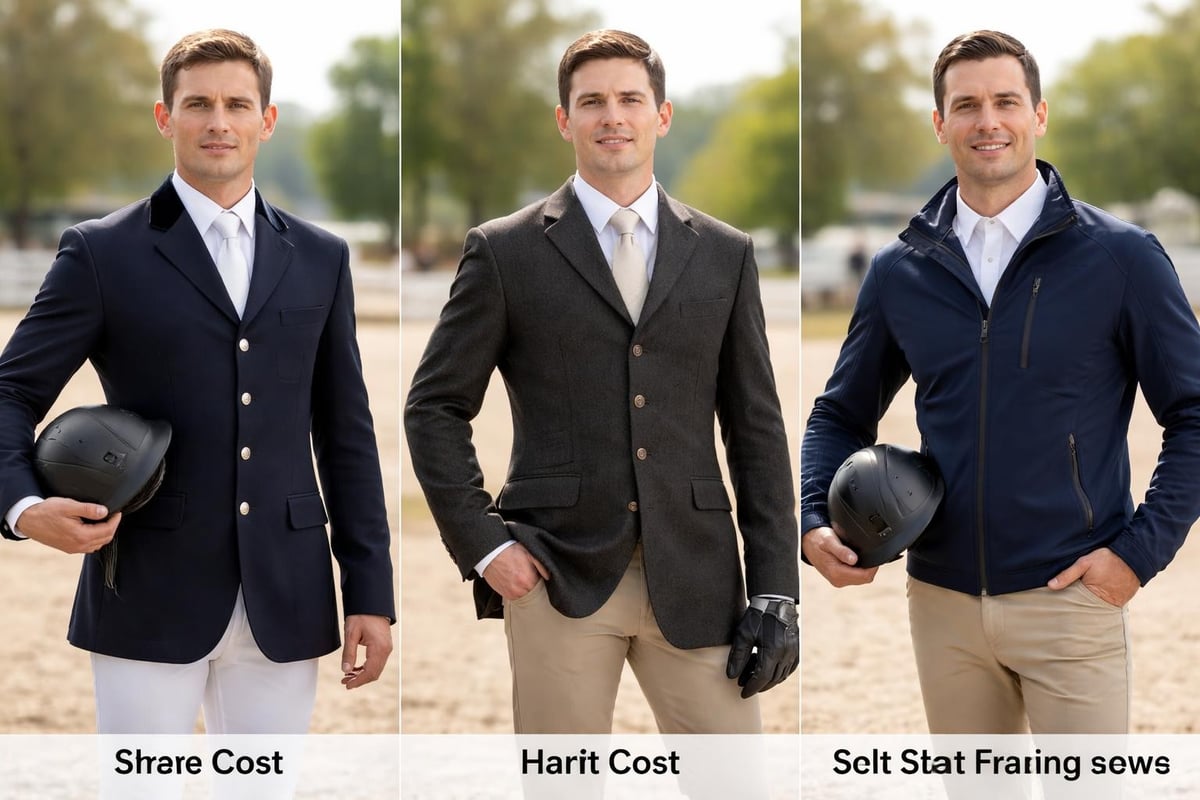
Show coats represent the most formal category of equine riding jacket. These structured garments feature crisp lines, peaked lapels, and conservative colors. Navy and black dominate, with subtle pinstripes occasionally permitted. The formality suits championship events and upper-level competition.
Hunt coats offer slightly more relaxed styling while maintaining traditional elements. Often seen in navy or black, they sometimes incorporate russet or brown tones. The cut remains classic, but details like patch pockets or contrast piping add personality without compromising professionalism.
Soft shell jackets bridge the gap between formal show wear and practical training gear. These pieces often feature stretch panels, technical fabrics, and weather-resistant treatments. They're ideal for schooling sessions, clinics, and casual rides where full formality isn't required but quality matters.
Color Selection Strategy
| Color | Best For | Considerations |
|---|---|---|
| Navy | All disciplines, formal competition | Most versatile, never wrong |
| Black | Dressage, formal events | Classic but shows dust easily |
| Grey | Show jumping, eventing | Modern alternative to navy |
| Brown | Hunt seat, casual showing | Pairs well with brown tack |
| Tweed | Hunting, pleasure riding | Traditional but less formal |
Weather Considerations
Your equine riding jacket needs to function across varying conditions. Summer competitions demand lightweight, breathable options that maintain professional appearance without causing overheating. Look for unlined jackets or those with mesh lining that promotes airflow.
Winter riding requires insulation without bulk. Quilted linings provide warmth while maintaining the jacket's sleek profile. Some riders prefer layering, wearing a fitted base layer beneath a shell-style riding jacket. This approach offers temperature flexibility throughout the day.
Rain protection becomes critical in unpredictable climates. Water-resistant coatings shed light precipitation, but serious wet weather demands dedicated rain gear. A proper rain jacket designed for equestrian use keeps you dry without restricting movement or creating noise that might disturb your horse.
Wind resistance matters more than many riders acknowledge. A jacket that blocks wind maintains core temperature during outdoor winter sessions. Strategic windproof panels at the chest and shoulders provide protection where you need it most.
Seasonal Rotation
Spring and autumn present unique challenges. Temperatures fluctuate throughout the day, making versatility essential. A well-designed equine riding jacket with removable linings or layering compatibility adapts to changing conditions without requiring multiple wardrobe changes.
Consider investing in season-specific pieces rather than trying to make one jacket serve all purposes. A lightweight summer show coat, a mid-weight training jacket, and a winter-rated option provide appropriate coverage year-round. This approach extends each garment's lifespan while ensuring optimal comfort.
Care and Maintenance
Proper care extends your equine riding jacket's useful life significantly. Read care labels carefully. Many modern jackets tolerate machine washing, but traditional wool coats require professional cleaning. Washing technical fabrics incorrectly can damage water-resistant treatments or stretch properties.
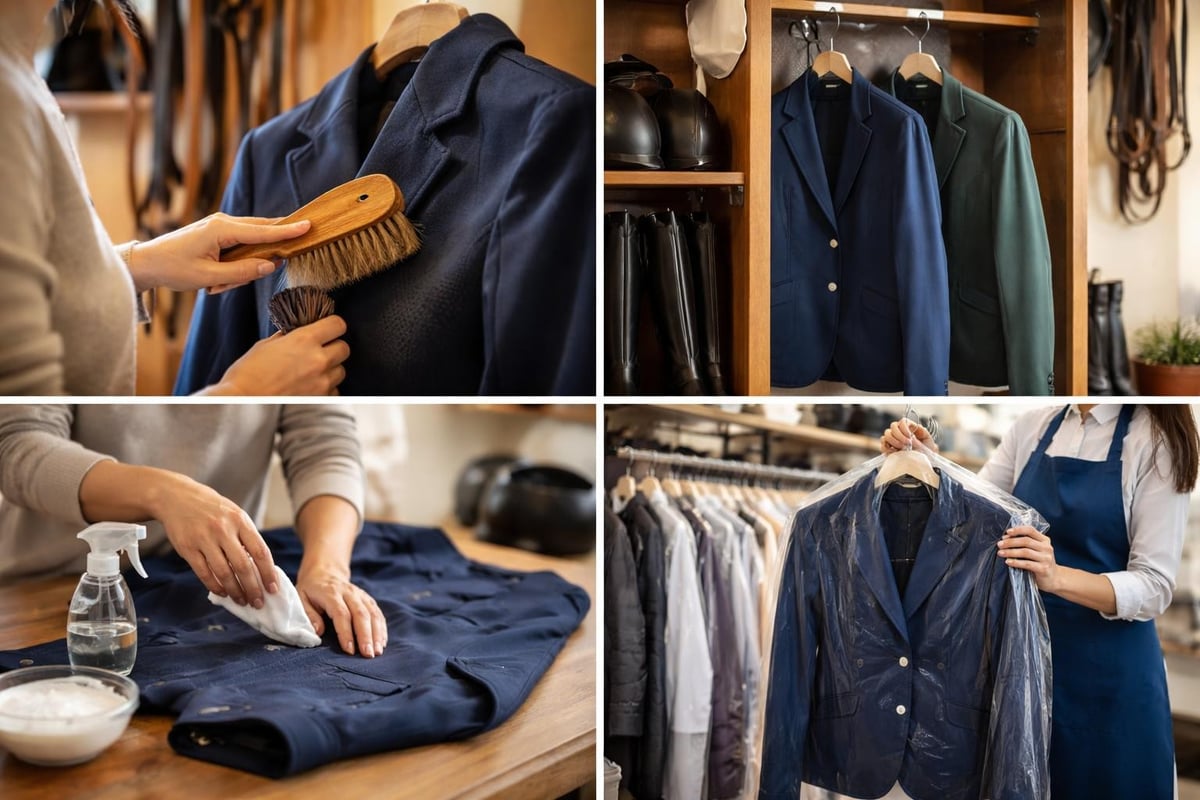
Storage matters as much as cleaning. Hang jackets on proper hangers that support the shoulders without stretching them. Avoid wire hangers, which create permanent deformations. Cedar or padded hangers preserve shape while protecting against moths and odors.
Brush your jacket after each ride. Horse hair, dust, and arena footing accumulate quickly, grinding into fabric fibers and causing premature wear. A simple clothes brush removes surface debris, maintaining the jacket's appearance between cleanings.
Address stains and marks promptly. The longer dirt sits, the harder it becomes to remove. Spot cleaning with appropriate products prevents minor issues from becoming permanent problems. Test any cleaning product on an inconspicuous area first.
Investment and Value
Quality equine riding jackets represent significant investments. Competition-level show coats from established brands start around several hundred pounds and can exceed a thousand. Training jackets offer more affordable entry points while still providing excellent performance.
Consider cost per wear rather than absolute price. A well-made jacket lasting ten years costs far less per use than a cheap alternative requiring replacement every season. Quality construction, proper care, and timeless styling create lasting value.
Budget allocation depends on your riding goals. Serious competitors need show-legal jackets meeting strict regulations. Recreational riders can prioritize comfort and versatility over competition compliance. Both approaches have merit when aligned with actual needs.
Sales and off-season purchases reduce costs without compromising quality. Many retailers discount riding apparel during traditional off-seasons. Planning ahead and buying winter gear in spring or summer gear in autumn yields significant savings.
Budgeting Framework
Beginners should start with one versatile jacket suitable for training and casual showing. As skills and competitive ambitions grow, adding specialized pieces makes sense. This progressive approach prevents overspending while ensuring appropriate gear at each development stage.
Used jackets offer another cost-effective option. Quality garments maintain value and function well secondhand. Inspect carefully for wear at stress points, check that closures function properly, and verify the fit works for your body before purchasing.
Modern Design Innovations
Contemporary equine riding jacket design incorporates subtle innovations that dramatically improve performance. Articulated elbows provide pre-shaped sleeves matching the natural bend of arms holding reins. This thoughtful detail eliminates fabric bunching and reduces restriction.
Gusseted backs expand when you lean forward in jumping position, preventing the jacket from pulling across shoulders. This feature proves particularly valuable for event riders and show jumpers who frequently adopt forward seats. The gusset remains invisible when standing, maintaining clean lines.
Magnetic closures replace traditional buttons on some modern jackets. These invisible fasteners create seamless fronts while allowing quick, easy opening and closing. Particularly useful during competitions when time constraints demand efficiency.
Integrated tech pockets provide secure storage for phones and other essentials without disrupting the jacket's silhouette. Placed strategically to avoid interference with movement, these pockets acknowledge modern riders' connectivity needs.
The stories riders share about their favorite jackets often highlight how specific design features transformed their riding experience, demonstrating that thoughtful innovation enhances both performance and emotional connection to gear.
Versatility Beyond the Arena
The best equine riding jacket transitions seamlessly from stable to social settings. This versatility reflects changing attitudes toward equestrian wear, where riders increasingly seek pieces that integrate with broader wardrobes rather than existing solely for barn use.
Conservative colors and classic cuts pair naturally with jeans or chinos for casual outings. The structured shoulders and refined lines elevate simple combinations, creating polished appearances appropriate for various contexts. This dual functionality maximizes value while reducing wardrobe complexity.
Understanding equestrian fashion principles helps identify jackets that work across multiple settings. Look for designs that balance riding-specific features with general wearability. Details like stretch panels and ventilation should integrate subtly rather than announcing themselves.
The distinction between specialized riding gear and versatile everyday pieces continues evolving. Modern riders demand clothing that performs in the saddle without compromising style elsewhere. Brands responding to this shift create collections bridging both worlds effectively.
Styling Options
| Setting | Pairing Suggestions | Considerations |
|---|---|---|
| Training | Technical riding shirt, breeches | Prioritize movement and comfort |
| Showing | Competition shirt, white breeches | Follow discipline-specific rules |
| Casual | Polo shirt, dark jeans | Keep combinations simple |
| Social | Oxford shirt, chinos | Choose conservative colors |
| Travel | Fitted tee, quality jeans | Select wrinkle-resistant options |
Building a Complete Wardrobe
A functional equestrian wardrobe requires multiple jacket options. Start with one quality show coat meeting your discipline's requirements. Add a weather-resistant training jacket for daily riding. These two pieces cover most situations adequately.
Expand thoughtfully based on actual needs. Riders in variable climates benefit from lightweight and insulated options. Those competing frequently might need multiple show coats to ensure clean, fresh appearances at every event. Training-focused riders can invest more heavily in comfortable everyday pieces.
Coordinate your jacket collection with essential riding pieces like breeches and base layers. Color harmony simplifies daily outfit decisions while creating professional appearances. Navy, black, and neutral tones mix effortlessly, reducing the total number of pieces required.
Consider how different jackets work with existing gear. A navy show coat pairs with white, grey, or navy breeches. A versatile training jacket should complement your most-worn combinations. This coordinated approach maximizes wardrobe functionality without excessive spending.
Final Considerations
Choosing an equine riding jacket involves balancing multiple factors: discipline requirements, weather conditions, budget constraints, and personal style preferences. No single jacket serves every purpose perfectly, but understanding priorities helps identify the best options for your specific situation.
Test jackets thoroughly before purchasing. Wear them around the shop. Raise your arms overhead. Simulate riding positions. Proper fit feels comfortable immediately rather than requiring a breaking-in period. Trust your initial impressions about comfort and movement.
Research brand reputations and read reviews from other male riders. Women's equestrian apparel dominates the market, but men's-specific options like those from Gallant Equestrian increasingly recognize that male riders deserve properly fitted, thoughtfully designed gear.
Resources like the Interscholastic Equestrian Association's handbook provide valuable guidance for younger riders and those new to competitive equestrian sport, clarifying what constitutes appropriate attire across different levels and disciplines.
The right equine riding jacket enhances every aspect of your time with horses. It protects against weather, presents professional appearances, and most importantly, allows you to ride with complete freedom and confidence. Quality gear removes distractions, letting you focus entirely on developing your partnership with your horse and pursuing your equestrian goals with clarity and purpose.
Finding the perfect equine riding jacket transforms how you experience every ride, combining tradition with modern performance in ways that genuinely matter. Whether you're preparing for competition or simply want gear that performs at the highest level, investing in quality pieces designed specifically for men makes all the difference. Gallant Equestrian creates performance-driven clothing that works as hard as you do, seamlessly transitioning from arena to everyday life without compromise. Look the Part. Enjoy the Ride.

