

Horseback Riding Attire: The Modern Man's Guide
Mar 06, 2026
Getting your horseback riding attire right matters more than you might think. It's not about following outdated traditions or conforming to stuffy club rules. The right gear keeps you safe, comfortable, and moving naturally with your horse. When you understand the purpose behind each piece, you can make informed choices that work for your riding style and ambitions. Whether you're training daily or competing at weekends, what you wear affects how you perform and how you feel in the saddle.
The Foundation: Understanding Proper Riding Wear
Horseback riding attire has evolved significantly over the past decades. What started as purely functional workwear has developed into performance clothing that combines technical fabrics with timeless style. Modern riders expect their gear to work as hard as they do.
The basics remain consistent across most disciplines. You need clothing that allows full range of movement without restriction. Fabrics should breathe during warm weather while providing protection against the elements. Seams and stitching must withstand hours in the saddle without causing irritation or breaking down.
Safety comes first, but that doesn't mean sacrificing style. Today's riding wear delivers both, using advanced materials and thoughtful design. The comprehensive safety guidelines from the University of Findlay outline the essential requirements that form the basis of proper riding attire.
Breeches: Your Most Important Investment
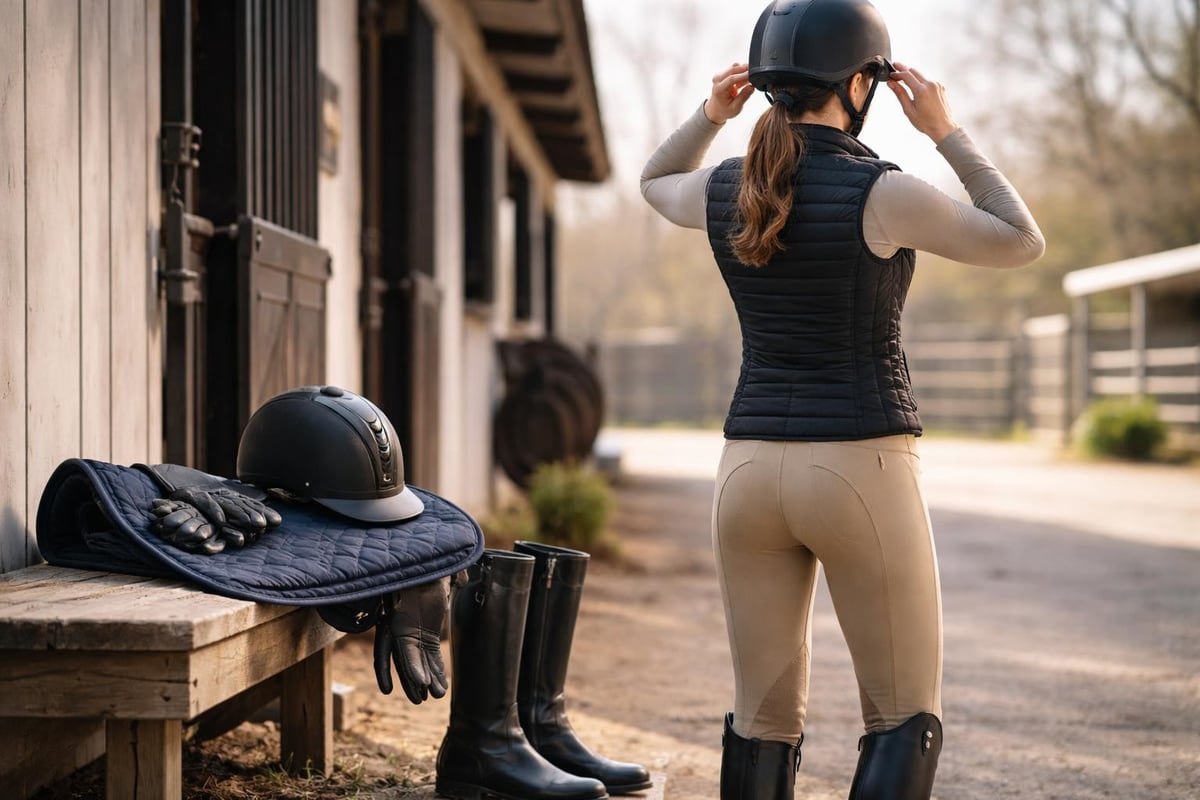
No single piece of horseback riding attire matters more than your breeches. They're in constant contact with both your horse and the saddle, creating friction and pressure that regular trousers simply can't handle. Quality breeches use specialized fabrics with four-way stretch, allowing you to move freely while maintaining their shape ride after ride.
The fit determines everything. Breeches should feel like a second skin without being restrictive. Look for a mid-rise waist that stays put when you're mounted. The seat should provide enough coverage without bunching, and the legs need to be long enough to meet your boots without riding up.
Modern men's breeches incorporate technical features that earlier generations never had access to. Moisture-wicking fabrics keep you dry during intense sessions. Strategically placed grip helps maintain your position without relying solely on tension. Reinforced inner legs withstand constant contact with the saddle.
Consider your riding discipline when selecting breeches. Full-seat silicone grip works brilliantly for dressage, providing maximum stability during precise movements. Knee-patch breeches offer the freedom many jumpers prefer while still delivering grip where it counts. Training breeches focus on durability and comfort for daily wear.
Choosing the Right Fabric Weight
| Season | Fabric Weight | Best For |
|---|---|---|
| Summer | Lightweight (200-240g) | Hot weather riding, intense training |
| Spring/Autumn | Midweight (280-320g) | Variable conditions, general use |
| Winter | Heavyweight (350g+) | Cold weather, outdoor riding |
The fabric composition affects performance as well. Higher polyester content typically means better moisture management and durability. A touch of elastane (usually 5-10%) provides the stretch needed for comfort in the saddle. Some premium breeches include merino wool for natural temperature regulation.
Shirts and Tops: Layering for Performance
Your upper body needs as much attention as your lower half when building your horseback riding attire. The key is versatility. Stable temperatures fluctuate throughout the day, and your body temperature changes dramatically between mounted work and ground tasks.
Start with a quality base layer. Technical t-shirts in breathable fabrics work perfectly for warmer months. They should fit close enough to eliminate excess fabric but not restrict your movement. Long sleeves protect your arms from sun exposure and minor scrapes when working around the stable.
Polo shirts strike an excellent balance between casual and competition-ready. The collar adds a refined touch without formality, and the slightly structured fit looks sharp both on and off the horse. Choose polos in performance fabrics rather than traditional cotton for better moisture management.
For competition, show shirts follow specific requirements that vary by discipline. The detailed attire guidelines from UDJC explain these distinctions clearly. Generally, you're looking at long sleeves, a collar, and conservative colours. Competition show shirts in white or subtle patterns remain the standard for most disciplines.
Building a Practical Wardrobe
Spring and Summer Essentials:
Short-sleeve technical tees for training, long-sleeve base layers for sun protection, lightweight polos for casual riding, and show shirts for competition. Keep colours practical. Navy, white, and black work everywhere. Olive adds variety without standing out.
Autumn and Winter Layers:
This is where your equestrian fashion sense gets tested. You need warmth without bulk. Quarter-zips and sweatshirts provide insulation while allowing easy temperature adjustment. A quality rain jacket is non-negotiable. Weather changes quickly, and getting caught in a downpour without protection makes for a miserable ride.
Hoodies work brilliantly for stable work but check your venue's rules before wearing them while mounted. Some facilities don't allow hoods for safety reasons. When they're permitted, a well-fitted hoodie adds warmth and a relaxed style that suits modern riding culture.
Footwear and Safety Equipment
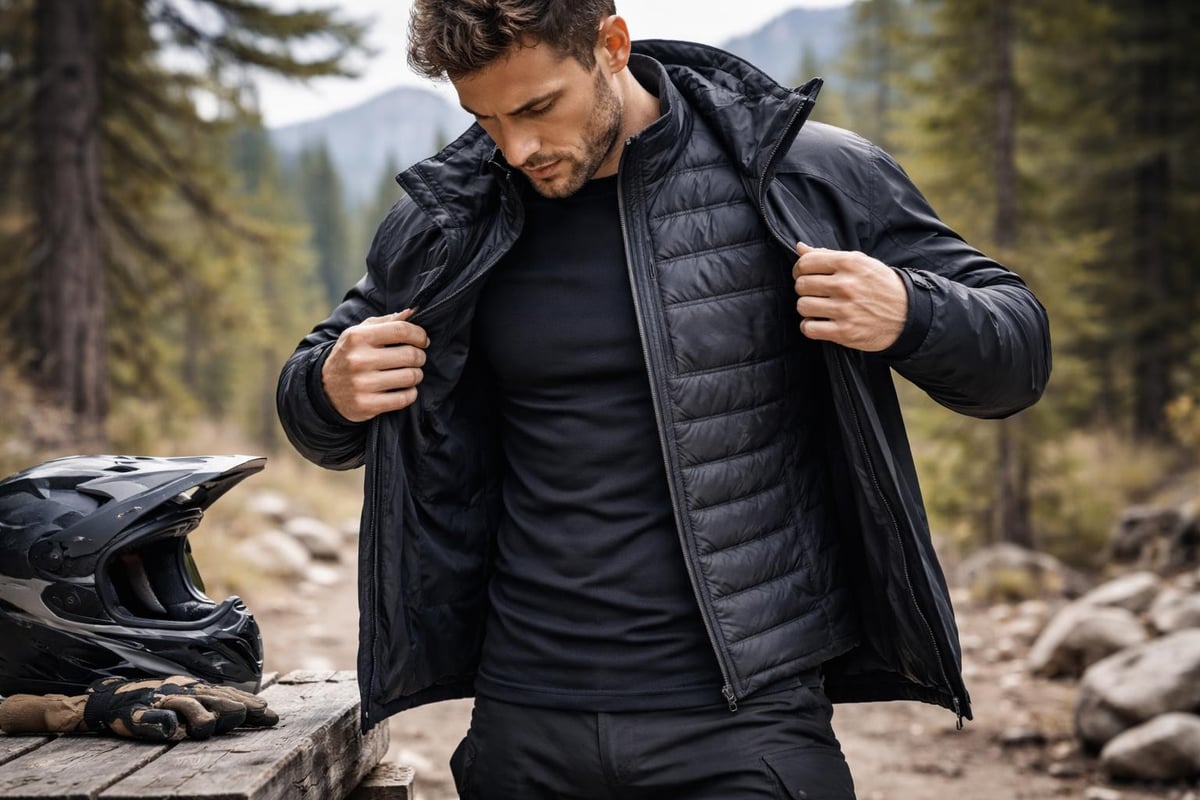
Proper boots aren't optional in your horseback riding attire. They protect your feet, provide stability in the stirrups, and prevent your foot from sliding through should you lose your balance. The heel is crucial. It needs to be defined enough (usually 1-1.5 inches) to catch the stirrup bar while not being so chunky it hampers your movement.
Tall boots remain the classic choice for most English disciplines. They look sharp, protect your legs, and provide consistent contact with your horse's sides. Breaking them in takes time, so buy quality and care for them properly. Paddock boots paired with half-chaps offer a more affordable alternative that delivers similar benefits.
Safety helmets have evolved tremendously. Modern designs use advanced materials and construction techniques that earlier riders couldn't imagine. They're lighter, cooler, and significantly more protective than helmets from even a decade ago. Replace your helmet after any significant impact or every five years, whichever comes first.
Competition vs. Training Attire
Understanding when to dress up and when to keep it casual shows good judgment. Training attire prioritizes comfort and durability. You'll spend more time in training clothes than anything else, so invest accordingly. Quality training breeches should last hundreds of rides if you care for them properly.
Competition horseback riding attire follows stricter guidelines. Most disciplines require specific colours, styles, and accessories. Dressage traditionally calls for white or light-coloured breeches, while jumpers often wear tan or rust. Jackets become mandatory at higher levels, with specific colours and cuts depending on your discipline and level.
The transition from training to competition doesn't have to mean a complete wardrobe change. Many modern pieces work in both contexts. Well-designed breeches in conservative colours suit daily training and lower-level shows. The same quality boots serve you everywhere. It's usually the upper body where you'll need dedicated competition pieces.
Competition Checklist
| Discipline | Breeches | Shirt | Jacket | Additional Items |
|---|---|---|---|---|
| Dressage | White or cream, full seat | White show shirt | Black or navy tailcoat (upper levels) | Stock tie, gloves |
| Show Jumping | Tan, rust, or navy, knee patch | Light-coloured show shirt | Navy or black show jacket | Tie or choker |
| Eventing | Varies by phase | White for dressage, polo for XC | Shadbelly (upper levels) | Safety vest for XC |
The 5 Star Equestrian equipment guide provides additional context about discipline-specific requirements. Knowing these standards helps you make appropriate choices as you progress through different levels.
Fabric Technology and Care
Modern horseback riding attire uses technical fabrics that outperform traditional materials in every meaningful way. Understanding these technologies helps you choose pieces that will serve you well and last longer.
Moisture-wicking fabrics pull sweat away from your skin, allowing it to evaporate quickly. This keeps you cooler in summer and prevents that clammy feeling in winter. Most performance riding wear uses polyester-based fabrics engineered for this purpose. They're also more durable than cotton and resist fading.
Four-way stretch has revolutionized riding comfort. Unlike older fabrics that only stretched in one direction, modern materials move with you in all directions. This matters enormously when you're asking your body to maintain specific positions for extended periods. The fabric supports your movement rather than fighting against it.
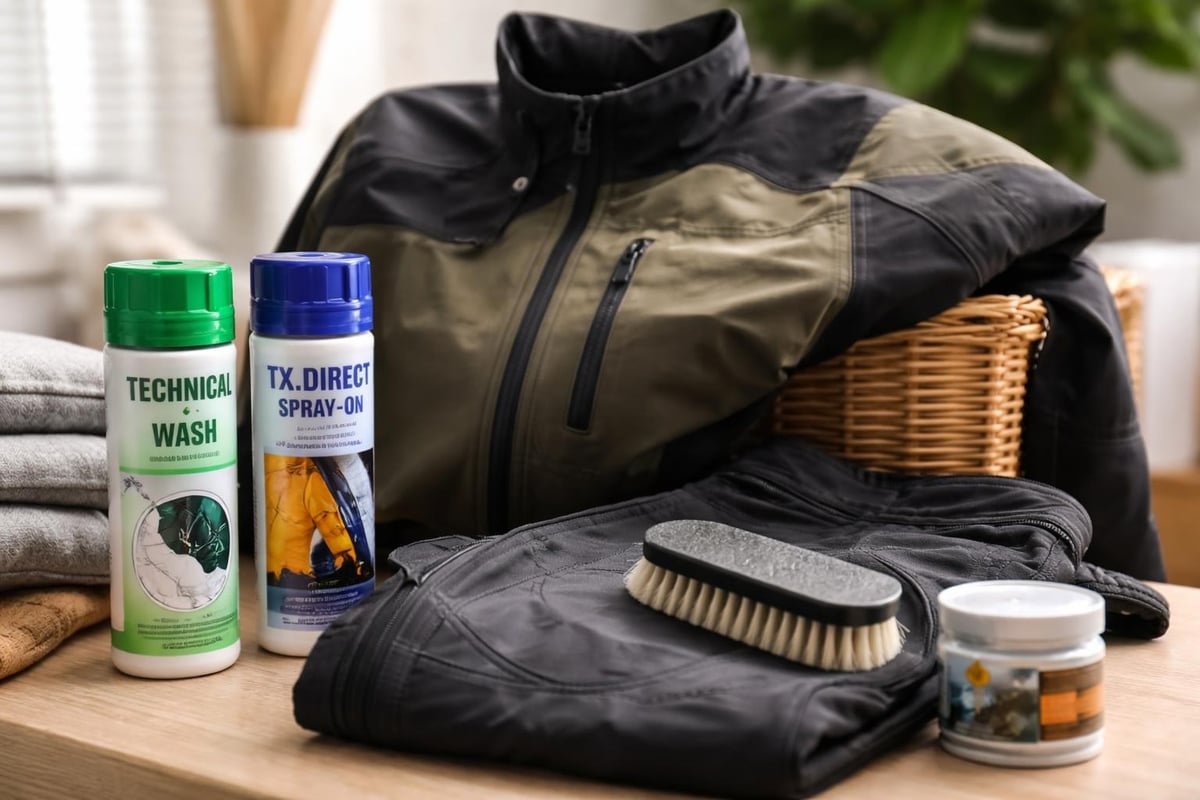
Caring for technical fabrics requires attention but isn't complicated. Wash in cold water to preserve elasticity and colour. Avoid fabric softeners, which coat the fibres and reduce their ability to wick moisture. Air drying extends the life of elastic components. When you consider the investment in quality horseback riding attire, proper care becomes an obvious priority.
Transitioning from Stable to Street
One significant advantage of modern men's riding wear is its versatility. Quality pieces transition seamlessly from the stable to daily life. This isn't about hiding your riding identity. It's about choosing clothing designed well enough to work in multiple contexts.
Well-fitted breeches under tall boots create a clean silhouette that works with a casual jacket for post-ride errands. A technical polo looks equally appropriate at the barn and meeting friends for coffee. This versatility makes sense both practically and economically.
The key is selecting pieces in versatile colours and avoiding overly equestrian-specific details when you want maximum flexibility. Navy, black, olive, and bone work everywhere. Save bright colours and bold patterns for pieces you'll primarily wear at the stable.
Building Your Essential Wardrobe
Starting with horseback riding attire can feel overwhelming. The range of options, price points, and technical considerations create decision fatigue. Focus on building a core wardrobe of quality essentials, then expand as your needs and budget allow.
Start here: Two pairs of quality breeches (one for training, one as backup), three technical shirts (mix of short and long sleeve), one polo, proper boots, a helmet, and gloves. This foundation handles most training situations and many casual shows.
Add next: A show shirt, competition breeches with appropriate grip, a rain jacket, and a mid-layer for changeable weather. This expands your options without overwhelming your storage or budget.
Expand thoughtfully: Additional breeches in different weights, specialized competition wear, quality accessories, and backup pieces. Once you understand what works for your riding and body, you can invest in pieces that deliver specific benefits.
Fit and Sizing Considerations
Proper fit separates functional horseback riding attire from clothes that merely look the part. Unlike street wear where slight variations rarely matter, riding clothes need precision. Too tight restricts movement and causes discomfort. Too loose creates excess fabric that bunches, chafes, and interferes with your position.
Most quality manufacturers provide detailed size guides that go beyond basic measurements. They account for the specific demands of riding. When between sizes, consider your riding discipline. Dressage riders often prefer a closer fit, while jumpers might want slightly more room for dynamic movement.
Order early when buying for specific events. This gives you time to try pieces properly, ideally in the saddle if possible. Some fit issues only become apparent when you're actually riding. Natural fabrics may require breaking in, while technical materials typically feel right immediately if the size is correct.
Seasonal Adjustments and Weather Preparedness
British weather demands flexibility in your horseback riding attire. Morning frost can give way to afternoon warmth within hours. Having the right layers means you're prepared for whatever the day brings without hauling an entire wardrobe to the stable.
Summer riding requires sun protection and moisture management. Long sleeves in lightweight, breathable fabrics protect your arms better than sunscreen alone. Light colours reflect heat. Ventilated designs allow air circulation. Don't forget that your horse generates significant heat, which you absorb during close contact.
Winter layers need strategic planning. Start with a thermal base layer that wicks moisture. Add an insulating mid-layer that provides warmth without bulk. Top with a wind and water-resistant outer layer. You can always remove layers, but you can't add what you didn't bring. Quality rain jackets earn their keep during Britain's frequent wet spells.
The Girl Scouts horseback riding guidelines emphasize the importance of appropriate clothing for varying conditions. While written for a different audience, the fundamental safety principles apply universally.
Price vs. Value in Riding Wear
Quality horseback riding attire costs more upfront but delivers better value over time. Cheap breeches might save you £40 today, but when they lose their shape after a month or develop holes after a season, you'll spend more replacing them repeatedly. Premium pieces maintain their performance and appearance through hundreds of rides.
Look beyond the price tag to cost per wear. Breeches you ride in three times weekly for two years deliver exceptional value at almost any price point. A show jacket worn twice annually needs different consideration. Allocate your budget where it matters most for your riding frequency and goals.
Quality indicators include: Reinforced stitching at stress points, substantial hardware (buttons, zips, and closures), technical fabrics from recognized manufacturers, thoughtful design details, and comprehensive sizing options. Brands that specialize in riding wear understand the unique demands better than general athletic companies.
Choosing the right horseback riding attire makes every ride more comfortable, safer, and more enjoyable. When your clothing works with you rather than against you, you can focus on developing your skills and building your partnership with your horse. Gallant Equestrian designs performance-driven clothing specifically for men who take their riding seriously. Our New Zealand-designed collection delivers the durability, style, and functionality you need, whether you're training daily or competing at the highest levels. Look the Part. Enjoy the Ride.

