

Horseback Riding Outfits: A Modern Gentleman's Guide
May 20, 2026
Getting dressed for riding shouldn't feel complicated. The right horseback riding outfits combine function with style, keeping you comfortable in the saddle whilst looking sharp enough to grab lunch afterwards. Whether you're hacking out on a crisp autumn morning or competing at the weekend, what you wear matters. Your clothing affects how you ride, how you move, and ultimately how much you enjoy your time with horses. Building a proper riding wardrobe takes thought, but once you've got the essentials sorted, you'll wonder how you ever managed without them.
Understanding the Foundation Layer
Every proper riding outfit starts with what sits closest to your skin. Base layers aren't glamorous, but they're the difference between a comfortable hack and two hours of distraction. Technical fabrics wick moisture away from your body, regulate temperature, and move with you as you post or shift your weight. Cotton might feel comfortable when you pull it on, but once you start working, it holds sweat and creates friction.
Modern performance fabrics have changed the game entirely. Merino wool blends offer natural temperature regulation without the bulk. Synthetic moisture-wicking materials dry quickly and resist odour. During summer, lightweight base layers prevent chafing under breeches. In winter, thermal options add warmth without restricting movement. The key is finding fabrics that disappear once you're riding, letting you focus on your horse rather than adjusting your shirt.
Breeches That Actually Work
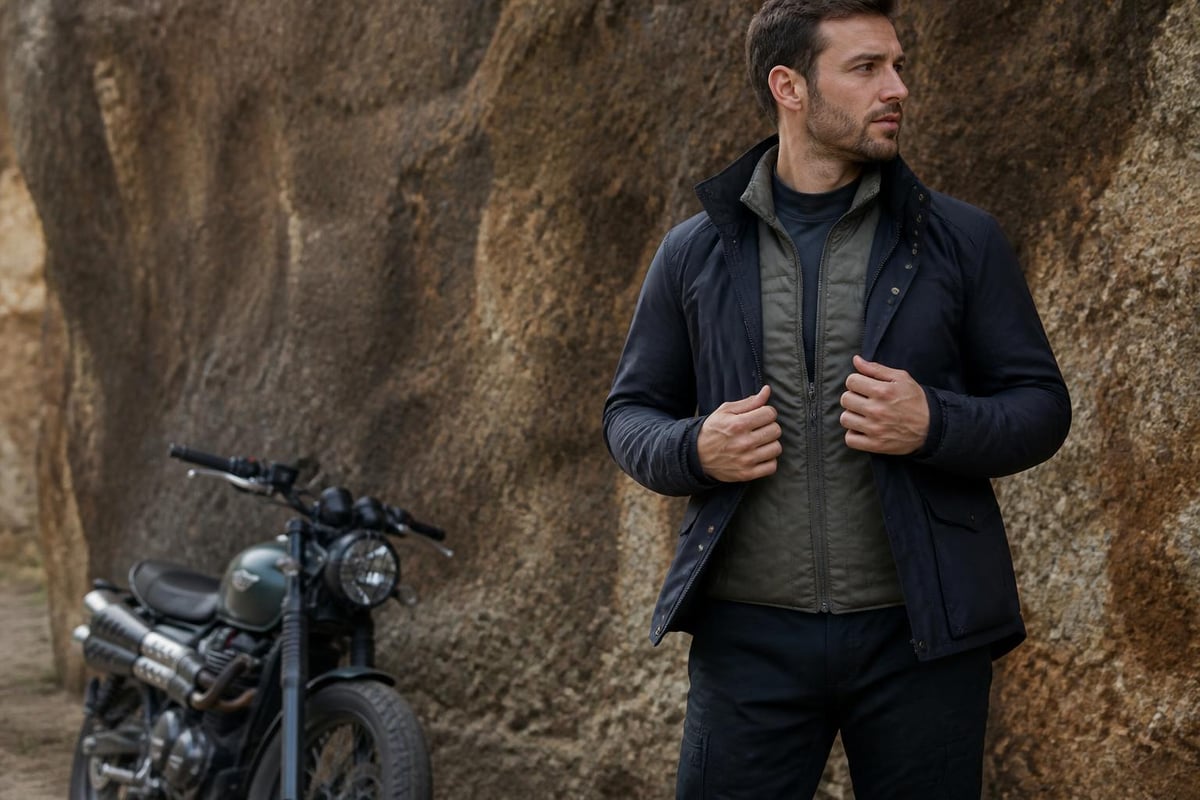
Your breeches are the single most important piece in your riding wardrobe. Poor-fitting or low-quality breeches create discomfort, restrict movement, and wear out quickly. Quality breeches use four-way stretch fabric that moves with your leg whilst maintaining shape. Knee patches or full-seat grips provide security in the saddle without adding bulk. The waistband should sit comfortably without digging in, and the rise should allow proper position without gapping.
Modern men's breeches have moved beyond the traditional beige. Navy, charcoal, and even subtle patterns offer versatility for different settings. Look for reinforced seams, quality zips, and fabric weight appropriate to the season. Summer-weight technical fabrics with mesh panels keep you cool. Winter options incorporate thermal properties without sacrificing the stretch you need for riding. The best breeches feel like a second skin, never drawing your attention whilst you're focused on your horse.
Jackets and Outerwear for Every Condition
Weather changes quickly, particularly if you're riding outdoors regularly. Your outerwear needs to protect you from the elements whilst allowing full range of movement. Stiff, restrictive jackets interfere with your position and communication with your horse. The right riding jacket flexibly moves with you, sheds rain, blocks wind, and looks appropriate whether you're mucking out or meeting friends afterwards.
Softshell jackets provide wind resistance and light weather protection with excellent breathability. They're ideal for spring and autumn riding when temperatures fluctuate. Waterproof options are non-negotiable in wet climates. Look for riding-specific cuts that accommodate arm movement and don't ride up in the saddle. Waterproof riding jackets should feature taped seams, quality zips, and fabrics that actually breathe rather than turning into a portable sauna.
Layering Strategies That Work
| Season | Base Layer | Mid Layer | Outer Layer |
|---|---|---|---|
| Summer | Moisture-wicking tee | Optional lightweight shirt | None or light rain shell |
| Autumn | Technical long-sleeve | Softshell jacket | Waterproof as needed |
| Winter | Thermal base | Fleece or insulated mid | Weatherproof riding coat |
| Spring | Breathable tee | Removable mid layer | Water-resistant shell |
Smart layering means you can adapt to changing conditions without compromising comfort. Start with a technical base that manages moisture. Add an insulating mid-layer that traps warmth without bulk. Top with a weather-resistant shell that blocks wind and rain. Each layer should work independently whilst complementing the system as a whole.
Safety Equipment That Doesn't Compromise Style
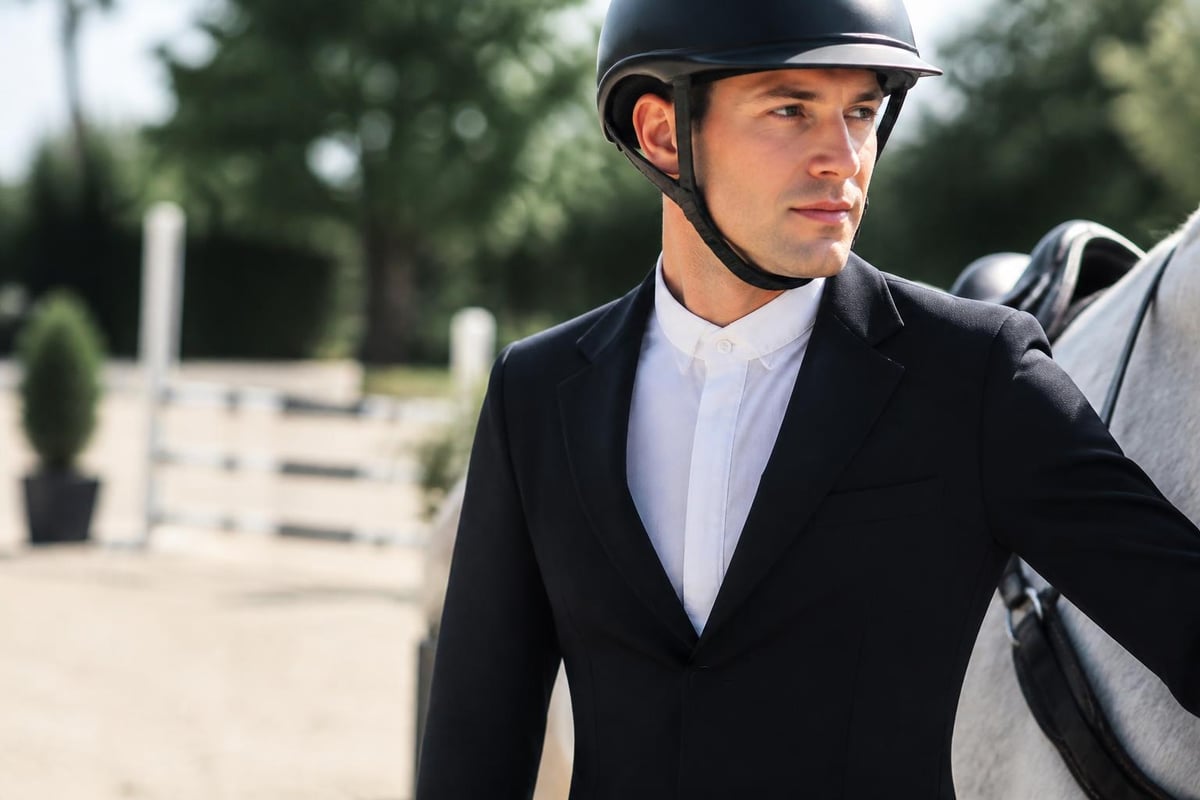
Protection matters, but it doesn't mean sacrificing appearance. Modern safety equipment has evolved significantly, incorporating better materials and more refined designs. Body protectors now offer excellent protection whilst remaining relatively low-profile under your clothing. Safety standards for equestrian protective equipment ensure that certified gear meets specific impact and penetration resistance requirements.
While helmets are universally accepted as essential, body protectors remain underutilised despite their proven effectiveness. The British Horse Society provides comprehensive guidance on body protector fitting and standards, helping riders make informed decisions. These garments have become significantly more comfortable, using flexible foam panels that move with your body rather than restricting it. Some jurisdictions mandate safety vests in specific contexts, such as New York's requirements for mounted individuals at racetracks.
Choosing the Right Protection Level
Different riding disciplines and environments call for different protection levels. Eventing and jumping typically warrant higher-level body protectors given the increased fall risk. Dressage and flatwork riders often opt for lighter options or forgo additional protection entirely, though this remains a personal choice. The key is understanding what you're riding, where you're riding, and your own risk tolerance. Quality protection shouldn't feel like armour, it should simply be there when you need it.
Footwear That Supports Performance
Riding boots serve multiple purposes simultaneously. They protect your feet and lower legs, provide grip in the stirrup, prevent your foot from sliding through, and support your ankle during long rides. Traditional tall boots remain the gold standard for formal riding and competition, offering a clean line and maximum leg contact. Jodhpur boots paired with half chaps provide similar function with easier maintenance and more versatility off the horse.
Boot construction matters more than most riders realize. Quality leather moulds to your leg over time, creating a custom fit that synthetic alternatives rarely match. Soles need enough grip to prevent slipping whilst avoiding so much tread that your foot catches in the stirrup. The heel should be defined, typically between 1.25 to 2.5 centimetres, preventing your foot from sliding through. Paddock boots work perfectly for schooling and daily riding, whilst tall boots suit competition and formal instruction.
Building a Versatile Competition Wardrobe
Competition requirements vary by discipline, but certain principles apply across the board. English riding attire follows established conventions that balance tradition with modern performance needs. Your competition outfit should make you feel confident without drawing attention away from your riding. Clean lines, proper fit, and appropriate colors create a polished appearance that judges expect.
Dressage typically calls for white or light-colored breeches, a show coat in dark colors, and a light shirt or stock tie. Show jumping allows more flexibility, with navy or darker breeches becoming increasingly acceptable. Eventing phases each have their own requirements, from formal dressage attire to protective vests and bright colors for cross-country. Understanding what's expected in your discipline prevents last-minute scrambling before competitions.
Competition Essentials Checklist
Show Day Clothing Requirements:
Competition breeches in approved colors for your discipline
Show coat properly fitted through shoulders and sleeves
Dress shirt or appropriate show shirt with collar
Show boots polished and in good repair
Belt matching boot color
Clean gloves providing grip without bulk
Stock tie or appropriate neckwear (discipline dependent)
Preparation Items:
Backup shirt in case of stains or damage
Spare gloves tucked in your coat pocket
Boot polish and cleaning supplies
Lint roller for removing hair and dust
Safety pins for number attachment
Small sewing kit for emergency repairs
Transitioning from Stable to Street
The best horseback riding outfits don't look out of place once you've left the yard. Modern equestrian clothing increasingly embraces this dual functionality, creating pieces that work hard in the saddle whilst maintaining style for everyday wear. Technical fabrics that handle the demands of riding also resist wrinkles and stains in casual settings. Tailored cuts flatter without shouting "I just came from the stables."
Riding clothes brands now recognize that riders want versatility without compromise. A quality pair of breeches in navy or charcoal pairs perfectly with a casual shirt or jumper for lunch. Riding jackets in subtle colors and clean designs work over everyday clothing. Even traditional riding boots can transition seamlessly when paired with the right trousers. The goal is building a wardrobe where each piece earns its space through multiple uses rather than sitting unused between rides.
Maintaining Your Investment
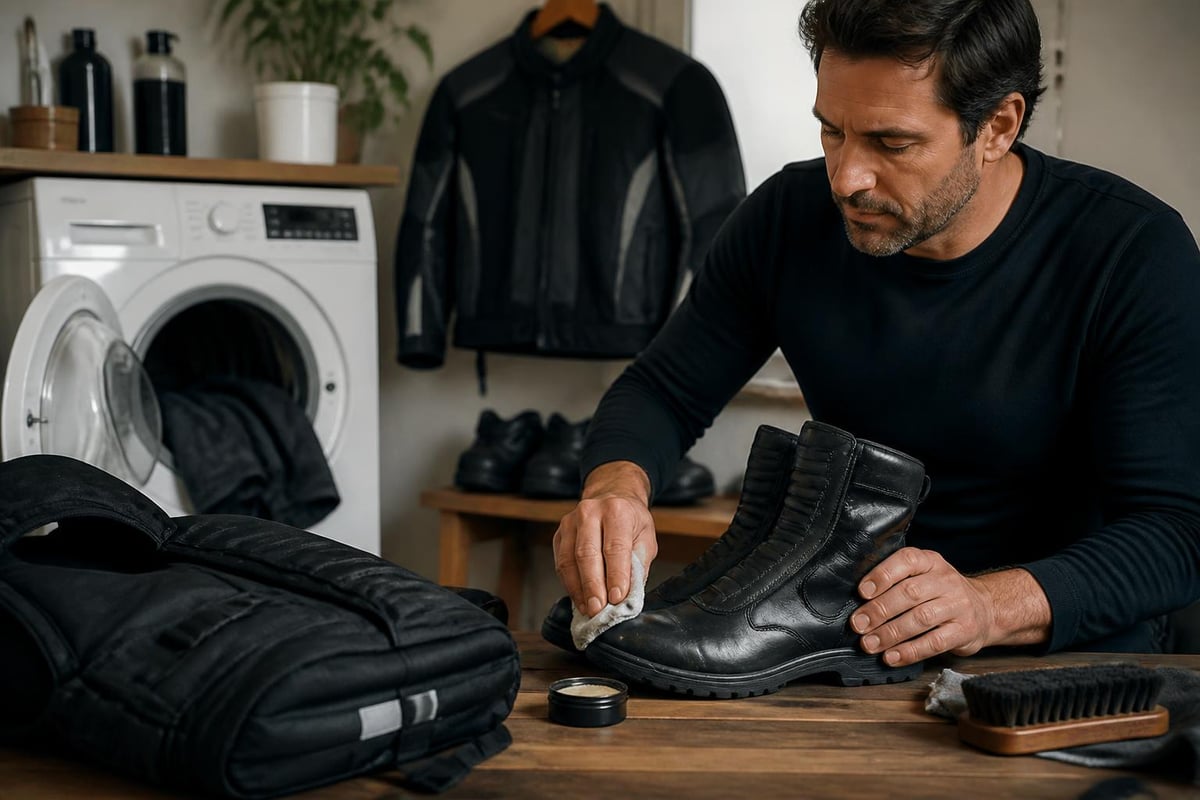
Quality riding clothing represents a significant investment, but proper care extends its lifespan considerably. Most technical fabrics require specific washing instructions to maintain their performance properties. Hot water and aggressive detergents break down elastic fibres and moisture-wicking treatments. Air drying preserves shape and prevents shrinkage. Leather items need regular cleaning and conditioning to prevent cracking and maintain suppleness.
| Item Type | Washing Method | Drying Method | Special Care |
|---|---|---|---|
| Breeches | Cold wash, gentle cycle | Air dry flat | Inside out, no fabric softener |
| Technical shirts | Cold wash, delicate cycle | Hang dry | Avoid heat, use sport detergent |
| Jackets (synthetic) | Follow label, typically cold | Air dry or low heat | Check waterproofing treatment annually |
| Leather boots | Wipe clean after each ride | Room temperature, away from heat | Condition regularly, use boot trees |
Seasonal Adjustments and Practical Considerations
Your riding wardrobe needs to flex with the seasons whilst maintaining core functionality. Summer riding demands breathable fabrics that manage sweat without becoming clingy or transparent. Mesh panels, lightweight weaves, and moisture-wicking properties keep you comfortable during hot weather schooling sessions. Light colors reflect heat, though they require more frequent washing to maintain appearance.
Winter presents opposite challenges. You need warmth without bulk, protection from wind and wet, and layers you can adjust as you warm up during riding. Thermal base layers trap body heat whilst allowing moisture to escape. Insulated breeches provide warmth without restricting leg movement. What to wear horseback riding changes considerably between January and July, but the underlying principles of fit, function, and protection remain constant.
Adapting Your Outfit to Your Discipline
Show jumping, dressage, eventing, and recreational riding each place different demands on your clothing. Jumpers need freedom through the shoulder and arm for releasing over fences. Dressage riders benefit from longer coats that create a clean line in the saddle. Event riders require versatile pieces that work across multiple phases whilst accommodating safety equipment. Understanding your discipline's specific needs helps you make smarter purchasing decisions rather than accumulating clothing that doesn't quite work.
Smart Shopping and Investment Pieces
Building a proper riding wardrobe doesn't require buying everything at once. Start with essentials that see daily use, quality breeches, appropriate boots, and a reliable jacket. These foundation pieces justify higher investment because you'll wear them constantly. As your wardrobe develops, add specialized items for competition, extreme weather, or specific disciplines.
Quality matters more than quantity in riding clothing. One excellent pair of breeches that fits properly and lasts for years beats three cheaper pairs that lose shape after a season. The same applies to jackets, boots, and even everyday riding shirts. Look for reinforced construction, quality fabrics, and designs that prioritize function alongside appearance. Sales and off-season shopping can make premium pieces more accessible without compromising on quality.
Understanding Fit Across Different Brands
Sizing varies considerably between manufacturers, particularly in international markets. European sizing runs differently than British or American standards. What fits perfectly in one brand might be completely wrong in another, even in the "same" size. Always check specific size guides rather than assuming your usual size will work. Many quality brands provide detailed measurements for waist, inseam, rise, and thigh in breeches, making it easier to find proper fit when shopping online.
Creating Your Personal Style
Within the framework of functional riding clothing, there's significant room for personal expression. Color choices, subtle details, and how you combine pieces create a signature look that's distinctly yours. Some riders prefer classic neutrals that never date. Others embrace deeper colors or contemporary cuts that reflect modern design sensibilities. The key is choosing elements that make you feel confident whilst respecting the practical demands of riding.
Your style should evolve as your riding develops. Beginners often start with basic, conservative choices whilst learning what actually works. More experienced riders develop preferences based on years of trial and error. What matters is that your horseback riding outfits support your riding rather than hindering it, whilst reflecting who you are both in and out of the saddle. Authenticity beats trends every time.
Building the right riding wardrobe takes time and thought, but the payoff is daily comfort and confidence that enhances every ride. Quality pieces that fit properly, perform reliably, and transition seamlessly between stable and street make riding more enjoyable whilst simplifying your life. Gallant Equestrian creates performance-driven clothing designed specifically for men who ride, combining New Zealand design with lasting construction that works as hard as you do. Look the Part. Enjoy the Ride.

