

Mens Riding Coat: Style, Performance & Heritage
May 21, 2026
A mens riding coat represents far more than simply another piece of equestrian kit. It's the intersection of centuries-old tradition and modern performance technology, designed specifically for blokes who spend serious time in the saddle. Whether you're schooling horses through winter drizzle, competing in spring shows, or simply heading from the stables to town, the right coat delivers protection, freedom of movement, and that refined look that sets proper riders apart. Finding the ideal balance between heritage styling and contemporary function requires understanding what actually works when you're riding.
The Heritage Behind the Modern Mens Riding Coat
The riding coat has evolved considerably since its origins in the 18th century, when gentlemen needed durable outerwear for hunting and estate management. Those early designs prioritized long skirts for leg coverage whilst mounted, tailored shoulders for ease of movement, and robust fabrics that could withstand thorough country use.
What's fascinating is how these foundational principles remain relevant in 2026. The redingote, a dress-coat derived from riding attire, demonstrates how equestrian design influenced broader fashion. Today's mens riding coat still honours these roots whilst incorporating technical fabrics and ergonomic cuts that our ancestors couldn't have imagined.
Traditional Design Elements That Still Matter
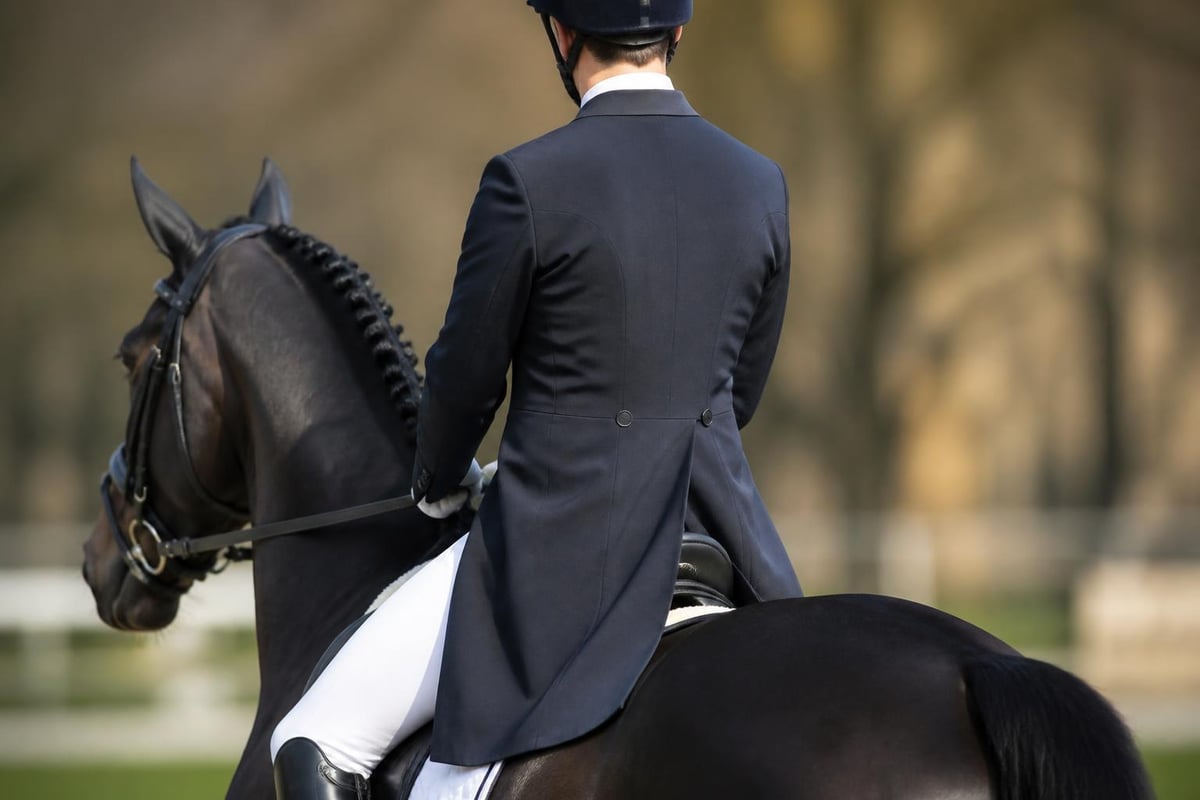
The classic riding coat silhouette isn't arbitrary. Longer back panels protect your seat and thighs from saddle leather and weather. Tailored shoulders allow your arms full range of motion for rein work. Vented backs prevent overheating during active riding. These design features weren't fashion statements; they solved real problems for riders.
Modern manufacturers worth their salt maintain these proportions whilst updating construction methods. When you're evaluating any mens riding coat, check how it addresses these traditional functions. Does the back extend properly? Are the shoulders cut to accommodate forward arm position? Can you actually move in it, or are you wrestling with restrictive fabric every time you mount?
Performance Fabrics for Real-World Riding
Here's where modern mens riding coats diverge dramatically from their ancestors. Today's performance fabrics combine weather protection with breathability in ways wool and waxed cotton never could. Understanding fabric technology helps you choose coats that actually perform when conditions turn challenging.
Weather Protection Without Compromise
| Fabric Technology | Weather Protection | Breathability | Best Use Case |
|---|---|---|---|
| Gore-Tex membranes | Excellent waterproofing | High breathability | All-day riding in wet conditions |
| DWR-treated softshells | Good water resistance | Maximum breathability | Active riding, variable weather |
| Insulated hardshells | Complete weather seal | Moderate breathability | Winter riding, extreme conditions |
| Technical wool blends | Natural water resistance | Excellent temperature regulation | Dry to light rain, year-round |
The key distinction is understanding that complete waterproofing often means reduced breathability. A truly waterproof mens riding coat might keep rain out brilliantly, but it can also trap perspiration during active schooling sessions. This is why serious riders often own multiple coats for different conditions rather than searching for one mythical "perfect" option.
For those frequently riding in wet climates, a waterproof riding jacket with taped seams and adjustable ventilation offers the best compromise. New Zealand riders know this reality intimately; our weather changes faster than you can tack up.
Fit and Movement: What Actually Works on Horseback
You can't properly evaluate a mens riding coat whilst standing still in a shop. The true test is how it performs when you're sitting in the saddle, reaching forward for a half-halt, or twisting round to check your diagonal. Proper equestrian fit differs fundamentally from standard outerwear tailoring.
The Mounted Position Test
Before committing to any riding coat, run through these movements. Sit as though mounted, knees bent, hands forward holding imaginary reins. Does the coat ride up uncomfortably? Are your wrists exposed? Can you rotate your shoulders freely? Raise your arms overhead; does the coat restrict you or pull awkwardly across the back?
Quality manufacturers design specifically for these positions. Look for articulated elbows, pre-shaped sleeves, and stretch panels in strategic locations. The back should be longer than the front, compensating for your forward-leaning riding position. Side vents allow the coat to drape properly over your thighs without bunching.
Layering Considerations for Year-Round Riding
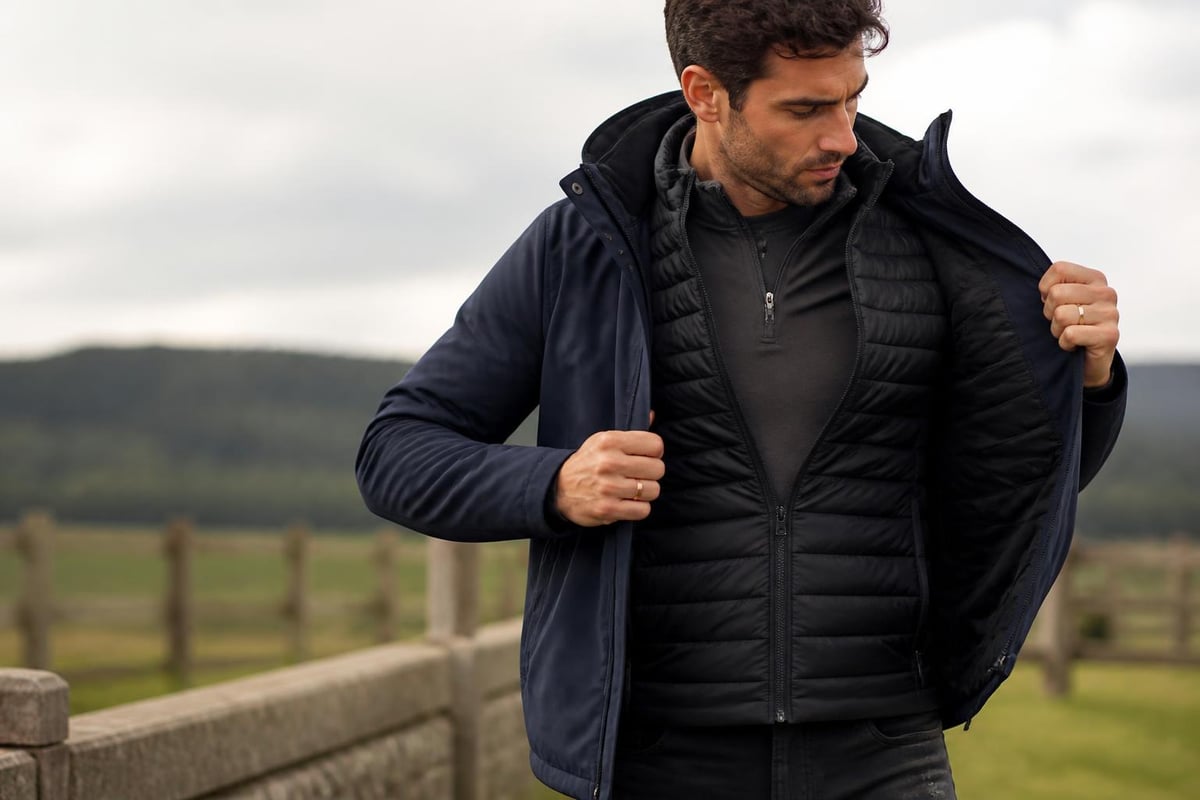
A well-designed mens riding coat accommodates layering beneath without becoming restrictive. During winter, you'll want room for thermal base layers and perhaps a fleece mid-layer. Summer riding might require only a polo shirt underneath.
This is where thoughtful sizing matters. Some riders prefer a closer athletic fit, others want more room for layers. Neither approach is wrong, but you need to be honest about your typical riding conditions. If you're mostly riding in moderate weather, a slim-cut coat with minimal bulk makes sense. If you face proper winters, size up slightly to accommodate insulation.
Style Choices: From Schooling to Show Ring
The best mens riding coat transitions seamlessly between different contexts. You shouldn't need separate wardrobes for schooling horses, competing, and post-ride errands. Smart design and colour choices make this versatility achievable.
Classic Colours That Work Everywhere
Navy remains the gold standard for good reason. It pairs with everything, doesn't show dirt as readily as lighter colours, and maintains that refined equestrian aesthetic whether you're in the arena or grabbing coffee afterwards. Bone and olive tones offer subtle alternatives whilst remaining appropriately understated.
Black works brilliantly for some riders but can look overly formal for casual schooling. It's excellent for competition settings where you want that sharp, professional appearance. Consider your typical riding environment when choosing colours. If you're mostly training at home, prioritize practicality. If you compete regularly, having one dressier option makes sense.
Competition-Ready Details
For show settings, certain details become essential. Discrete branding, clean lines, and traditional tailoring show respect for the discipline. Some riders prefer equestrian riding jackets with show-specific features like higher collars or more structured shoulders.
That said, many modern competitions have relaxed strict dress codes, particularly at lower levels. Know your discipline's expectations. Dressage traditionally demands more formal attire than, say, working equitation or trail riding competitions. Your mens riding coat should match the context without looking out of place.
Care and Maintenance: Making Your Investment Last
A quality mens riding coat represents significant investment. Proper care extends its functional lifespan considerably and maintains that sharp appearance that sets you apart. Most riders under-maintain their outerwear, compromising both performance and longevity.
Cleaning Without Compromising Performance
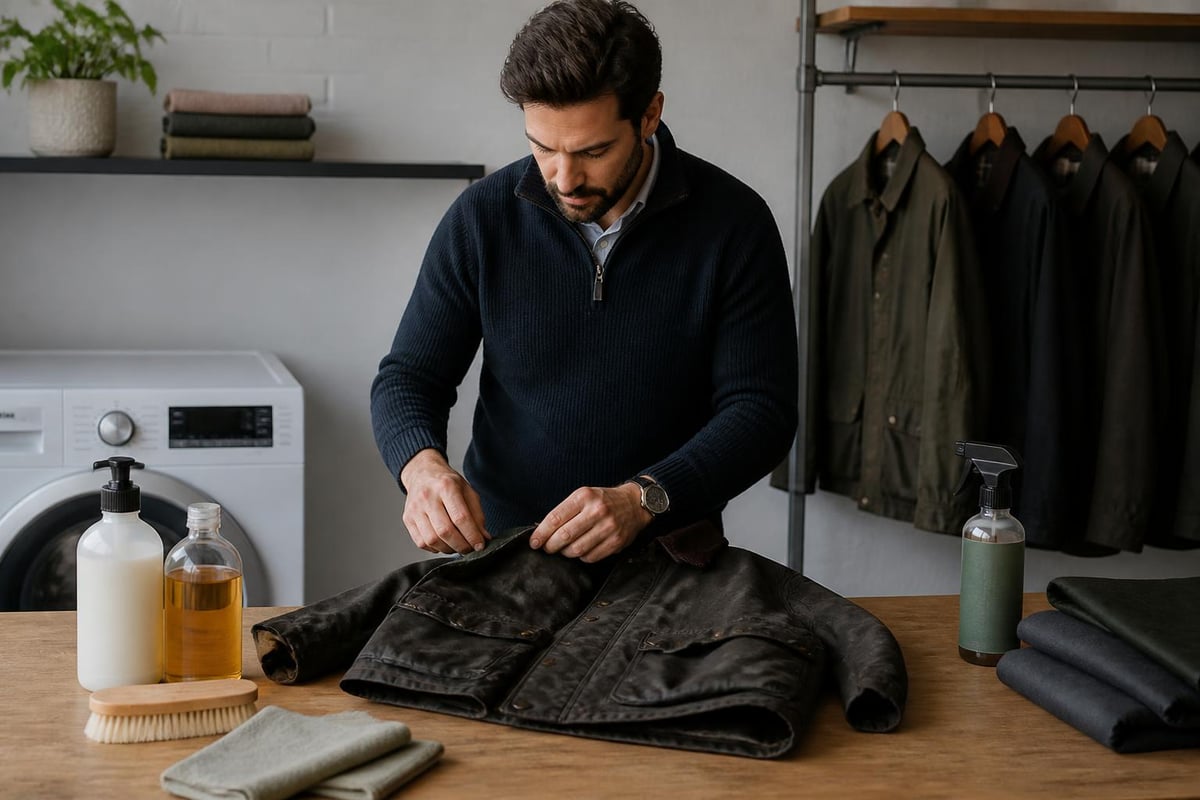
Technical fabrics require specific care. Standard detergents can clog breathable membranes, destroying waterproofing whilst leaving the coat looking fine. Use technical wash products designed for performance outerwear. Avoid fabric softeners entirely; they coat fibres and reduce breathability.
Wash your riding coat more frequently than you think necessary. Dirt, sweat, and body oils degrade fabric treatments over time. A clean coat actually performs better than one you've "saved" by washing infrequently. After washing, tumble dry on low heat if the care label permits; this reactivates DWR treatments.
Reproofing and Long-Term Care
| Maintenance Task | Frequency | Purpose |
|---|---|---|
| Technical washing | After 5-7 wears | Removes oils that reduce breathability |
| DWR reproofing | Every 10-12 washes | Restores water-shedding surface |
| Seam inspection | Twice yearly | Catches failures before major leaks |
| Storage assessment | Seasonally | Prevents mildew, moth damage |
DWR (Durable Water Repellent) treatments don't last forever. When water stops beading on the surface and instead soaks into the fabric face, it's time to reproof. Spray-on or wash-in treatments are both effective; follow manufacturer guidance for your specific coat.
Store your mens riding coat properly during off-seasons. Clean it thoroughly first; stored dirt attracts pests. Use a breathable garment bag in a cool, dry location. Avoid plastic bags that trap moisture and promote mildew.
Versatility Beyond the Stables
The right mens riding coat shouldn't live exclusively in your tack room. Modern equestrian design increasingly focuses on pieces that transition naturally into daily wear. This isn't about hiding your riding background; it's about choosing gear refined enough for multiple contexts.
From Arena to Everyday
Look for design elements that read as quality outerwear rather than overtly equestrian. Minimal branding, classic cuts, and neutral colours allow your riding coat to function perfectly well for country walks, casual dining, or weekend errands. You've invested in quality kit; it makes sense to maximize its utility.
This versatility also means you're more likely to actually use the coat. If it only comes out for riding, it won't get enough wear to justify the investment. If it becomes your go-to autumn jacket, you'll appreciate the quality every time you reach for it.
Building a Practical Rotation
Rather than owning one expensive coat, consider building a rotation. A lightweight shell for spring and autumn, a properly insulated option for winter, and perhaps a smarter show coat if you compete regularly. This approach distributes wear, extends the lifespan of each piece, and ensures you're always appropriately dressed for conditions.
Many riders find that starting with one excellent all-rounder, then adding specialized pieces as needs emerge, works better than trying to buy everything at once. Your riding evolves; your kit should too.
Choosing Quality Over Fashion
The mens riding coat market includes everything from budget options barely fit for purpose to investment pieces built to last decades. Understanding what separates genuinely good coats from pretenders helps you spend wisely.
Construction Details That Matter
Quality lives in the details. Examine seam construction; are they flat-felled or taped? Check zipper quality; YKK or equivalent reliable brands suggest attention to component selection. Inspect buttonholes; they should be precisely stitched and reinforced. Look inside; quality linings that move independently from the shell indicate proper construction.
Cheaper coats cut corners on these elements. They might look acceptable new but fall apart after one season of regular use. A well-constructed mens riding coat improves with wear, developing character whilst maintaining function.
Understanding Price Points
| Price Range | Expected Quality | Typical Lifespan | Best For |
|---|---|---|---|
| Under £100 | Basic protection | 1-2 seasons | Occasional riders, testing interest |
| £100-£250 | Good performance | 3-5 seasons | Regular riders, proven commitment |
| £250-£500 | Excellent quality | 5-10+ seasons | Serious riders, daily use |
| Over £500 | Premium/bespoke | 10-20+ seasons | Professionals, specific requirements |
These ranges reflect 2026 market realities. Proper equestrian kit costs more than high-street fashion because the performance requirements differ fundamentally. You're not paying for brand prestige; you're investing in fabrics, construction, and design that actually work when you're riding.
That said, expensive doesn't automatically mean better. Some heritage brands charge for their name rather than superior quality. Focus on construction, fabric quality, and fit rather than labels. The best mens riding coat for you balances quality with your specific needs and budget.
Making Your Selection
Choosing the right mens riding coat means understanding your specific requirements rather than chasing some ideal that doesn't match your reality. Consider your typical riding frequency, weather conditions, and budget constraints honestly.
Defining Your Requirements
Start with the fundamentals. How often do you ride? In what conditions? What's your primary discipline? These questions guide every subsequent decision. A leisure rider in moderate climates needs different kit than someone training horses daily through variable weather.
Be realistic about your commitment level. If you're riding twice weekly in mostly dry conditions, you don't need expedition-grade waterproofing. Conversely, if you're out six days a week regardless of weather, skimping on quality becomes expensive through constant replacements.
Trial and Assessment
If possible, try coats whilst actually riding rather than just standing in them. Some shops and manufacturers offer trial periods; take advantage of these. Wear the coat for a proper schooling session. Does it perform as expected? Are there any unexpected restrictions or comfort issues?
Pay attention to small annoyances. That slightly restrictive shoulder might seem minor in the shop but becomes genuinely irritating after an hour's riding. Trust your gut; if something feels off, it probably is.
The right mens riding coat balances heritage design with modern performance, delivering weather protection and freedom of movement whilst maintaining that refined aesthetic serious riders appreciate. Understanding fabric technology, proper fit, and quality construction helps you invest wisely in kit that performs reliably season after season. Whether you're schooling horses through changeable weather or competing at shows, having the right coat makes every ride more comfortable and enjoyable. Gallant Equestrian designs performance-driven mens equestrian clothing that transitions seamlessly from stables to everyday life, combining New Zealand durability with refined style that works wherever your riding takes you. Look the Part. Enjoy the Ride.

