

Men's Equestrian Show Jacket: The Complete Guide
Oct 17, 2026
The right mens equestrian show jacket does more than satisfy competition rules. It shapes how you present yourself in the arena, influences your comfort under pressure, and reflects the hours you've invested in your riding. Whether you're preparing for your first affiliated dressage test or fine-tuning your kit for advanced eventing, understanding what makes a show jacket work matters. This isn't about trends or fashion statements. It's about choosing a garment that performs when it counts, fits properly, and meets the exacting standards of competitive equestrian sport.
Understanding Show Jacket Requirements Across Disciplines
Different disciplines demand different standards for competition attire. The official FEI dressage rules specify acceptable colours, styles, and details for international competition, typically requiring dark colours such as black, navy, or dark grey for most levels. Shadbelly coats become appropriate at certain advanced levels, adding formality to the presentation.
Eventing show jumping phases generally allow more flexibility. Many riders choose navy or black, though some competitions permit tweeds or subtle patterns. The jacket must still present a professional appearance whilst allowing freedom of movement over fences.
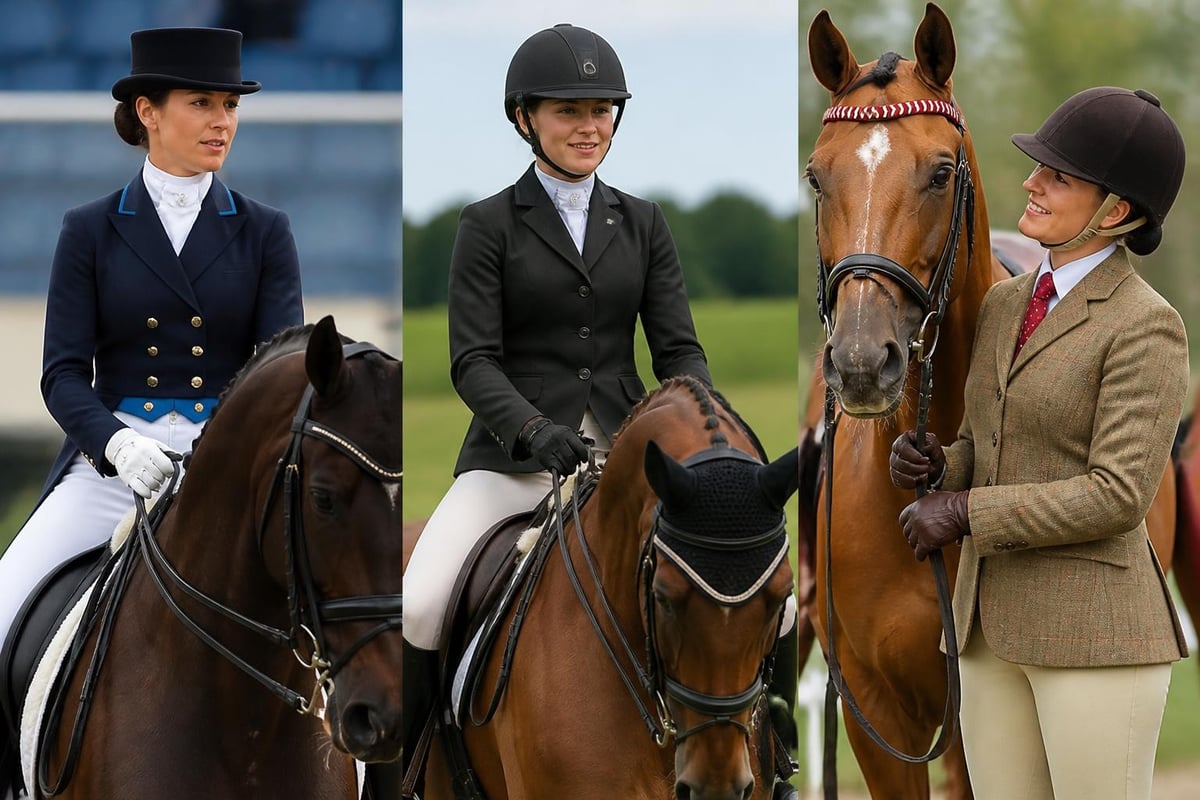
Showing classes often embrace traditional styling. Hunt coat cuts, subtle checks, and Heritage fabrics appear regularly in working hunter and riding horse classes. The key is matching your jacket choice to the specific competition rules you'll encounter.
Fabric Technology in Modern Show Jackets
Traditional show jackets relied on wool blends that looked sharp but often felt restrictive and hot. Modern mens equestrian show jacket designs incorporate technical fabrics that maintain a classic appearance whilst delivering genuine performance benefits.
Four-way stretch materials allow natural shoulder rotation and hip movement without pulling or bunching. This matters enormously during extended sitting trot or when riding tight turns in a jump-off. The fabric moves with you rather than against you.
Moisture-wicking properties keep you comfortable during warm-up and throughout your test. Advanced waterproof breathable membranes used in premium jackets allow perspiration to escape whilst maintaining the structured appearance required in competition. The result is a jacket that looks traditional but performs like modern athletic wear.
Many contemporary show jackets also incorporate antibacterial treatments. These reduce odour build-up, particularly important for riders competing across multiple days or in warm climates. The jacket stays fresher between cleanings, extending its useful life.
Fit Considerations for Male Riders
The difference between an adequate show jacket and an excellent one often comes down to fit. Men's body shapes vary considerably, and a jacket cut for one build rarely suits another perfectly. Understanding your proportions helps you choose wisely.
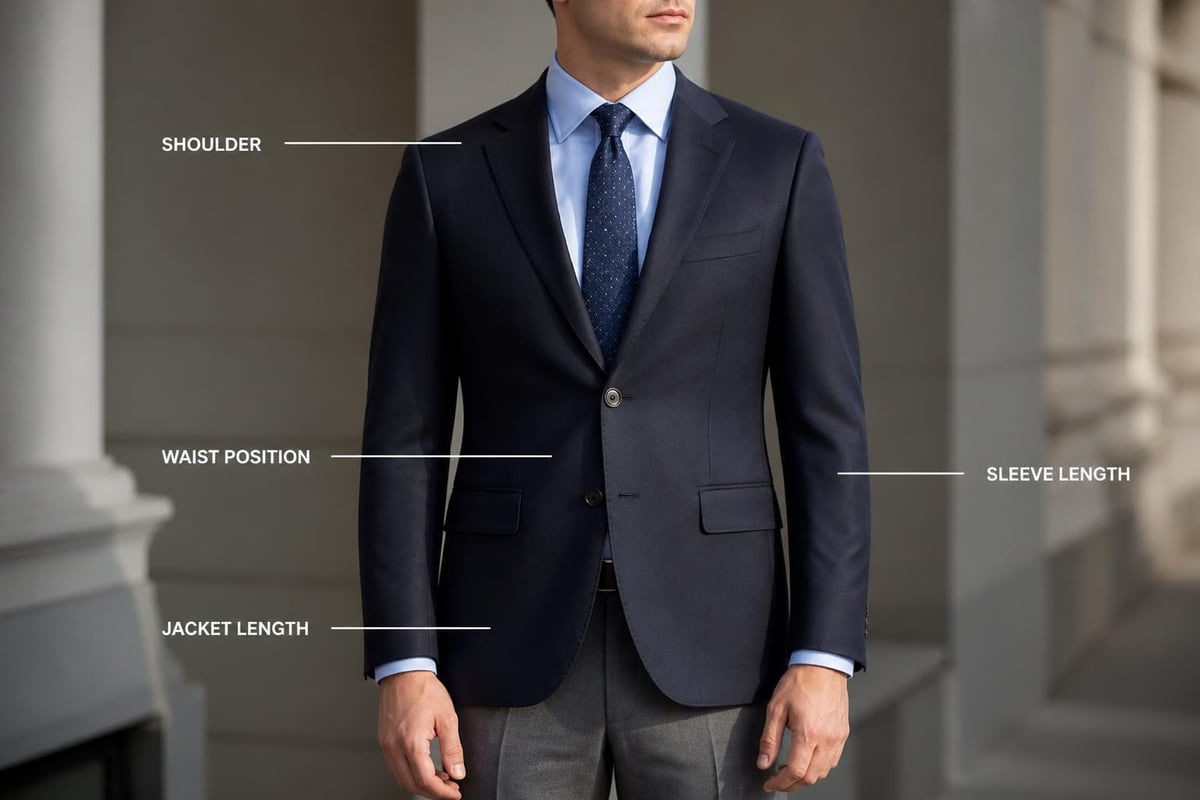
Shoulder seams should sit precisely at the edge of your shoulder, not drooping down your arm or pulling across your back. When you raise your arms forward to riding position, the jacket should move with you without significant pulling across the shoulder blades.
Sleeve length matters more than many riders realise. The cuff should reach your wrist bone when your arms are at your sides. In riding position, this prevents the sleeves from riding up and exposing shirt cuffs or wrists, maintaining a clean line.
The jacket length traditionally falls to just below your seat when standing. Too short looks unbalanced. Too long bunches under you when mounted, creating discomfort and an untidy appearance from the judge's perspective.
Tailoring Options and Alterations
Off-the-rack show jackets rarely fit perfectly without adjustment. Budget for professional alterations when purchasing a mens equestrian show jacket. A skilled tailor familiar with equestrian wear understands the specific requirements.
Common alterations include:
Sleeve adjustments to achieve proper length without affecting shoulder fit. Taking in or letting out the waist to create a flattering silhouette without restricting breathing or movement. Adjusting back vents to ensure they sit correctly when mounted, preventing gaping or pulling.
Some riders with particularly athletic builds or unusual proportions benefit from made-to-measure options. These cost more initially but eliminate the compromise of trying to make a standard size work. The investment pays off in comfort and confidence over years of use.
Colour Selection and Competition Compliance
Black remains the safest choice for most competitions. It's universally accepted across disciplines and levels, never draws negative attention, and looks sharp when properly fitted. Navy runs a close second in versatility, offering subtle distinction whilst maintaining formality.
Dark grey provides an alternative that photographs well and suits riders with certain colouring. However, verify competition rules before investing, as some traditional shows specify black or navy only.
Lighter colours and patterns require careful consideration. Tweed jackets suit certain showing classes and hunter trials beautifully but look out of place in dressage arenas. Always check rule books for your specific discipline and level.
The colour you choose should also complement your breeches, typically buff, white, or grey depending on discipline and tradition. The combination should look intentional and professional, not mismatched or jarring.
Coordinating Your Complete Kit
A mens equestrian show jacket forms part of a complete picture. Your shirt, stock tie or collar, breeches, boots, and gloves must work together cohesively. Navy jackets pair naturally with white or pale blue shirts. Black jackets offer more flexibility but look sharpest with crisp white.
Stock ties add formality and tradition. They should be tied neatly, secured with an appropriate stock pin, and present a clean appearance under your jacket. Practice tying them properly well before competition day.
Quality breeches in appropriate colours complete the lower half. Ensure they fit well and coordinate with your jacket choice. Avoid trendy colours or excessive detailing that distracts from the overall professional appearance you're creating.
Seasonal Considerations and Layering
Summer competitions present unique challenges. A heavy wool show jacket becomes unbearable in thirty-degree heat, affecting your performance and your horse's experience. Lightweight technical fabrics designed for warm weather maintain the required appearance whilst allowing air circulation.
Look for jackets with mesh panels strategically placed under arms or across the back. These aren't visible when properly fitted but dramatically improve comfort. Some designs incorporate laser-cut ventilation that's nearly invisible but functionally effective.
Winter showing requires different thinking. You need warmth without bulk that restricts movement or creates an unflattering silhouette. Thermal base layers worn under your shirt help, as do jackets with subtle insulation built into the lining.
Body Protector Compatibility
Safety-conscious riders increasingly wear body protectors during show jumping phases or cross-country. Understanding body protector standards helps you choose protective equipment that works with your jacket. Current competition rules specify when protectors are mandatory, making compatibility essential.
Your show jacket must fit over your chosen body protector without looking excessively tight or restricting arm movement. This typically requires ordering a jacket one size larger than you'd wear without protection, then having it tailored to fit correctly with the protector in place.
Air vest systems offer an alternative that's less bulky under jackets. These inflate only upon activation, maintaining a slimmer profile during normal riding. They've become increasingly popular among eventers who want protection without compromising jacket fit.
Care and Maintenance for Longevity
A quality mens equestrian show jacket represents significant investment. Proper care extends its useful life and maintains its professional appearance through dozens of competitions. Immediate post-ride care matters as much as periodic cleaning.
After each use, hang your jacket on a proper coat hanger, never folded or crumpled. Brush off any dust, hair, or arena footing before it sets into the fabric. Allow it to air thoroughly before storing to prevent moisture damage or odour development.
Professional dry cleaning is essential but should be limited to when genuinely necessary. Over-cleaning breaks down fabrics and finishes prematurely. Spot-clean minor marks promptly to avoid full cleaning cycles. Many modern technical fabrics resist staining better than traditional materials, requiring less frequent professional attention.
| Maintenance Task | Frequency | Method |
|---|---|---|
| Brushing/airing | After every wear | Soft brush, ventilated area |
| Spot cleaning | As needed | Damp cloth, mild soap |
| Professional cleaning | 2-3 times per season | Quality dry cleaner familiar with technical fabrics |
| Button check | Monthly | Tighten or replace as needed |
| Vent inspection | Seasonally | Check stitching, repair promptly |
Storage matters enormously during off-season periods. Use a breathable garment bag, never plastic, which traps moisture and encourages mildew. Cedar balls or lavender sachets deter moths without leaving chemical residue. Store in a cool, dry location away from direct sunlight that can fade colours over time.
Budget Considerations and Value Assessment
Show jacket prices range from under two hundred pounds to well over a thousand for premium made-to-measure options. Understanding what drives these differences helps you make informed decisions aligned with your needs and competitive goals.
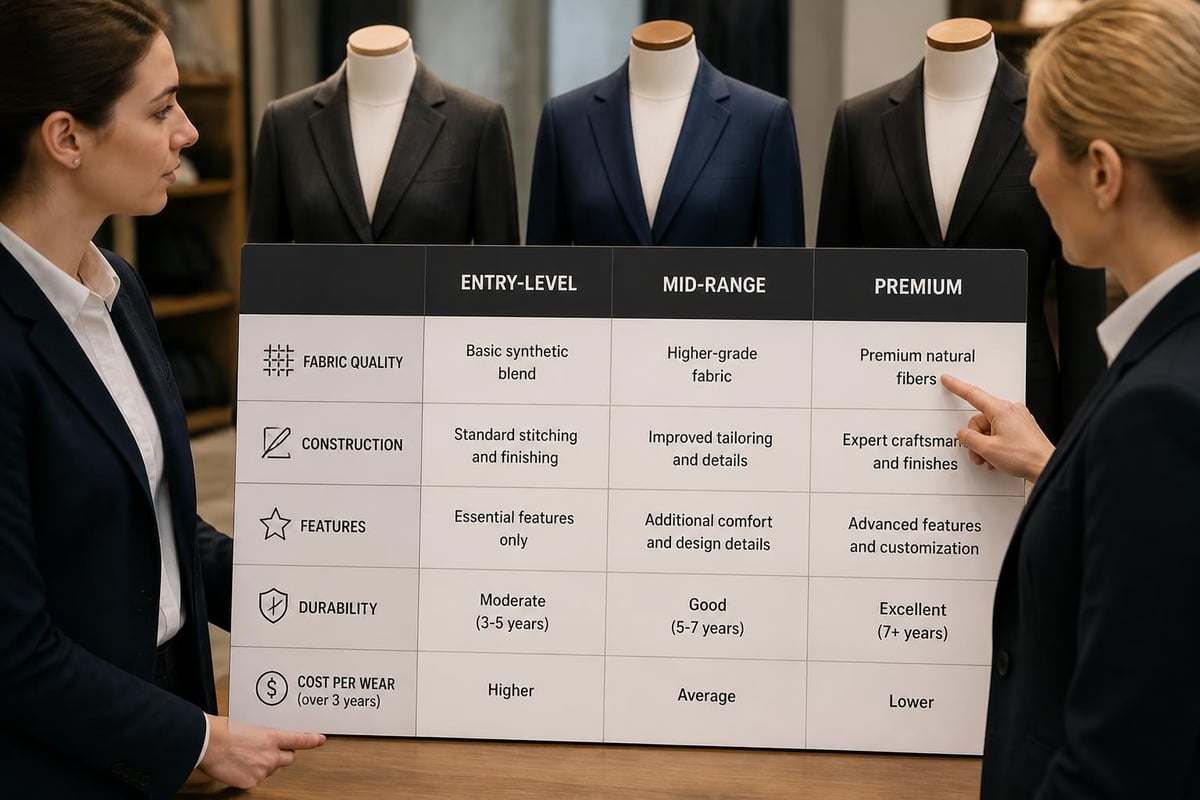
Entry-level jackets typically use basic polyester blends with limited stretch and minimal technical features. They serve riders competing occasionally or just starting out, providing rule-compliant attire without major investment. Expect reasonable durability with careful care but don't anticipate high-end performance or longevity.
Mid-range options incorporate better fabrics, improved construction, and meaningful technical features. These jackets suit regular competitors who ride multiple times weekly and compete throughout the season. The step up in comfort, fit, and durability justifies the additional cost for serious amateurs and professionals.
Premium jackets deliver top-tier fabrics, exceptional construction, and subtle details that elevate the overall package. Made-to-measure options at this level provide perfect fit and personalisation. These investments make sense for riders competing at advanced levels where every detail contributes to overall presentation and competitive success.
When to Invest vs. When to Economise
Your competitive level and frequency should guide spending decisions. A rider doing occasional local dressage tests doesn't need the same jacket as someone qualifying for national championships. Be honest about your actual requirements rather than aspirational ones.
Consider cost per wear over the jacket's expected life. A five-hundred-pound jacket worn fifty times per year for three years costs just over three pounds per use. That same jacket worn five times annually becomes expensive quickly. Match investment to realistic use patterns.
Second-hand markets offer opportunities for budget-conscious riders. Quality show jackets from reputable makers retain value and function well for subsequent owners. Inspect carefully for wear, stains, and proper fit. Factor in alteration costs when evaluating second-hand purchases.
Style Evolution and Personal Expression
Traditional show ring attire leaves limited room for personal style, but subtle choices make a difference. Collar styles, button configurations, and piping details allow modest personalisation within conventional frameworks. Understanding these options helps you select a jacket that feels distinctly yours whilst remaining entirely appropriate.
Three-button fronts versus two-button designs offer slightly different aesthetics. Three buttons create a more traditional, formal appearance. Two buttons look slightly more modern and can be more flattering on shorter torsos. Both remain fully acceptable across disciplines.
Lapel width has varied over decades. Current trends favour medium-width lapels that look contemporary without appearing dated in five years. Avoid extremely narrow or excessively wide lapels that mark your jacket to a specific fashion moment.
Back vent styles include centre vents, side vents, or no vents. Centre vents are most traditional and most common. Side vents can be more flattering on certain body types. No vents create the cleanest line but offer less movement flexibility. Your choice should balance tradition, body type, and discipline requirements.
Maintaining Classic Appearance in Modern Materials
The best contemporary show jackets look entirely traditional whilst incorporating modern performance features invisibly. This balance allows you to benefit from technical advancement without appearing to chase trends or break with convention.
Look for jackets where stretch fabrics maintain their shape and structure. Poor-quality stretch materials can look baggy or shapeless after minimal wear. Premium technical fabrics hold their form through repeated use whilst still providing flexibility.
Ventilation features should be completely hidden. Visible mesh panels or obvious ventilation openings undermine the classic aesthetic you're working to achieve. The best designs integrate these features into seams or lining construction where they function without being seen.
Practical Considerations for Competition Day
Having the right jacket matters little if you forget it, damage it in transport, or discover fit issues moments before your test. Practical planning prevents these frustrations and ensures you present your best when it counts.
Pack your jacket last so it sits on top of other items in your kit bag, minimising wrinkles. Consider a dedicated jacket carrier for major competitions where you want absolutely pristine presentation. These fold flat when empty and take minimal space.
Arrive with time to dress properly and check your appearance. Rushed dressing leads to crooked stock ties, missed buttons, and generally untidy presentation. Build in buffer time for unexpected adjustments or last-minute lint removal.
Keep a small emergency kit in your tack box: spare buttons matching your jacket, small sewing kit, lint roller, and stain removal pen. These simple items solve problems quickly without requiring trips back to your vehicle or trailer.
Competition Day Checklist
| Item | Purpose | Location |
|---|---|---|
| Show jacket | Primary competition attire | Garment bag, top of kit |
| Spare buttons | Emergency replacement | Jacket pocket or emergency kit |
| Lint roller | Final touch-up before class | Tack box |
| Garment bag | Transport and storage | Vehicle |
| Hanger | Proper storage between classes | Vehicle or stable |
| Stain pen | Quick spot treatment | Emergency kit |
Consider weather conditions when planning. If rain threatens and you're not riding immediately, keep your jacket protected until the last possible moment. Weather-appropriate outerwear keeps your show jacket pristine whilst you handle pre-competition tasks around the showground.
Making Your Final Selection
Choosing a mens equestrian show jacket ultimately balances multiple factors: budget, discipline requirements, body type, climate, and personal preferences. No single jacket is perfect for everyone. The right choice for you depends on your specific circumstances and competitive goals.
Start by clearly defining your requirements. What disciplines will you compete in? What level are you riding? How frequently do you compete? What's your realistic budget including alterations? Answer these questions honestly before you start shopping.
Try multiple options before committing. Jackets that look identical online fit very differently in reality. If possible, try them on whilst seated in riding position, arms forward, to assess how they'll actually feel and move when you're competing.
Don't rush the decision. A show jacket you'll wear for years deserves careful consideration. Better to spend extra time finding the right option than to purchase hastily and regret the choice after a few uncomfortable competitions.
Pay attention to return policies when buying online. Reputable retailers understand that fit is personal and allow reasonable return windows. This removes much of the risk from purchasing without in-person fitting.
Trust your instincts about fit and comfort. If a jacket doesn't feel right despite being the "correct" size on paper, keep looking. You'll perform better in a jacket that feels like a second skin than in one that's technically perfect but somehow off.
The right show jacket elevates your entire competition experience, allowing you to focus on riding rather than worrying about appearance or comfort. Understanding fit, fabric, rules, and care ensures your investment serves you well across seasons and levels. Whether you're building your first competition wardrobe or upgrading worn kit, Gallant Equestrian combines the performance features modern riders need with the refined style that equestrian sport demands. Look the Part. Enjoy the Ride.

